Kerman rugs hail from the desert city of Kerman in the Middle East, a location that has served as a vital centre for textile production for centuries. Historically, the region was known for its innovative approach to design, often breaking away from the rigid geometric patterns popular in other areas to embrace a more fluid, artistic style. This regional identity has allowed Kerman weavers to develop a distinct visual language that is celebrated worldwide.
The term Kerman refers to both the origin and the specific design tradition, which is renowned for its wide range of colours and complex floral motifs. Historically, these rugs were highly prized by the ruling classes and were often commissioned as custom pieces for palaces and estates. This legacy of prestige is still reflected in the choice of high-quality wool and the sophisticated dyeing techniques used to create their signature look.
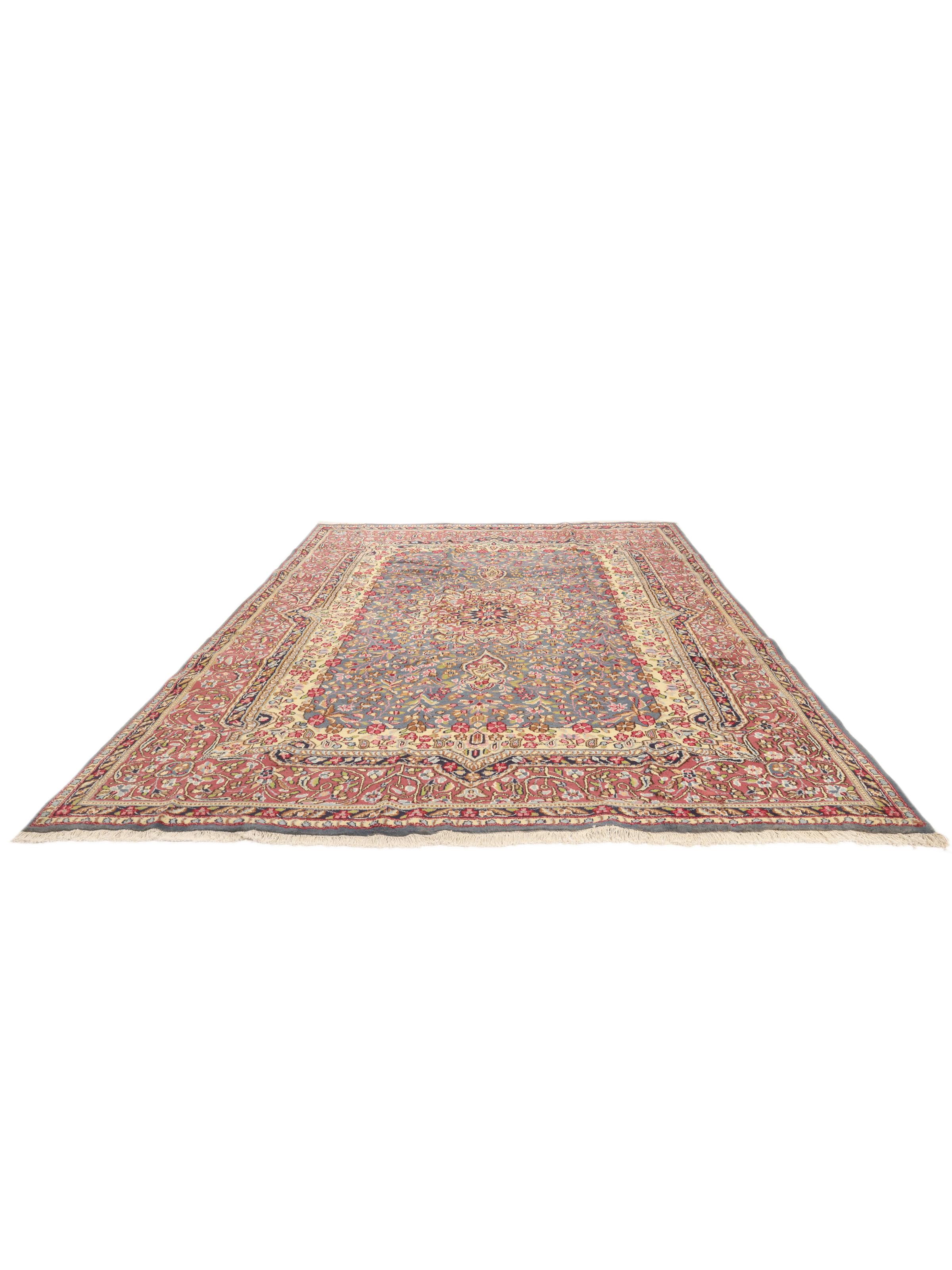
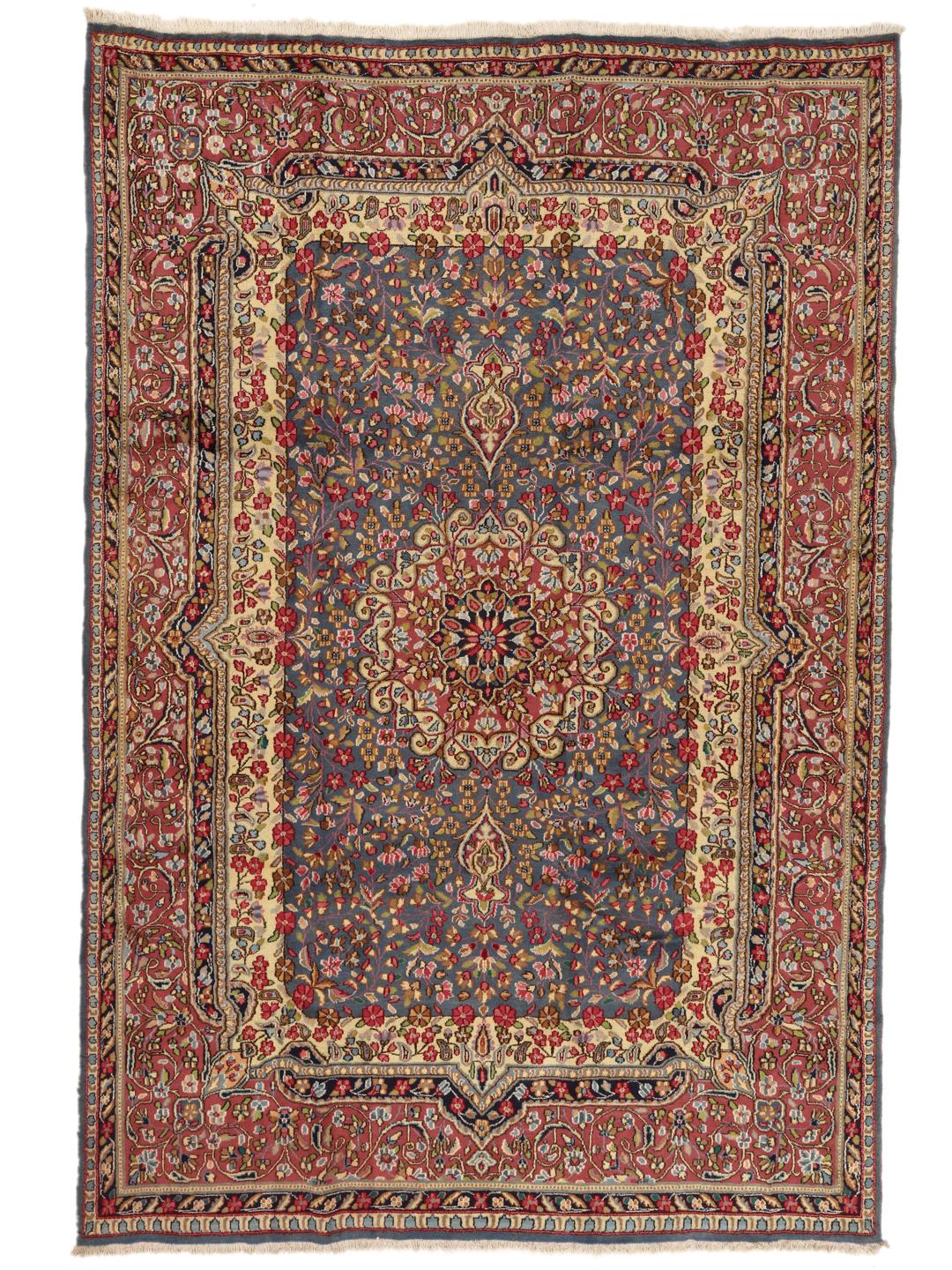
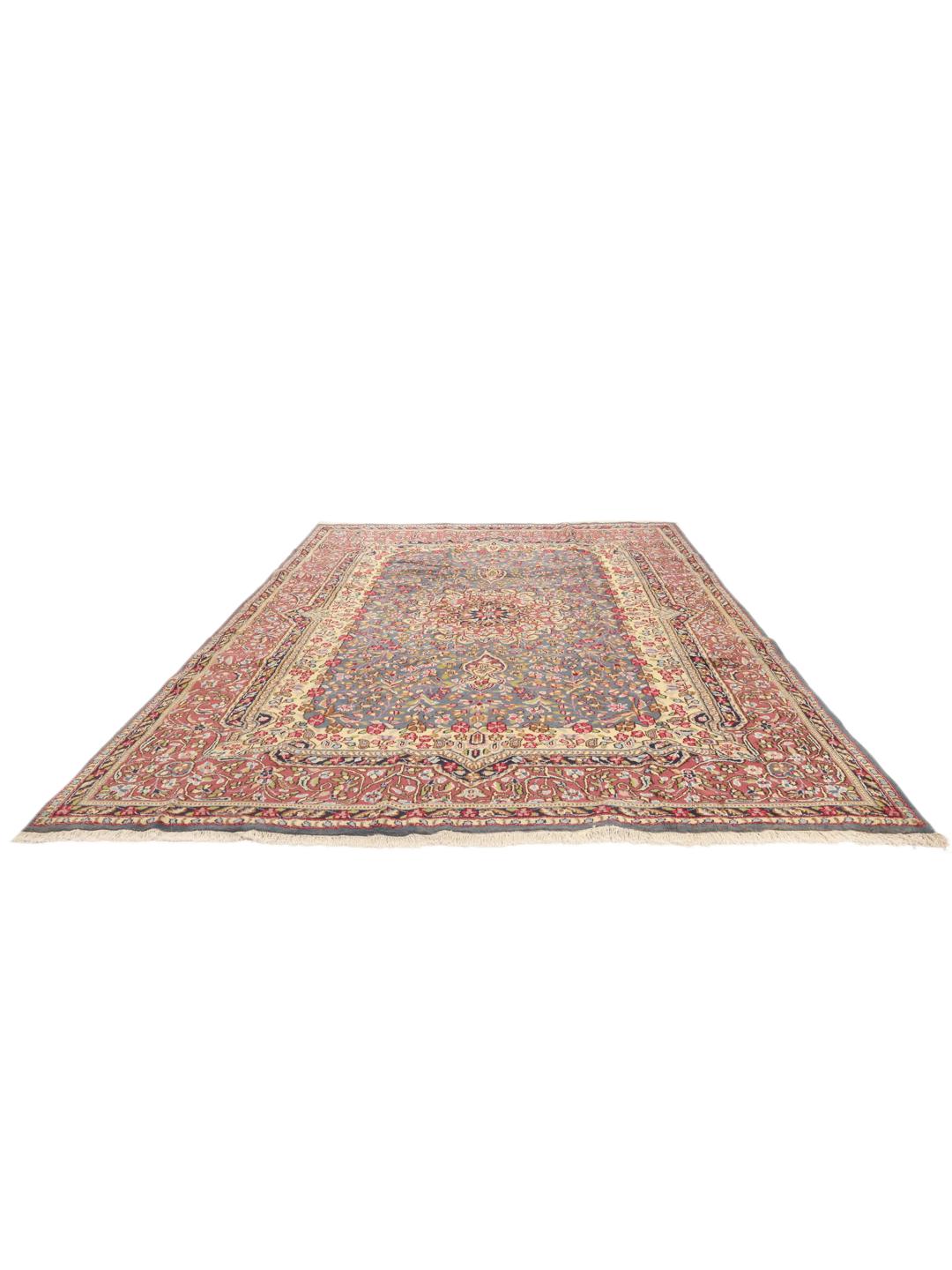
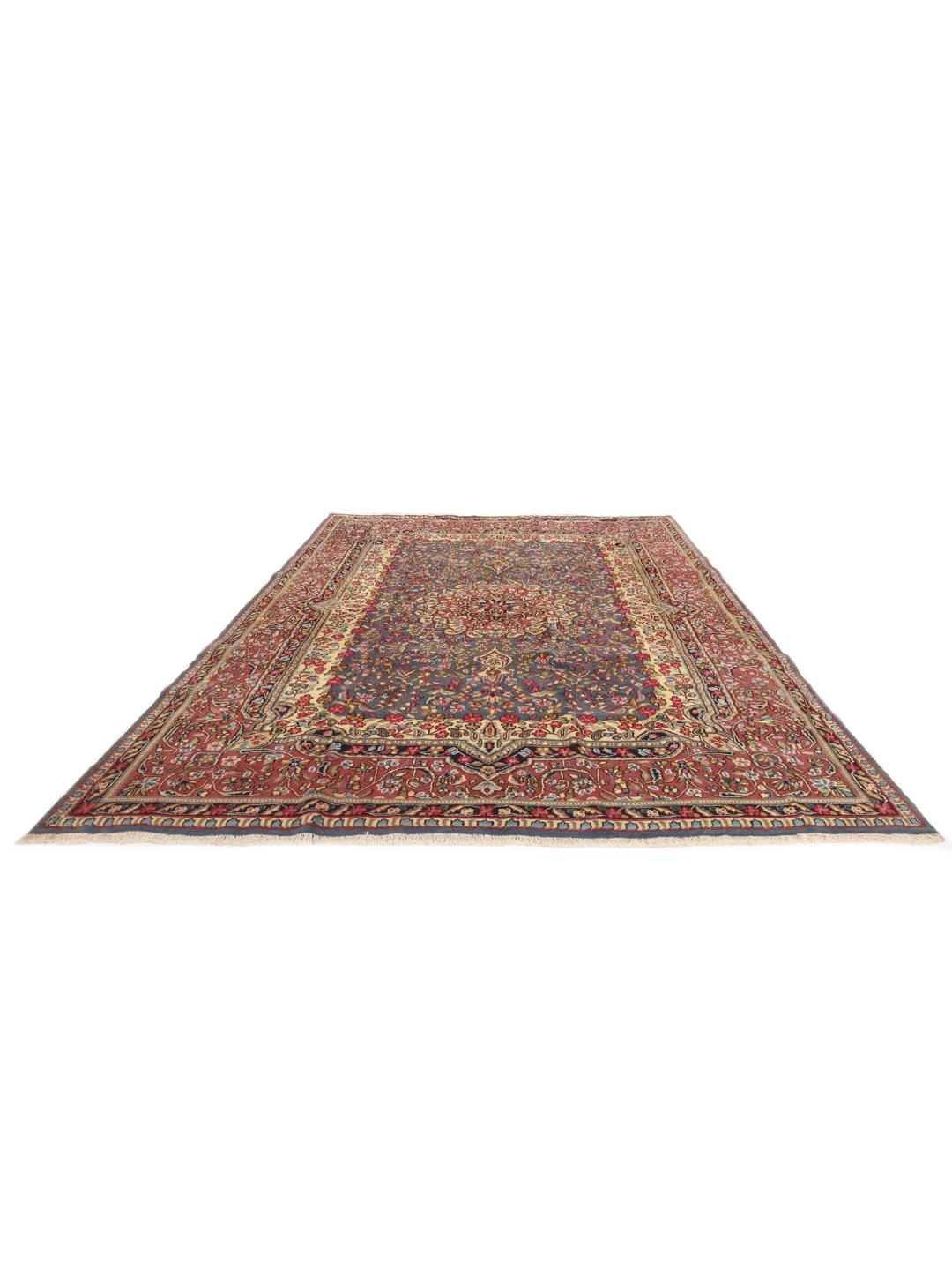
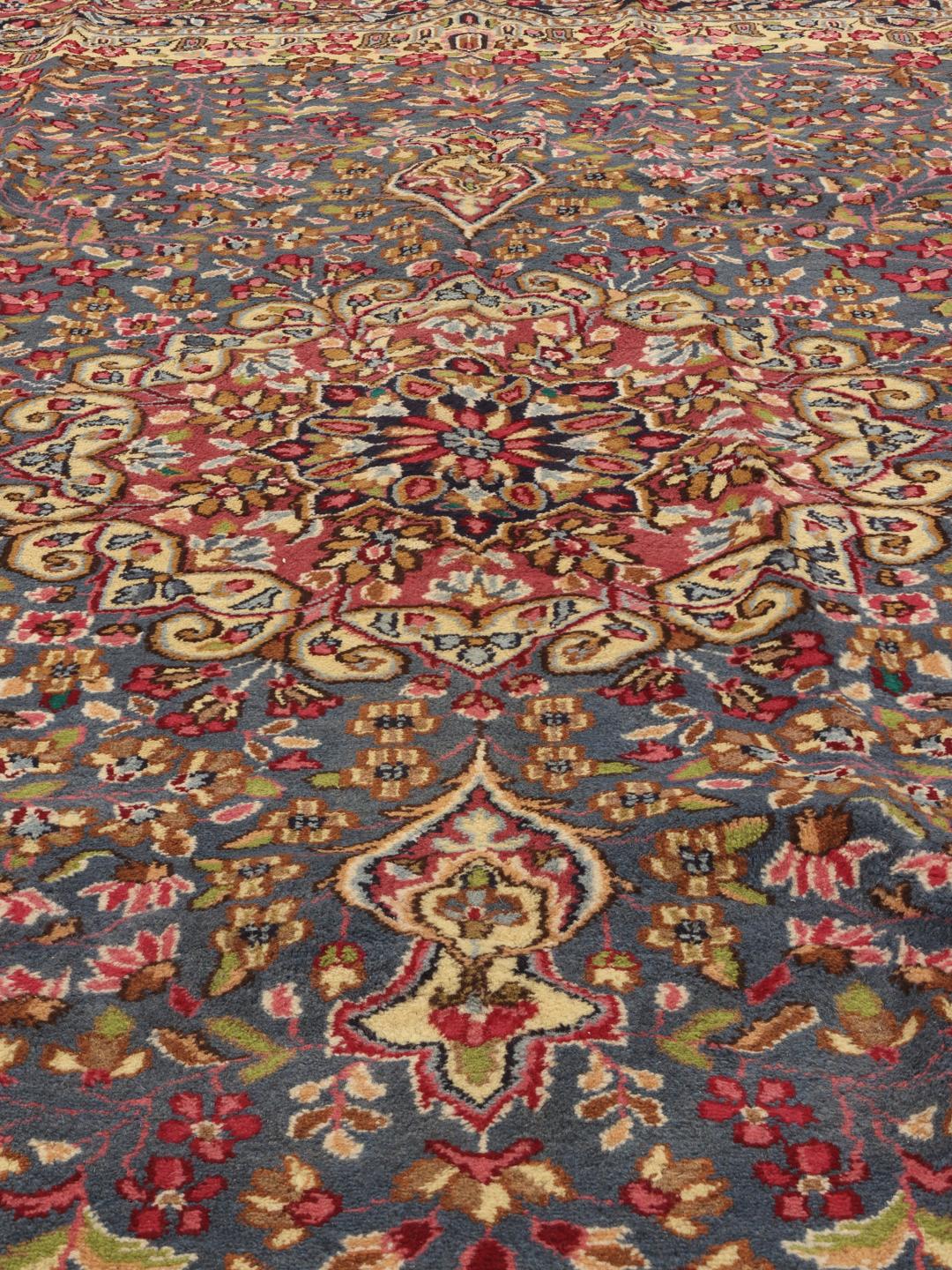
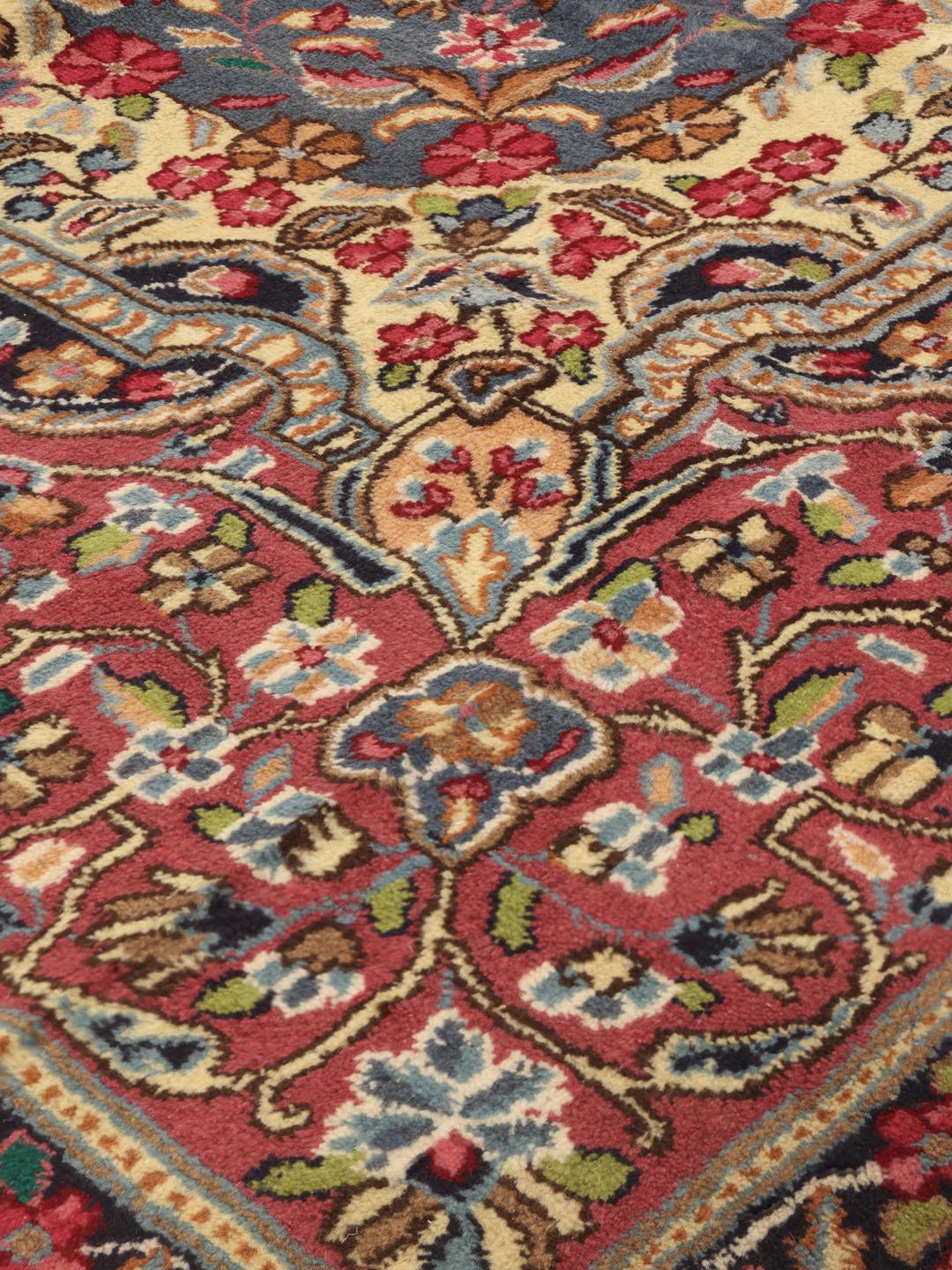
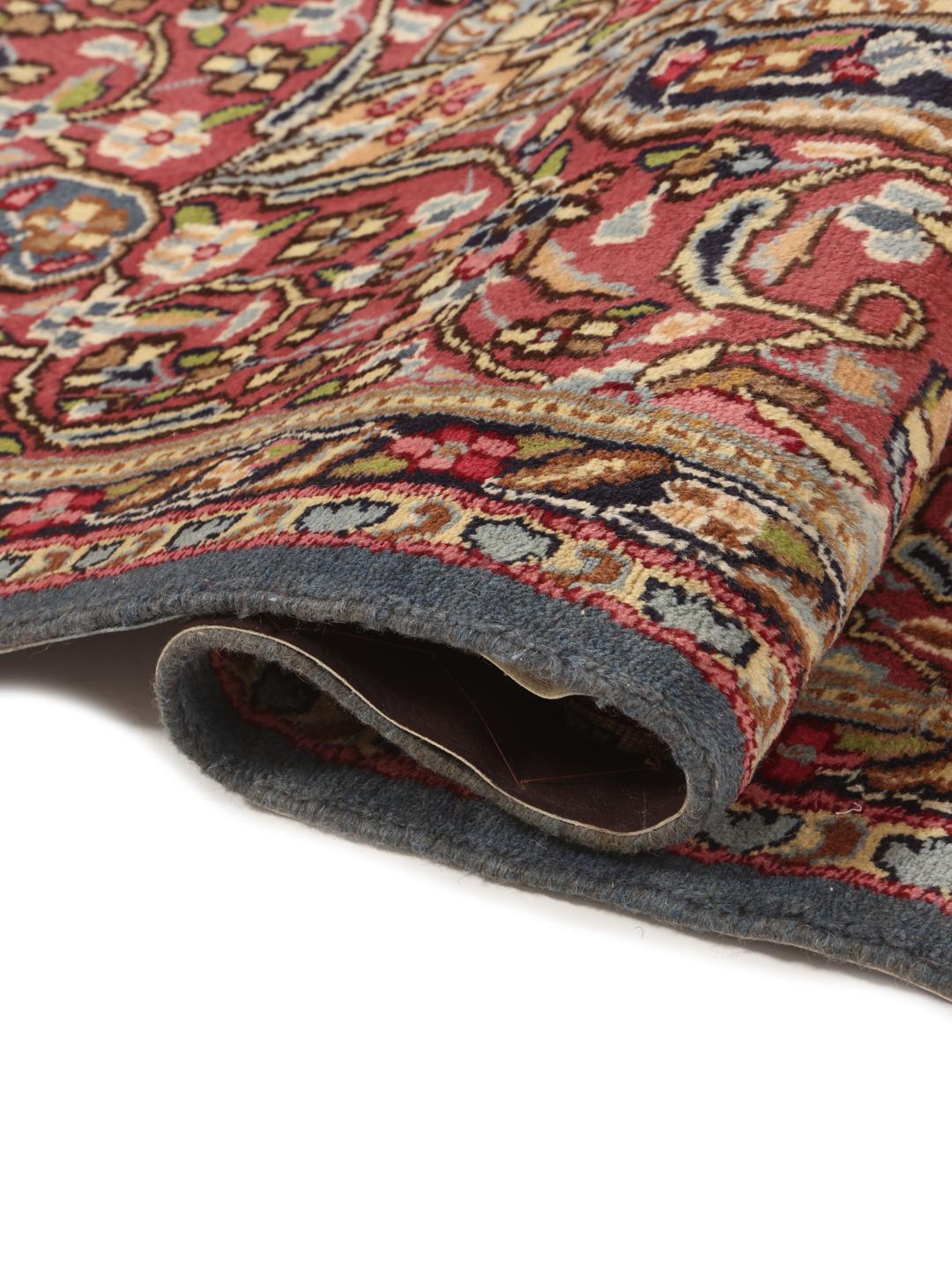
Visually, Kerman rugs are famous for their elegant 'vase' designs or elaborate medallions surrounded by intricate floral sprays, vines, and palmettes. While traditional red and blue tones are common, the weavers are known for their willingness to experiment with a vast palette, creating depth and contrast that makes each rug feel like a garden in bloom. The borders are typically as detailed as the field, often featuring scrolling vines that frame the centrepiece with grace.
Collecting a Kerman rug is a way of participating in a long-standing tradition of Middle Eastern craft. These pieces are valued not only for their beauty but for the immense skill required to execute such detailed floral work. To own one is to possess a piece of history, where the expertise of the past continues to live on in a functional, beautiful object meant to be enjoyed in your home today.