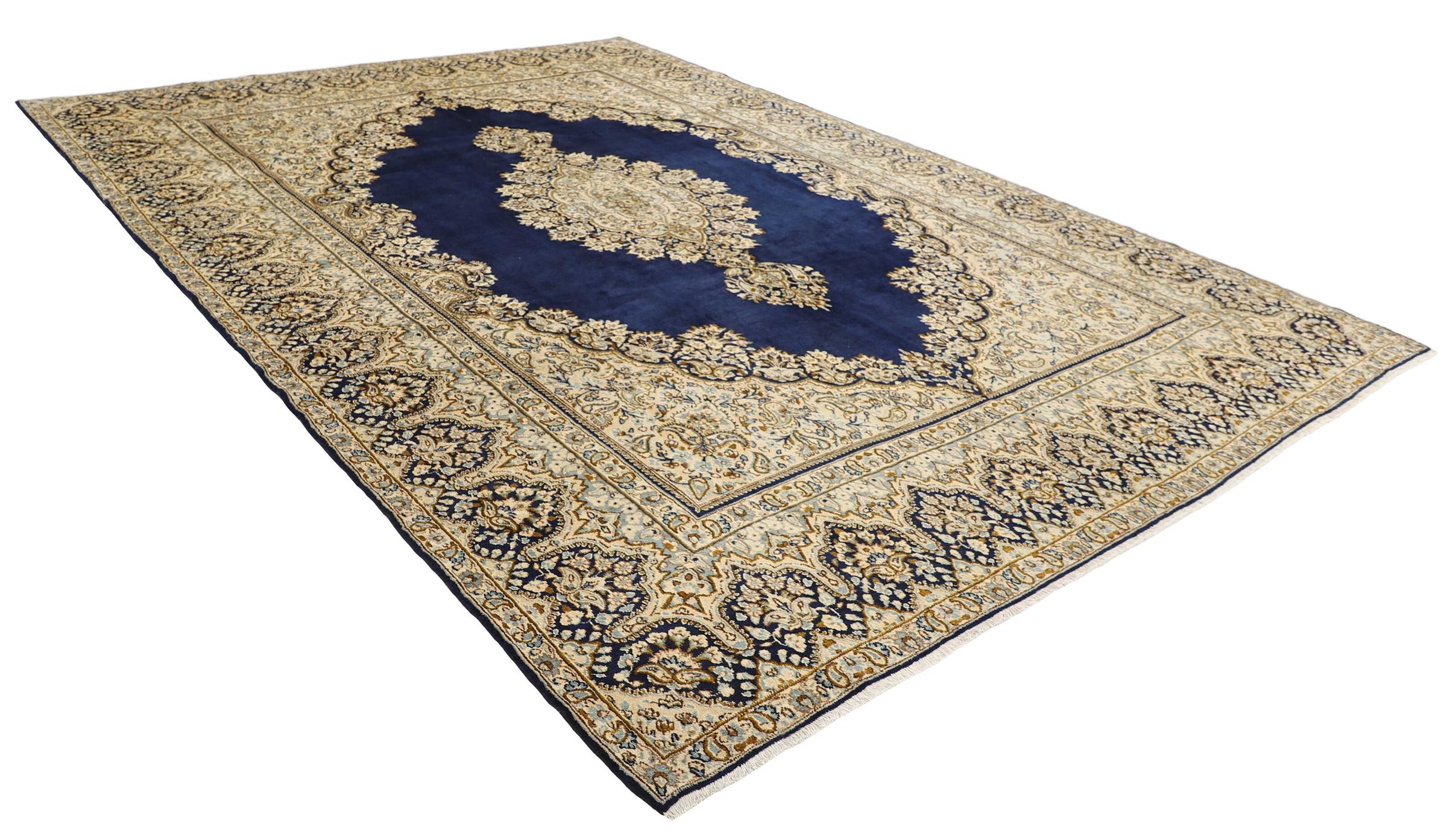
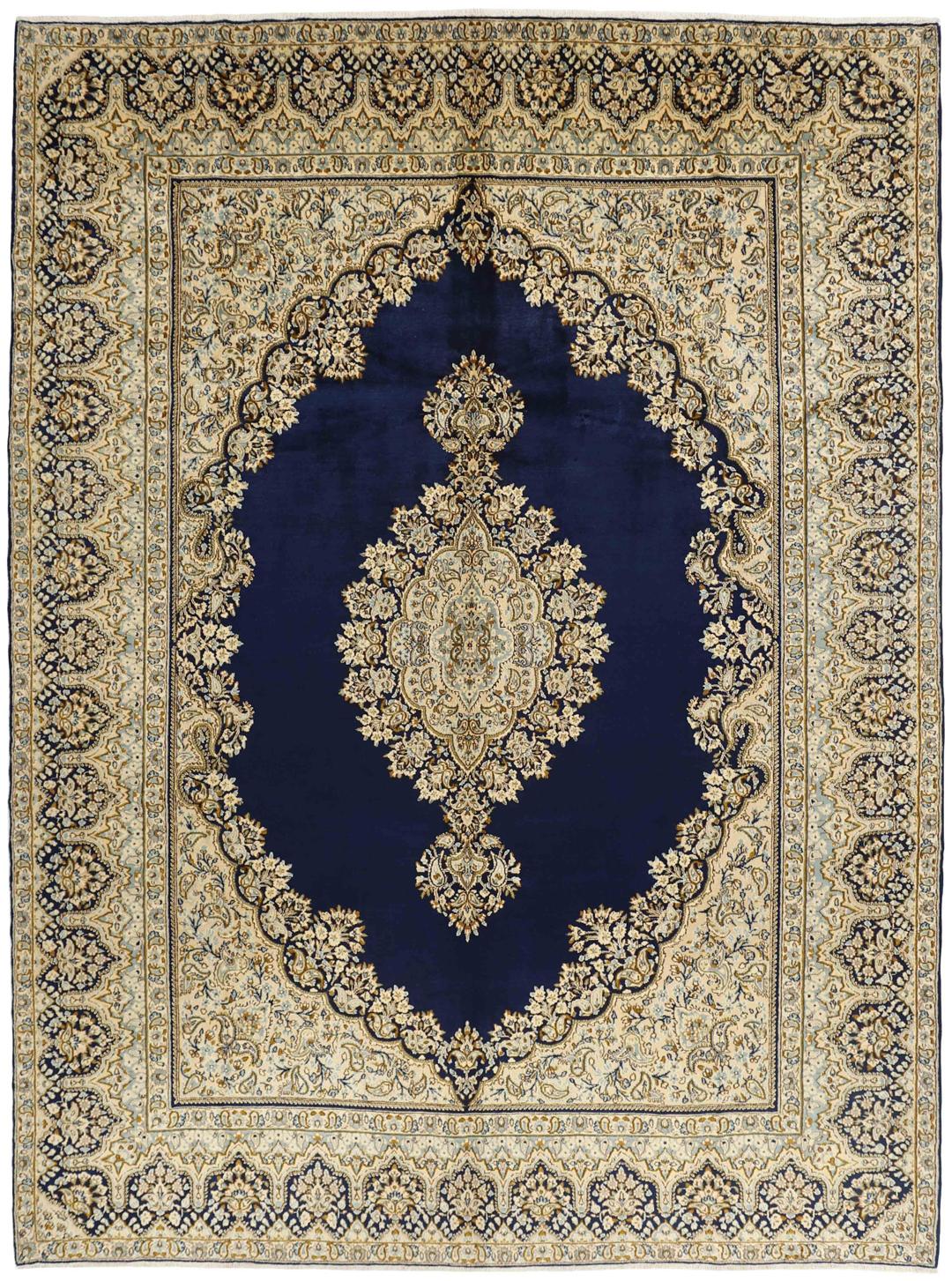
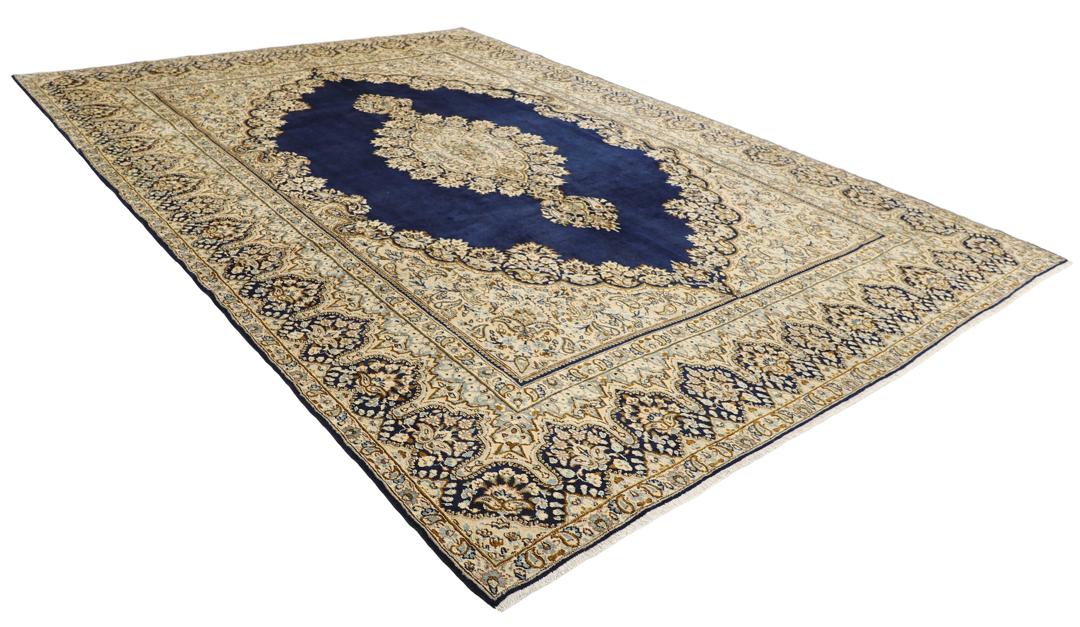
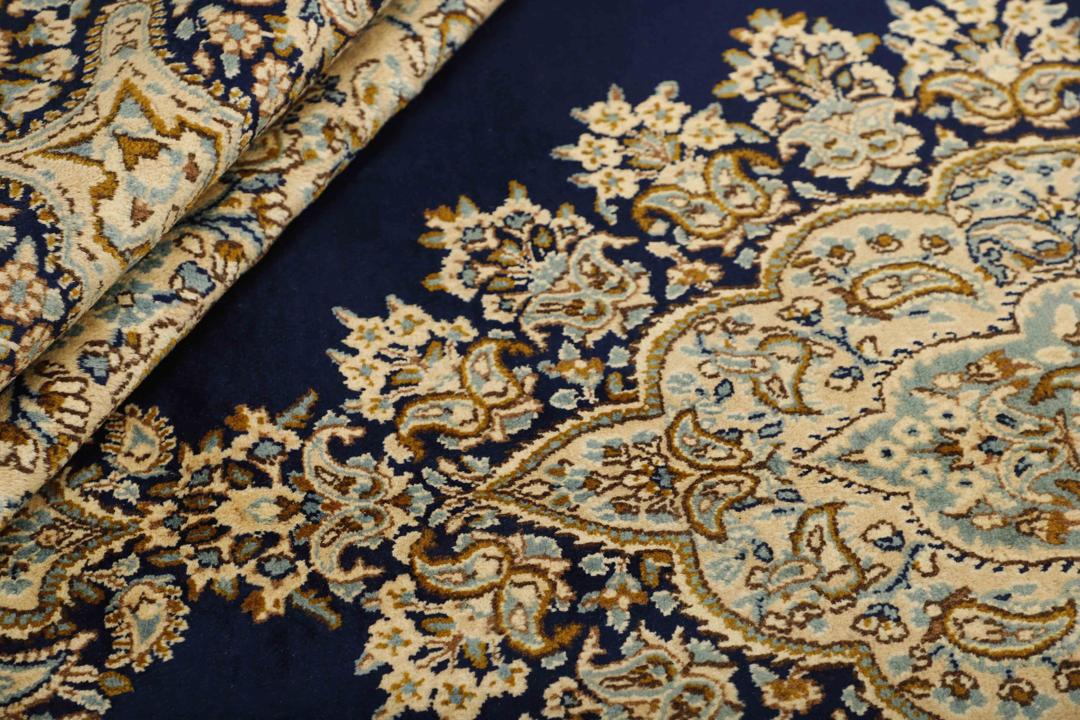
Kerman rugs are among the most storied creations from the Middle Eastern weaving tradition, hailing from the desert city of Kerman. Historically, this region was a vital hub on the trade routes, and its weavers developed a reputation for creating some of the most intricate and sophisticated designs in the world. The tradition here is defined by a deep respect for floral artistry, often drawing inspiration from the lush gardens that provide a stark, beautiful contrast to the surrounding arid landscape.
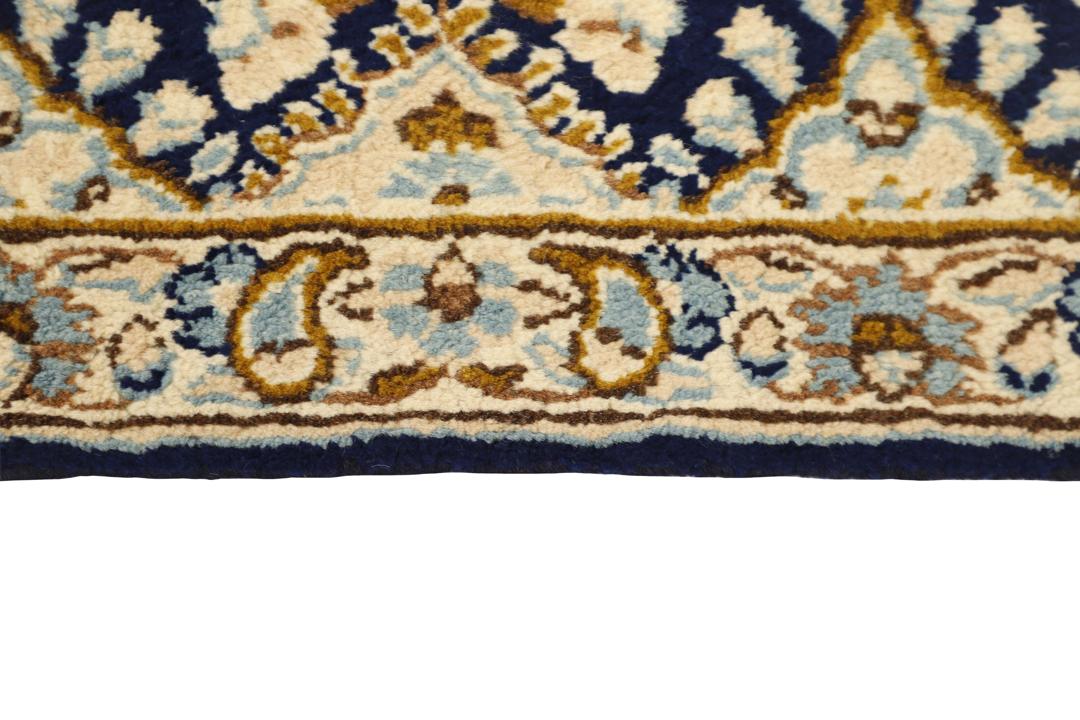
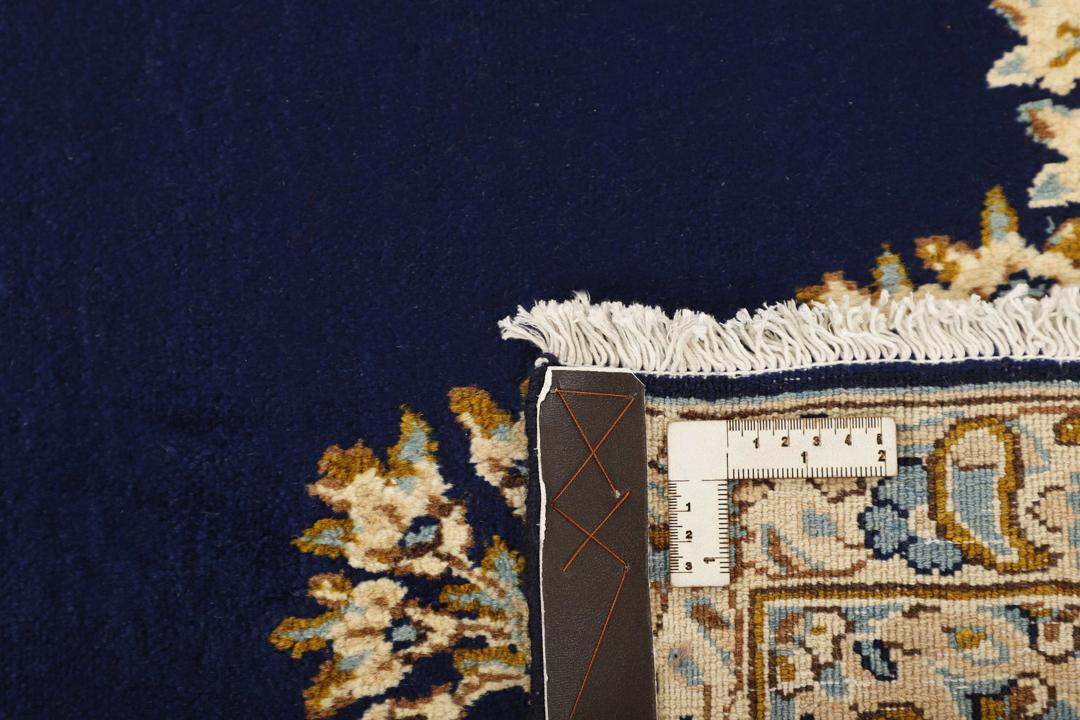
The quality of a Kerman rug is often linked to its construction, which frequently employs a high knot count to allow for refined, curvilinear patterns. The terminology used to describe these pieces often refers to the density and the quality of the wool, which is chosen for its resilience and ability to take up rich, saturated dyes. This focus on technical excellence ensures that the patterns, which often include elaborate arabesques and floral sprays, remain sharp and visually engaging.
Signature design elements of the Kerman style often include a large, central medallion surrounded by a field of densely packed floral motifs, such as roses, lilies, and scrolling vines. The borders are typically just as ornate, often mirroring the motifs found in the field to create a sense of symmetry and balance. The use of deep, resonant blues and soft, natural creams is a classic hallmark, providing a timeless palette that highlights the complexity of the weaving.
Owning a Kerman rug is more than just purchasing a floor covering; it is an investment in a cultural legacy that has been passed down through generations. These rugs are highly valued by collectors for their blend of technical precision and artistic expression. By bringing such a piece into your home, you are connecting with a centuries-old craft tradition that values patience, skill, and the pursuit of beauty, ensuring your home is decorated with a piece of enduring historical significance.