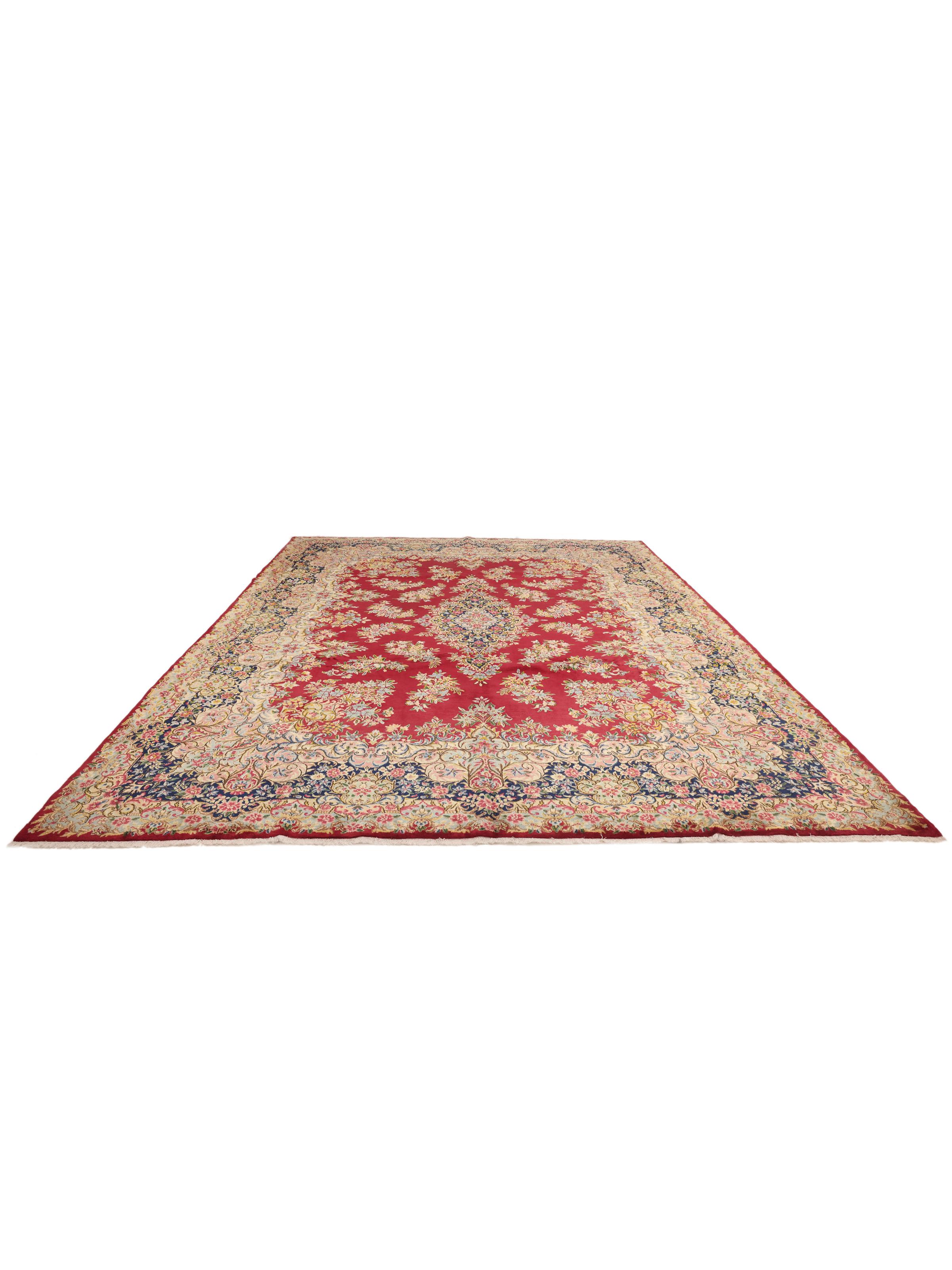
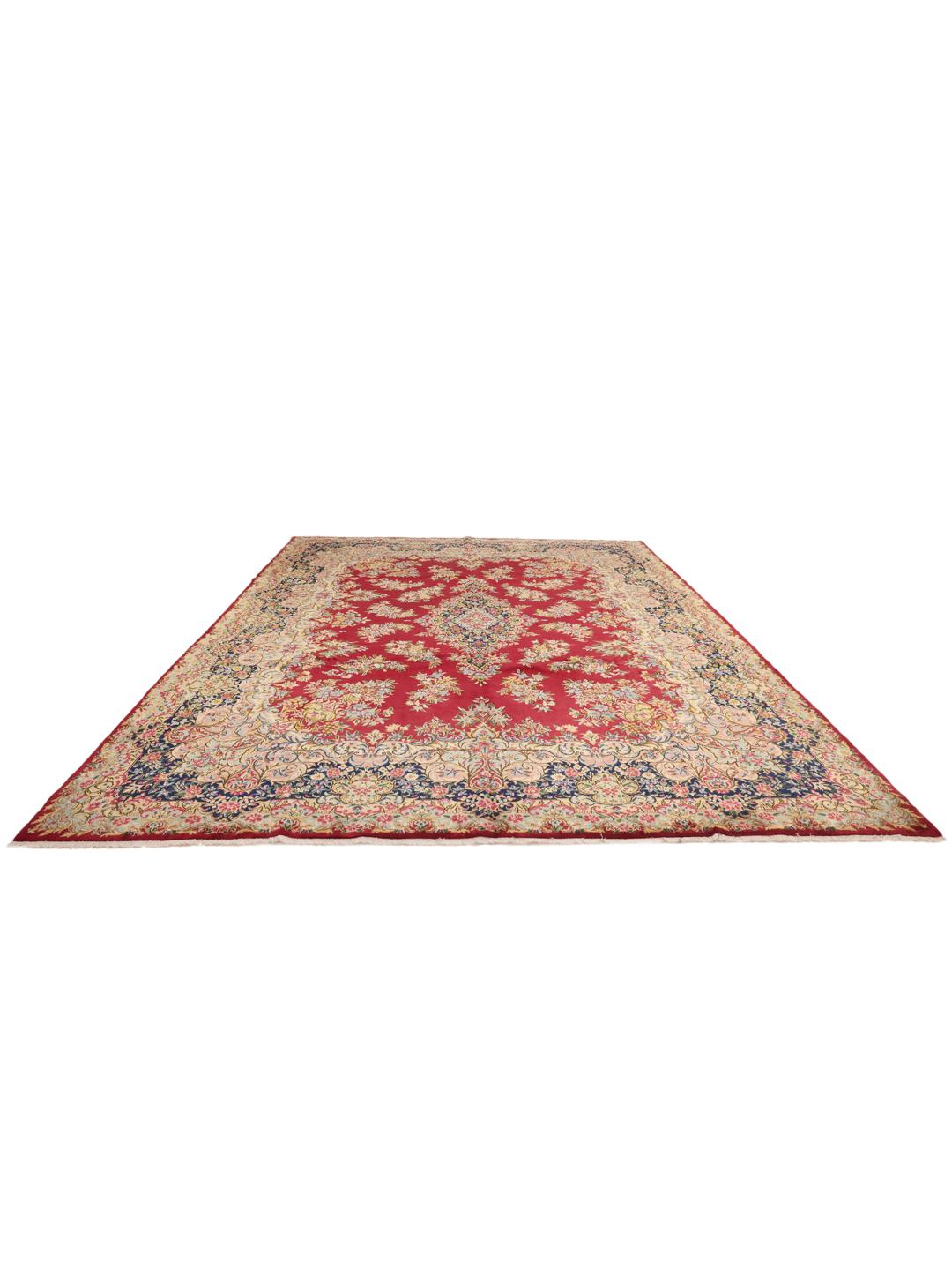
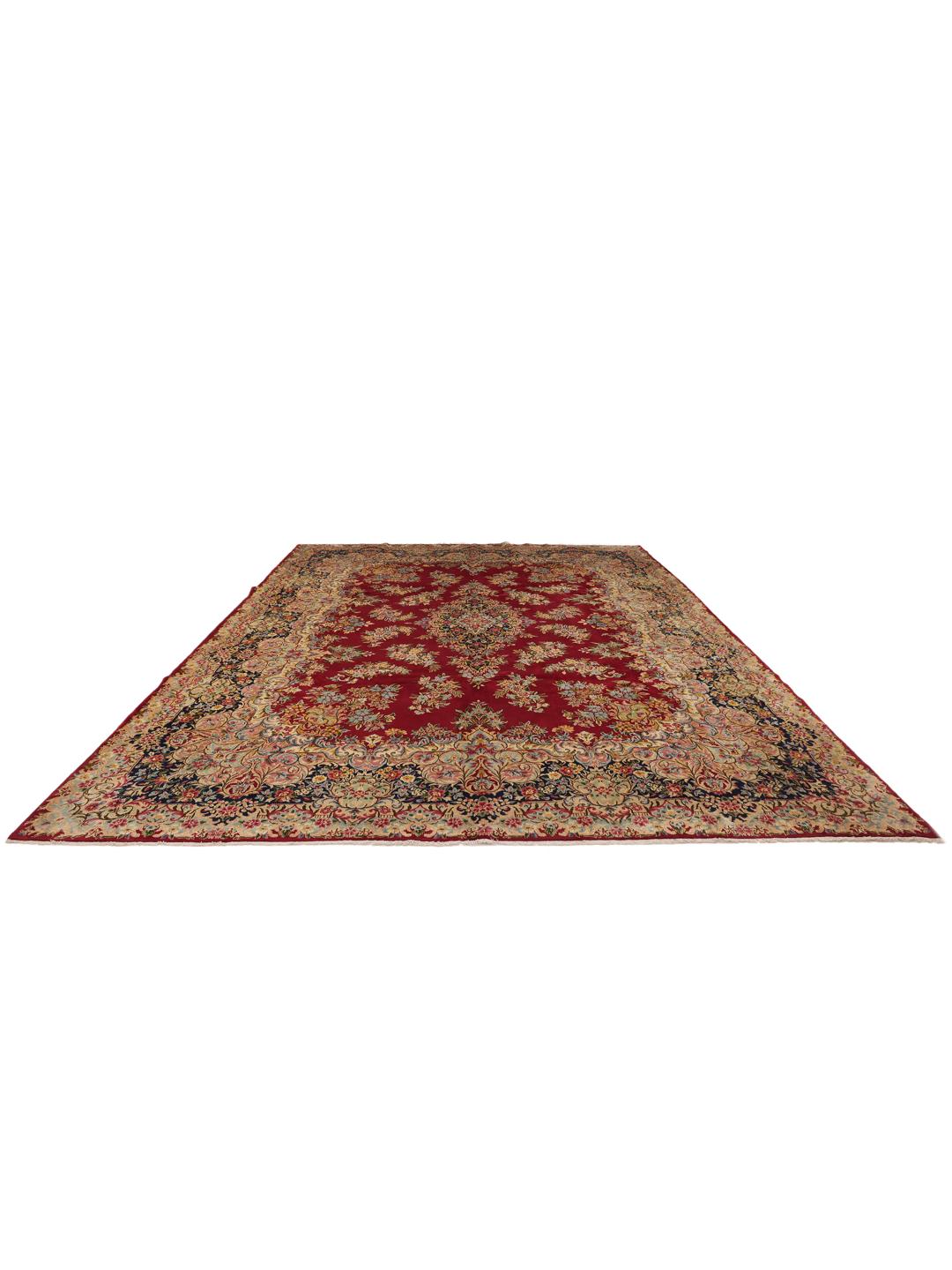
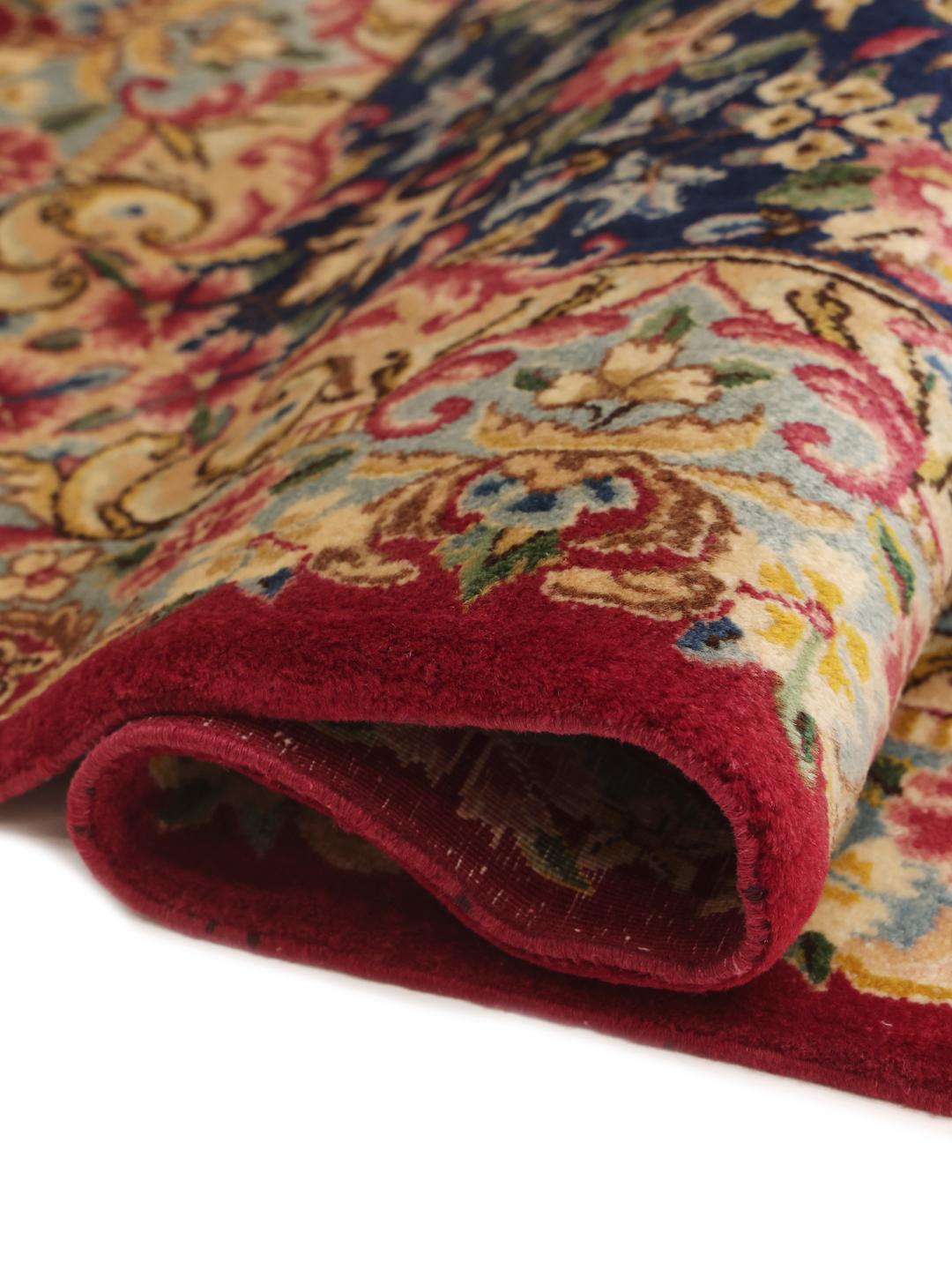
Kerman rugs originate from the desert city of Kerman in the southeastern region of the Middle East, a location with a long-standing reputation as a primary hub for sophisticated textile production. Historically, these rugs were highly sought after by nobility and royalty, often commissioned for their complex designs and the exceptional quality of their wool.
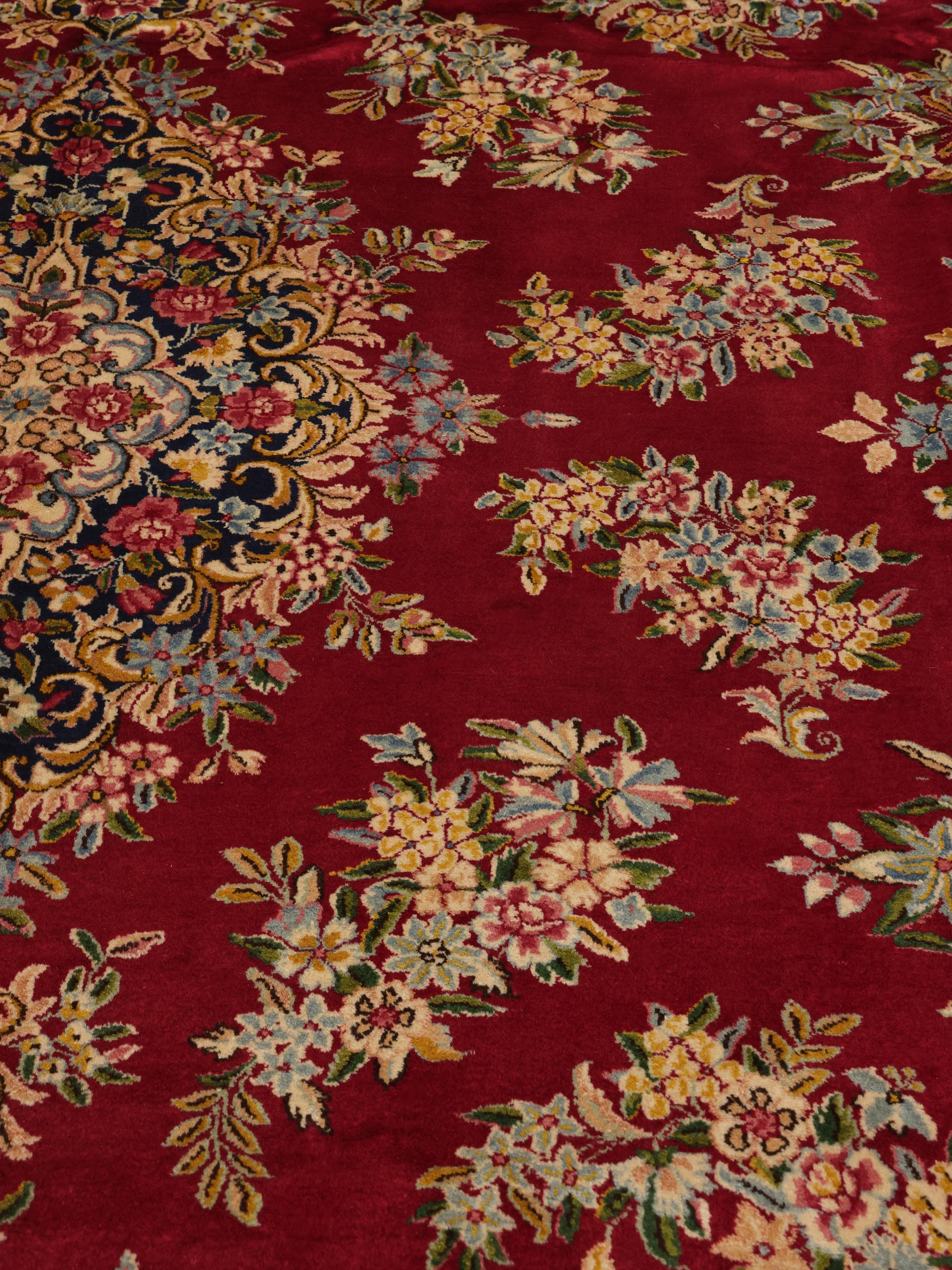
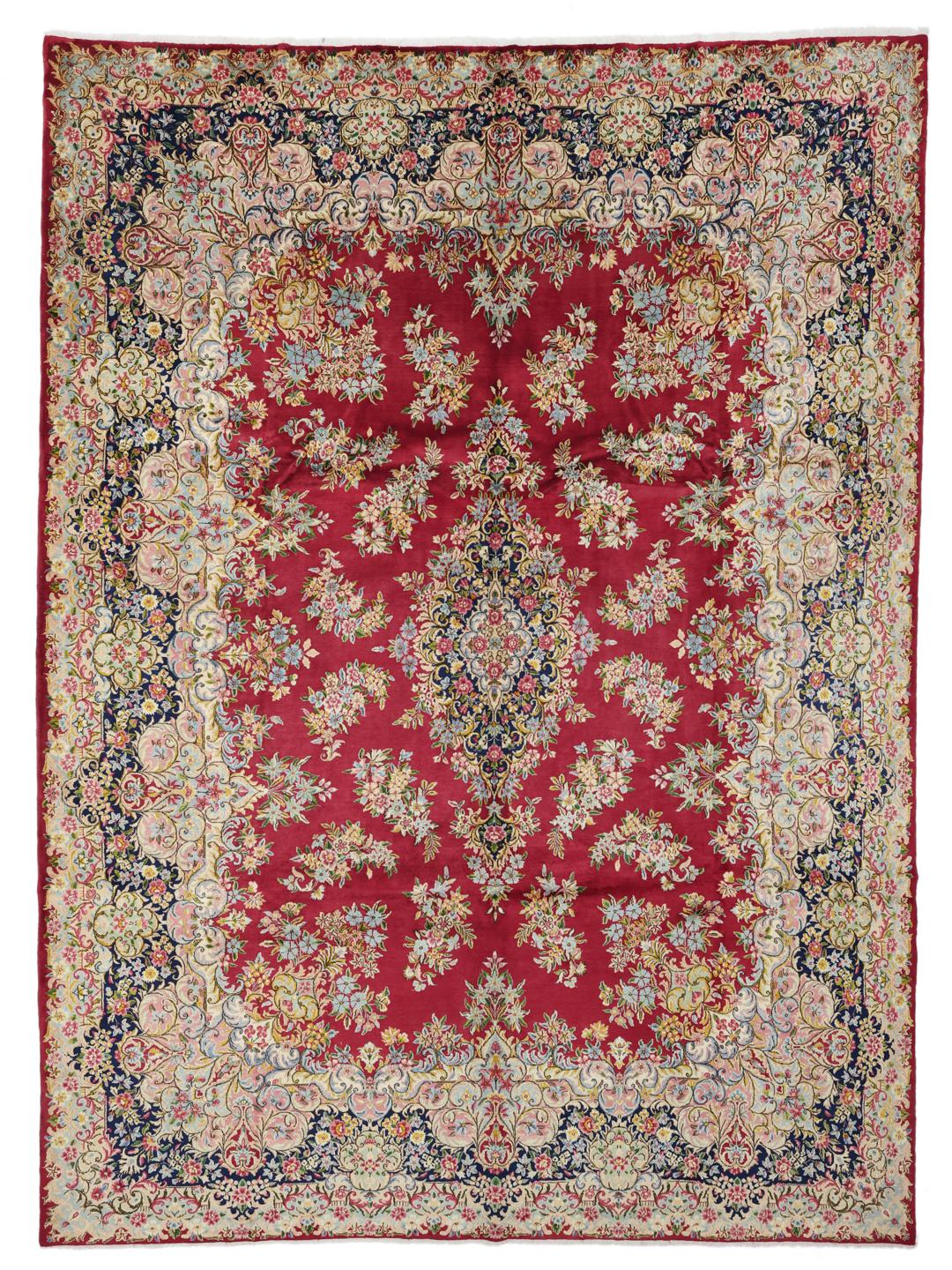
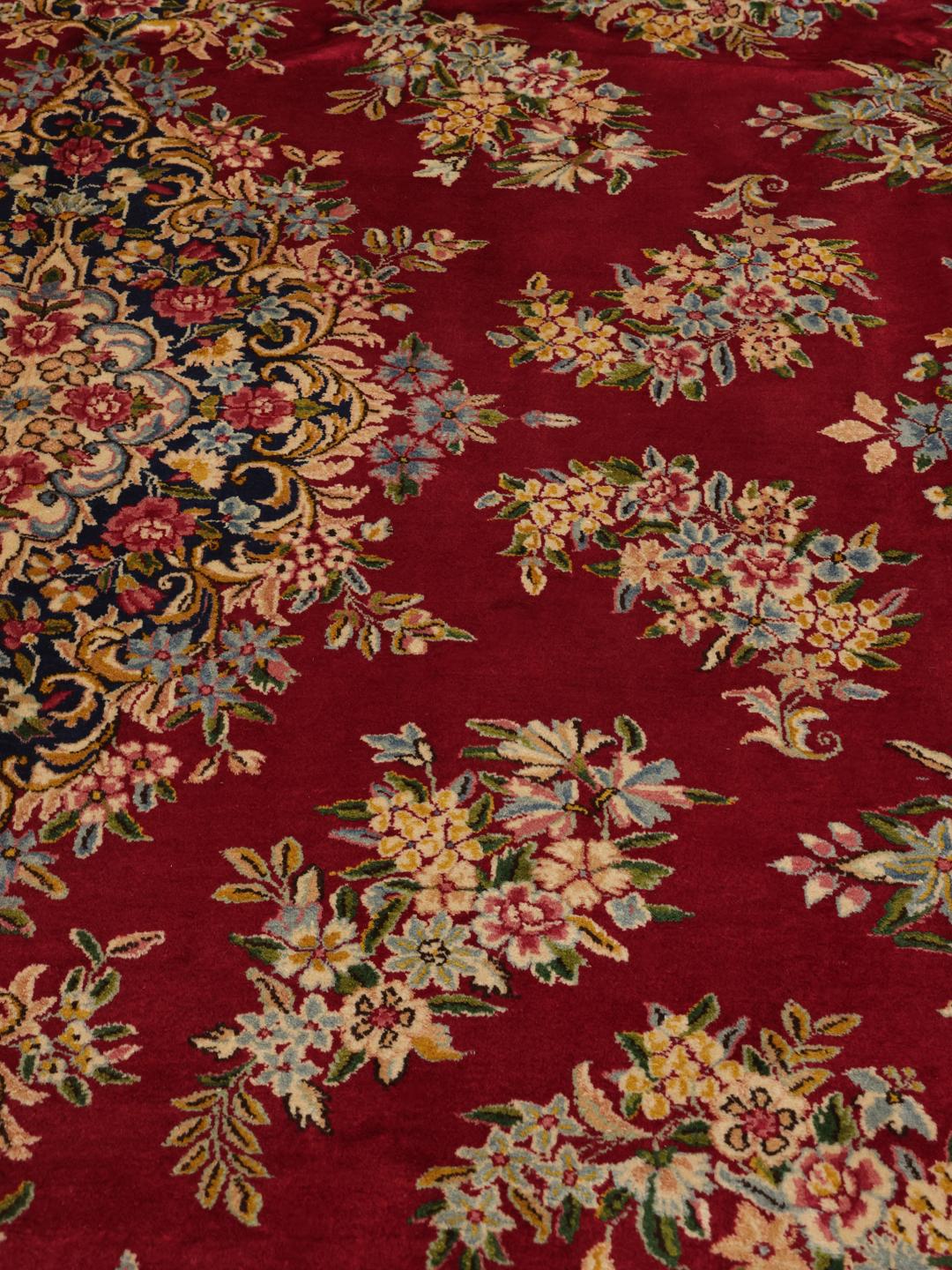
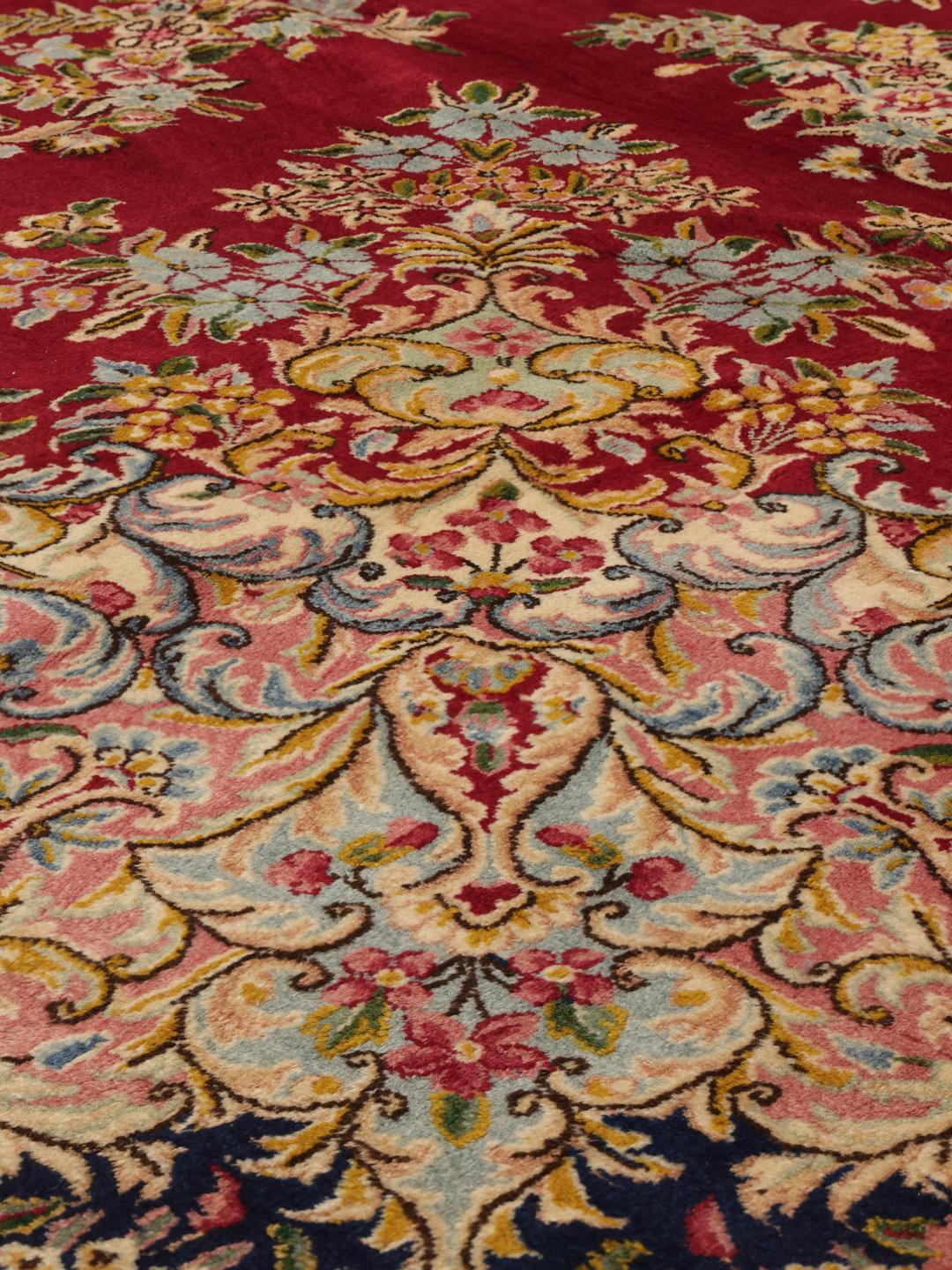
The term Kerman refers not just to a location, but to a specific tradition of weaving that emphasises a vast array of floral motifs, often arranged in intricate, scrolling patterns. The weavers in this region are known for their mastery of colour, frequently utilising a wider palette than other traditions to create designs that feel like woven gardens.
Signature elements of this style include the central medallion, which is often surrounded by a sea of delicate blossoms, vines, and palmettes. The border designs are typically just as elaborate as the field, acting as a frame that contains the lush, organic movement of the interior design and adds a sense of formal structure to the composition.
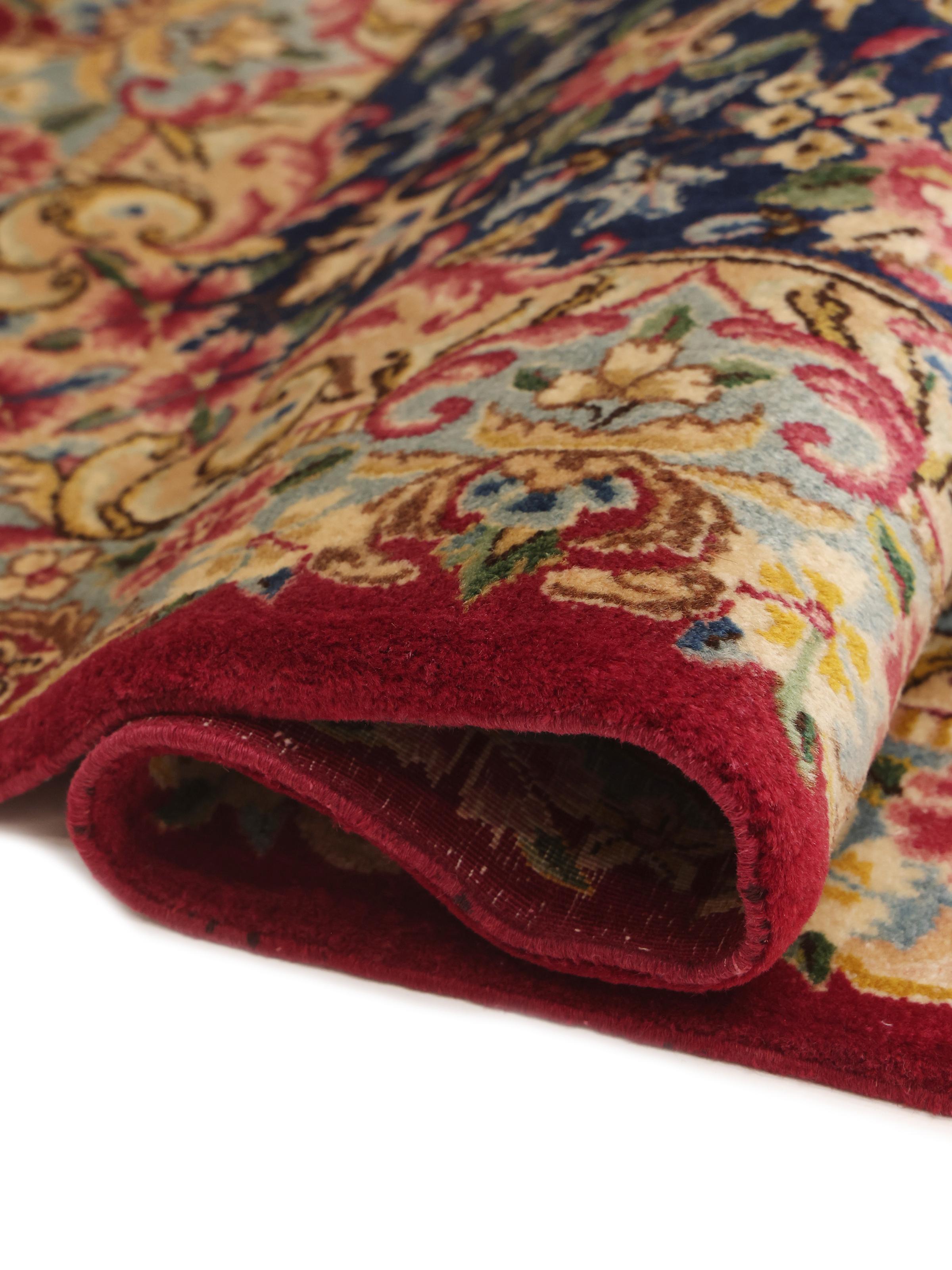
These rugs are widely regarded as prized possessions for collectors and enthusiasts of textile history. They are valued for their ability to synthesise complex, high-art designs with the practical durability required of a floor covering, representing a cultural legacy that prioritises both beauty and functional longevity.