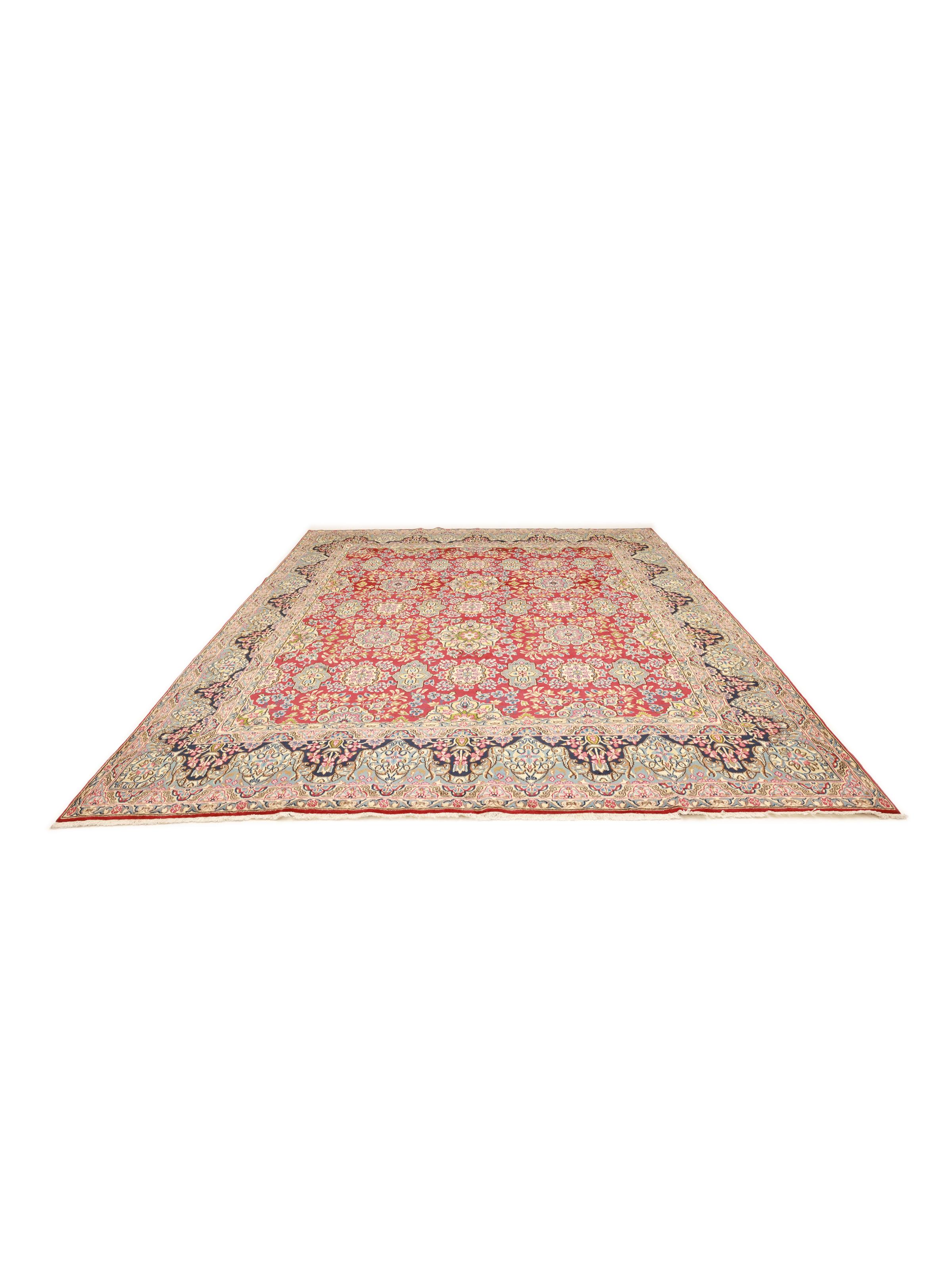
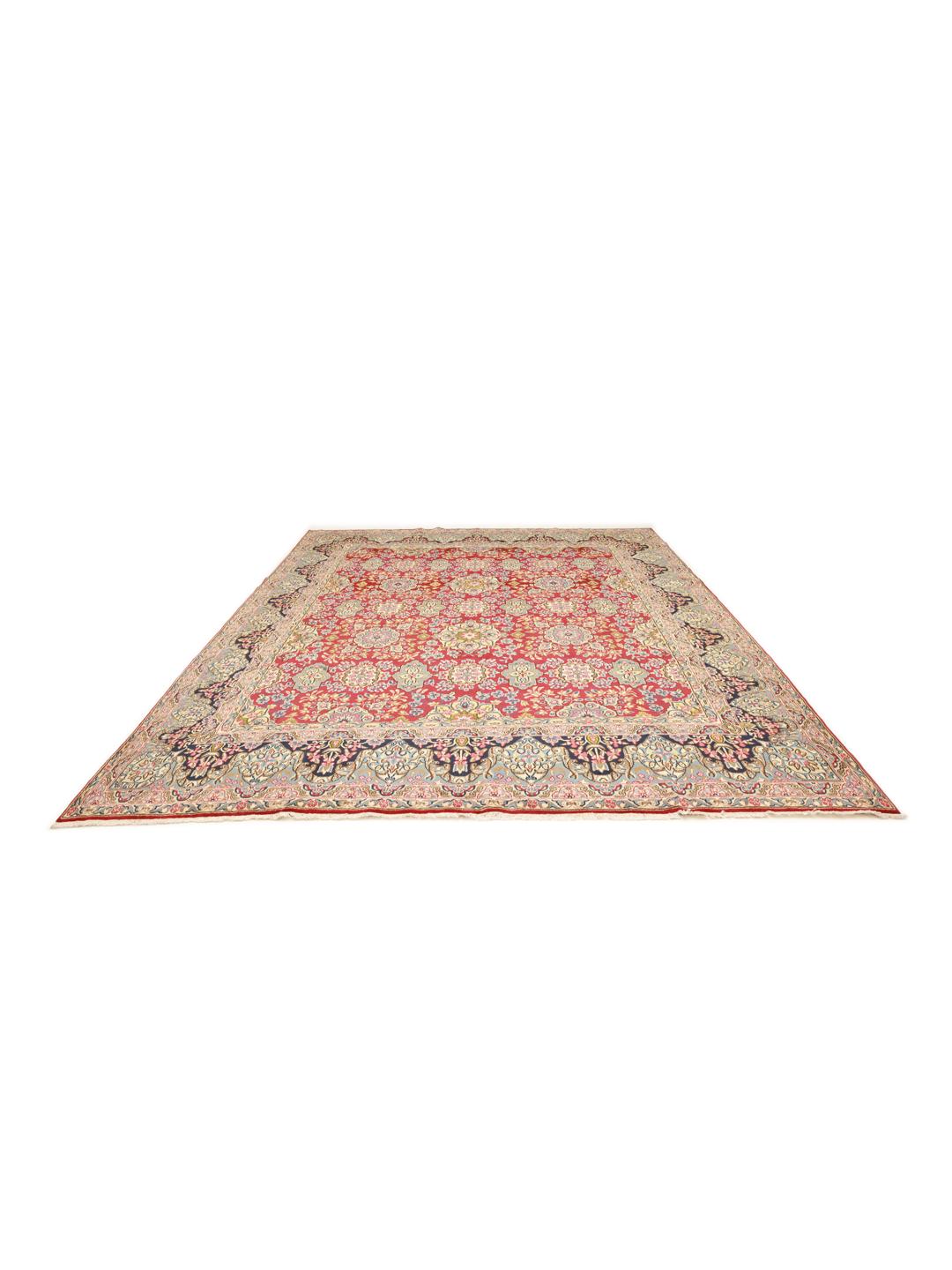
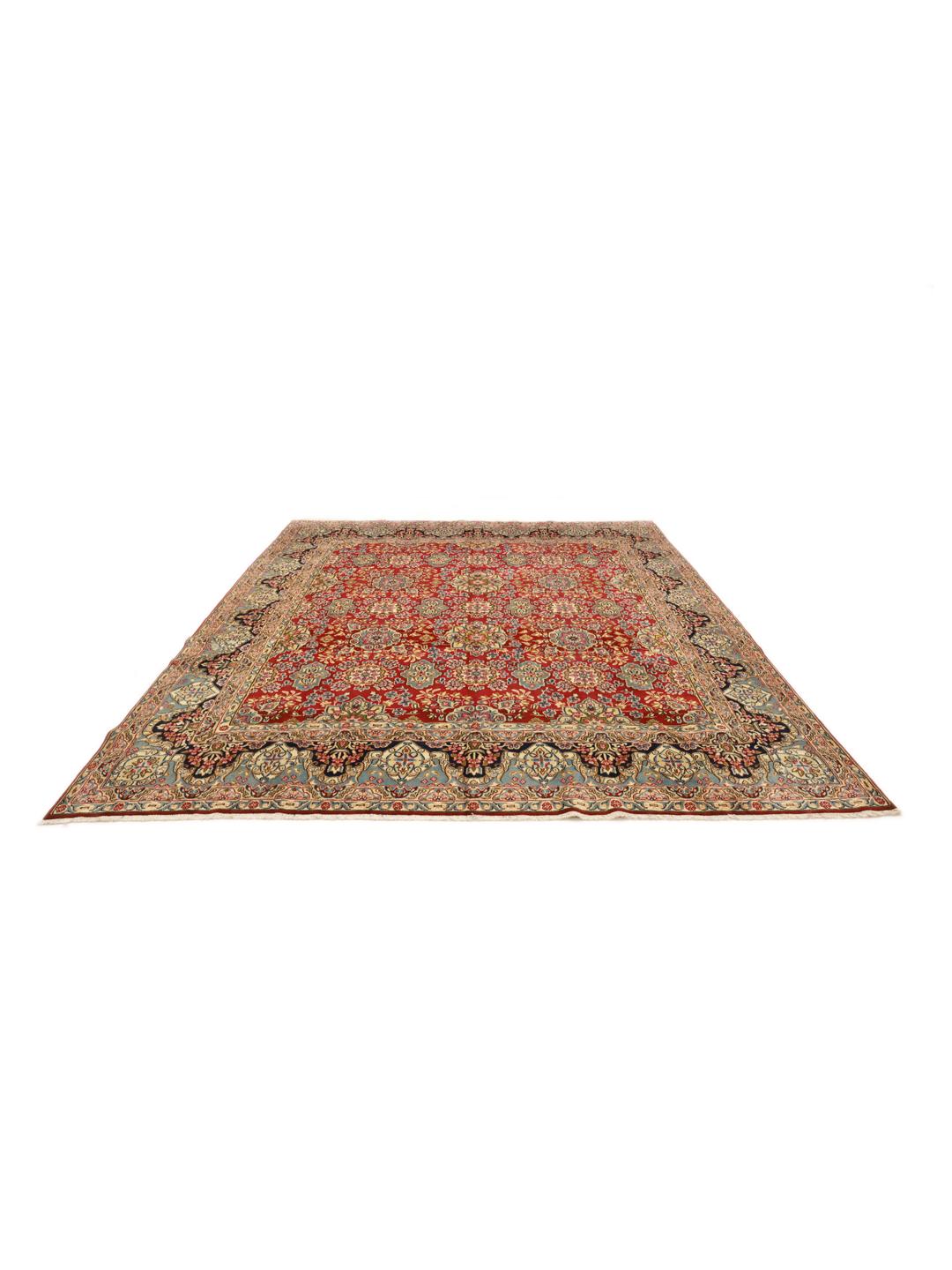
Kerman rugs originate from the desert city of Kerman in the southeastern part of the Middle East. This region has a long-standing reputation as a centre for fine textile production, with a history of weaving that dates back hundreds of years. The rugs from this area are historically celebrated for their artistic innovation and the use of high-quality materials, often serving as the preferred choice for royal courts and high-status homes.
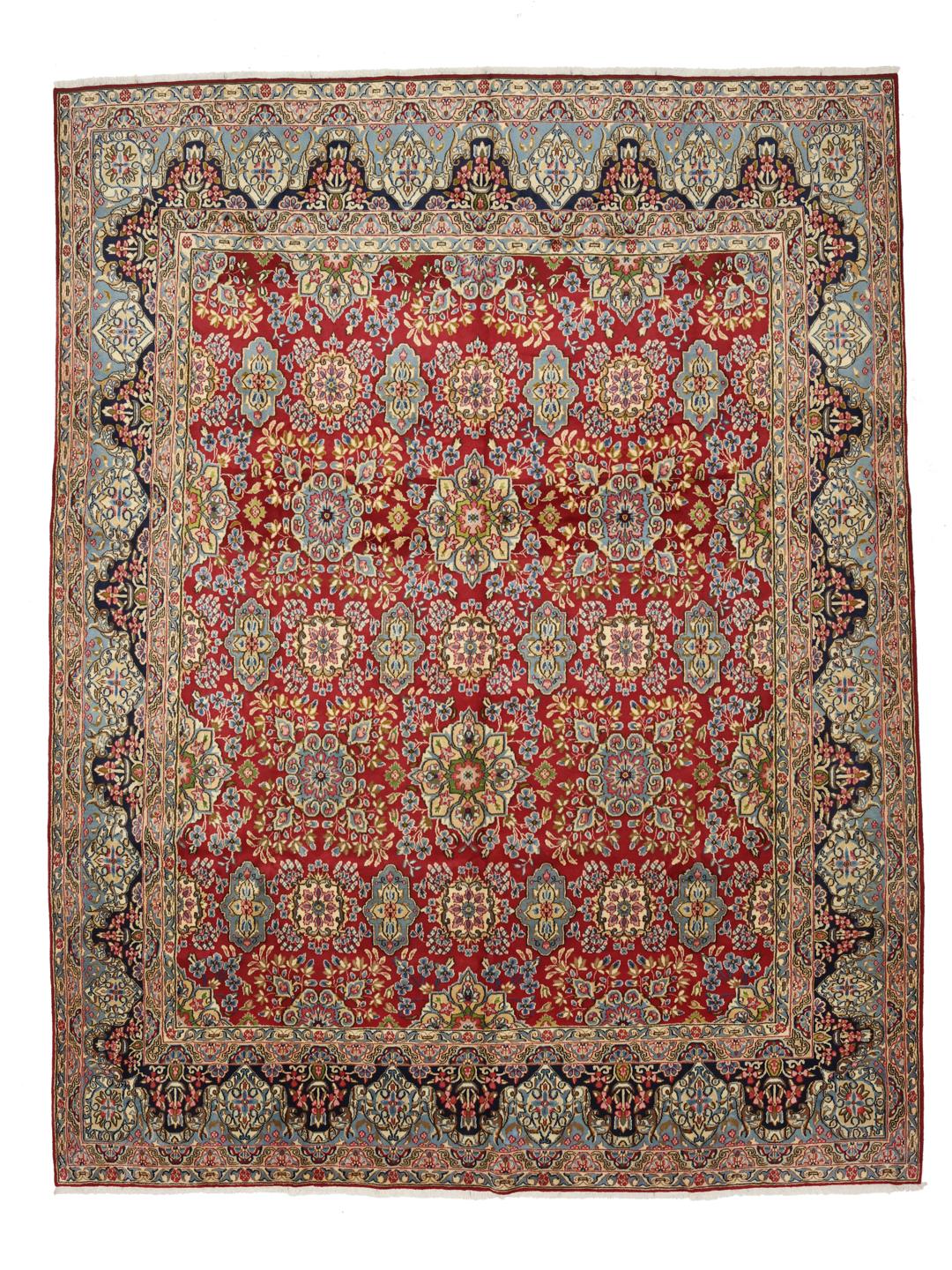
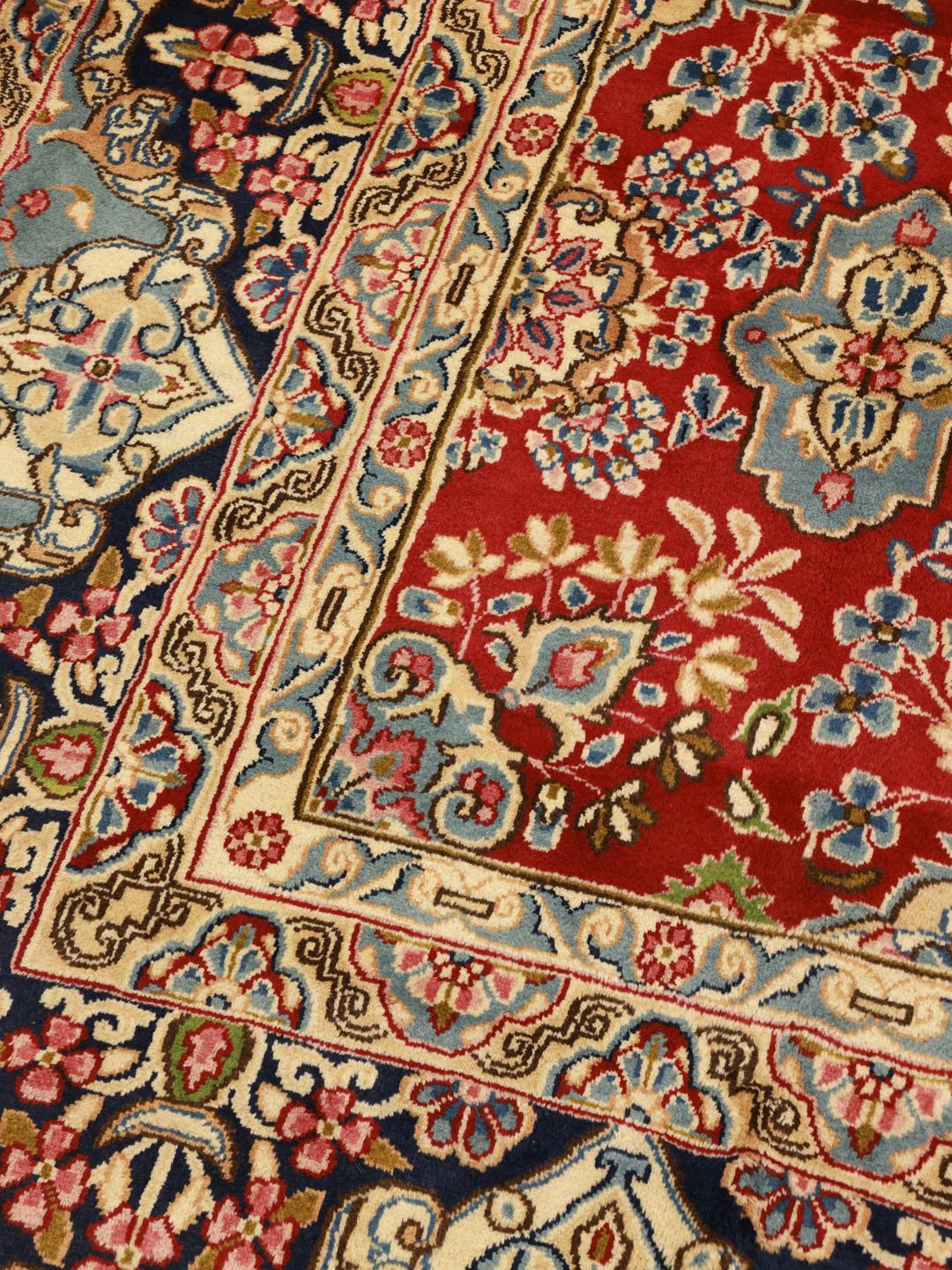
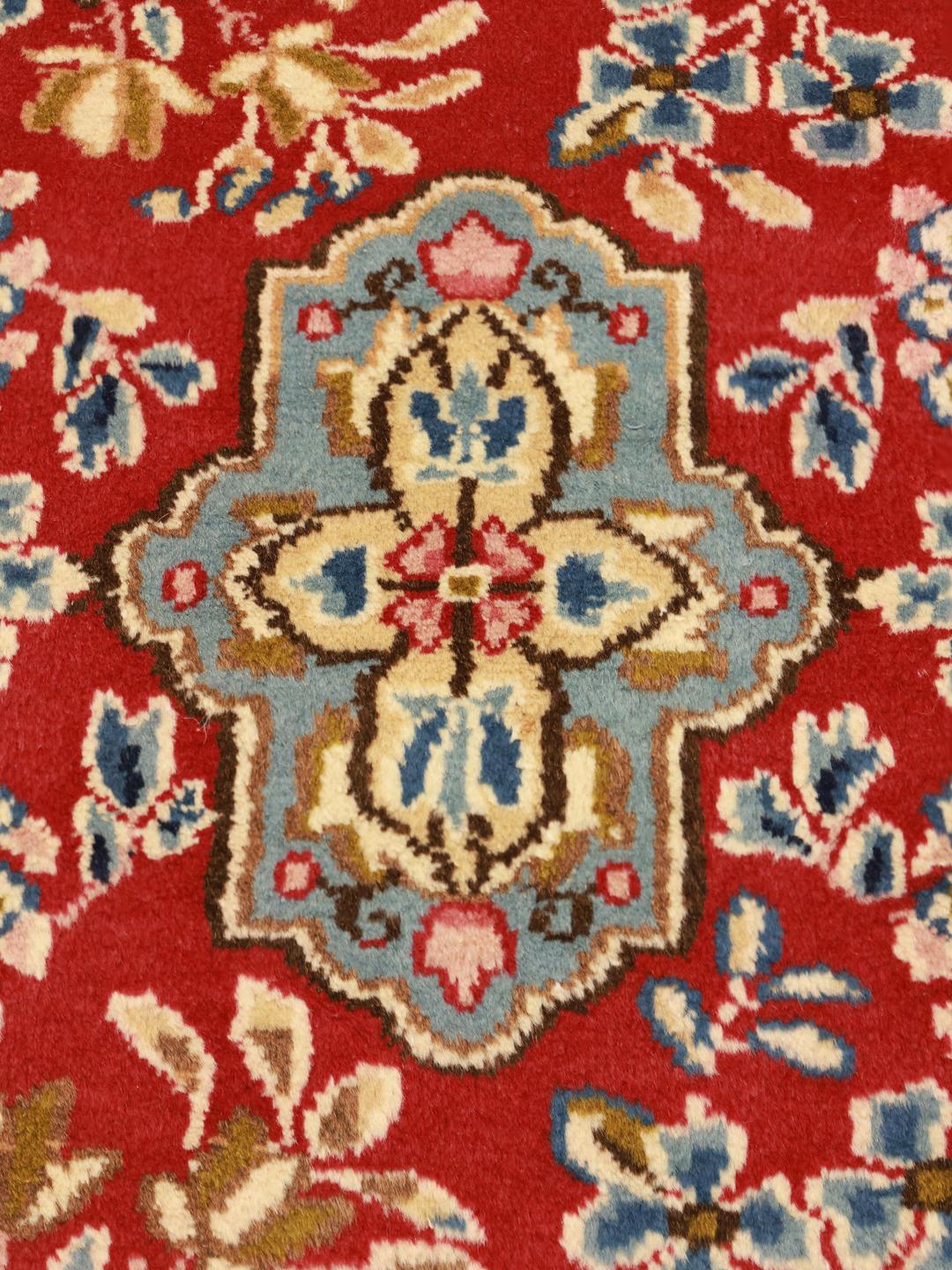
The term Kerman refers to both the origin and the specific design tradition that emphasises intricate, often curvilinear patterns. Unlike tribal rugs that rely on geometric shapes, the Kerman tradition is known for its graceful, flowing floral designs that require a high degree of technical skill to map out on the loom. This stylistic approach allows for a much higher level of detail, creating a sophisticated look that is distinct from more rustic weaving styles.
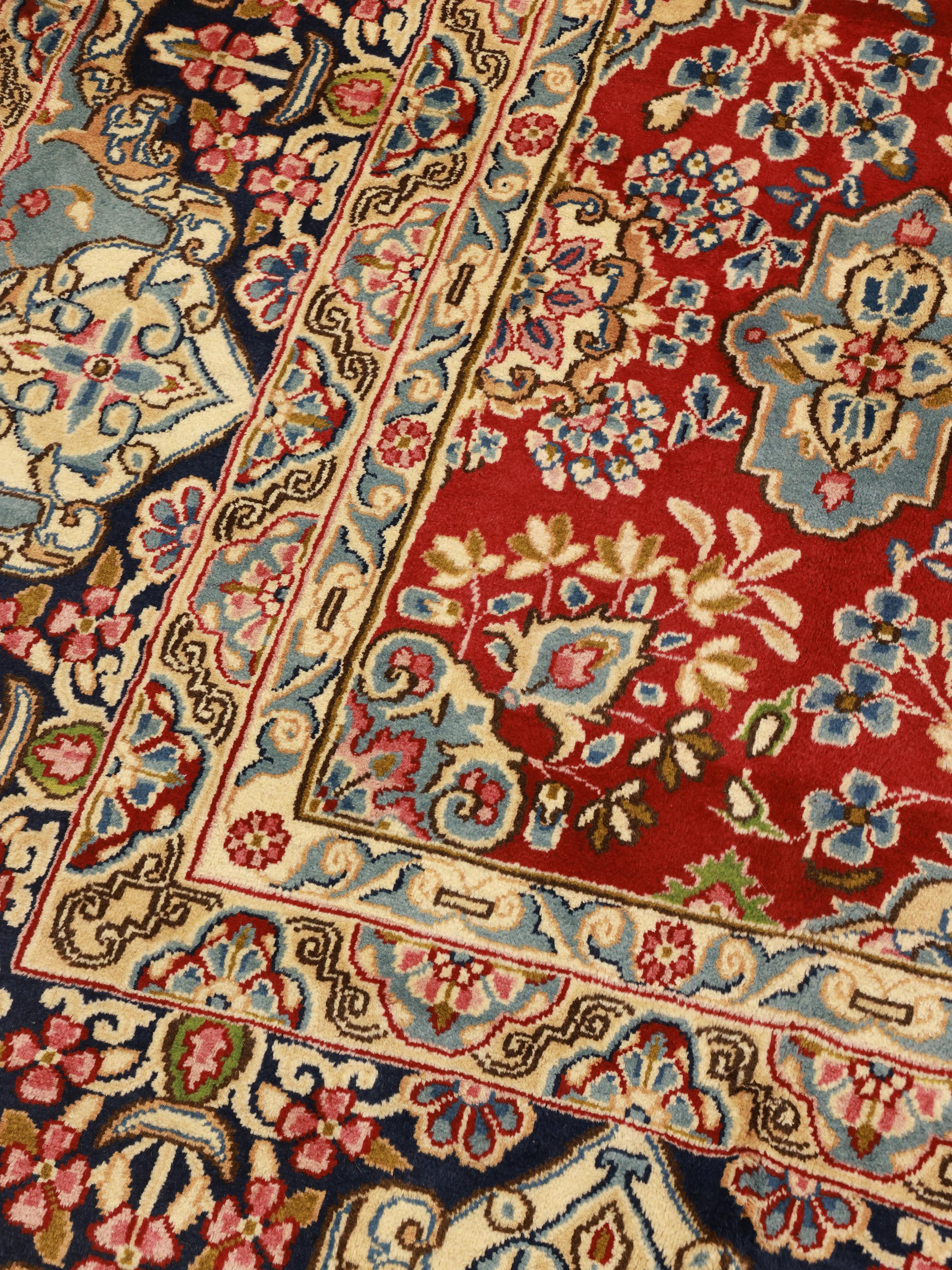
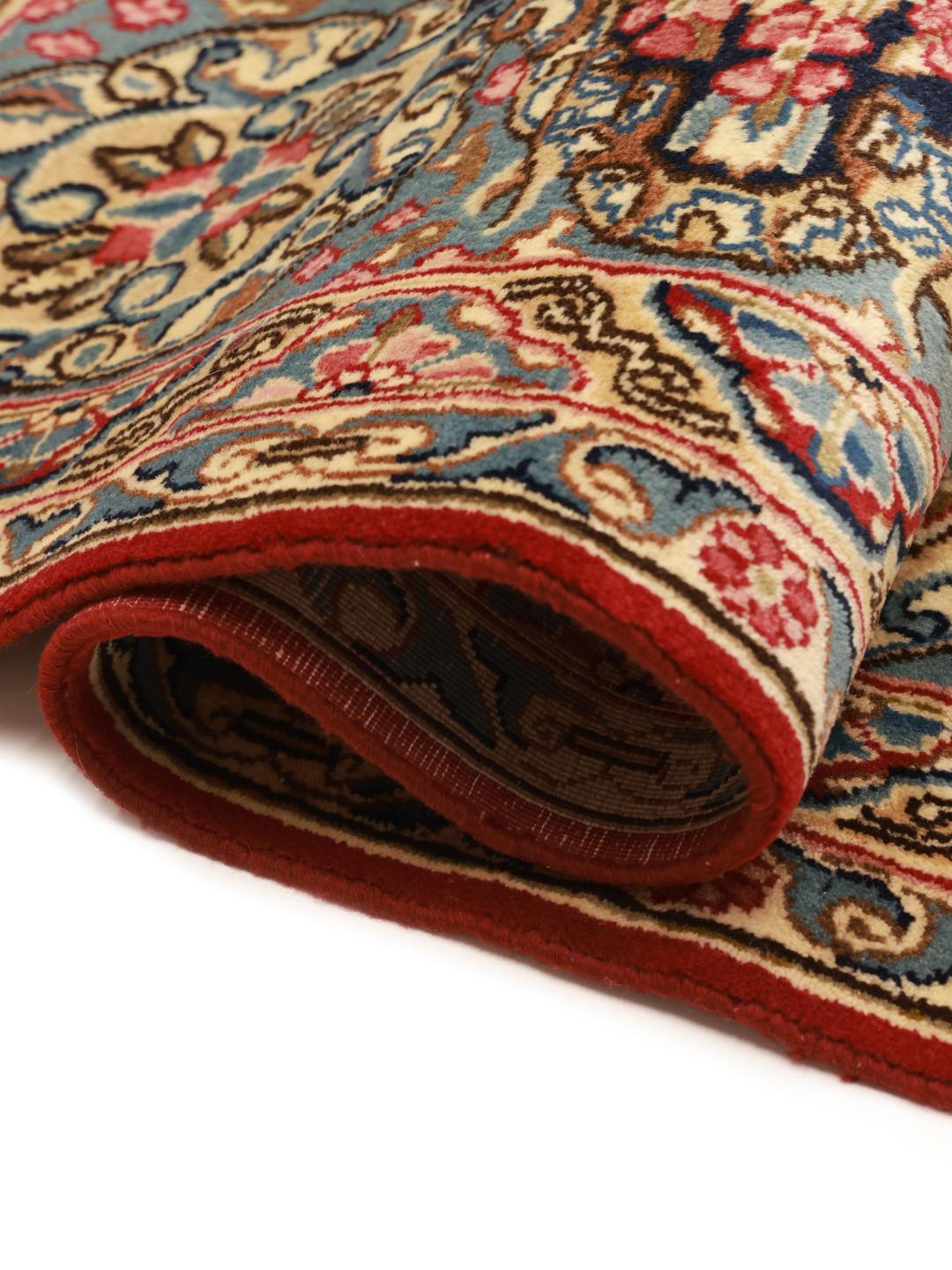
Signature design elements of this tradition typically include a central medallion surrounded by a sea of floral sprays, palmettes, and vines. The border designs are equally ornate, often mirroring the complexity of the central field. While red is a classic and highly prized field colour, the artistic freedom practised by weavers in this region often leads to creative variations in tone and motif, making every piece a unique expression of the weaver's vision.
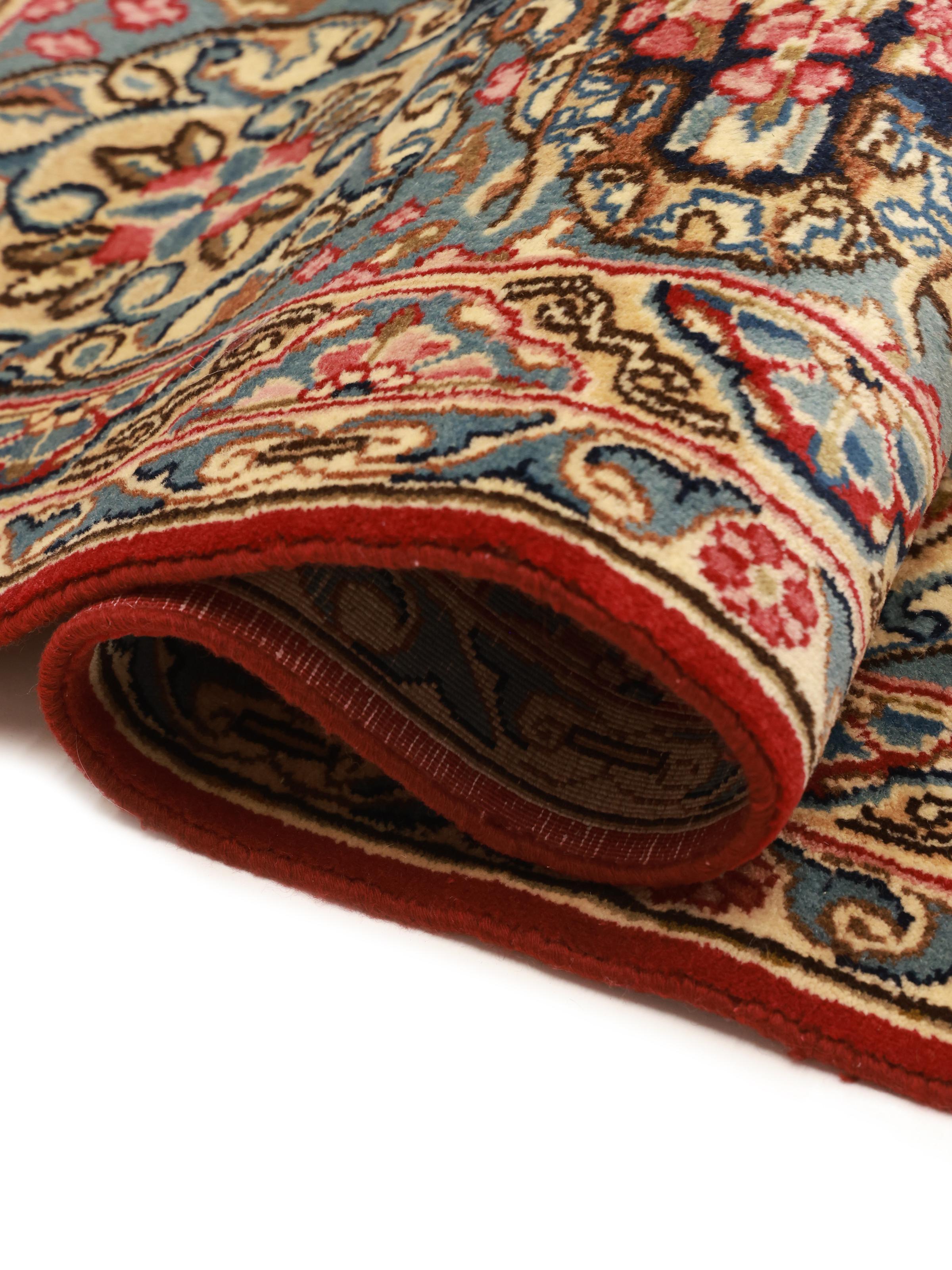
Collectors value Kerman rugs for their elegance and their ability to blend traditional heritage with refined aesthetic sensibilities. Owning a piece from this tradition is a way to preserve a connection to a rich cultural lineage of craftsmanship. These rugs are not merely floor coverings but are regarded as cultural artefacts that represent a peak in the evolution of textile art, prized for their beauty, durability, and the human effort woven into every thread.