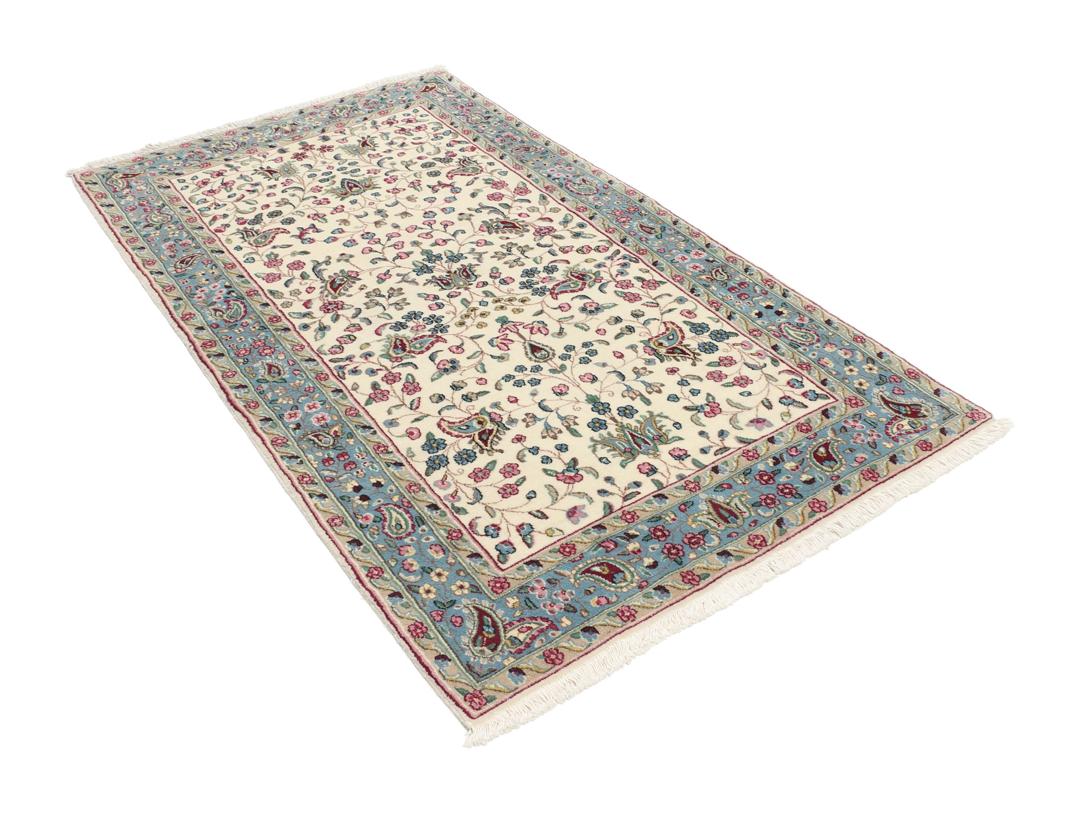
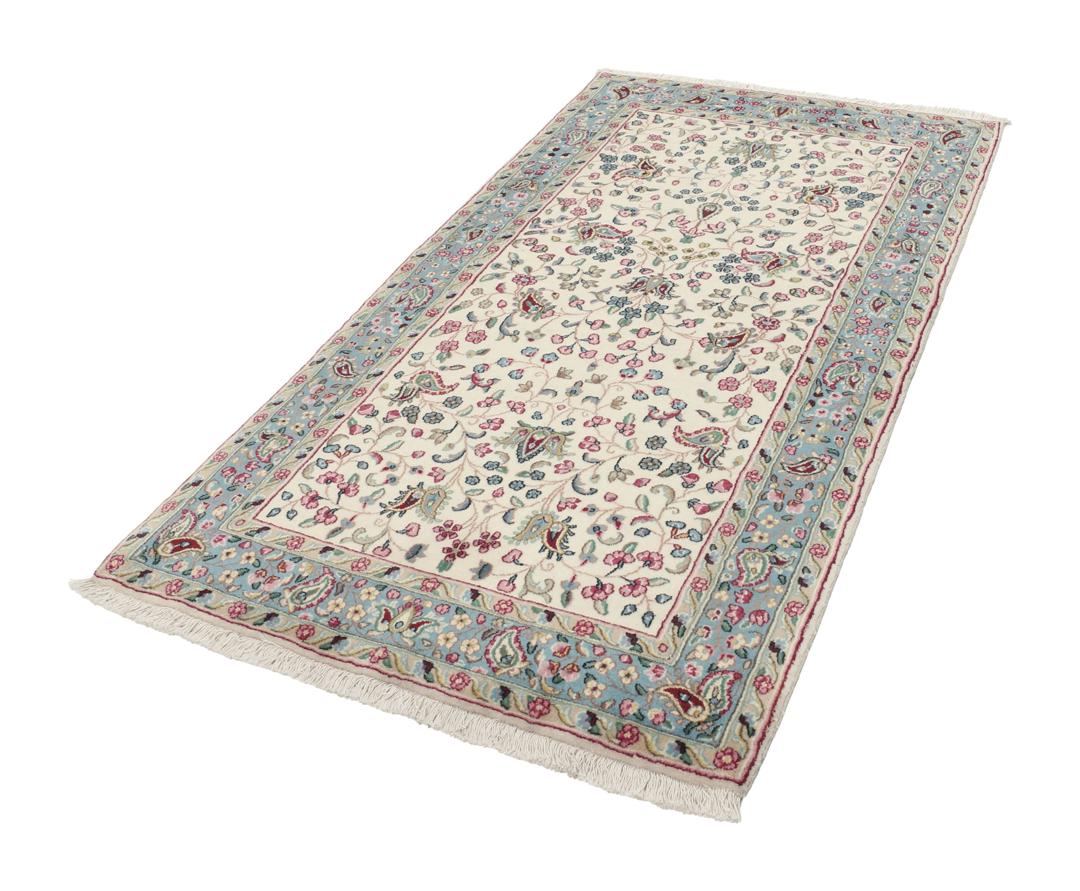
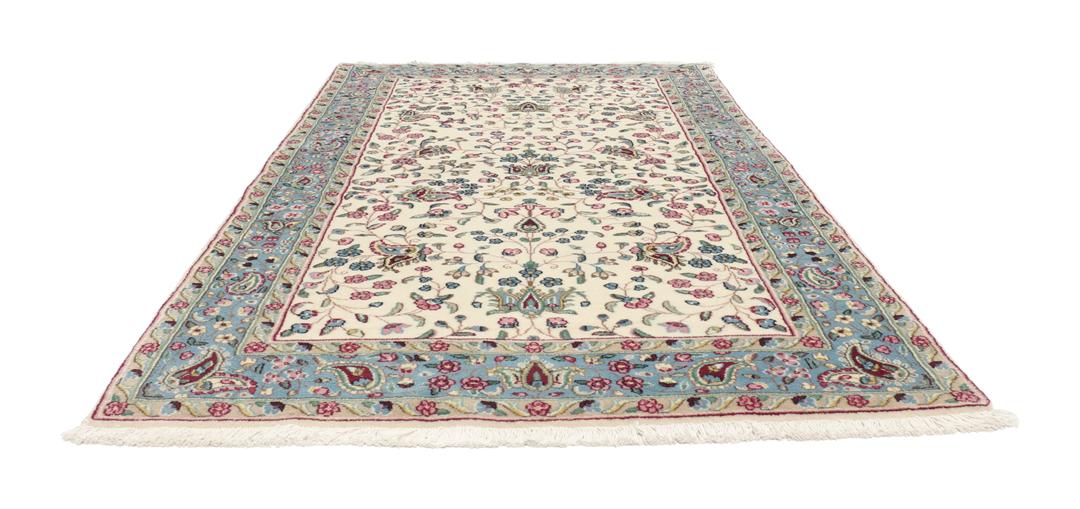
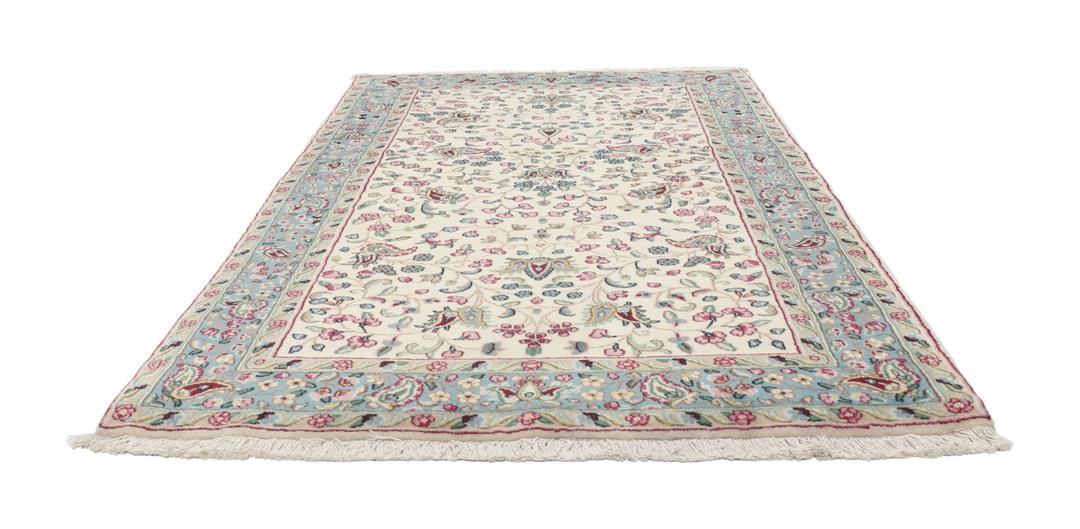
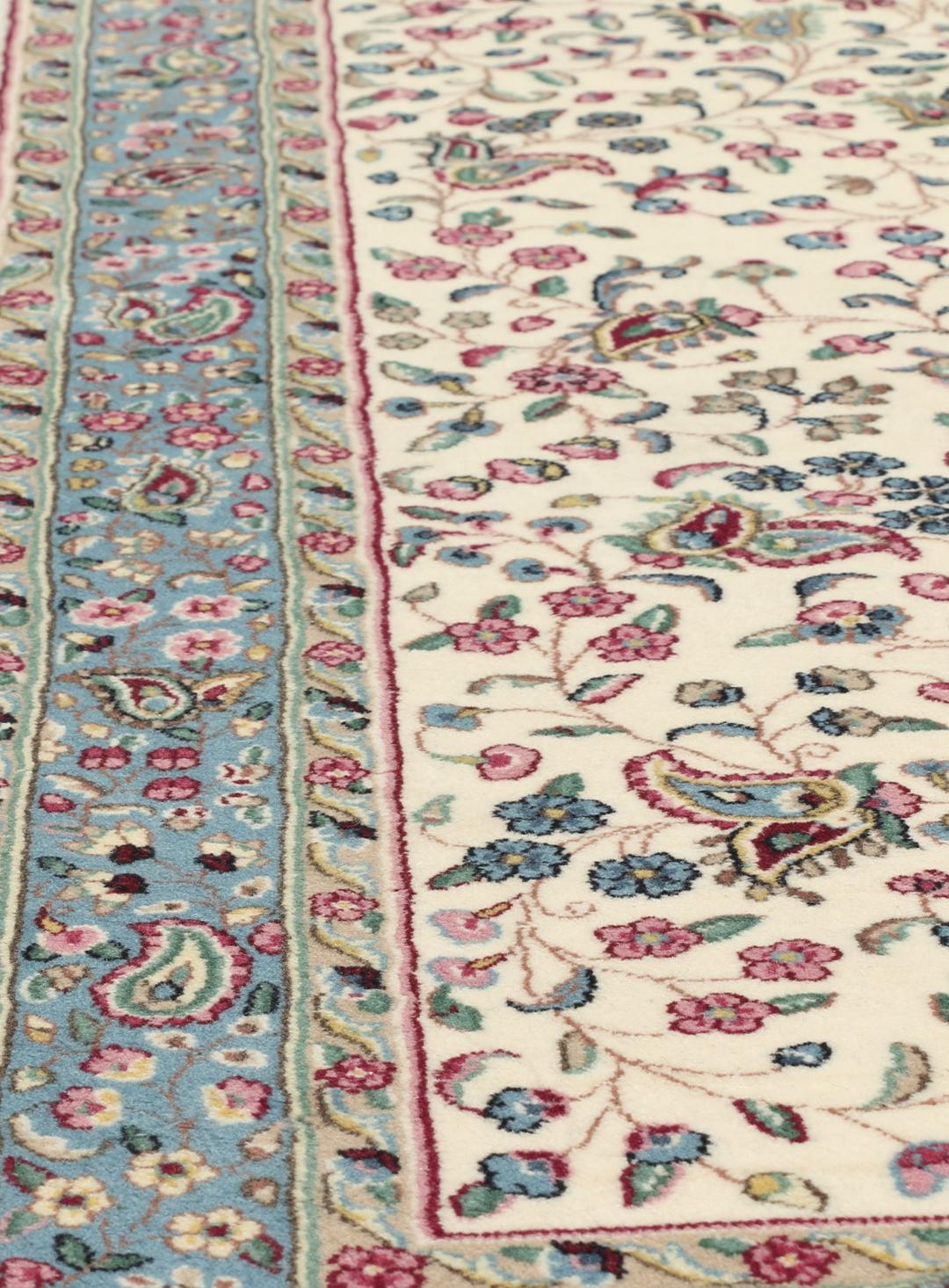
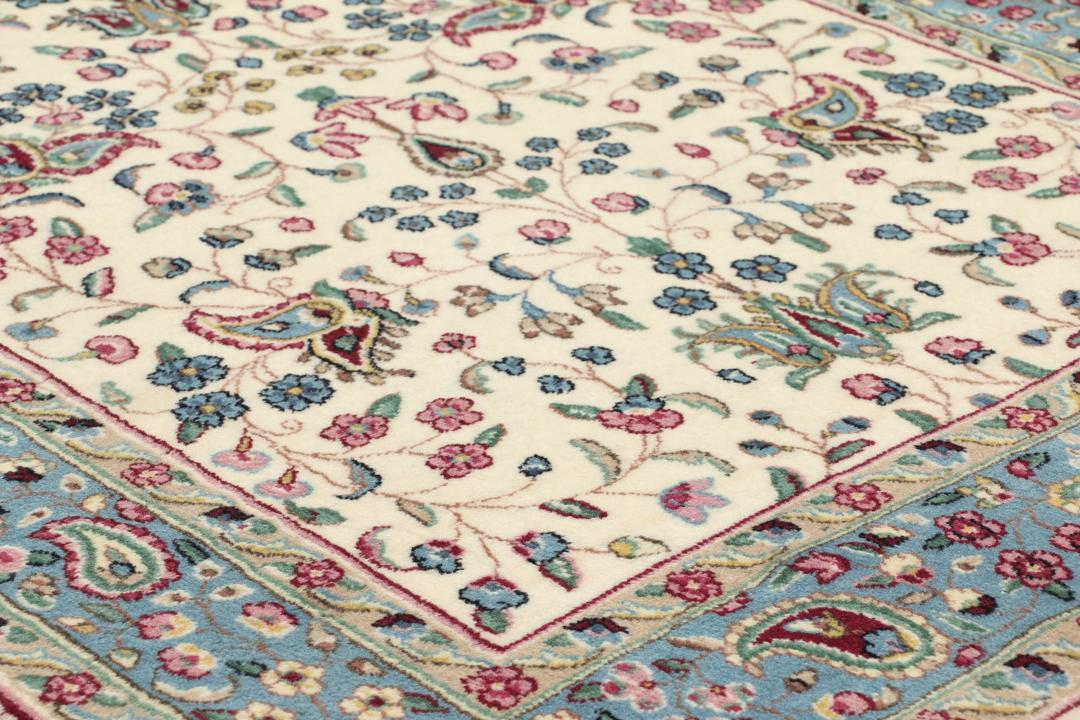
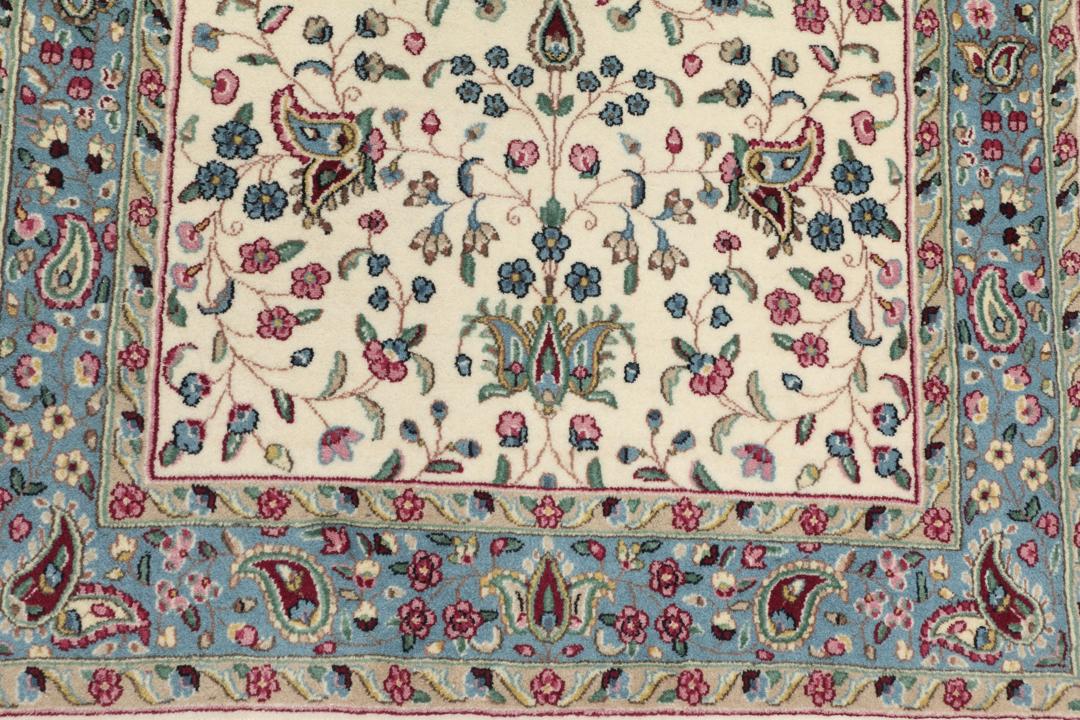
Kerman rugs originate from the historic city of Kerman in the southeastern region of the Middle East, a centre of carpet weaving that has been celebrated for centuries. The tradition of weaving in this region is deeply intertwined with the cultural and environmental landscape, often reflecting the beauty of the arid, desert-adjacent gardens that defined the local aesthetic. Historically, Kerman became a hub for sophisticated designs that moved beyond simple tribal patterns into complex, curvilinear floral compositions.
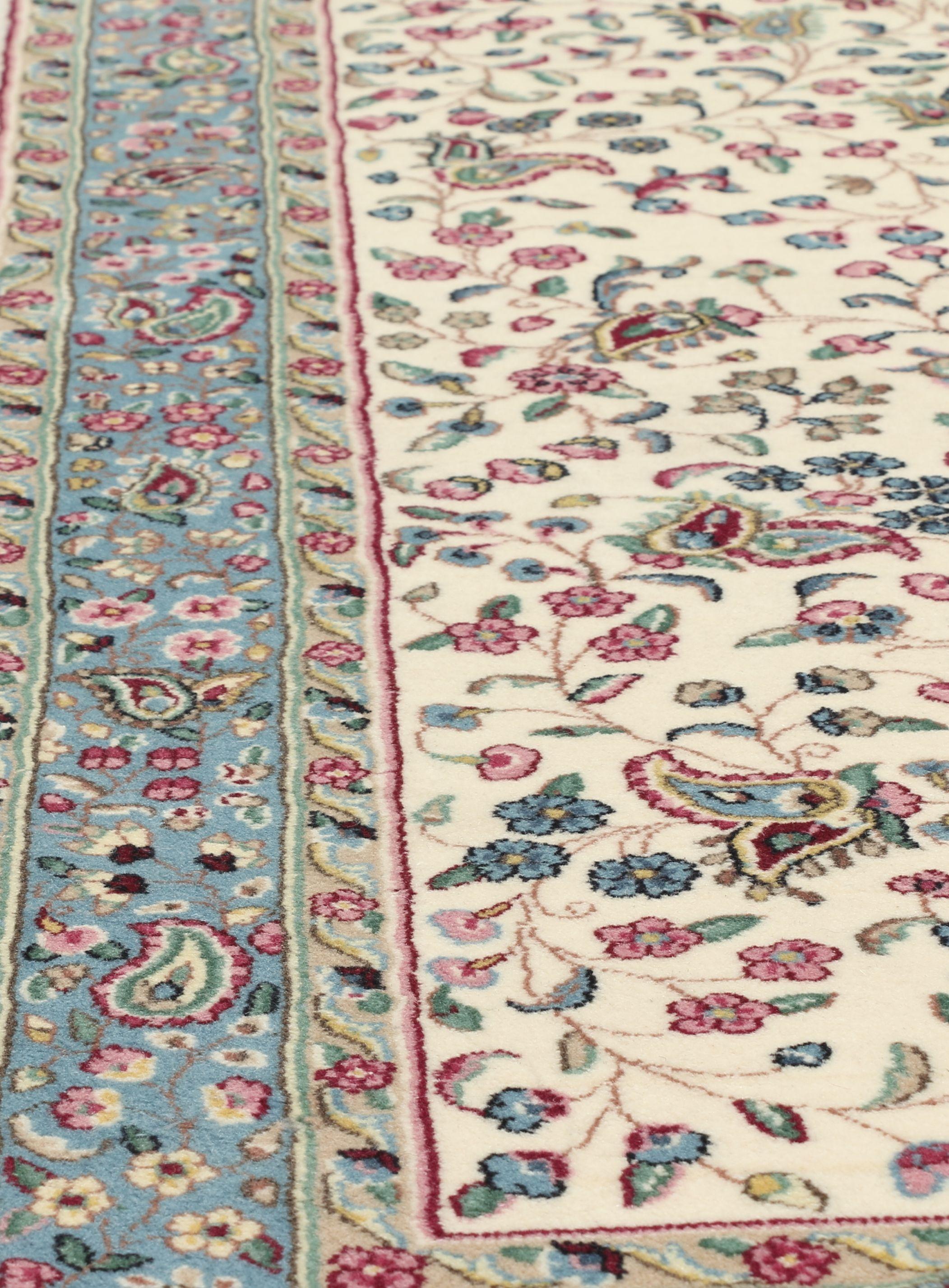
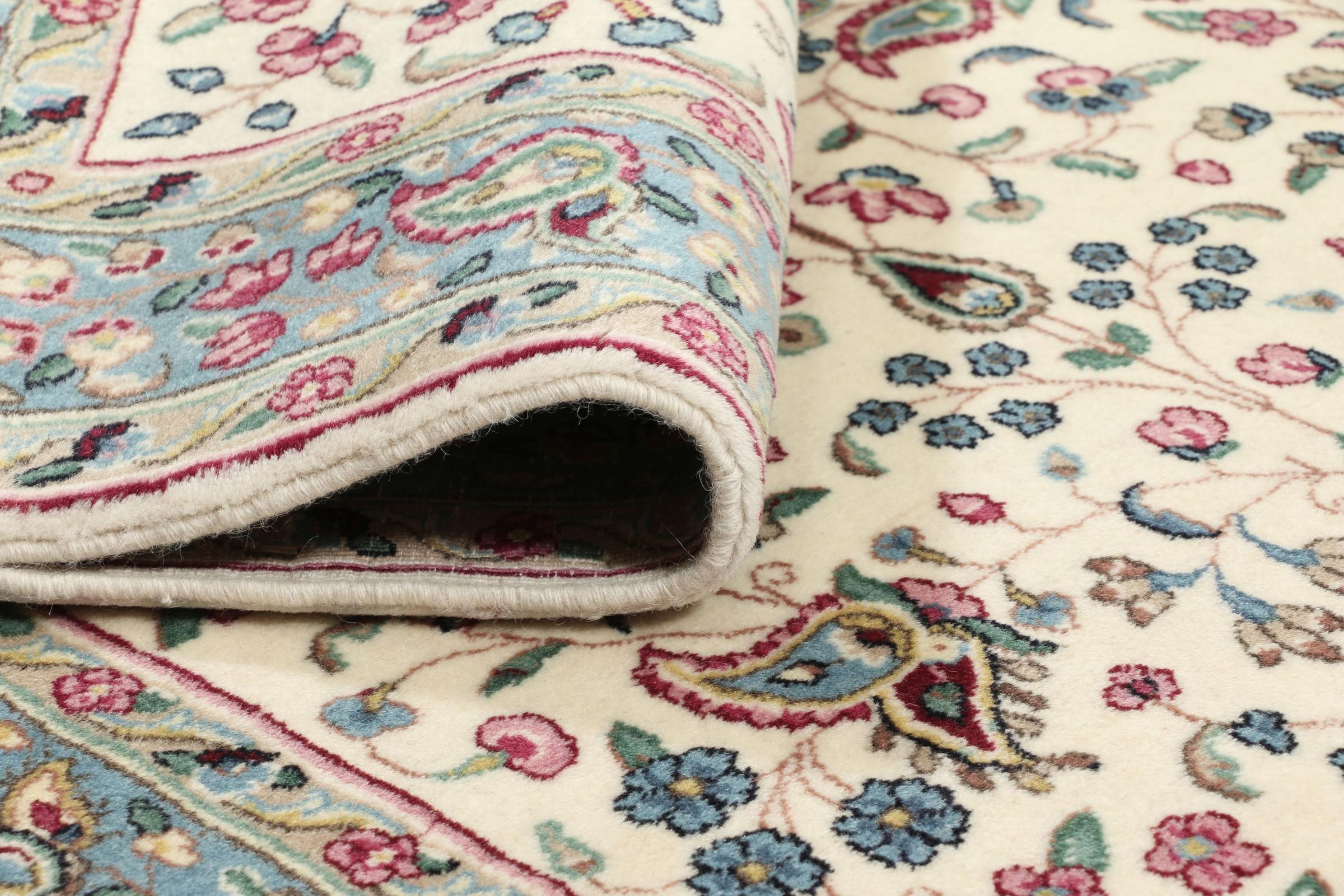
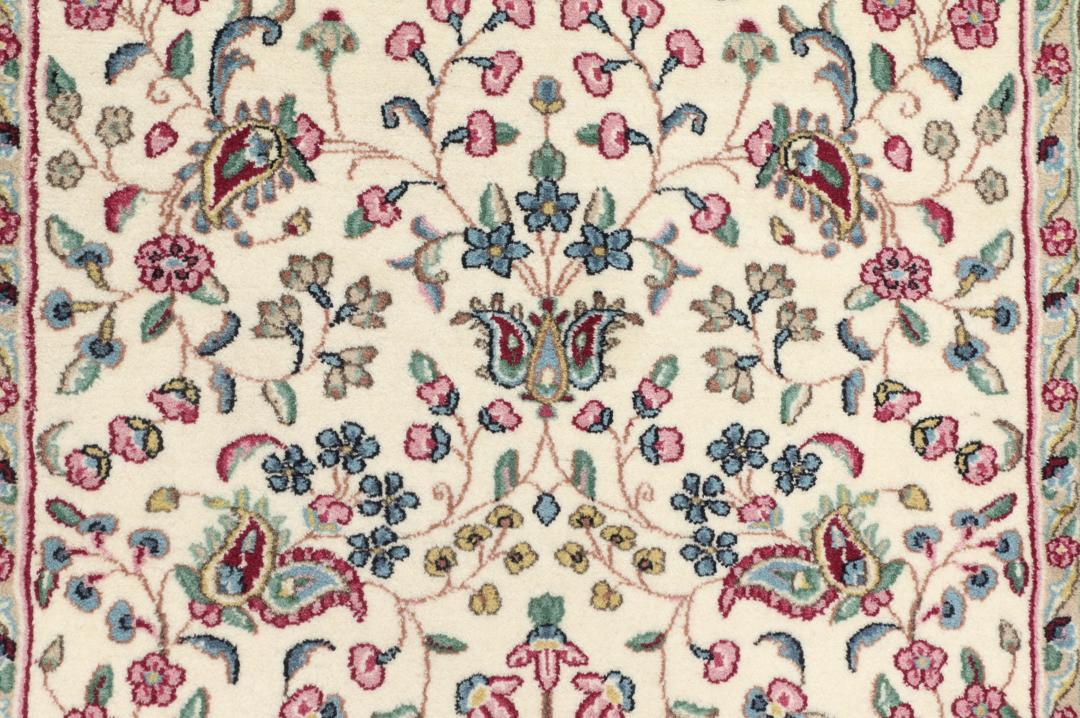
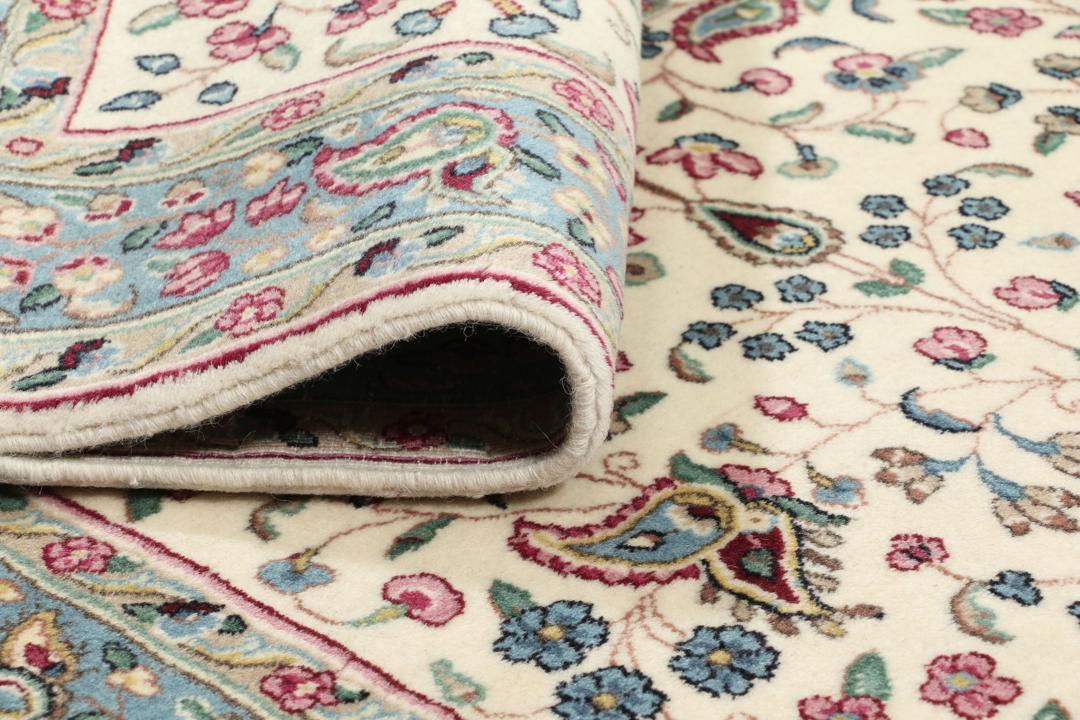
The artistry of a Kerman rug is often defined by its technical mastery, particularly the use of high-quality wool and fine knotting techniques. These rugs are known for their ability to hold intricate details, a characteristic made possible by the skill of the weavers who utilise specialised tools to ensure every knot is uniform and secure. This technical precision is what allows for the characteristic 'garden' feel, where flowers, vines, and leaves seem to flow organically across the surface of the rug.
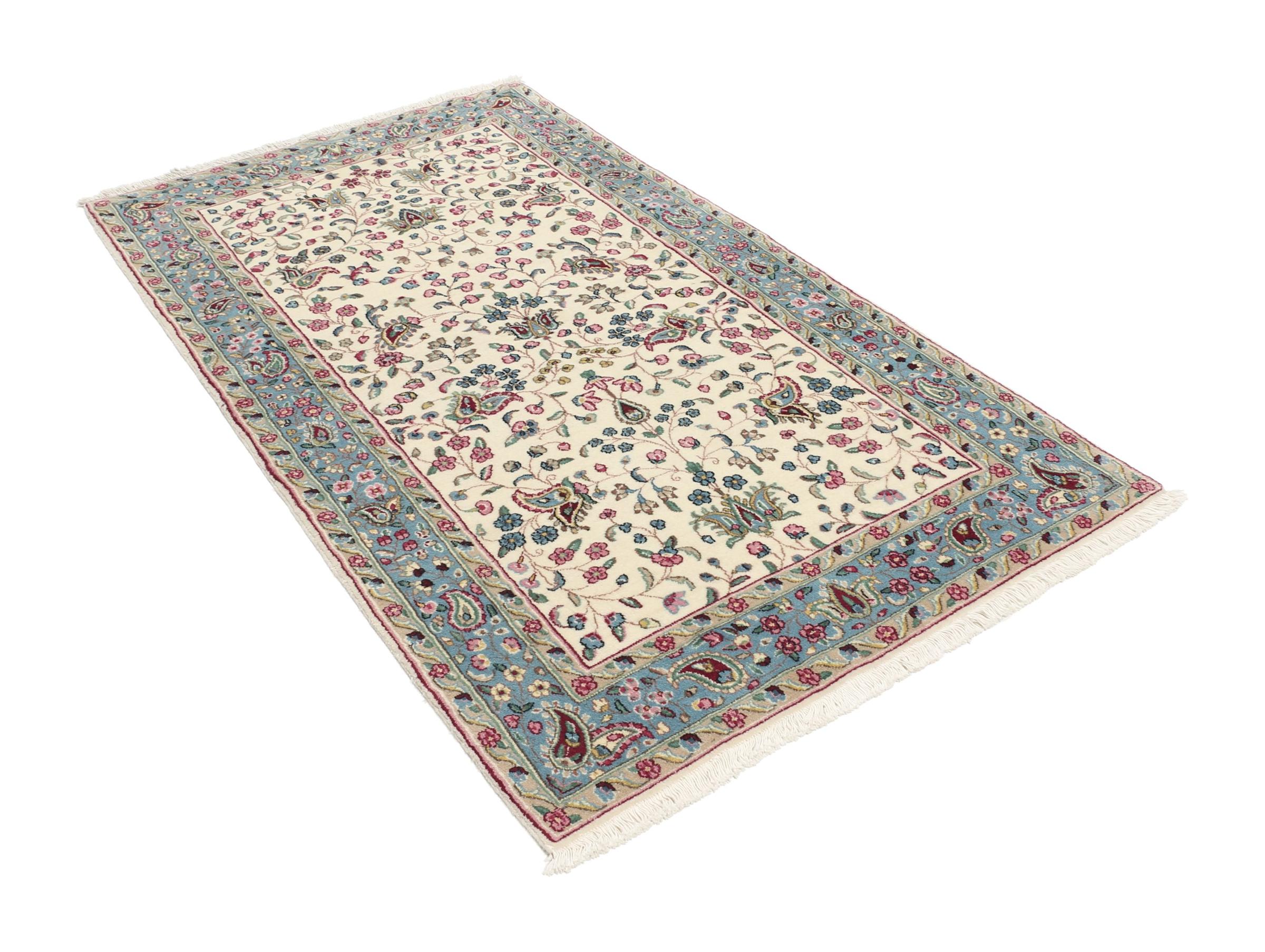
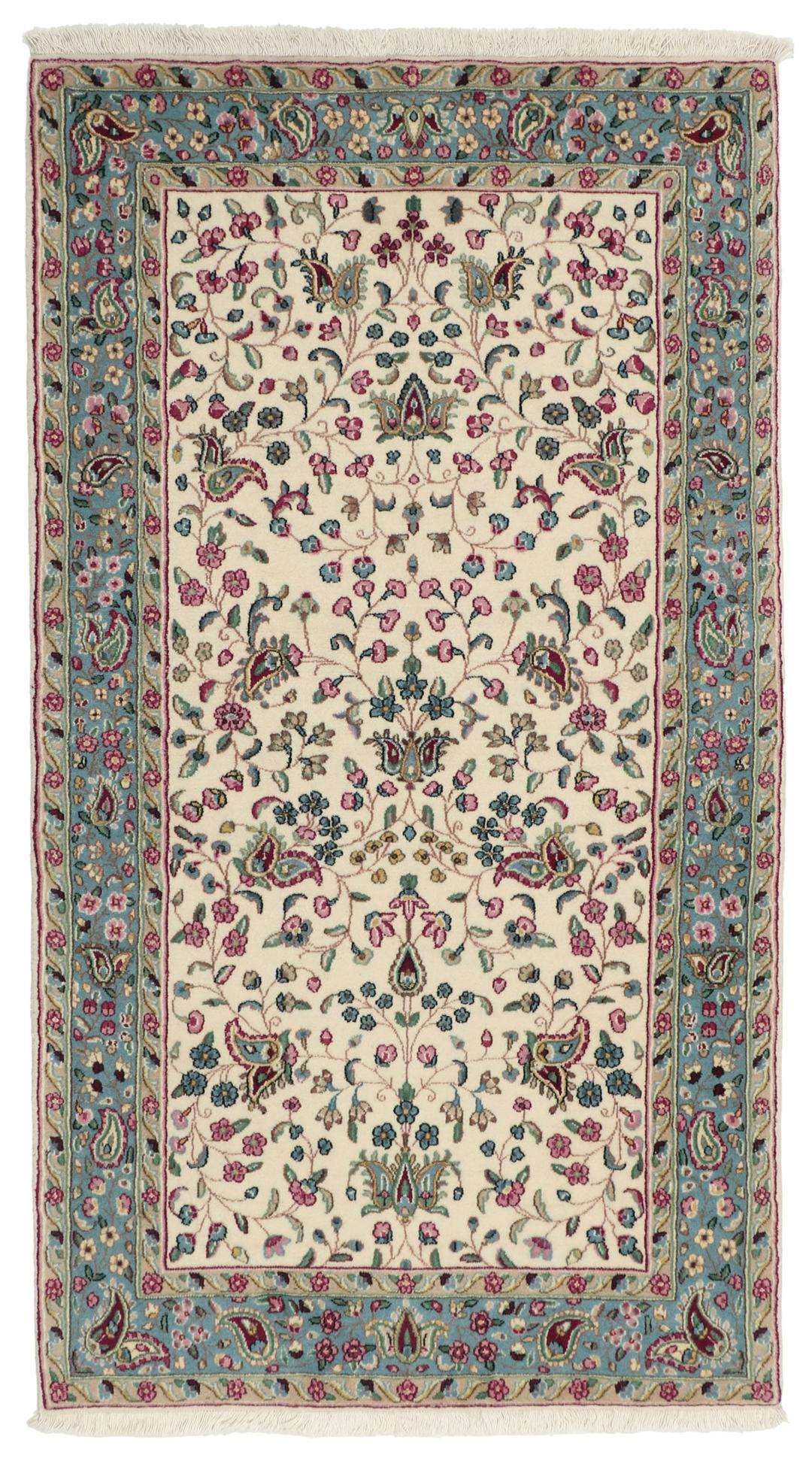
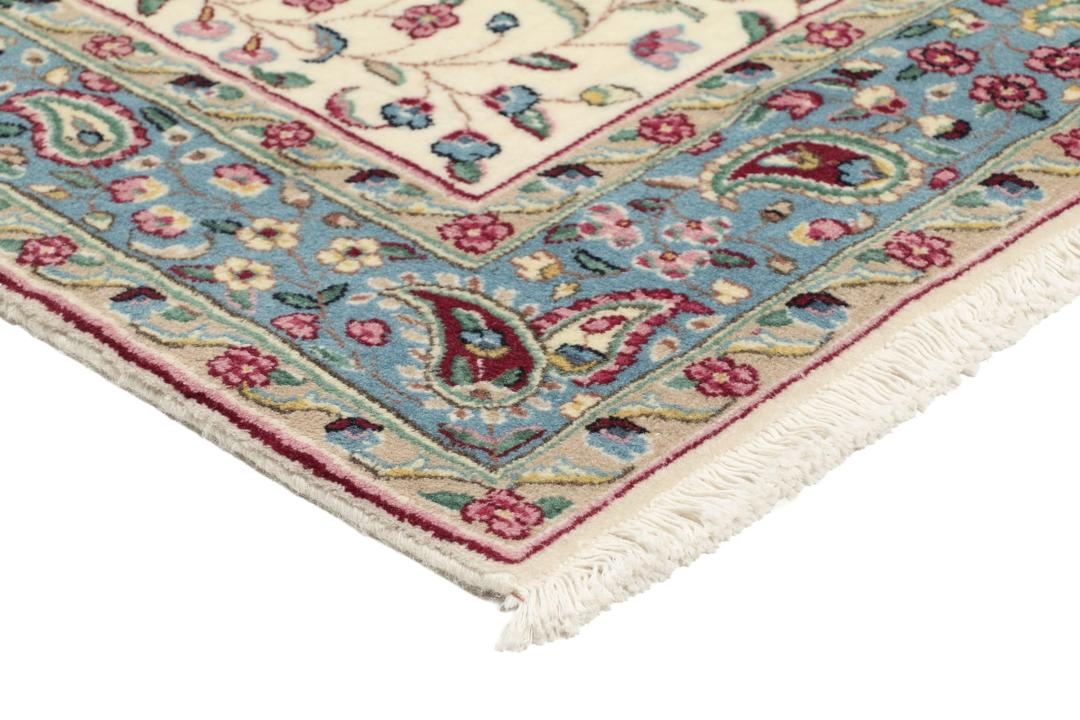
Signature design elements of the Kerman style often include a medallion-centred layout or an 'all-over' floral pattern, typically set against a light, neutral field. You will often see the use of varied, vibrant colours for the floral elements, which contrast beautifully with the more subdued background. This specific rug showcases that tradition with its balanced floral motifs and formal border, adhering to the classic aesthetic that has made Kerman rugs sought after by collectors worldwide.
Owning a Kerman rug is more than just a decorative choice; it is an acquisition of a piece of cultural heritage. These rugs are valued not only for their beauty but for the immense human effort and artistic vision they represent. Because each piece is a unique expression of the weaver's skill, they are considered lasting treasures that carry the stories of their origin, making them a centrepiece in any home that values traditional craft and timeless design.