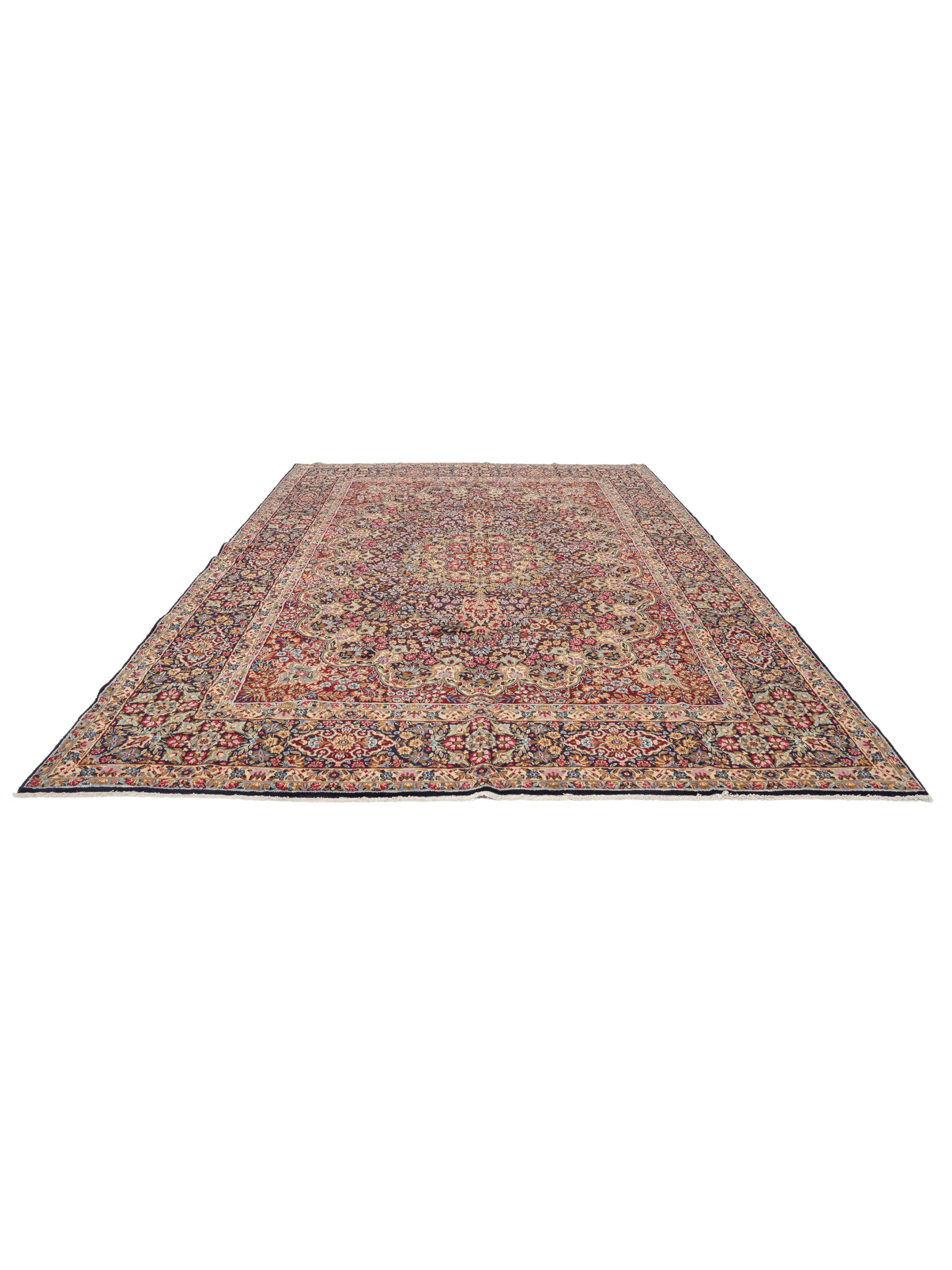
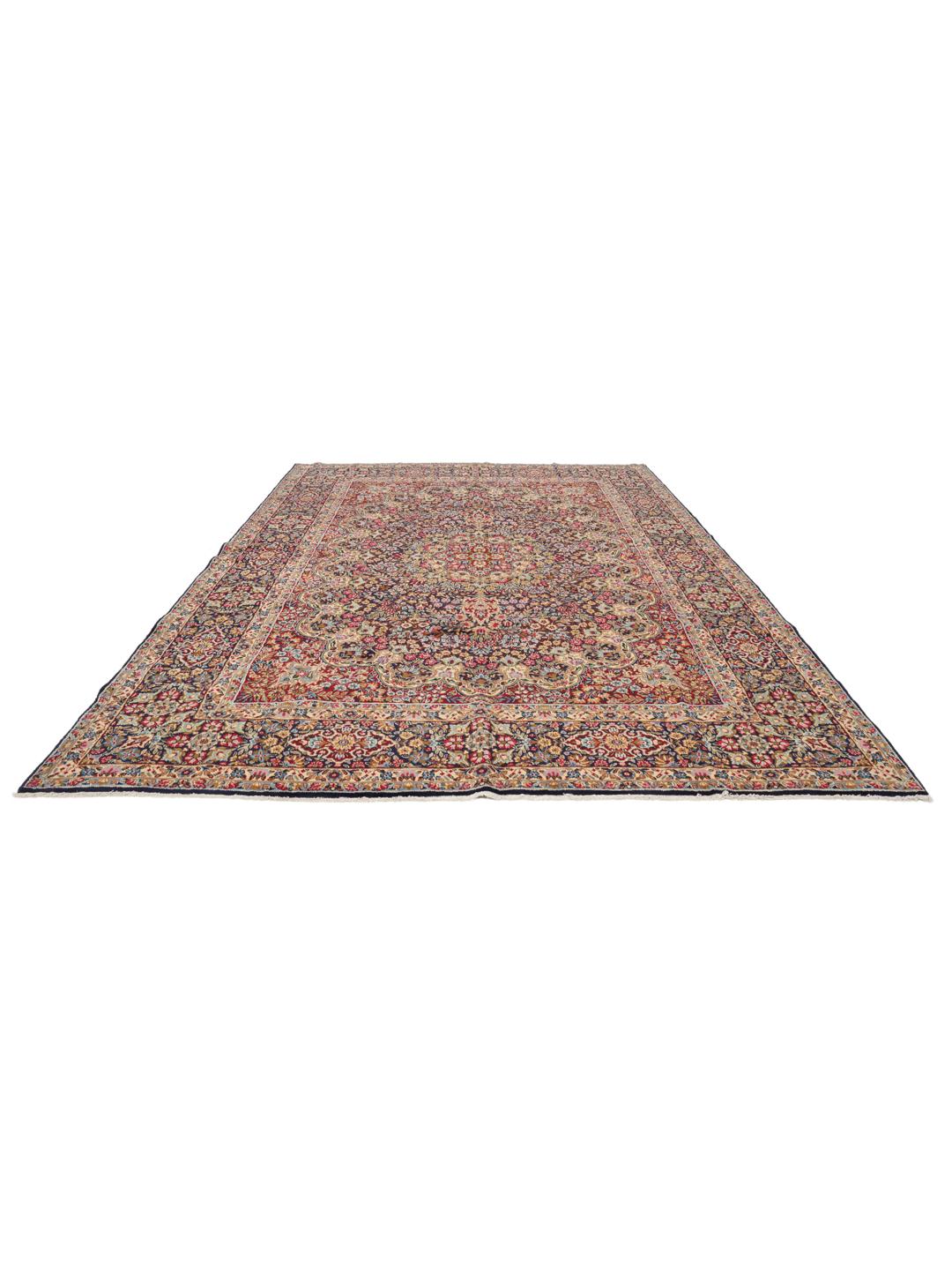
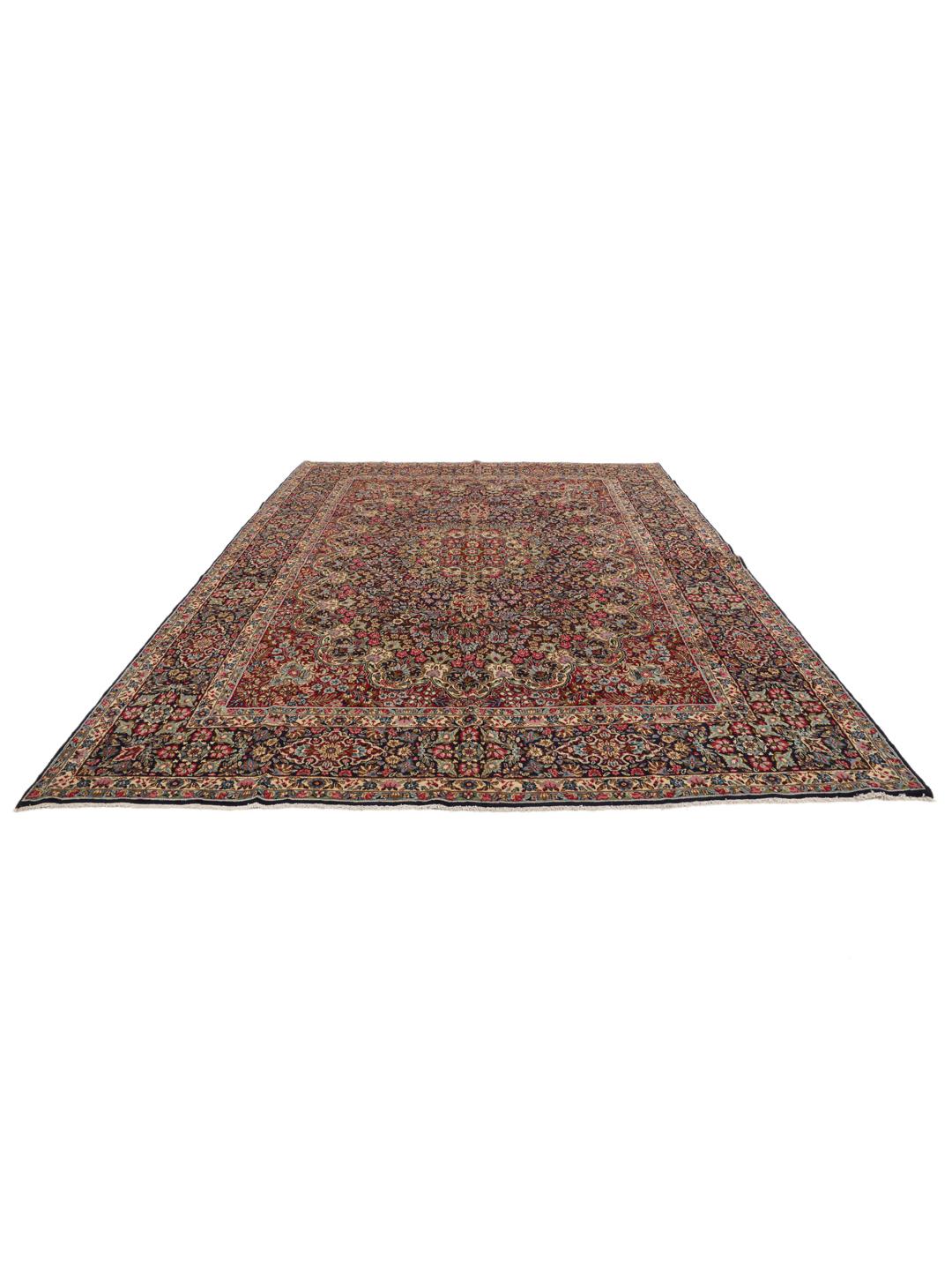
The Kerman rug tradition originates from the desert city of Kerman in the Middle East, a region that has been a thriving hub of textile art for centuries. Historically, Kerman was a vital stop on ancient trade routes, allowing weavers to draw inspiration from diverse cultures and design philosophies. The Sherkat Farsh was established to preserve and elevate these traditional weaving standards, ensuring that the legacy of high-quality craftsmanship continues to flourish.
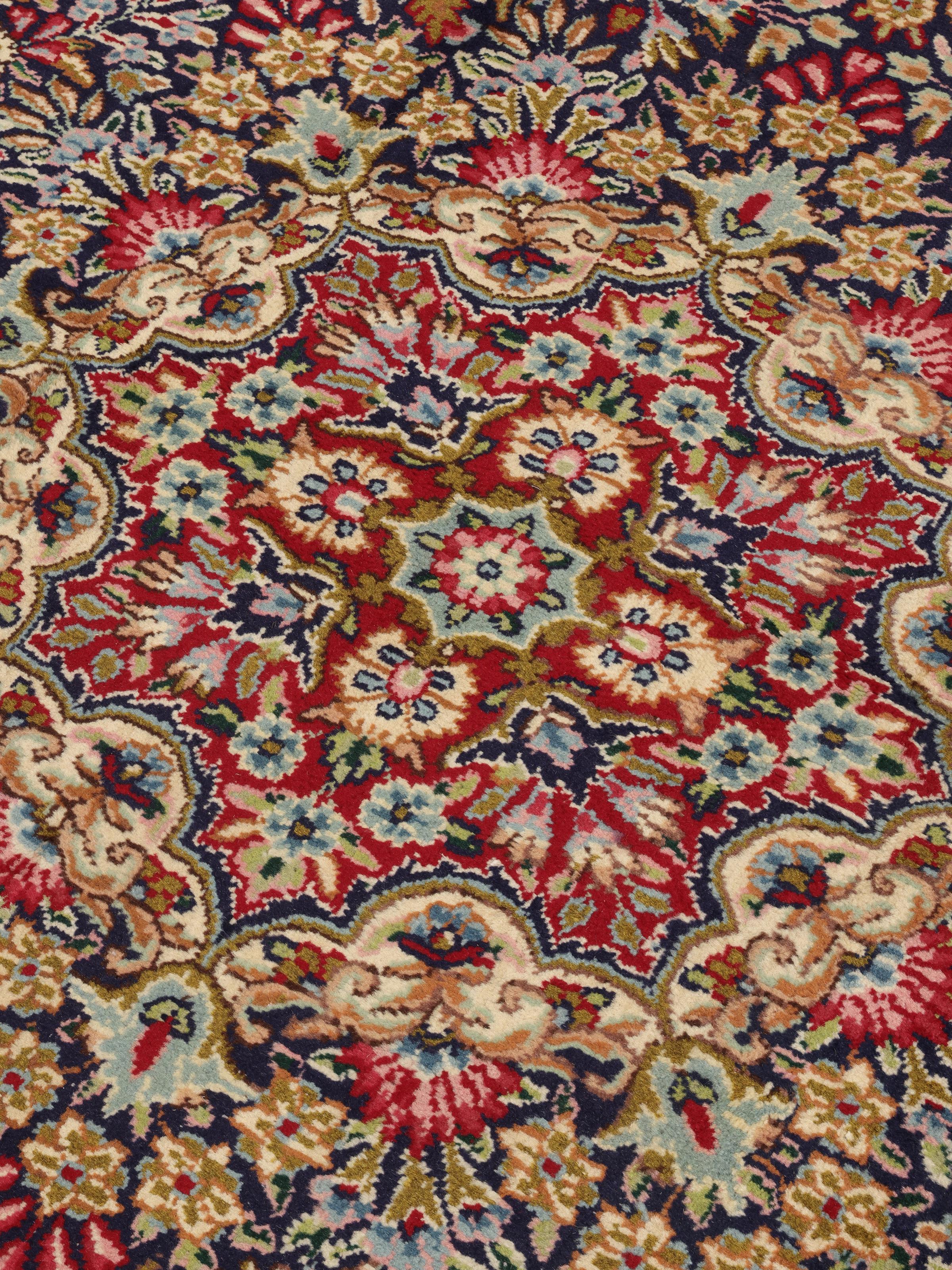
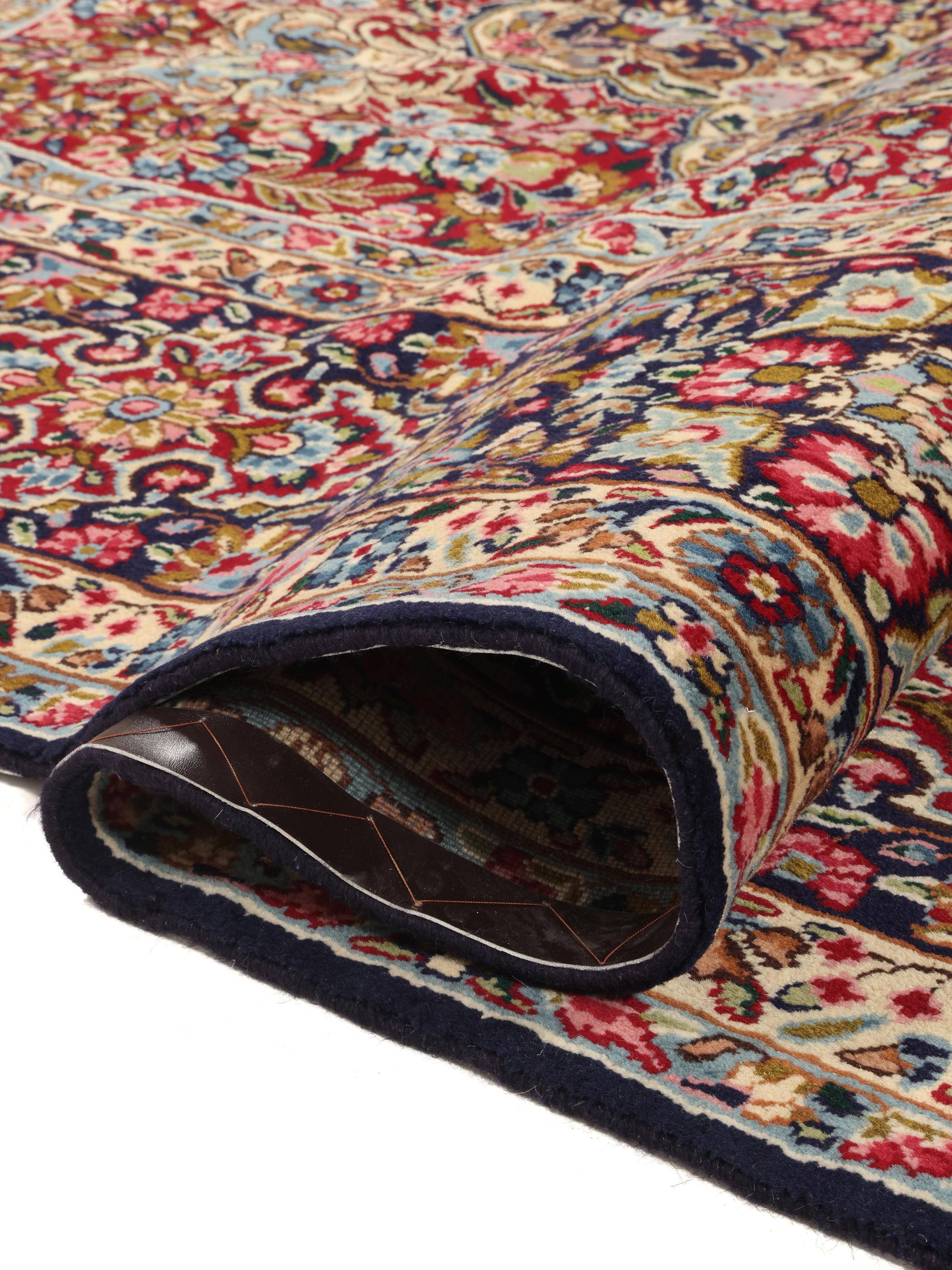
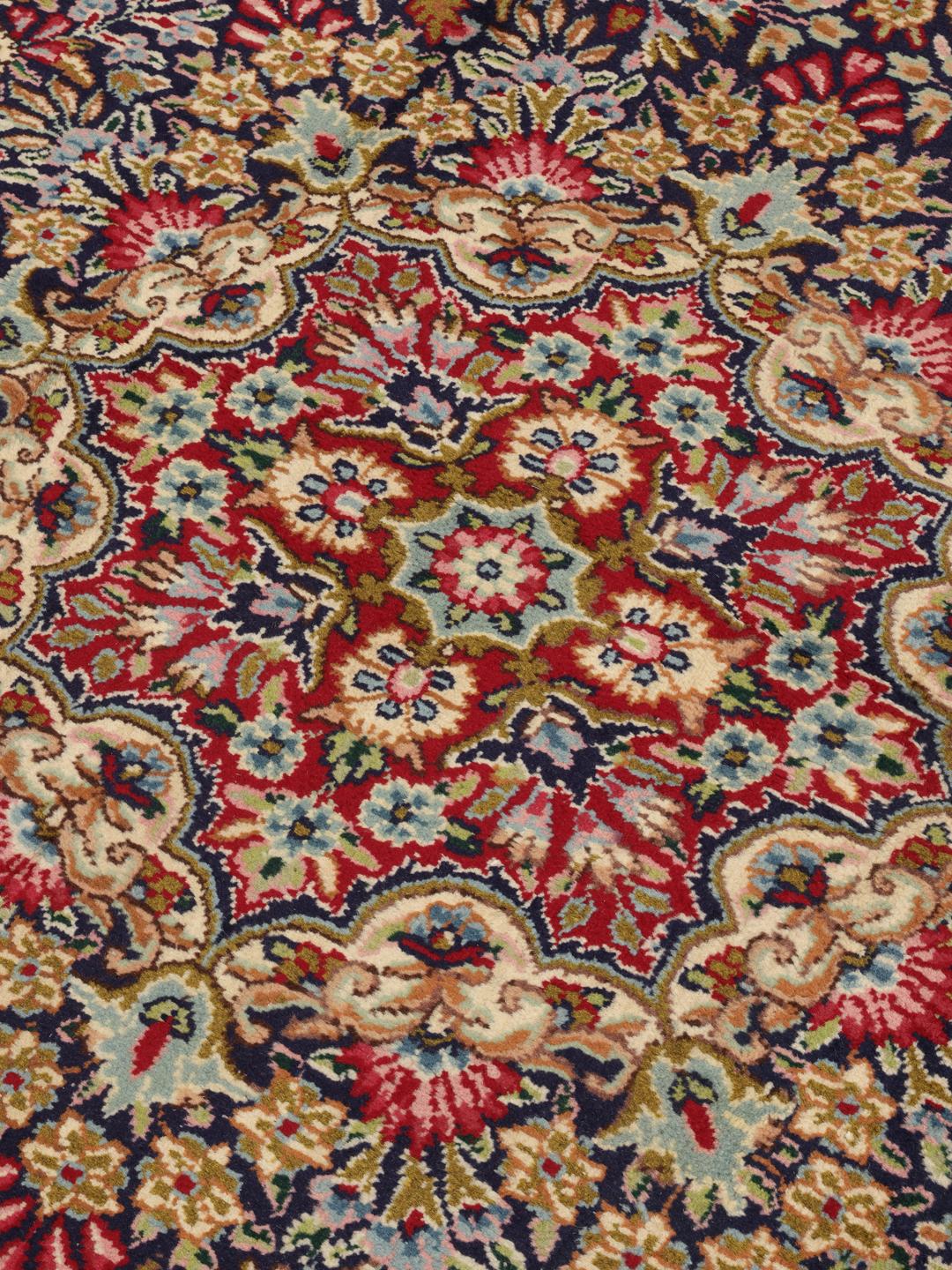
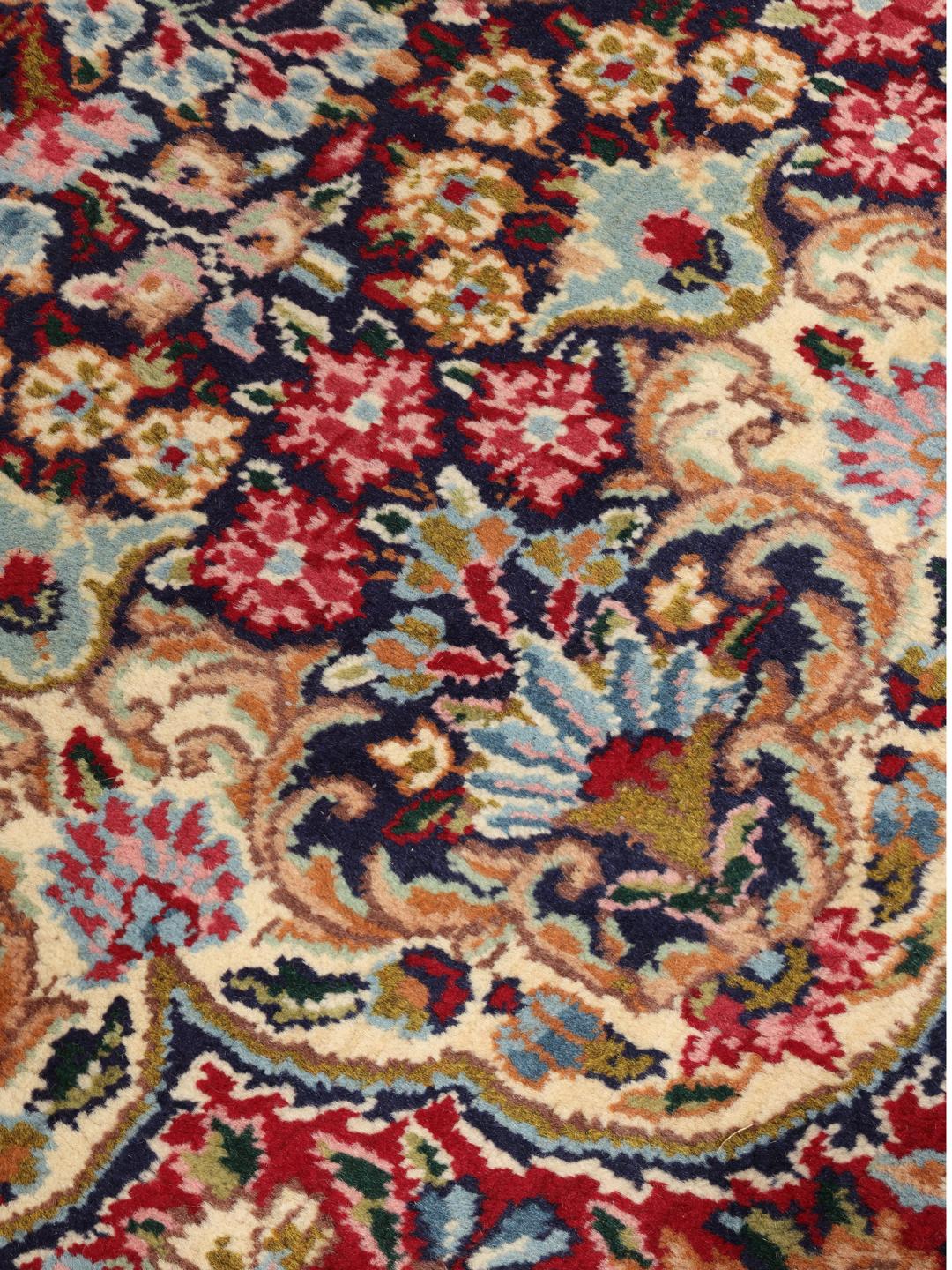
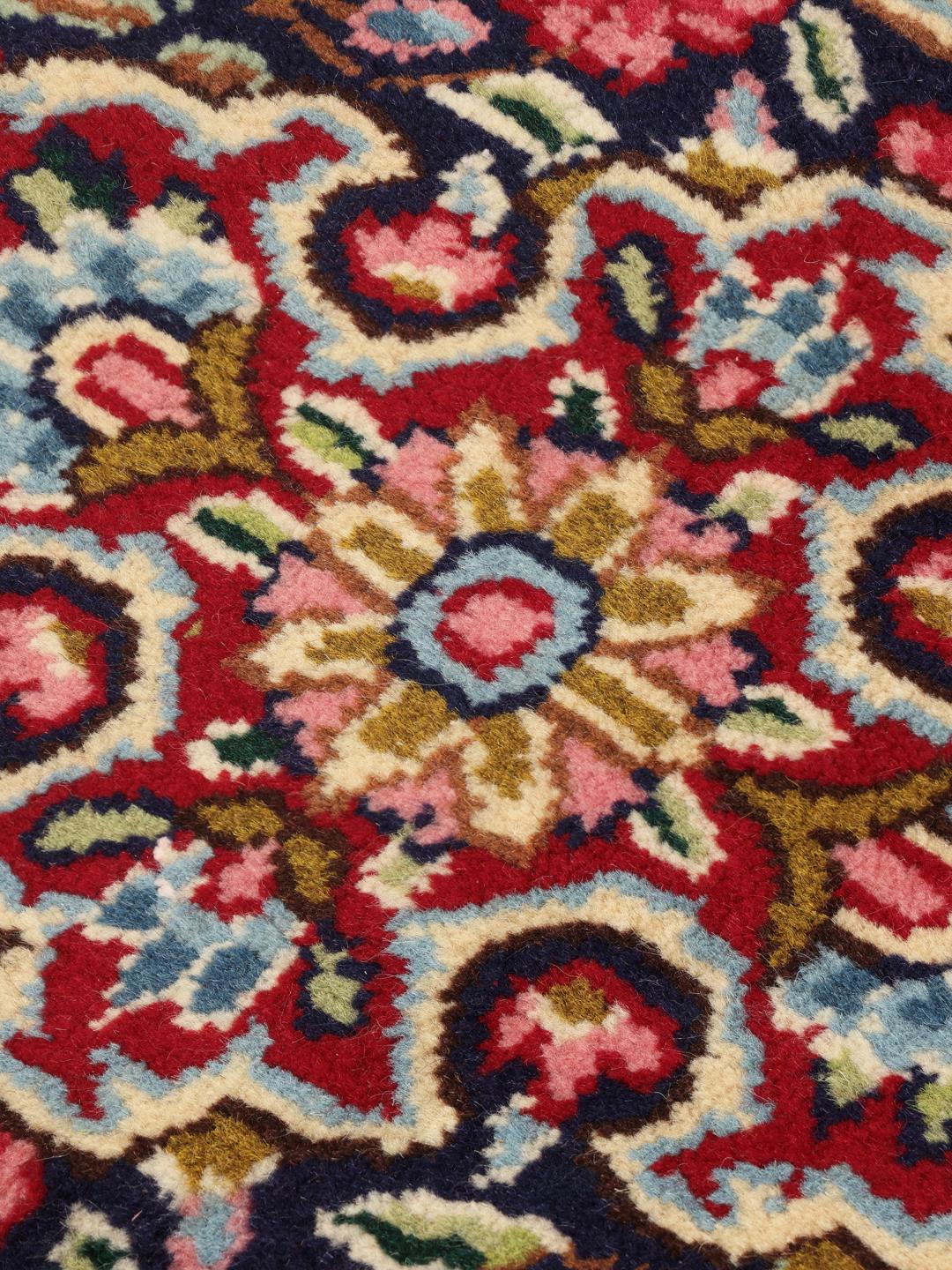
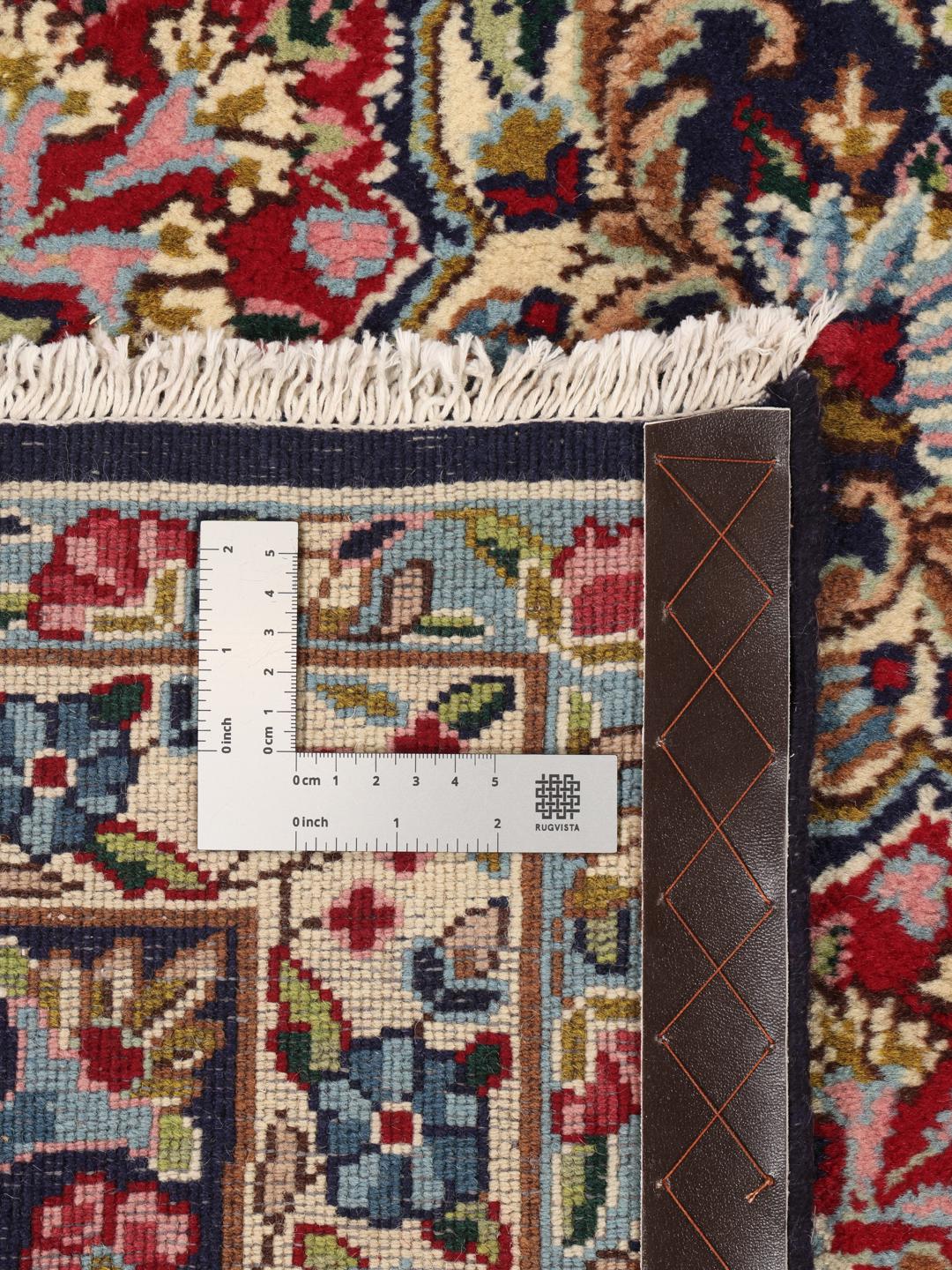
The term Kerman is synonymous with some of the most sophisticated floral designs in the world of weaving. These rugs are renowned for their incredible technical finesse, often utilising a high knot density that allows for delicate, painterly details. The quality of the Wool, often sourced from the high plateaus, provides a soft yet robust pile that ages gracefully. This durability is a hallmark of the tradition, designed to withstand the test of time while maintaining its lustre.
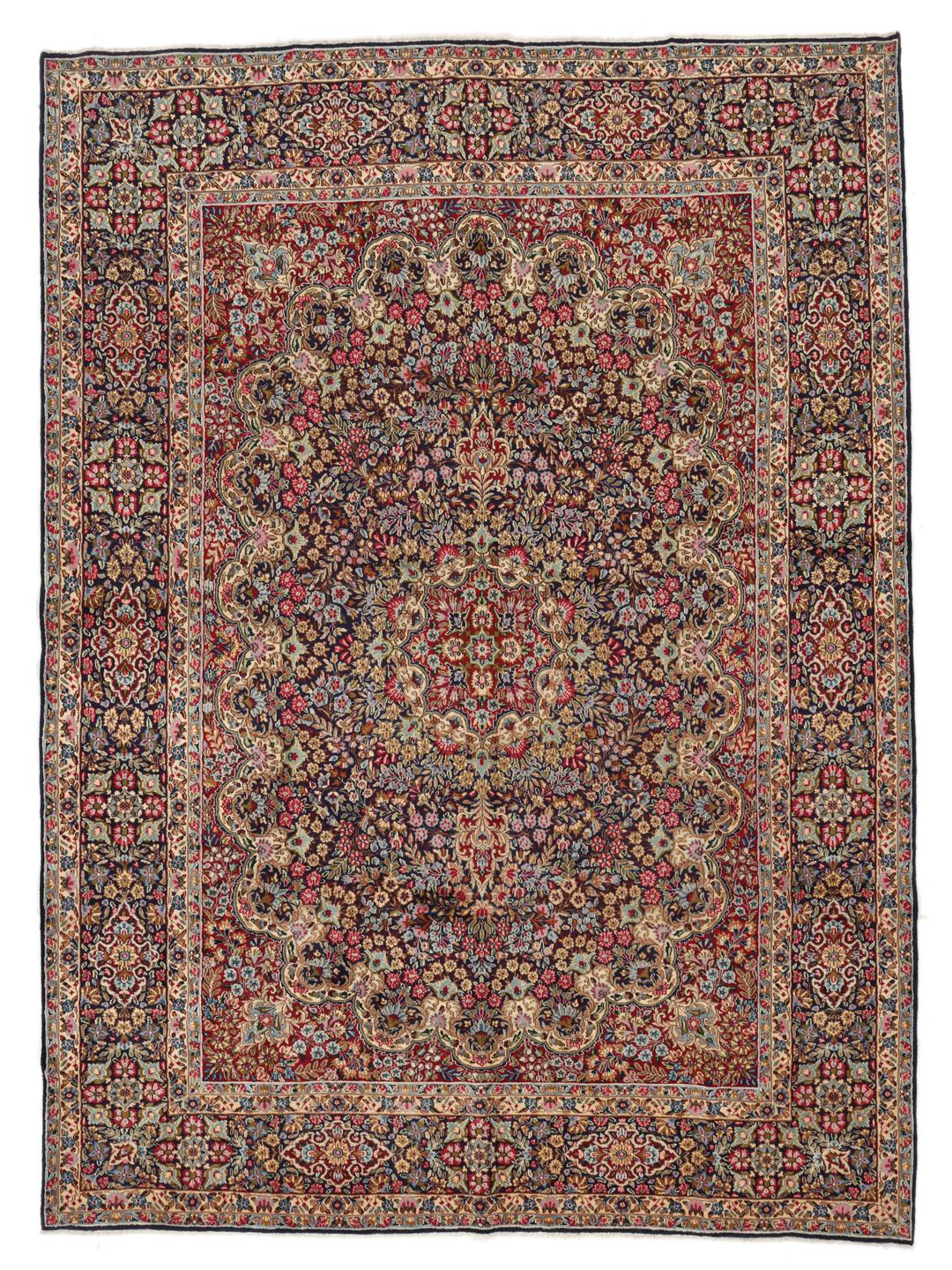
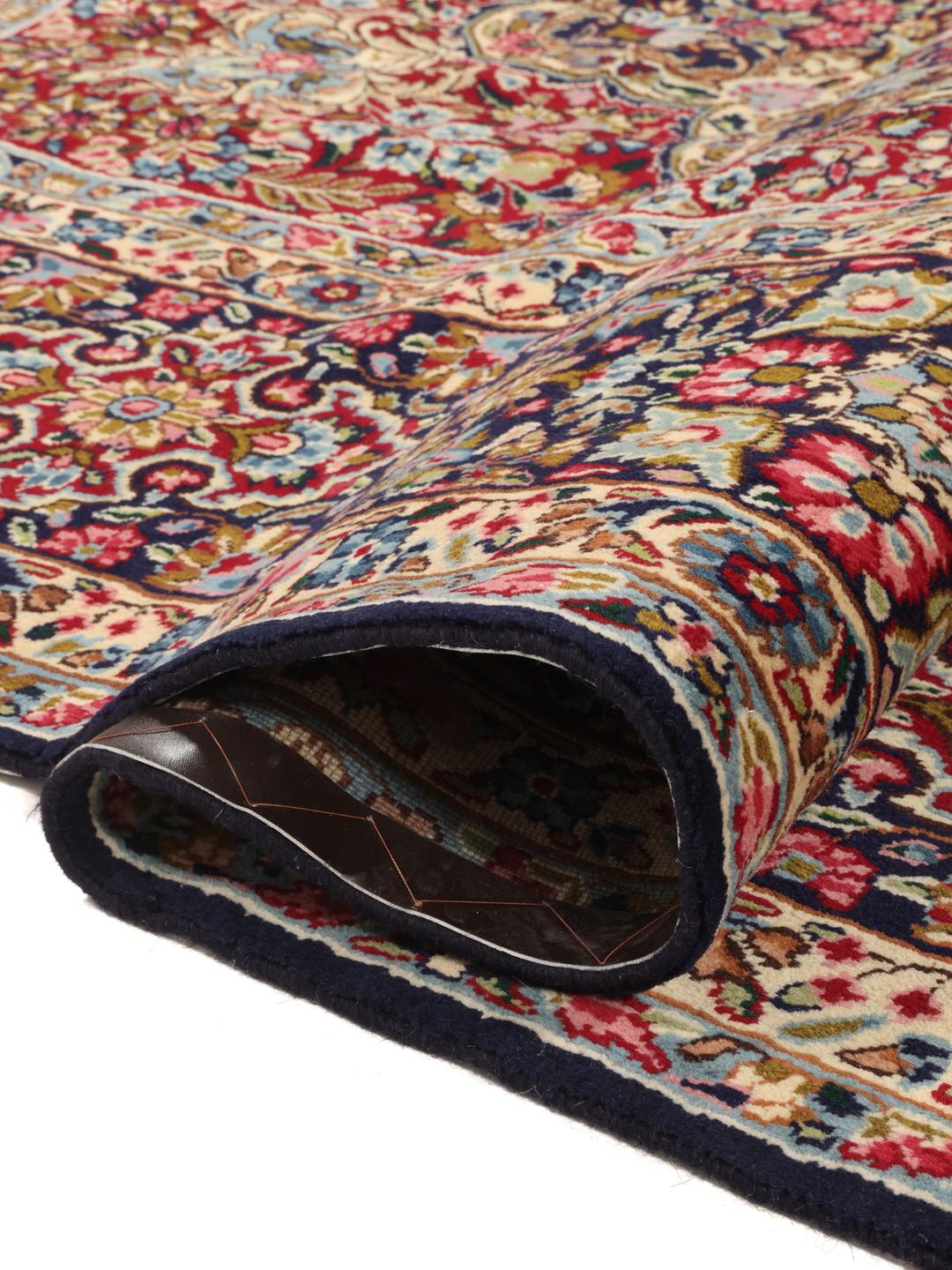
Visually, Kerman rugs are characterised by their elaborate floral themes, often centering around a graceful medallion or an all-over garden pattern. Unlike the more geometric styles found in nomadic traditions, Kerman rugs lean into fluid, organic lines, showcasing a sophisticated use of colour and shadow. The borders are typically as detailed as the field, featuring intricate vine scrolls and blossoms that frame the main composition with formal elegance.
Collecting a Kerman Sherkat Farsh rug is an investment in cultural history. These pieces are highly valued because they represent the pinnacle of regional skill and design evolution. To own one is to become a custodian of a tradition that balances artistic expression with strict quality control, ensuring that every piece remains a testament to the artisan's dedication and the historical importance of this weaving centre.