The Keshan rug tradition finds its roots in the historic city of Kashan in the Middle East. Historically, this city was a major centre along the trade routes, celebrated for its production of fine textiles and silks. Over centuries, the weaving techniques evolved to incorporate intricate floral patterns and complex medallions, becoming synonymous with the region's artistic legacy.
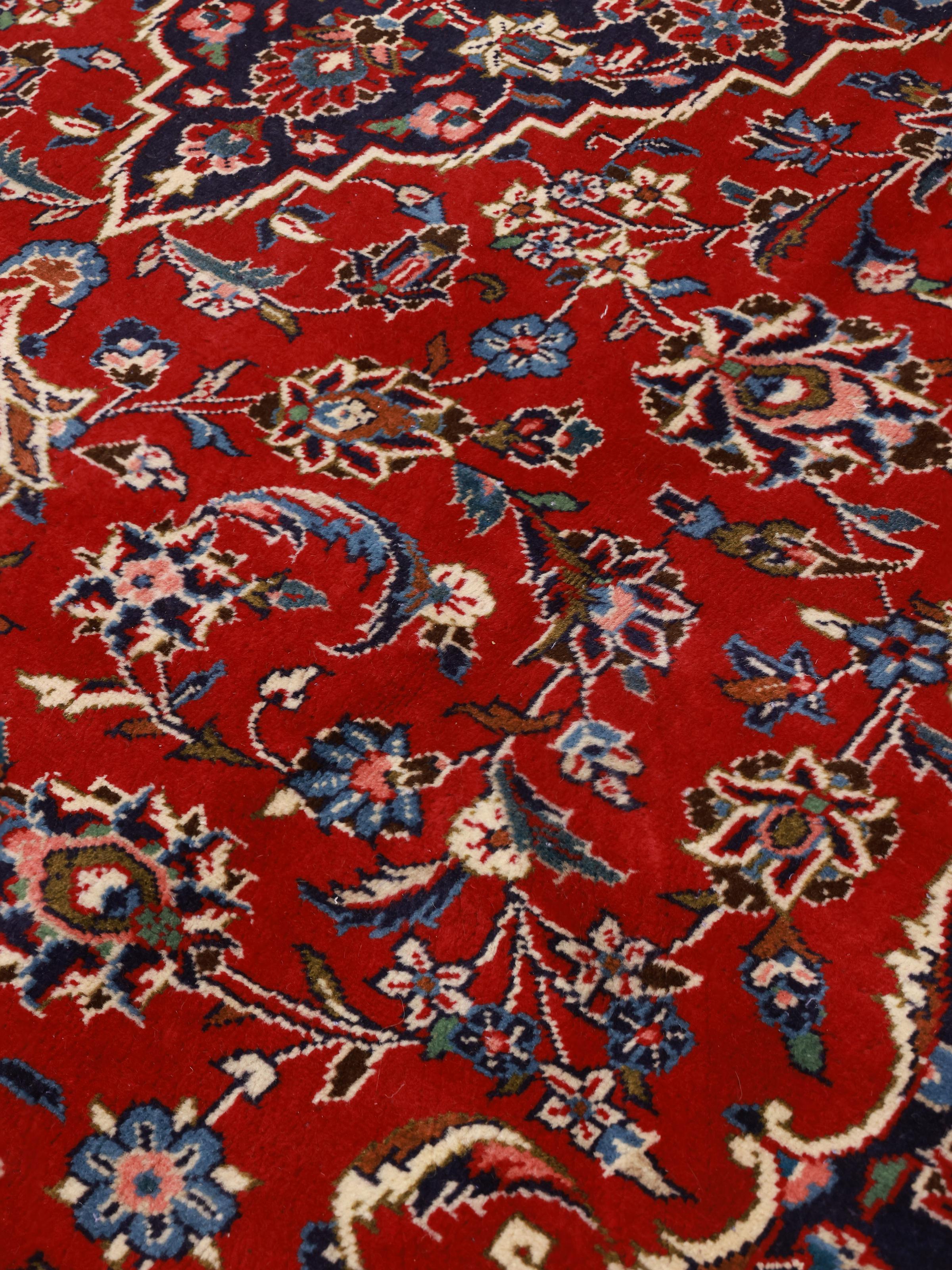
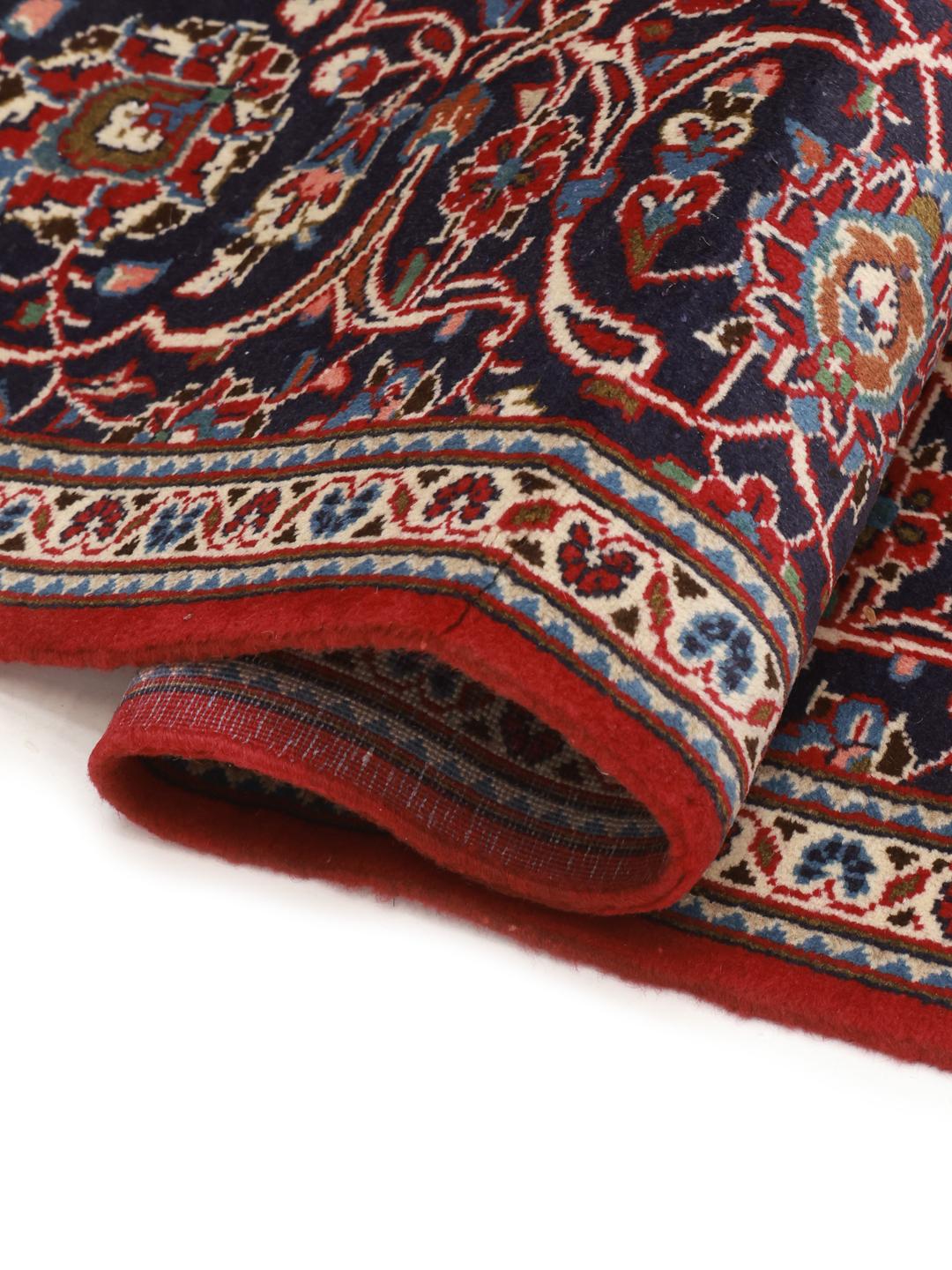
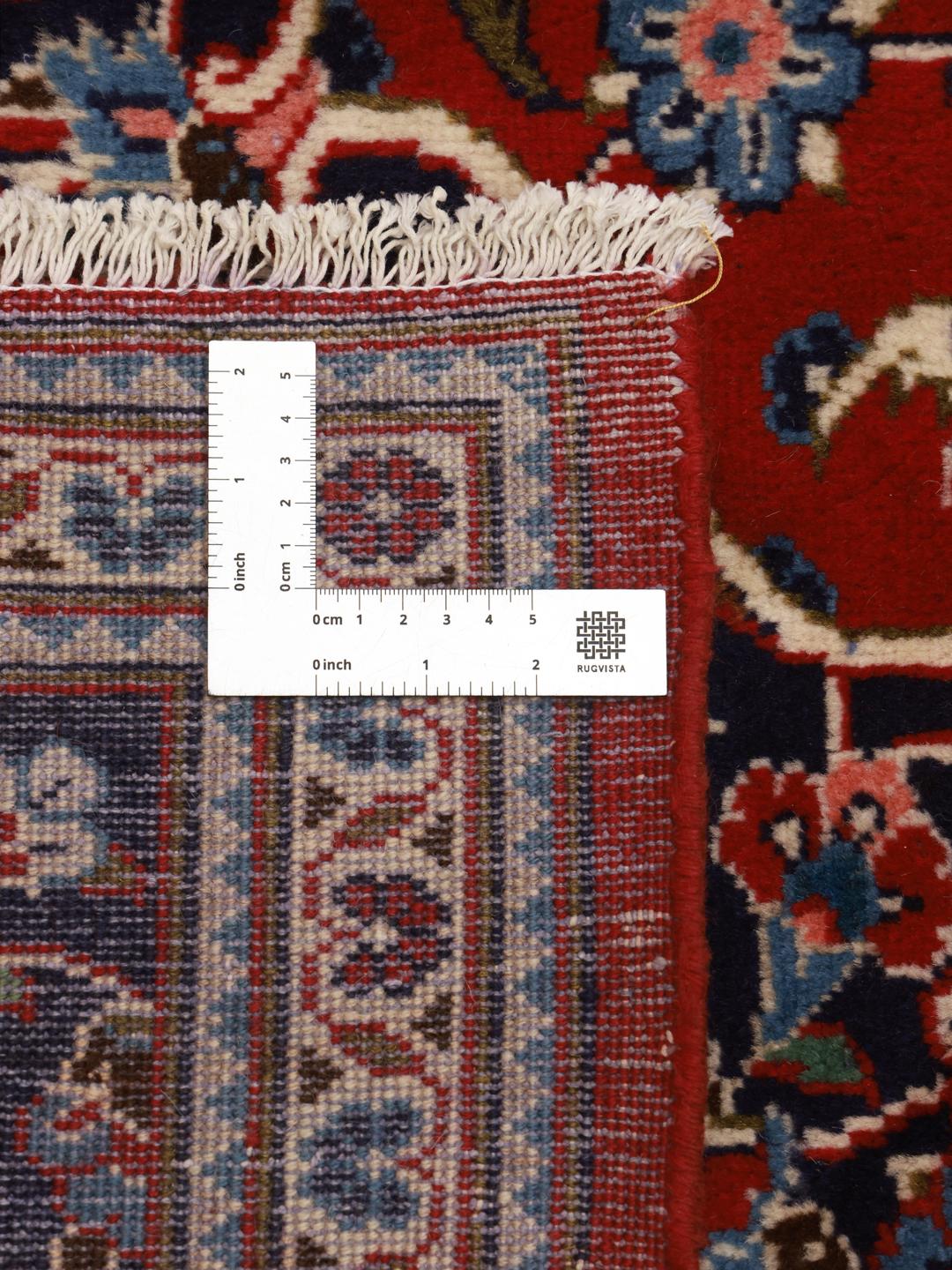
The term Keshan refers to both a specific weaving style and a design tradition that prioritizes balance and detail. These rugs are known for their use of high-quality wool, which is chosen for its durability and ability to hold vibrant dyes. The construction typically involves a foundation that provides a stable base for the dense, hand-knotted pile, ensuring the rug remains a resilient feature of the home.
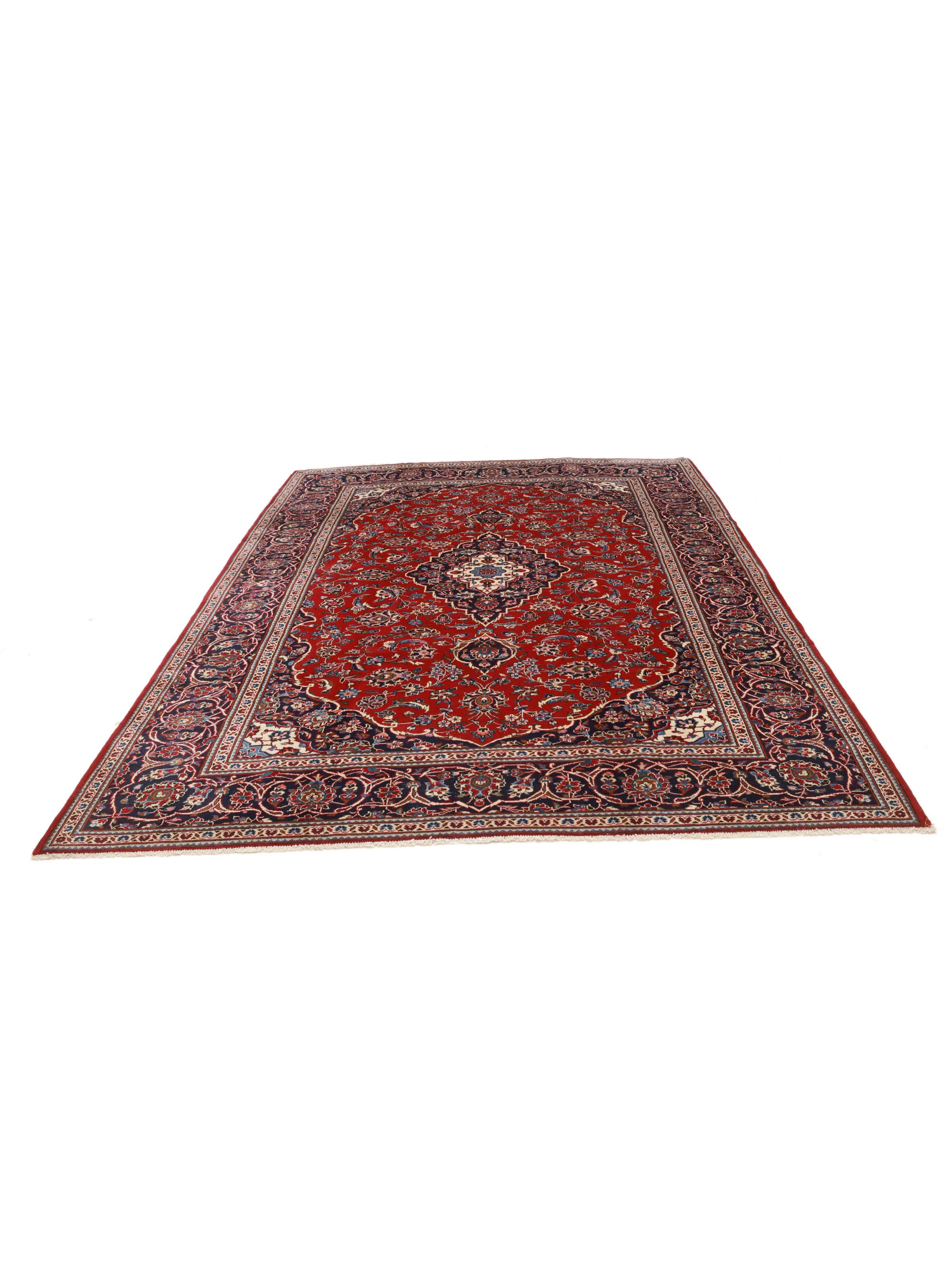
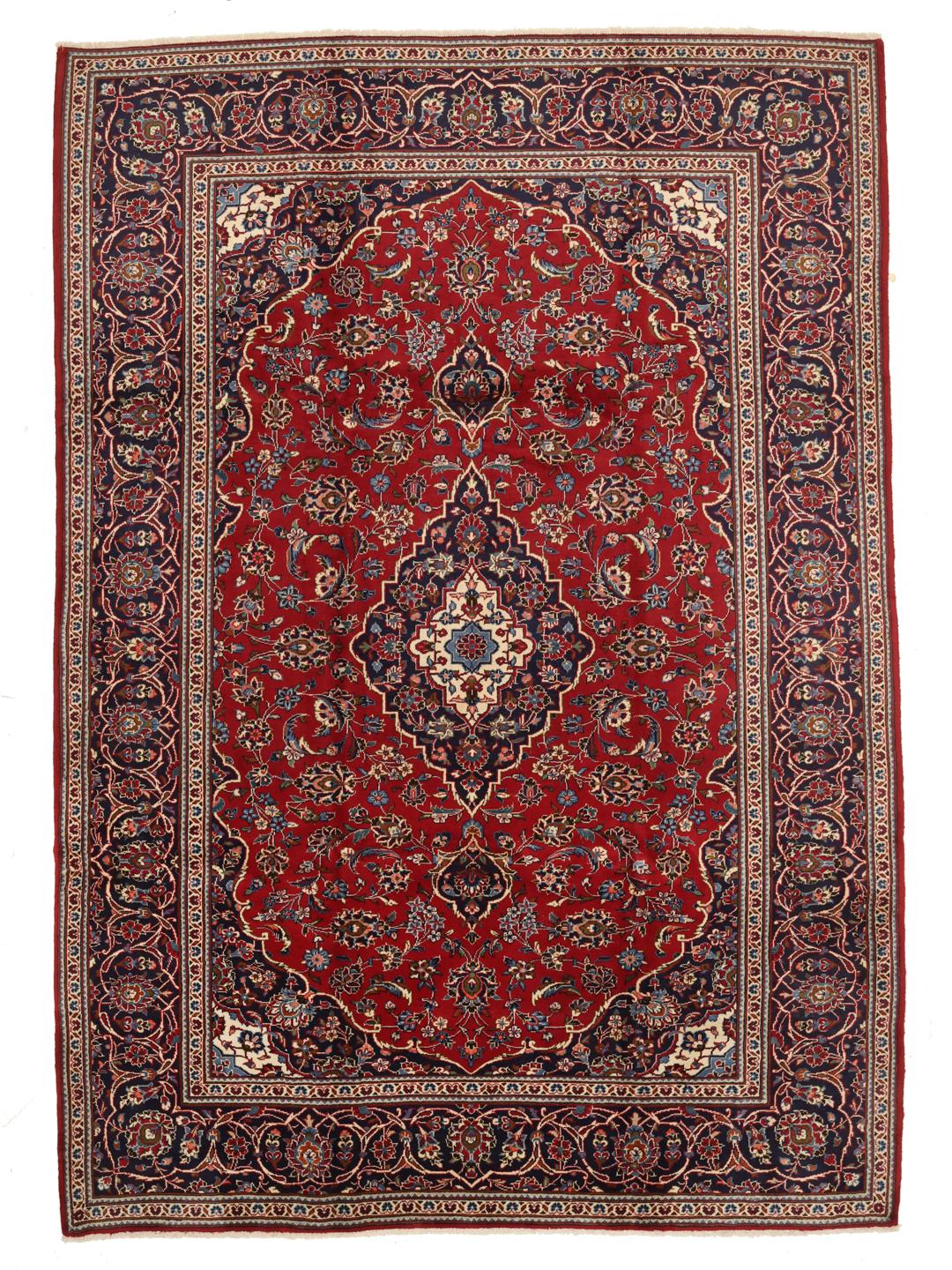
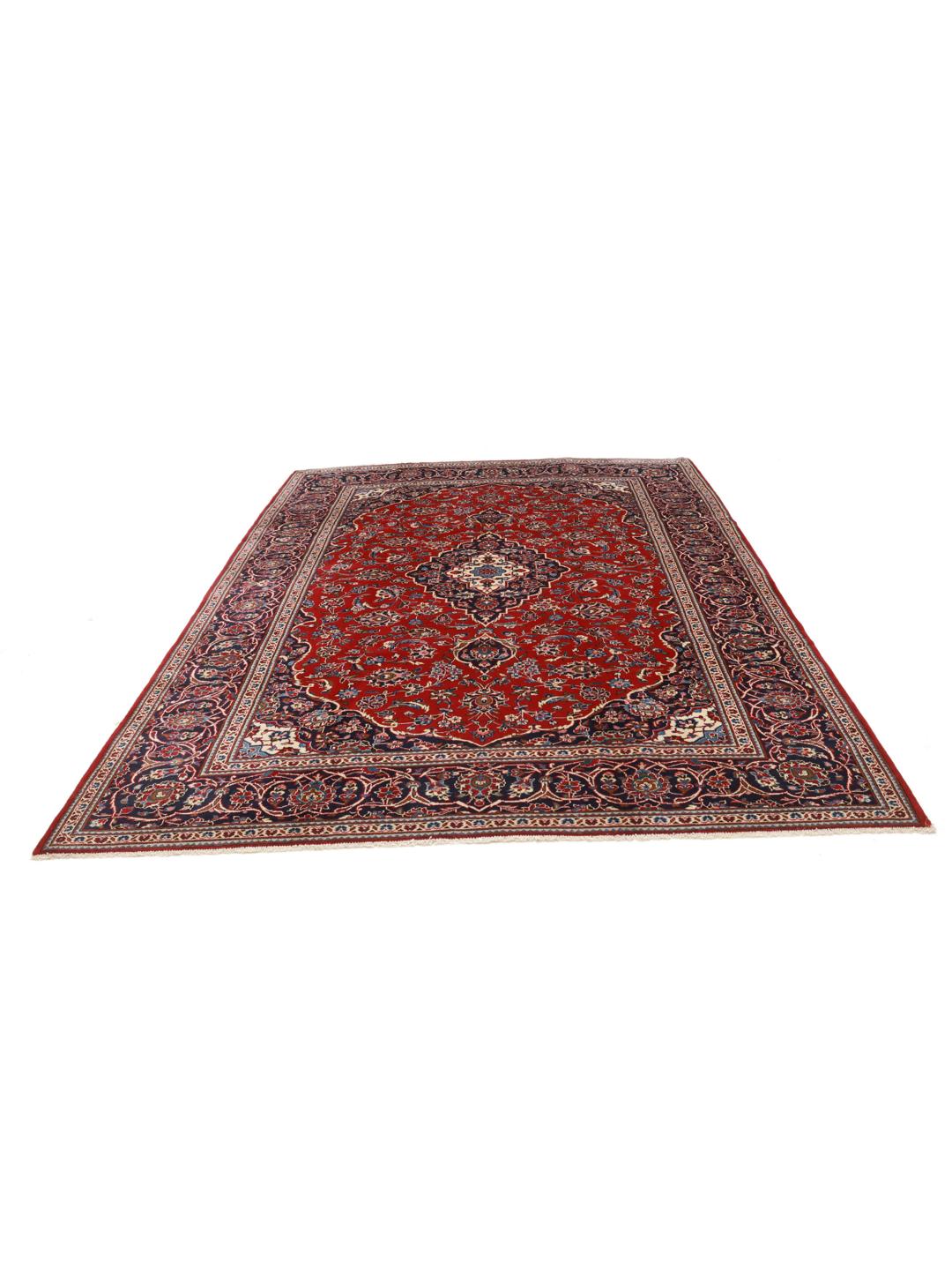
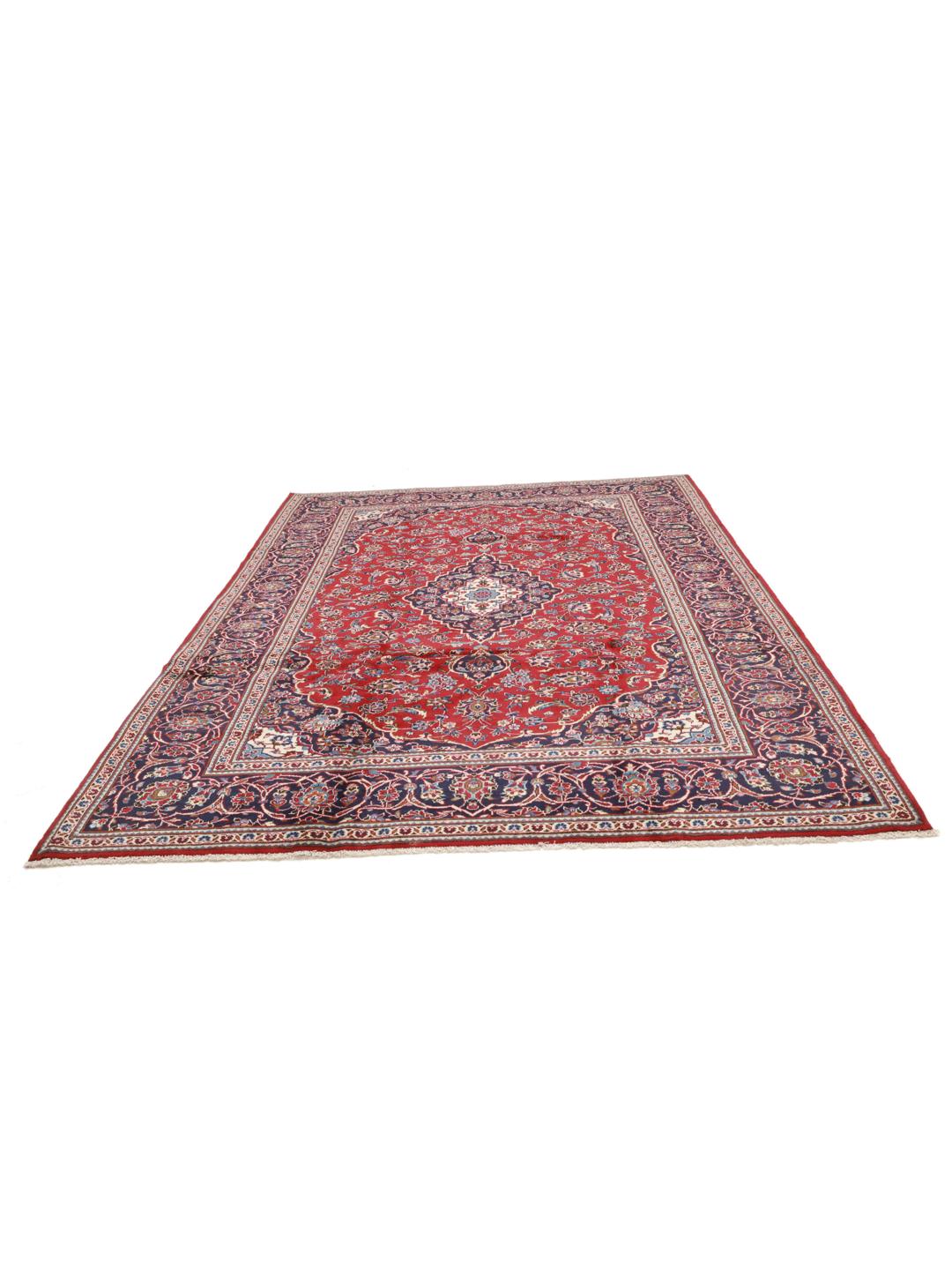
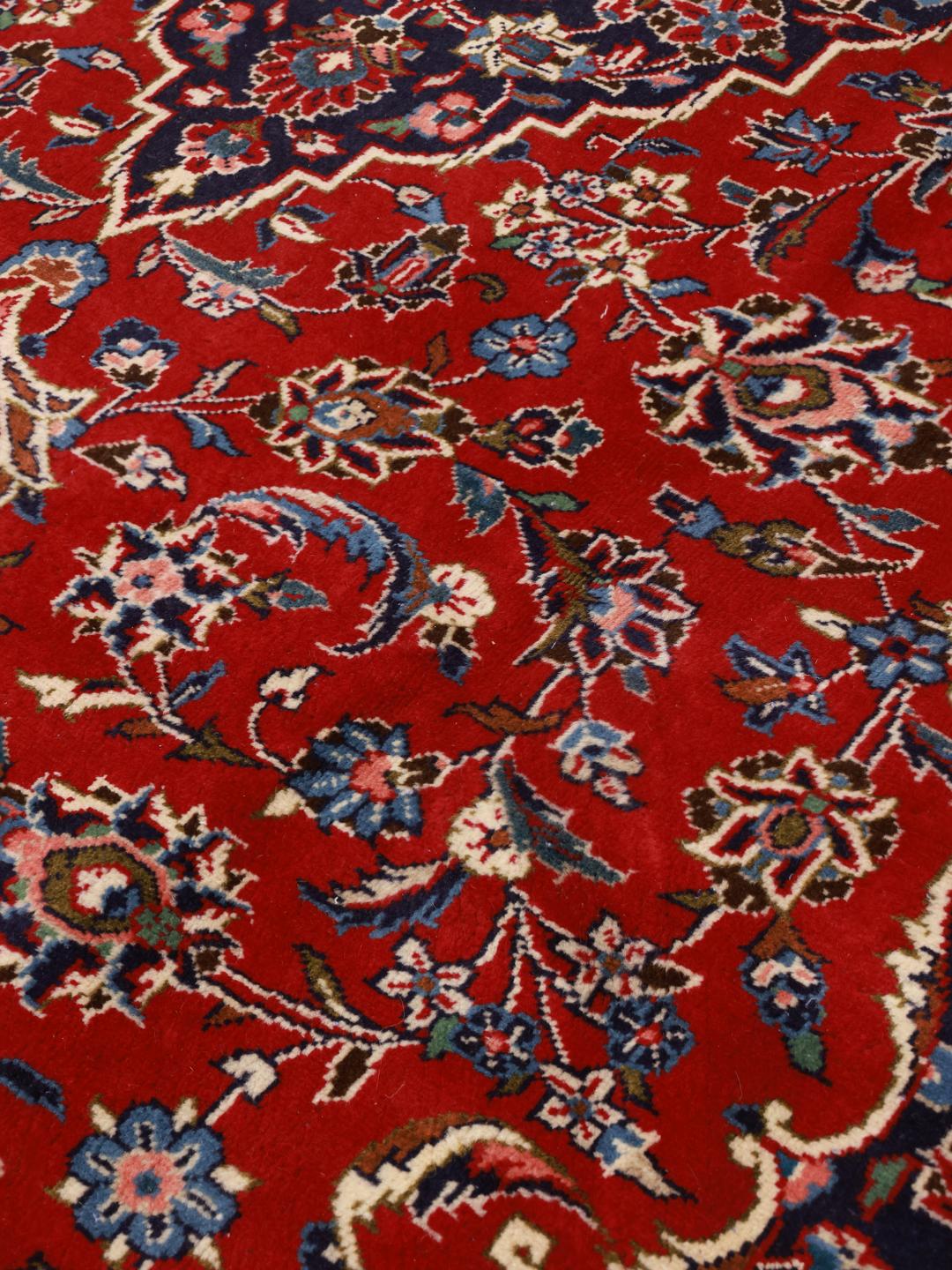
Visually, these rugs are often defined by a large, central medallion surrounded by a field of elaborate arabesques, vines, and palmettes. The borders are usually formal and composed of multiple guard stripes, which frame the central field and provide a sense of visual order. While many follow a traditional red and navy palette, each piece displays subtle variations in shade and motif placement that reflect the individual artisan's hand.
Collectors value these rugs for their ability to bridge the gap between functional floor covering and fine art. Owning a Keshan is seen as a commitment to maintaining a long-standing craft tradition, where every knot represents a link to historical techniques and a dedication to quality that transcends passing trends.