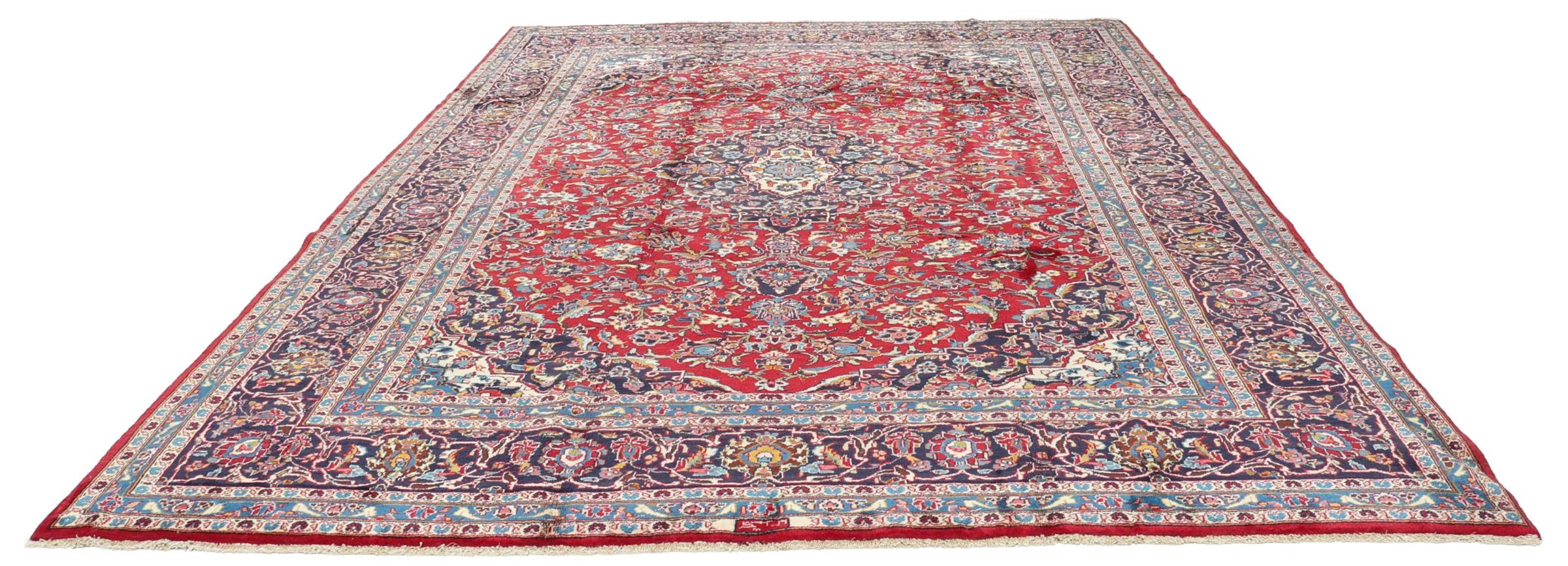
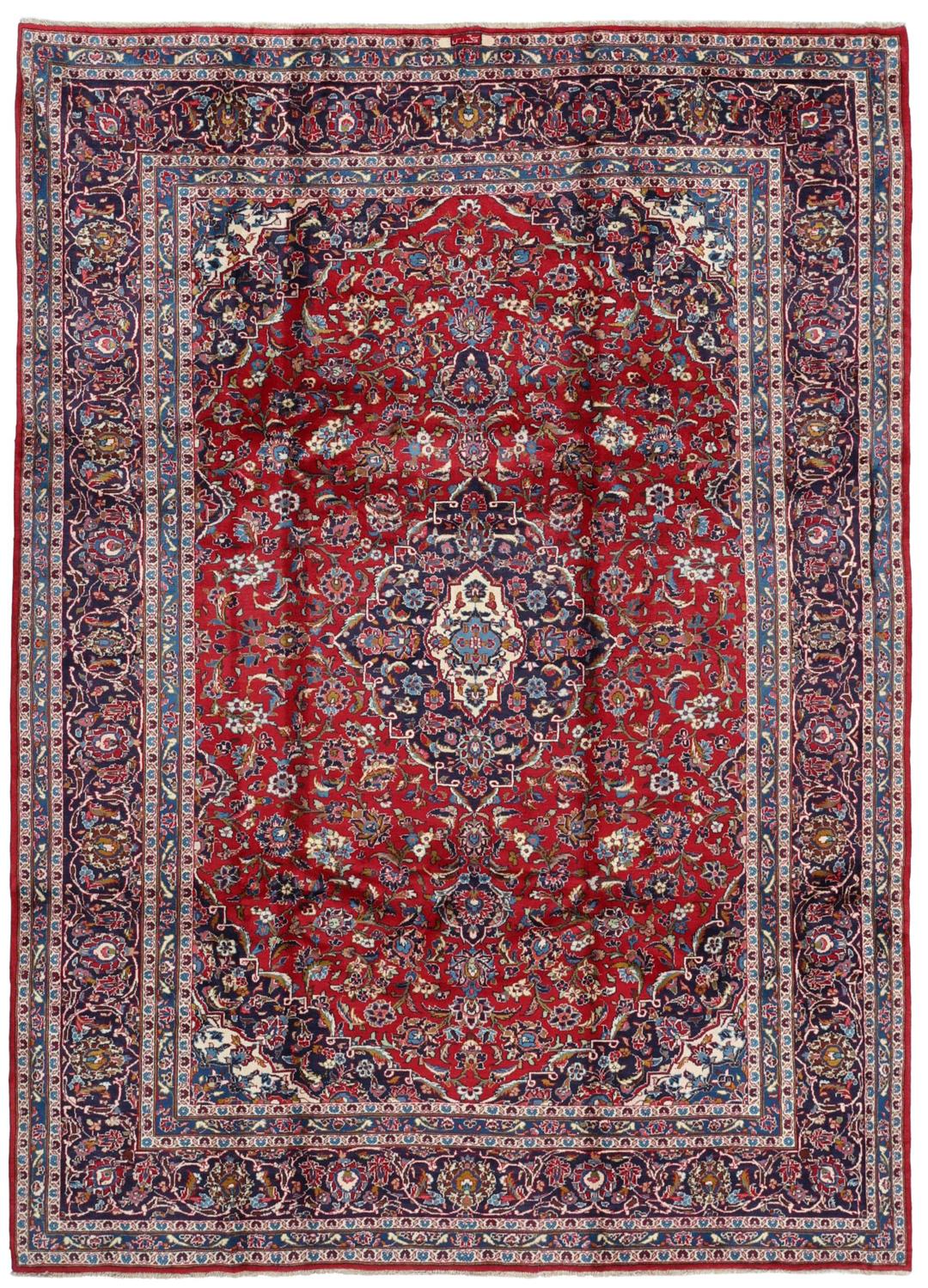
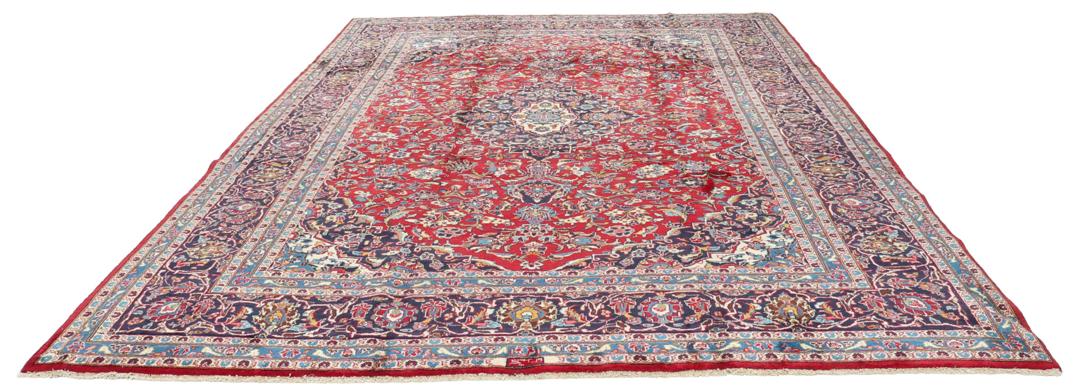
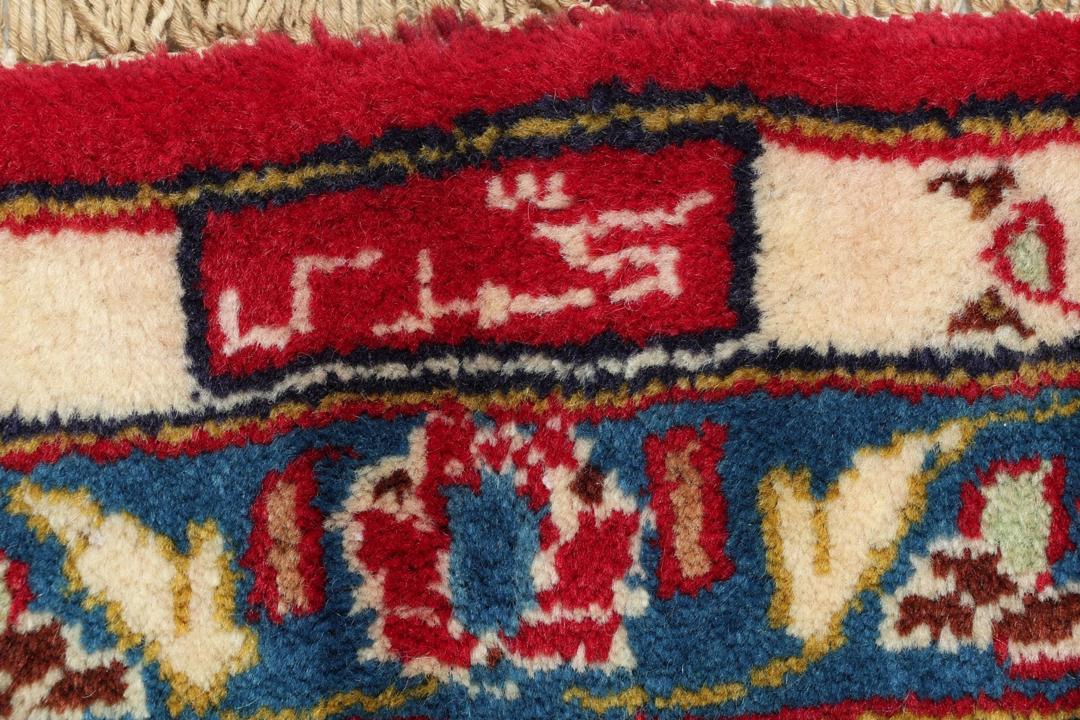
The Keshan rug tradition finds its origins in the historic city of Kashan, located in the heart of the Middle East. Historically, this region was a vital stop on the trade routes, and its weavers developed a reputation for producing some of the most refined and sought-after textiles in the world. The evolution of these rugs has been influenced by centuries of artistic exchange, leading to the sophisticated, balanced designs we recognise today as quintessential to the region.
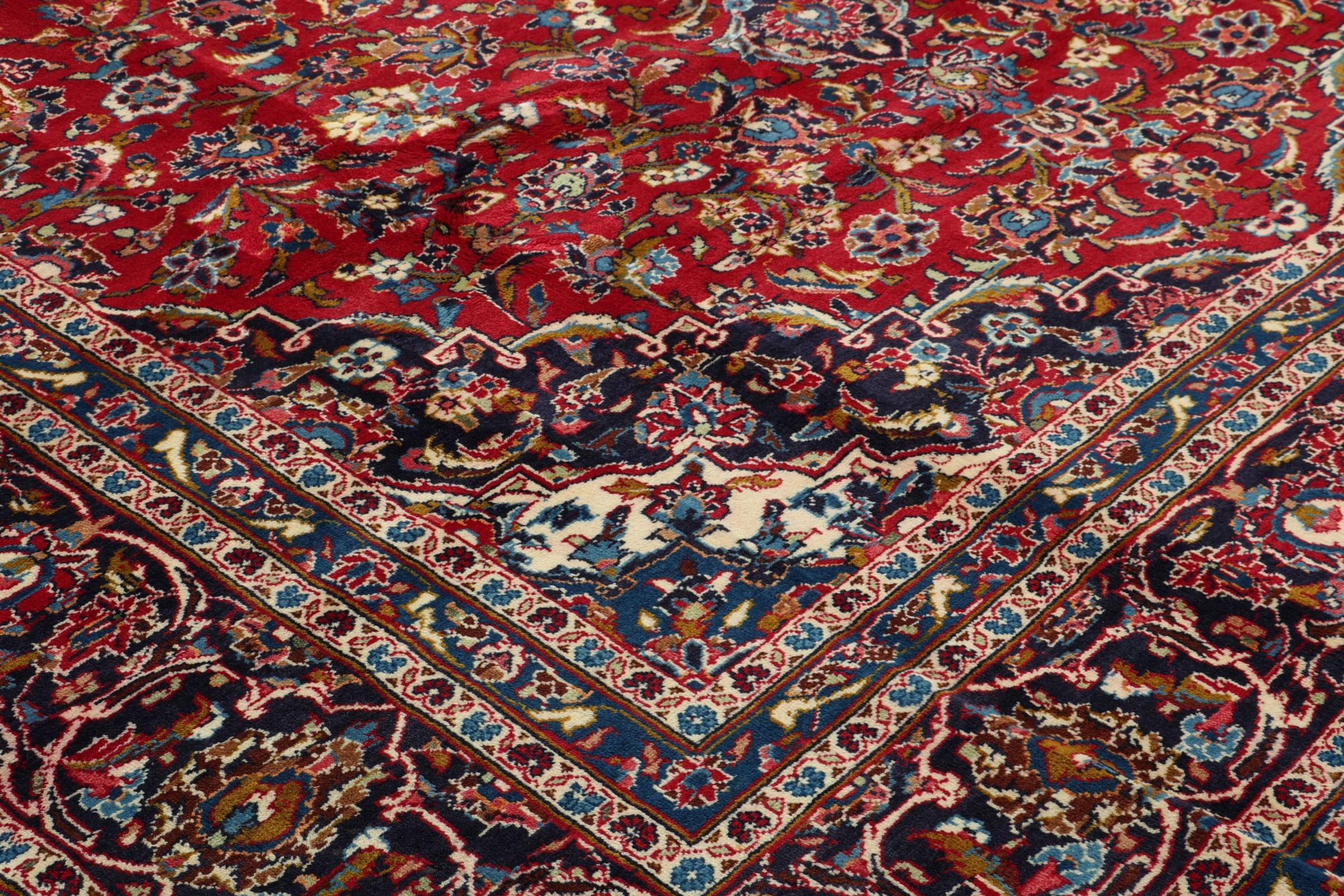
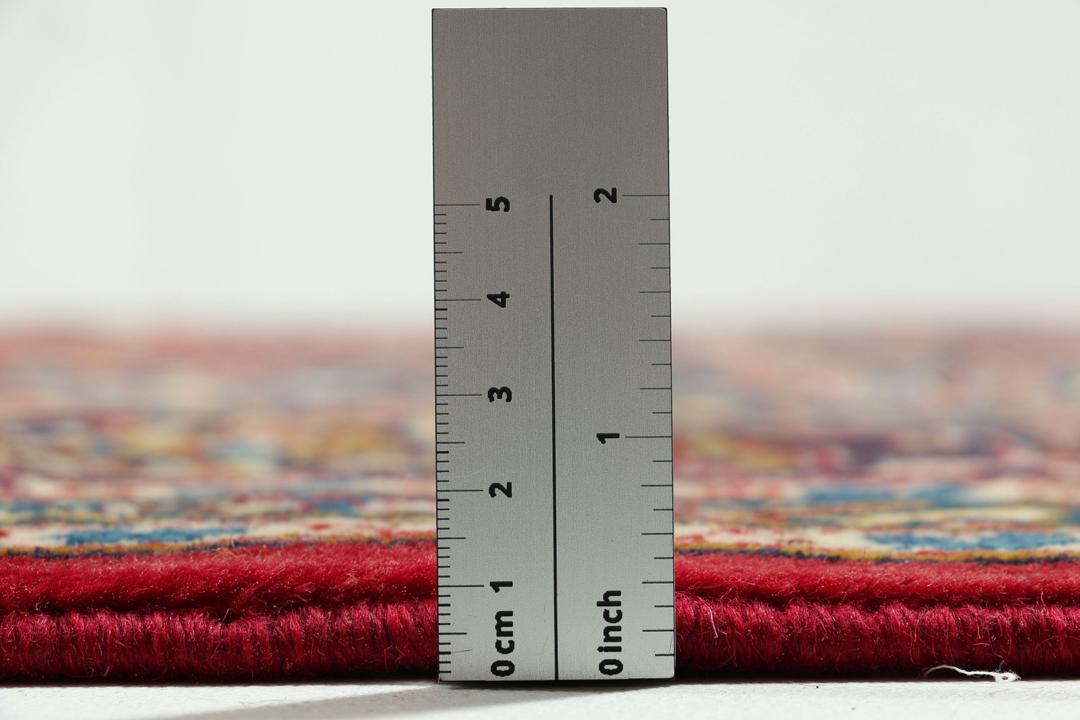
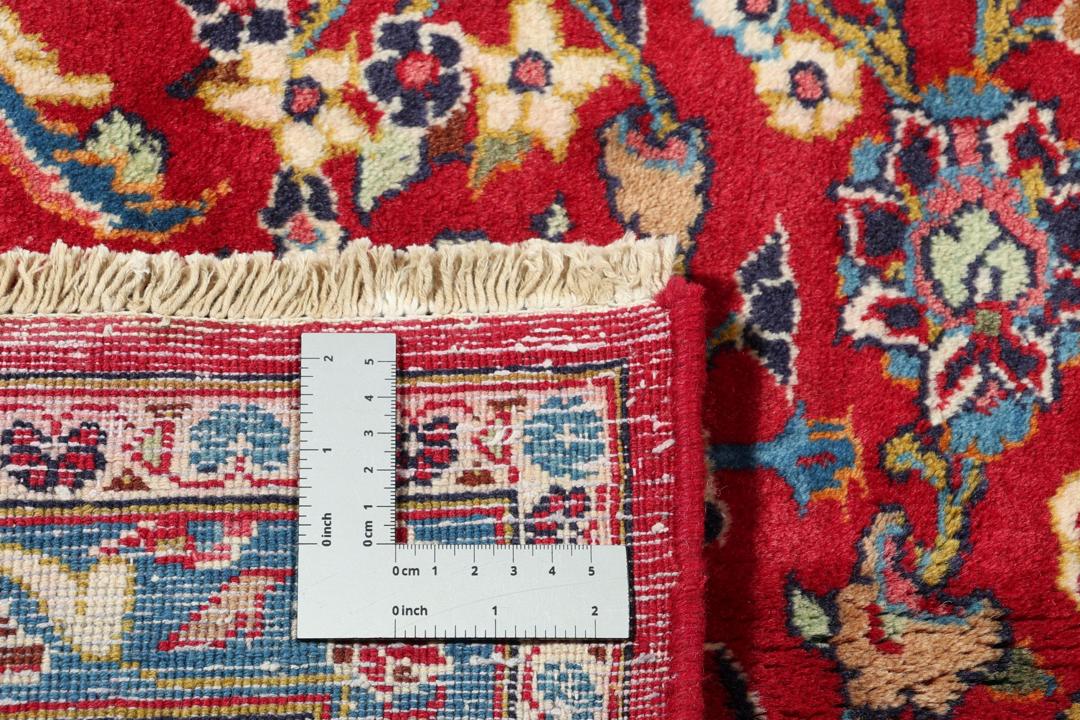
The term 'hand-knotted' refers to the traditional method of construction where each individual pile yarn is wrapped around the foundation threads. This creates a durable and dense structure that allows for the tight, precise patterns typical of the Keshan style. The quality of the finish is directly linked to the density of these knots, which allows for finer detail and a more luxurious, velvety texture that remains supple and vibrant over time.
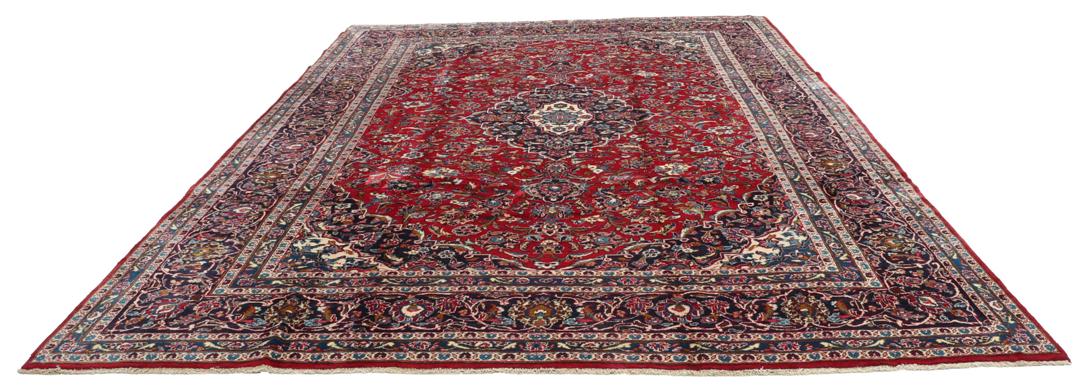
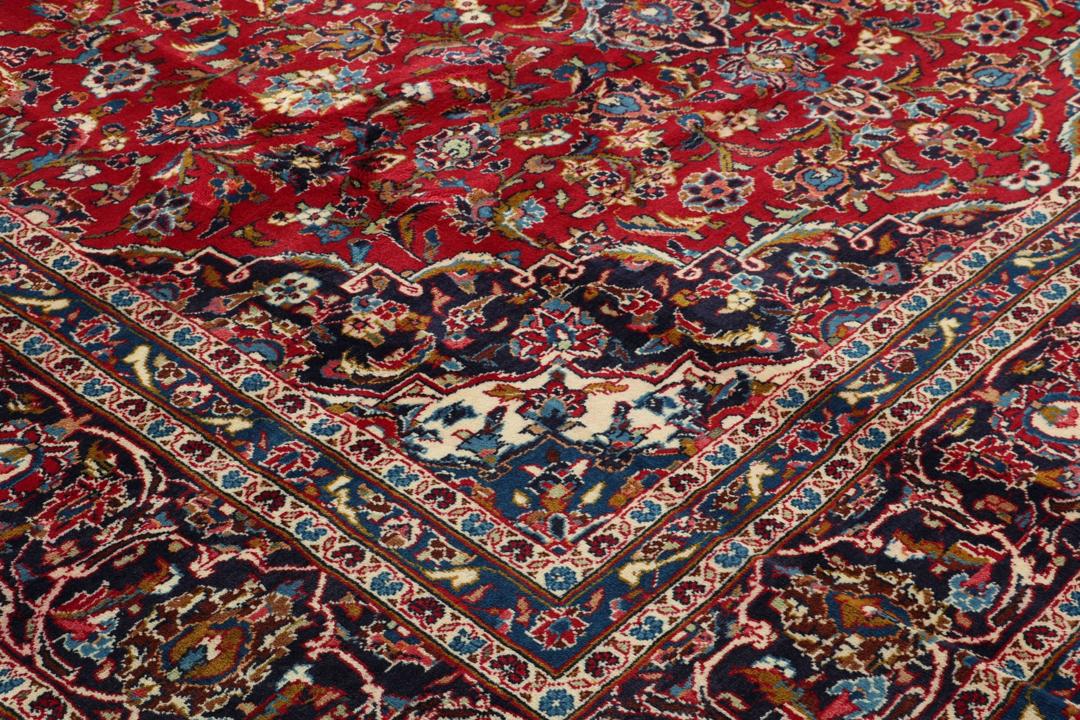
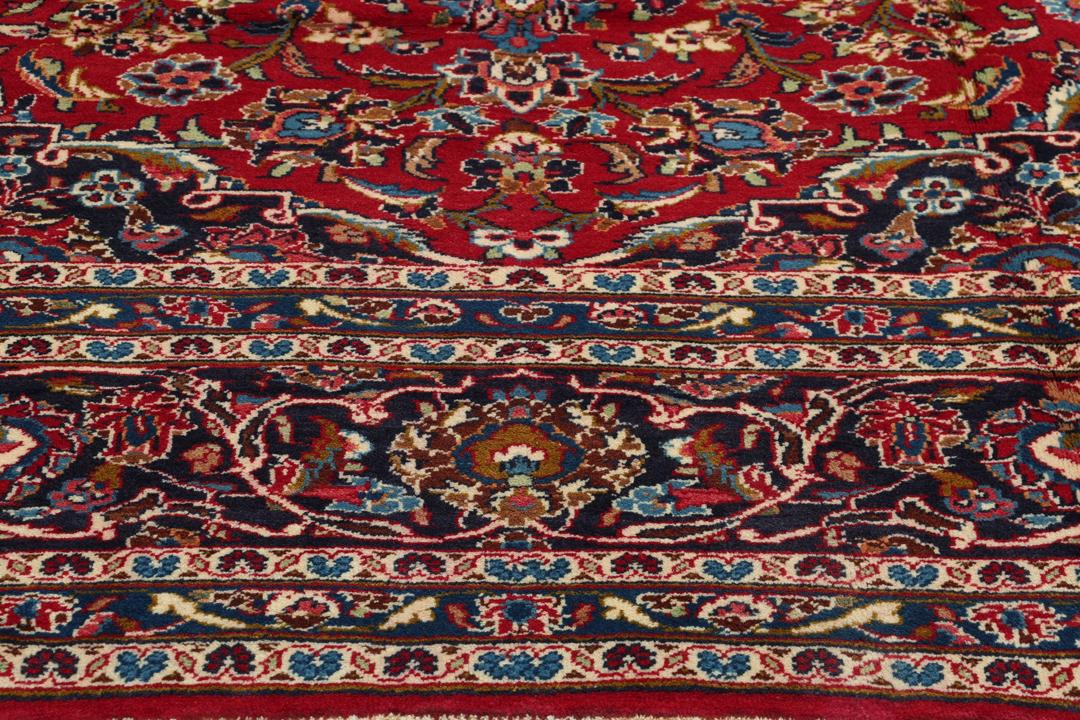
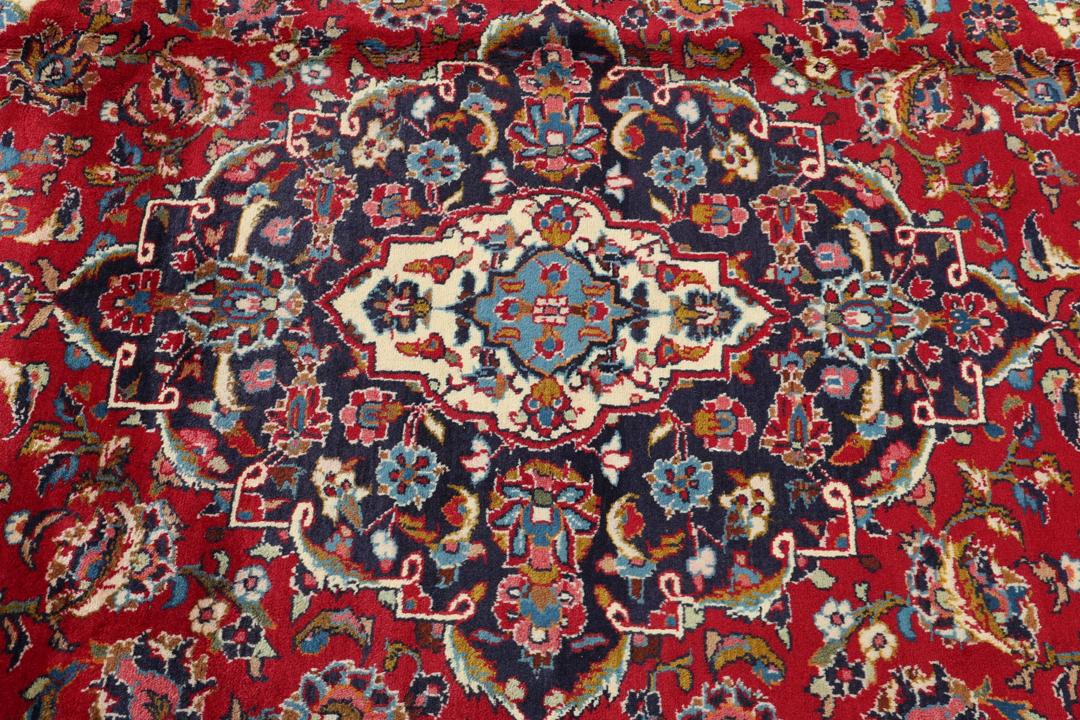
Signature design elements of the Keshan tradition include the iconic central medallion, often surrounded by a complex field of scrolling vines, palmettes, and floral sprays. These patterns are typically framed by a formal, multi-layered border that helps to contain the visual energy of the central field. The use of a vibrant red field, as seen in this piece, is a classic hallmark of the style, traditionally symbolising joy and prosperity.
Collecting a rug from this tradition is an act of preserving a piece of cultural history. These rugs are highly valued not only for their aesthetic beauty but for the immense skill required to bring such complex patterns to life. Owning one is a commitment to quality and a way to connect your living space to a long-standing heritage of craftsmanship that has been passed down through generations of dedicated weaving families.