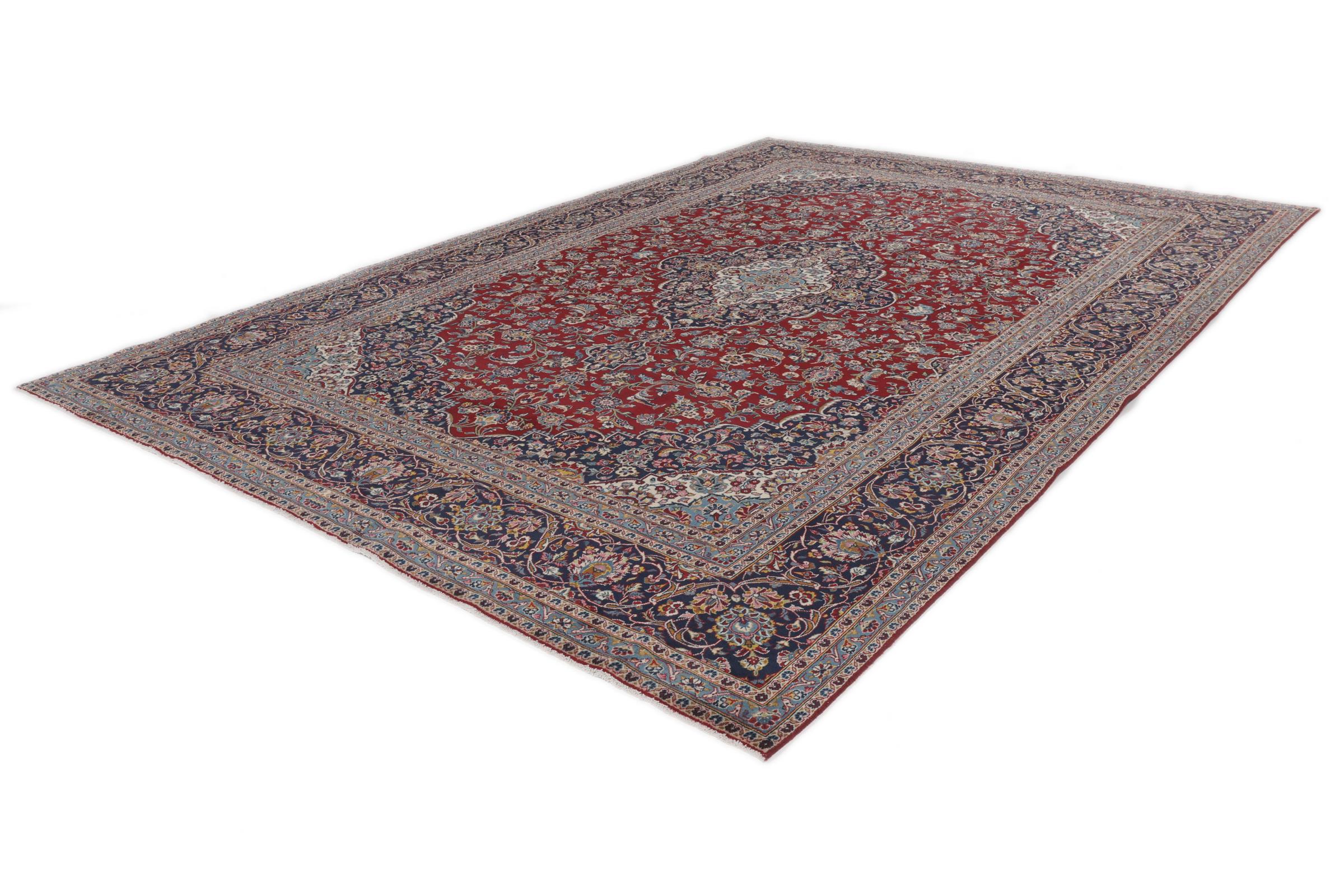
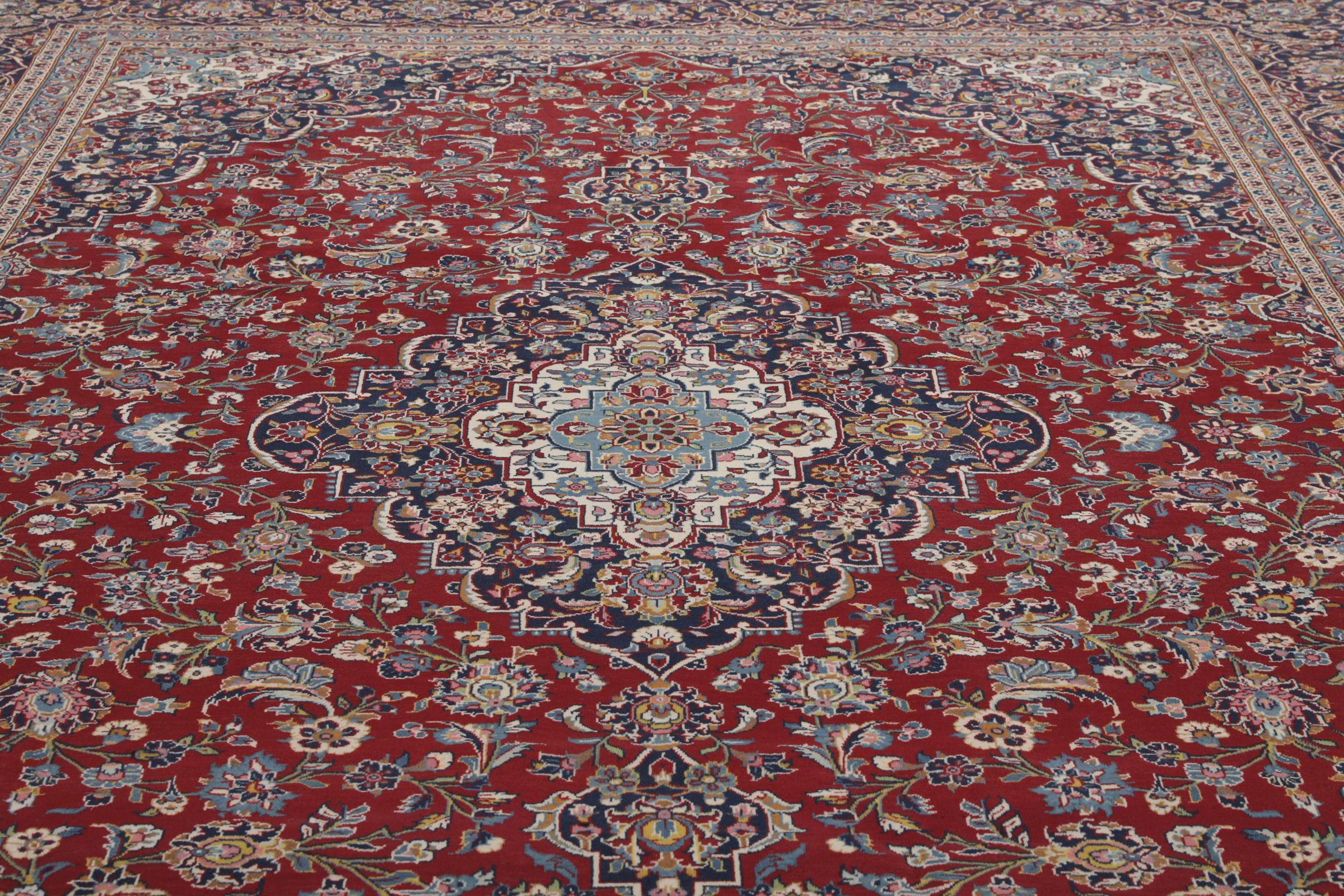
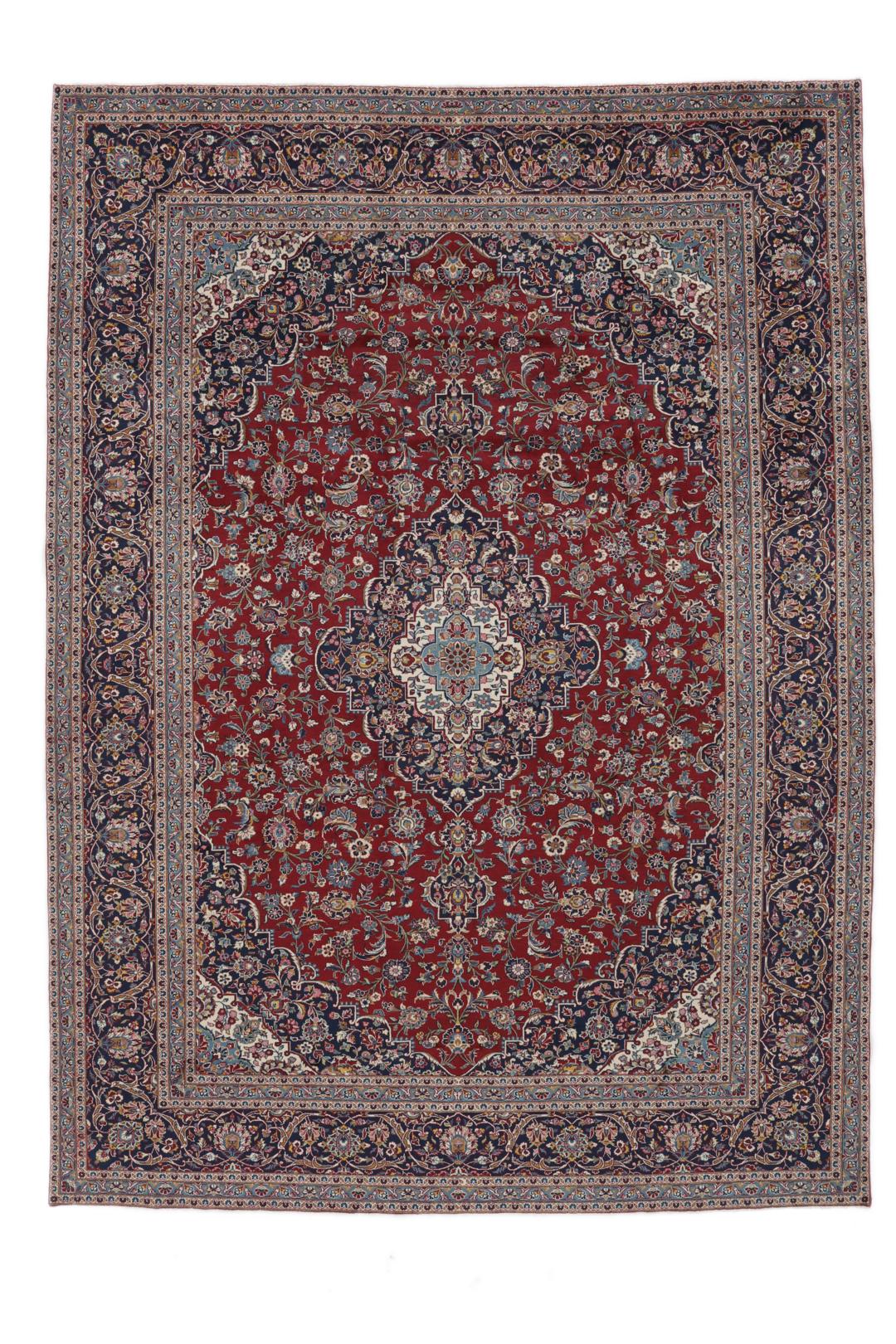
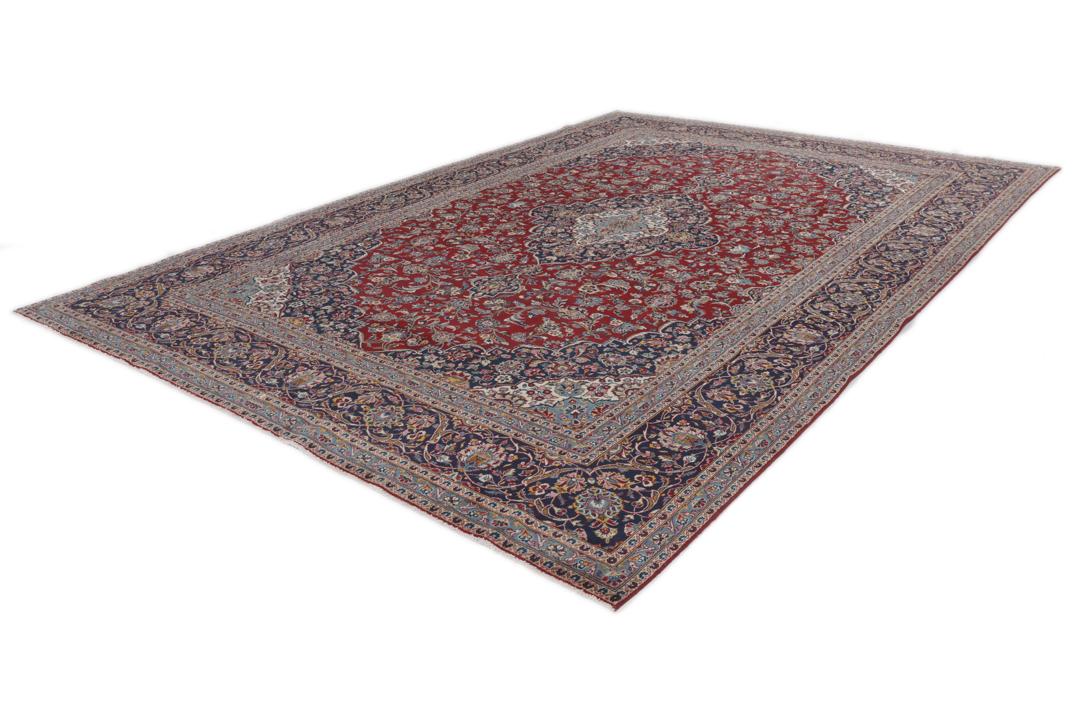
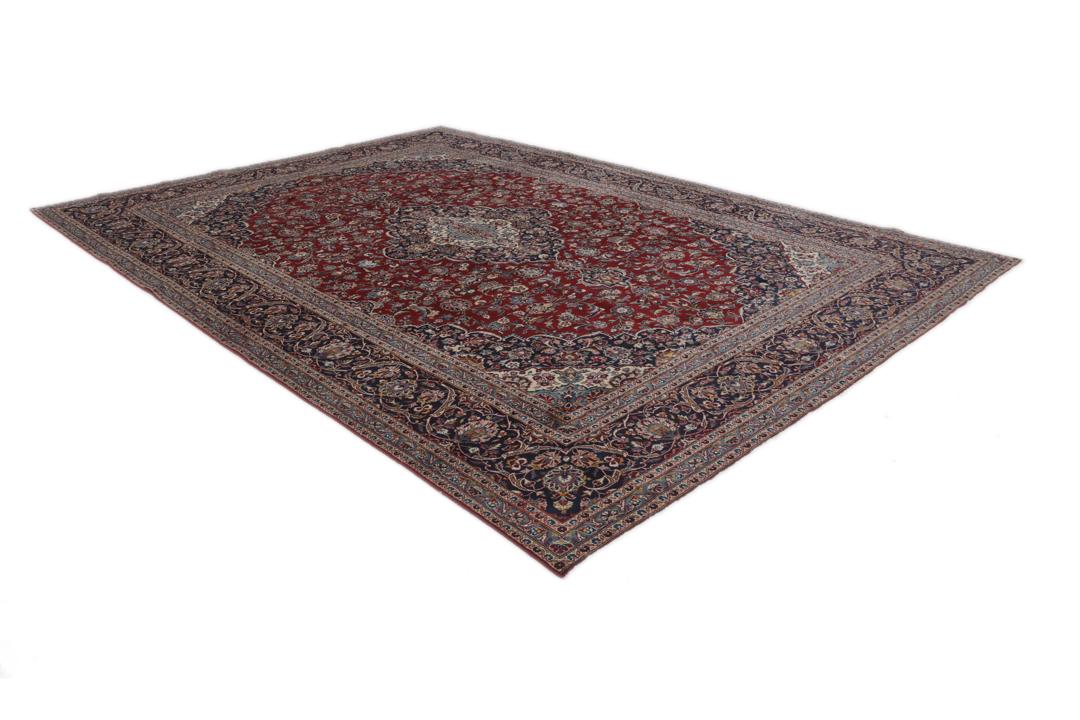
The Keshan rug tradition originates from the historic city of Kashan, located in the Middle East. Historically, this region was a major centre for the production of fine textiles, known for creating rugs that were commissioned by royalty and displayed in the most prestigious palaces. This legacy of excellence continues today, as weavers draw upon centuries of design evolution to produce rugs that remain highly sought after by collectors worldwide.
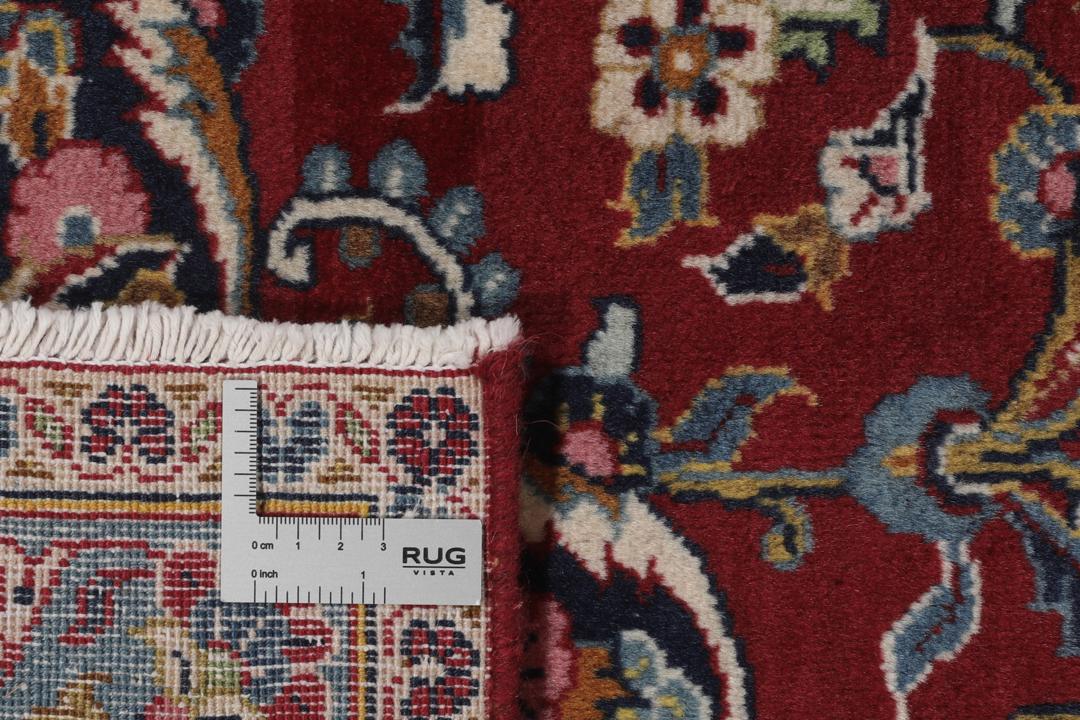
The terminology surrounding these rugs often refers to the specific knotting techniques and material choices that define their durability. By using high-quality wool for the pile, artisans create a rug that is both flexible and exceptionally hard-wearing. These materials are chosen not only for their beauty but for their ability to age gracefully, often developing a deeper, more lustrous character as the years pass.
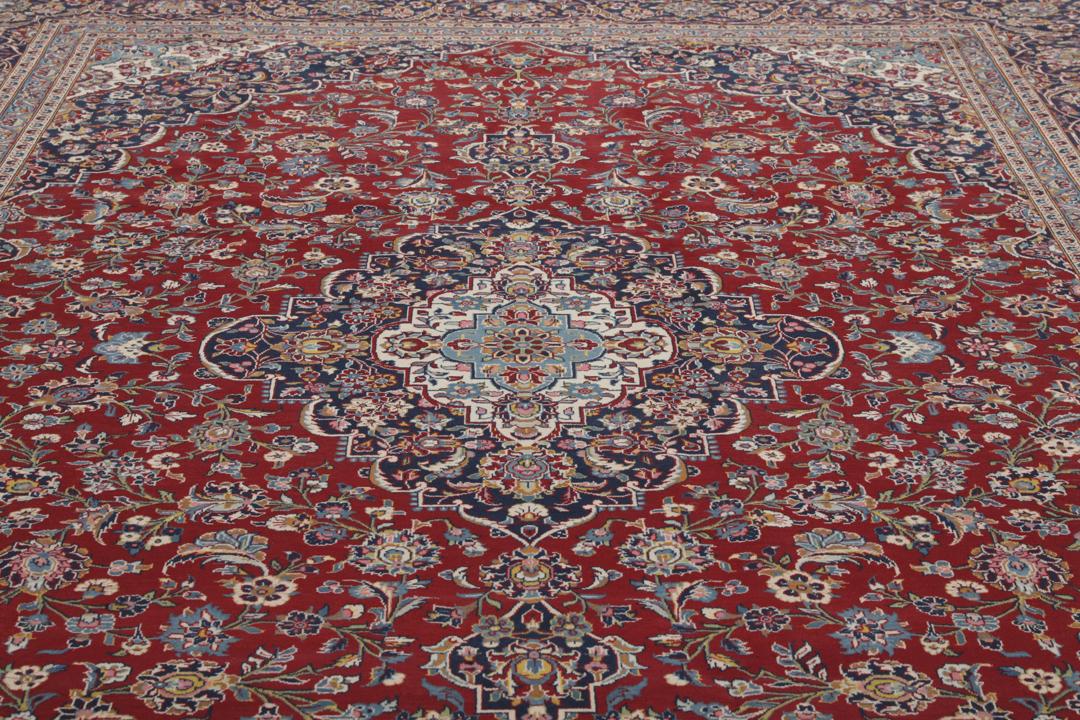
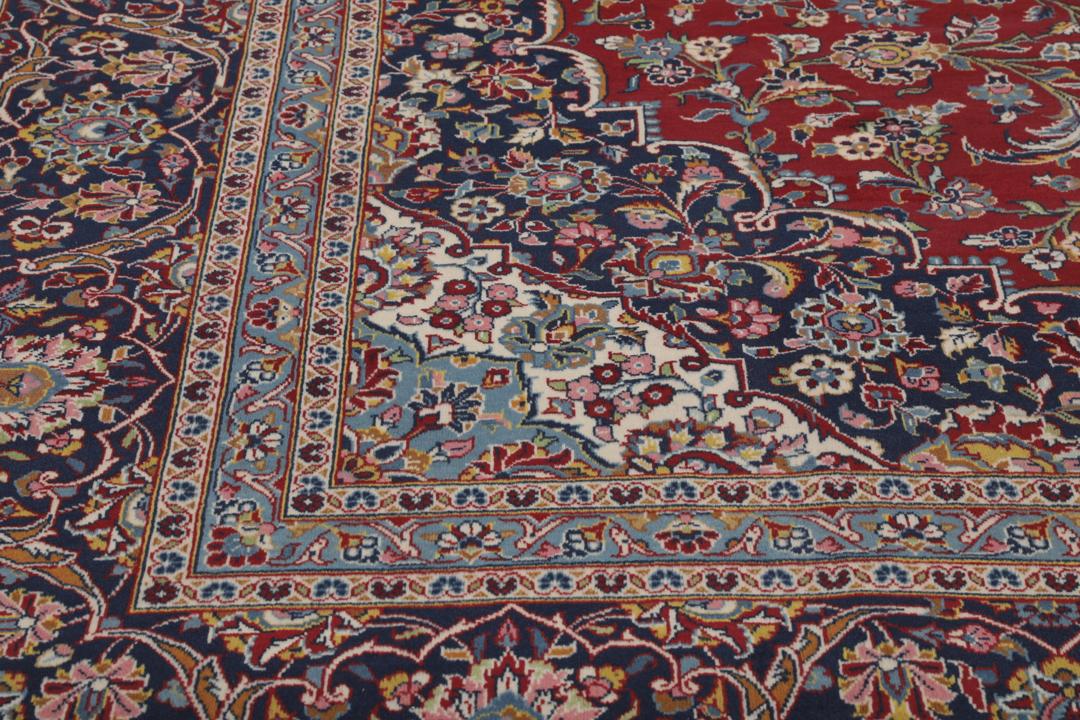
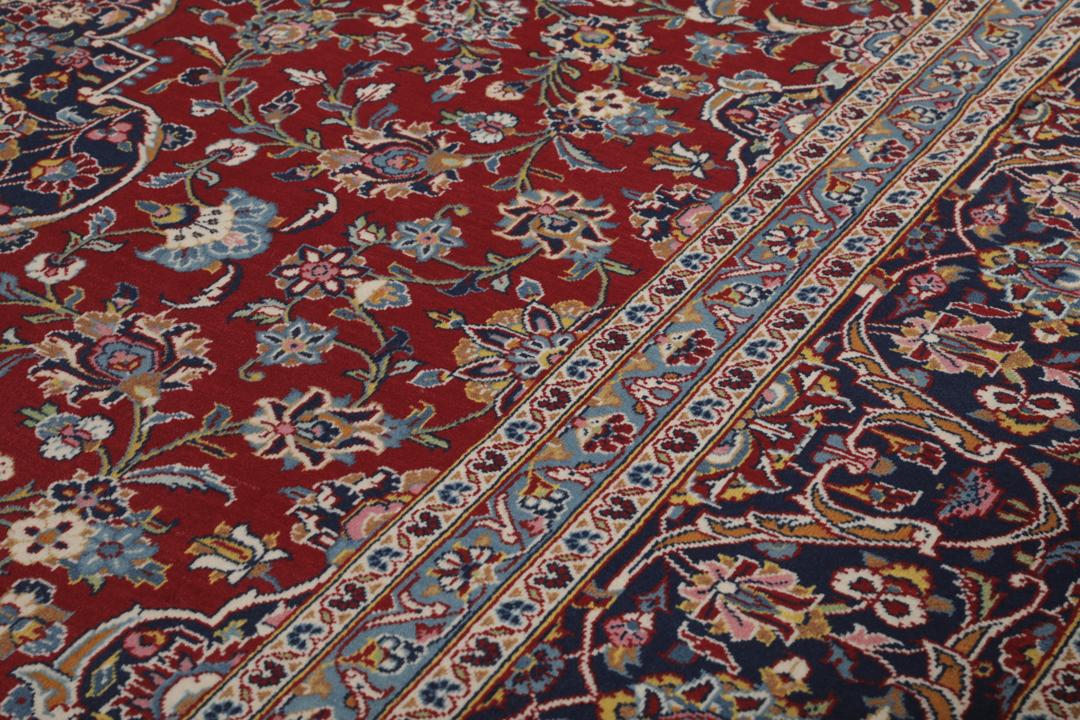
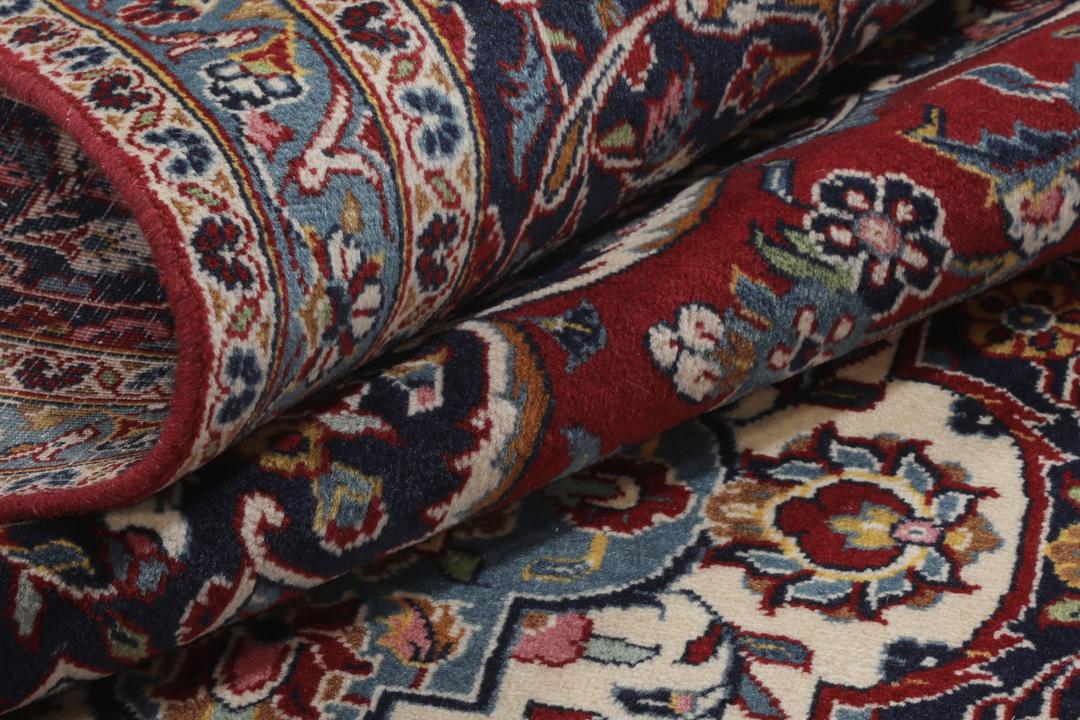
Visually, Keshan rugs are defined by their sophisticated medallion layouts and intricate floral patterns. The central medallion, often surrounded by a field of blooming vines and palmettes, is a hallmark of the style. The borders are typically just as detailed, featuring balanced, recurring motifs that frame the centre and provide a cohesive, harmonious look that complements both traditional and modern decor.
Collecting a rug from this tradition is an investment in cultural heritage and human skill. Each rug serves as a narrative of the region, carrying forward motifs and techniques that have survived centuries of change. Owning such a piece is an opportunity to appreciate the dedication of the craft and to enjoy the enduring quality that only a hand-knotted, traditional rug can provide.