The Kelim tradition in Afghanistan is deeply connected to the nomadic and semi-nomadic cultures that have traversed the region for centuries. These flat-woven rugs were historically designed to be portable and multi-functional, serving as floor coverings, wall hangings, or even saddlebags for travelling families.
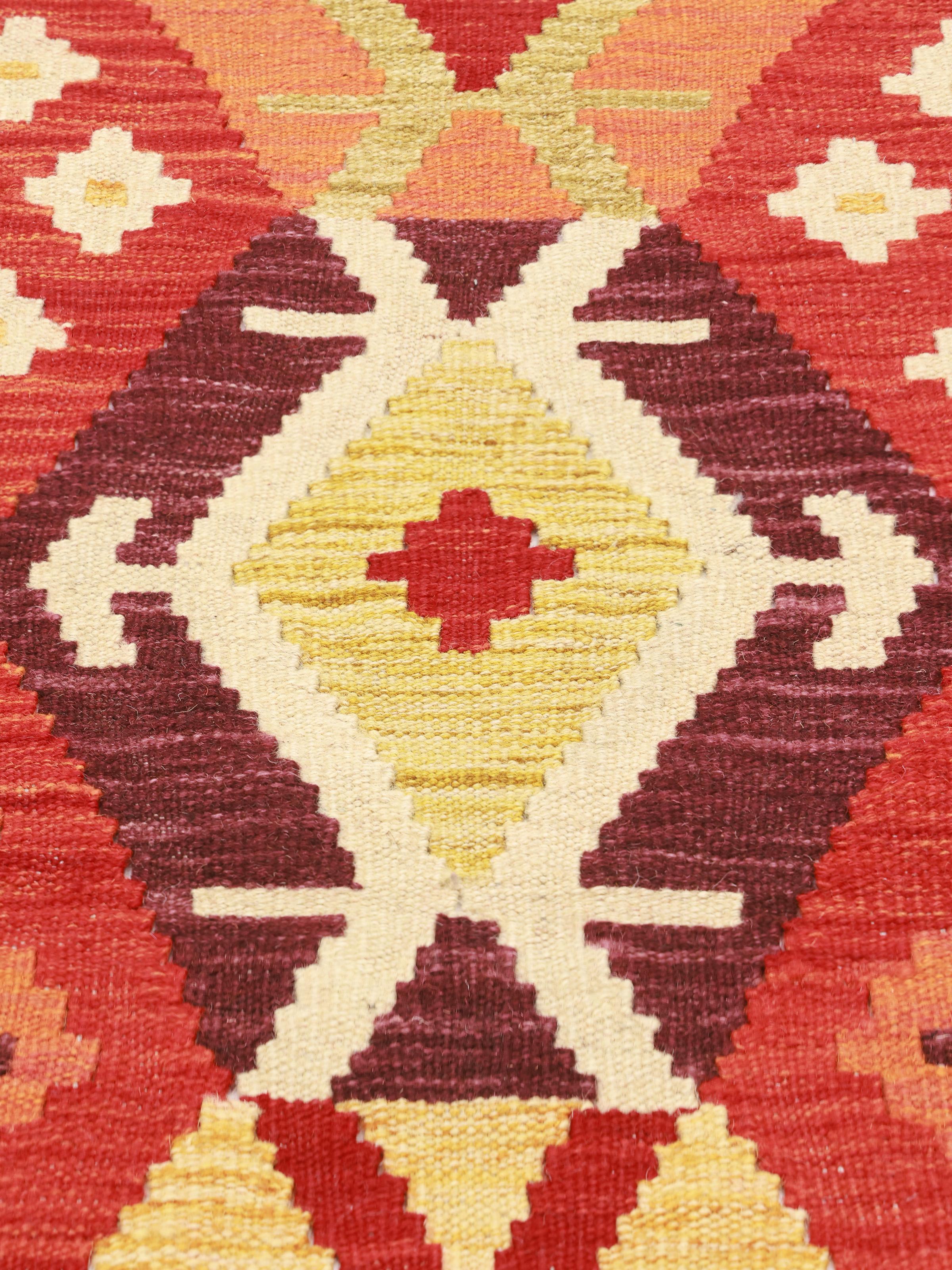
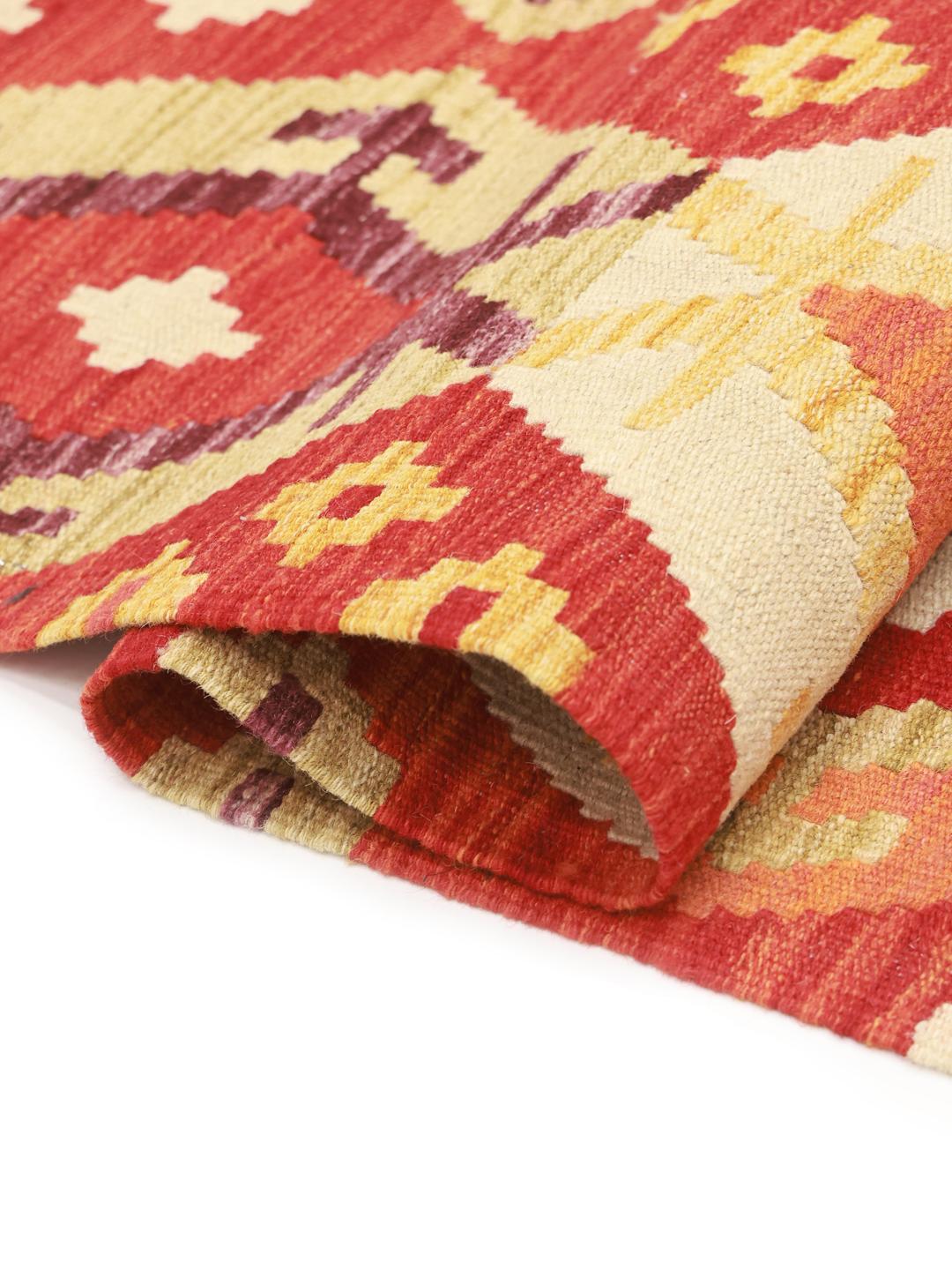
The term 'Kelim' refers to the specific slit-weave technique, where the weft yarns are passed back and forth through the warp threads. This creates a reversible, pileless surface that is renowned for its strength and ability to withstand the rigours of daily life, making these rugs as practical as they are beautiful.
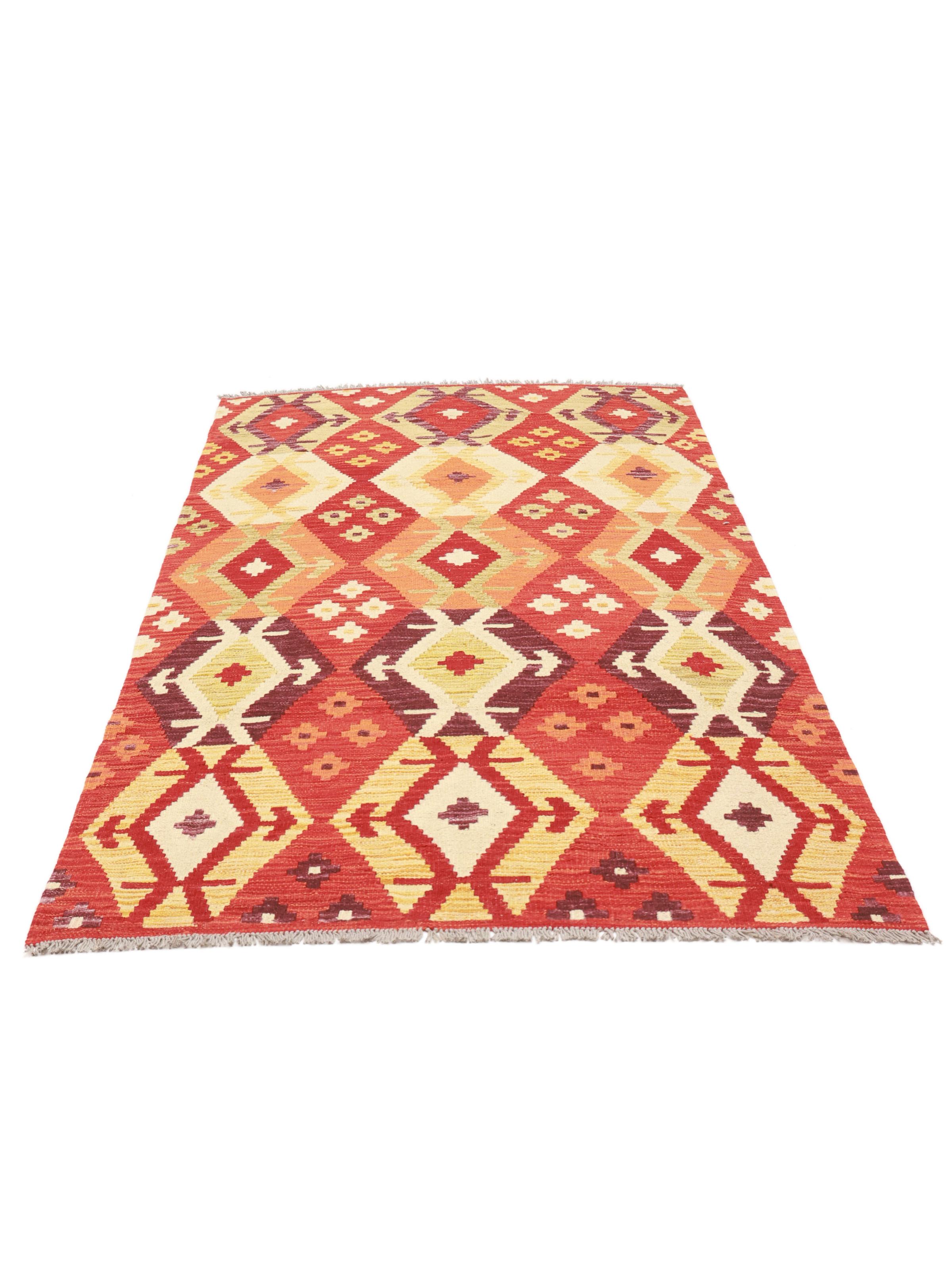
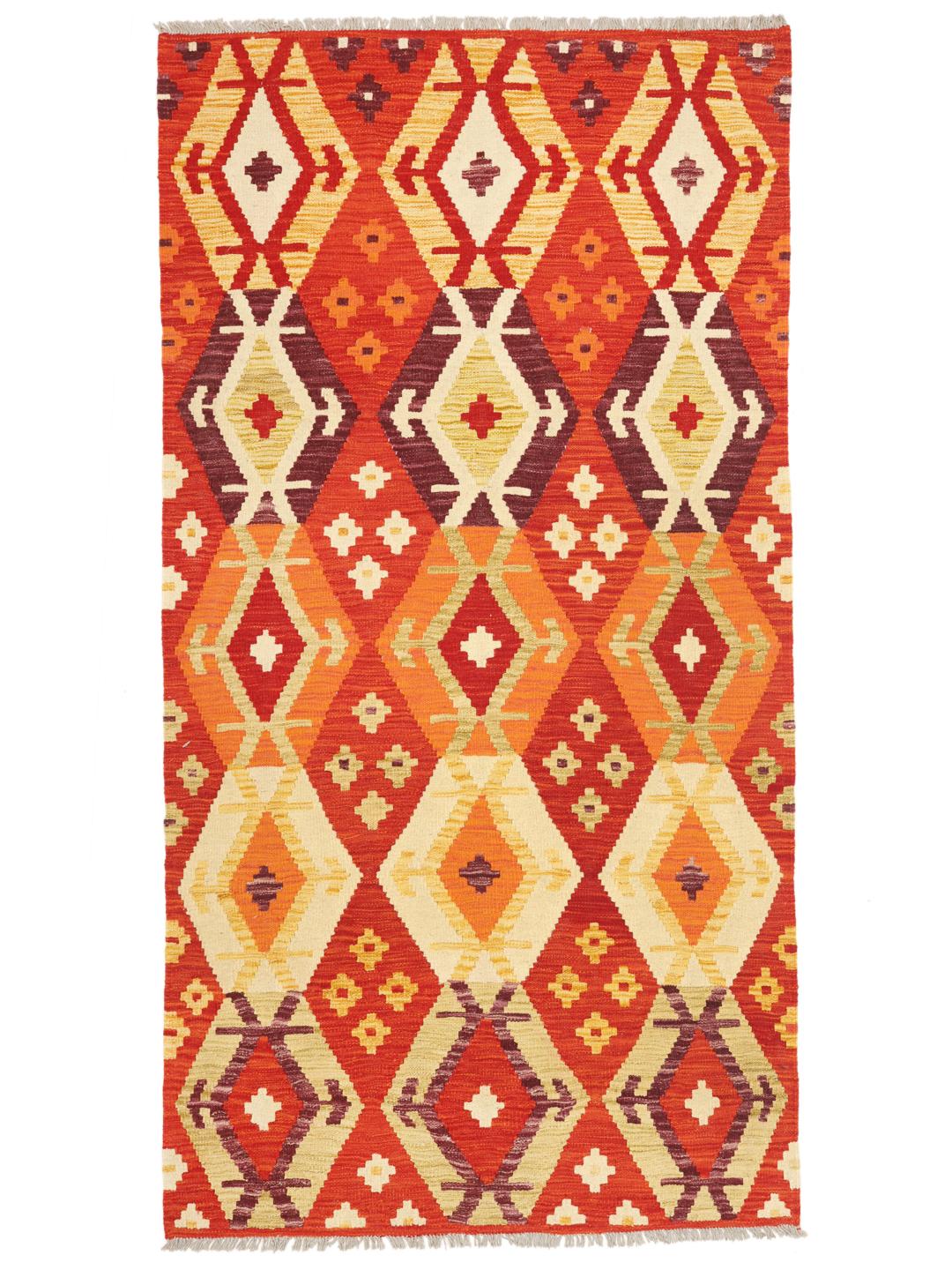
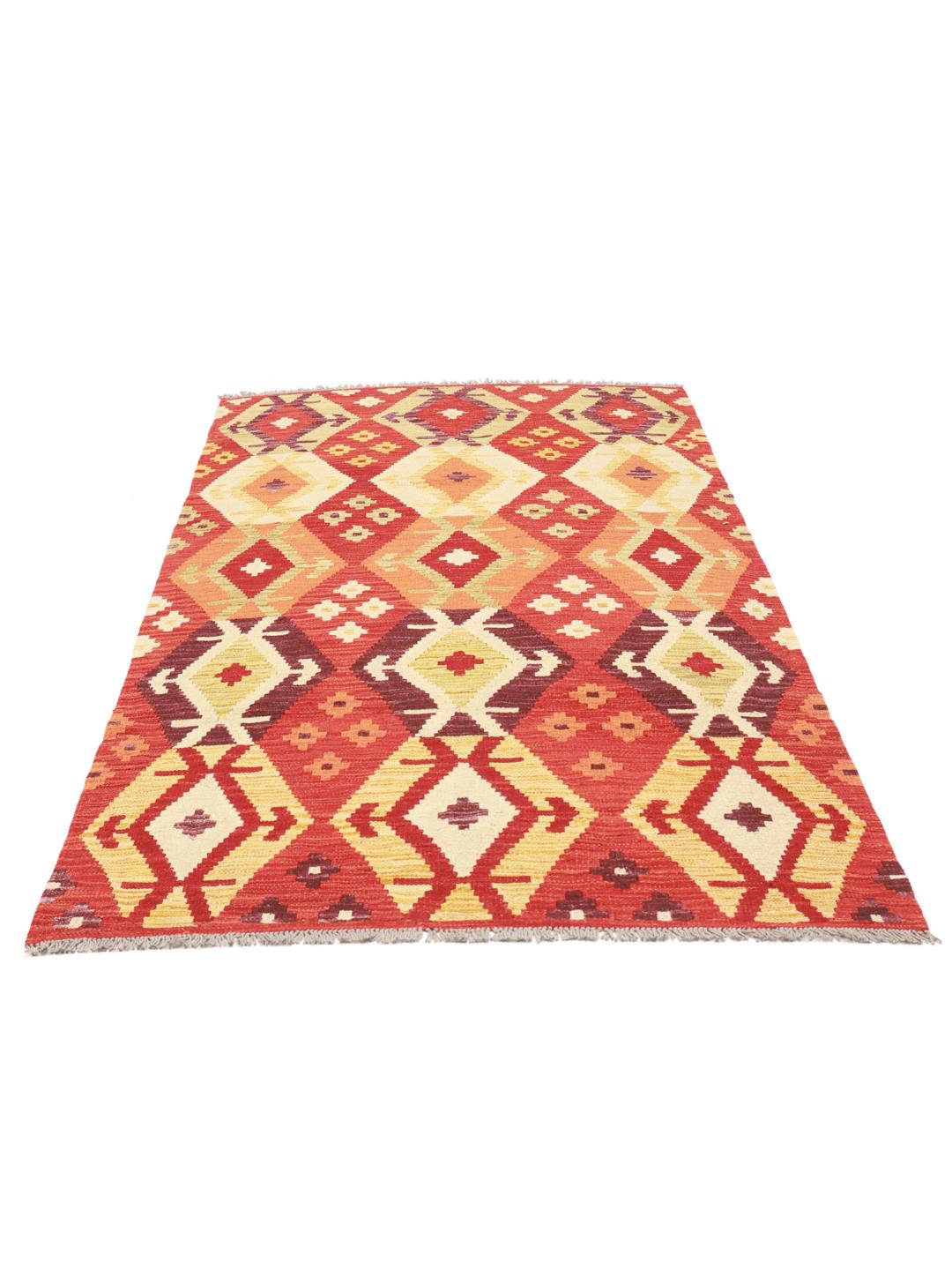
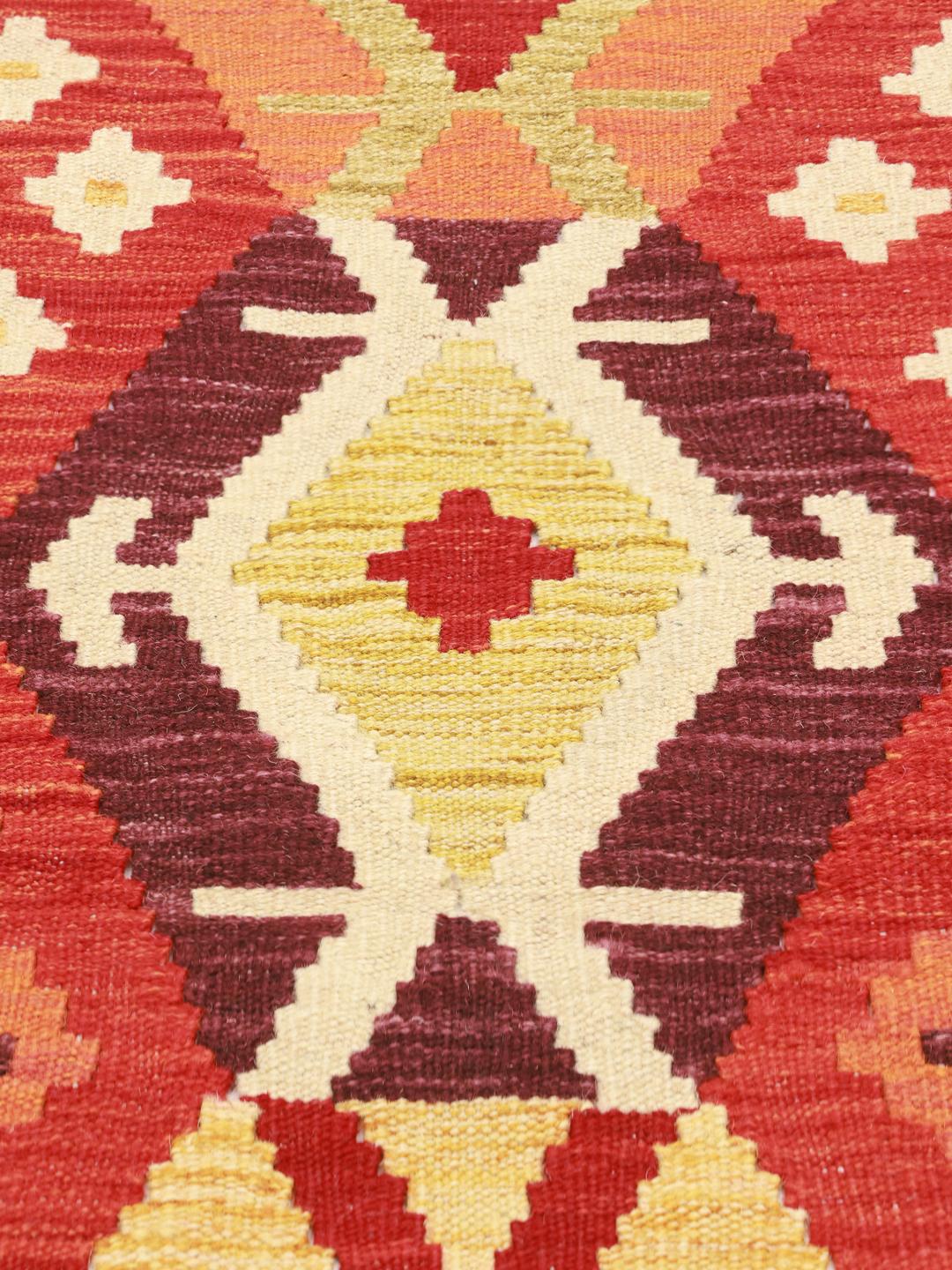
Visually, these rugs are defined by their bold geometric language. The patterns often feature diamonds, triangles, and stylized floral motifs that carry symbolic meanings rooted in local folklore and tribal identity. The use of vibrant, earth-toned dyes is a hallmark of this tradition, reflecting the natural landscapes of the Afghan highlands.
Collecting an Afghan Kelim is an investment in cultural heritage. These pieces are highly valued for their raw, honest aesthetic and the preservation of ancient weaving methods. By choosing a Kelim, you are supporting a craft that has survived through generations of change, bringing a piece of living history into your modern home.