The Kelim rugs of Afghanistan are deeply rooted in the nomadic traditions of Central Asia. These flat-woven textiles have historically served as versatile floor coverings, blankets, and storage bags for nomadic tribes, designed to be both portable and highly durable for life on the move.
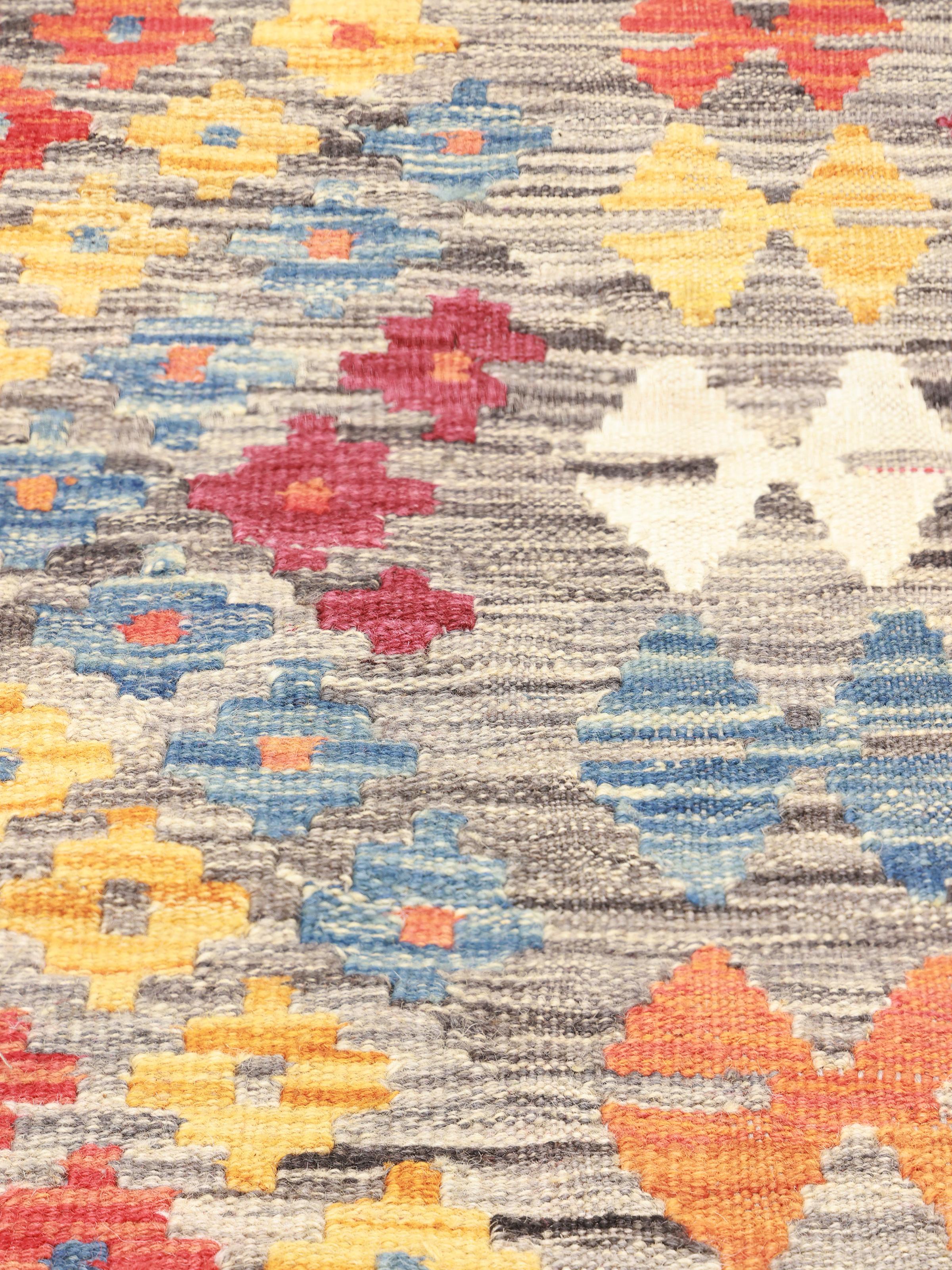
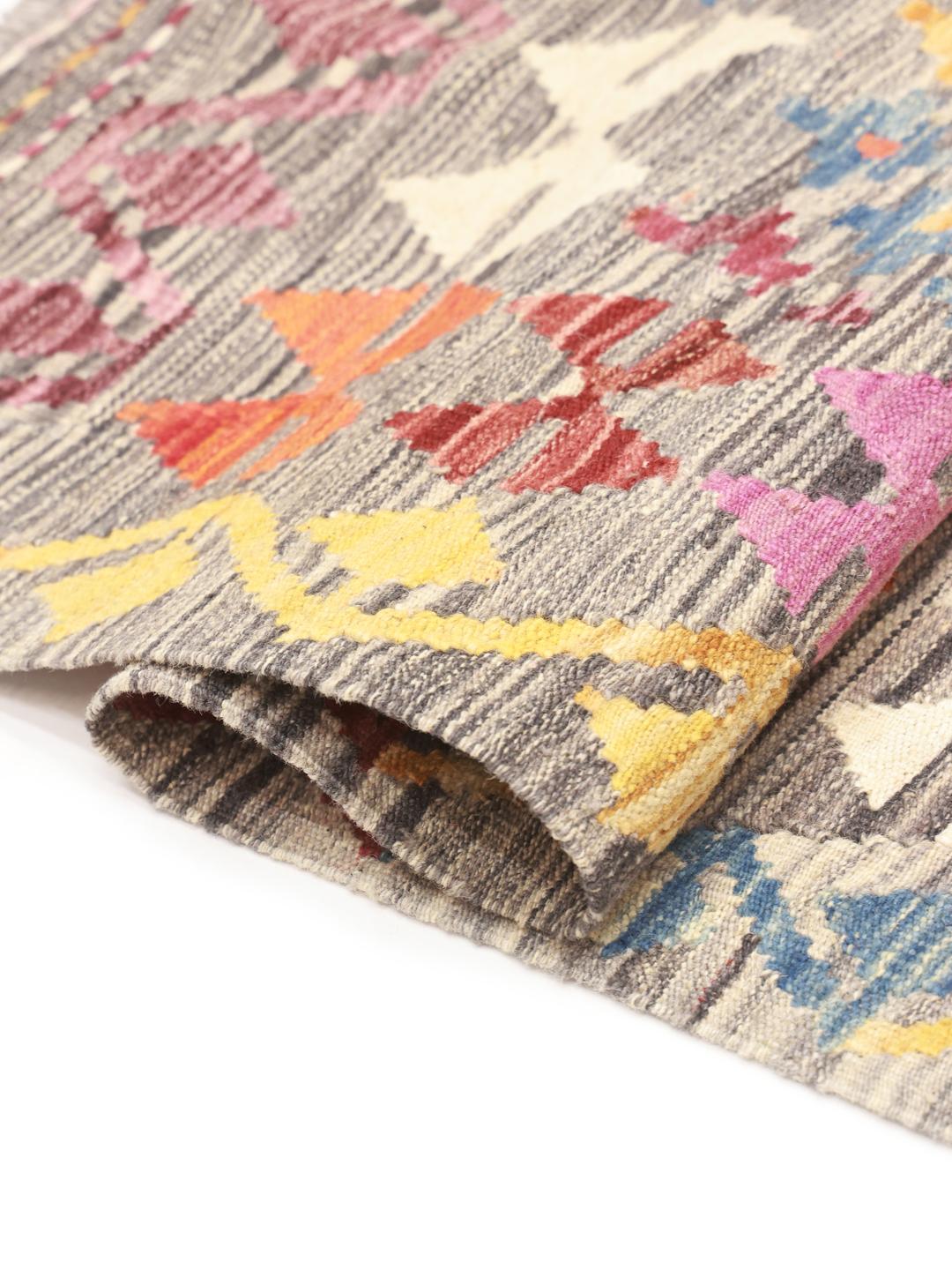
The term Kelim, or kilim, refers to the specific tapestry-weave technique used to create these rugs. Unlike pile rugs, these are created by tightly interweaving the coloured weft threads with the warp, a method that produces a reversible, flat, and lightweight textile renowned for its longevity and sharp, clean-cut designs.
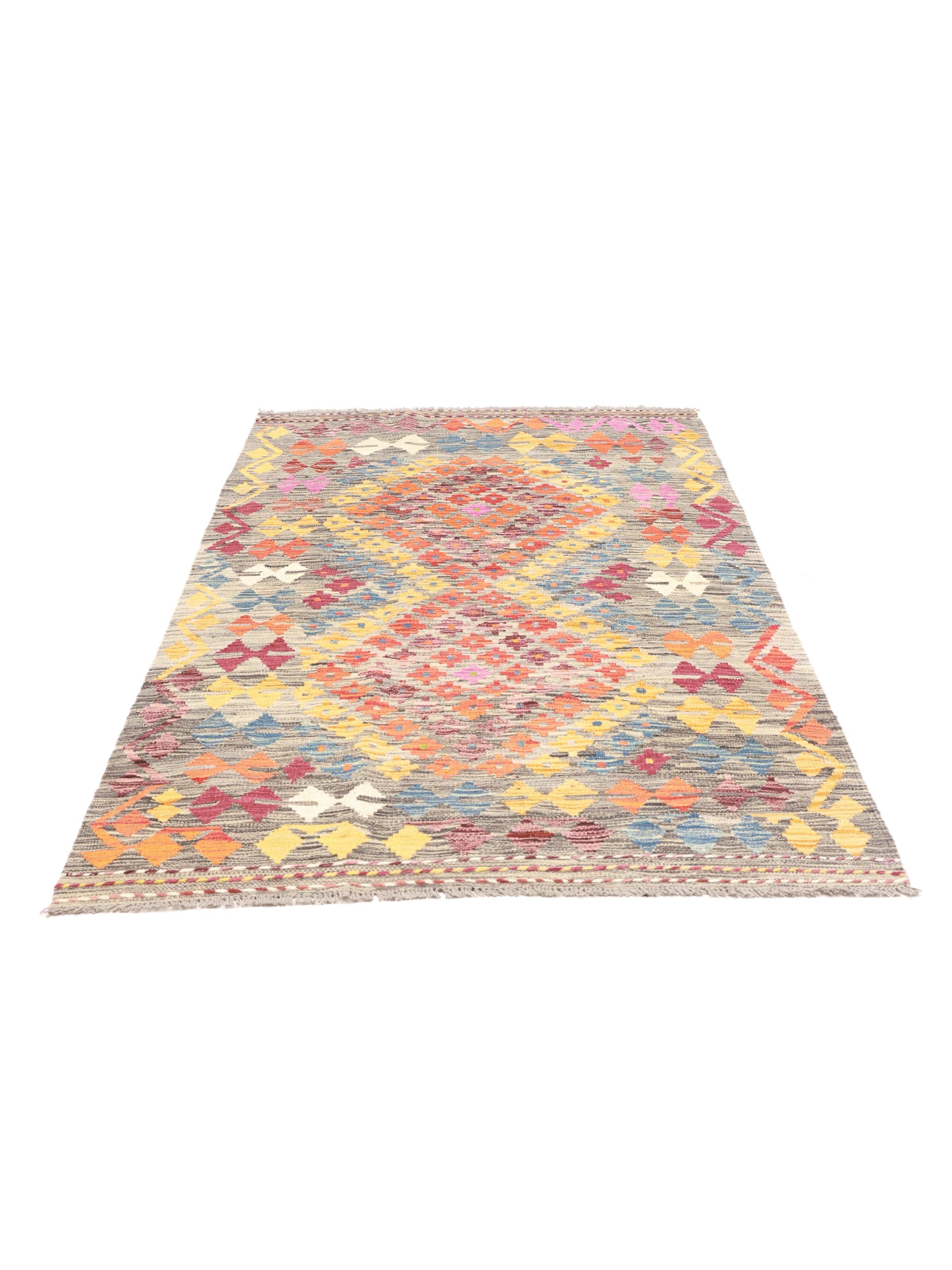
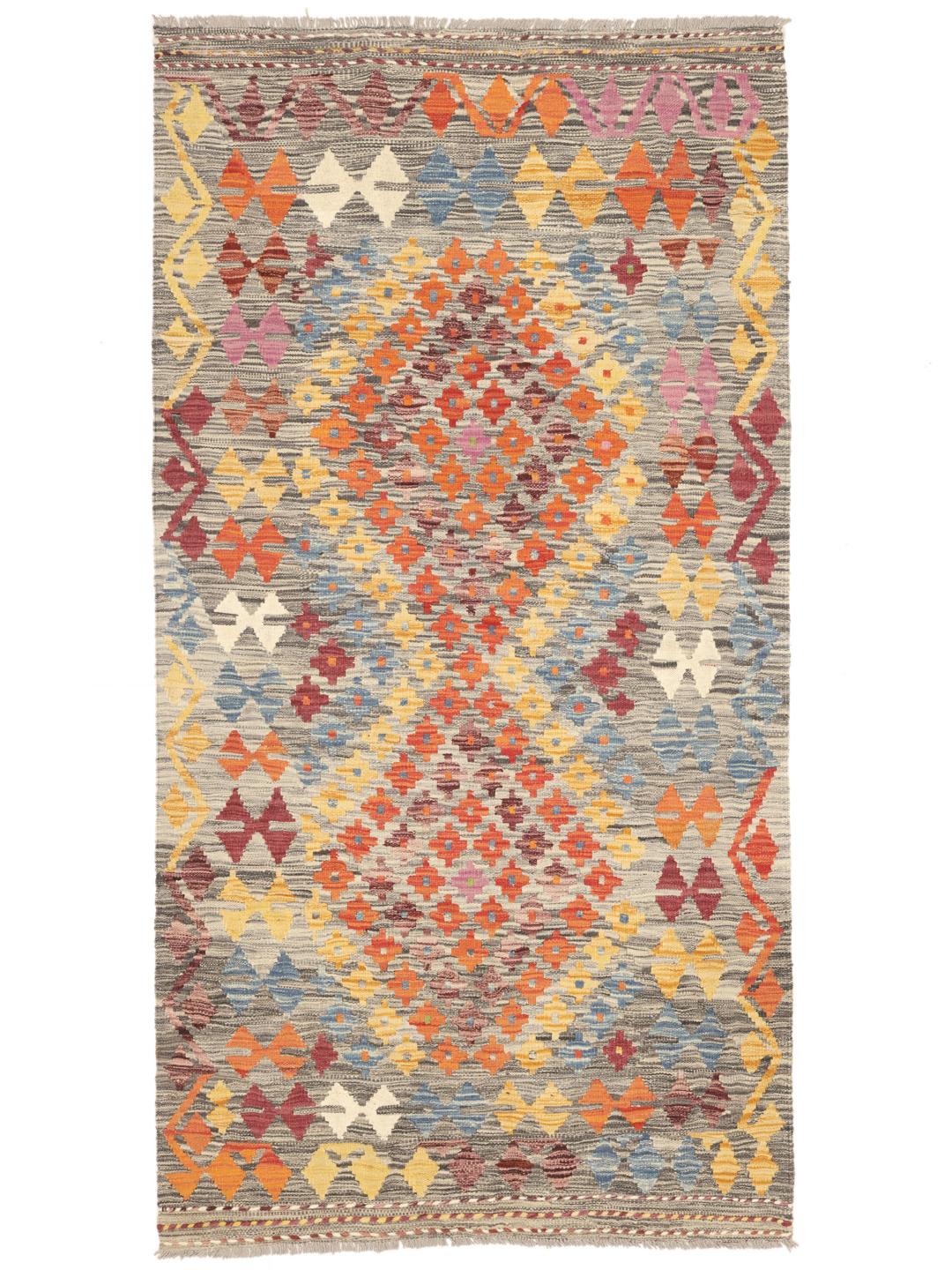
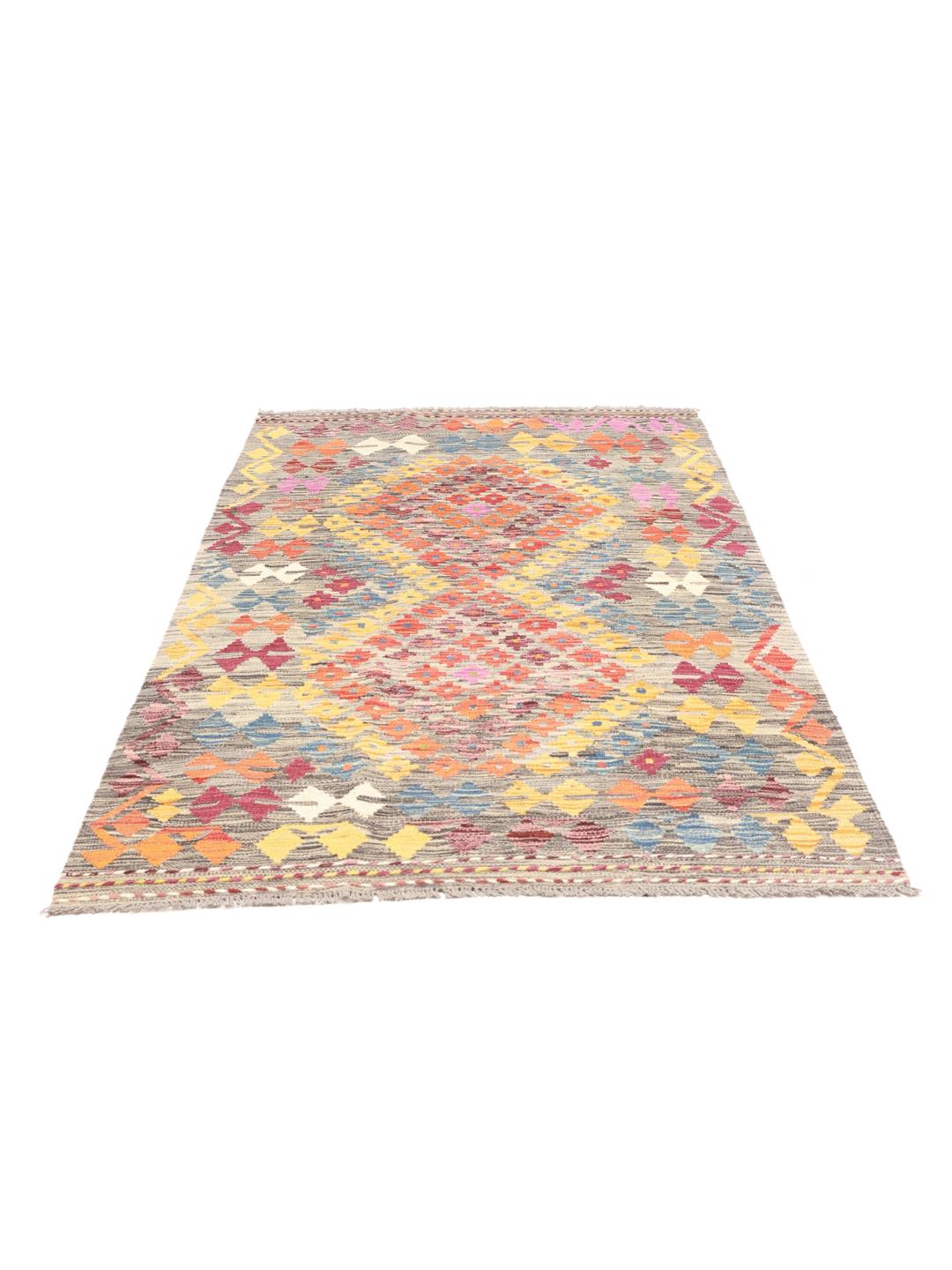
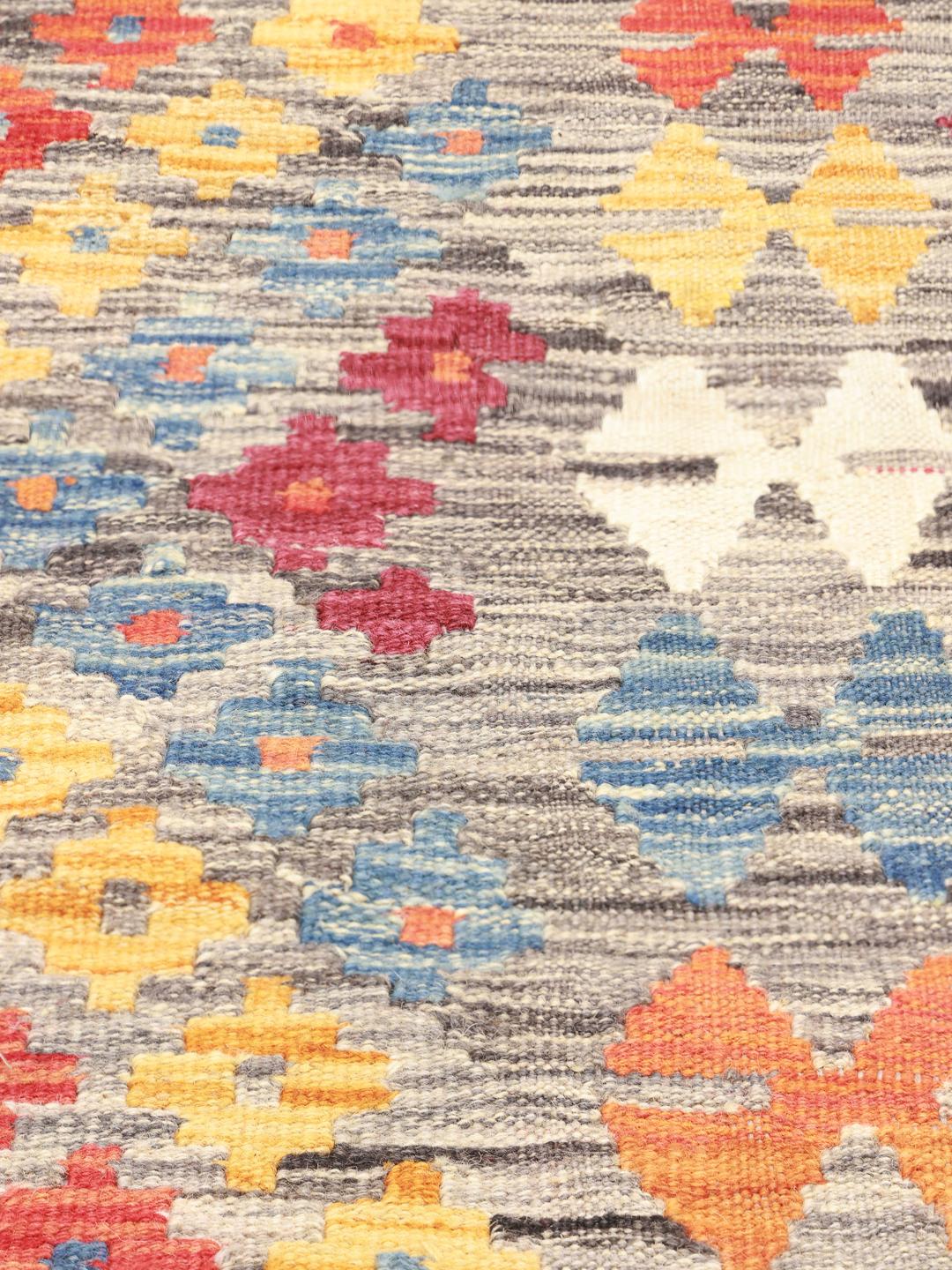
Visually, these rugs are defined by their bold geometric language. Diamond motifs, stepped medallions, and serrated borders are common, often rendered in a vibrant palette derived from natural dyes. This particular rug features a complex arrangement of these traditional shapes, showcasing the sophisticated eye for symmetry that Afghan weavers are celebrated for.
Collecting these rugs is an investment in cultural heritage. Each piece acts as a historical document, reflecting the specific regional influences and the individual weaver's interpretation of ancient motifs. Owning one is a way to preserve a craft tradition that has survived for centuries and continues to bring warmth and story to modern interiors.