Kelim rugs from Afghanistan are deeply rooted in the nomadic traditions of the region, where weaving has served as both a practical necessity and a form of cultural expression for centuries. These rugs are traditionally created by tribal communities, with designs passed down through generations, reflecting the environment and local aesthetics of the Afghan landscape.
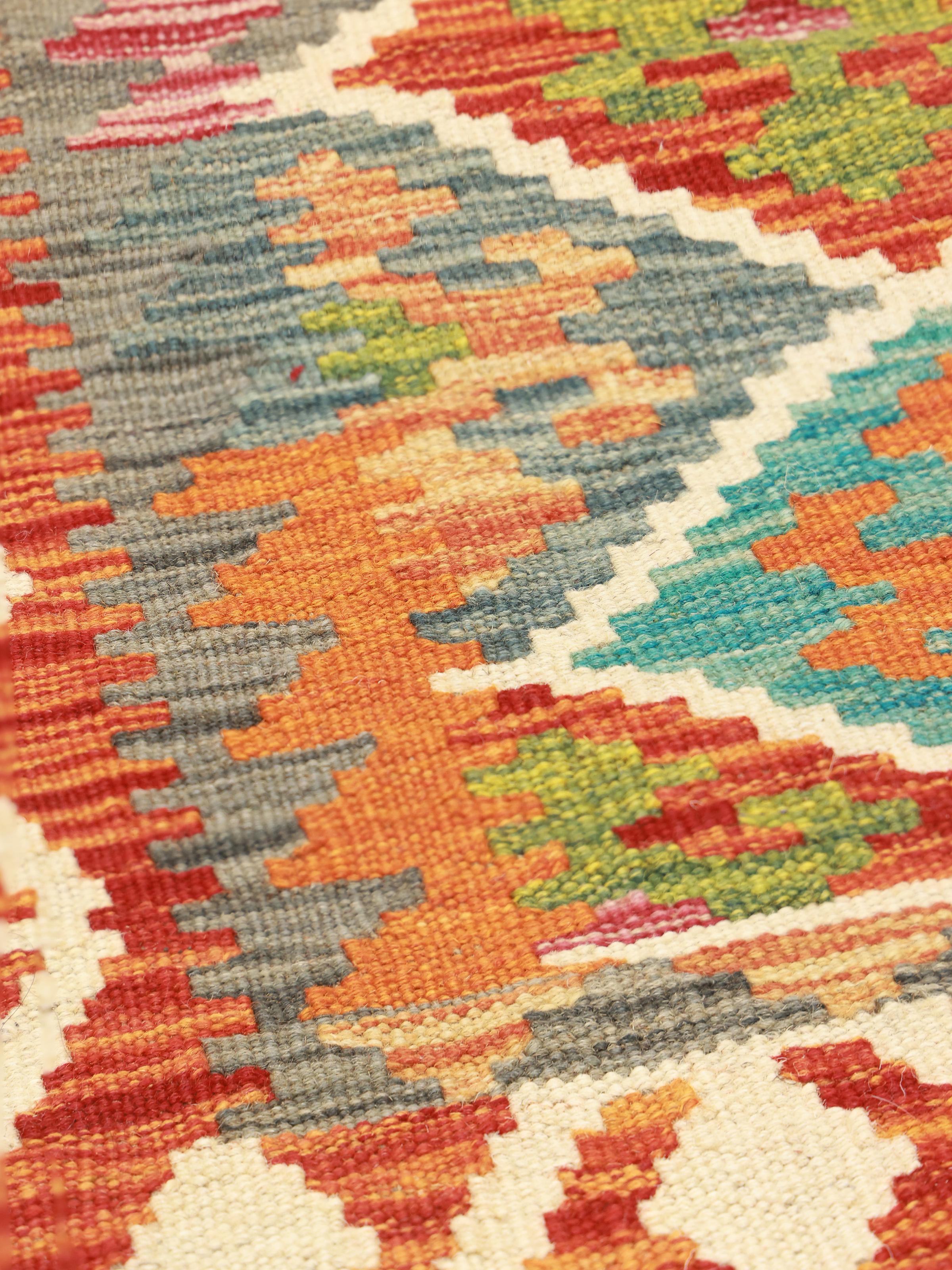
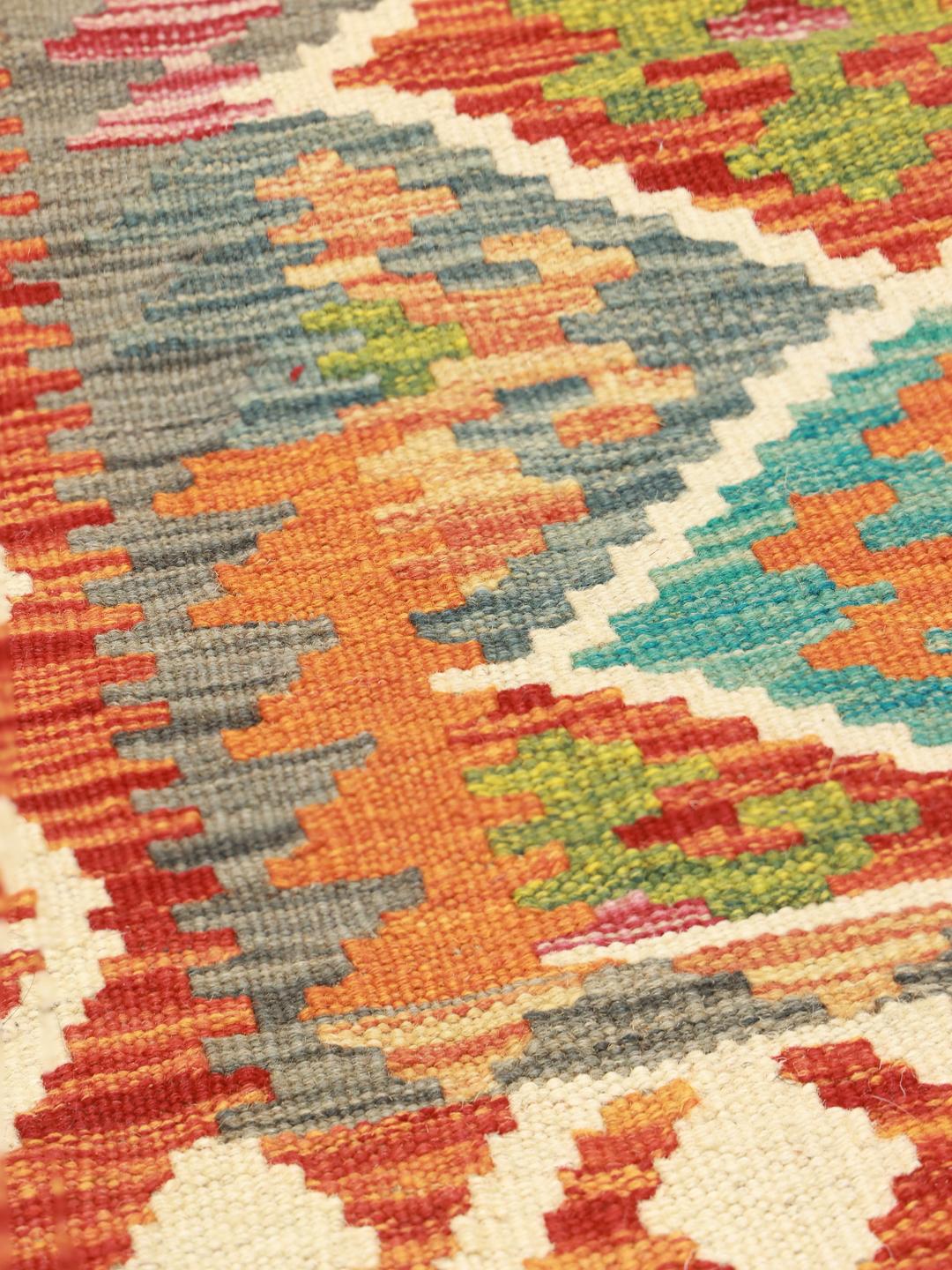
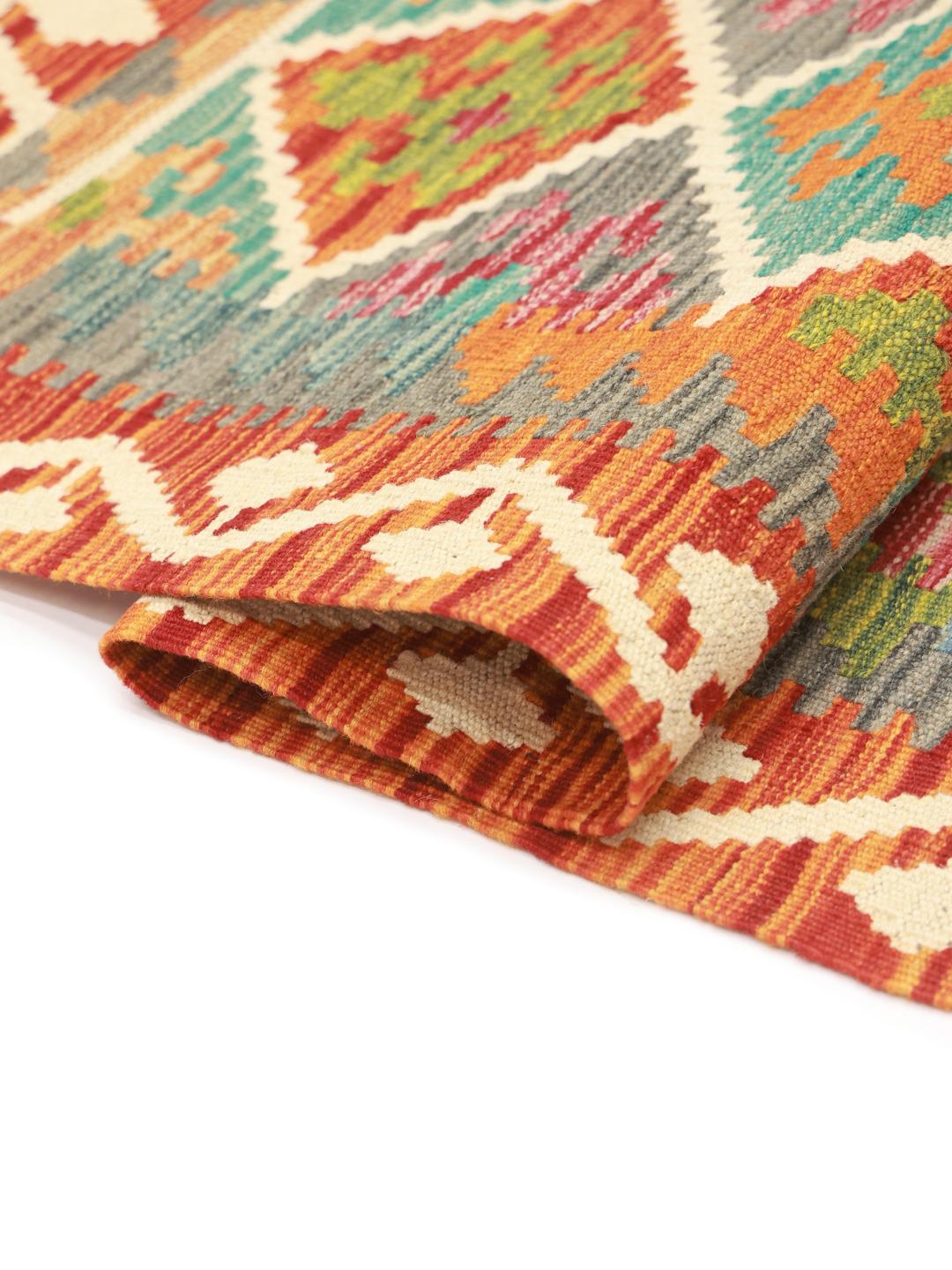
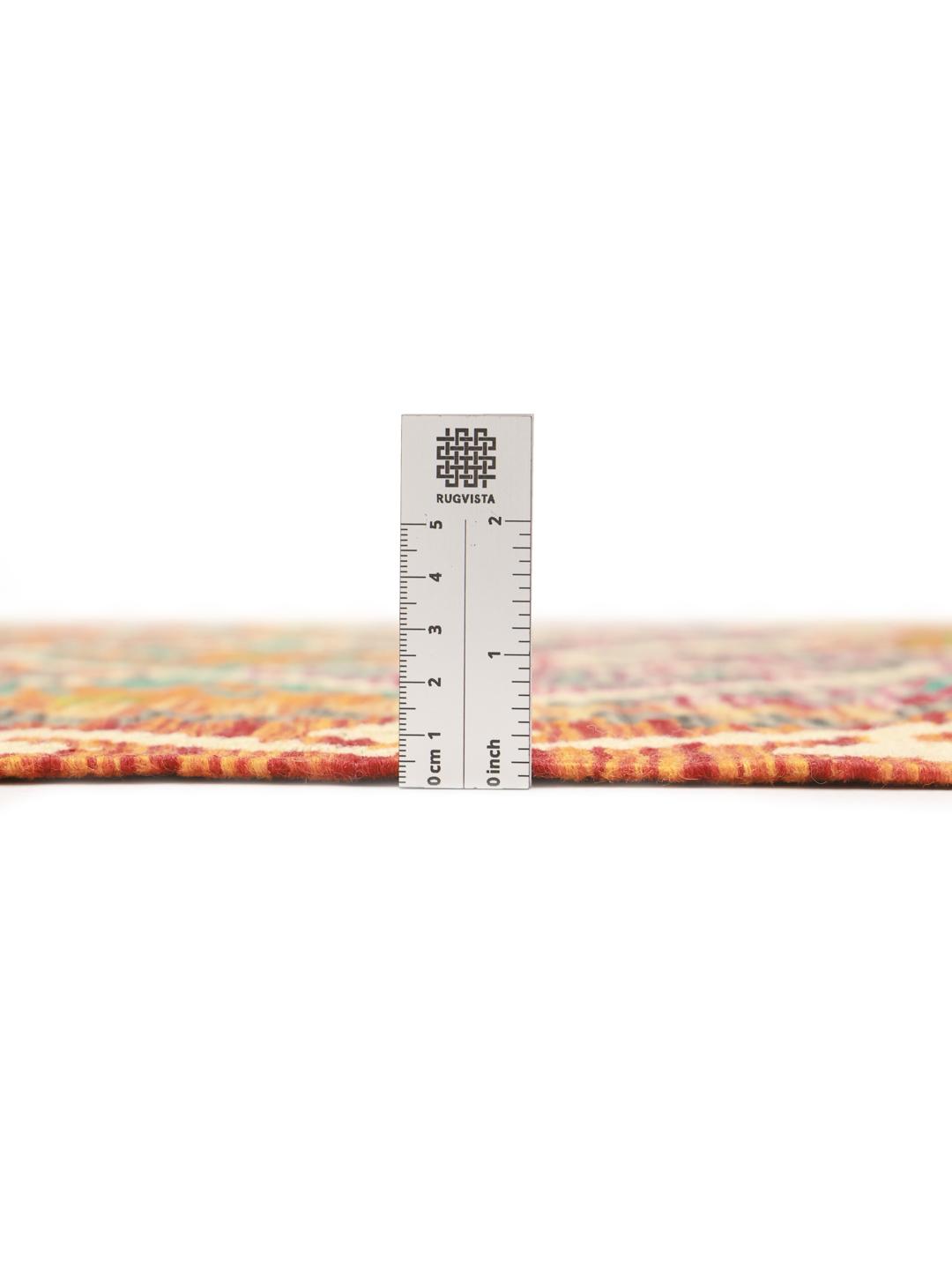
The term 'Kelim' refers to the flat-weaving technique used, which does not involve a knotted pile. Instead, the warp and weft threads are interlaced to create a thin, durable, and reversible textile. This technique is highly valued for its portability and strength, historically making these rugs essential for tent life, where they served as floor coverings, wall hangings, and storage bags.
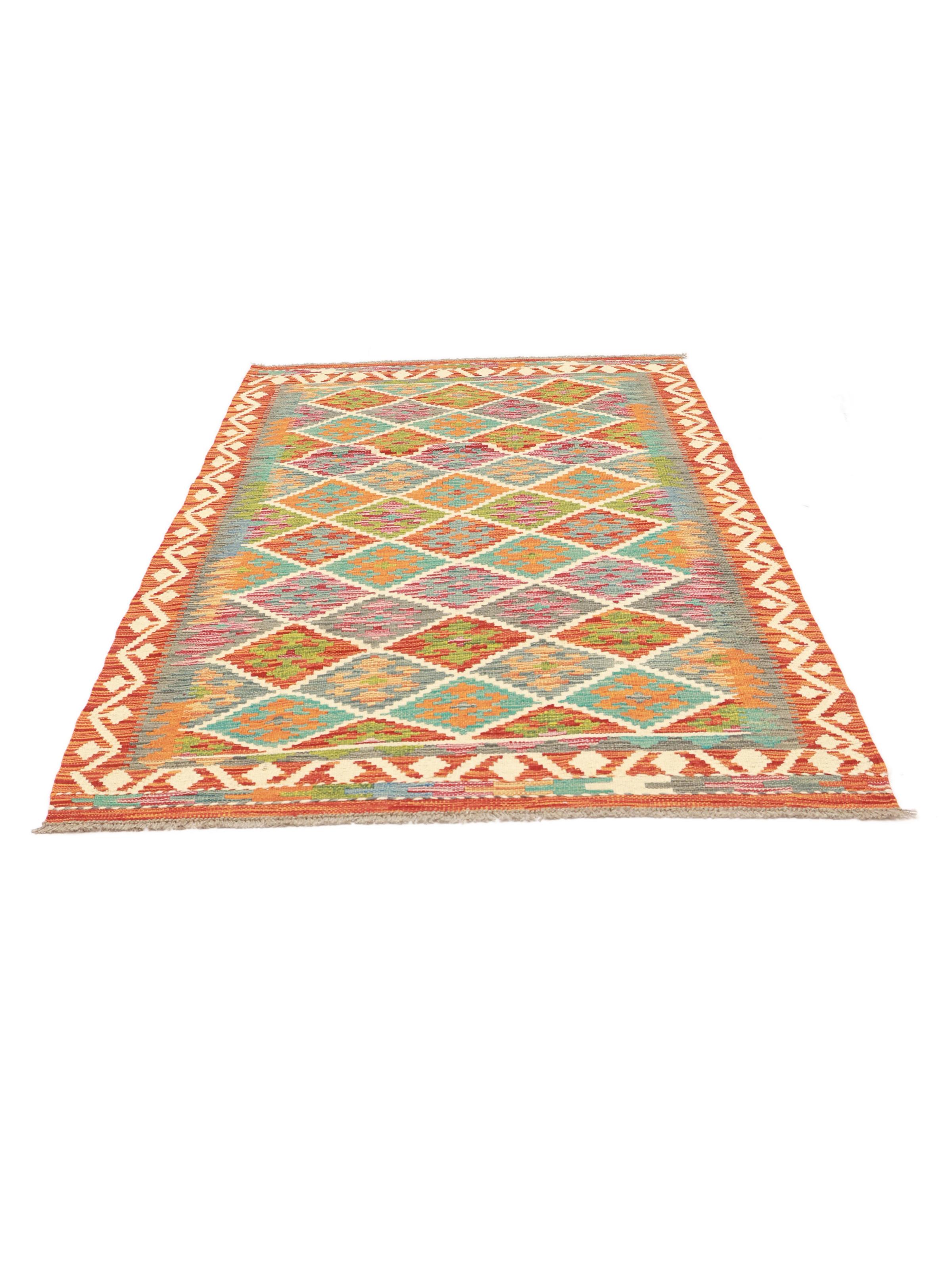
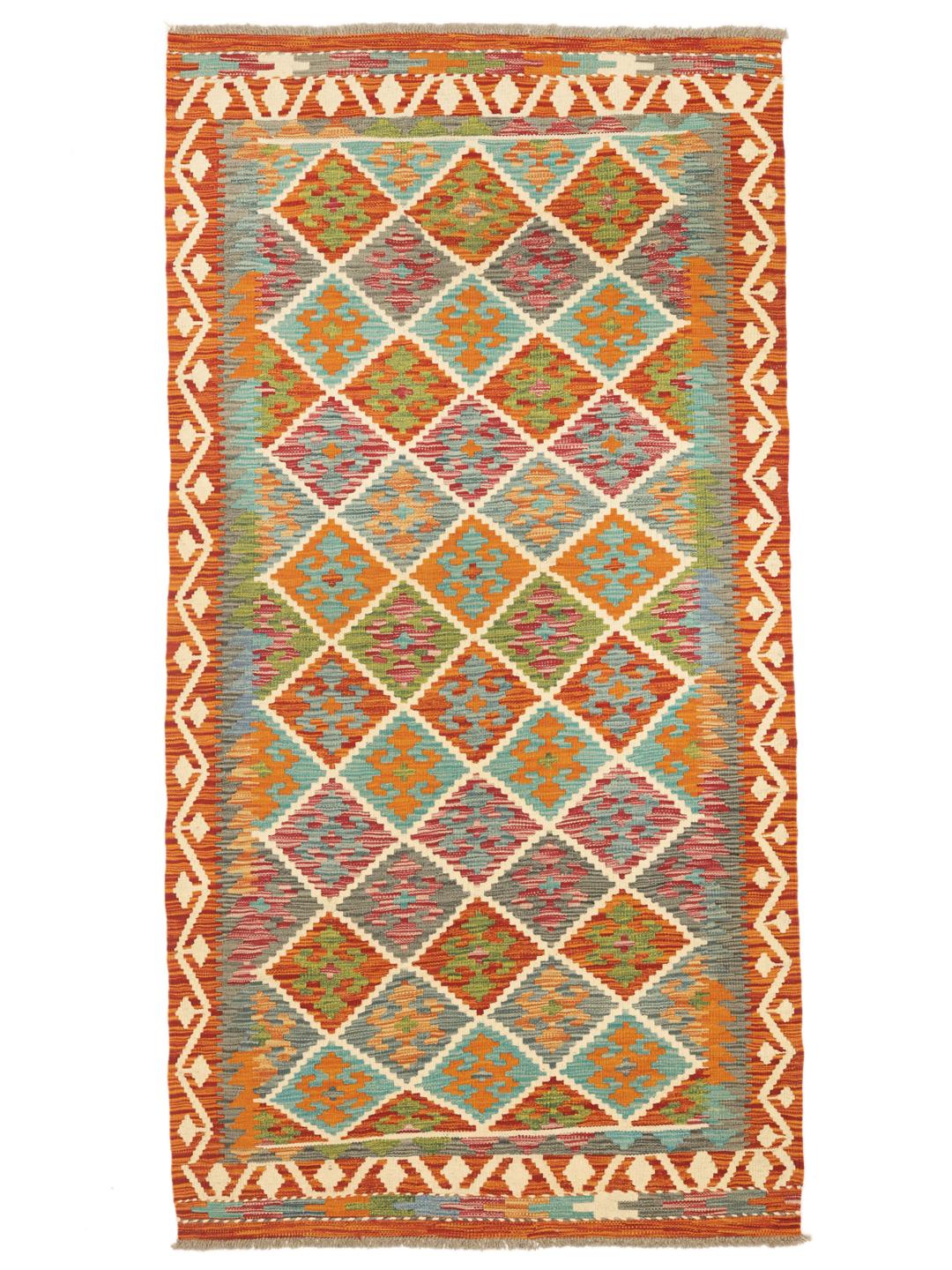
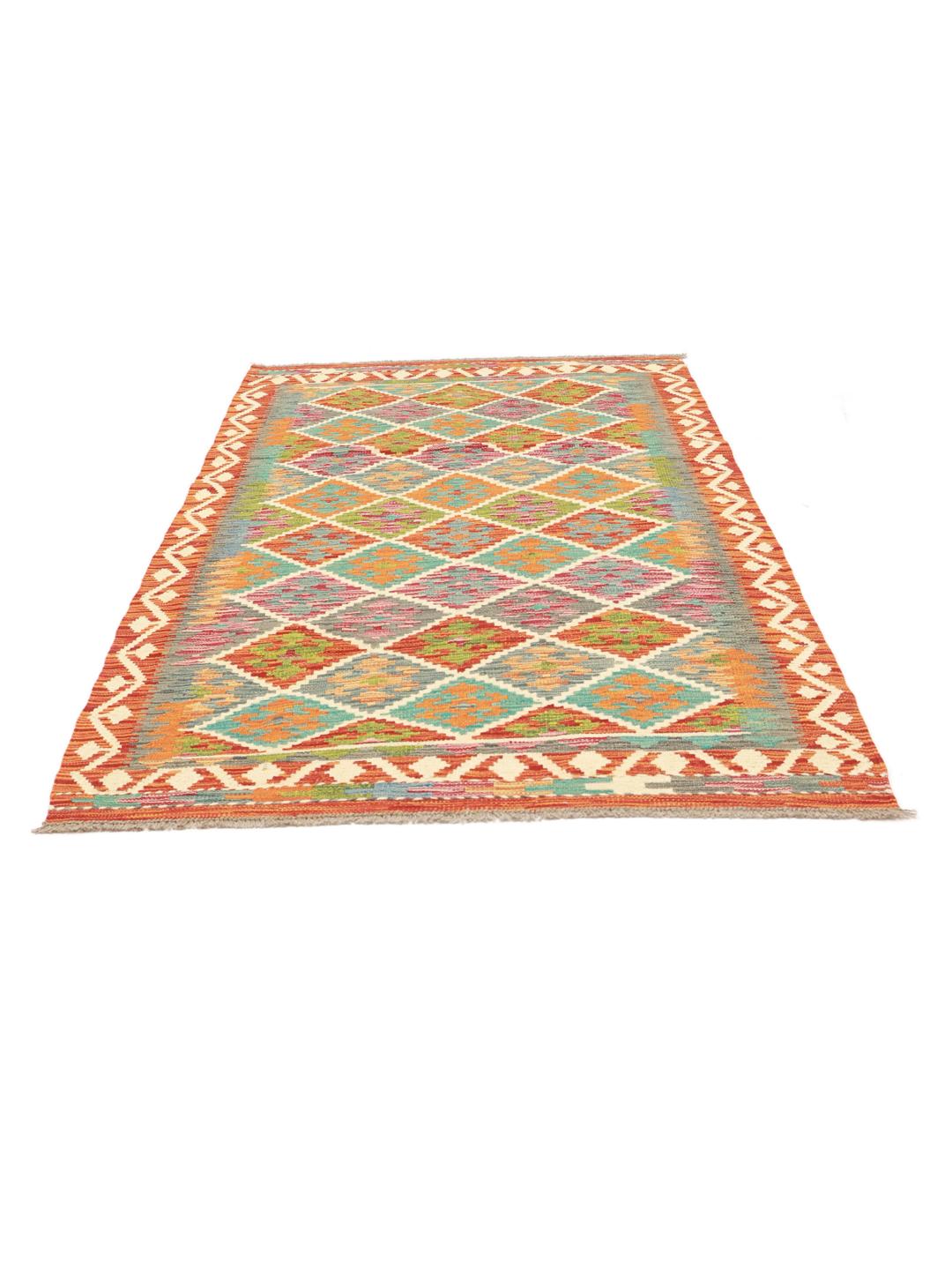
The signature design elements often include bold geometric shapes, such as the repeating diamonds seen here, which are frequently bordered by intricate, symbolic motifs. The colours are traditionally sourced from natural dyes, contributing to the earthy, saturated tones that have become synonymous with the Afghan weaving style.
Collecting these pieces is an investment in cultural heritage. Because they are the result of traditional knowledge and labour, they hold a level of authenticity that mass-produced items cannot match. Owning a Kelim means preserving a craft that connects your modern home to the ancient trade routes and rich, artistic legacy of Central Asia.