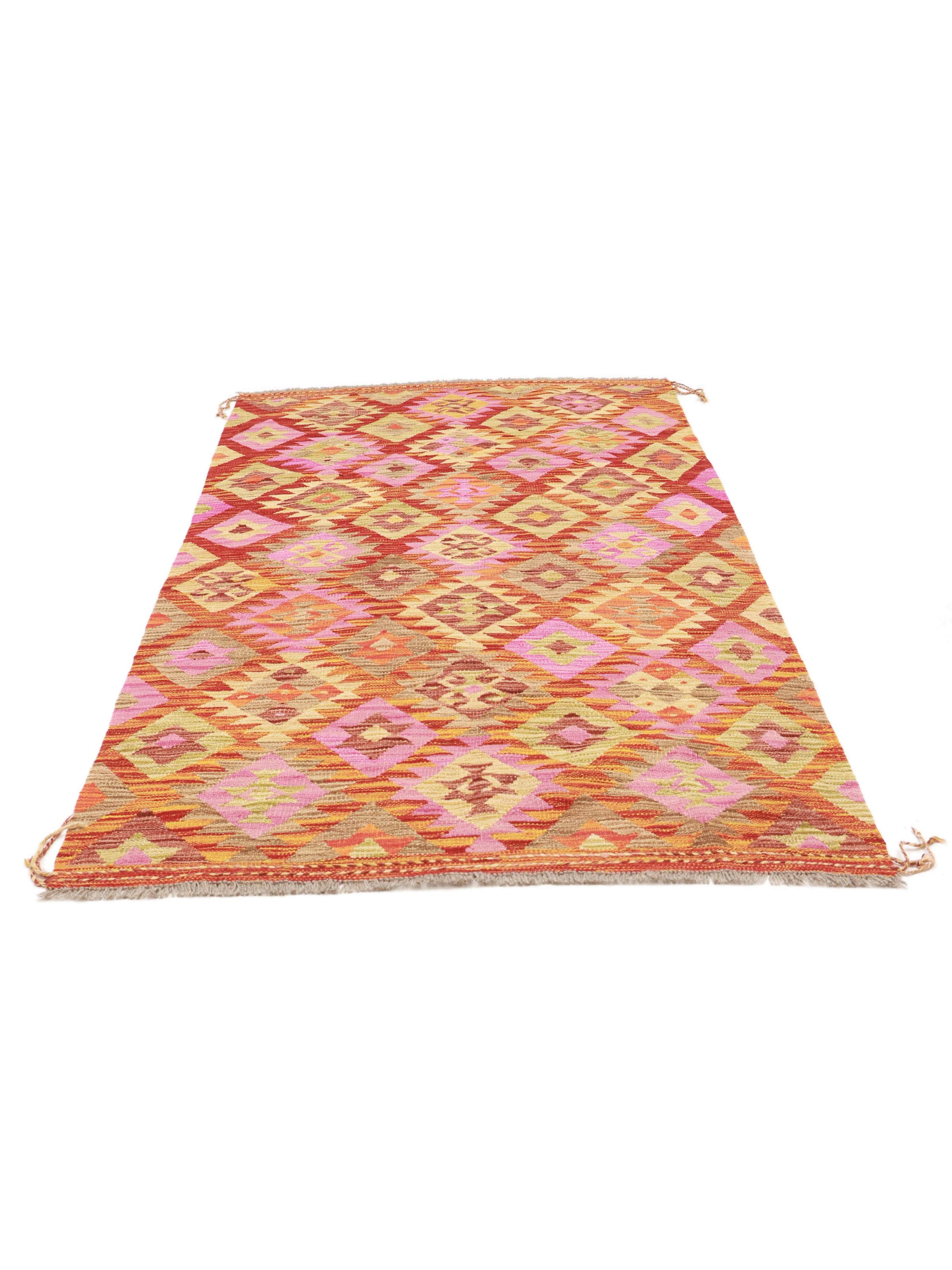
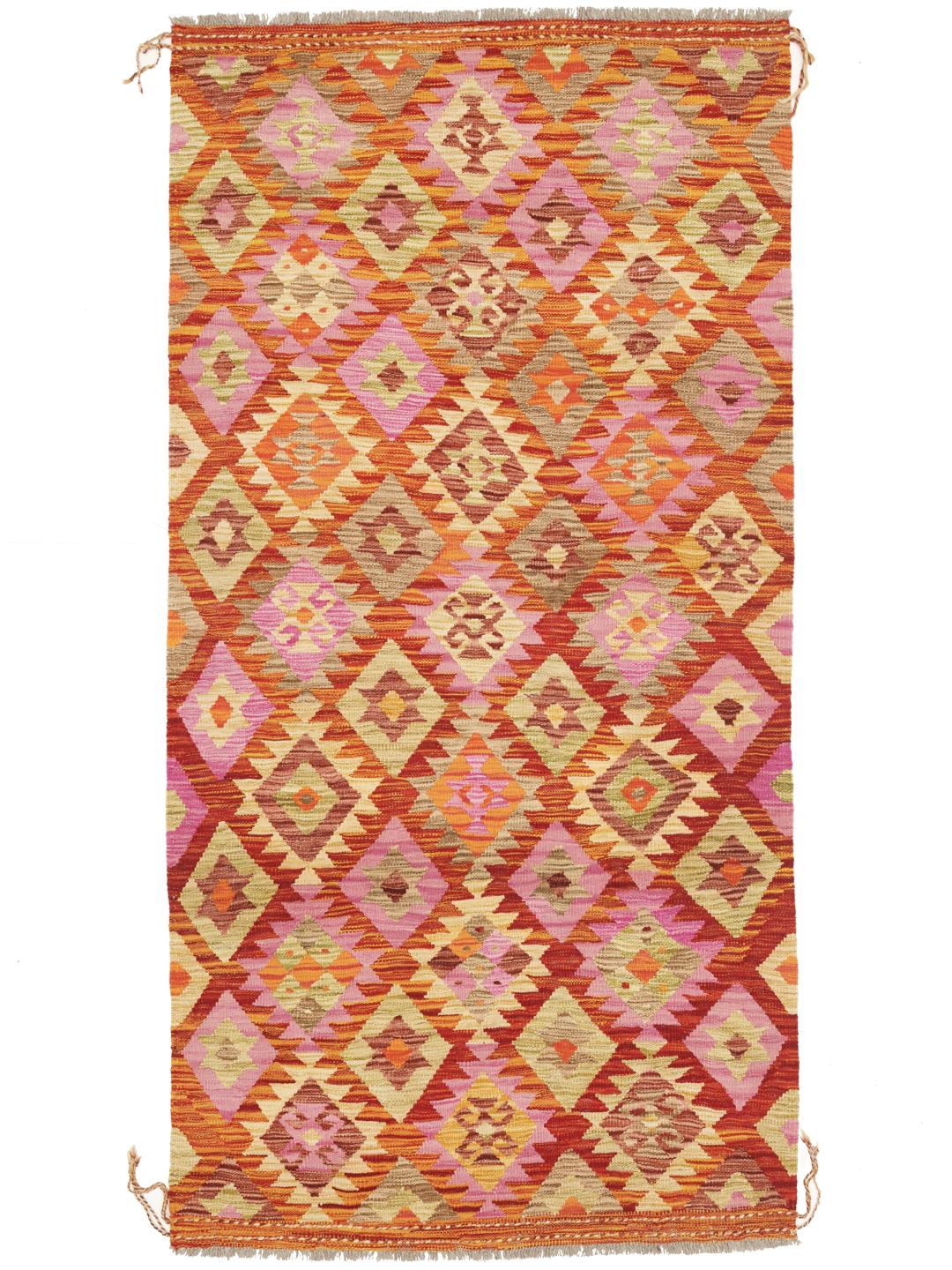
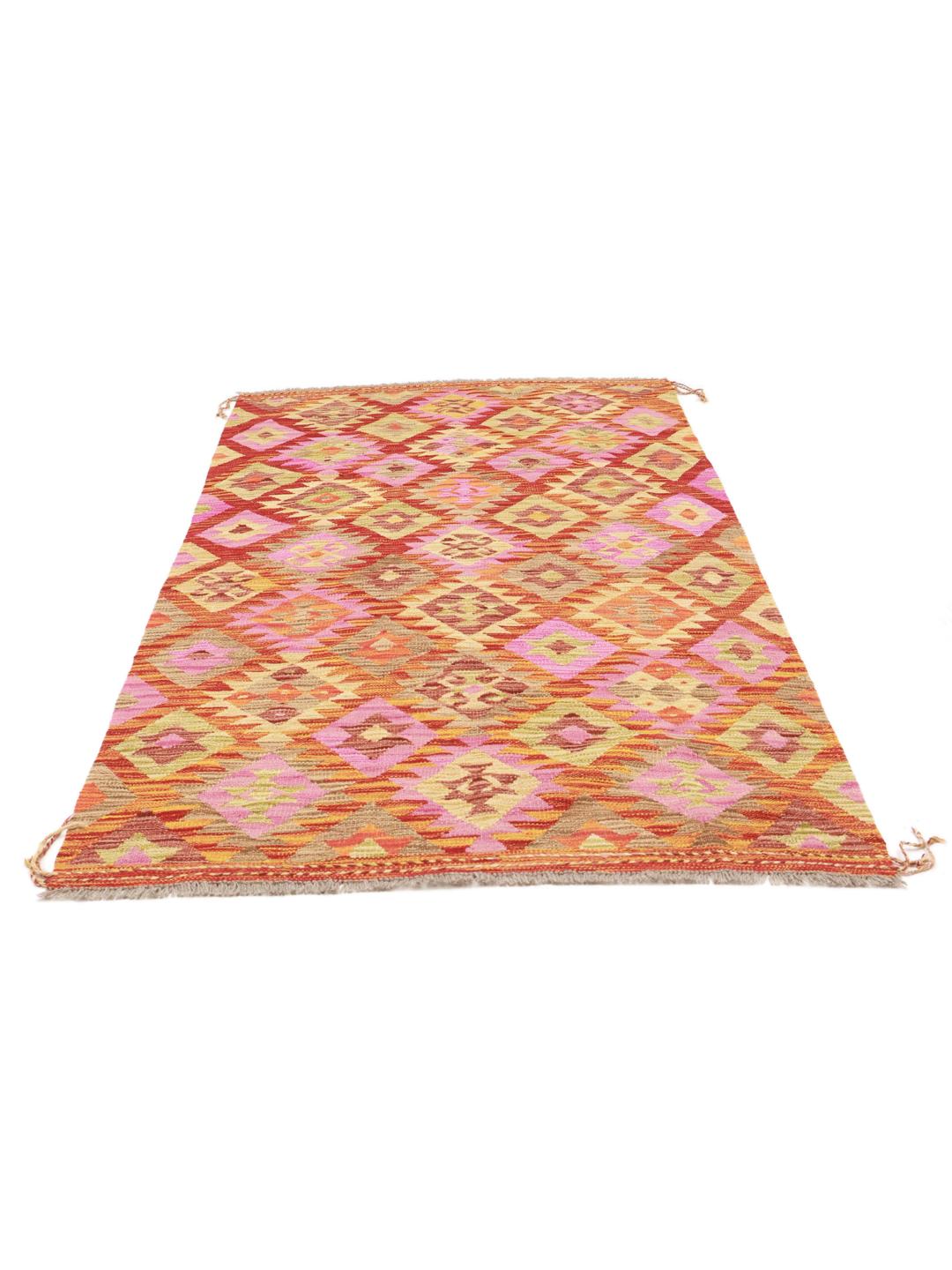
Afghan Kelims are deeply rooted in the nomadic and semi-nomadic traditions of the Middle East, where weaving has served as both a practical necessity and a vital form of artistic expression for centuries. These rugs were traditionally created to serve as floor coverings, blankets, or wall hangings, designed to be durable enough for life on the move while providing essential warmth and comfort.
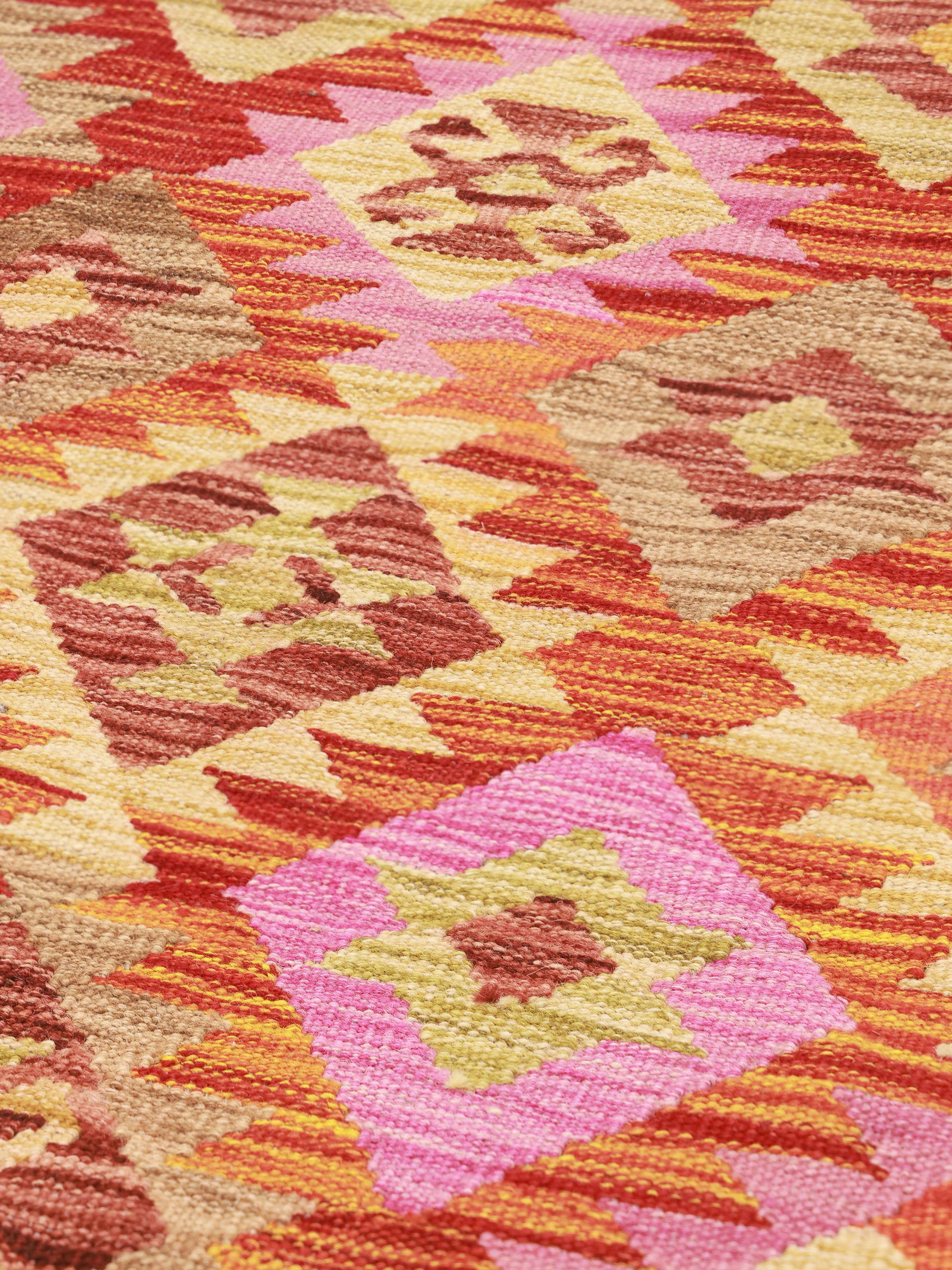
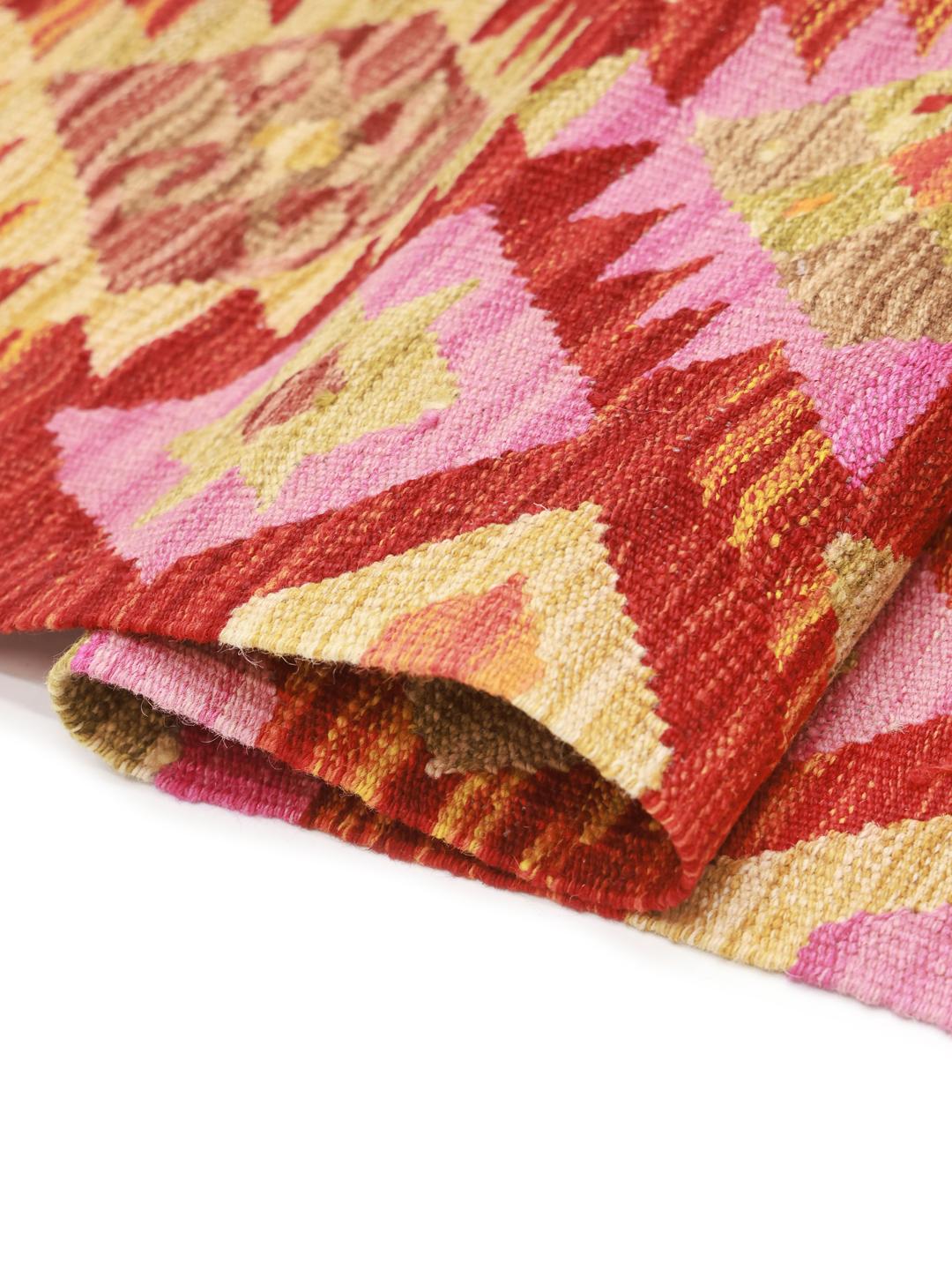
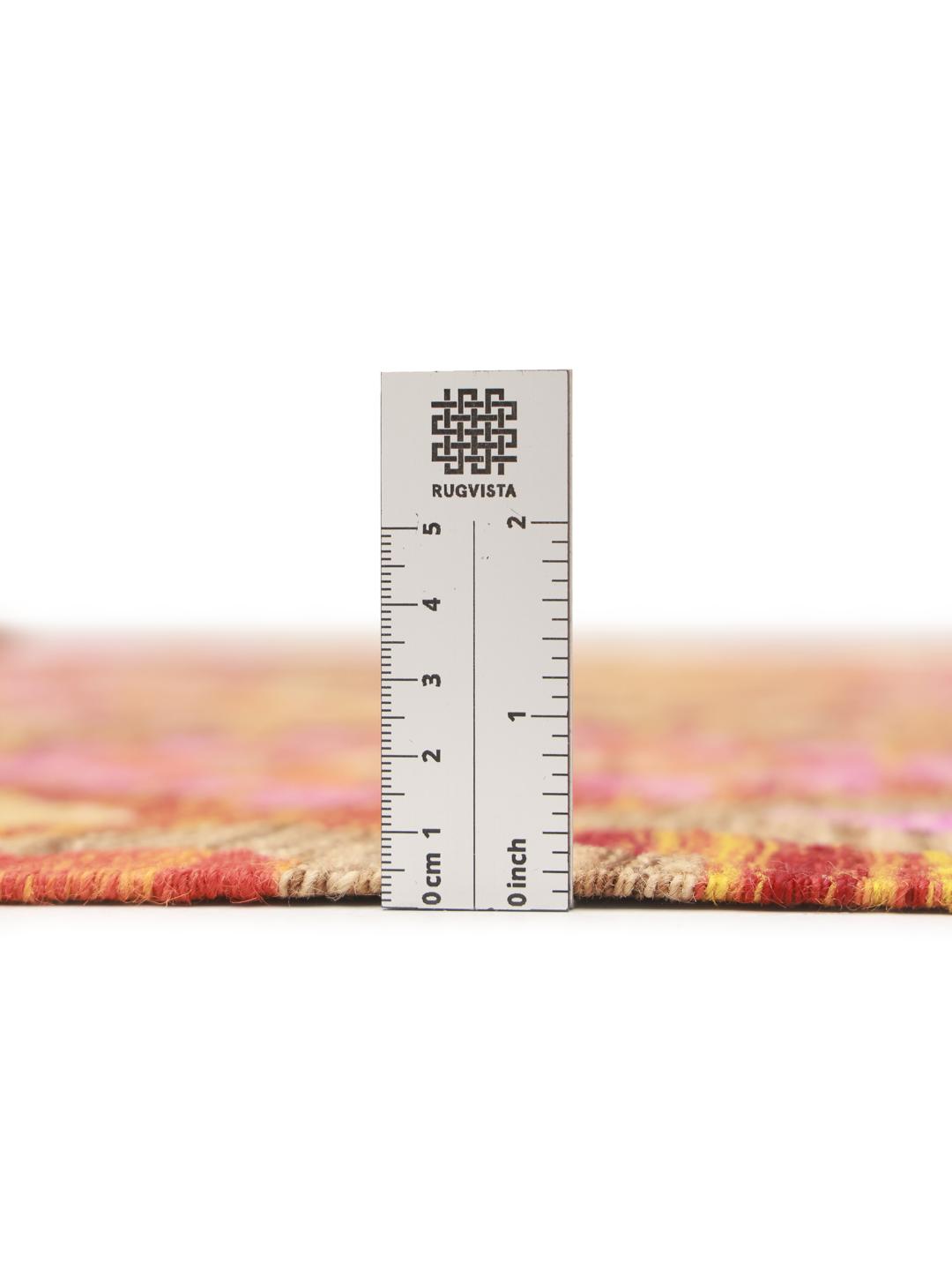
The term 'Kelim' refers to the flat-weaving technique used to create these pieces. Unlike pile rugs, which are knotted, Kelims are made by interweaving the coloured weft strands through the warp, resulting in a thin, reversible textile with a smooth surface. This technique allows for sharp, clean geometric designs and a lightweight structure that is easy to manage and maintain.
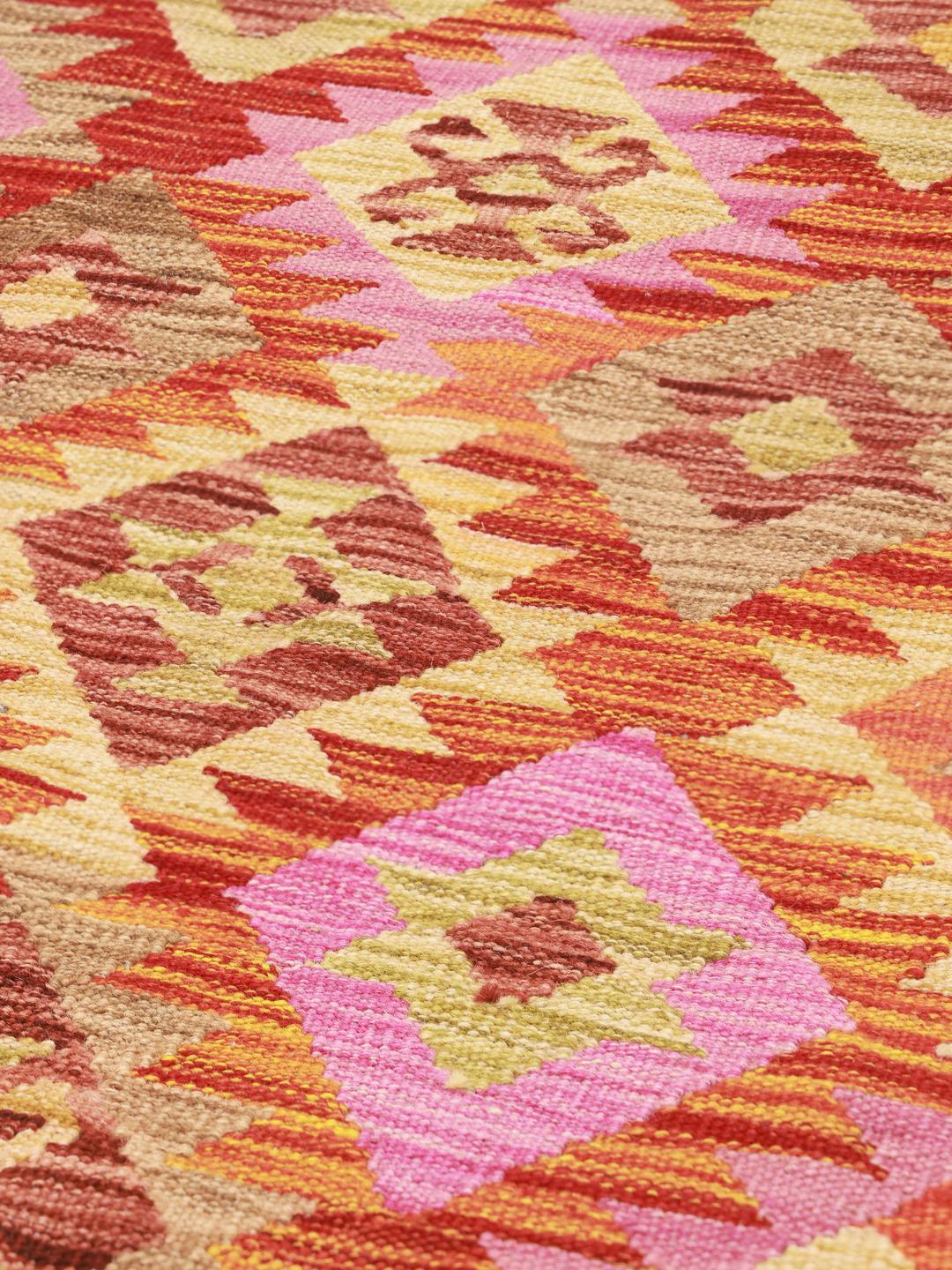
Signature design elements of these rugs include bold geometric shapes, most commonly diamonds, triangles, and zig-zags. These patterns are often symbolic, passed down through generations of weavers as a visual language representing tribal identity, nature, and protection. The use of natural, earthy dyes gives these rugs their characteristic warmth and depth, with colours that age gracefully over time.
Collecting Afghan Kelims is an investment in human skill and regional history. Each rug tells the story of the person who wove it, capturing a specific moment in the craft's evolution. Because they are not mass-produced, these rugs are highly valued for their individuality and the way they bridge the gap between ancient nomadic utility and modern home aesthetics.