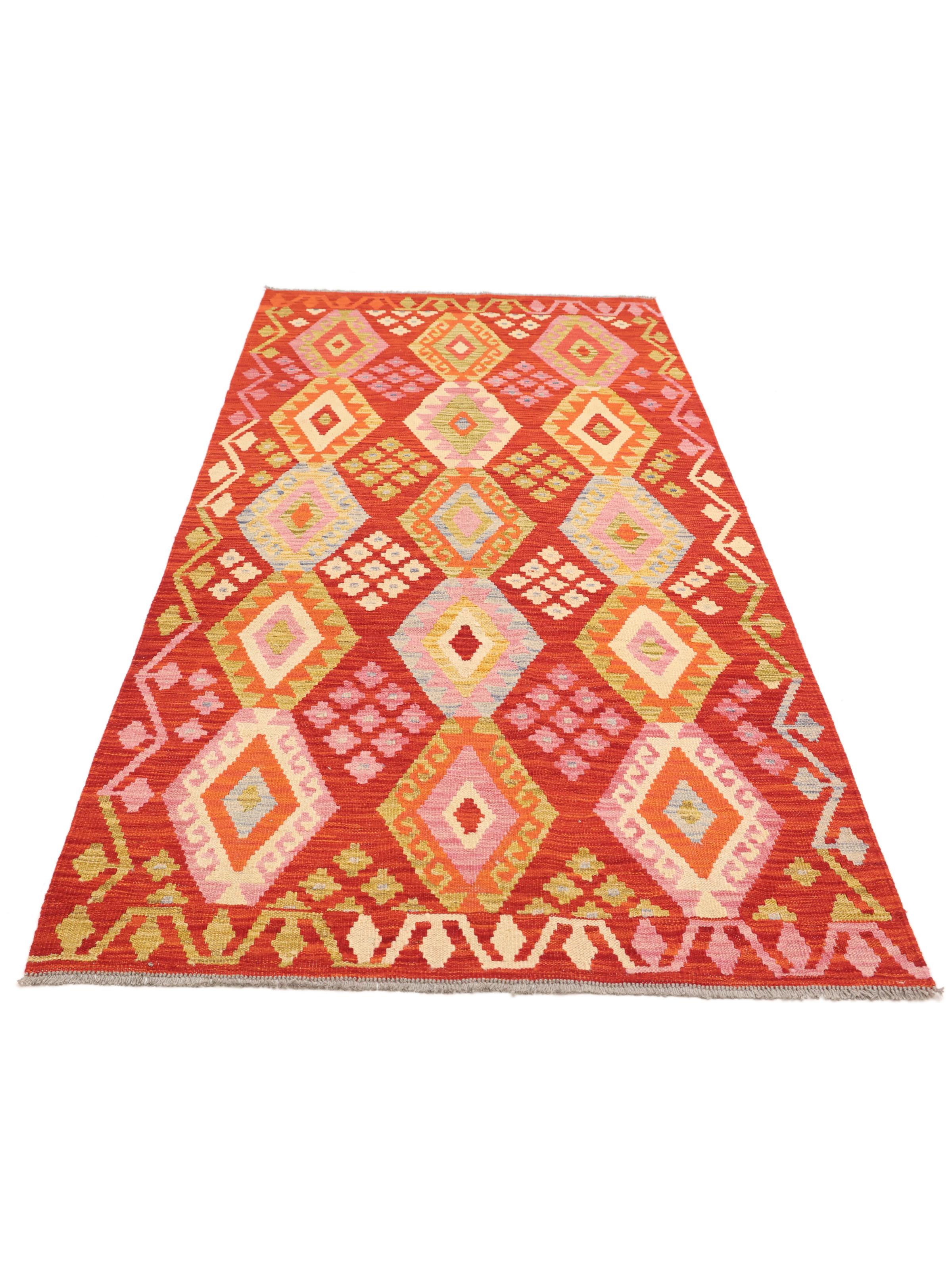
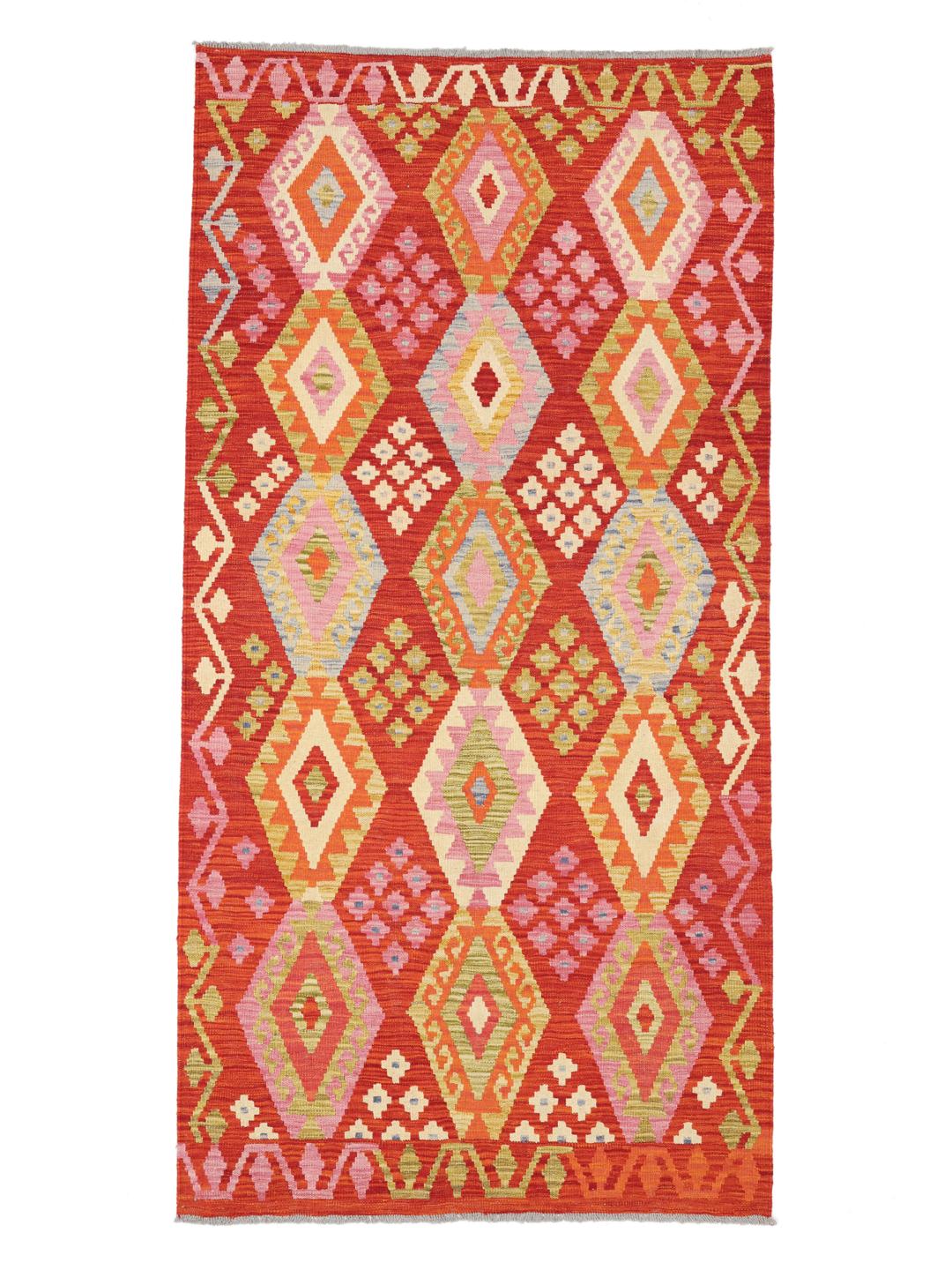
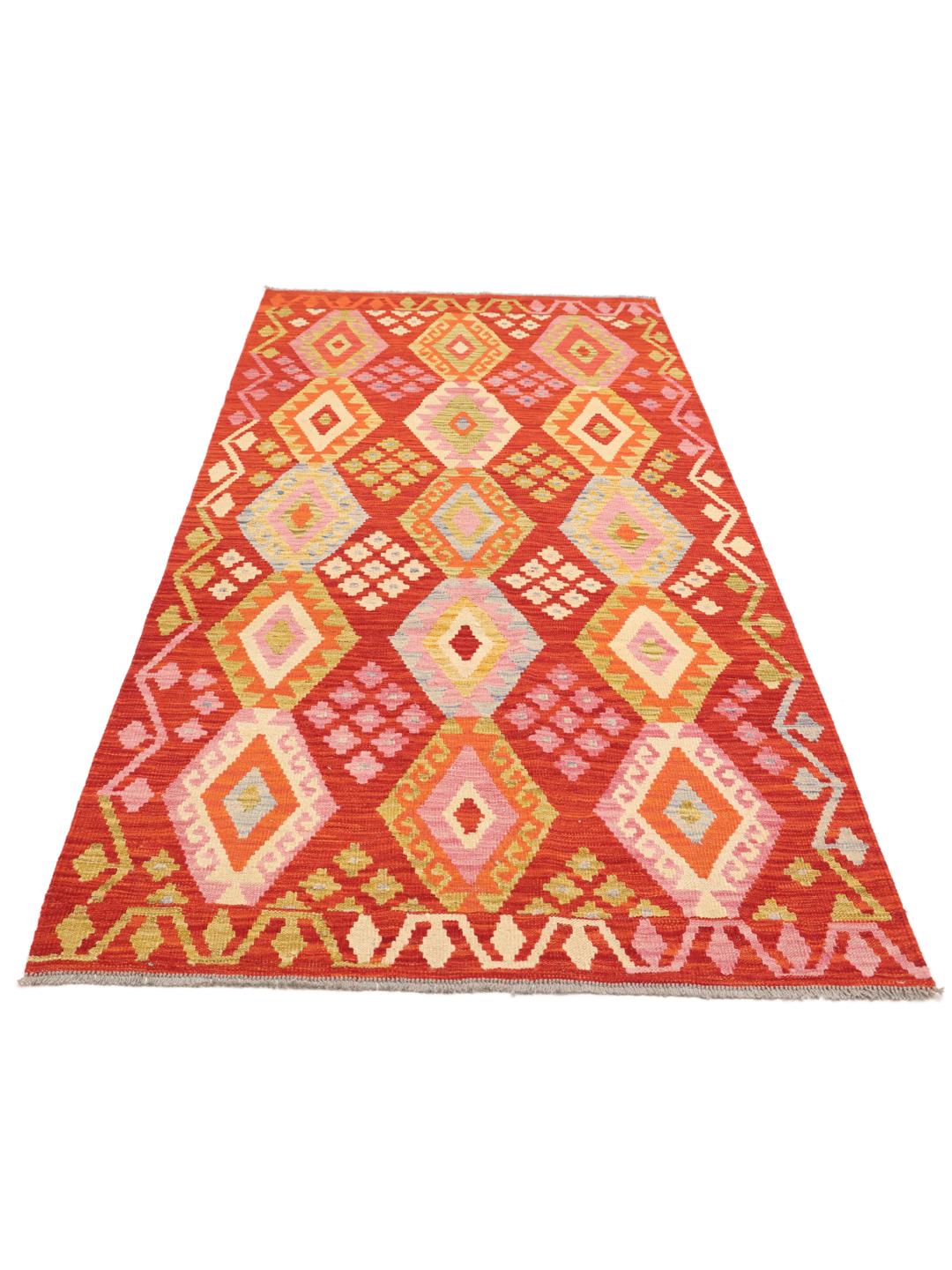
Kelim rugs have a long and storied history in the Middle East, serving as both functional floor coverings and expressions of cultural identity. The Kelim Afghan Old Style tradition is deeply rooted in the nomadic and semi-nomadic weaving practices of the region, where rugs were historically used as blankets, tent partitions, and saddlebags, as well as floor decor.
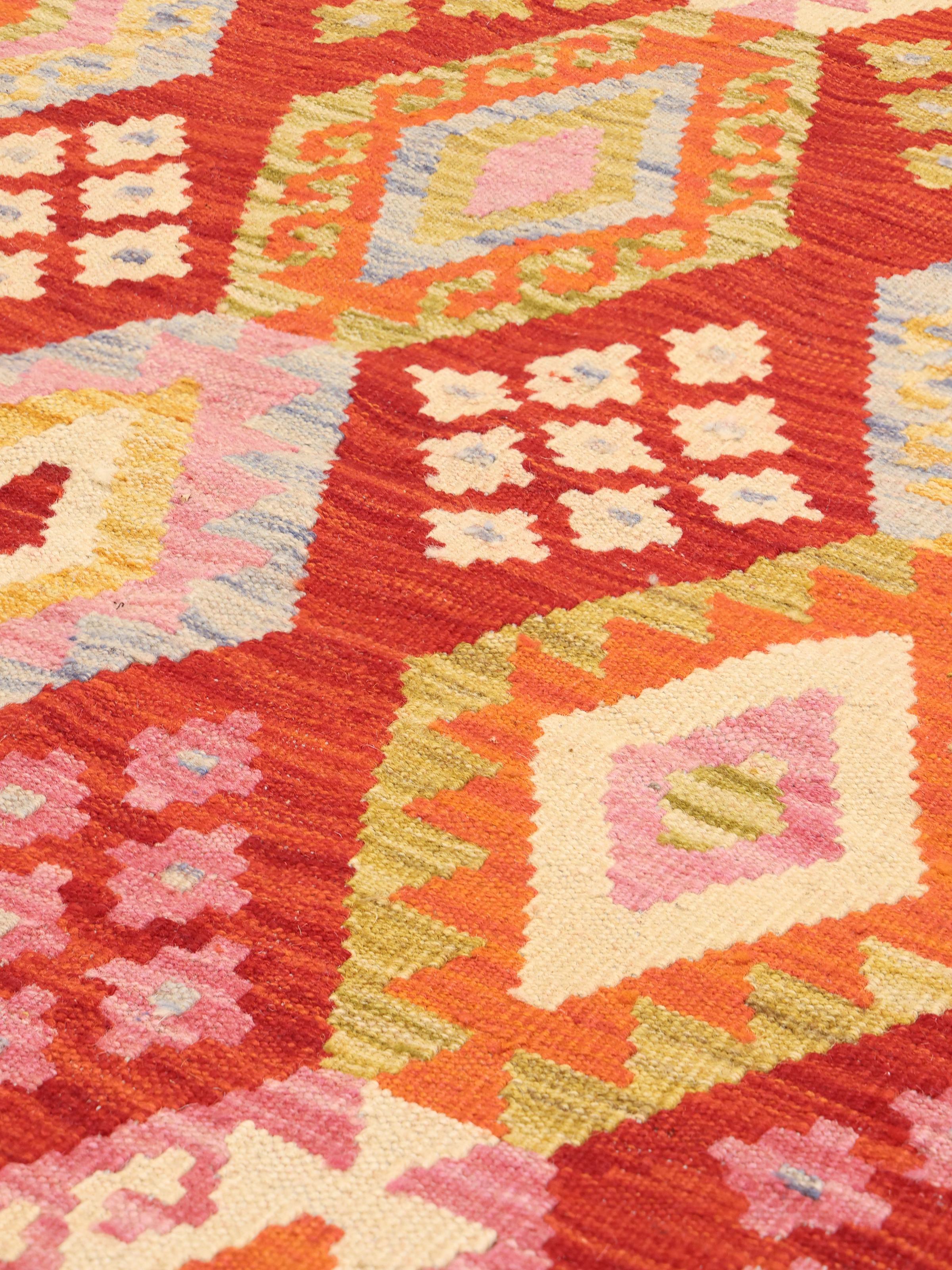
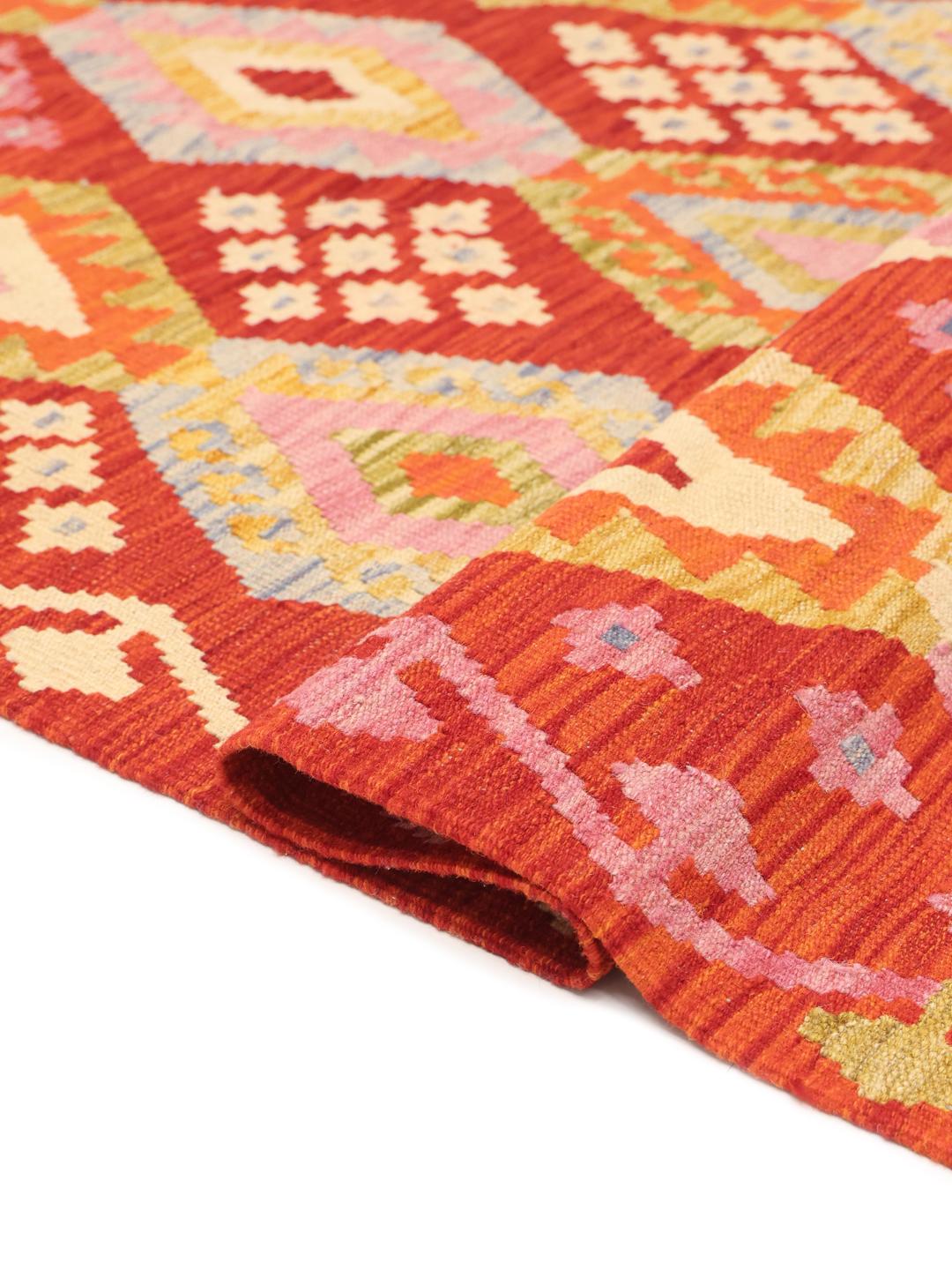
The term 'Kelim' refers to a flat-weave technique where the warp and weft threads are interlaced to form a smooth surface without a pile. This traditional method results in a reversible rug, meaning that both sides are identical in pattern and colour. This construction is highly valued for its portability and strength, making it a practical choice for families who appreciate longevity.
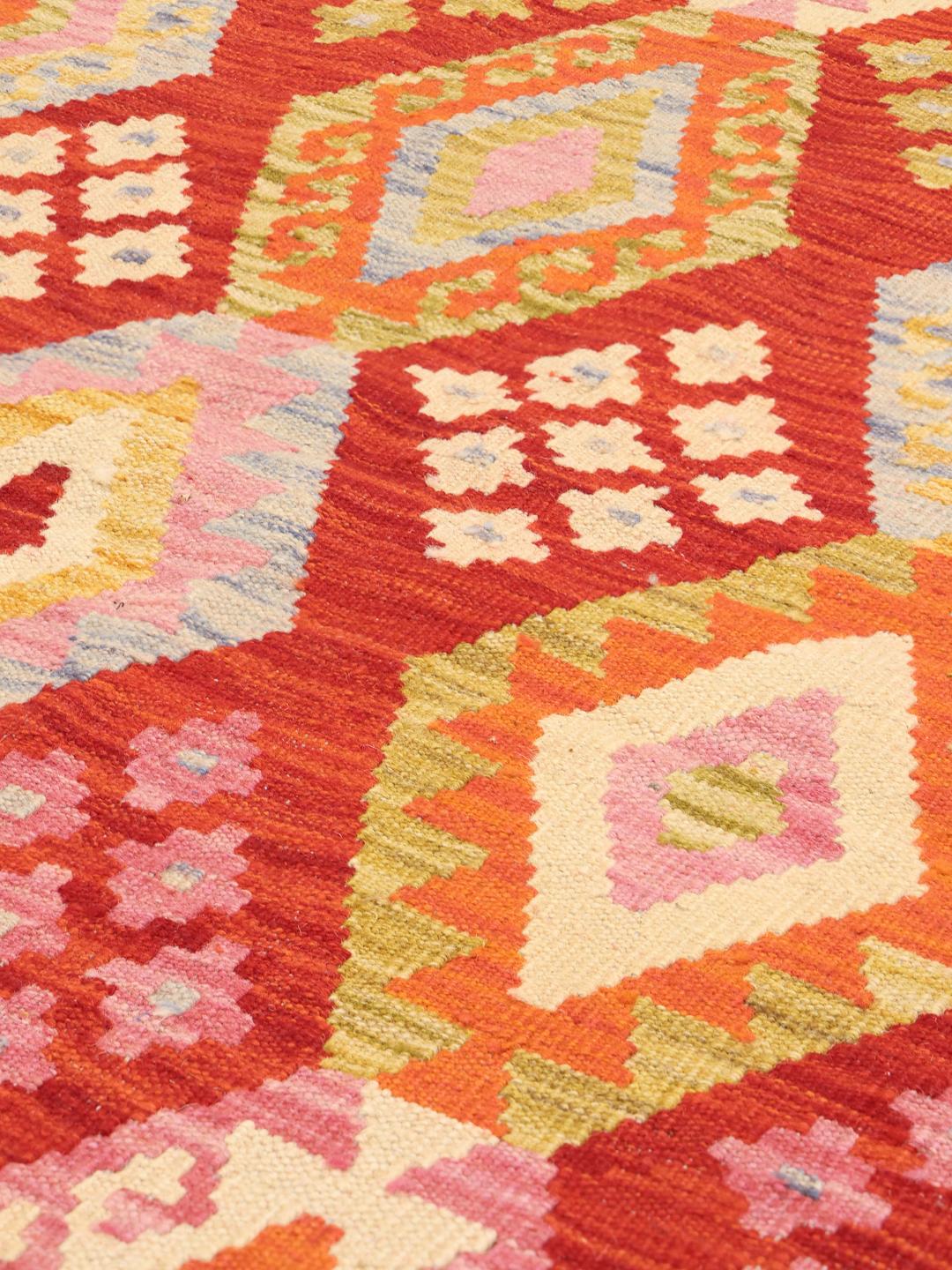
Visually, these rugs are defined by their geometric language. The diamond motifs and repeating patterns are not merely decorative but are often symbolic, representing local beliefs and stories passed down through generations of weavers. The use of natural dyes and bold, earthy palettes is a signature trait that allows these rugs to stand out in both traditional and modern interiors.
Collecting a Kelim from this tradition is an investment in cultural preservation. By choosing a hand-woven piece, you are supporting a craft that has survived for centuries. These rugs are not just floor coverings but carriers of history, celebrated for their ability to bring a sense of warmth, soul, and authentic craftsmanship into the contemporary home.