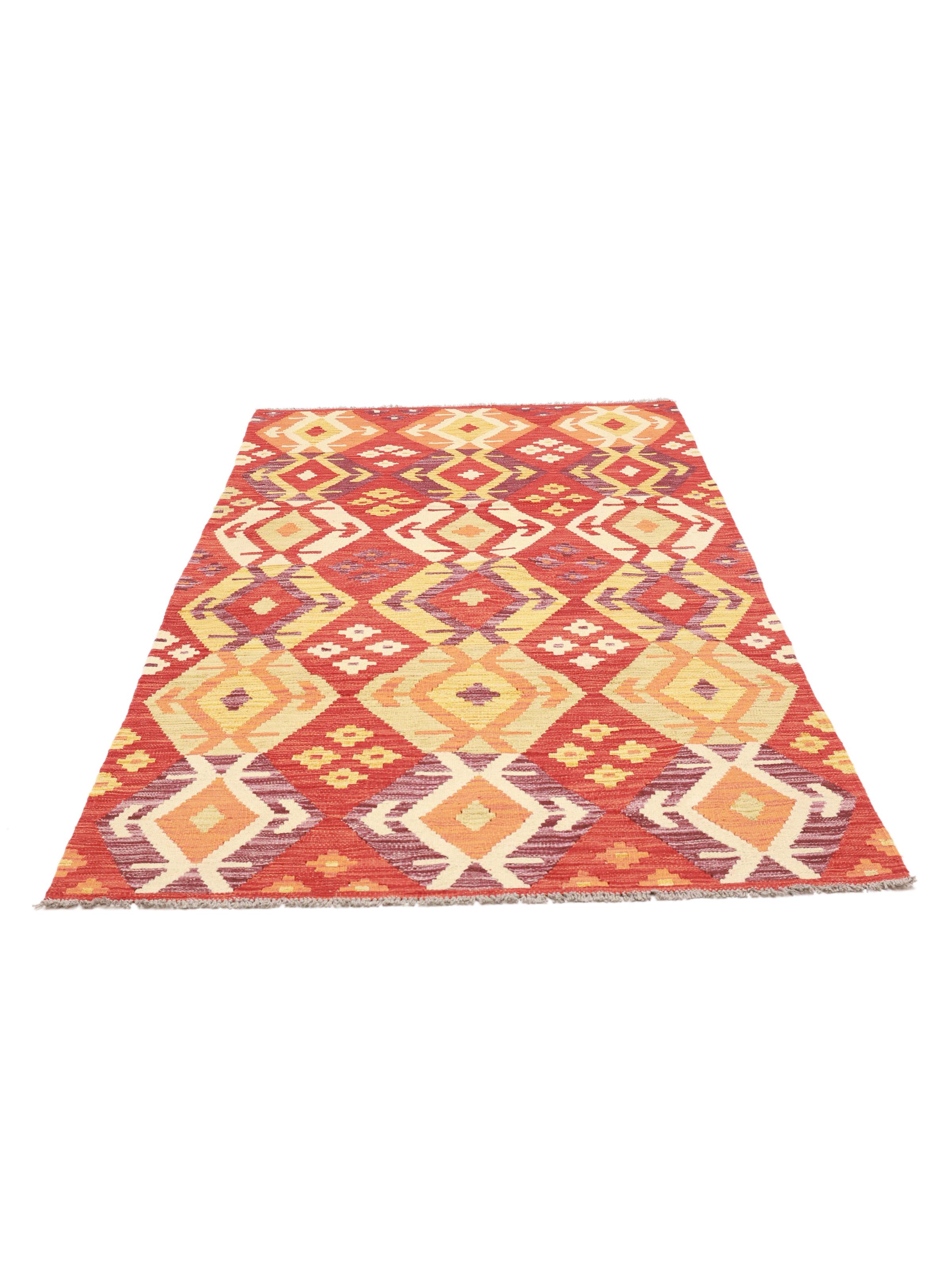
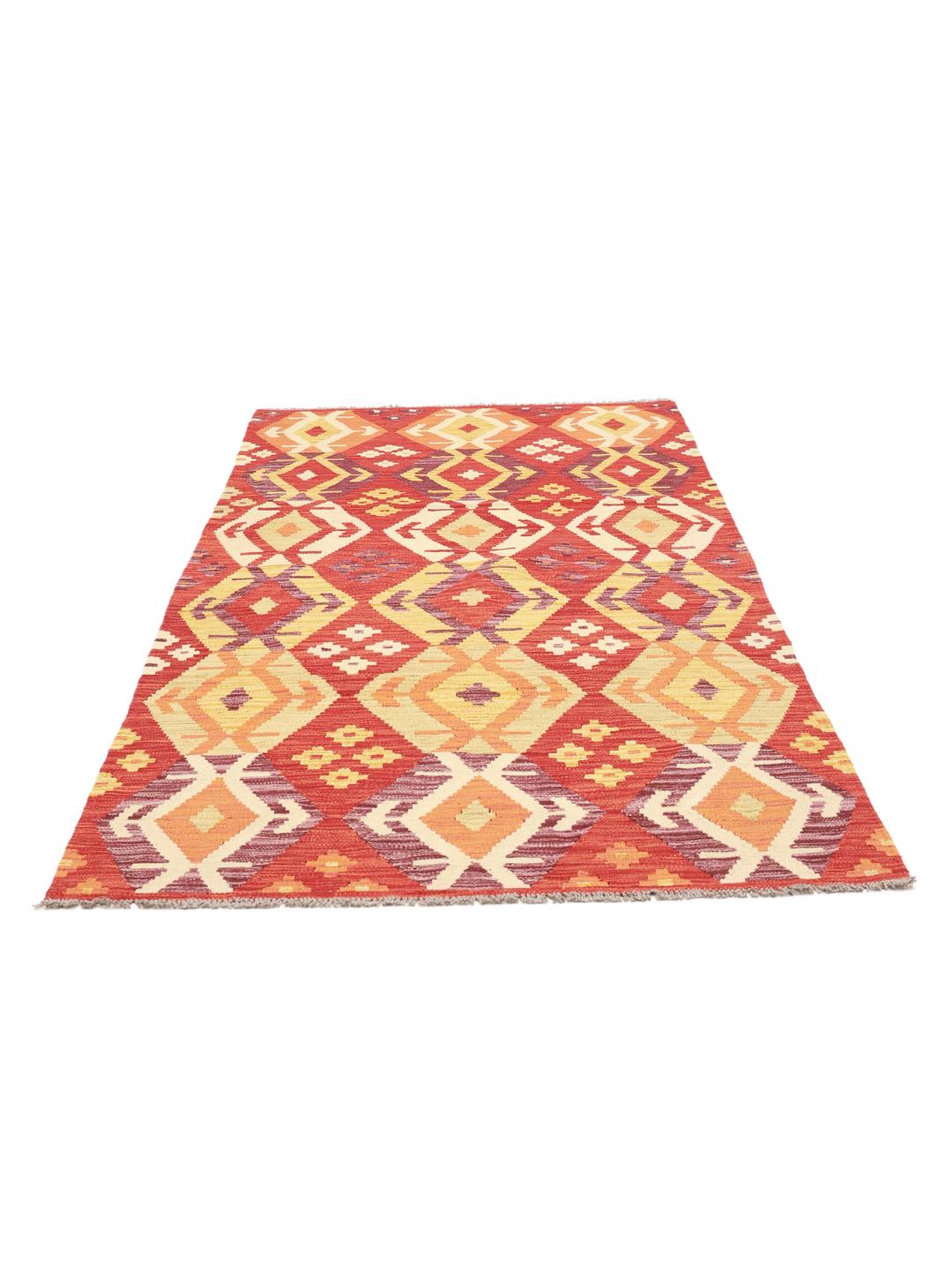
The Afghan Kelim is a celebrated tradition rooted in the nomadic history of the Middle East. These rugs were historically created by tribal peoples who required durable, portable floor coverings that could be easily rolled up and moved during seasonal migrations. Over centuries, these functional necessities evolved into a sophisticated art form, with Afghan weavers becoming renowned for their ability to blend natural dyes with intricate, symbolic patterns.
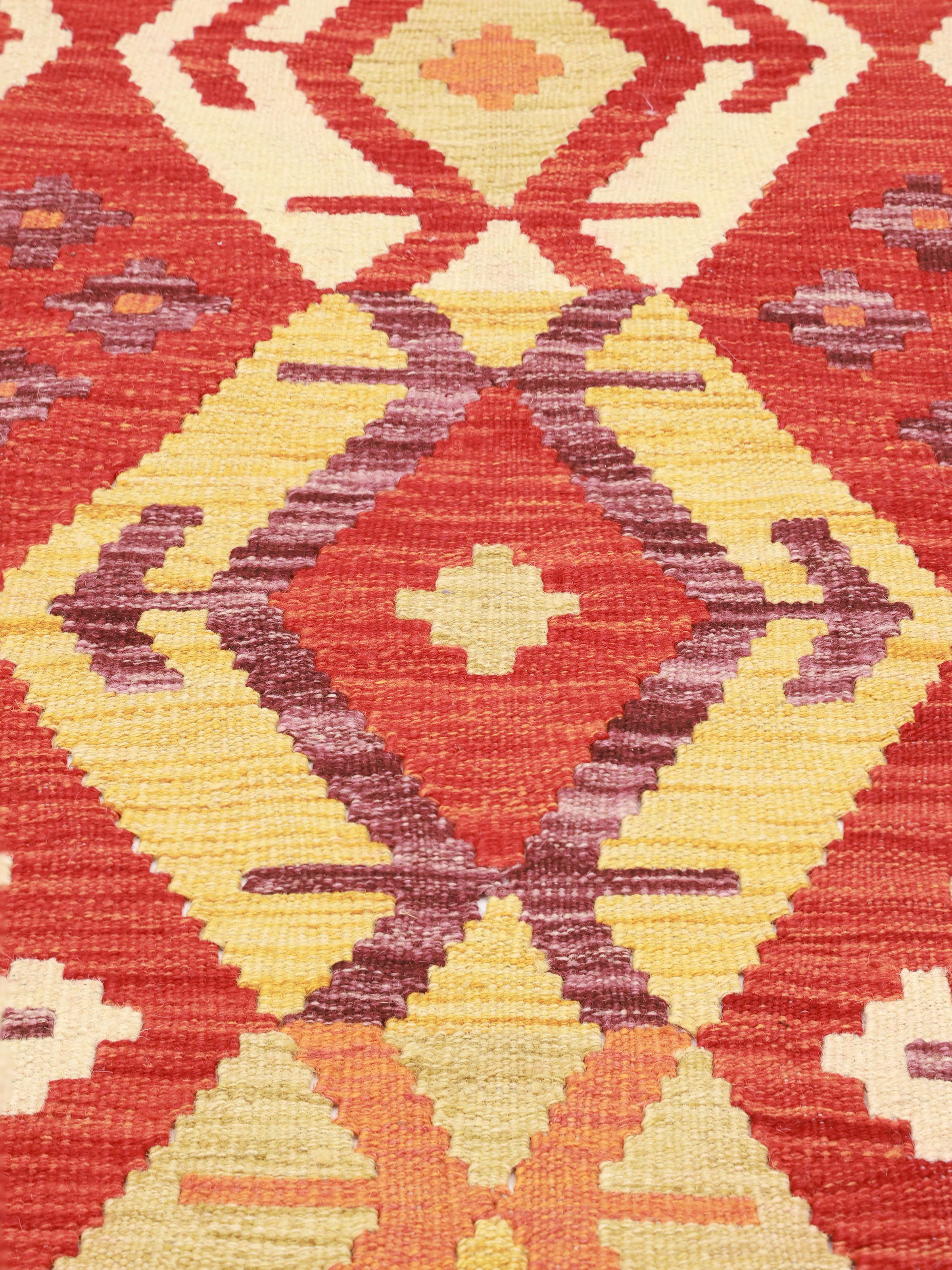
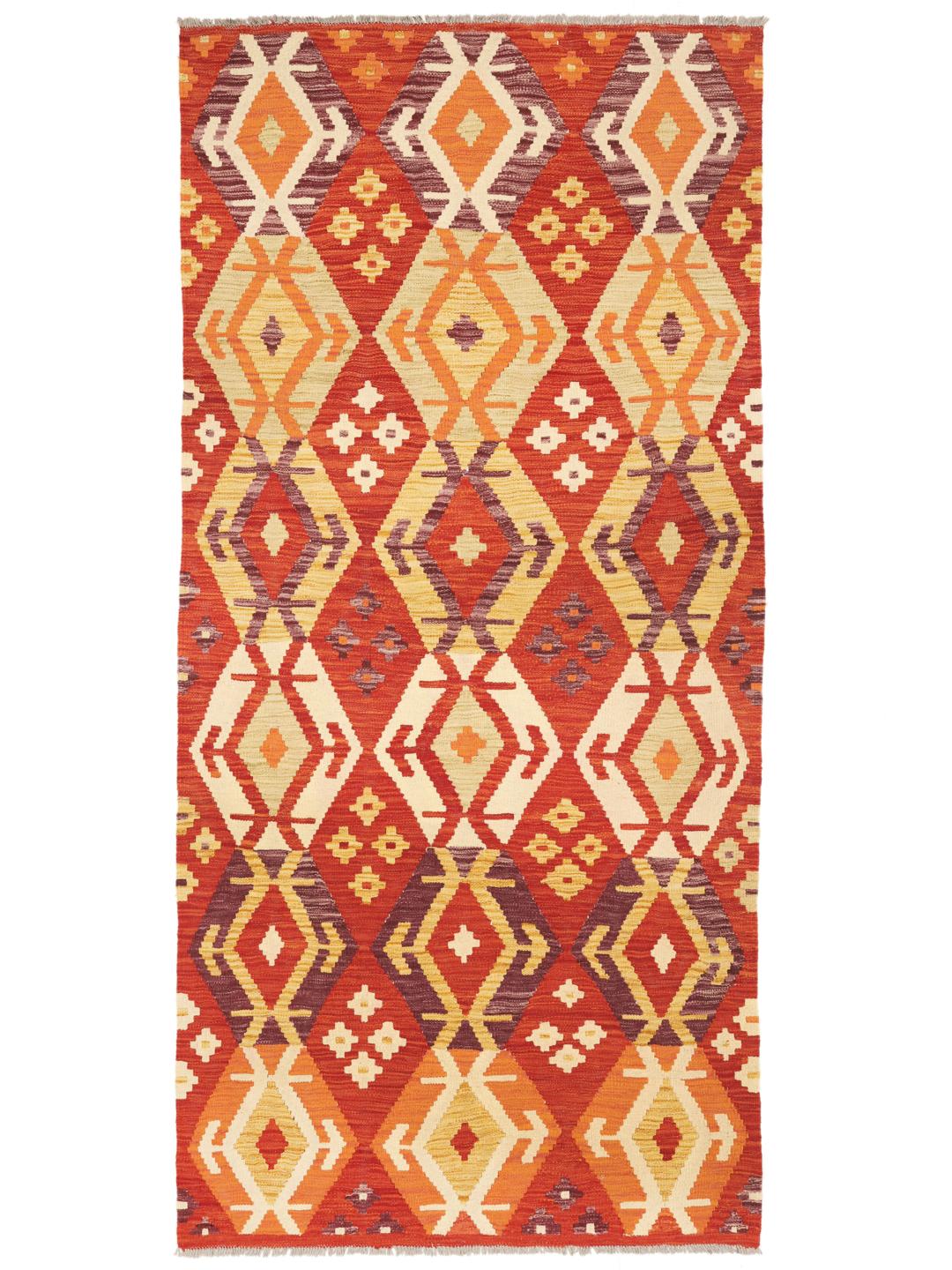
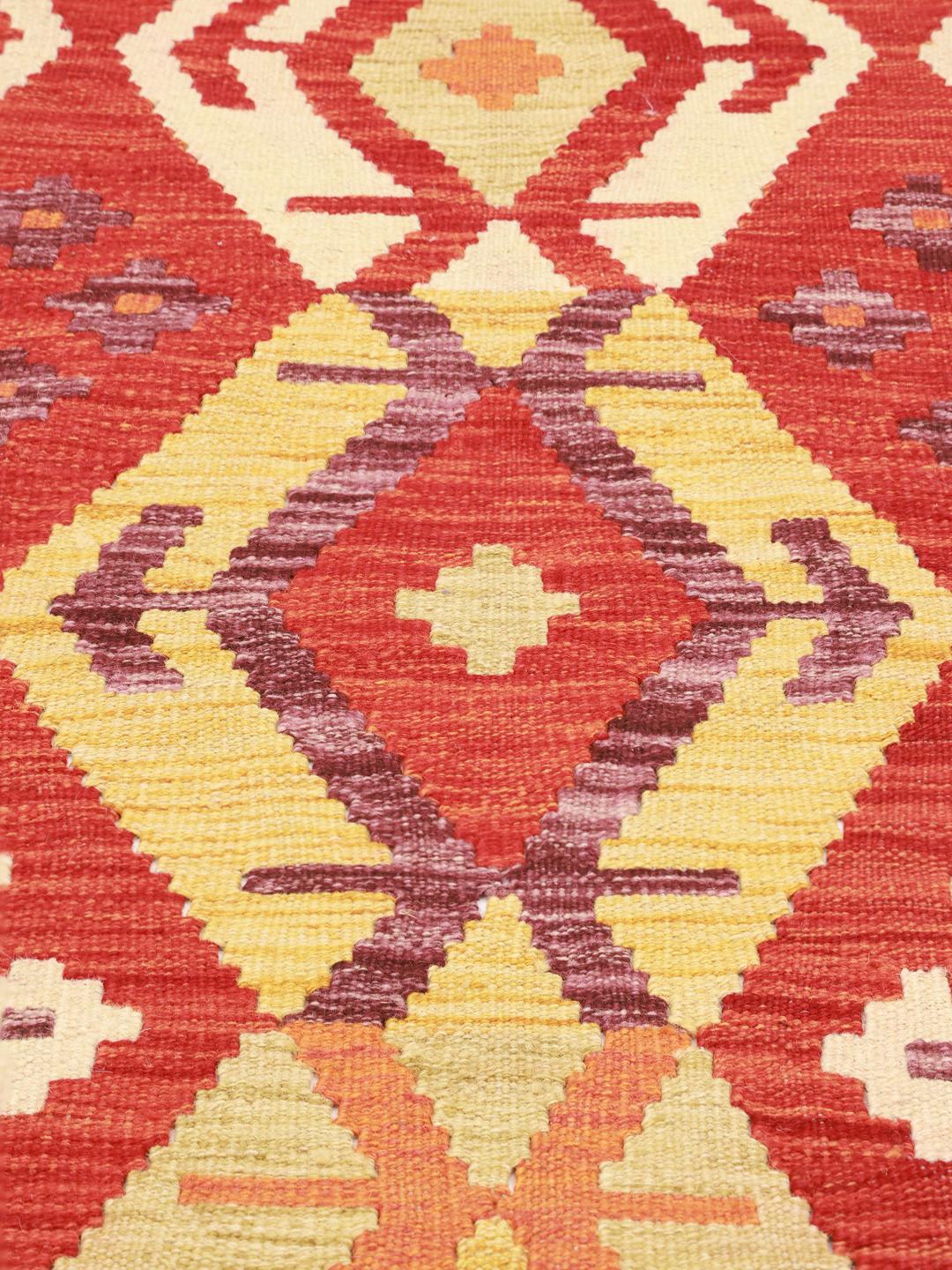
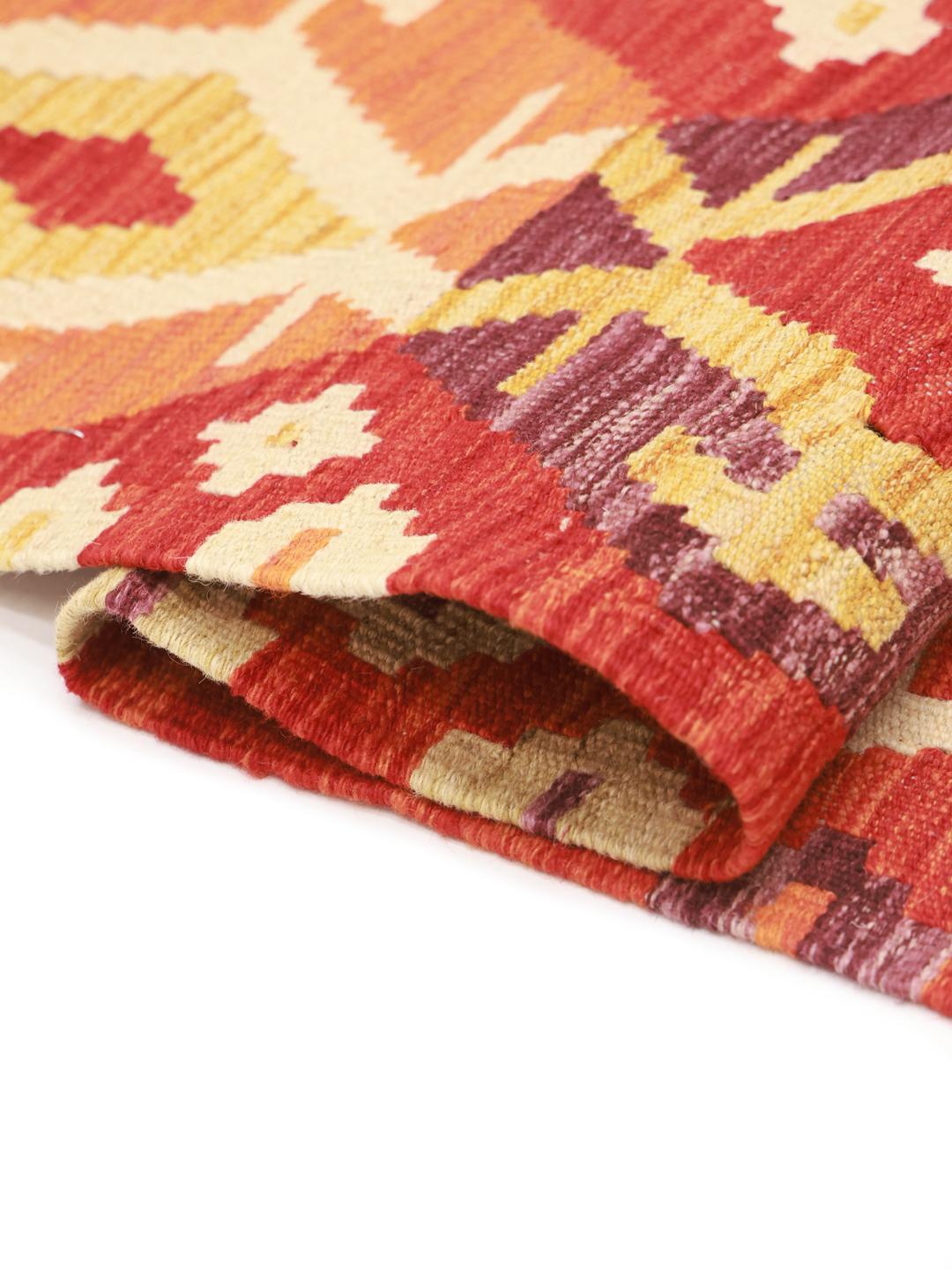
The term 'Kelim' refers specifically to the flat-weaving technique used to create these rugs. Unlike knotted rugs that feature a pile, Kelims are constructed by tightly interlacing the warp and weft threads, resulting in a smooth, reversible surface that is incredibly strong. This technique allows for sharp, crisp geometric lines that are difficult to replicate in high-pile alternatives, making the Kelim a masterpiece of precision and geometric design.
Signature elements of this tradition include the use of bold, repeating medallions and diamonds, often framed by decorative borders that tell a story of the weaver's heritage. The motifs are frequently inspired by the natural world, representing stars, mountains, or tribal symbols. The use of warm, earthy colours like red and orange is a hallmark of the Afghan style, often achieved through traditional vegetable-based dyeing processes that give the Wool a rich, organic depth.
Collecting an Afghan Kelim is an investment in cultural preservation. These rugs are highly valued for their authenticity and the immense skill required to produce them without the aid of modern technology. By bringing one into your home, you are not just acquiring a floor covering but a piece of history that embodies the patience, artistry, and cultural identity of its makers, standing as a testament to a craft that has survived through generations.