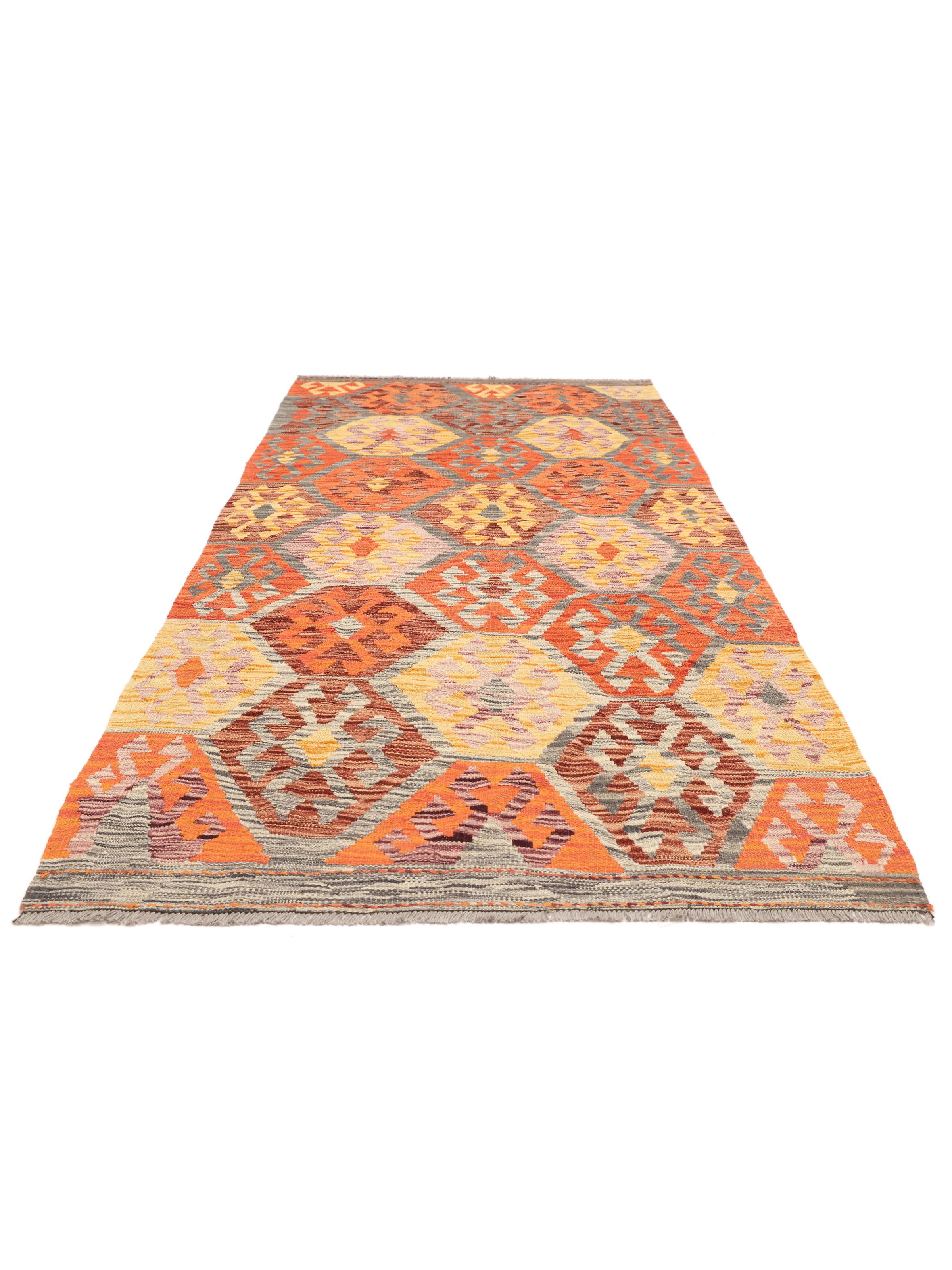
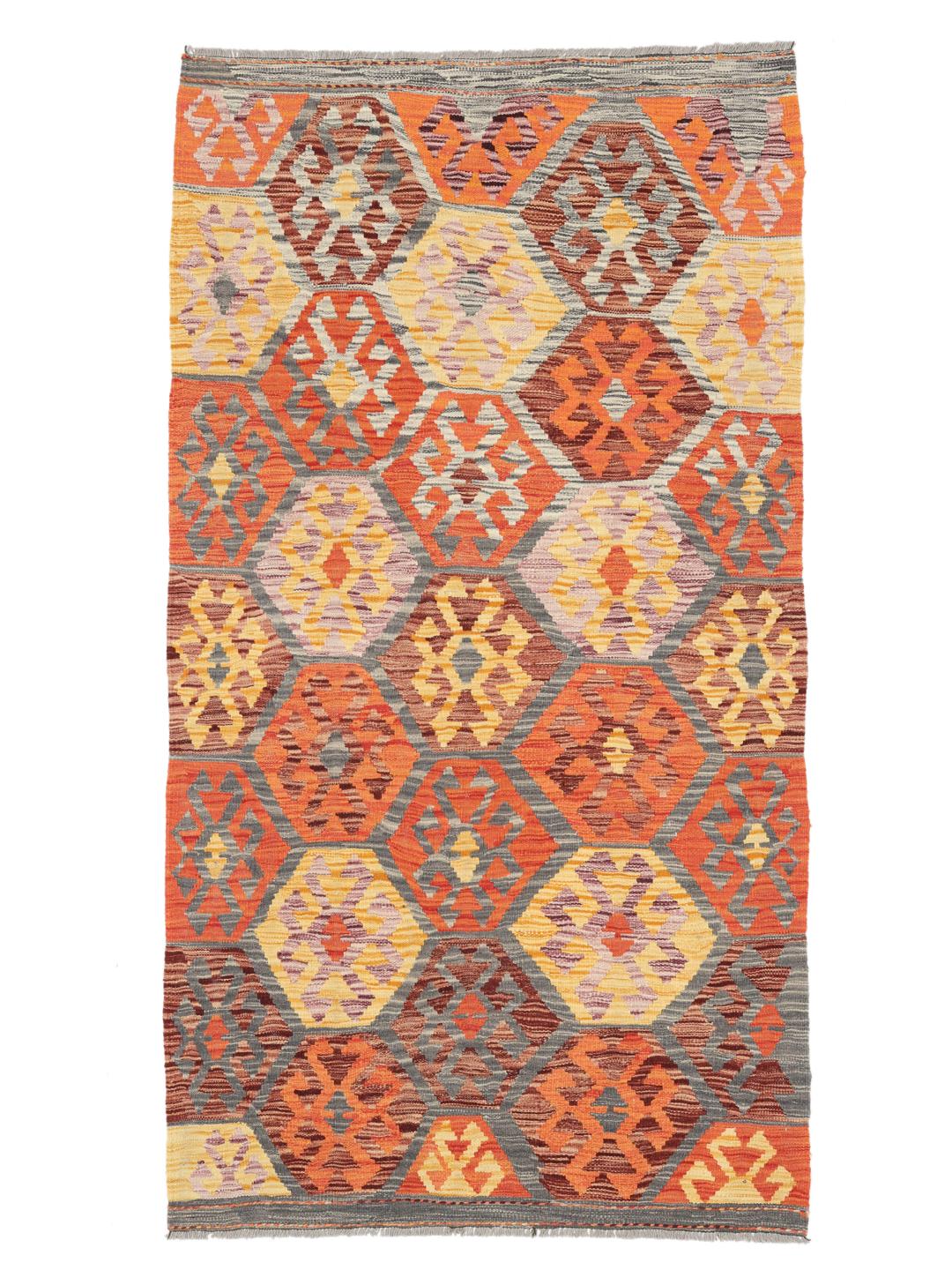
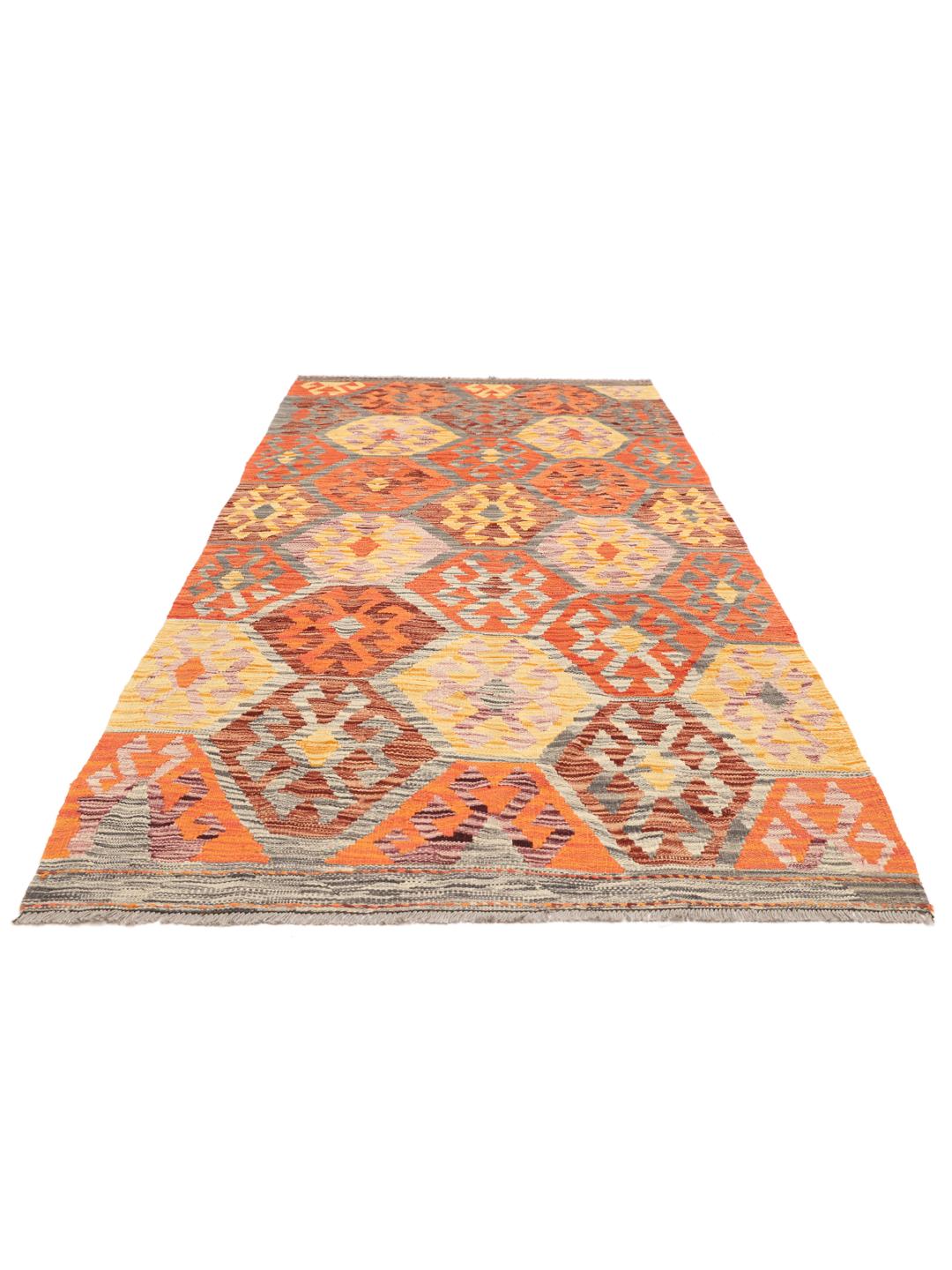
The Afghan kelim tradition is deeply connected to the semi-nomadic lifestyles of the tribes in the Middle East. These flat-woven rugs have served as essential functional items for centuries, used as floor coverings, wall hangings, and storage bags. The knowledge of weaving these textiles is passed down through generations, preserving a cultural identity that is reflected in the unique motifs of each piece.
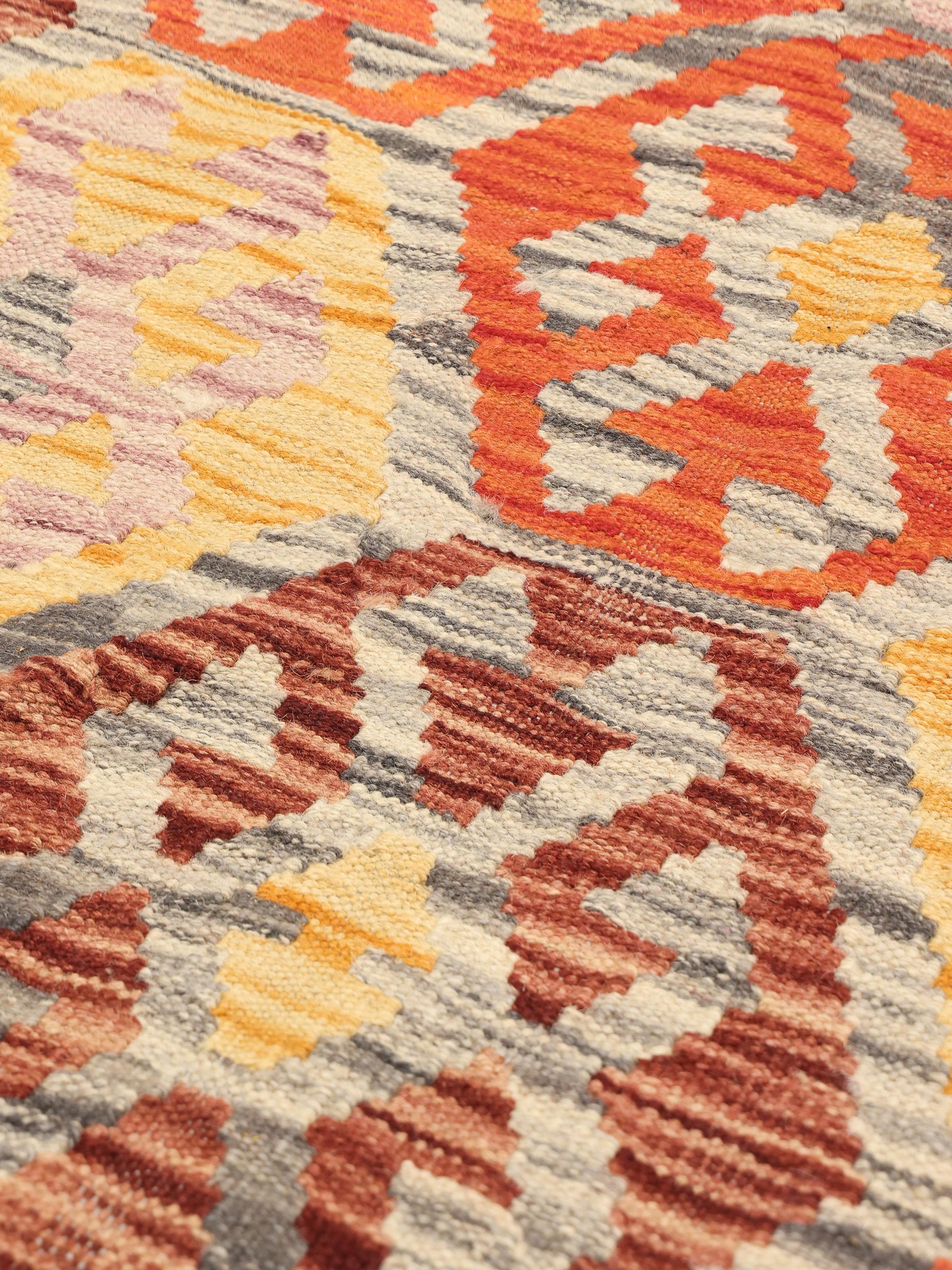
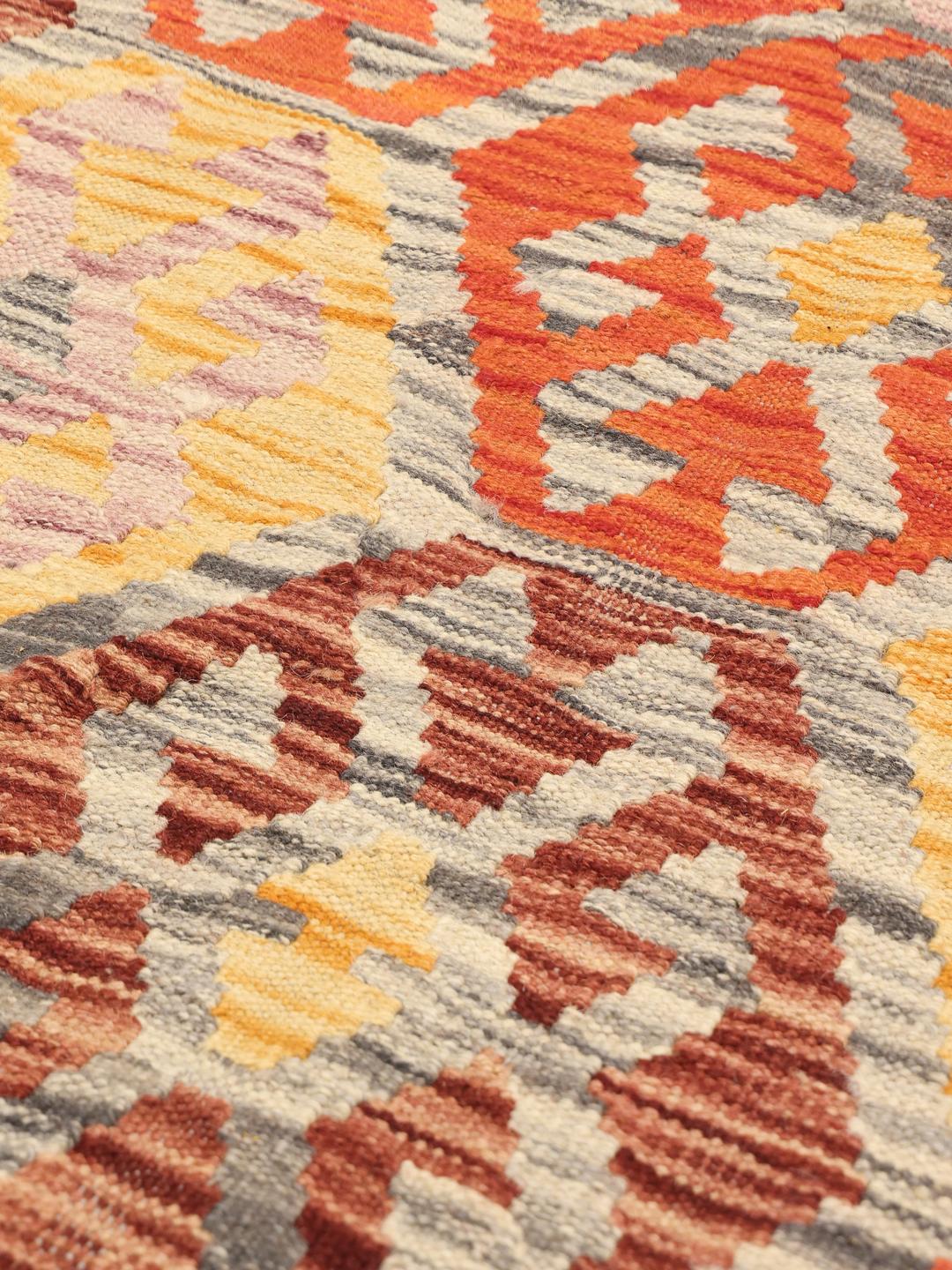
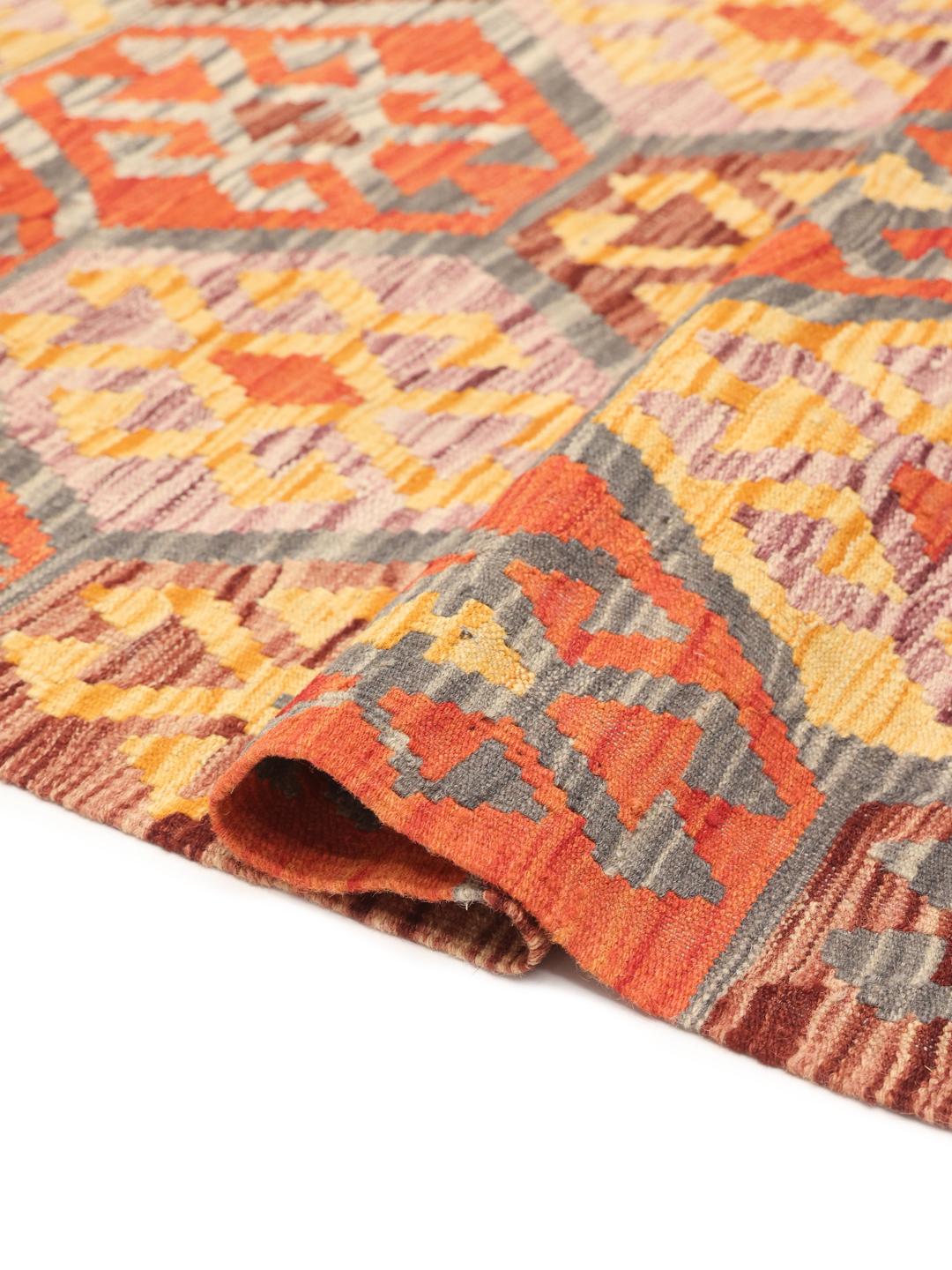
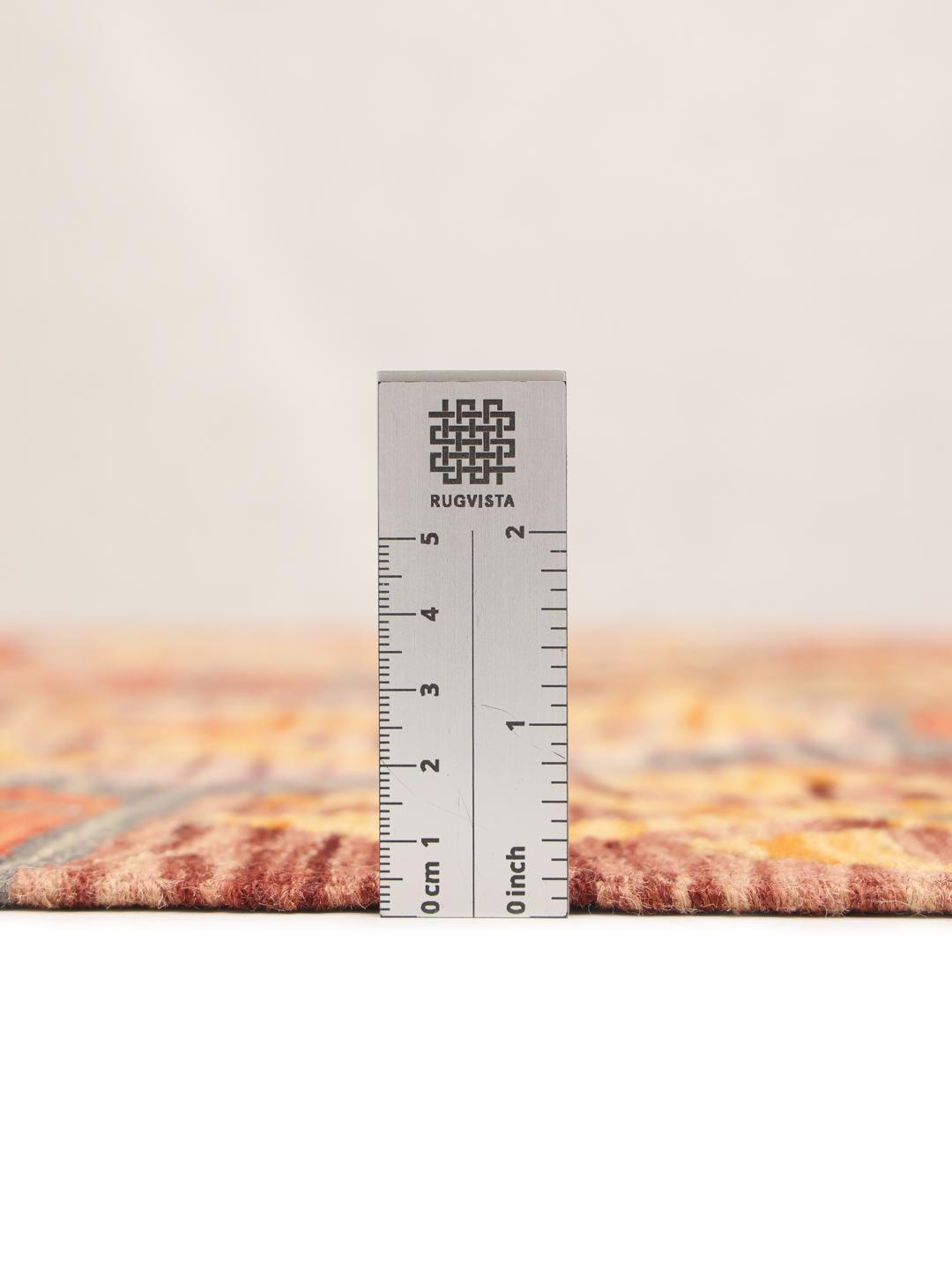
A kelim is characterised by its lack of a pile, created by interlacing the warp and weft threads directly. This technique results in a reversible rug with a clean, graphic aesthetic that highlights the skill of the weaver. The density of the weave is crucial, as it determines the rug's ability to withstand daily use while maintaining its form.
The visual language of these rugs is defined by bold geometric patterns, often featuring diamonds, hexagons, and intricate borders. These designs are not merely decorative but often carry symbolic meanings related to protection, fertility, and the weaver's environment. The use of vibrant, locally sourced dyes gives these rugs their characteristic warmth and depth.
Collecting Afghan kelims is a way to preserve a living history of textile art. Each rug serves as a document of the region's artistic evolution, representing a commitment to craft that is increasingly rare in the modern world. Owning such a piece is an investment in human skill and a celebration of a tradition that has remained vibrant for centuries.