Kelim rugs have a long and storied history within the nomadic tribes of the Middle East, particularly in Afghanistan. These rugs were traditionally created to serve as functional, portable items for nomadic life, used as floor coverings, wall hangings, or even storage bags, reflecting a tradition where beauty and utility are inextricably linked.
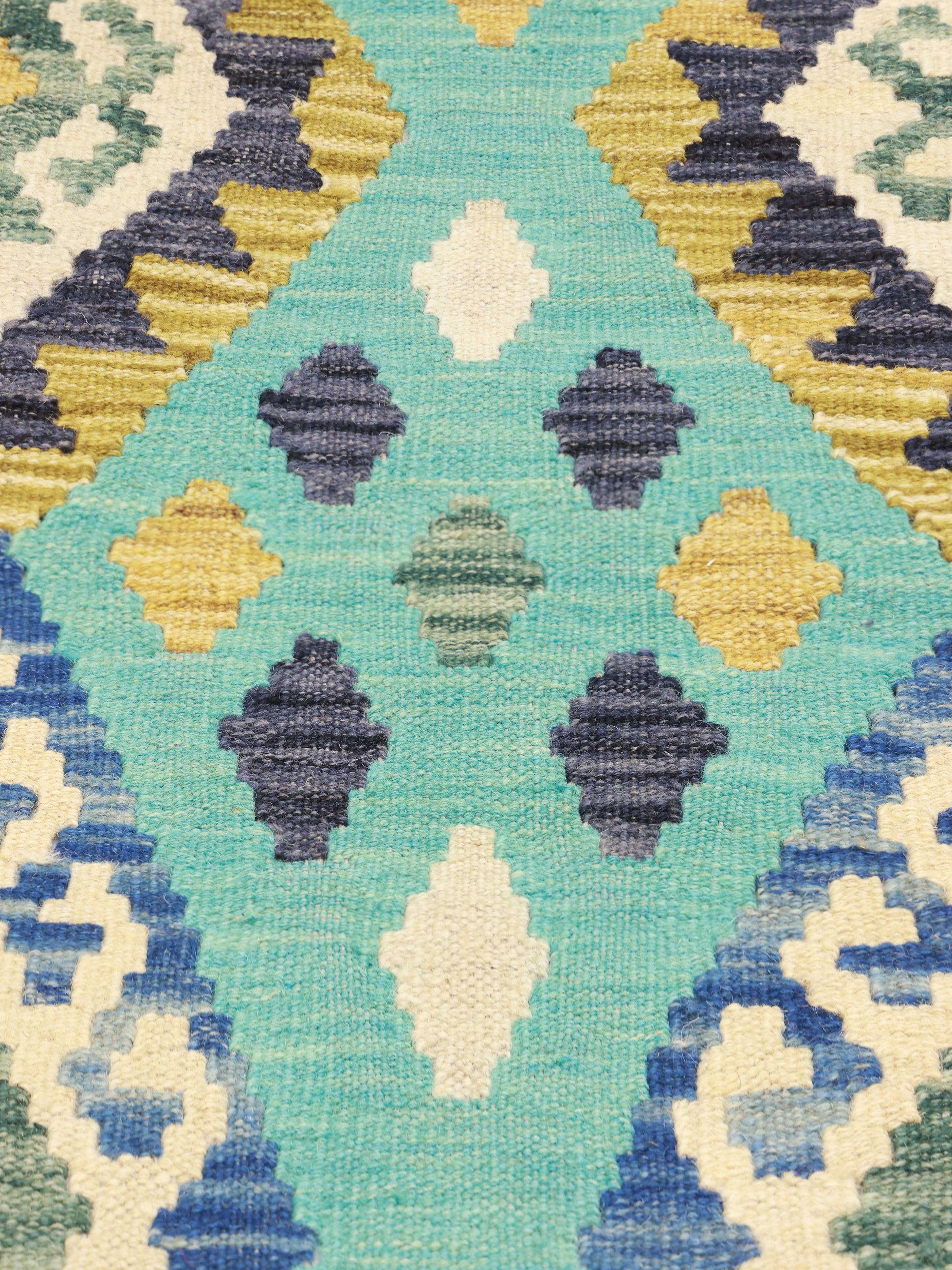
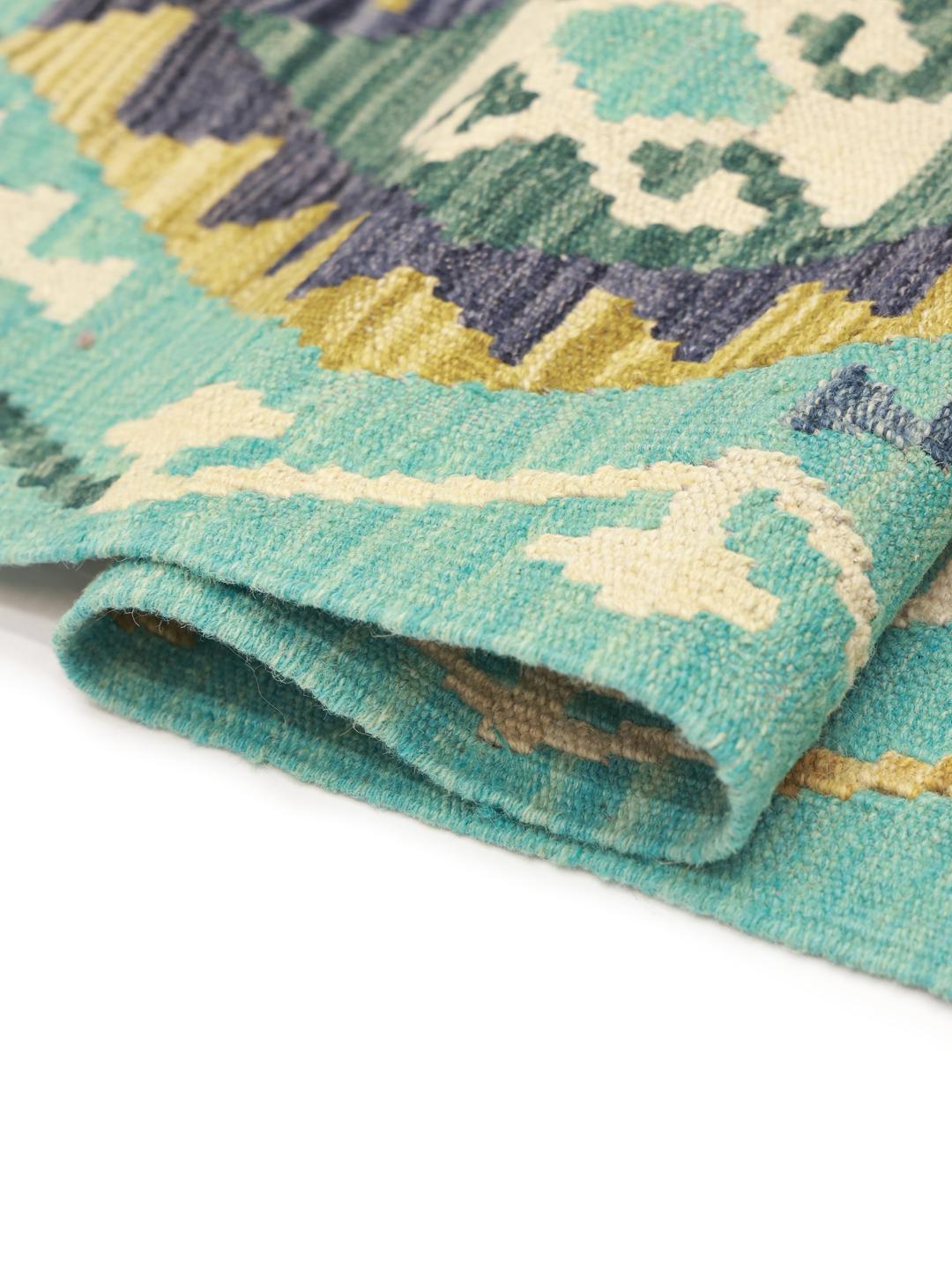
The term Kelim refers to the specific flat-weave technique where the weft and warp threads are interlaced to create a pattern, resulting in a rug without a pile. This method requires immense precision and an intimate knowledge of tension, as the design is created simultaneously with the structure of the rug itself, demanding a high level of expertise from the weaver.
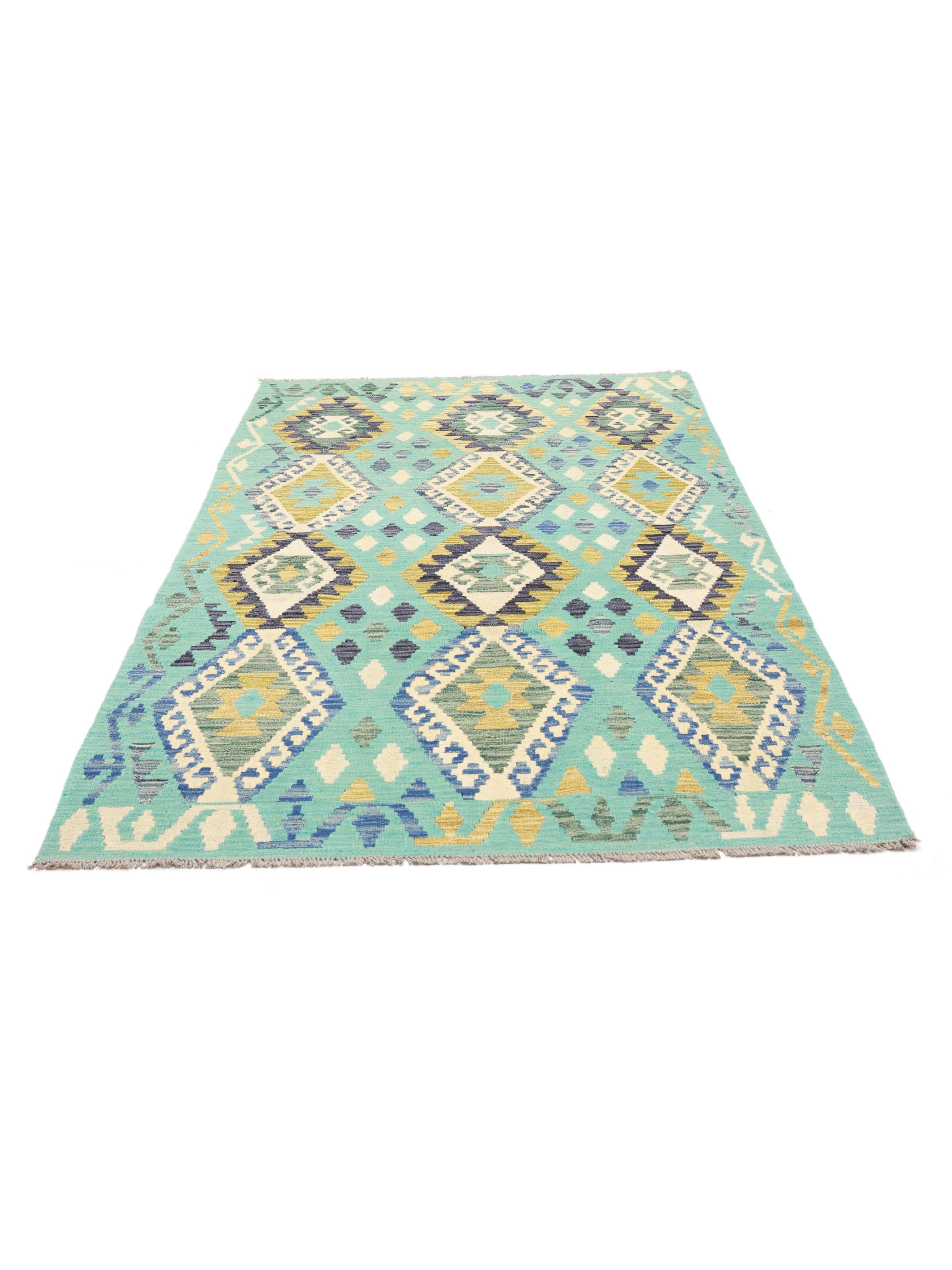
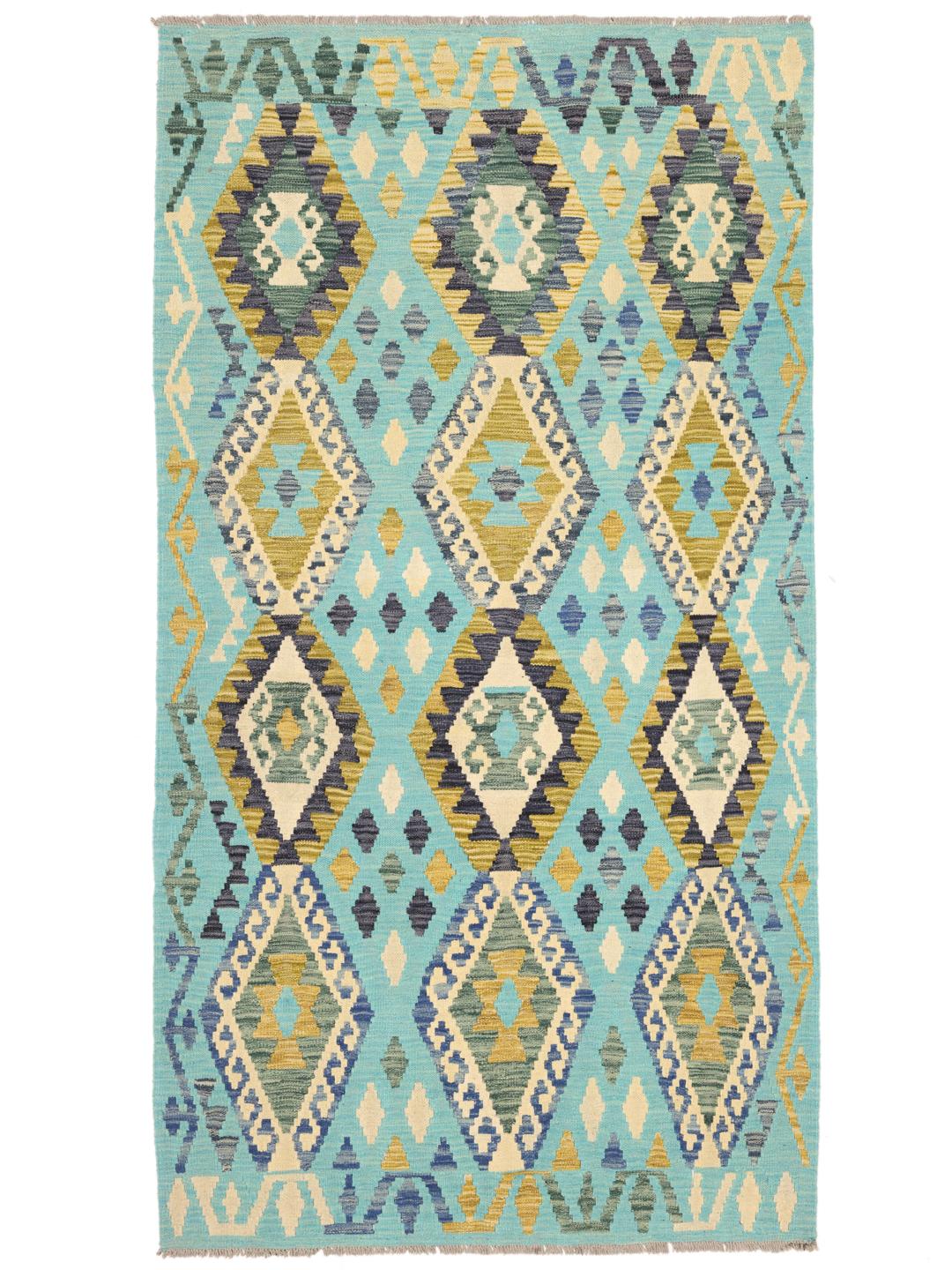
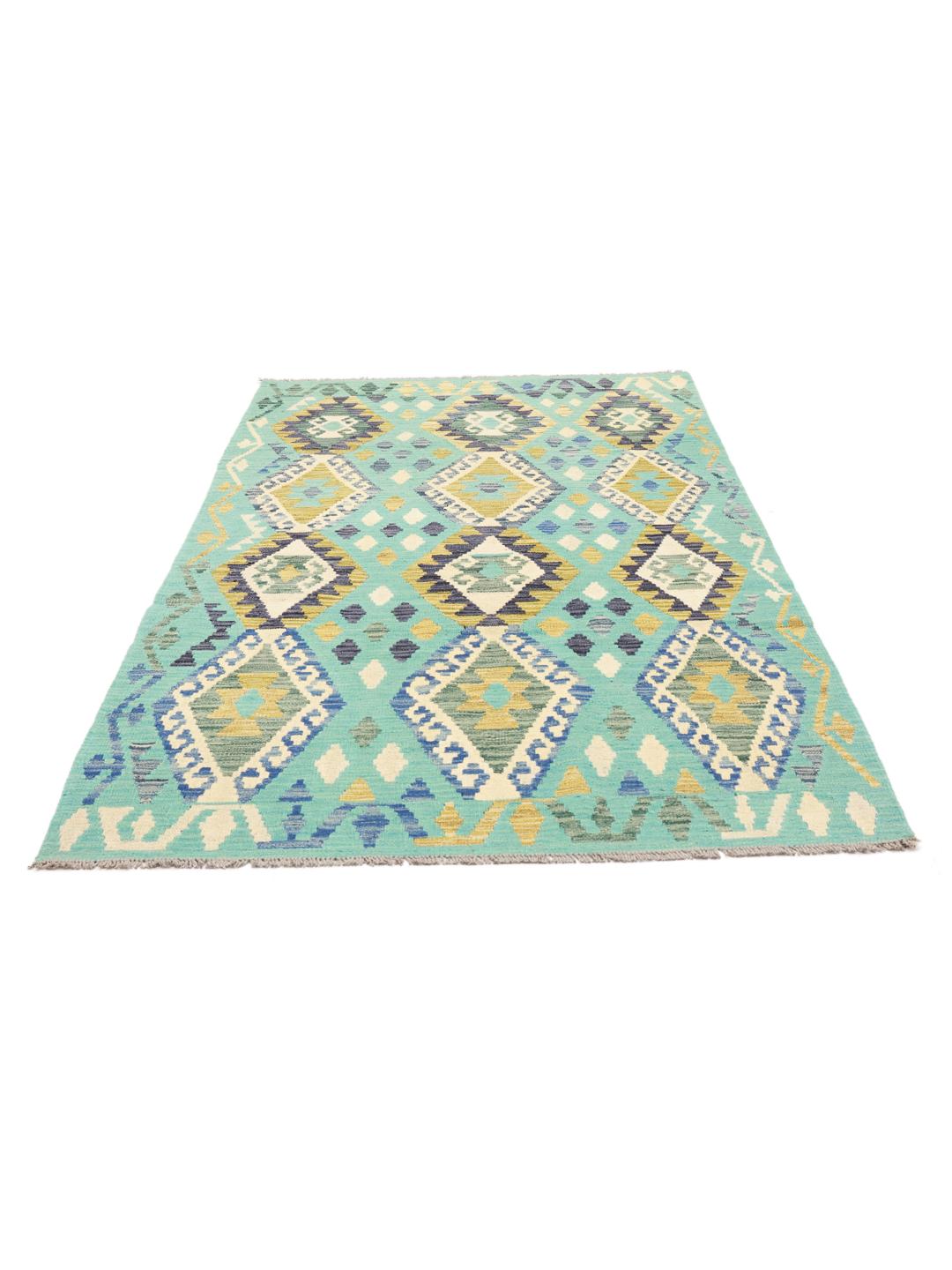
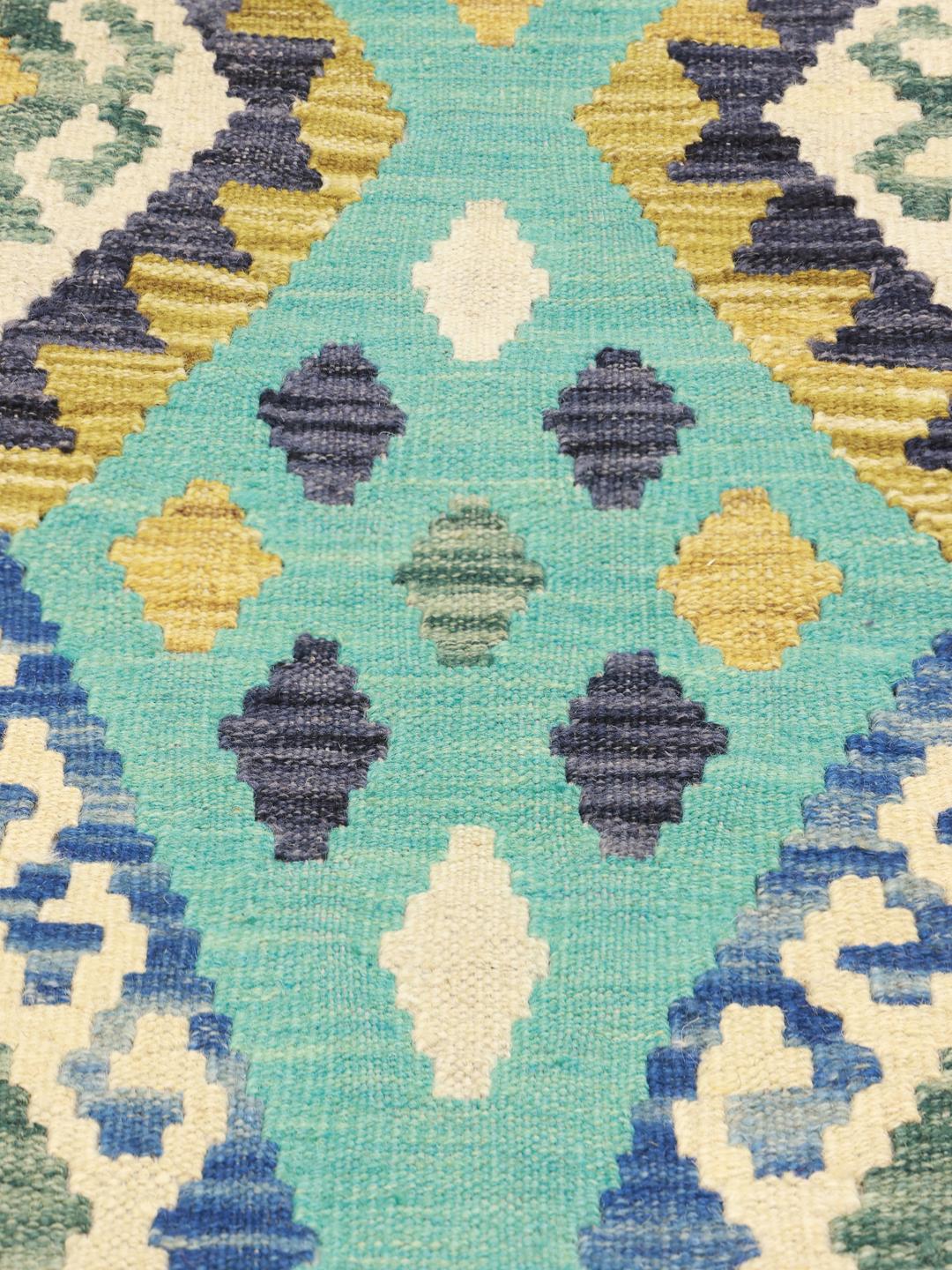
Visually, these rugs are defined by their sharp, geometric aesthetic. You will often find diamond motifs, jagged borders, and repeating patterns that have been passed down through generations of families. The use of bold, contrasting colours is a hallmark of the old-style tradition, designed to stand out against the landscape of the regions where they were first created.
Collecting a Kelim is an act of preserving cultural heritage. These rugs are valued not only for their striking visual presence but also for the skill required to produce them. By choosing a piece like this, you are participating in a tradition of craft that has endured for centuries, connecting your modern home to a rich, global history of artistic expression.