Kelim rugs have been woven for centuries across the Middle East and Central Asia, serving as essential functional items for nomadic and semi-nomadic tribes. These textiles were traditionally used as floor coverings, tent dividers, and storage bags, designed to be portable yet incredibly resilient against the harsh conditions of daily life.
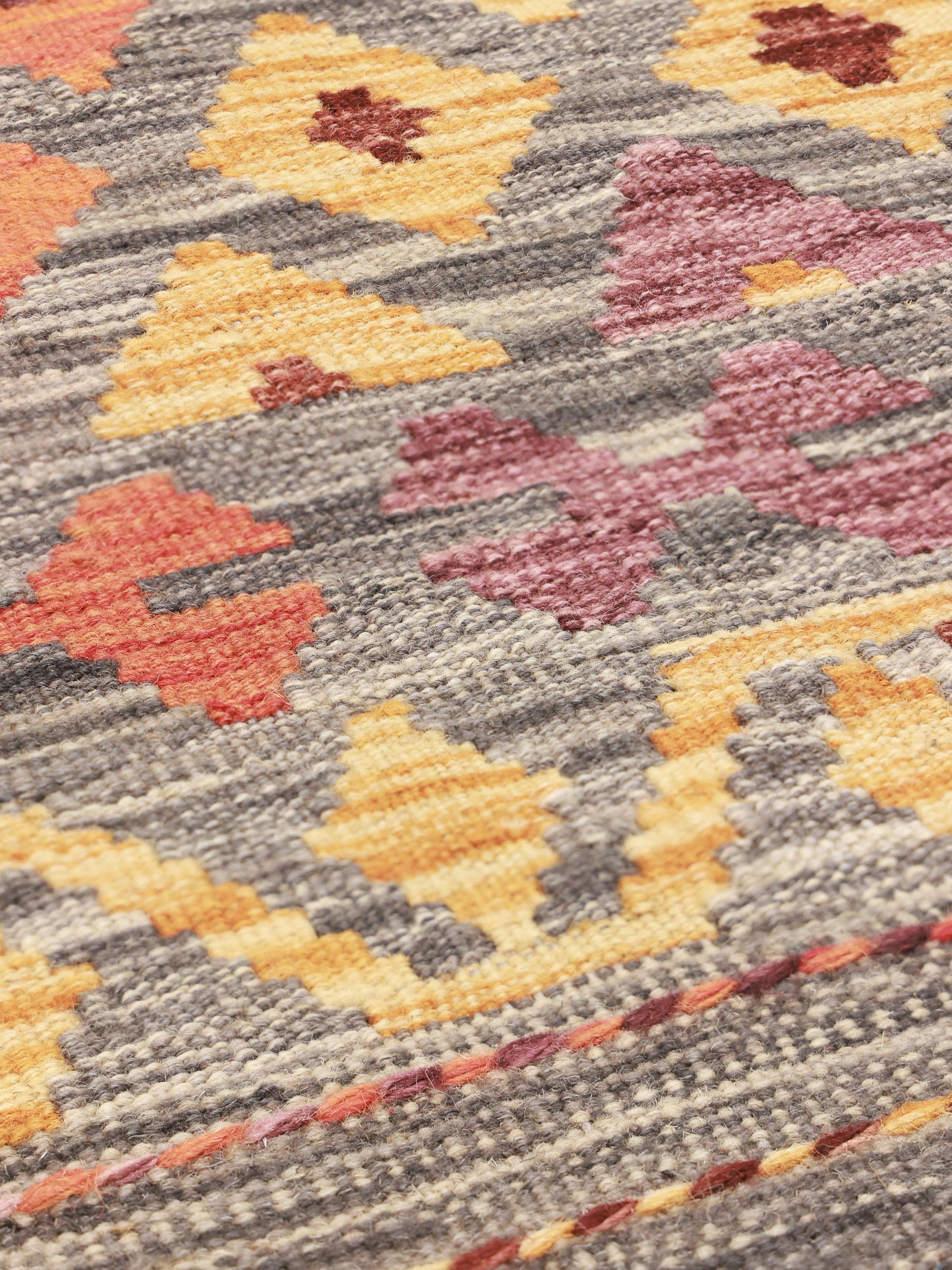
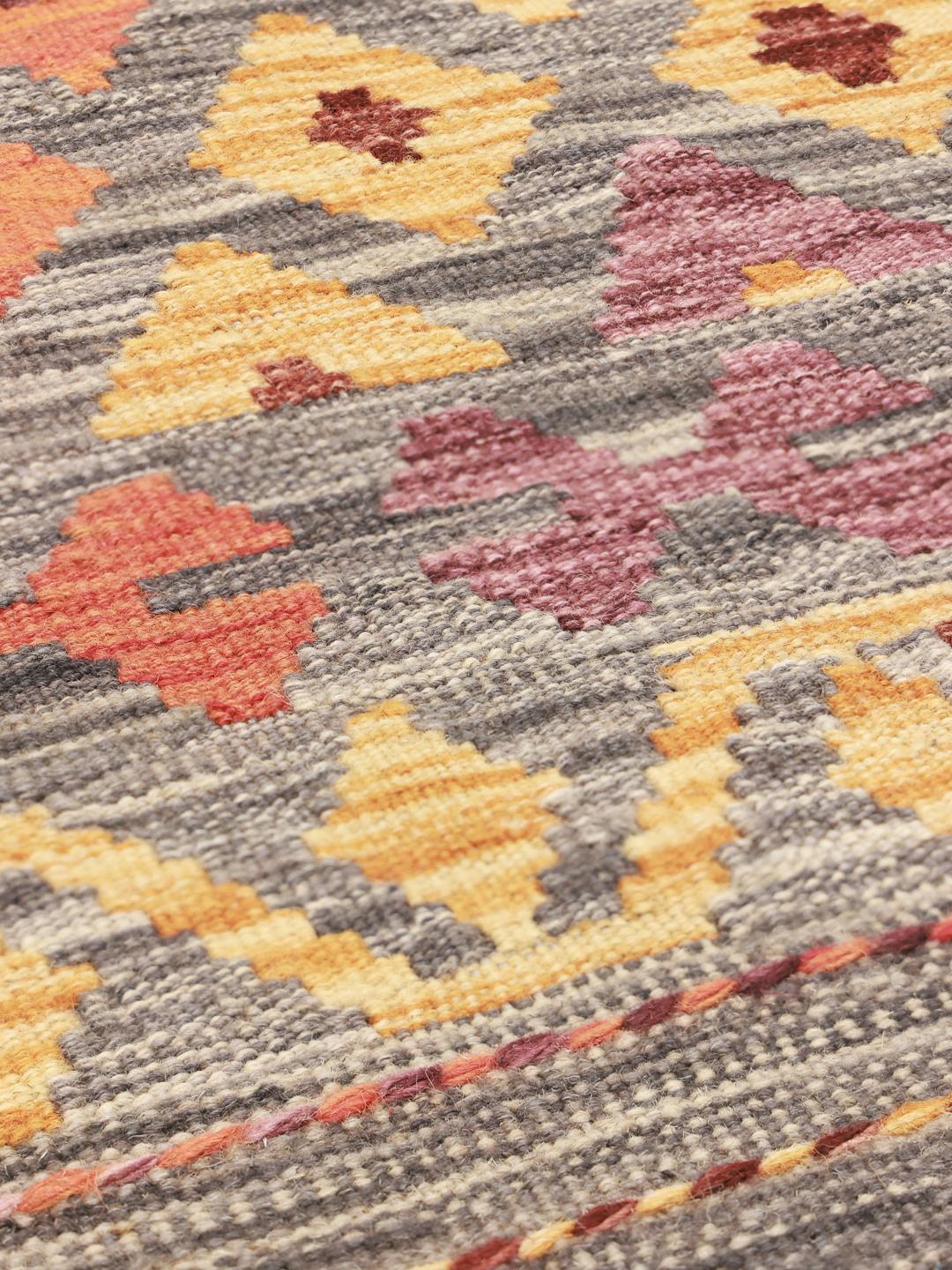
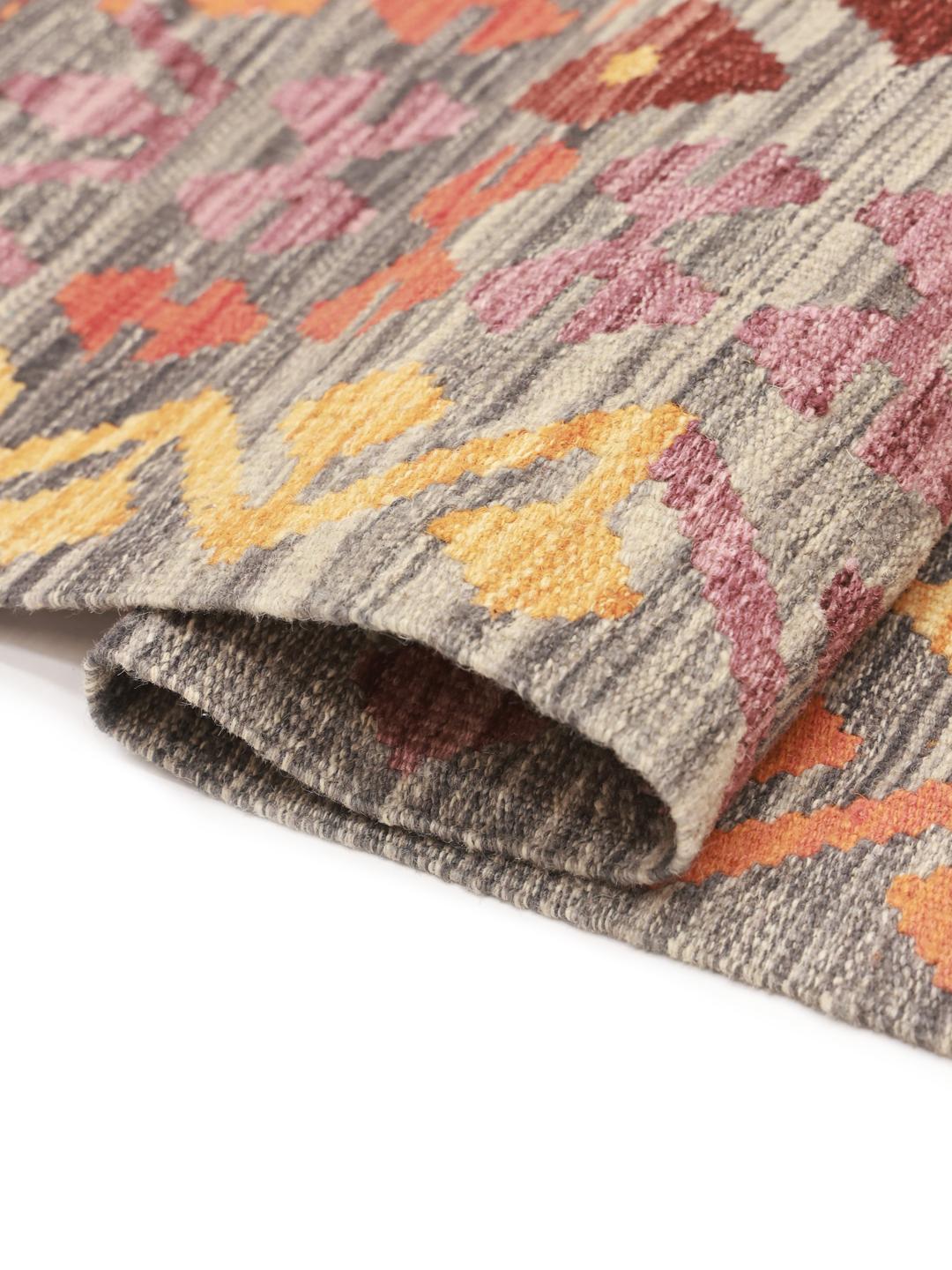
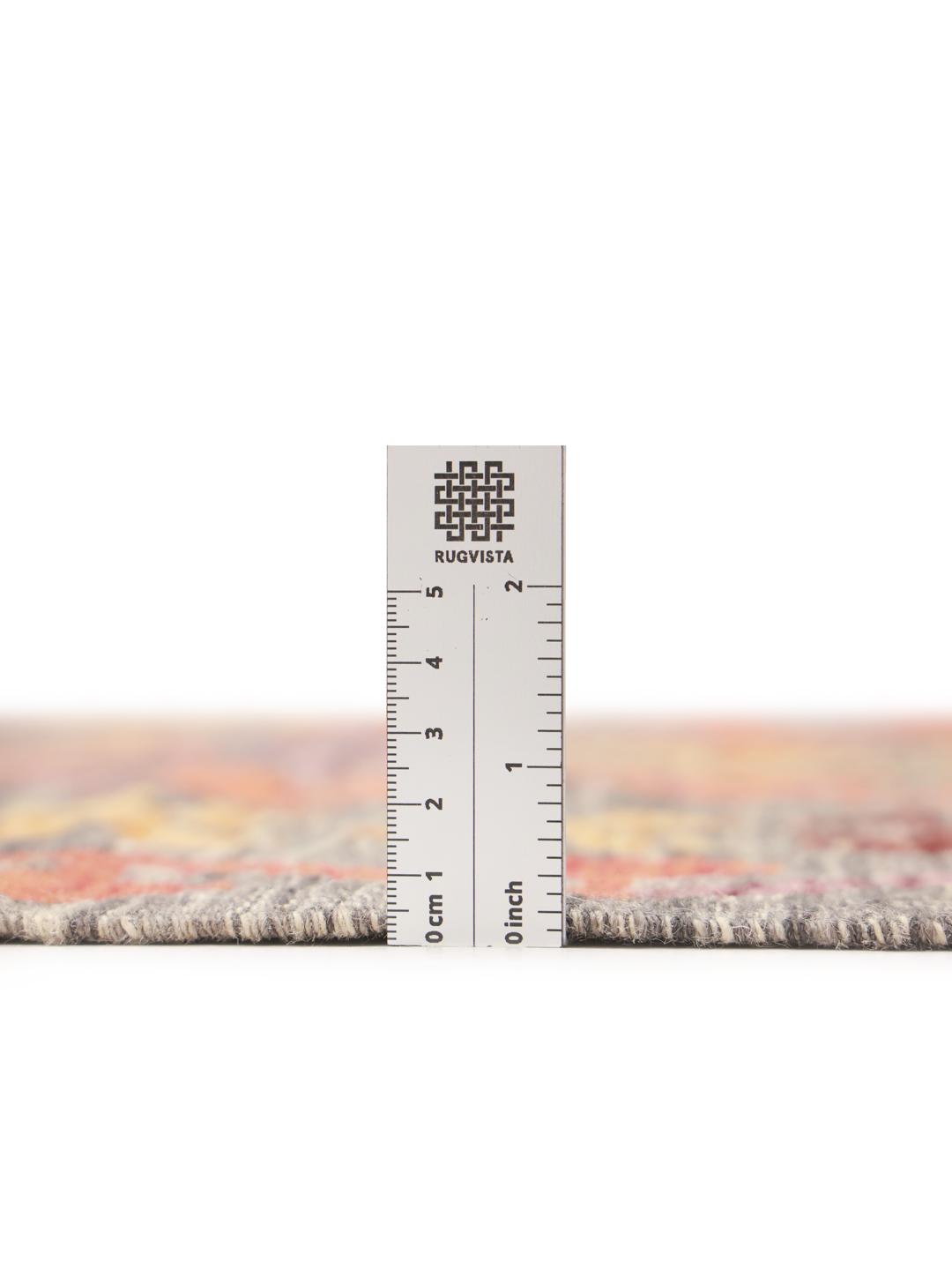
The term 'Kelim' refers to the specific flat-weaving technique where the weft threads are passed through the warp threads to create the pattern. Unlike pile rugs, which are knotted, Kelims are reversible and possess a lighter, more streamlined appearance. This technique allows for crisp, angular designs and a tight, compact structure that has made these rugs prized for their longevity.
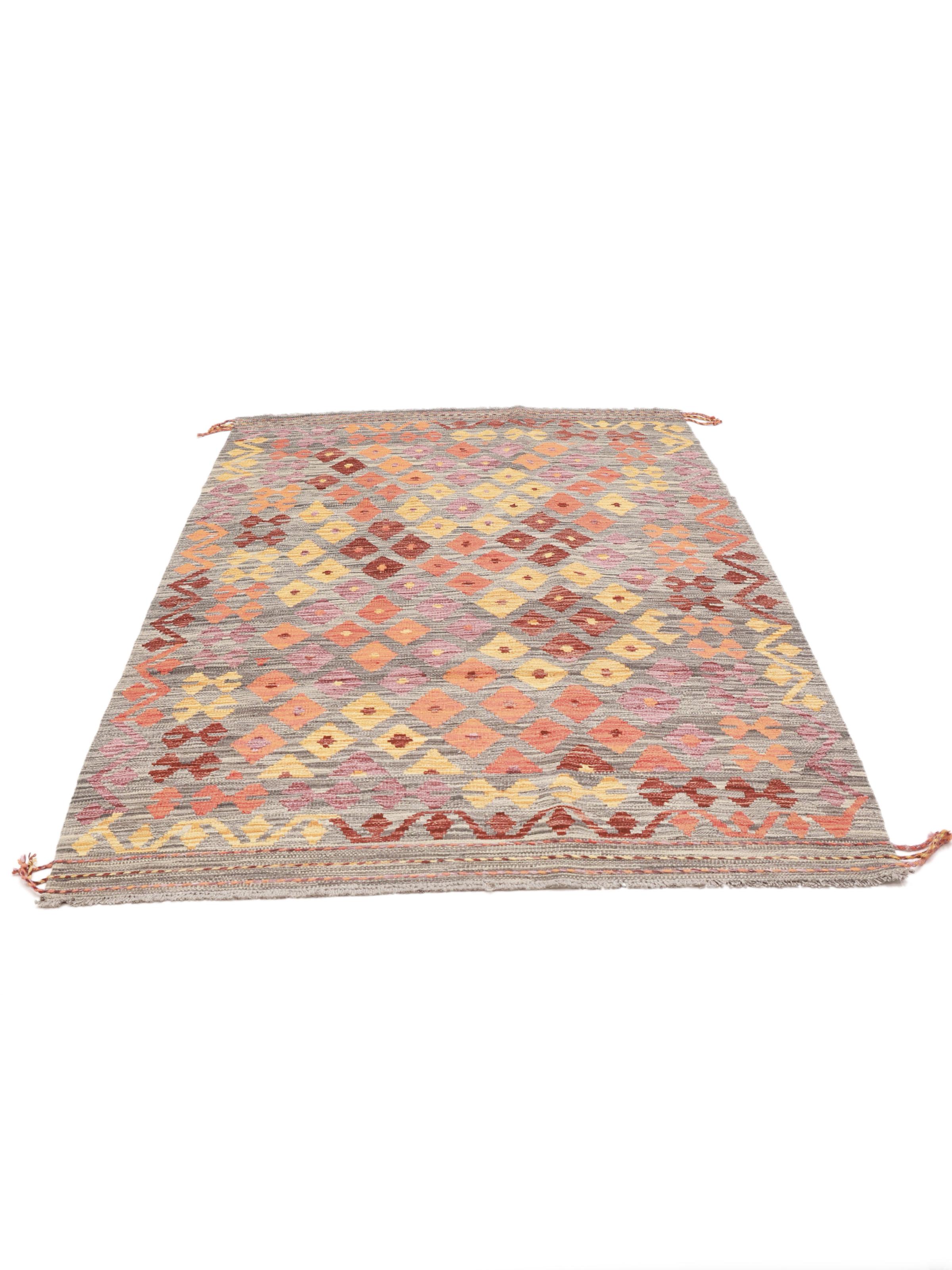
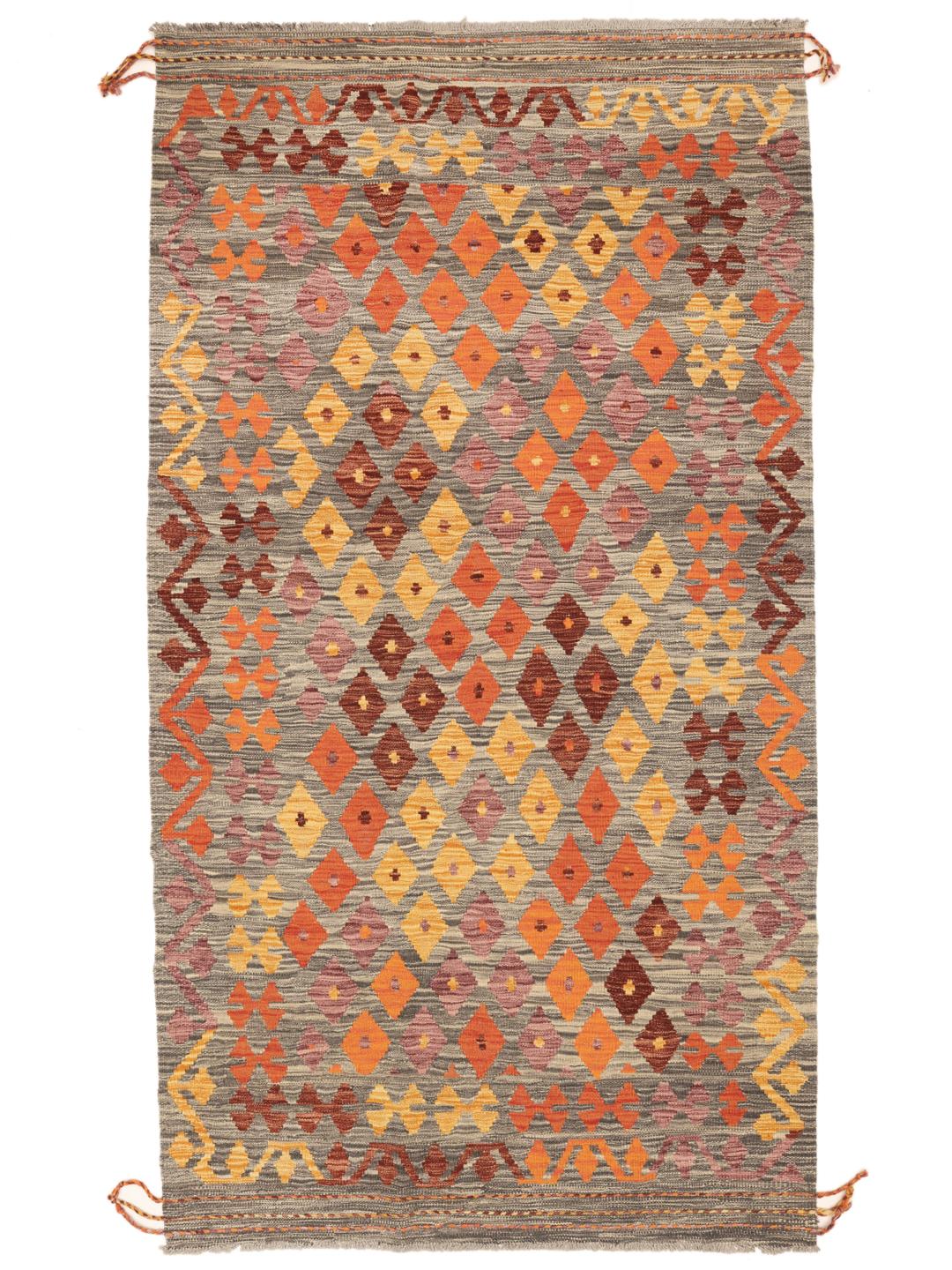
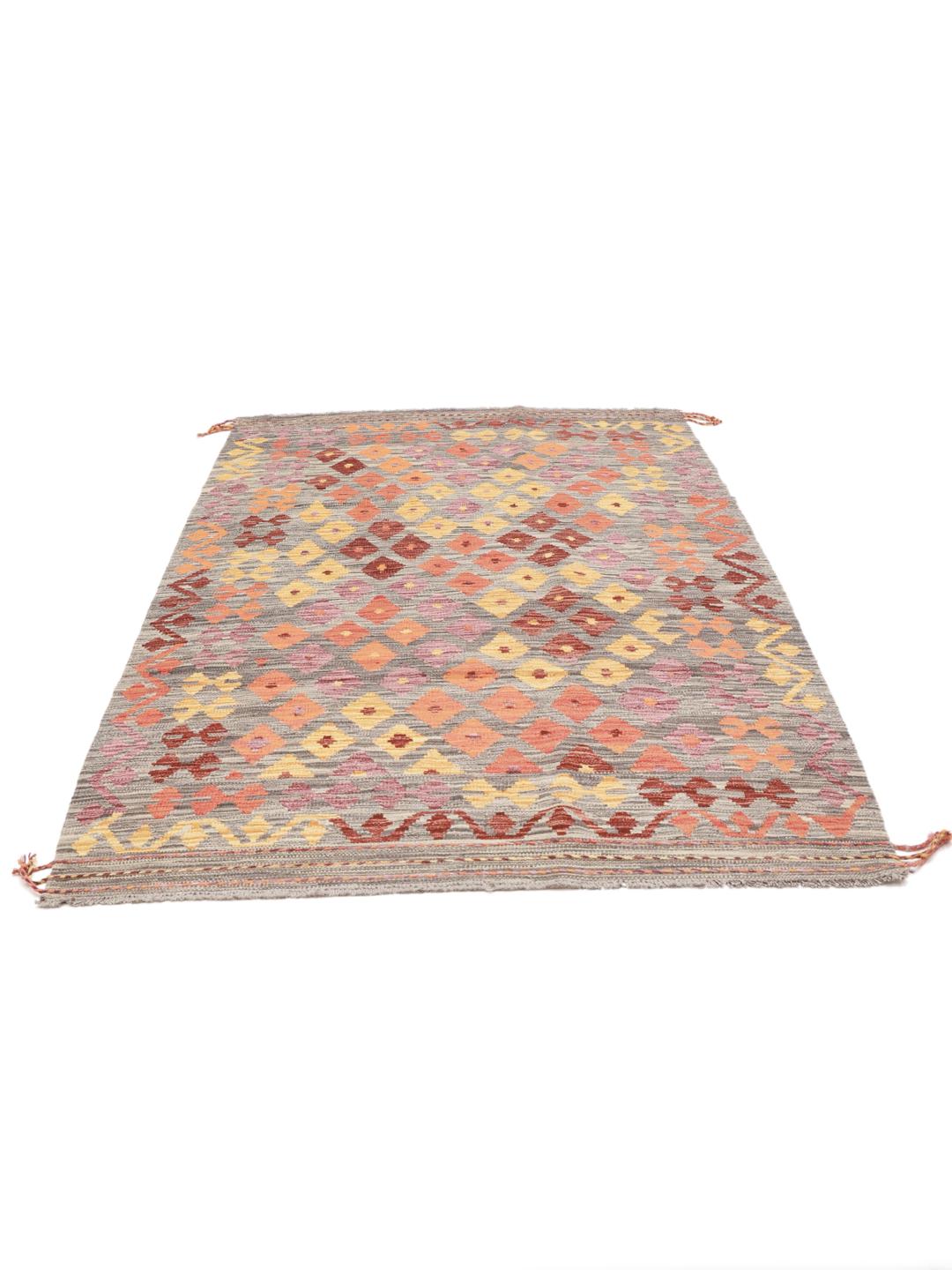
The design of this particular rug is defined by its bold geometric motifs and repeating diamond shapes, which are hallmark elements of the regional tradition. These patterns are often symbolic, passed down through generations of weavers as a visual language. The warm, earthy tones are typically achieved through natural dyes derived from local plants and minerals, giving the rug a vibrant character that ages beautifully.
Owning an Afghan Kelim is an investment in cultural heritage and human skill. These pieces are not merely decorative but are artefacts of a living tradition that values communal history and individual artistry. By bringing a Kelim into your home, you are continuing a long legacy of craft, supporting the preservation of techniques that define the aesthetic landscape of Central Asian weaving.