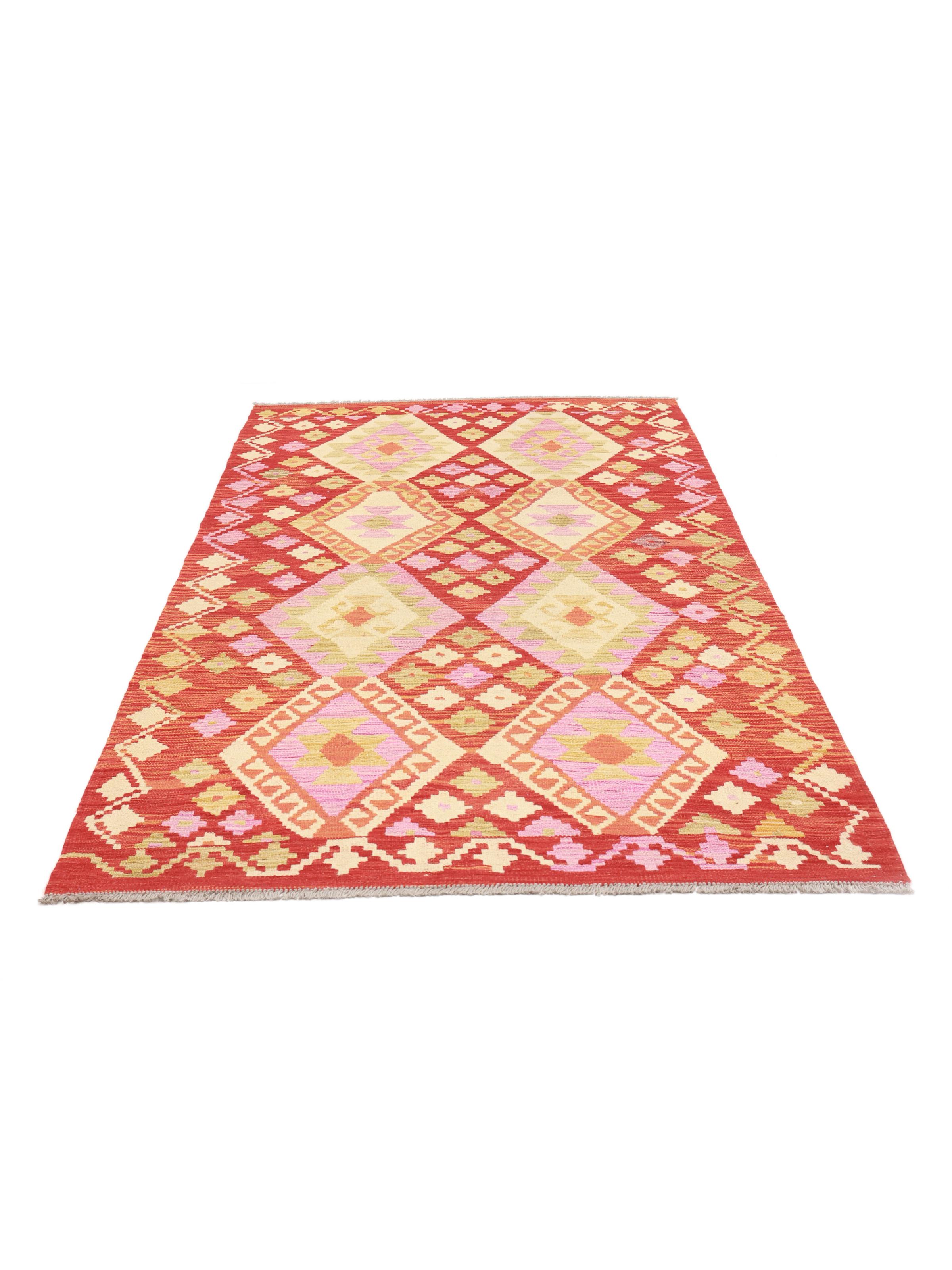
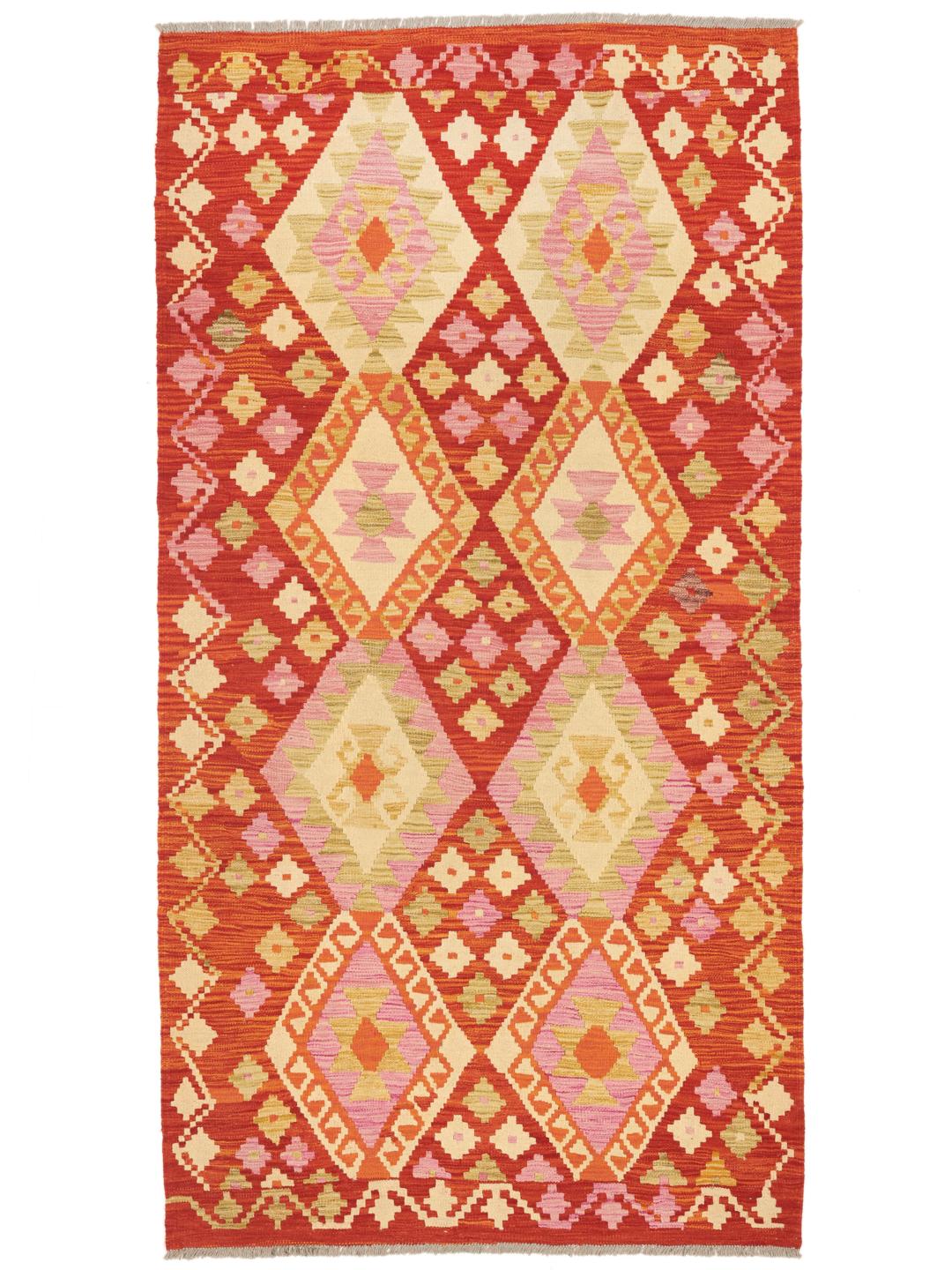
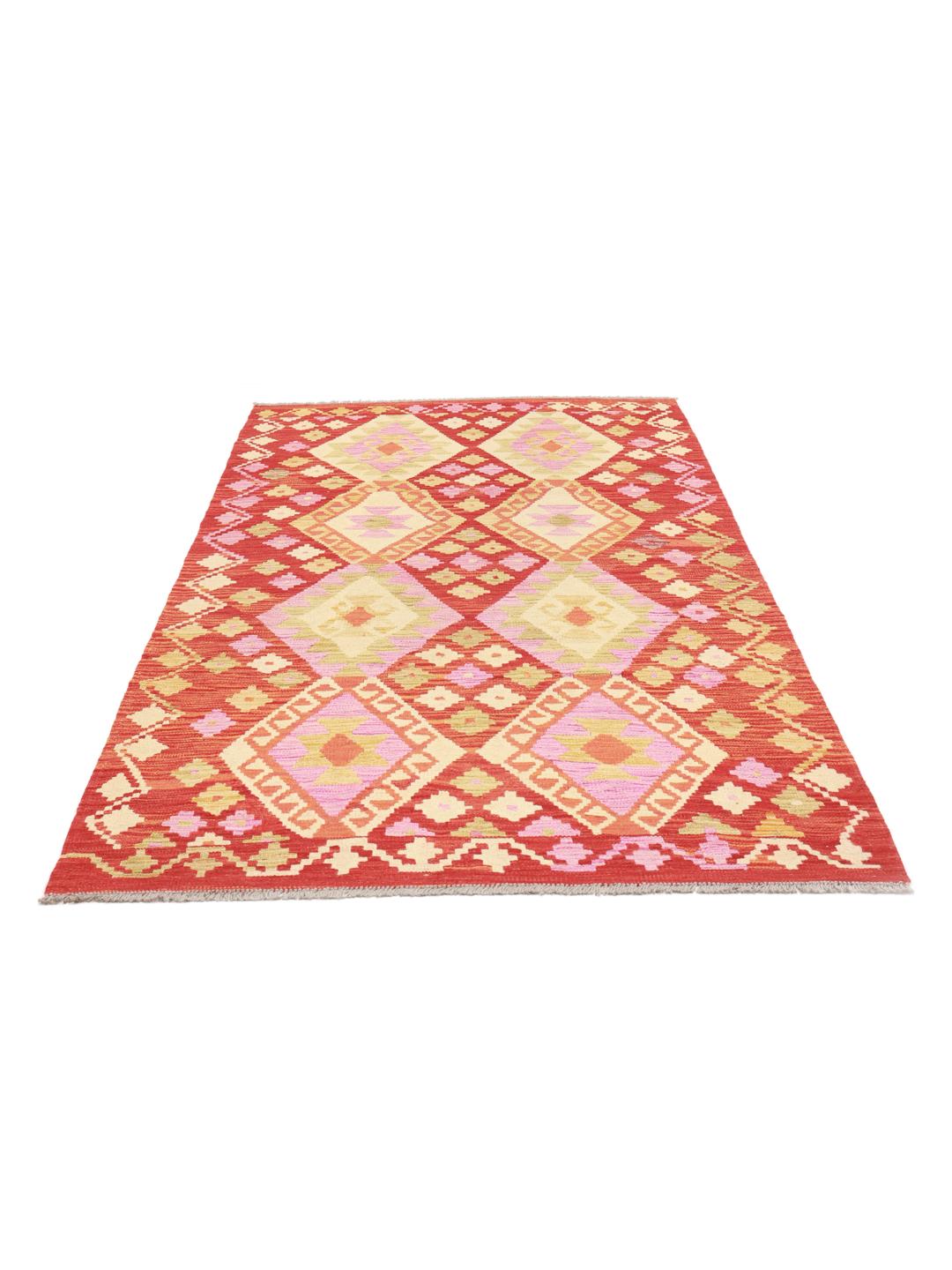
Kelim rugs have a storied past that traces back centuries across the Middle East and Central Asia. Originally created by nomadic tribes as functional items for shelter and transport, these flat-woven textiles were essential for everyday life. The Afghan Kelim, in particular, represents a distinct evolution of these traditions, drawing on the rugged landscapes and rich cultural heritage of the region to create designs that are both practical and highly decorative.
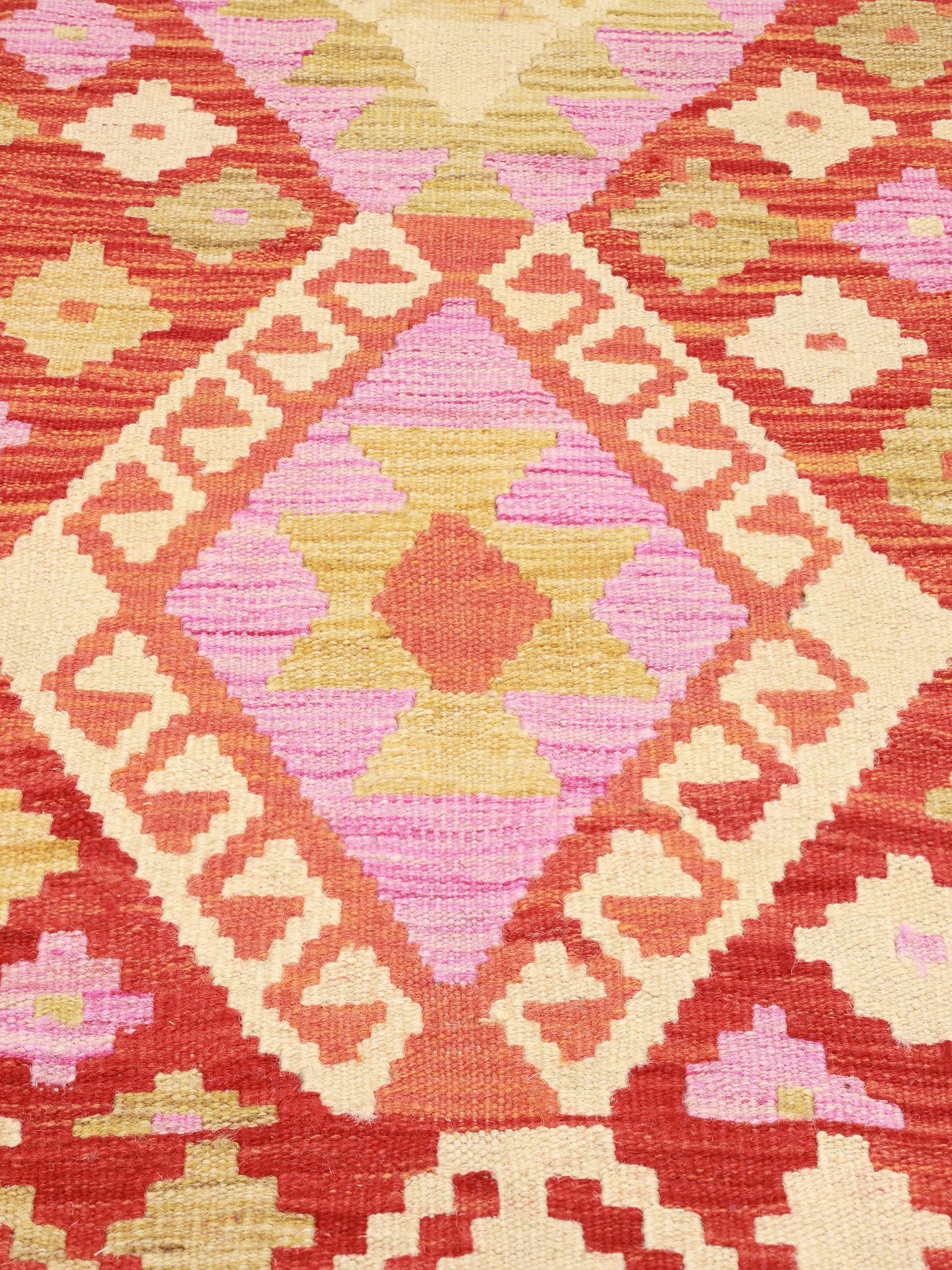
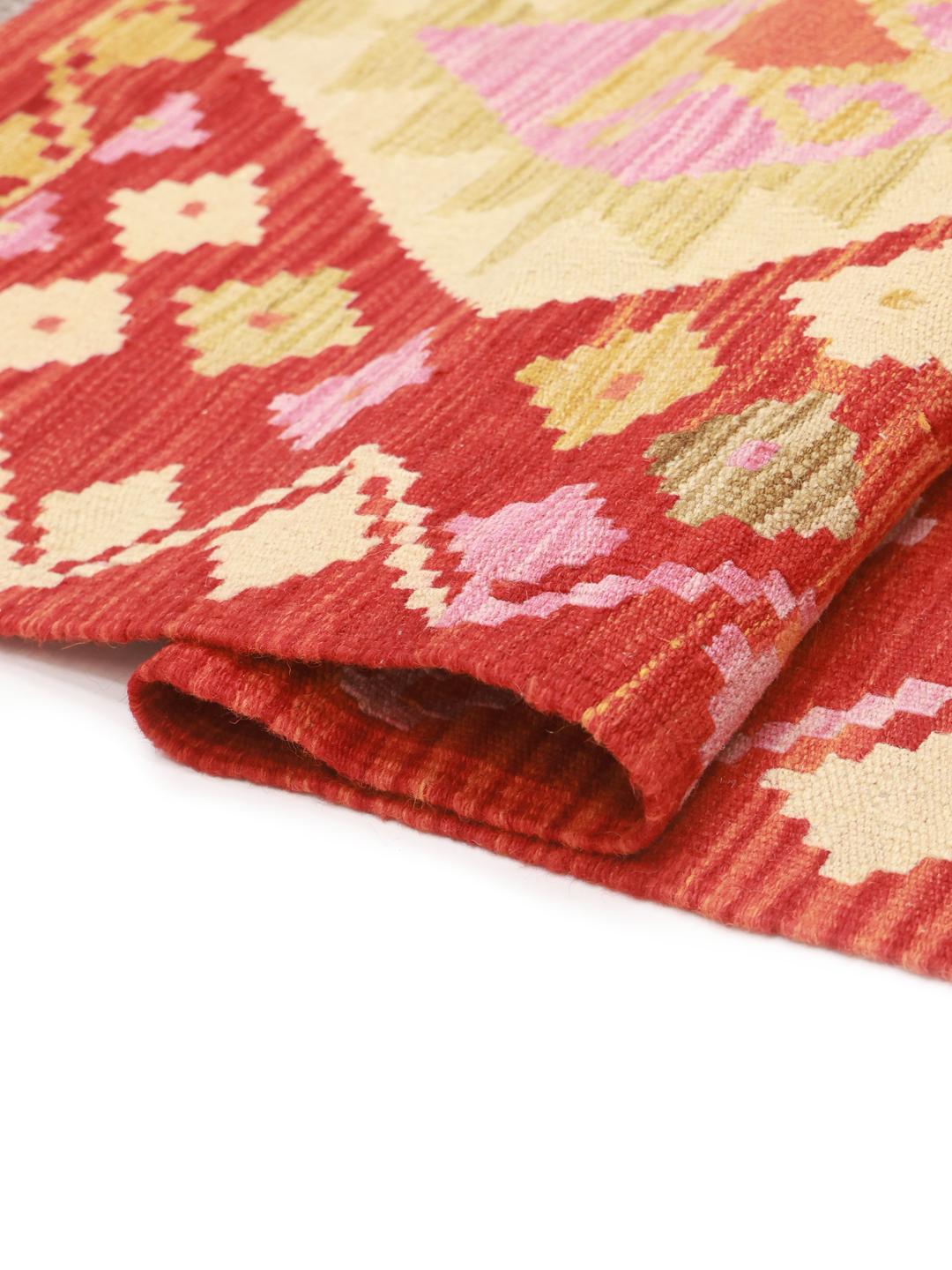
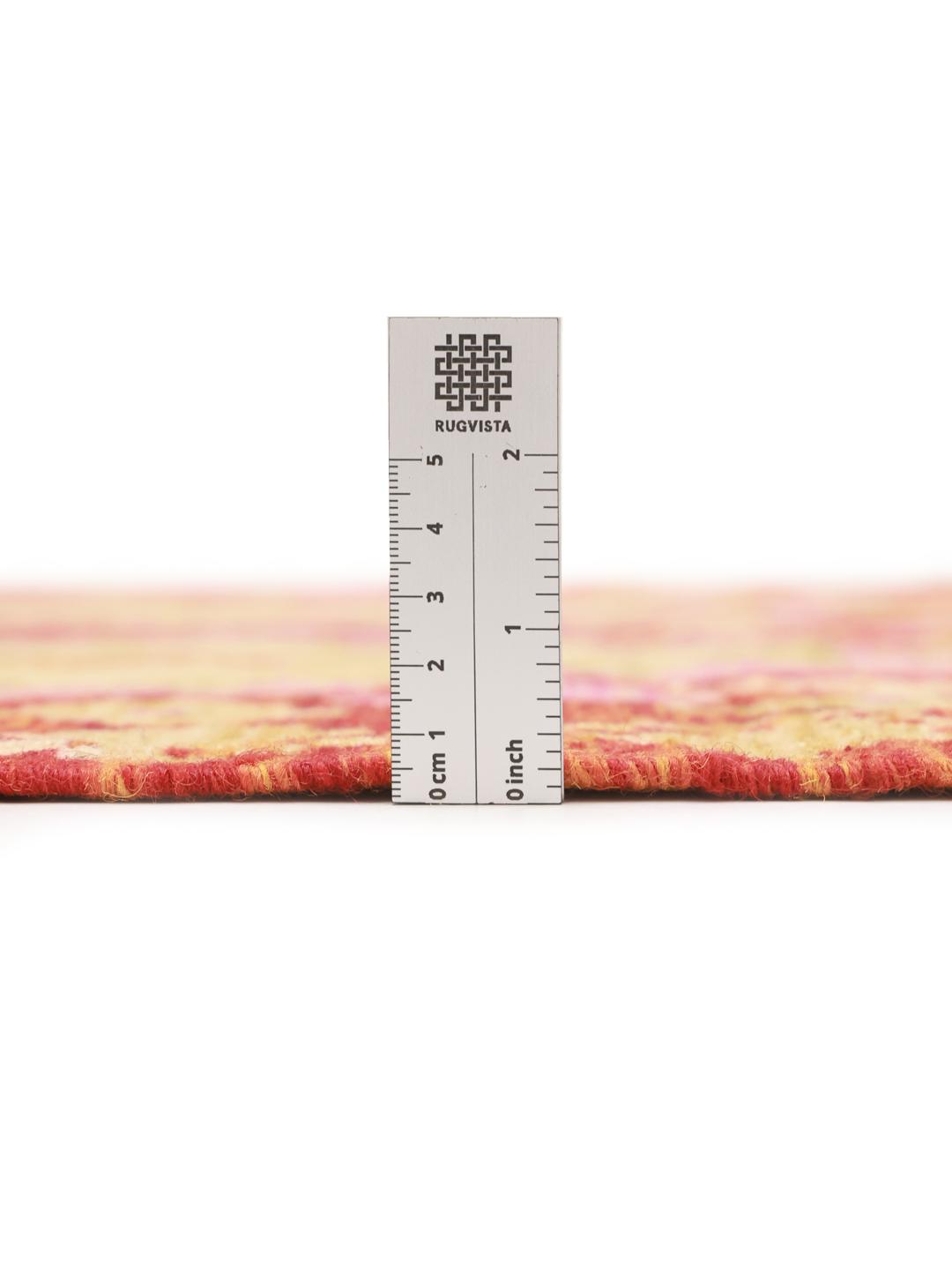
The term 'Kelim' refers to the specific flat-weaving technique used to create these rugs, where the weft and warp threads are interwoven to create a smooth, pileless surface. This method is fundamental to the rug's character, resulting in a lightweight yet incredibly strong fabric. Because there is no pile to wear down, these rugs are prized for their exceptional durability and ability to maintain their intricate patterns over decades of use.
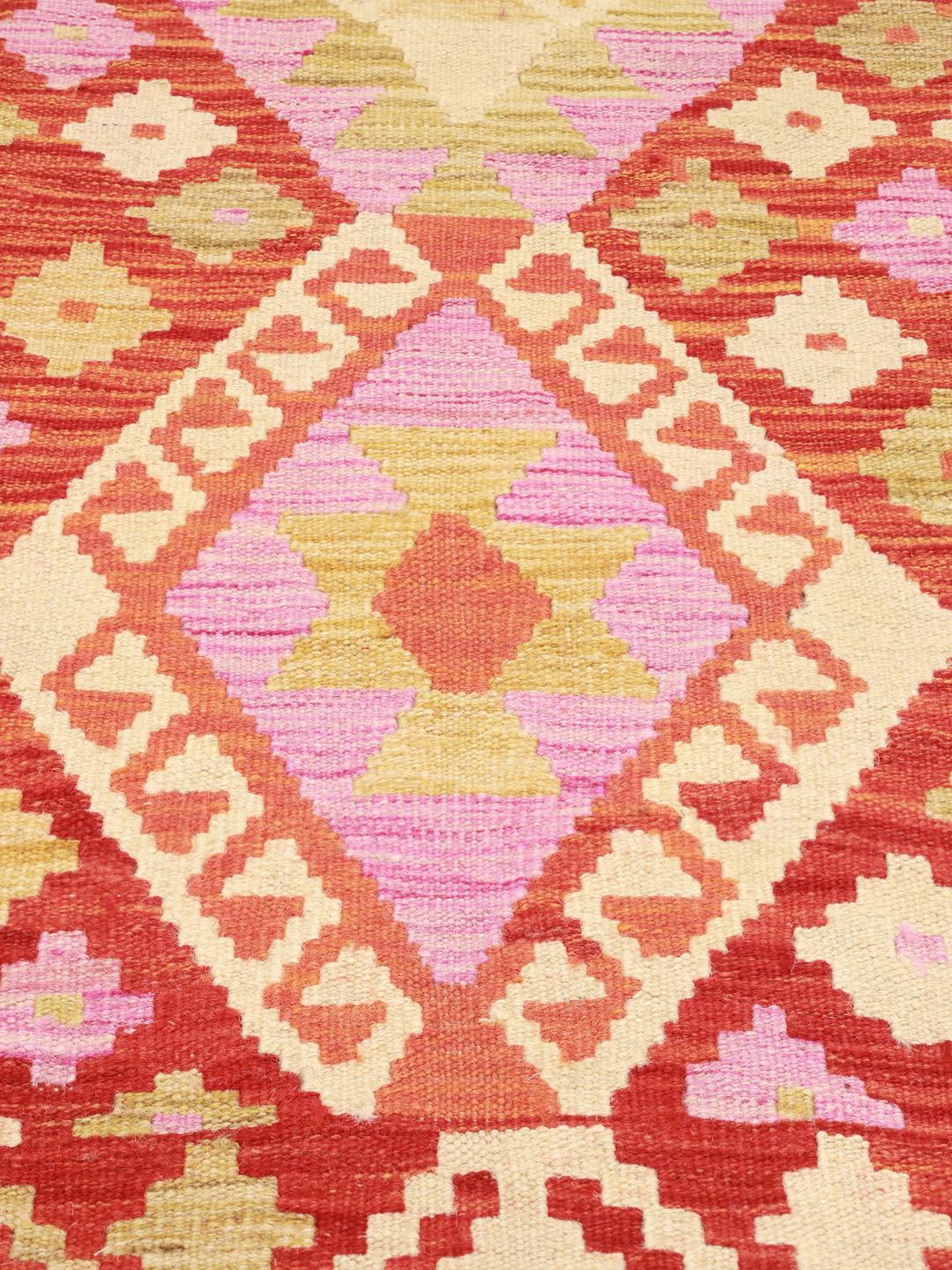
The signature design language of these rugs is defined by bold geometric shapes and a vibrant, earthy colour palette. The diamond and medallion motifs seen here are characteristic of tribal weaving, where patterns were often used to tell stories or denote regional identities. The use of natural dyes historically gave these rugs their deep, warm tones, and this tradition continues to influence the aesthetic of modern Afghan hand-woven pieces.
Collecting a Kelim is an investment in cultural heritage and human skill. These pieces are valued for their authenticity and the way they bridge the gap between ancient nomadic utility and contemporary interior design. By bringing one into your home, you are not just acquiring a floor covering, but a piece of art that carries the legacy of the artisans who crafted it and the history of the region from which it originates.