The Kelim tradition in Afghanistan is deeply rooted in the nomadic and semi-nomadic cultures of the region, where flat-woven textiles were historically essential for both utility and artistic expression. These rugs served as floor coverings, tent dividers, and storage bags, reflecting the lifestyle of the weavers who created them.
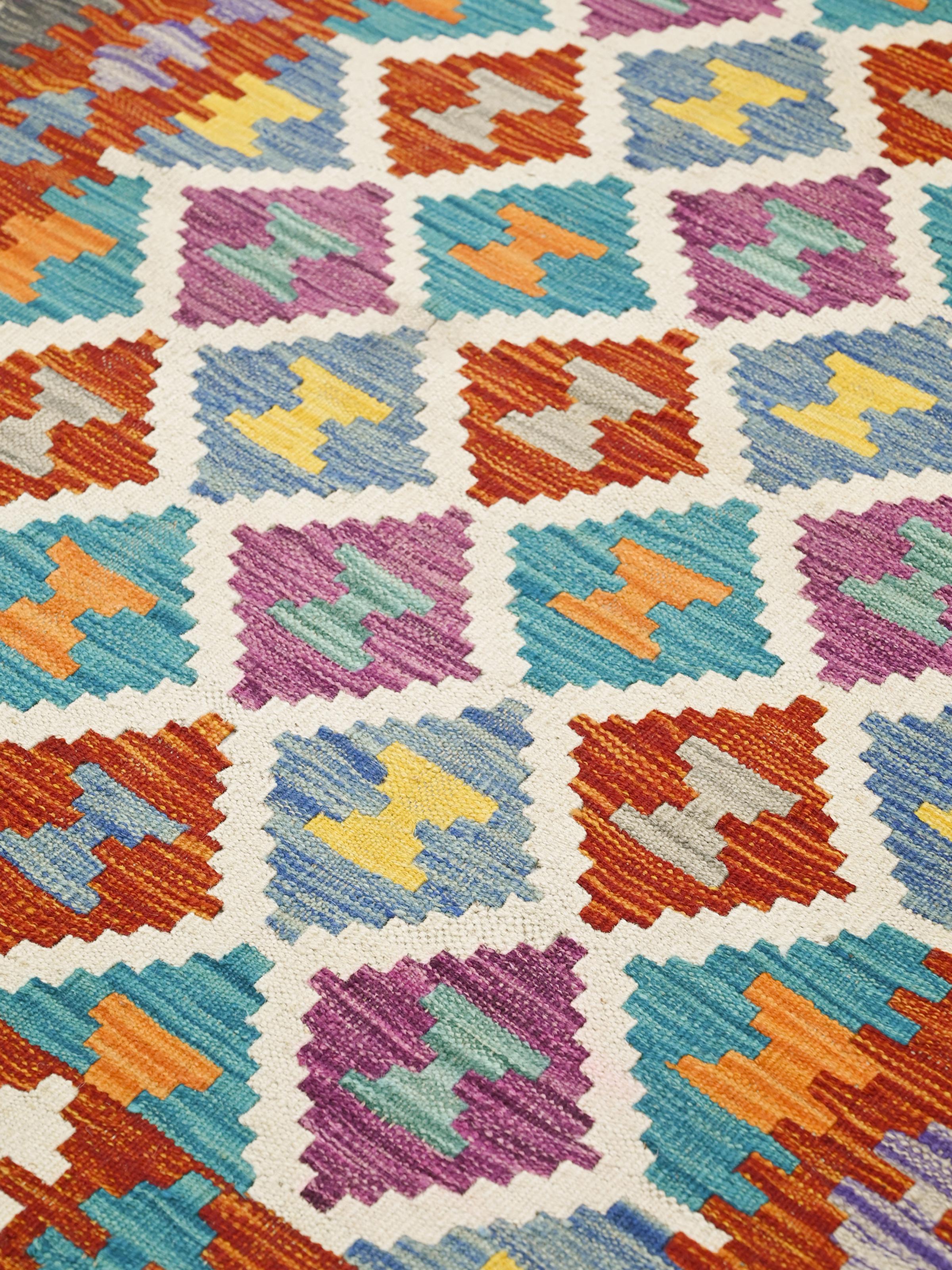
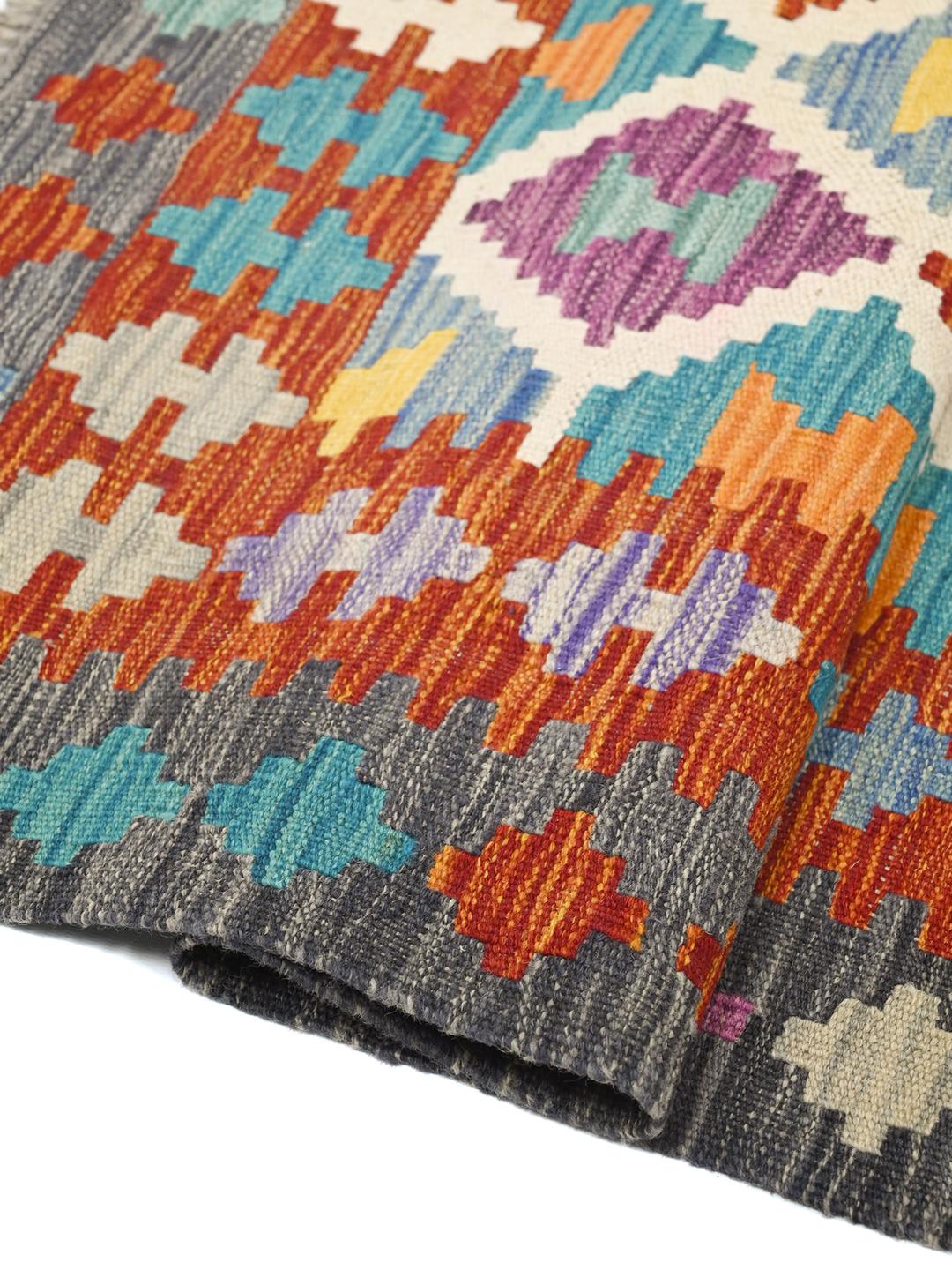
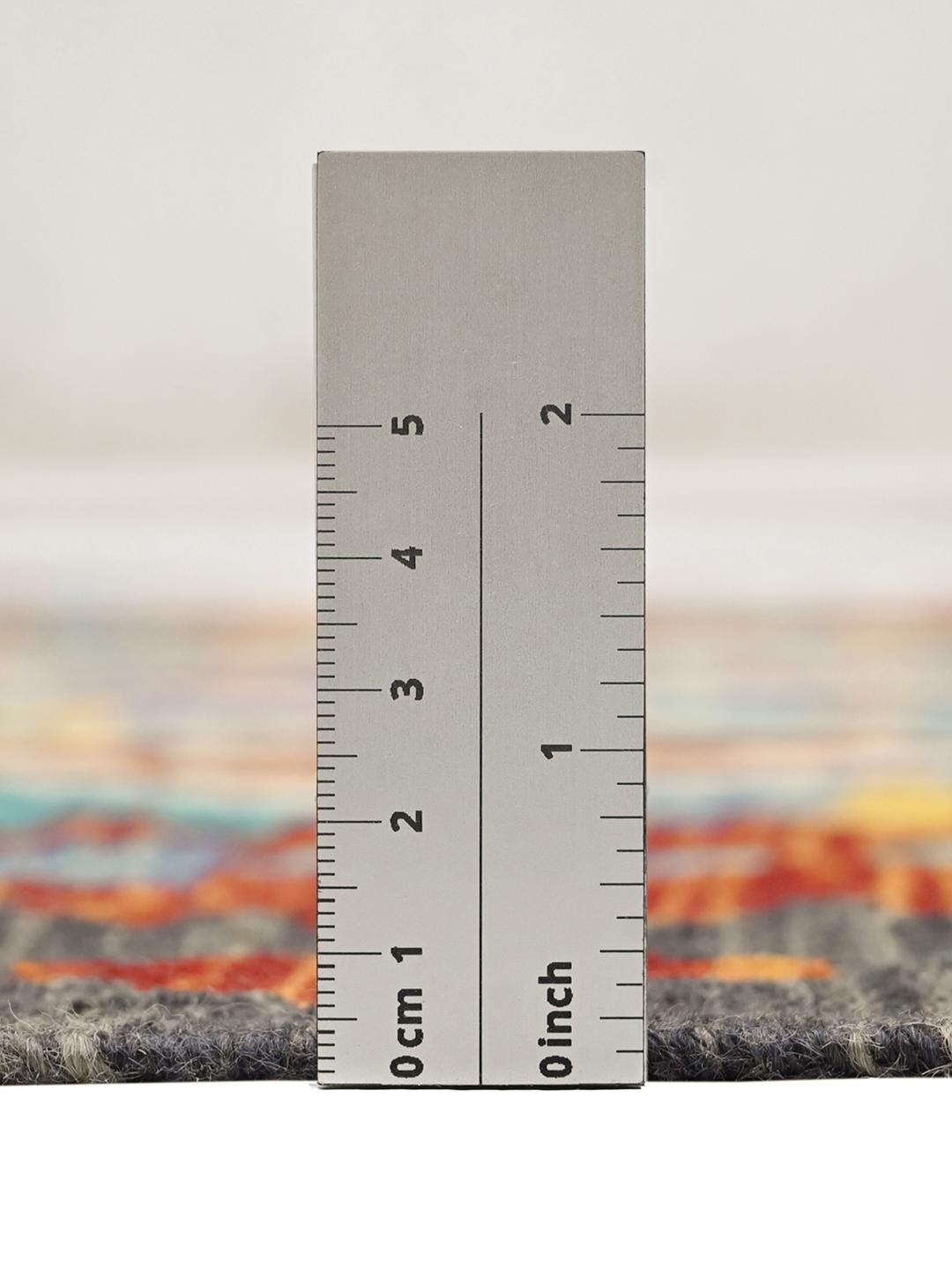
The term 'Kelim' refers to the specific flat-weaving technique where the weft threads are woven tightly over the warp threads to create a smooth, pileless surface. This construction method is highly valued for its durability and versatility, as it allows for the creation of intricate, reversible geometric designs that are both sturdy and lightweight.
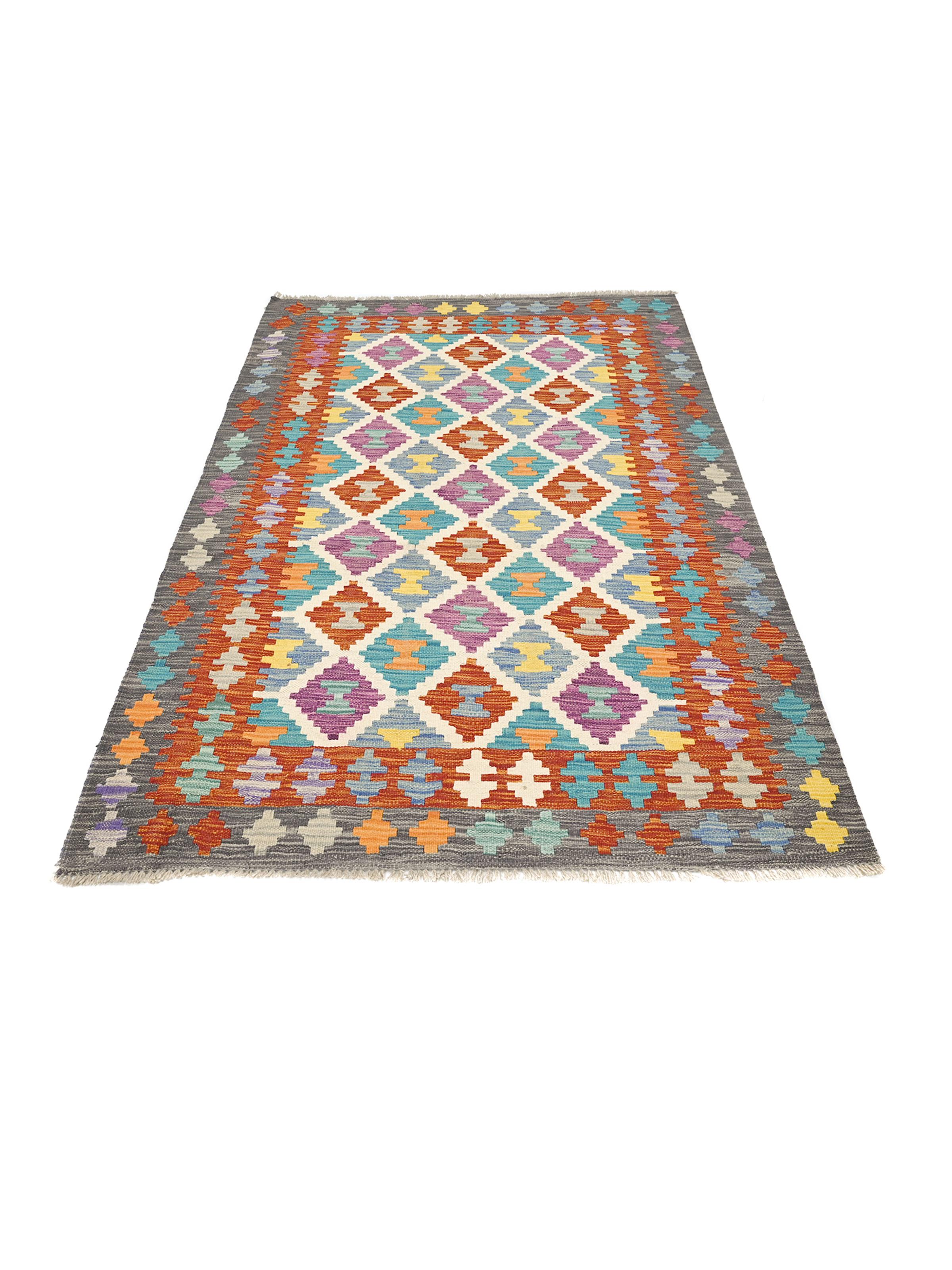
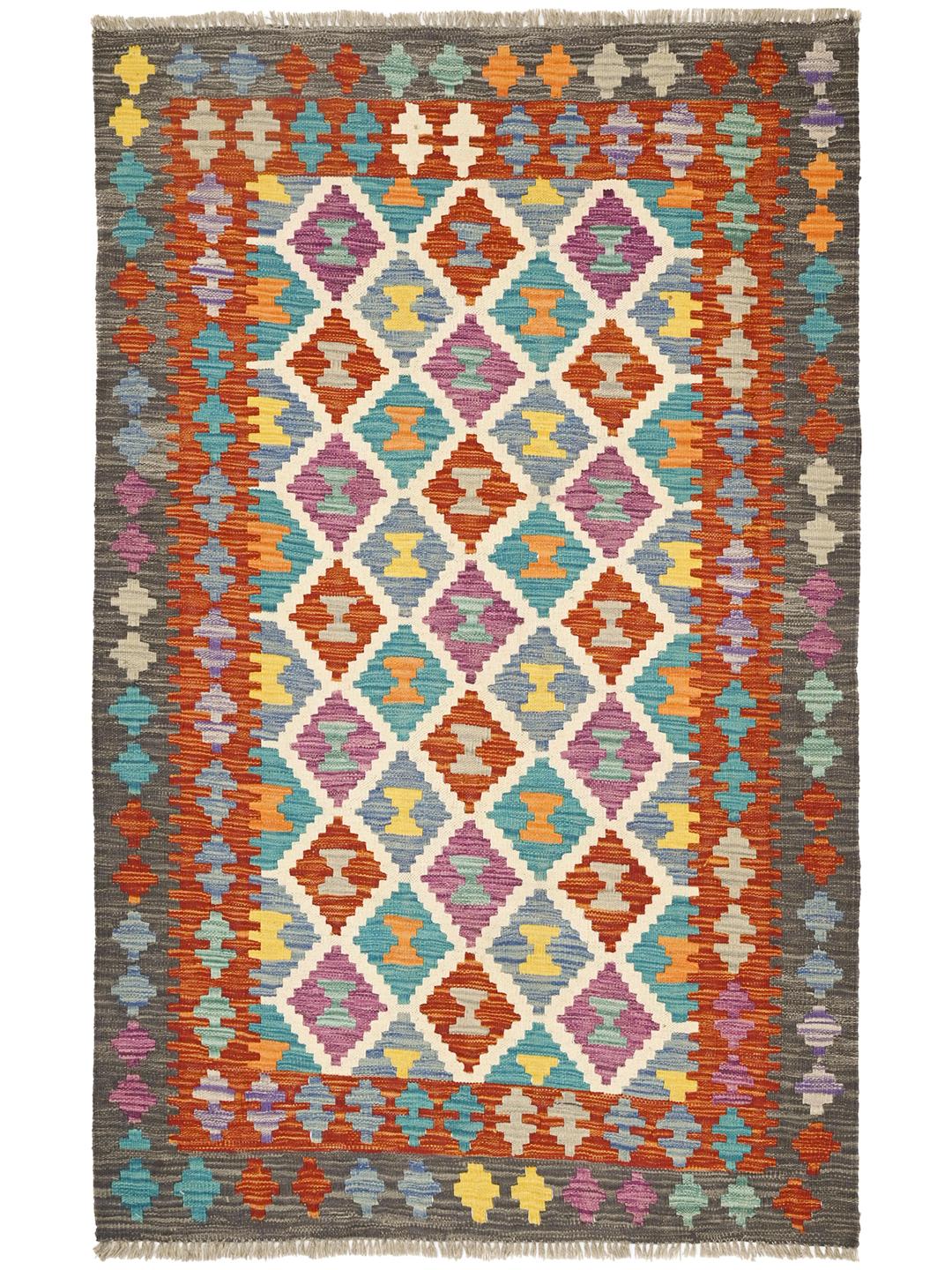
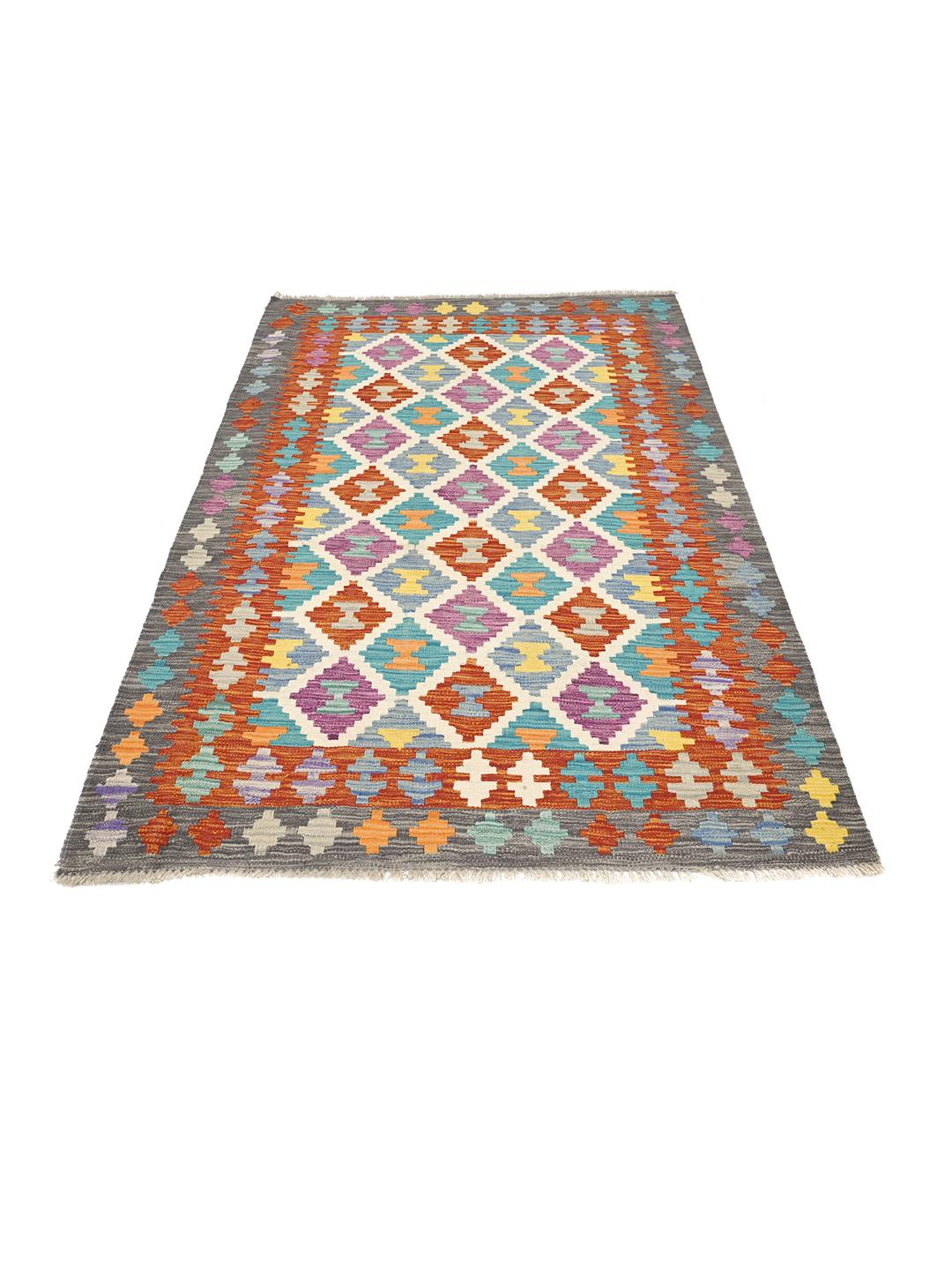
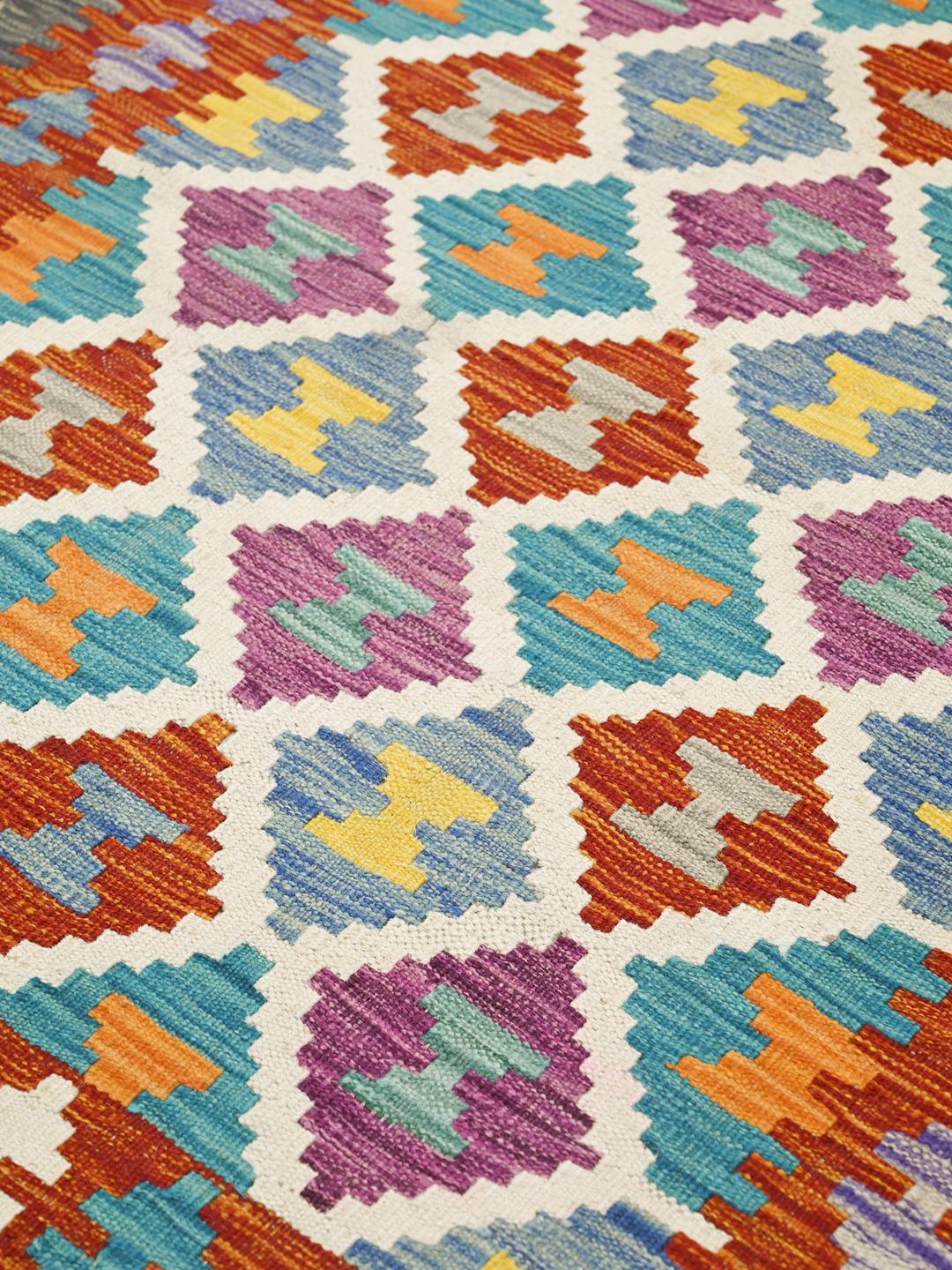
Signature design elements in Afghan Kelims often include bold diamonds, chevrons, and stylized motifs, which are frequently arranged in repeating patterns. The use of vibrant, contrasting colours is a hallmark of this tradition, reflecting the natural dyes historically used by artisans to capture the spirit of their landscape and cultural heritage.
Owning an Afghan Kelim is more than just acquiring a floor covering, it is an investment in a storied craft tradition. These pieces are highly sought after by collectors for their authenticity, the skill required for their creation, and the way they bridge the gap between ancient cultural practices and contemporary interior design.