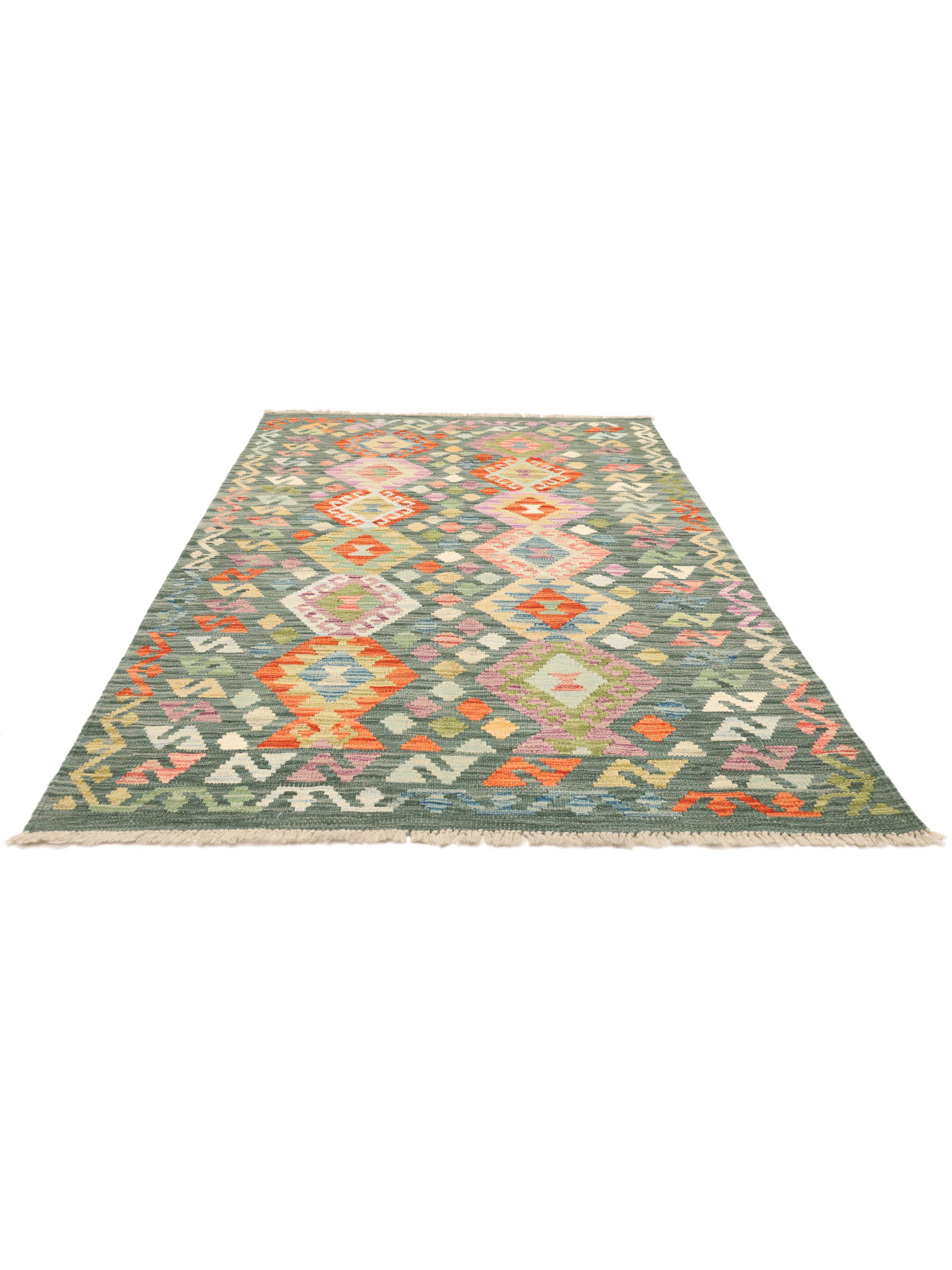
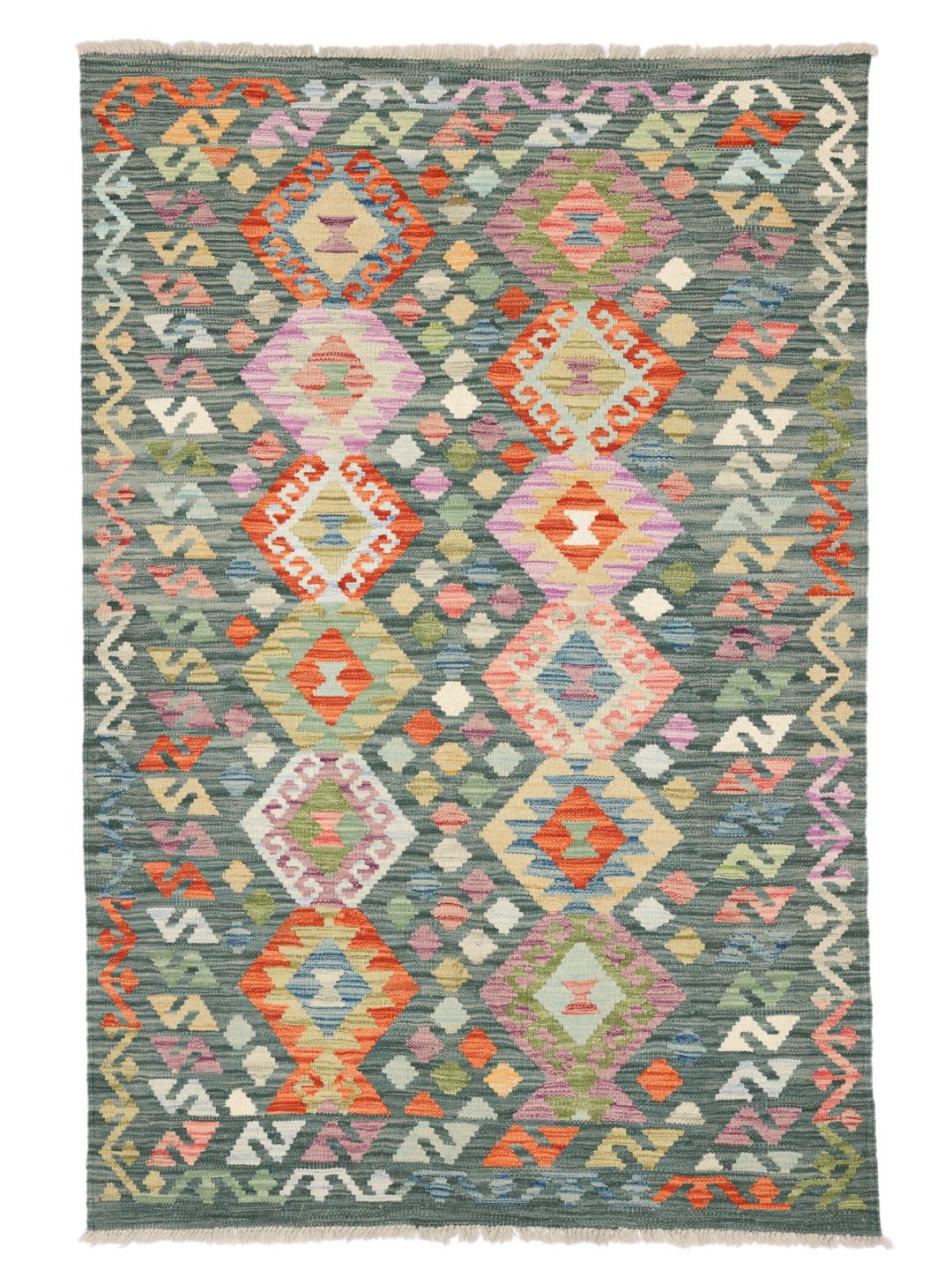
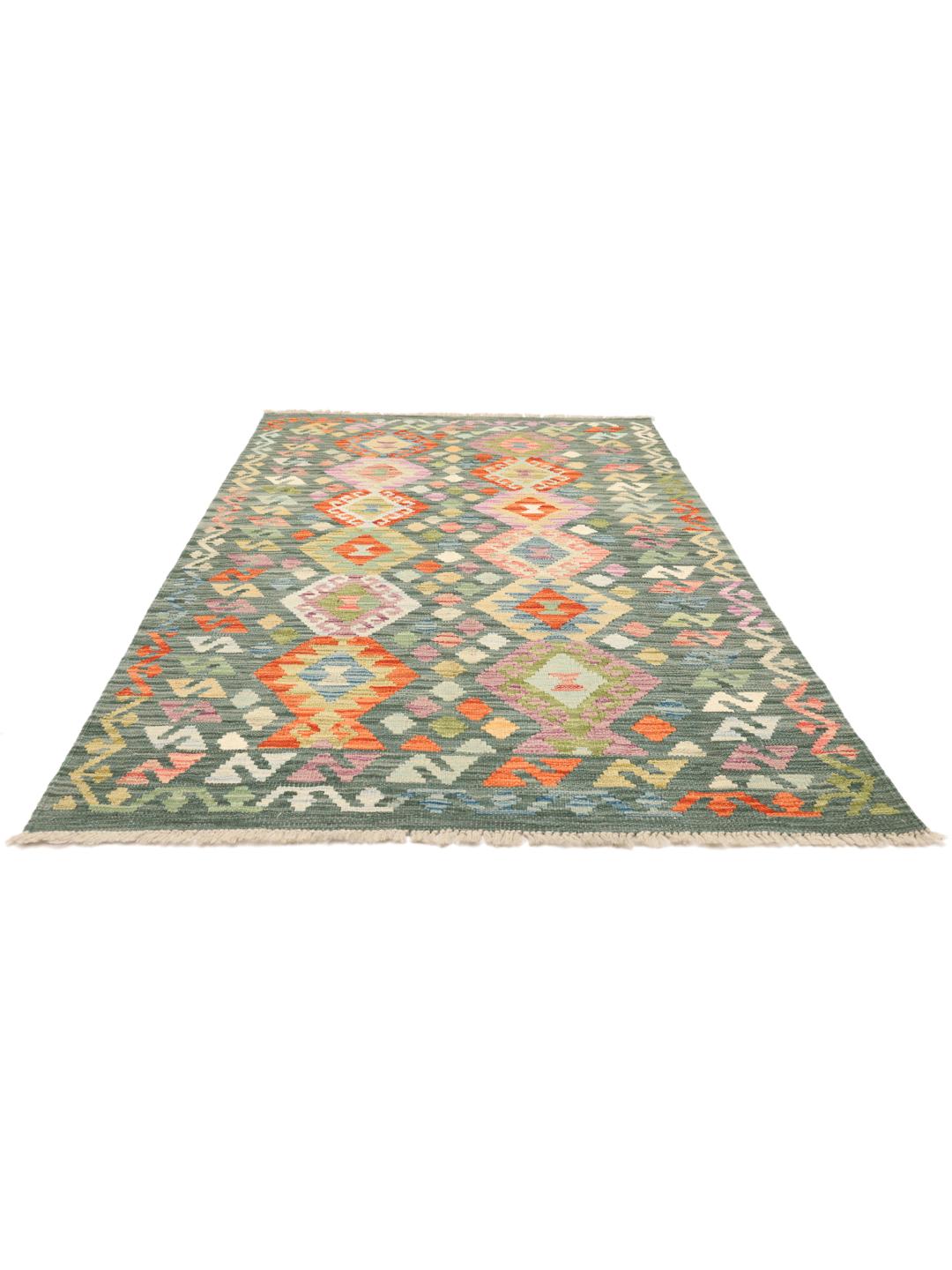
Kelim rugs from Afghanistan are celebrated for their deep roots in nomadic and village traditions. Historically, these flat-woven textiles were crafted by tribes for utilitarian purposes, such as floor coverings, tent partitions, and saddlebags, evolving over centuries into the refined decorative pieces we appreciate today.
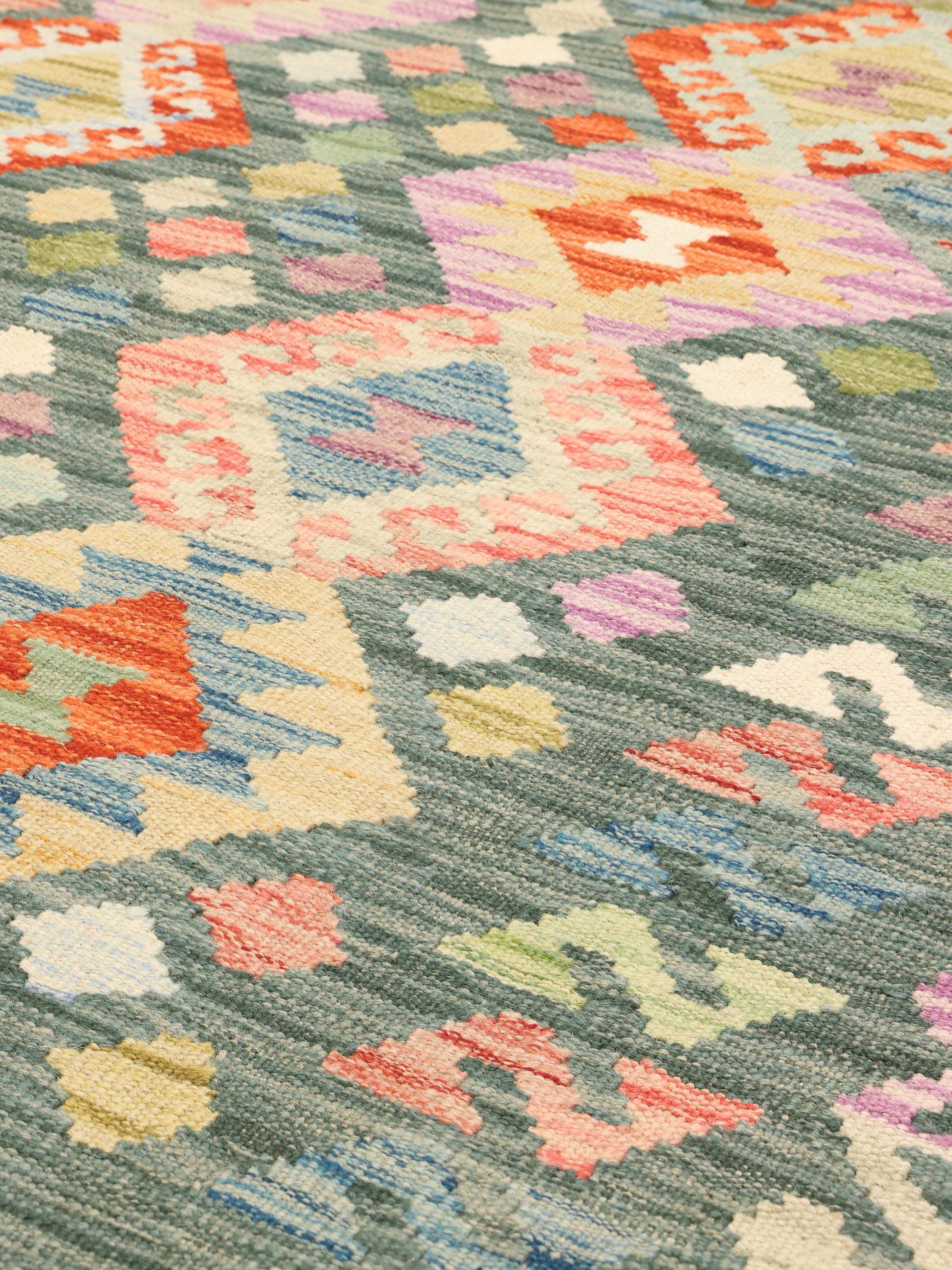
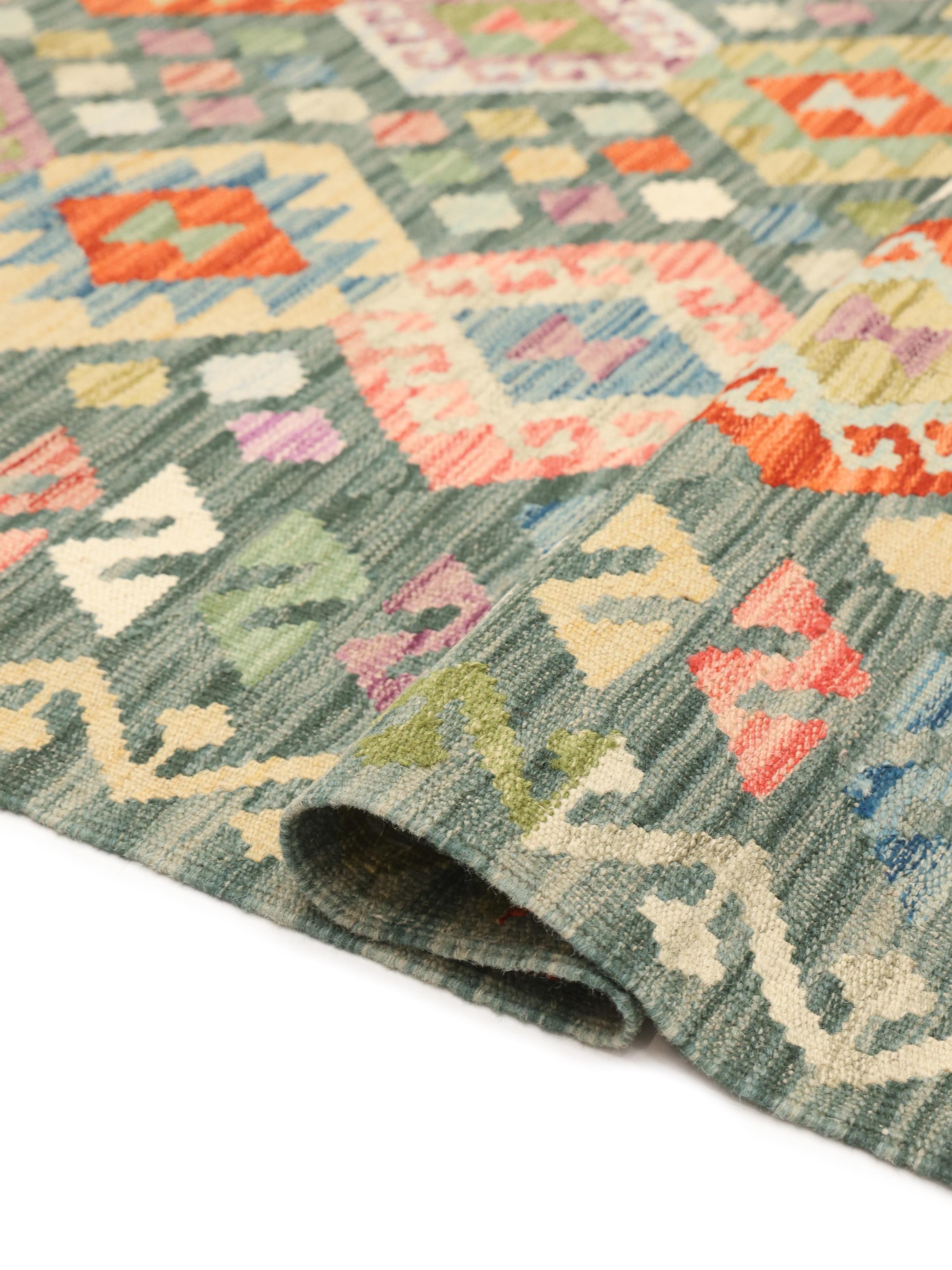
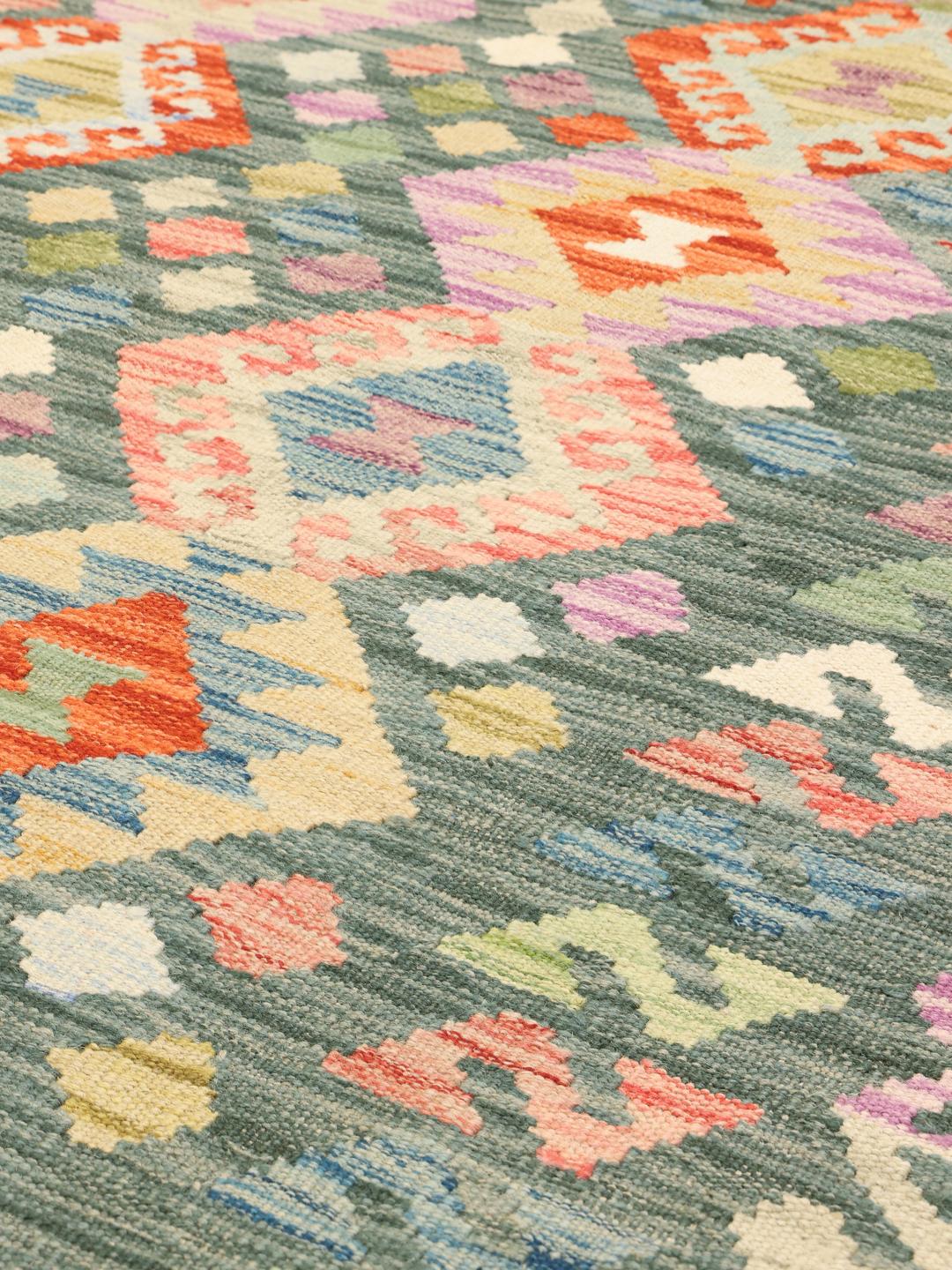
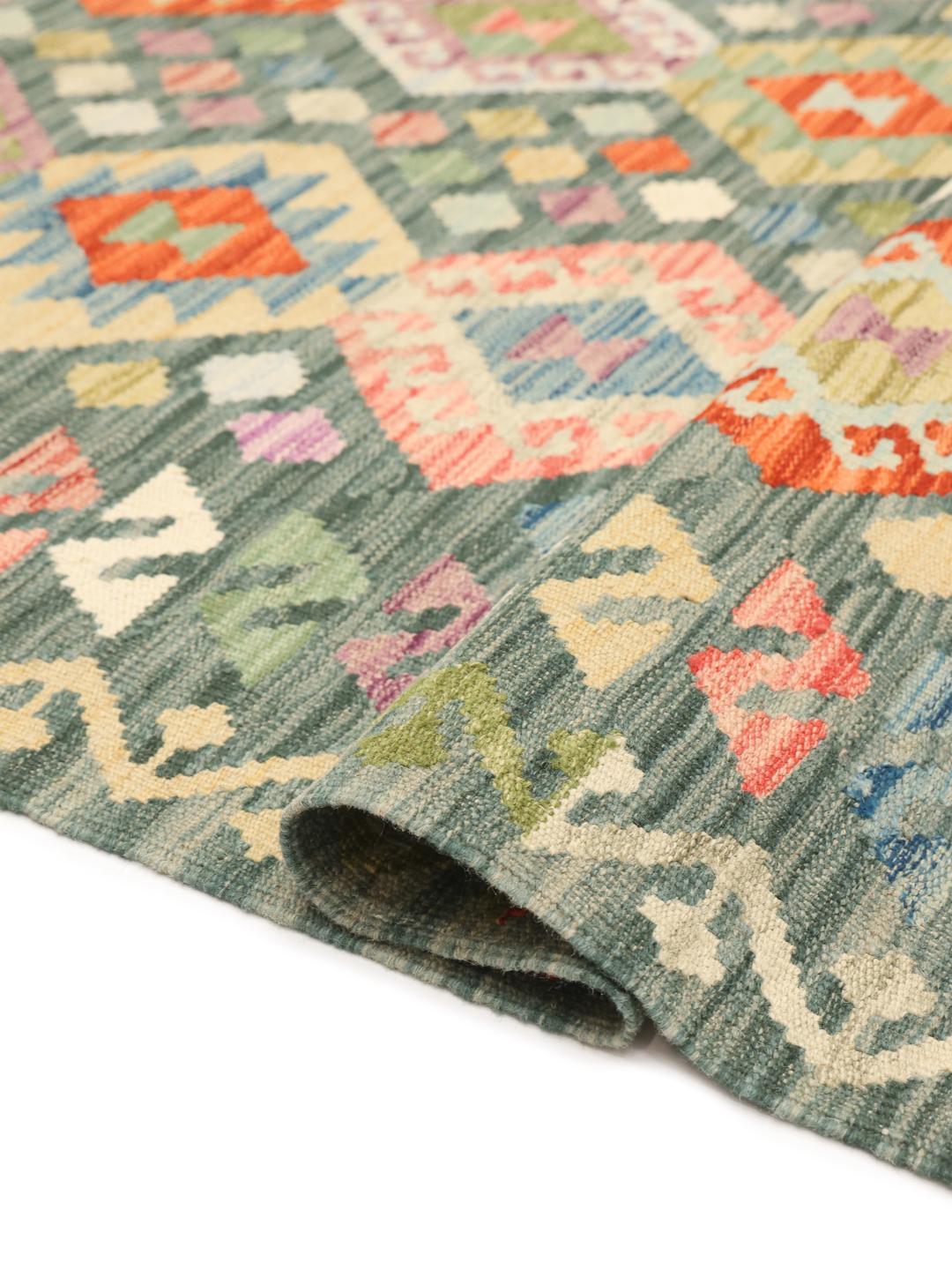
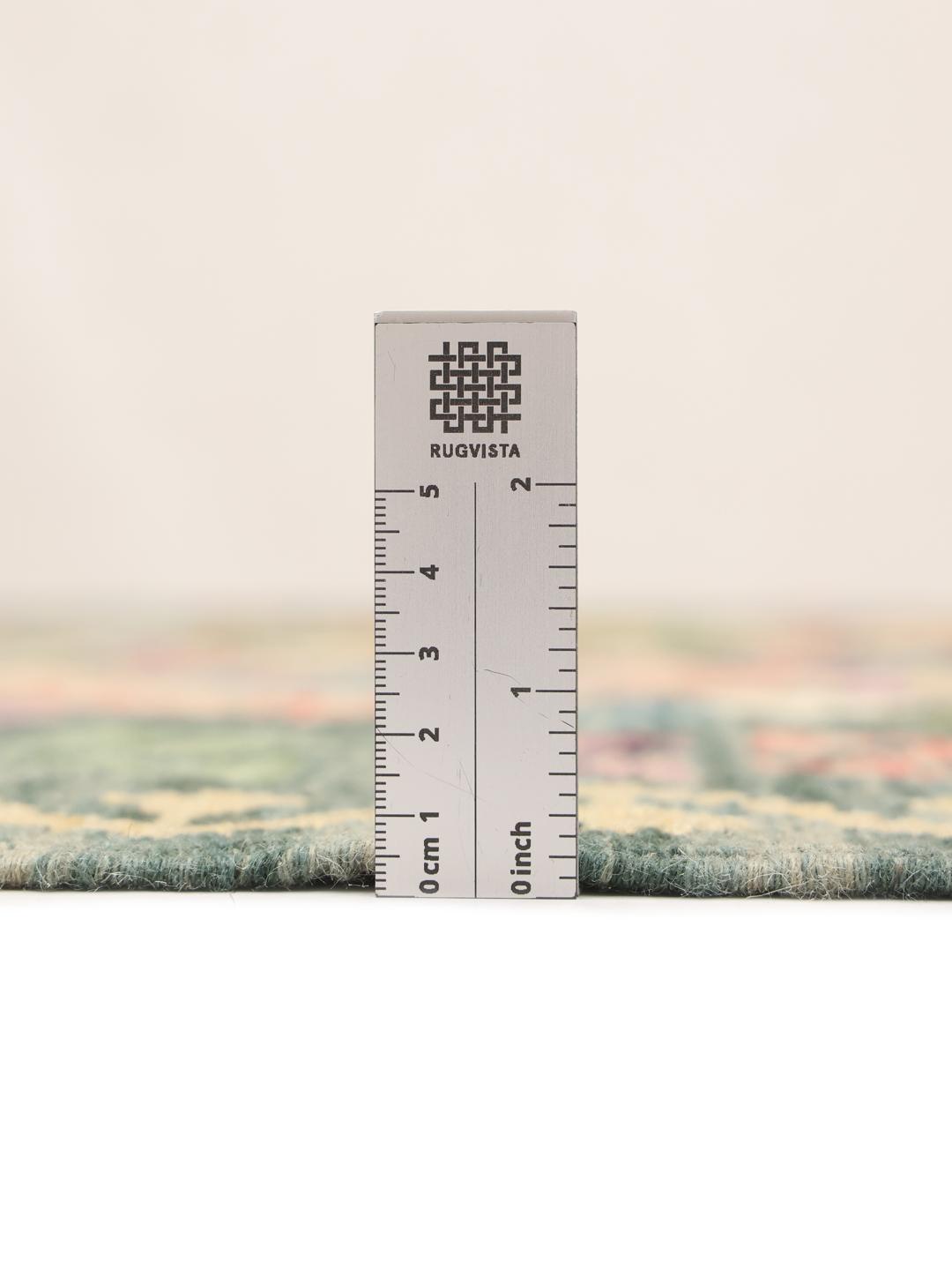
The term 'Kelim' refers specifically to the tapestry-weaving technique where the design is formed by the weft threads being passed over and under the warp. This method results in a rug without a pile, which is why these pieces are so prized for their lightweight feel and versatility. The technique requires immense skill, as the weaver must maintain perfect tension to keep the edges straight and the patterns crisp.
Visually, these rugs are defined by their sharp, geometric language. You will often see repeating diamonds, triangles, and stylized floral motifs that carry symbolic meaning, often representing protection, prosperity, or the natural landscape of the Afghan mountains. The use of deep, earthy tones contrasted with vibrant, naturally-dyed wool highlights is a hallmark of the 'Old Style' aesthetic, prioritising bold, graphic impact.
Collectors value these rugs because they represent a living cultural heritage that is becoming increasingly rare. Owning a Kelim is more than just decorating a room; it is an investment in human skill and a connection to a long-standing tradition of craftsmanship that has been passed down through generations of families in the Middle East.