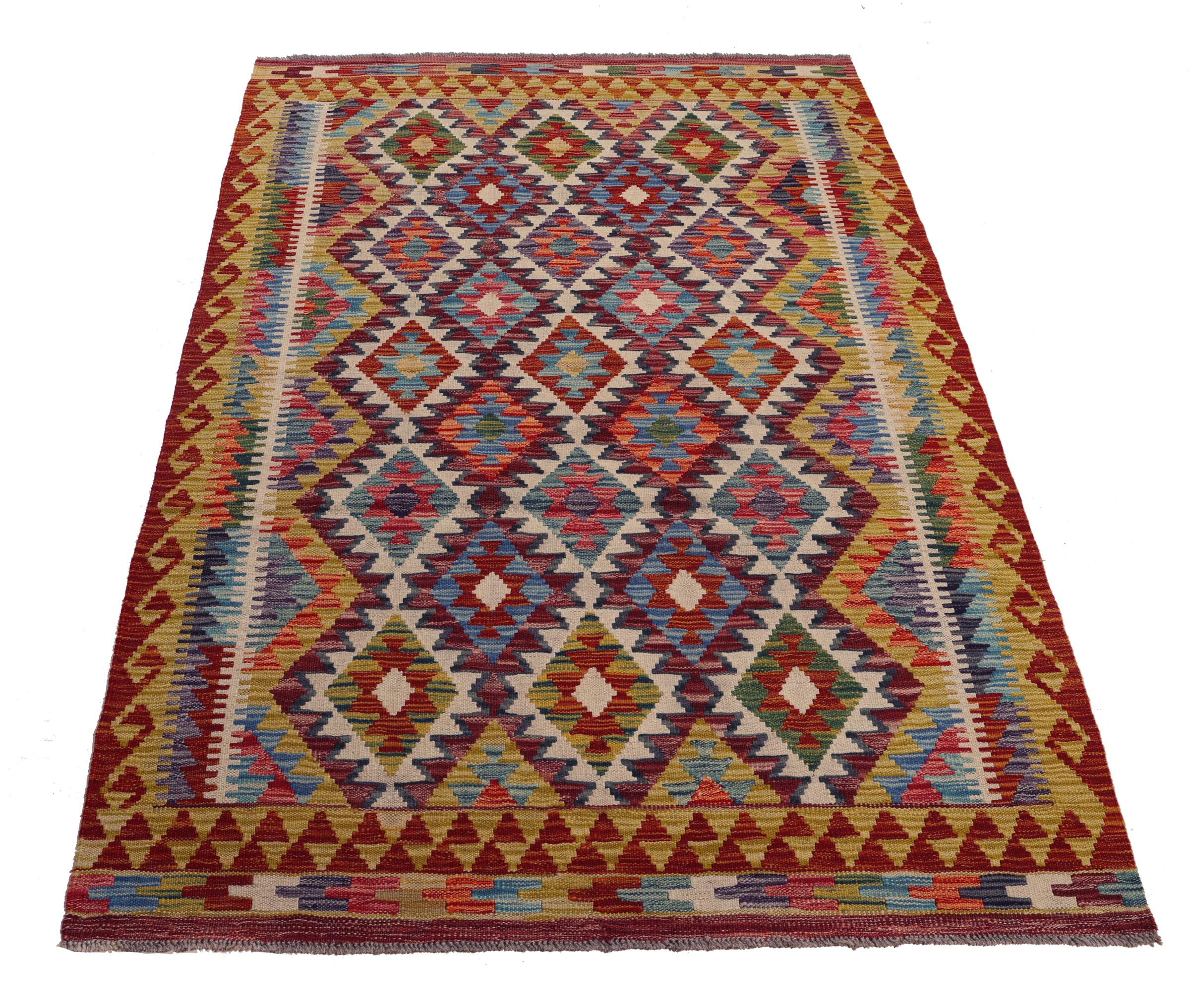
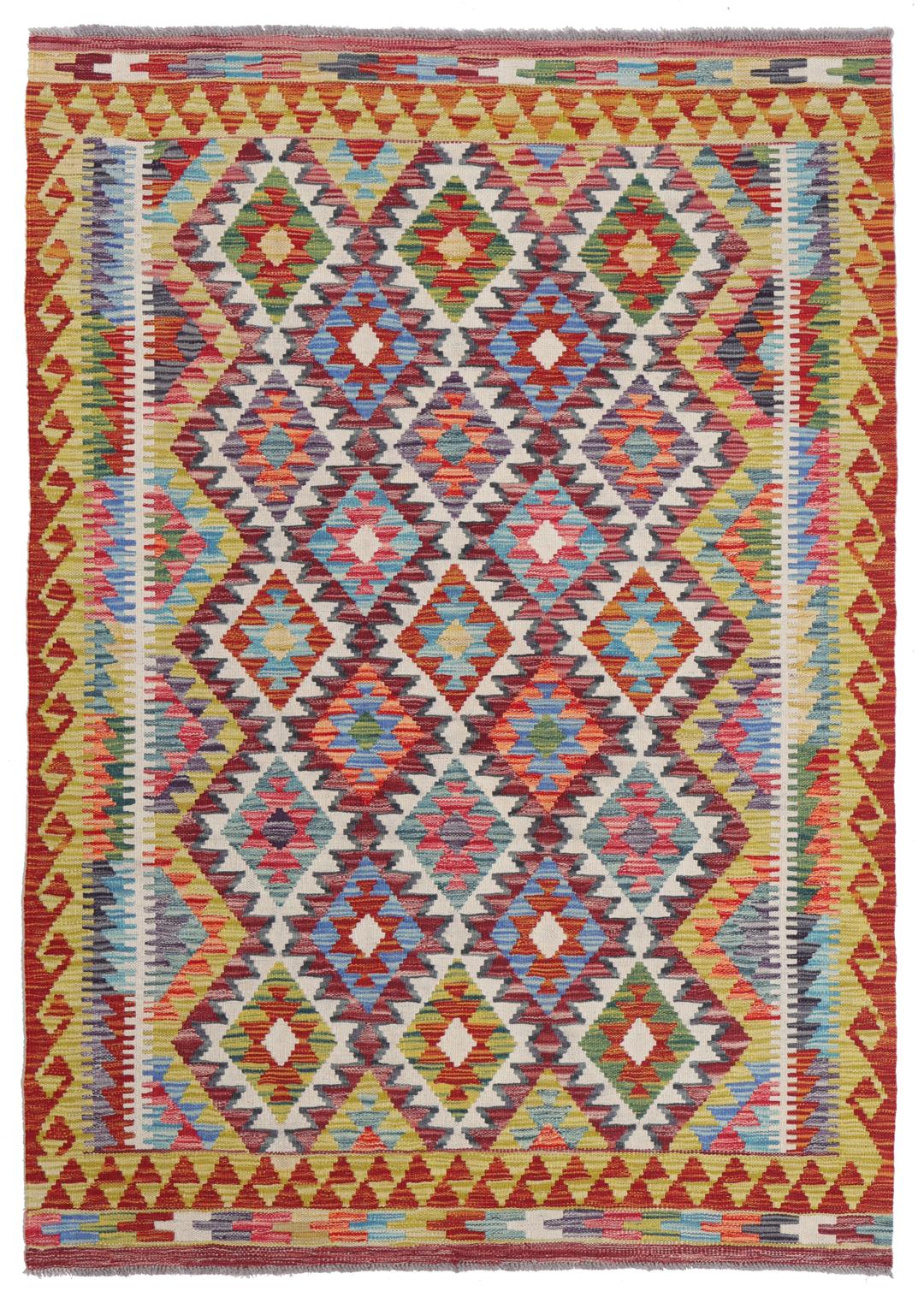
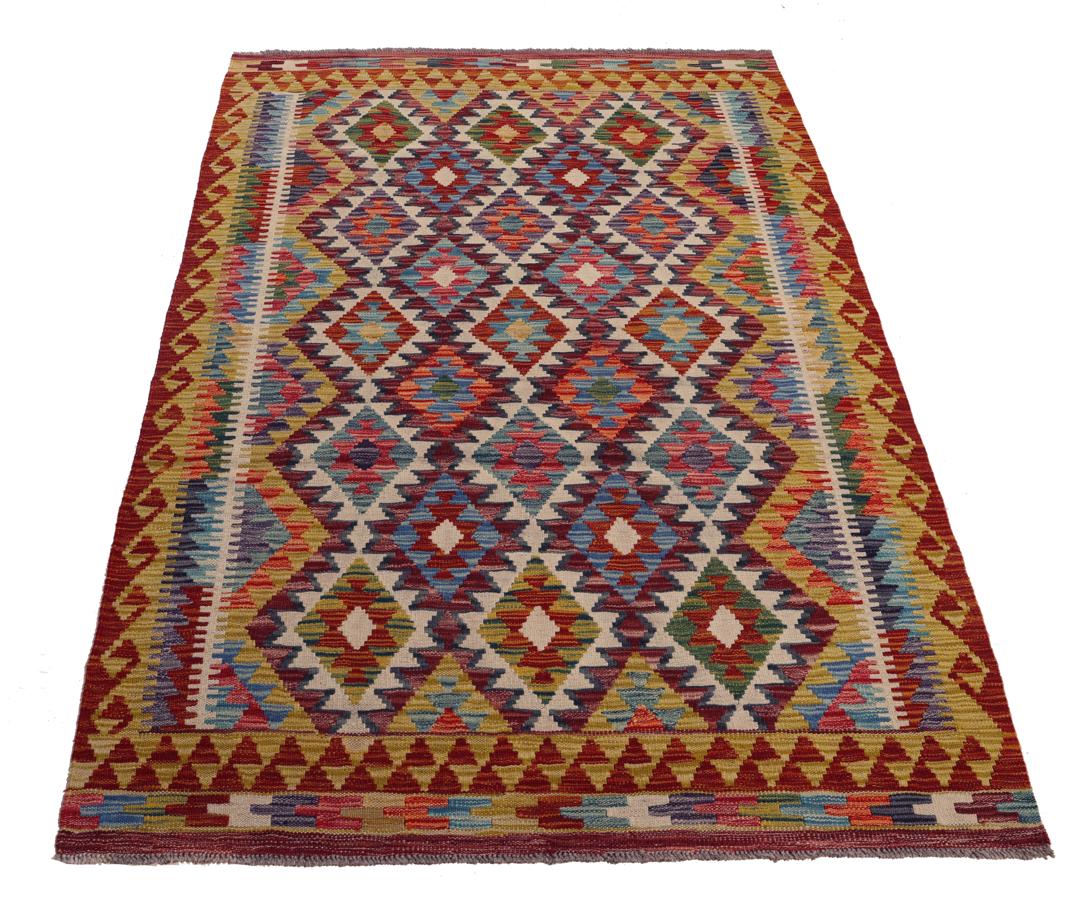
The Kelim tradition in Afghanistan is deeply rooted in the nomadic and semi-nomadic cultures of the Middle East. These flat-weave rugs have served as essential functional items for generations, used as floor coverings, blankets, and storage bags for people living on the move. Over time, these utilitarian objects evolved into the decorative masterpieces we recognise today, celebrated for their portability and bold visual language.
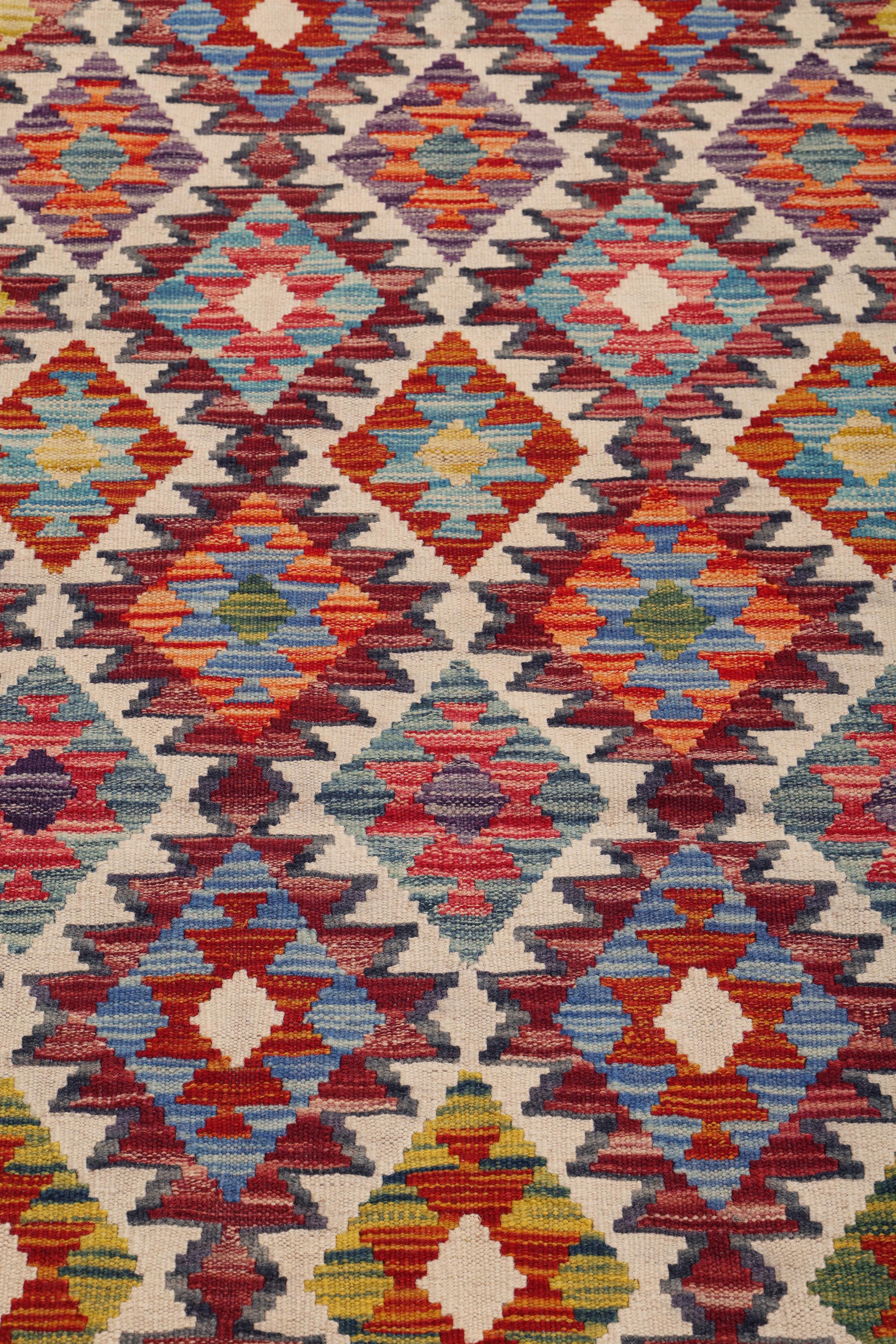
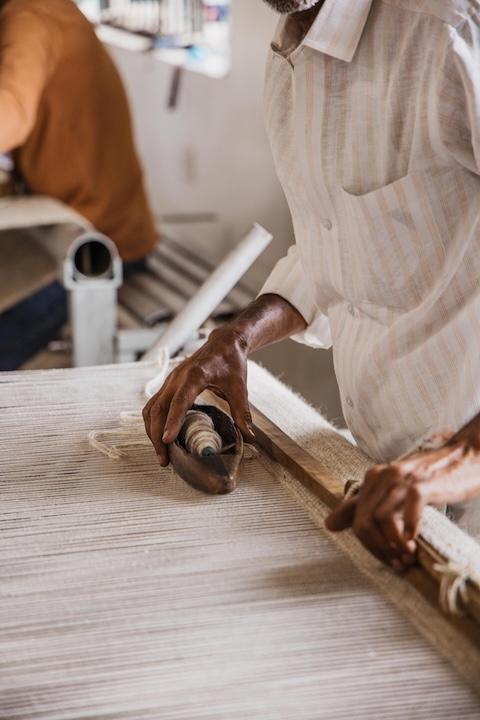
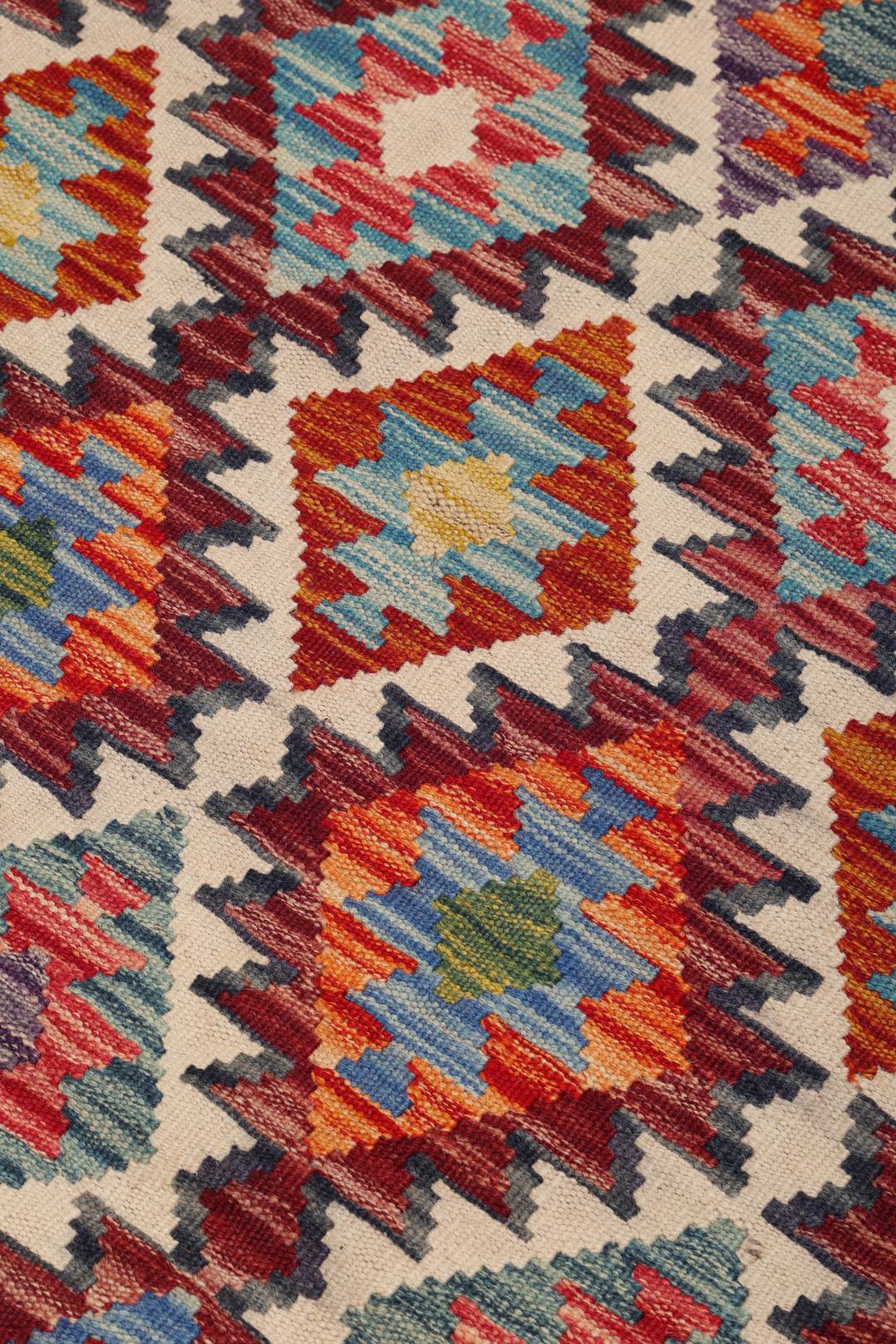
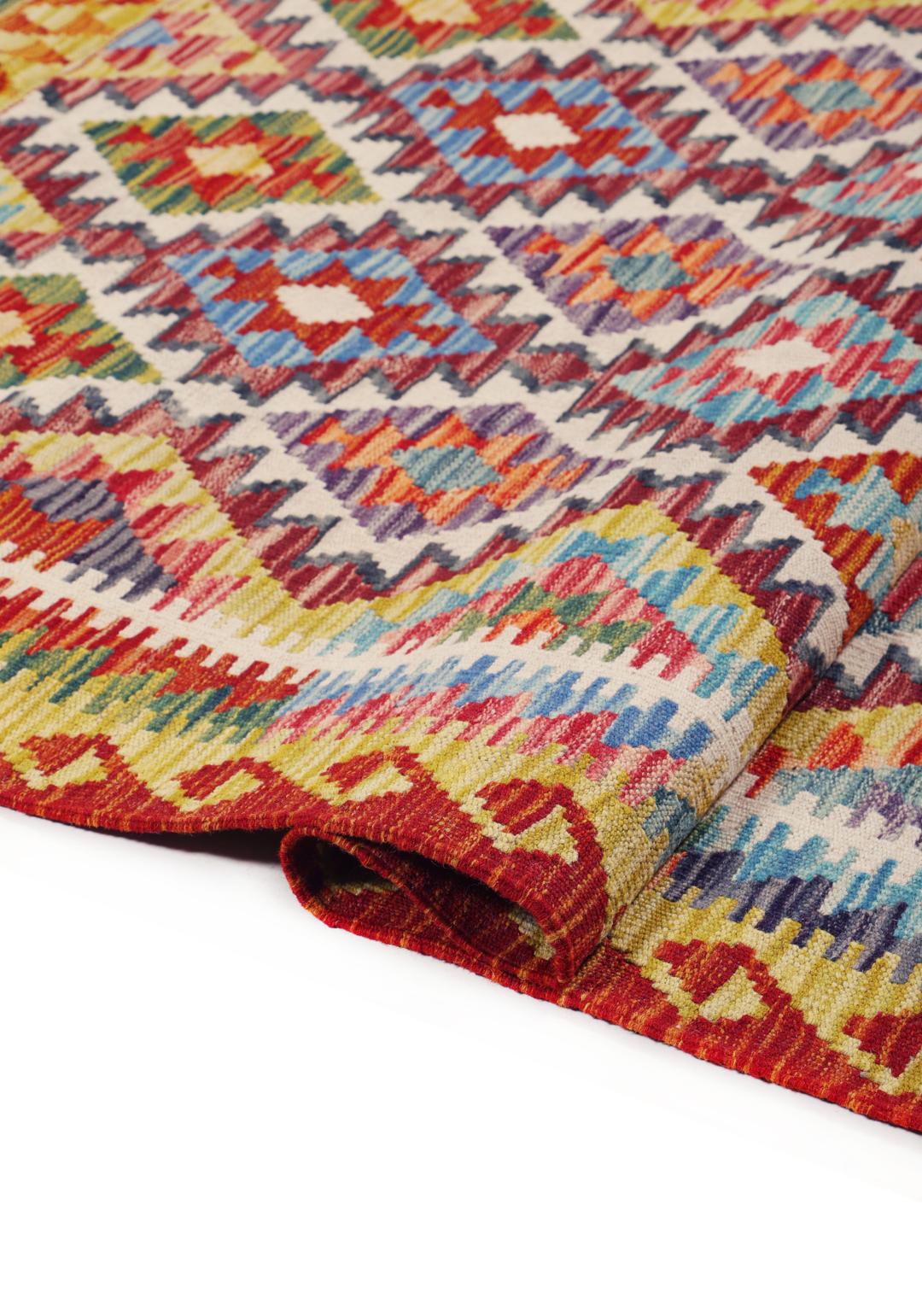
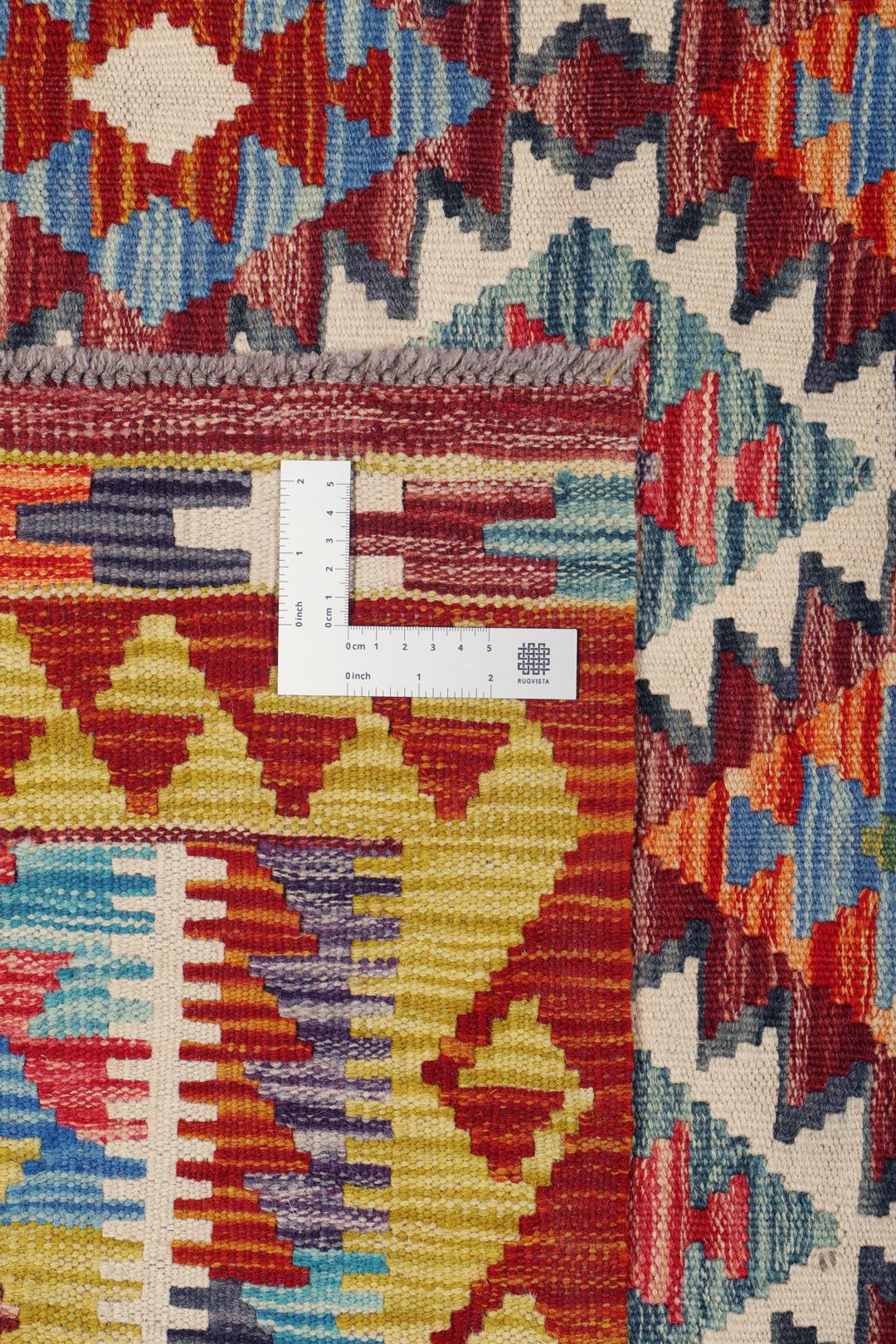
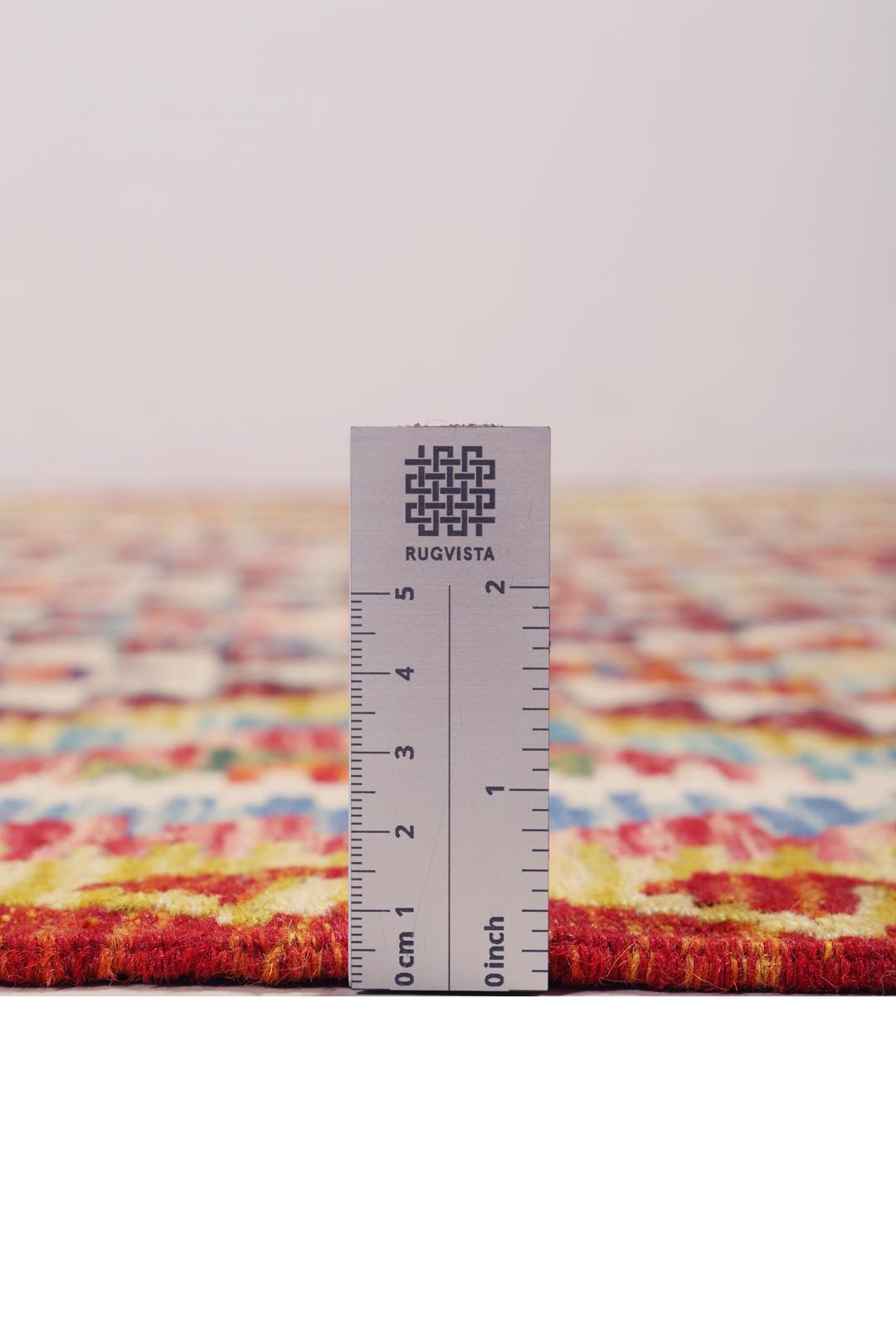
The term 'Kelim' refers specifically to the weaving technique where the weft and warp threads are interlaced to create a smooth, pile-less surface. This method results in a reversible rug that is lightweight yet remarkably strong. Because there is no pile to wear down, these rugs are known for their longevity, provided they are cared for with the same respect used during their creation.
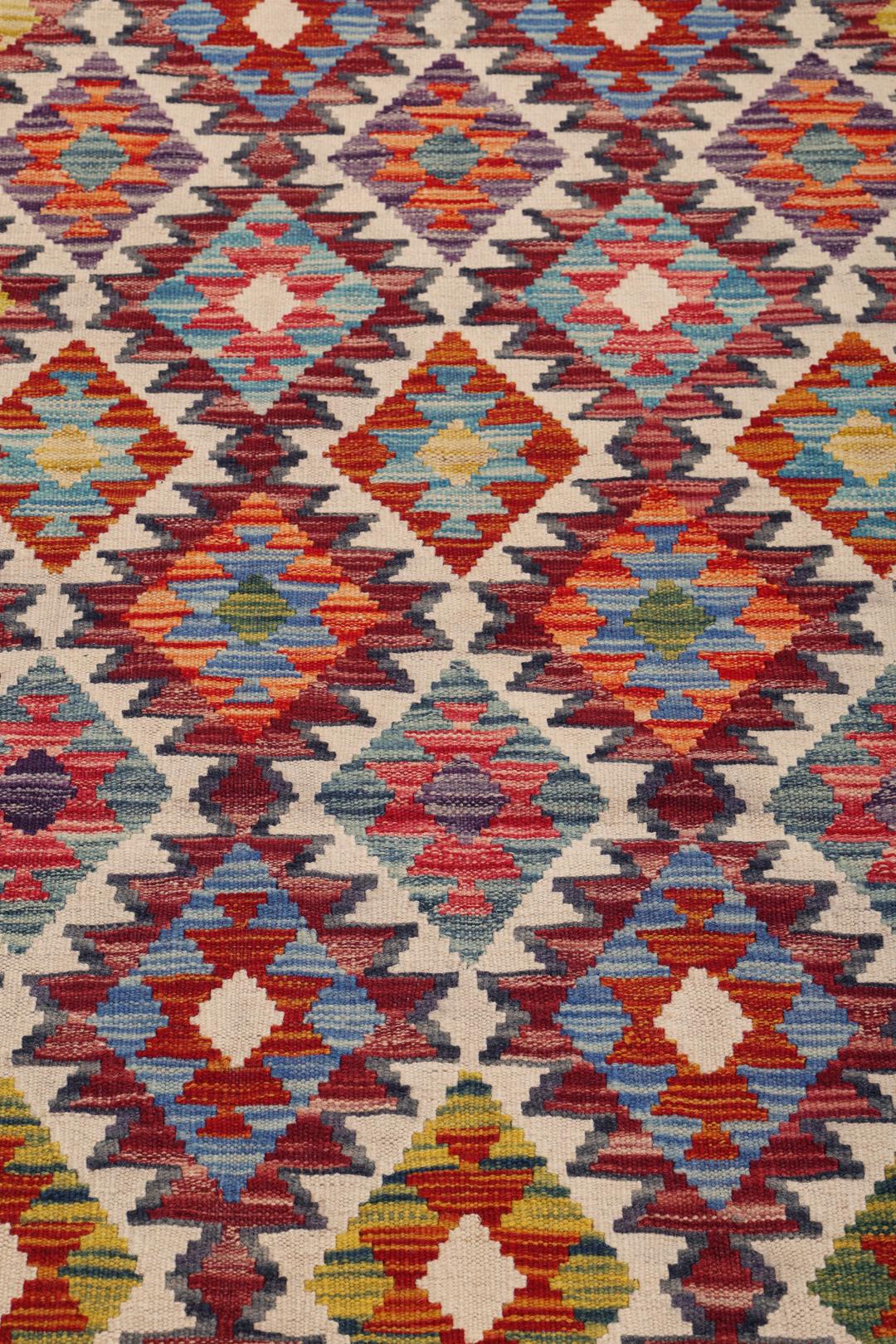
Signature design elements in these rugs are defined by sharp, geometric motifs and a bold use of colour. Diamonds, triangles, and intricate borders are common, often reflecting the tribal identity of the weavers who created them. The colours are traditionally derived from natural dyes, which give the wool a rich, nuanced appearance that mellows beautifully over time, adding to the rug's character.
Owning an Afghan Kelim is an invitation to connect with a rich cultural narrative. These rugs are highly valued by collectors not just for their aesthetic appeal, but for the skill and heritage they embody. Every piece serves as a link to an ancient craft, ensuring that the traditions of the region continue to live on in homes around the world.