Kelim rugs have a long and storied history across the Middle East and Central Asia. These flat-woven textiles are traditionally created by nomadic and semi-nomadic tribes, serving not just as floor coverings, but as essential functional items for tents and homes. The Afghan tradition, in particular, is celebrated for its robust wool and deep, earthy, or vibrant dyes.
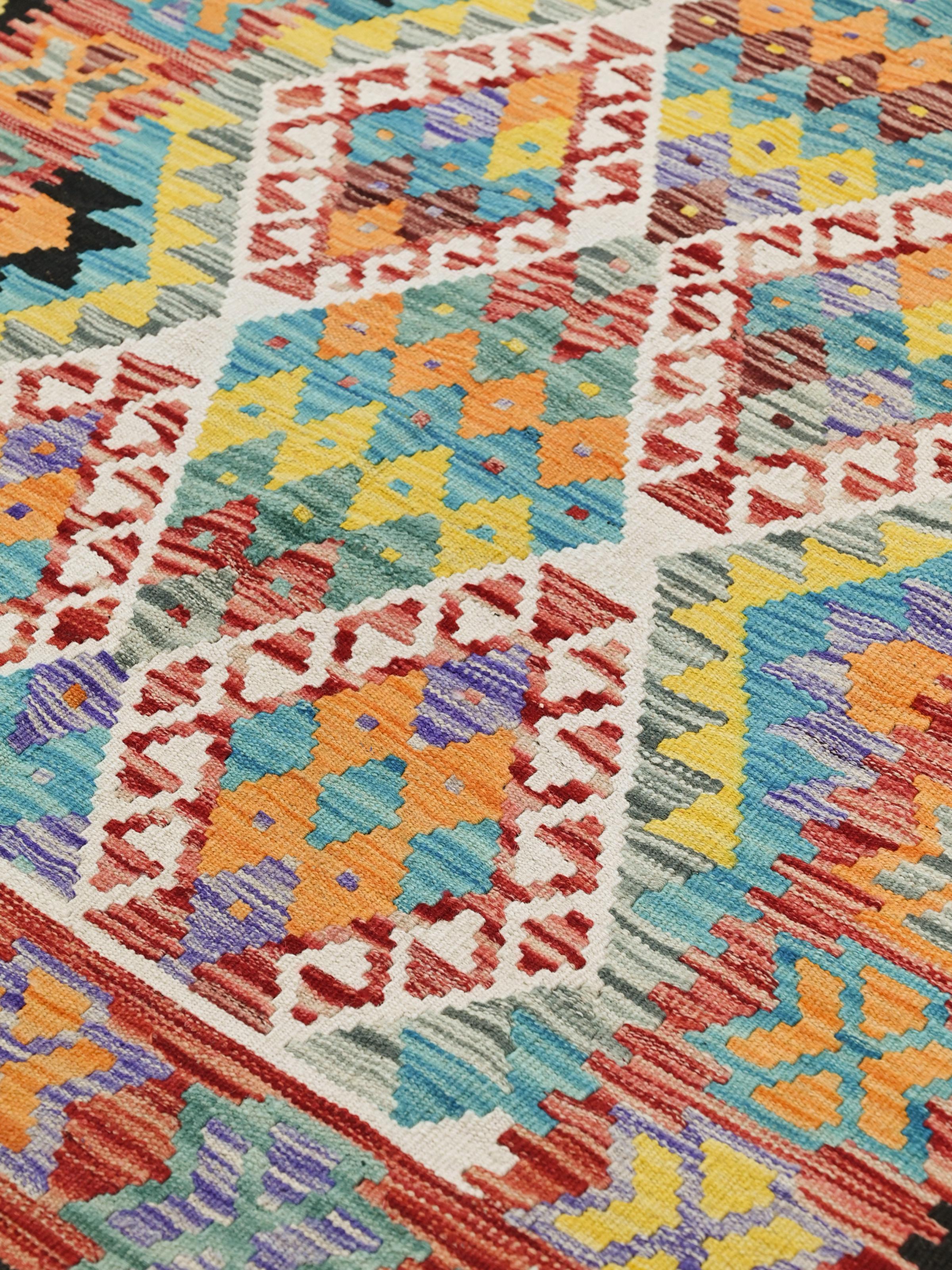
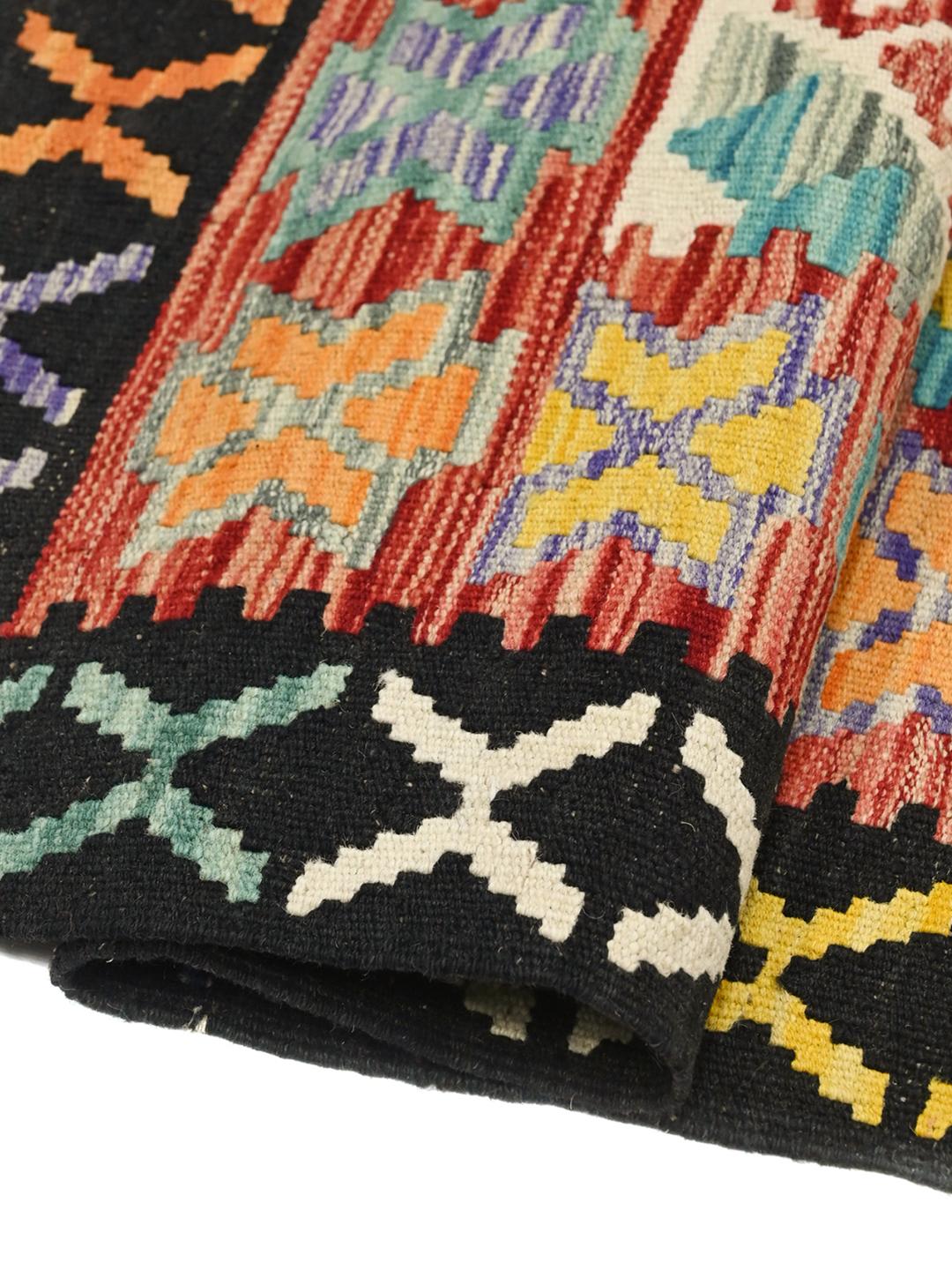
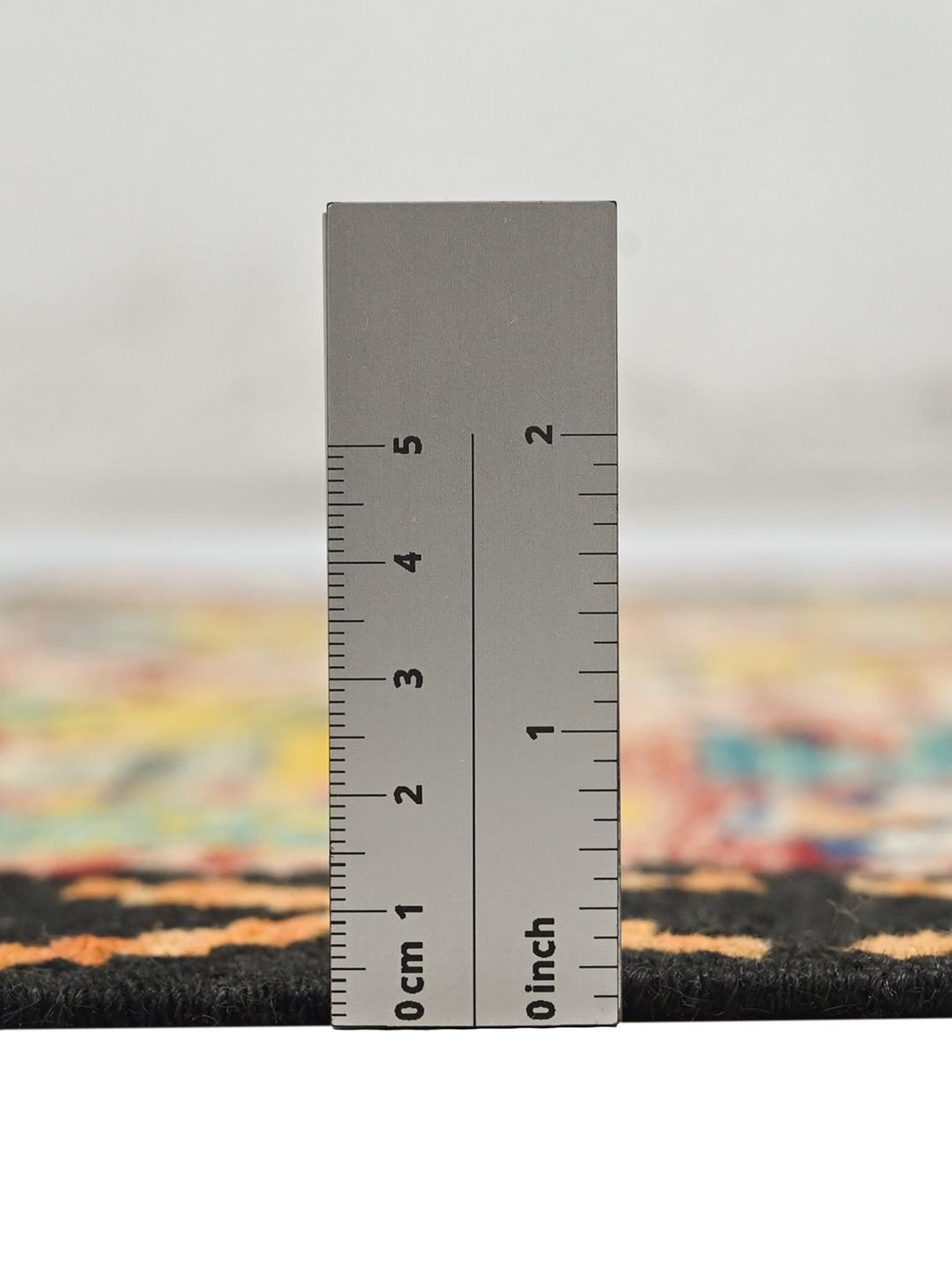
The term 'Kelim' refers specifically to the slit-weave technique used to create these rugs. By interlocking the weft threads tightly around the warp, weavers create a durable, reversible surface that lacks a pile. This technique is what gives the rug its signature slim profile and clean, graphic lines.
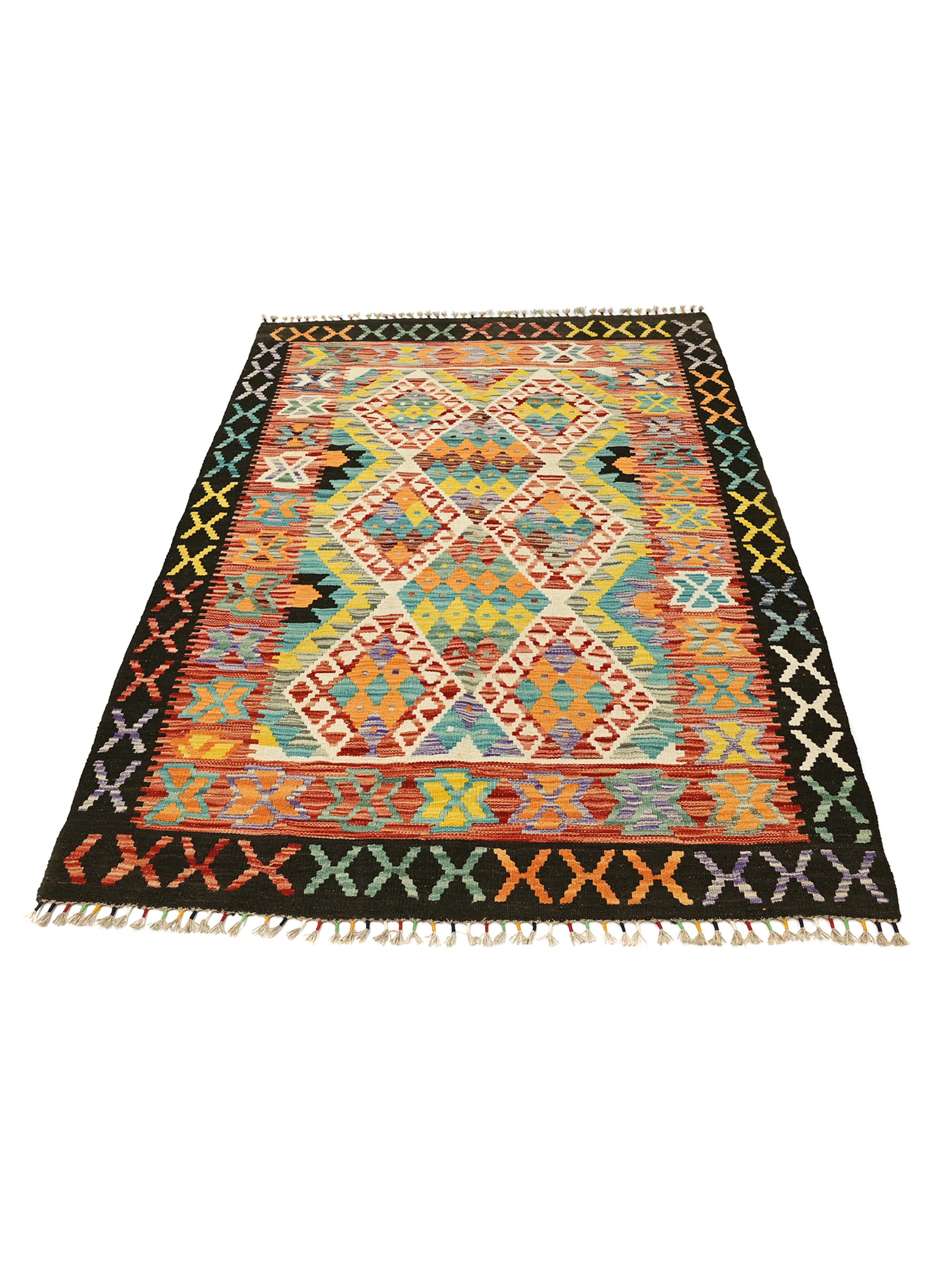
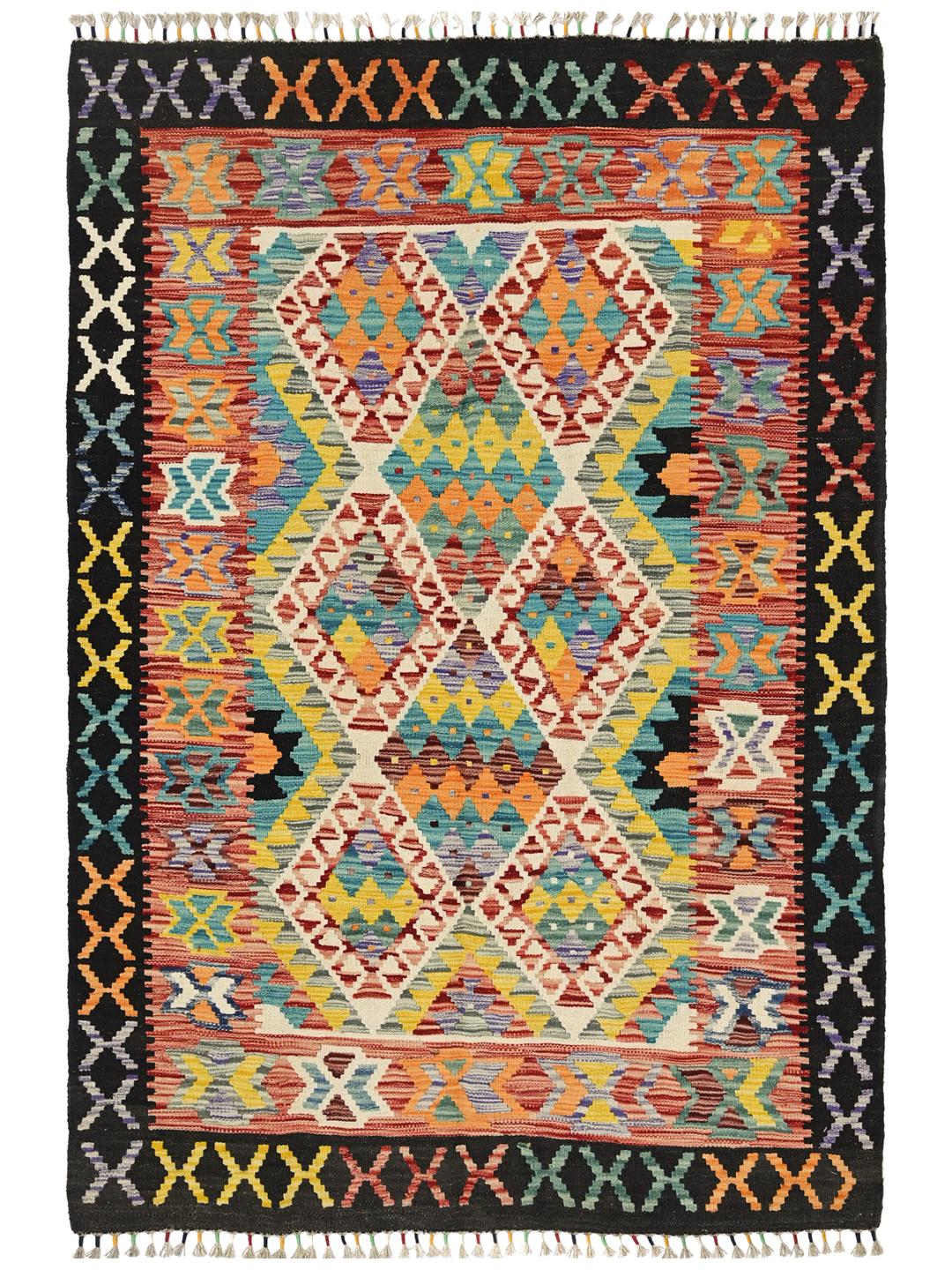
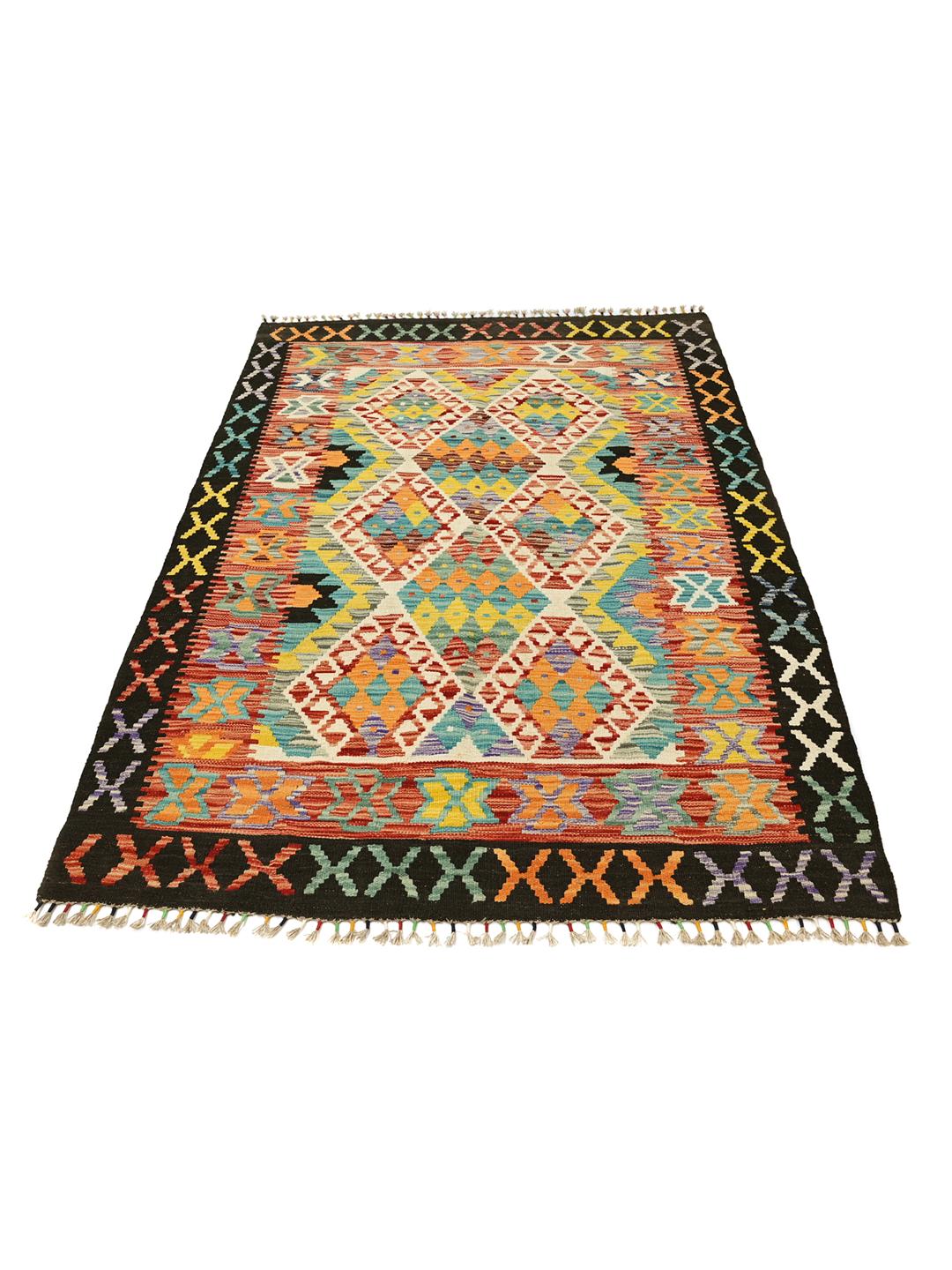
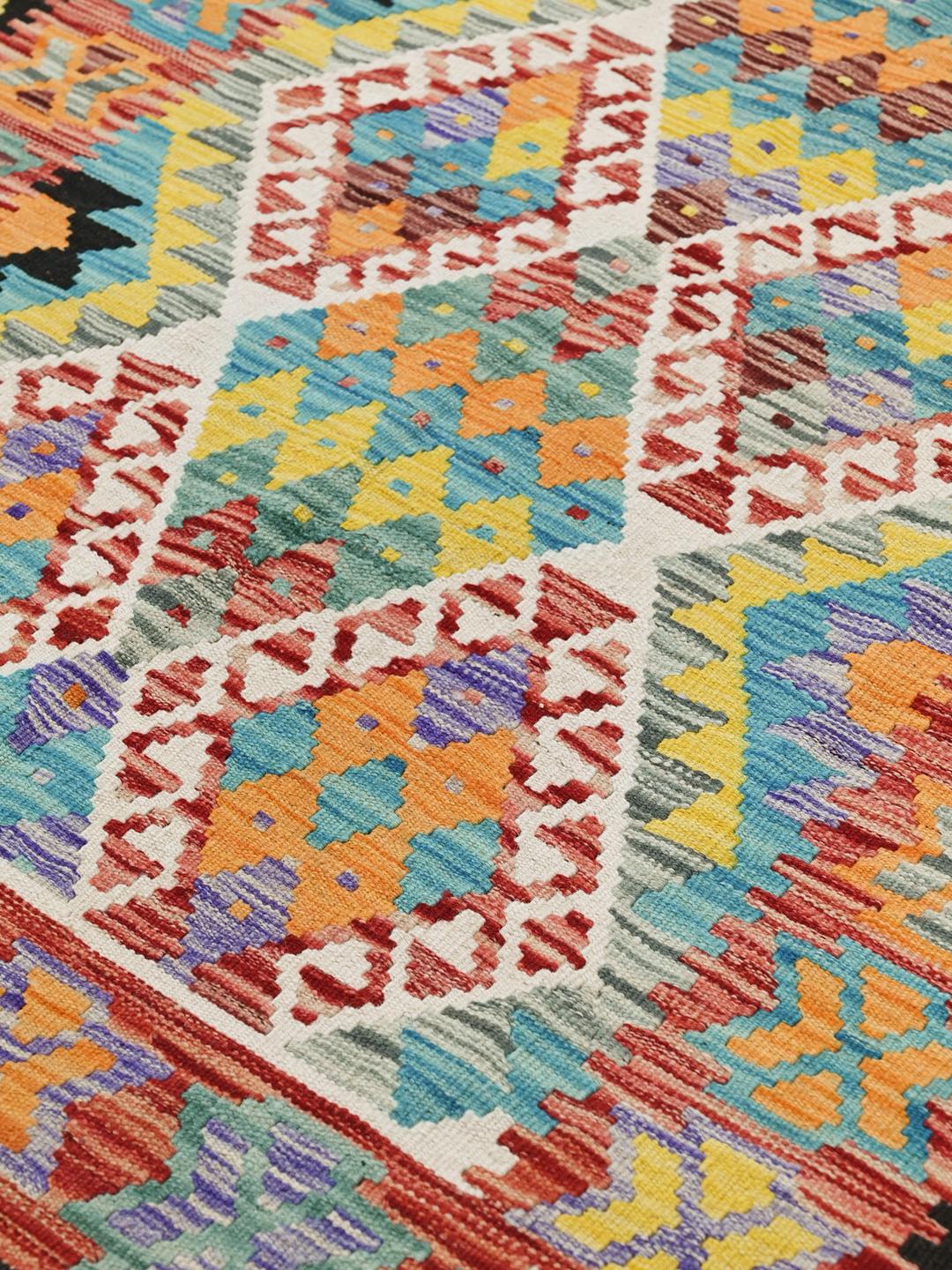
Design-wise, these rugs are defined by their geometric language. You will often see repeating diamonds, triangles, and stylised motifs that have been passed down through generations of weaving families. The bold use of colour in this piece is a nod to the traditional dyeing methods that have historically made Afghan textiles so recognisable and highly sought after by collectors.
Collectors value these rugs for their authenticity and the history they carry. Owning a Kelim is an investment in a living tradition, representing a bridge between ancient craftsmanship and contemporary home styling. They are celebrated for their ability to bring warmth and a sense of place to any interior, standing out as genuine, hand-crafted artefacts.