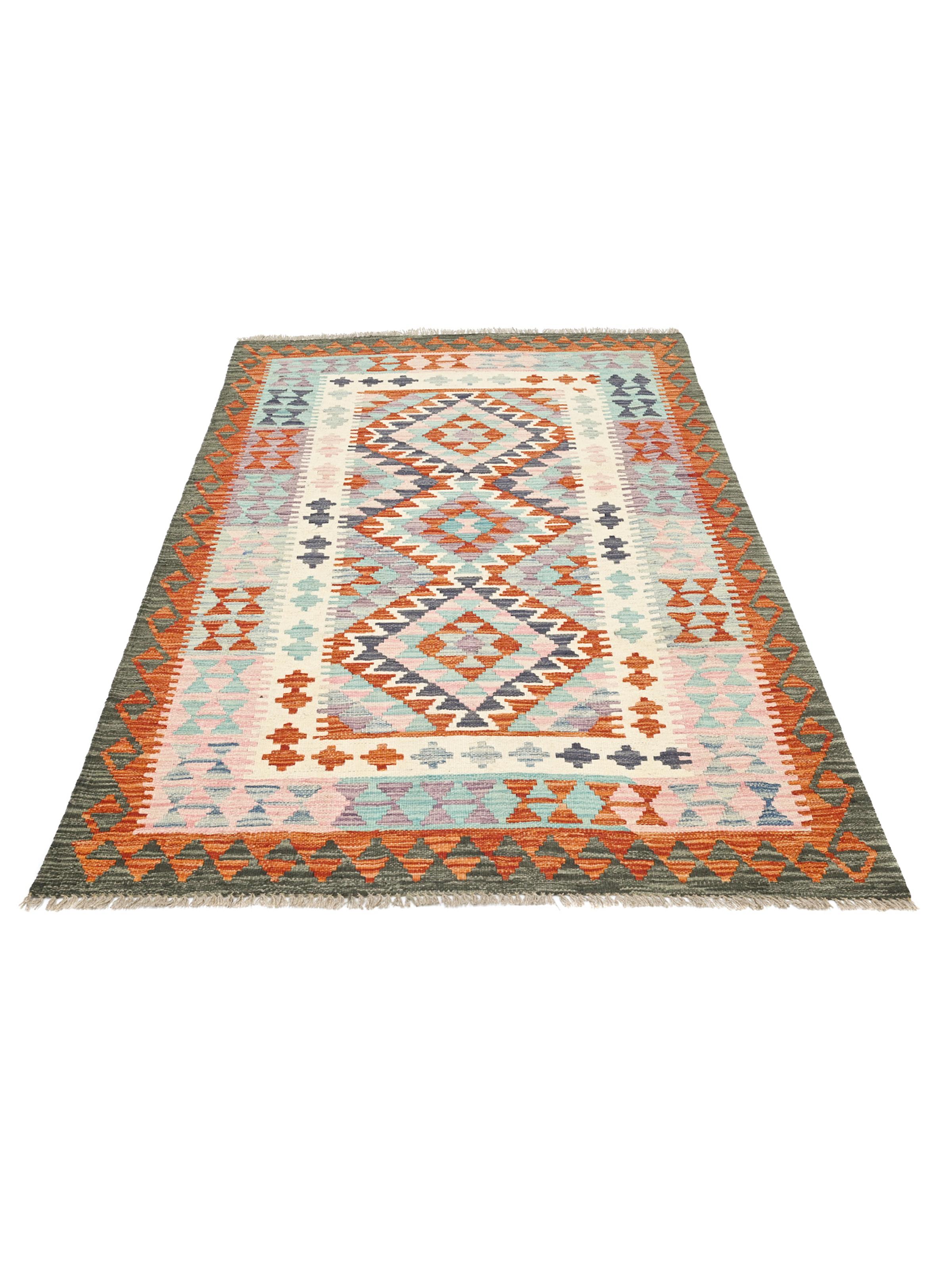
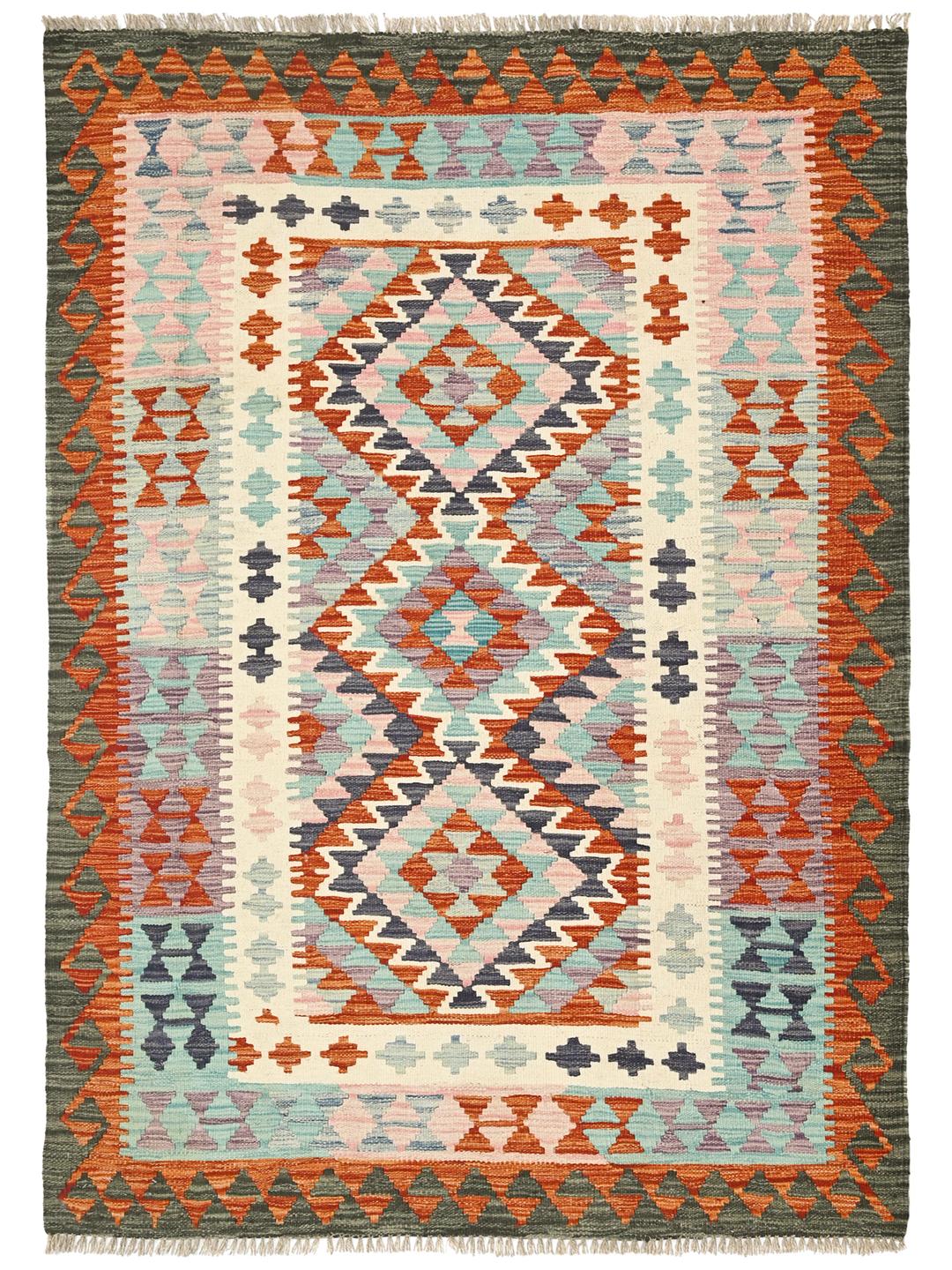
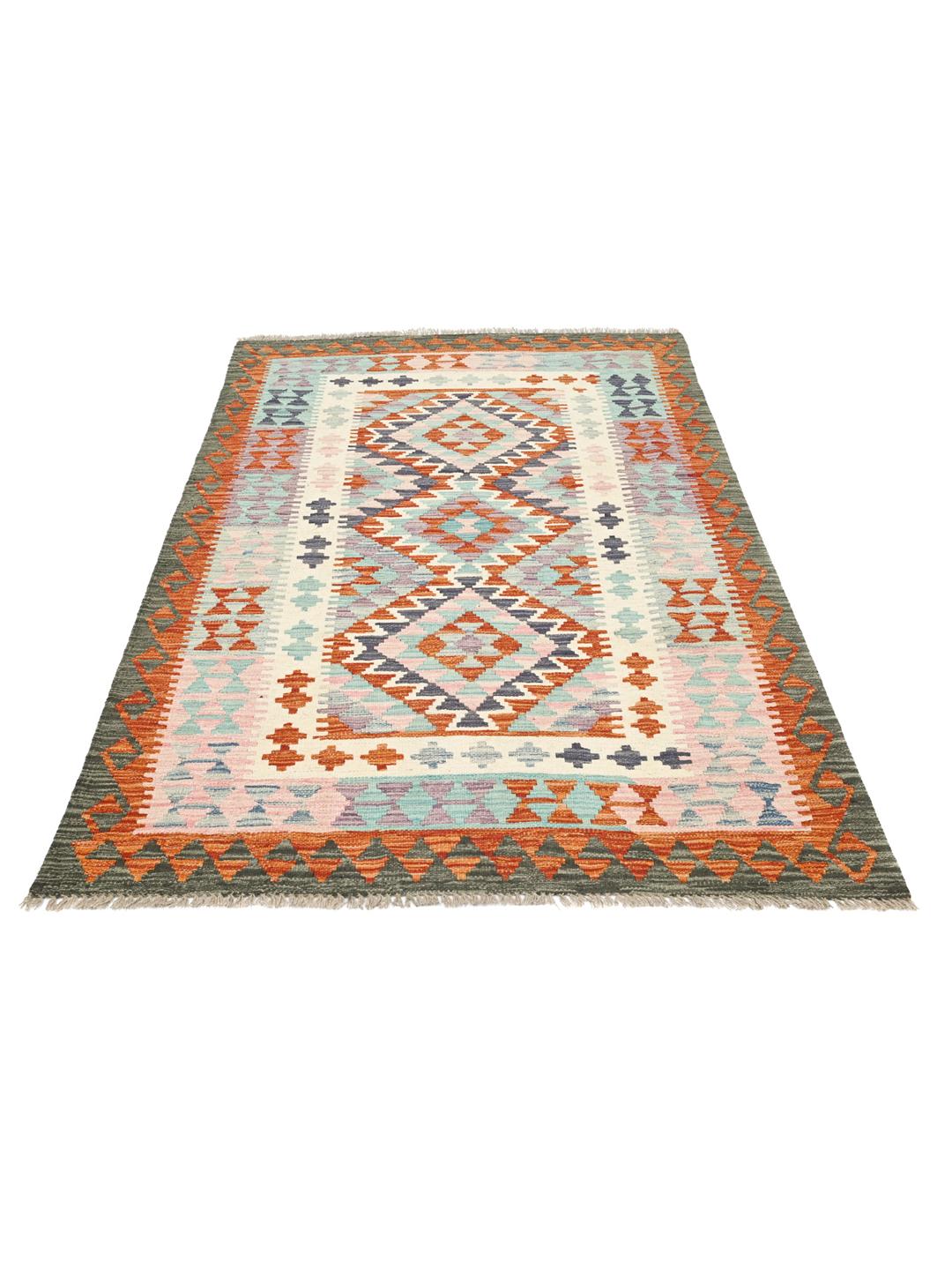
The Kelim tradition in Afghanistan is a testament to centuries of nomadic and village weaving, where the craft was passed down through generations. These rugs are deeply connected to the cultural landscape of the region, serving both as functional floor coverings and as expressions of identity, with designs often reflecting the specific tribal heritage of the weavers.
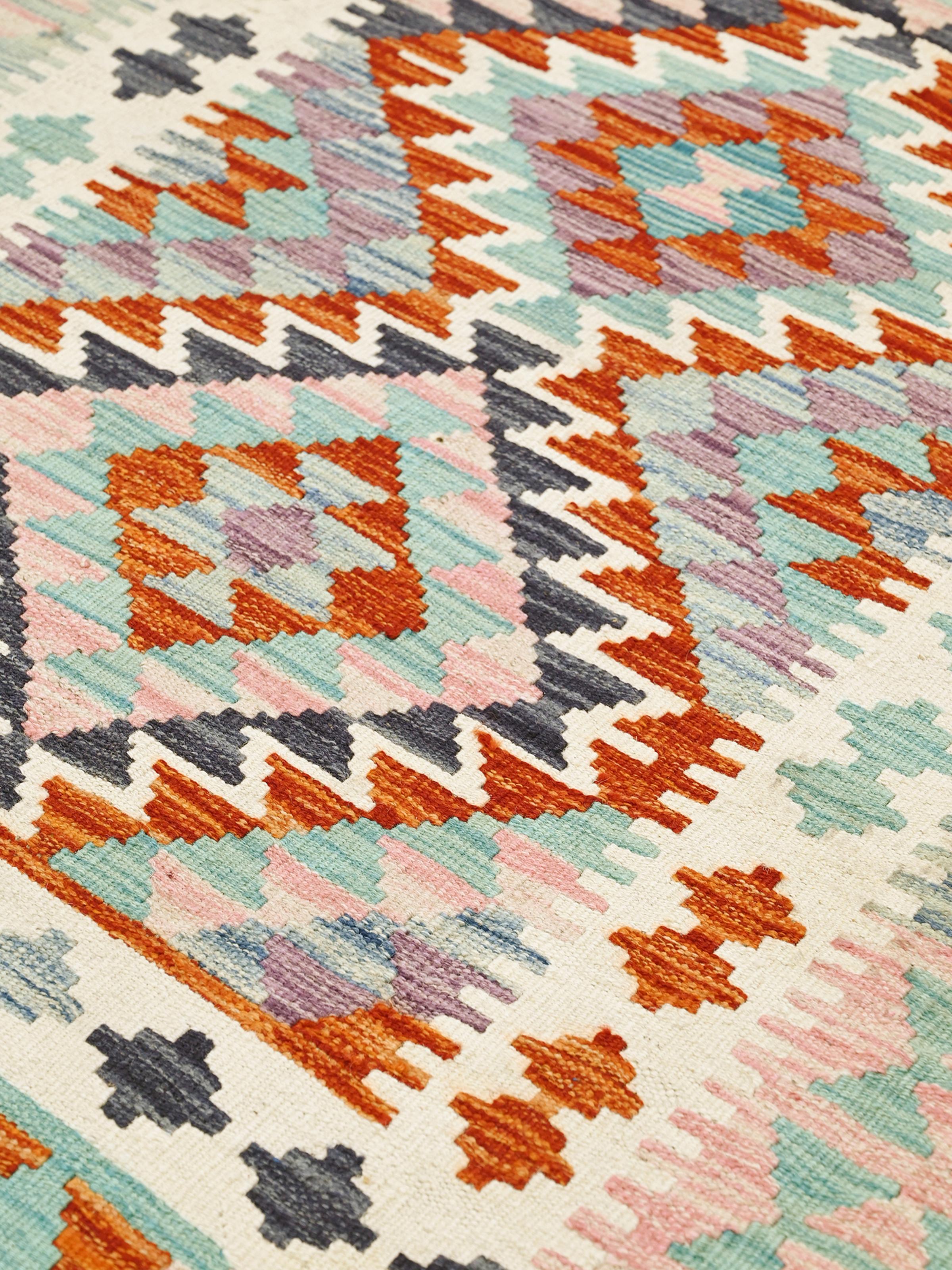
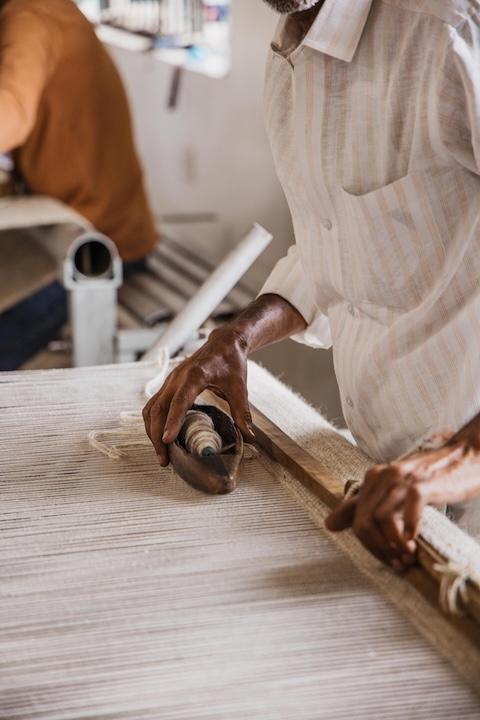
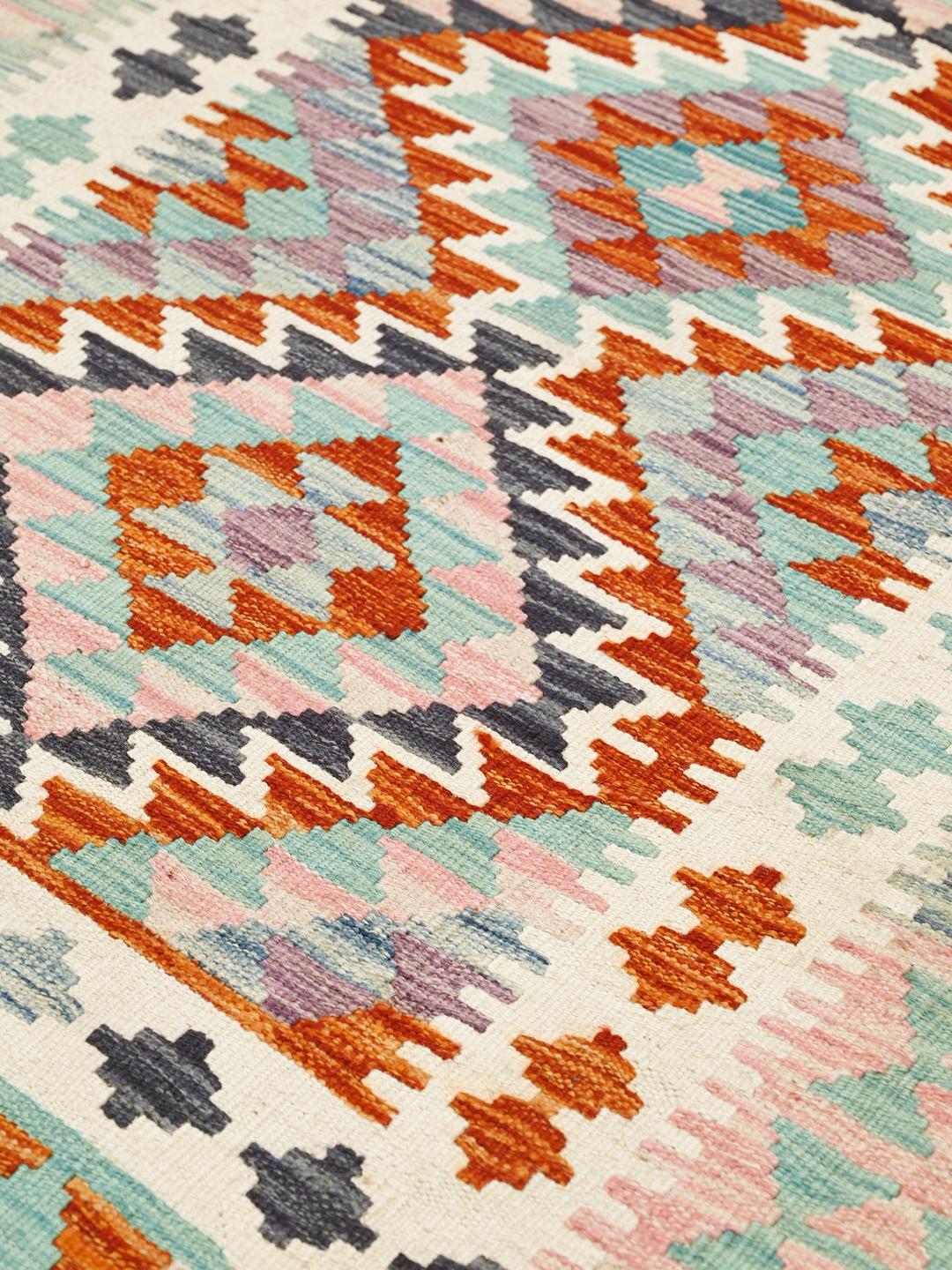
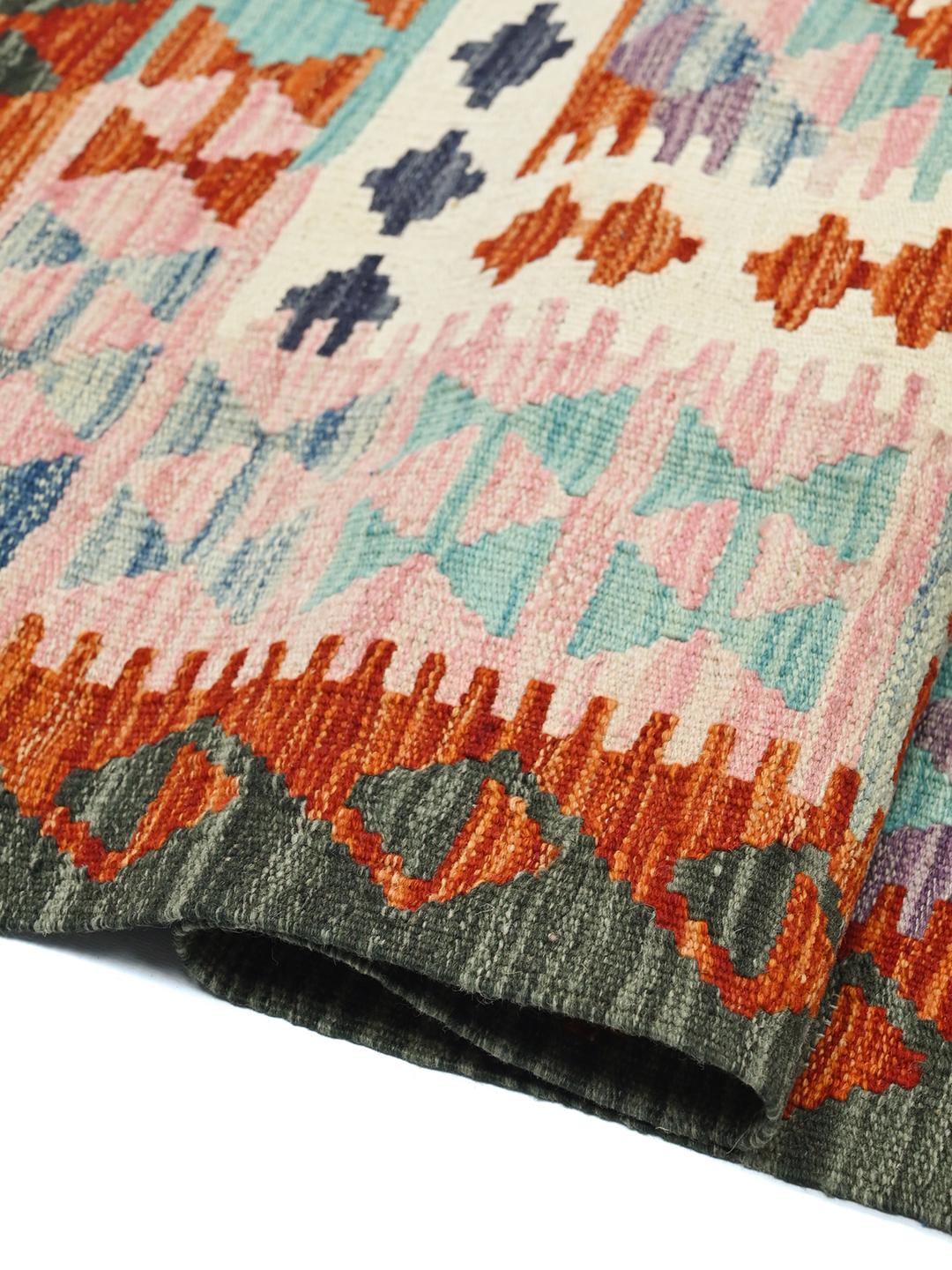
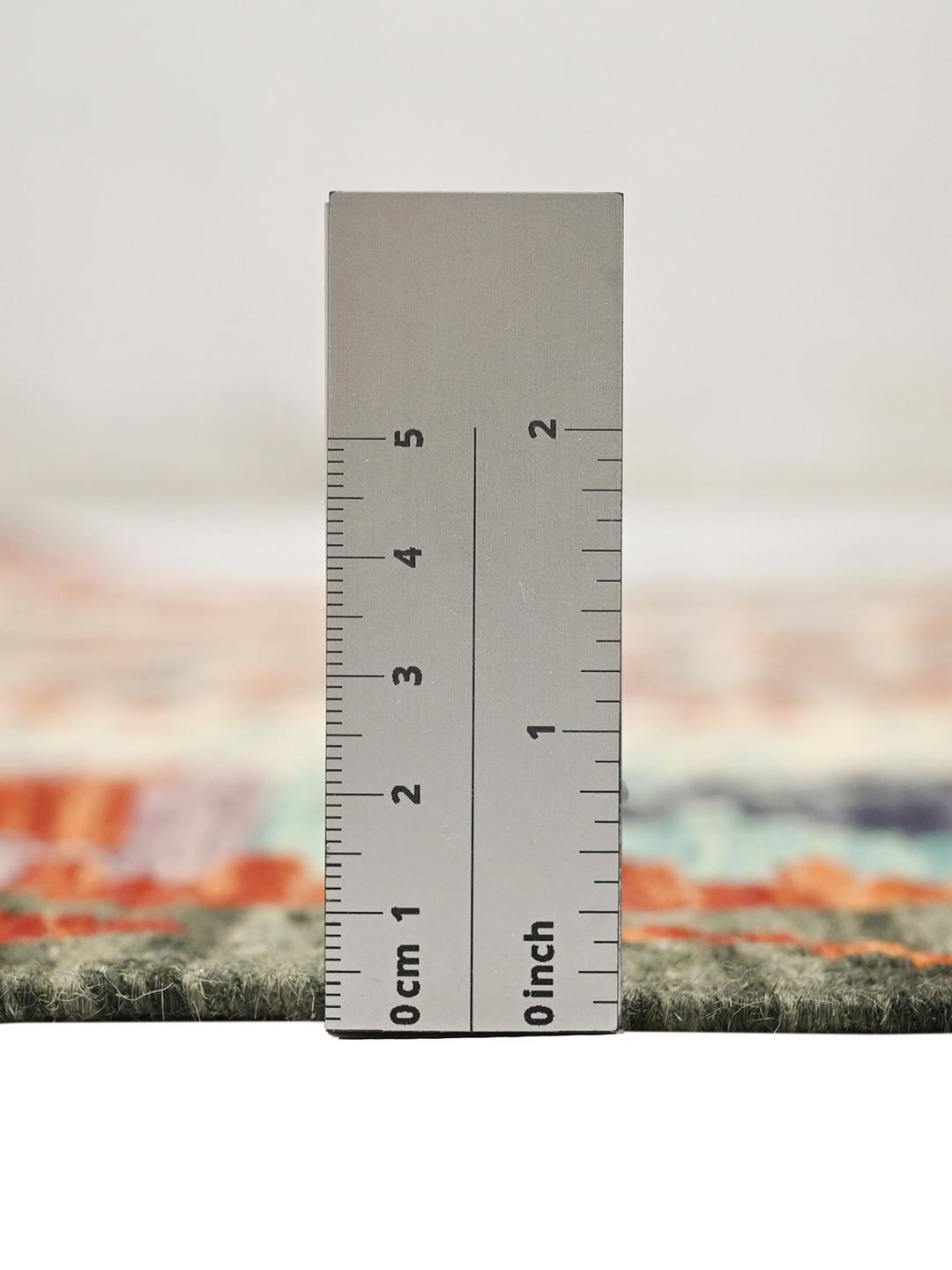
The term 'Kelim' refers to the specific flat-weave technique used to create these pieces. By avoiding a knotted pile, the weaver creates a reversible, lightweight textile that is remarkably resilient. This method requires a high degree of control over tension, as the pattern is built directly into the structure of the rug, necessitating a disciplined and steady hand.
Visually, these rugs are characterised by bold geometric motifs and a rich, earthy colour palette often derived from natural dyes. The patterns frequently feature diamonds, triangles, and stylised floral elements, which are arranged in balanced compositions. The border designs often frame the central field, providing a sense of order and completion to the intricate geometric narrative.
Collectors value these rugs for their authenticity and the skill required to produce them. Owning a Kelim is more than just a decor choice; it is an investment in a tradition that prizes individual expression within a shared cultural framework. Each piece represents a unique snapshot of a weaver's life and the enduring legacy of Middle Eastern textile artistry.