Kelim rugs have long been a cornerstone of the weaving traditions across the Middle East and Central Asia. Originally produced by nomadic tribes for practical use as floor coverings, tent hangings, and storage bags, these rugs were designed for durability and portability while serving as a canvas for the weaver's creative expression.
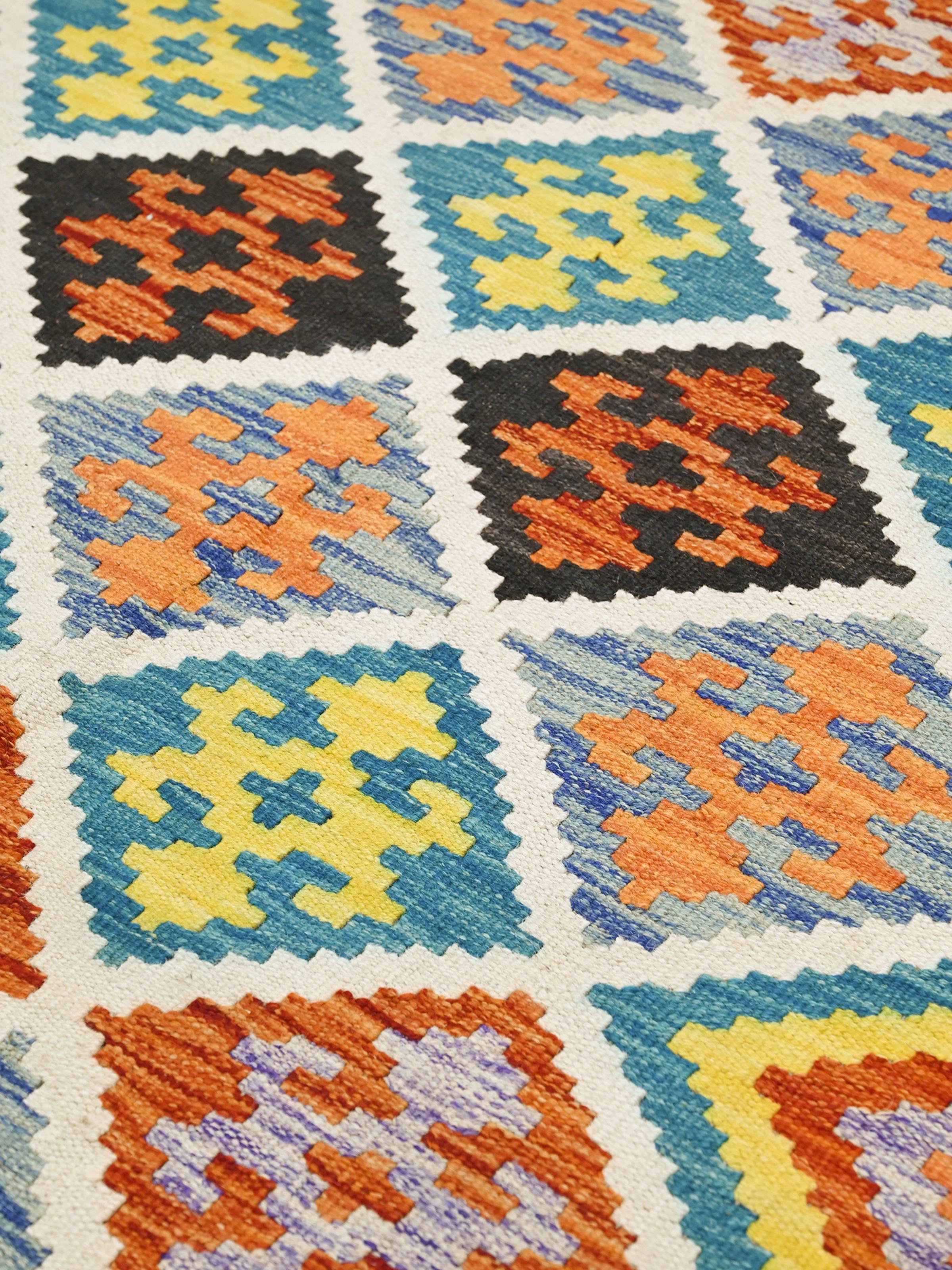
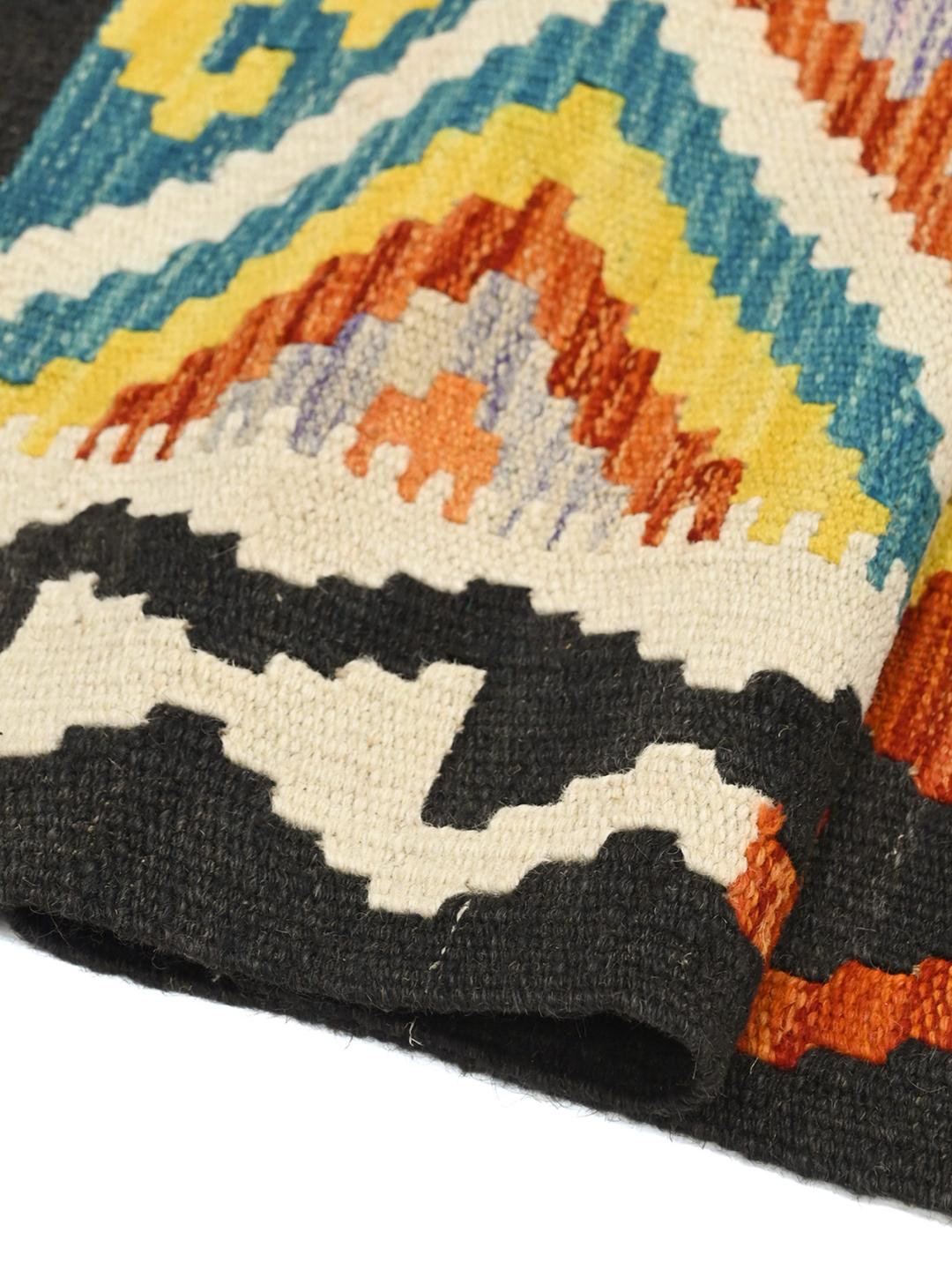
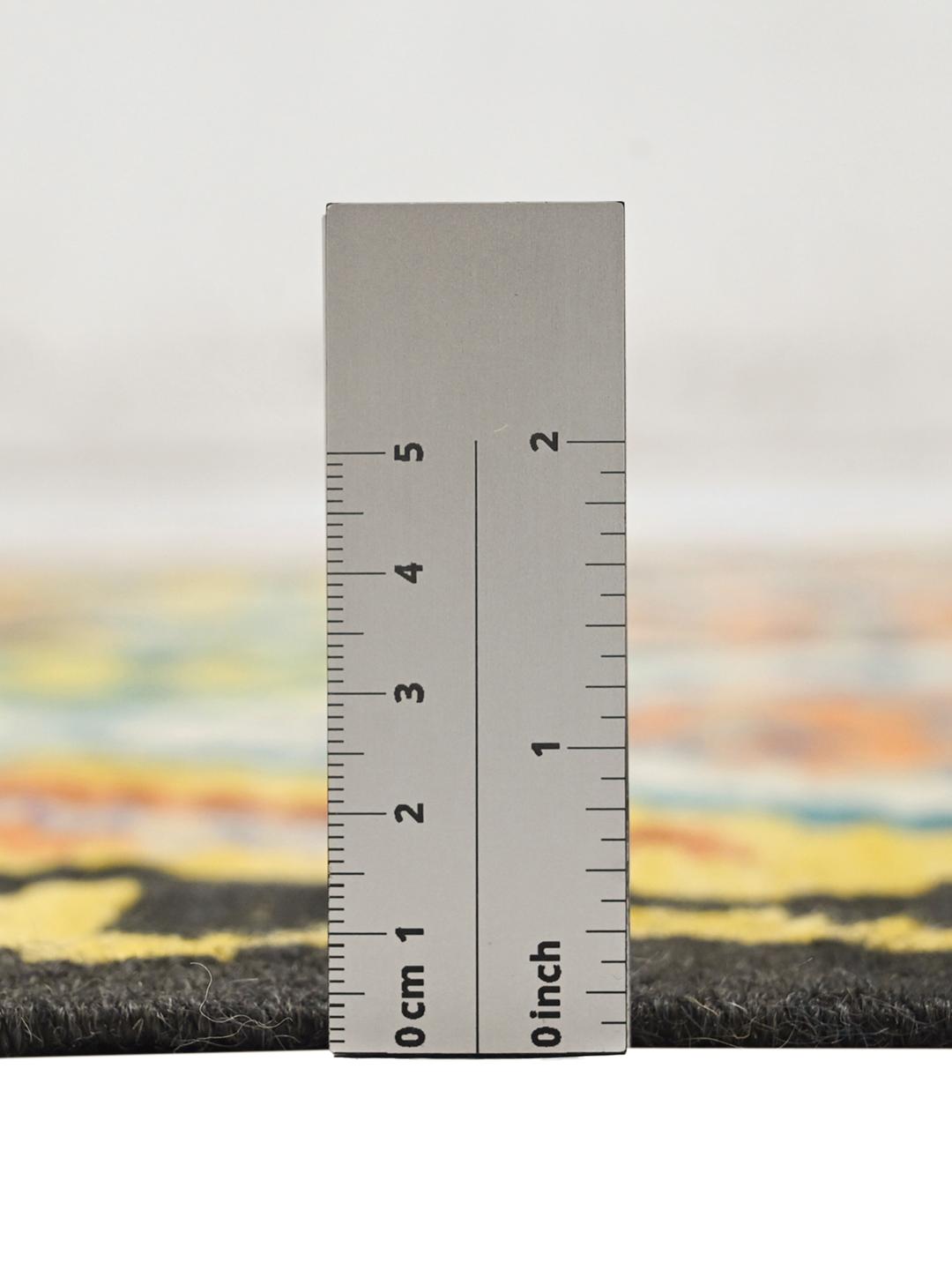
The term Kelim refers to the flat-weaving technique where the weft strands are pulled tightly over the warp strands to create a smooth, pileless surface. This method is fundamental to the rug's quality, producing a fabric that is thin yet incredibly strong and reversible, allowing it to withstand the rigors of daily life in a nomadic household.
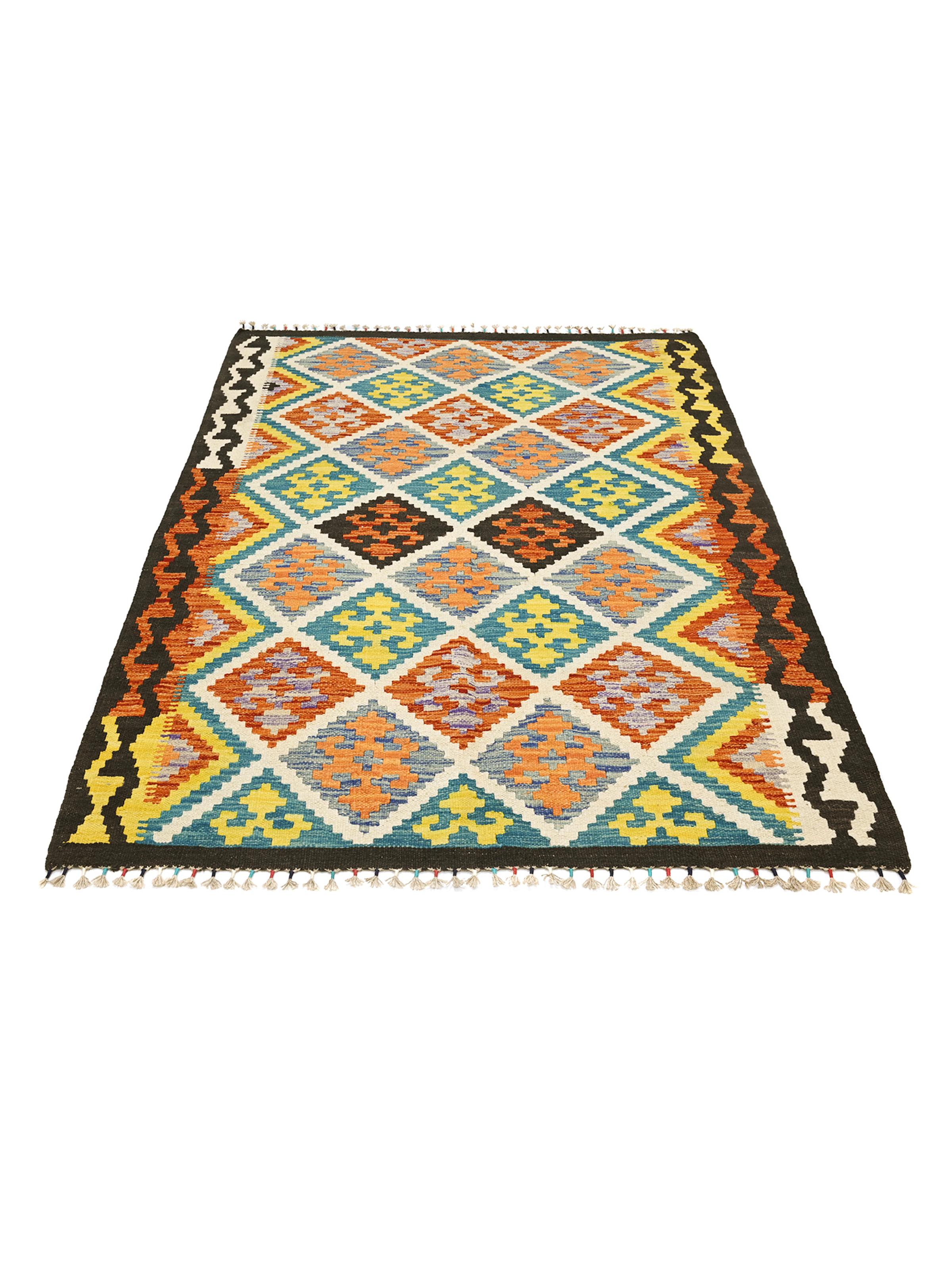
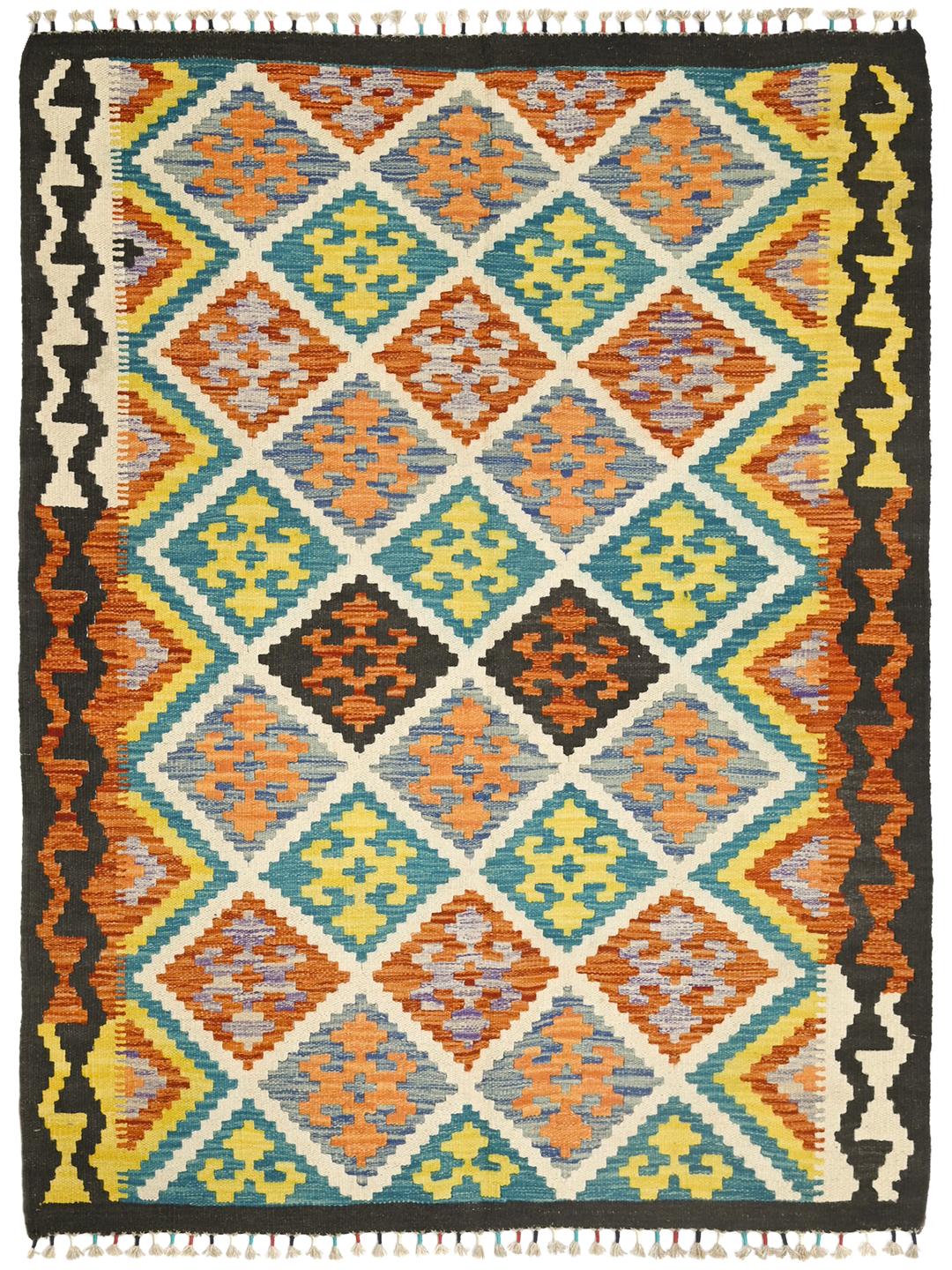
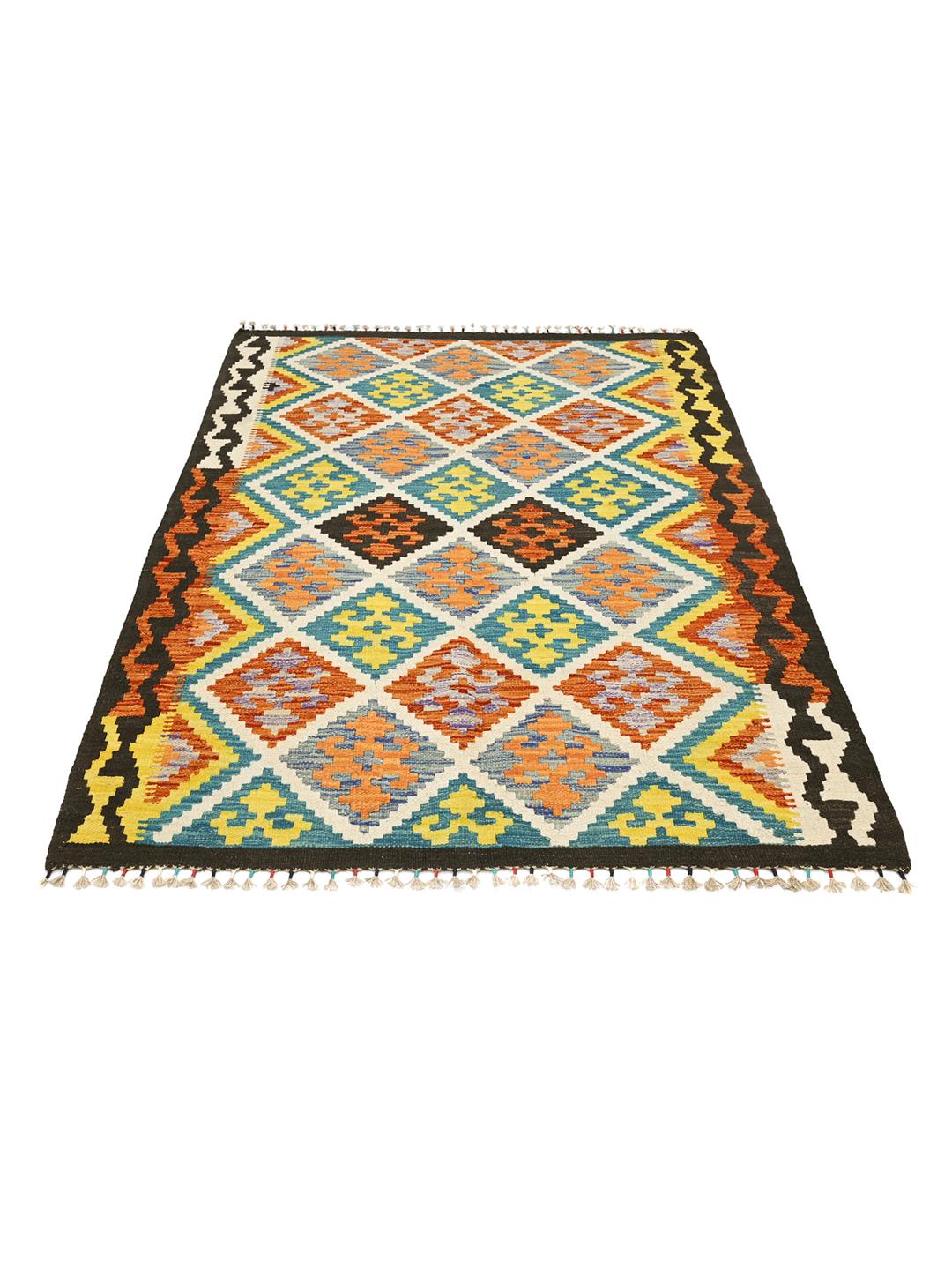
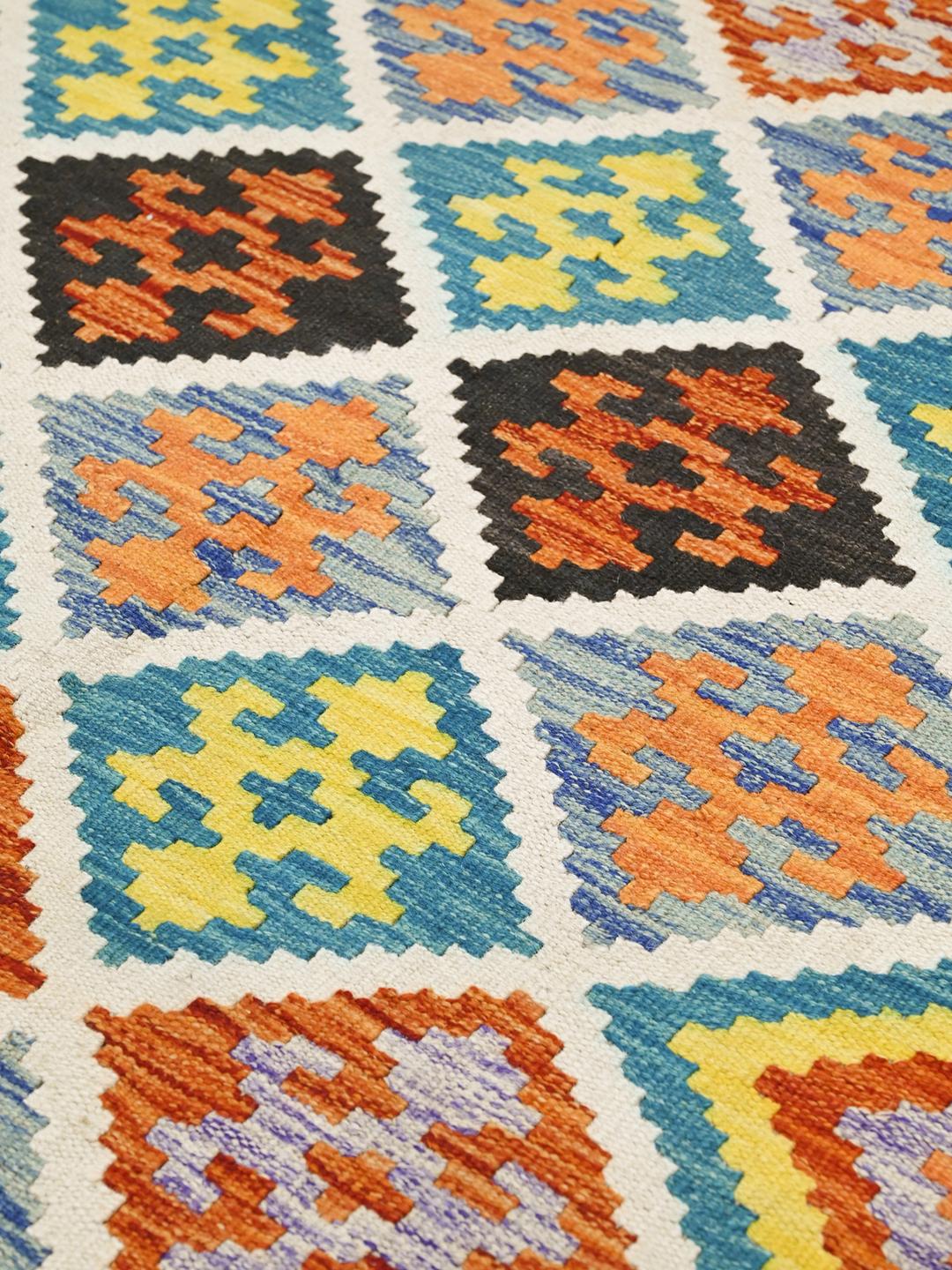
Design-wise, these rugs are characterised by their bold, geometric language. The diamond motifs and zigzag borders seen in this piece are classic elements of the Afghan tradition, often representing protection or local tribal identity. The use of vibrant, natural-inspired colours is a signature of this style, intended to bring brightness and joy into the living environment.
Today, these rugs are highly sought after by collectors and interior enthusiasts alike for their cultural weight and authentic character. Owning an Afghan Kelim is more than just purchasing a floor covering; it is an investment in a living tradition that celebrates the skill, history, and artistic vision of the artisans who continue to keep these ancient techniques alive.