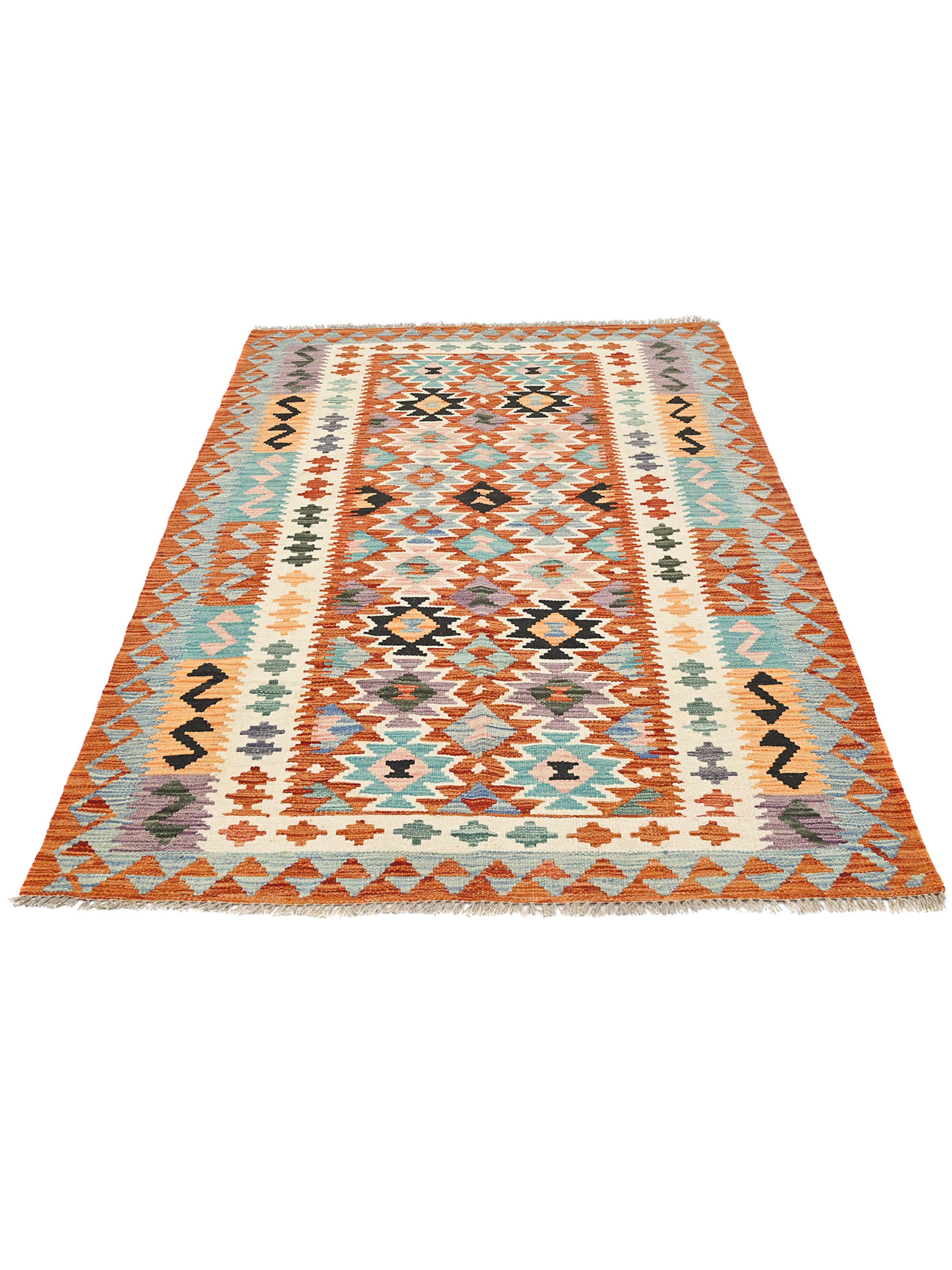
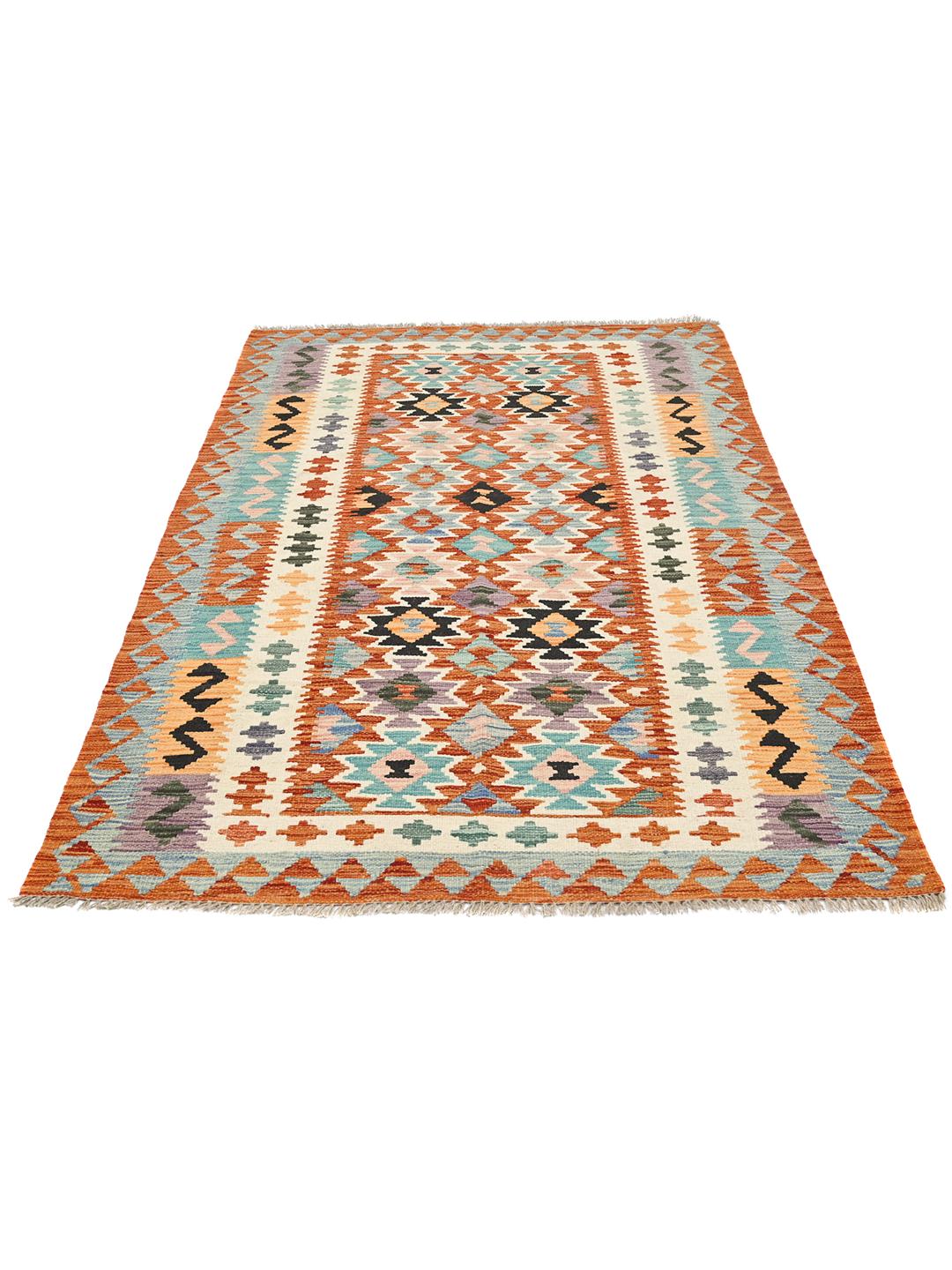
Kelim rugs have long been a cornerstone of nomadic life across the Middle East and Central Asia. Originally created by tribal groups for their practical utility as floor coverings, tent dividers, and storage bags, these flat-woven rugs have evolved into celebrated textile art that preserves the stories and visual language of their creators.
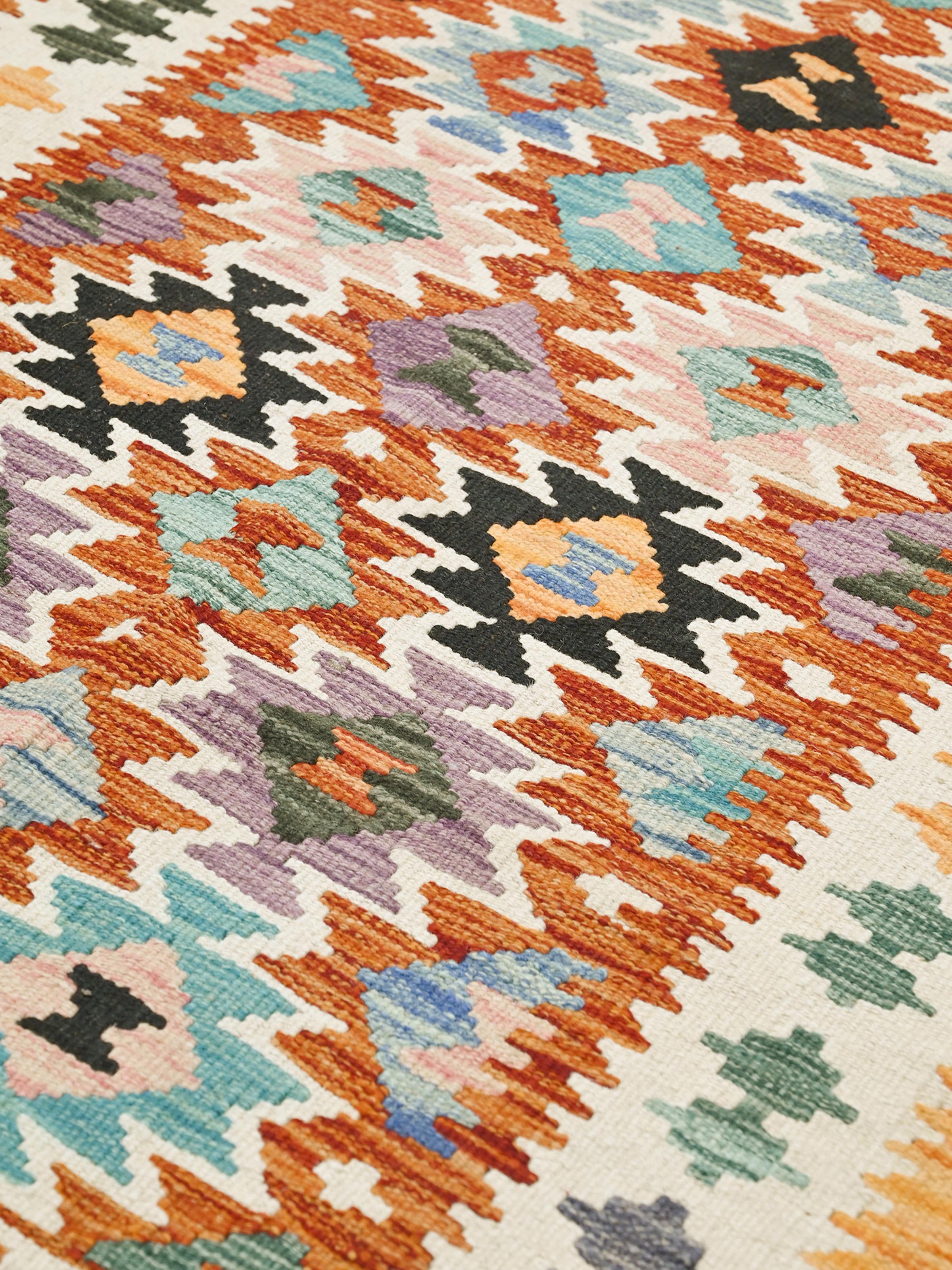
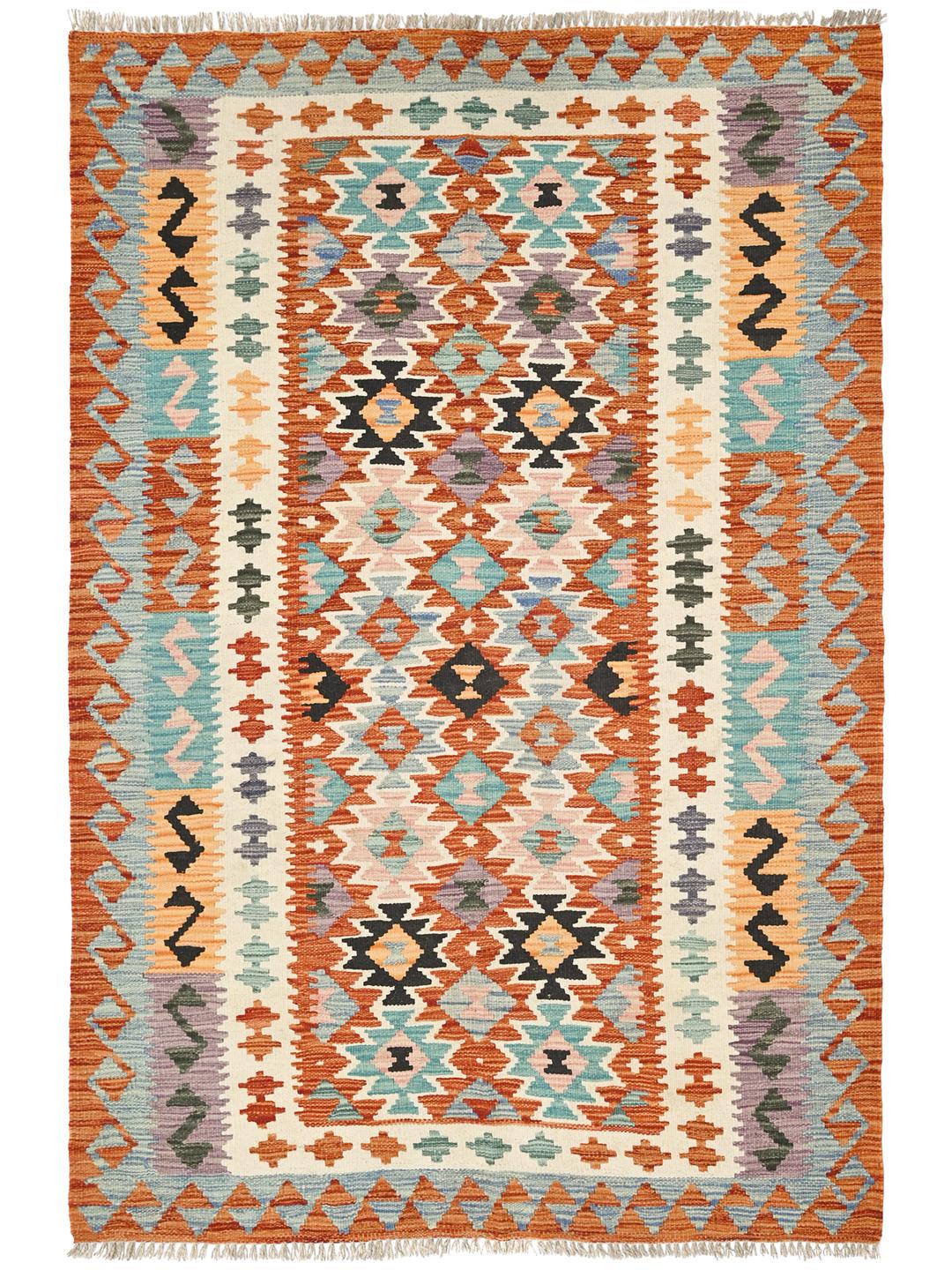
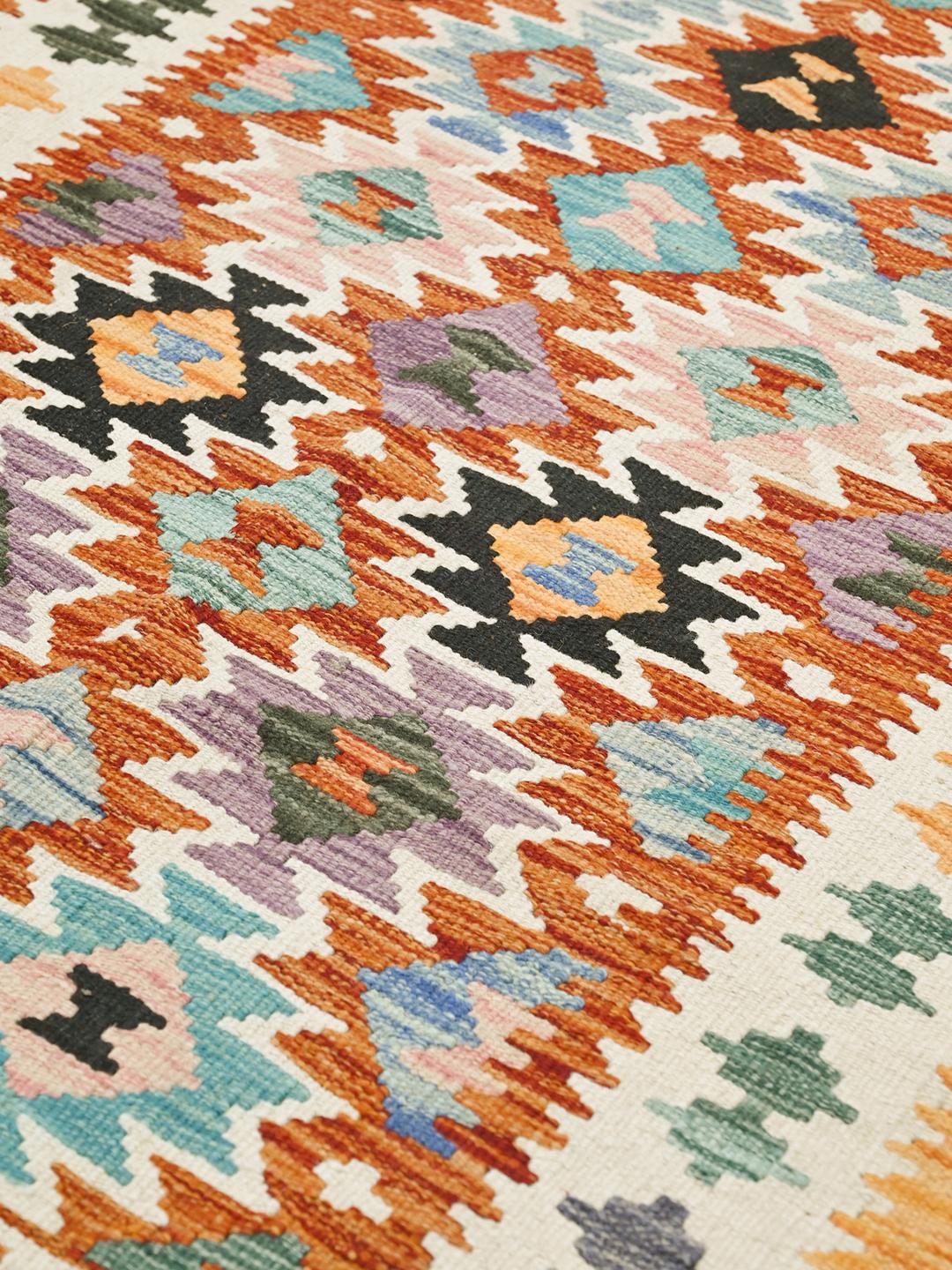
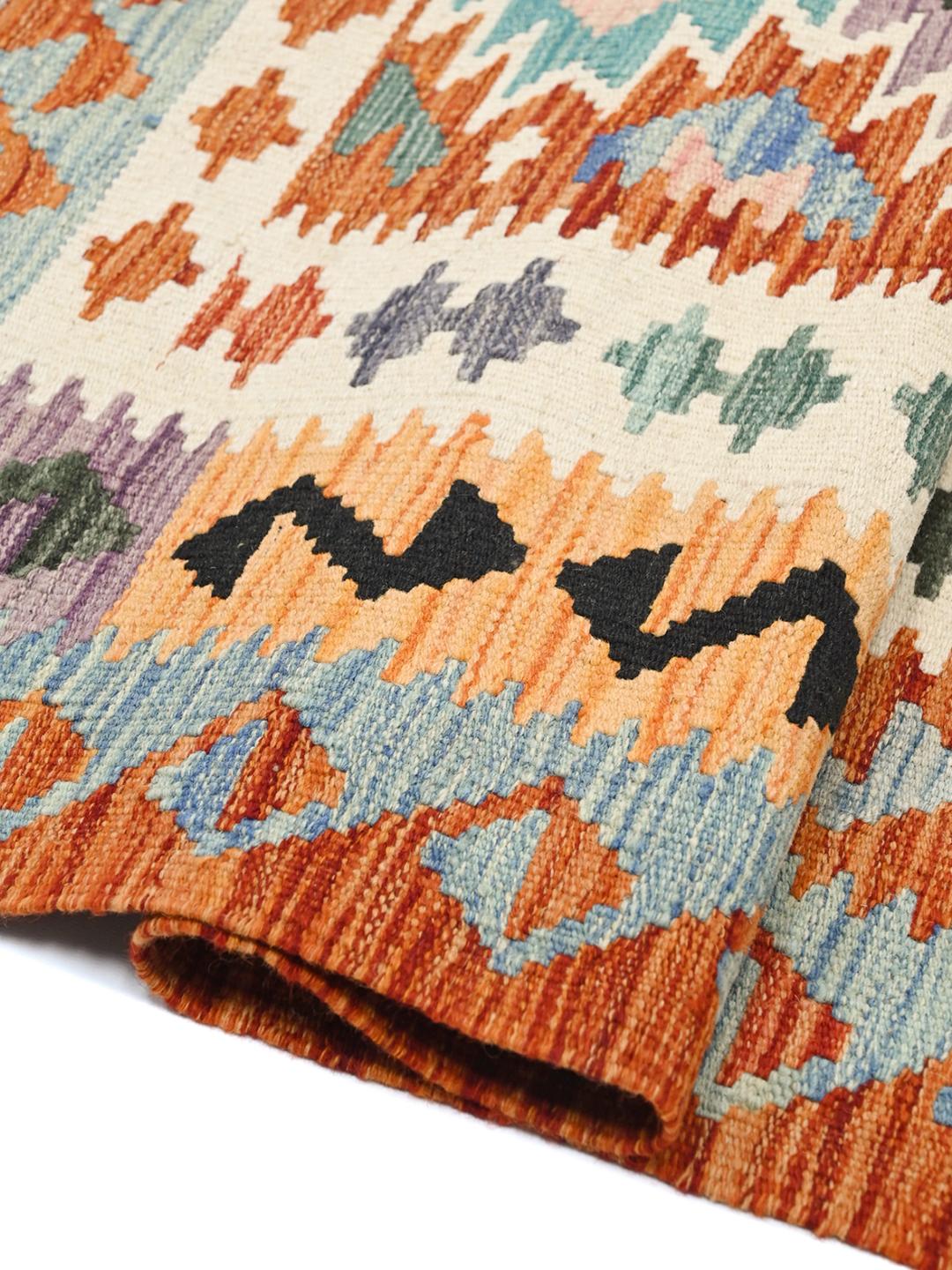
The term Kelim refers to the specific flat-weave technique where no pile is created, resulting in a reversible rug that is both lightweight and incredibly resilient. This construction method allows for sharp, crisp geometric designs, as the weaver works by interlocking coloured threads to form the intricate patterns visible on the surface.
Signature design elements of the Afghan Kelim often include bold diamonds, zig-zags, and stylized tribal motifs that hold symbolic meaning within the weaving community. The use of vibrant, contrasting colours is a hallmark of this tradition, reflecting the natural dyes and creative spirit of the Afghan highlands.
Owning an Afghan Kelim is an investment in cultural heritage and human skill. These rugs are highly valued by collectors not only for their beauty but for the connection they provide to a way of life that prizes patience, precision, and the artistic expression of regional traditions.