The Kelim tradition is an ancient and storied craft that spans across the Middle East and Central Asia. These flat-woven rugs have served as essential functional items for nomadic and semi-nomadic tribes for centuries, used as floor coverings, wall hangings, and even as durable saddlebags. Their history is inextricably linked to the migration patterns of these groups, who carried their looms and weaving knowledge across vast landscapes, resulting in a diverse and rich visual language that varies from region to region.
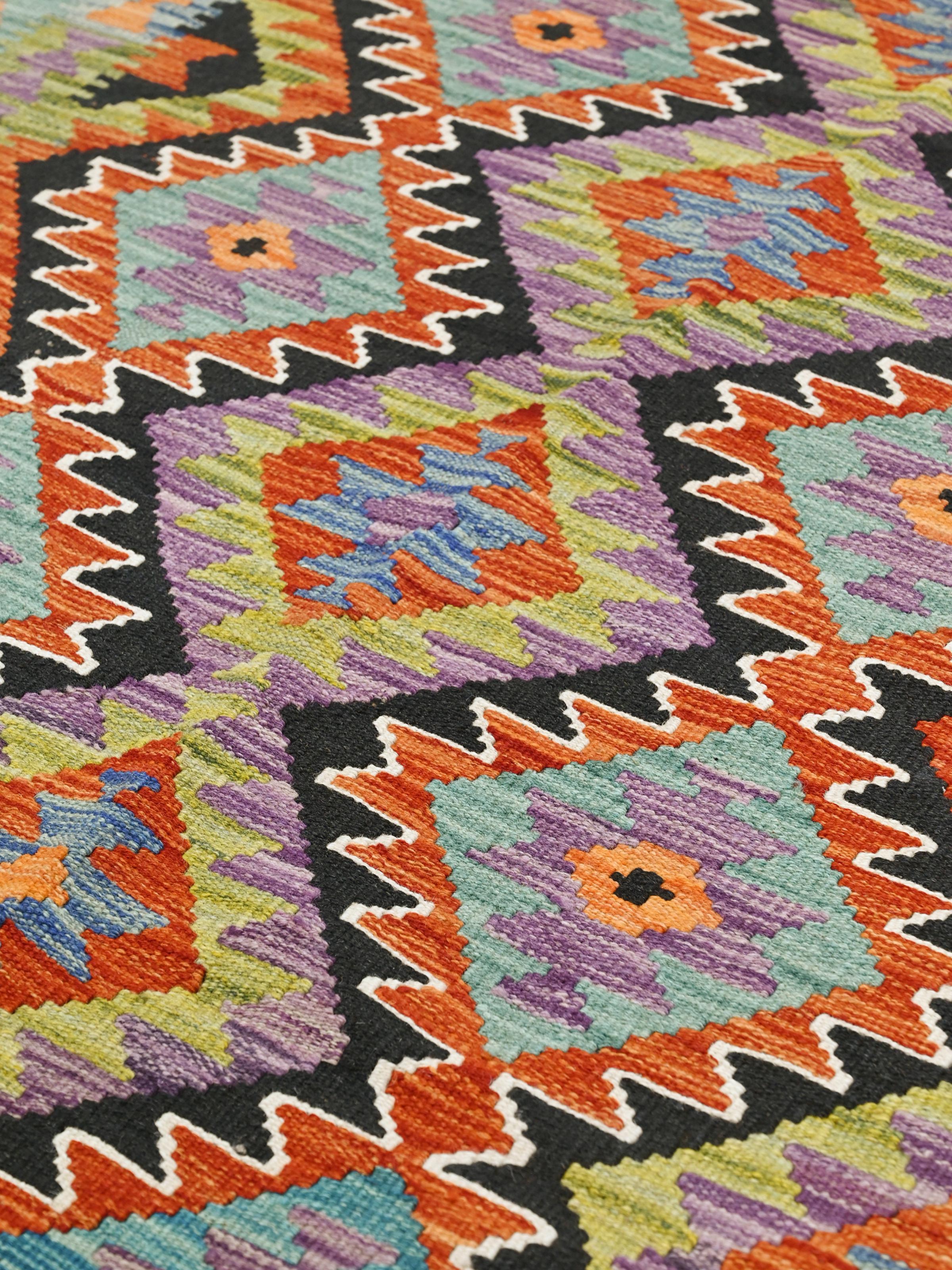
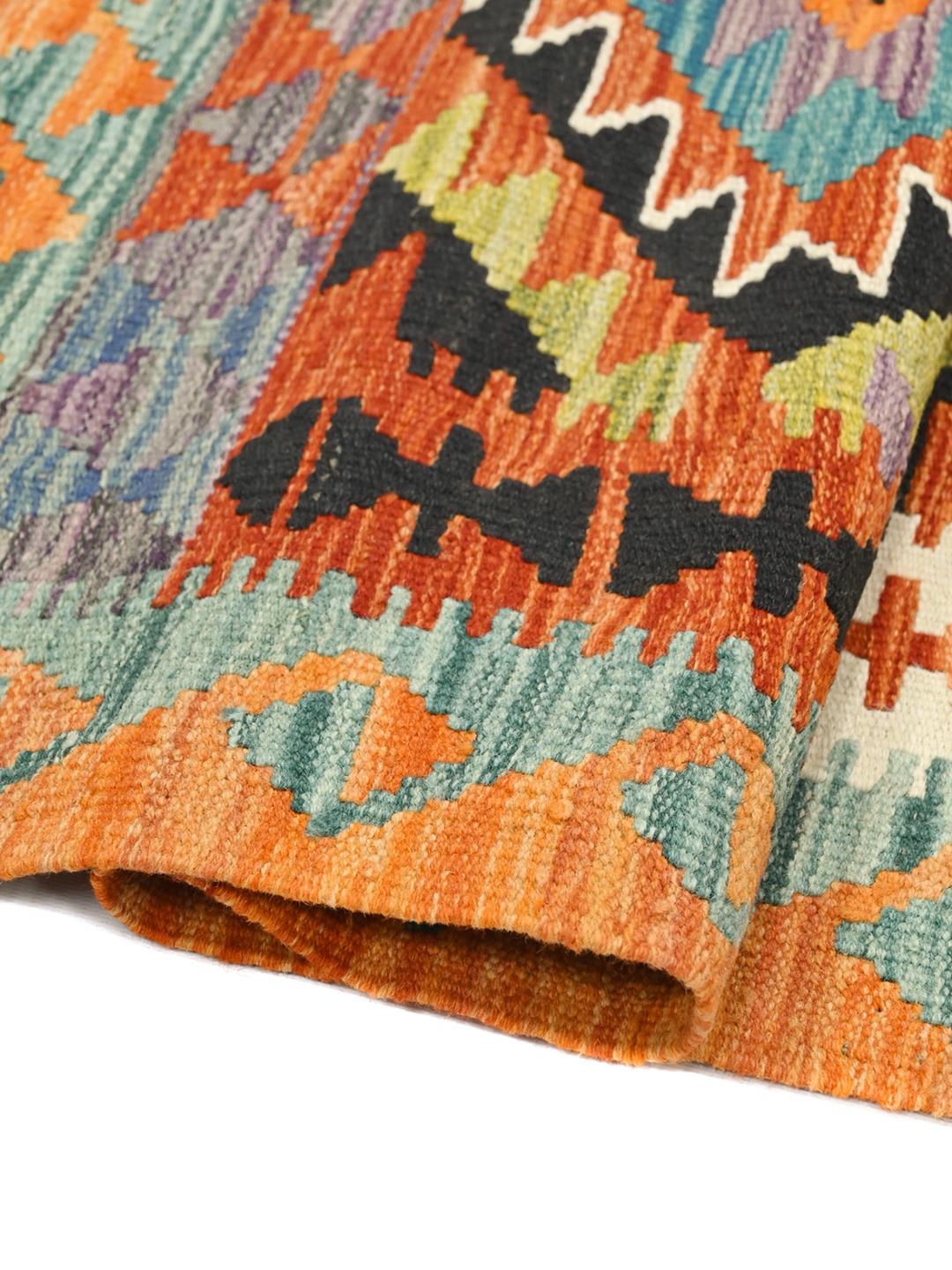
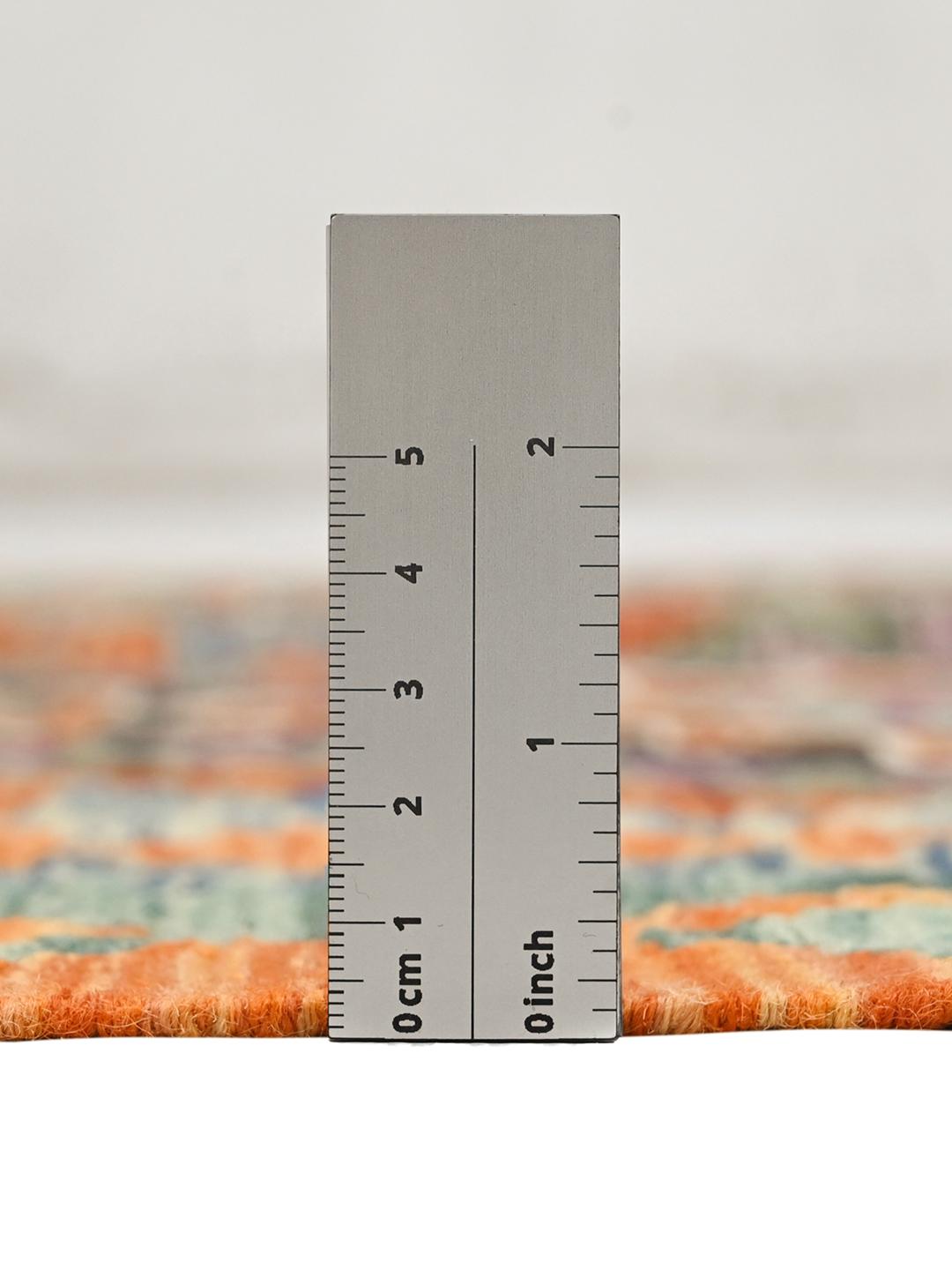
The term 'Kelim' refers specifically to the technique of tapestry weaving, where the pattern is created by the weft threads themselves rather than by knotting piles of wool onto a warp. This makes the resulting rug thinner and lighter than traditional knotted carpets, yet highly durable. The quality of a Kelim is often judged by the tightness of the weave and the precision with which the colour changes are executed, as these factors determine how well the rug holds its shape and pattern over long periods of use.
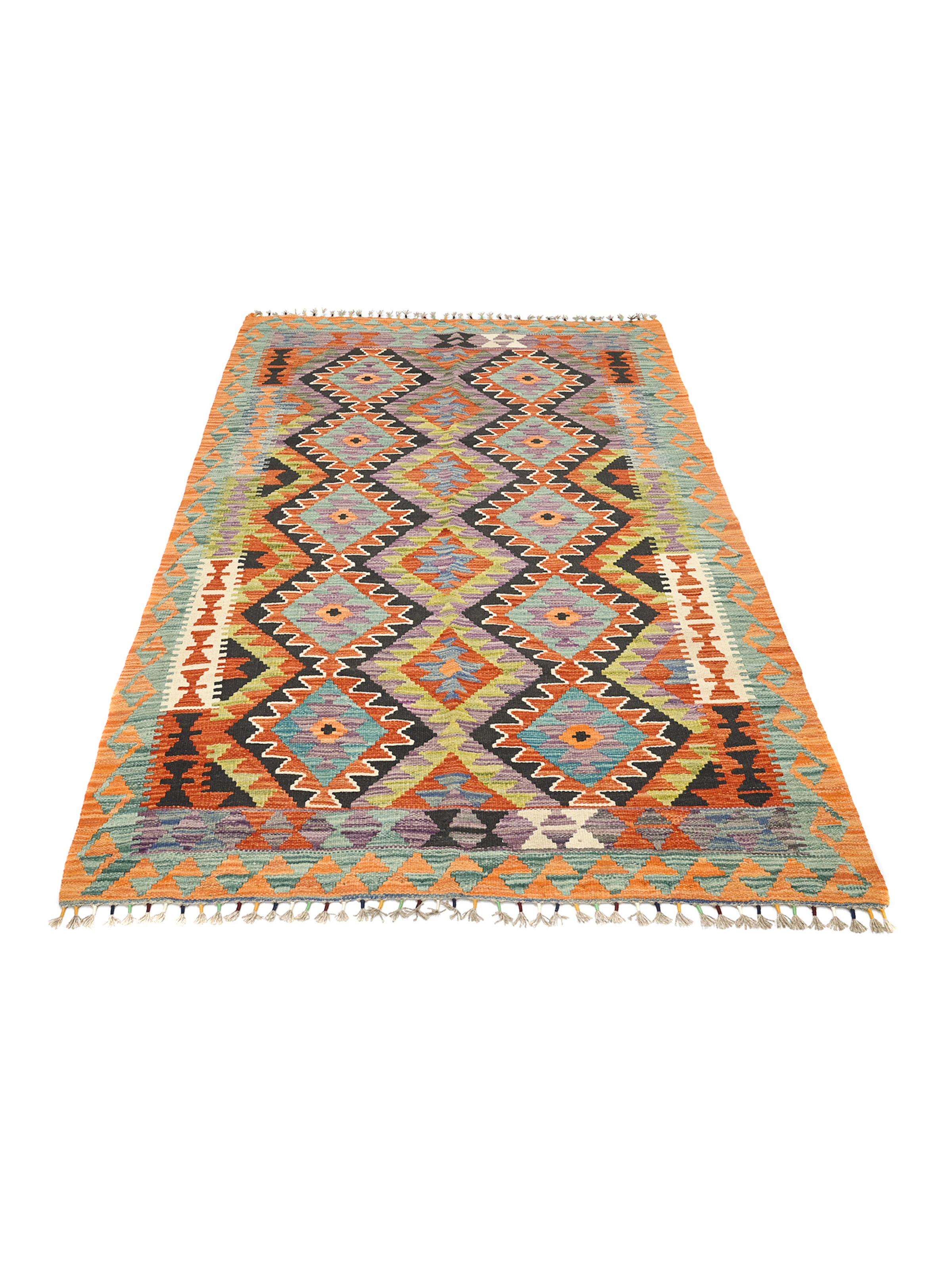
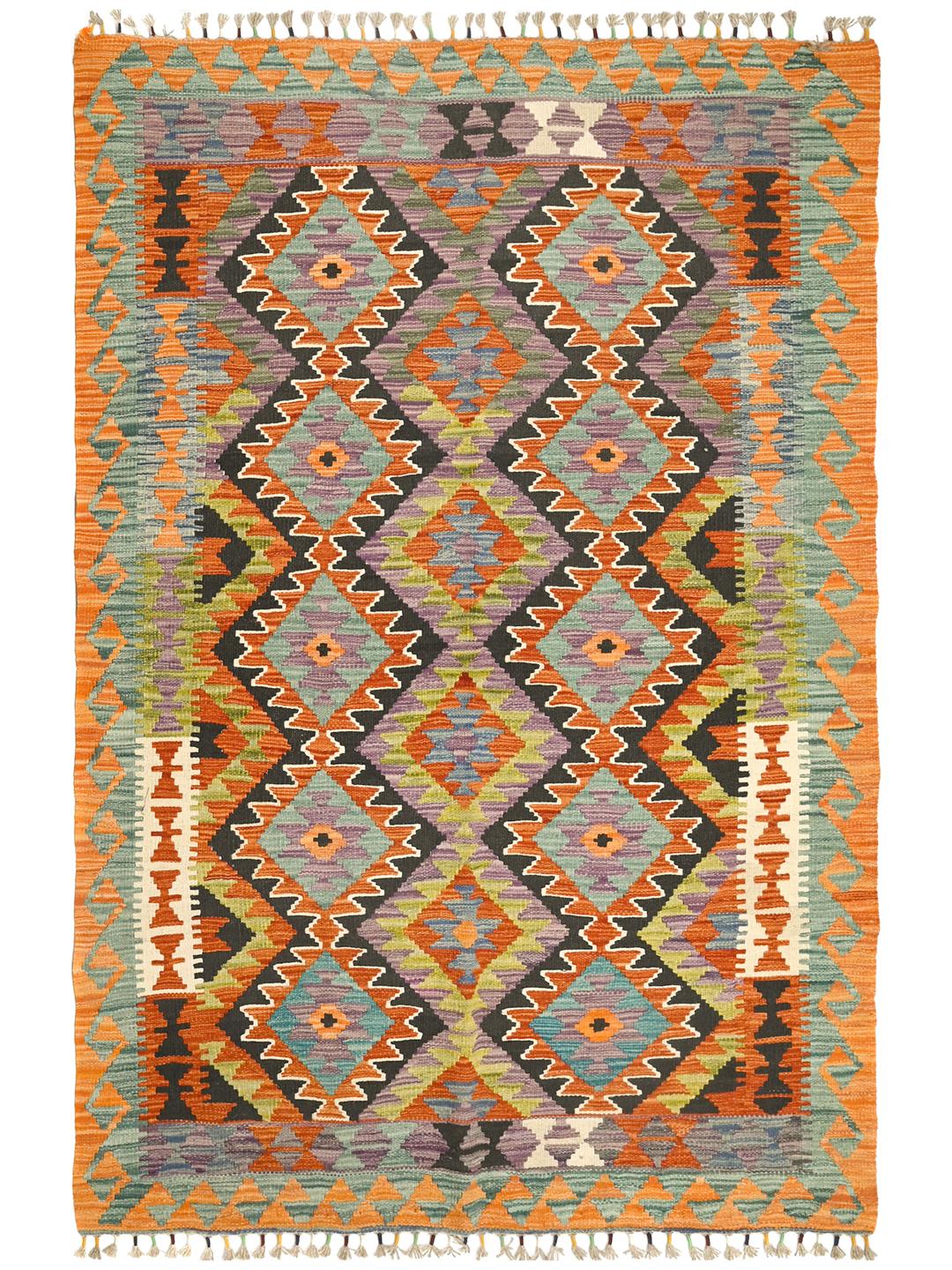
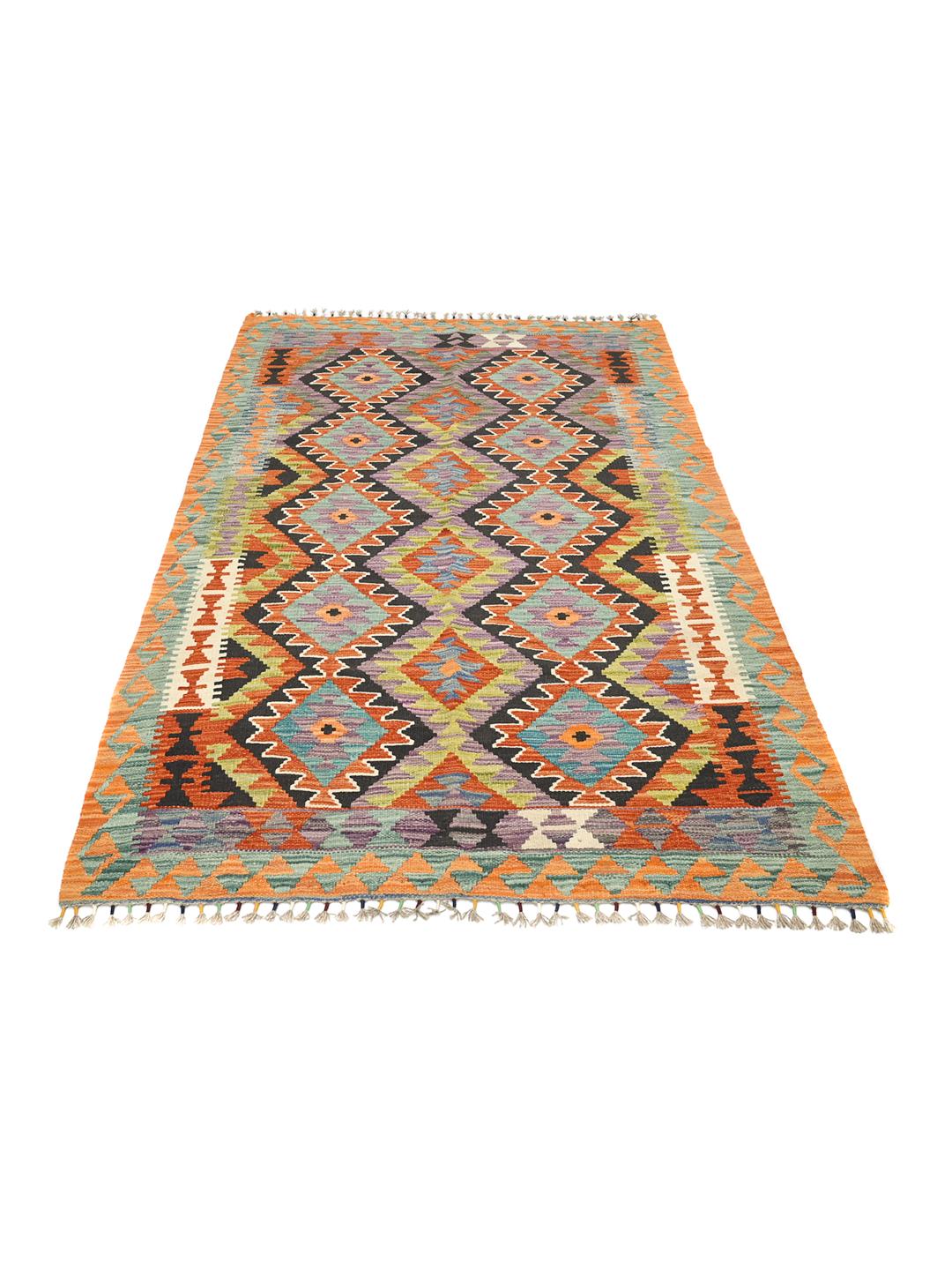
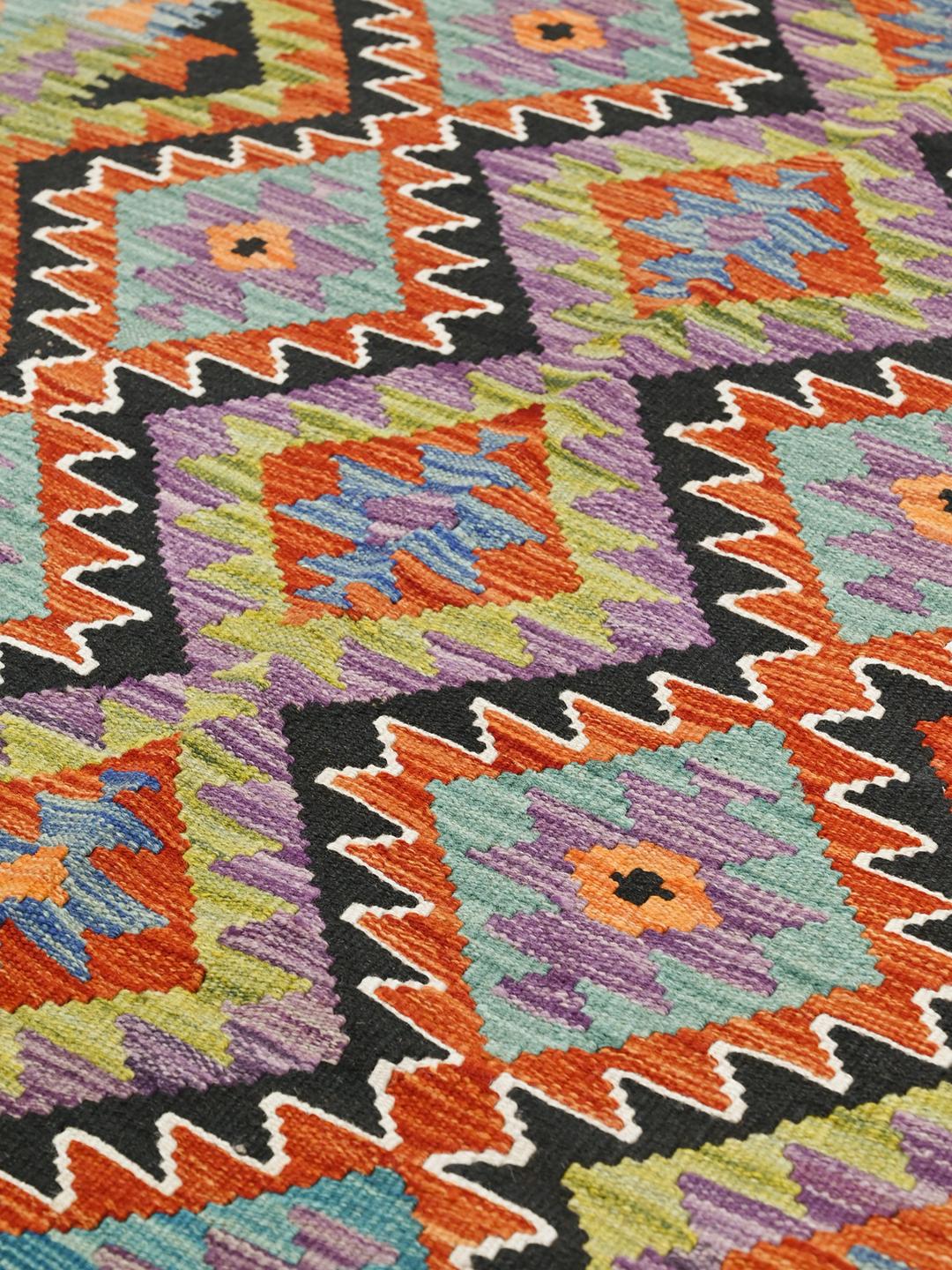
Visually, these rugs are defined by their bold, geometric motifs, which often carry symbolic meanings related to protection, fertility, and the natural environment. The use of repeating diamonds, triangles, and intricate decorative borders is a hallmark of the Afghan style, often executed in warm, earthy tones derived from natural dyes. These patterns are not merely decorative but represent a complex visual vocabulary that has been passed down through generations of master weavers.
Today, these rugs are highly valued by collectors and enthusiasts for their cultural weight and the undeniable skill required to produce them. Owning a Kelim is more than just purchasing a floor covering; it is an act of preserving a craft tradition that remains largely unchanged by time. As each piece is created by hand, it embodies the personality and artistic intent of the weaver, making it a unique artifact that adds genuine heritage to a contemporary home.