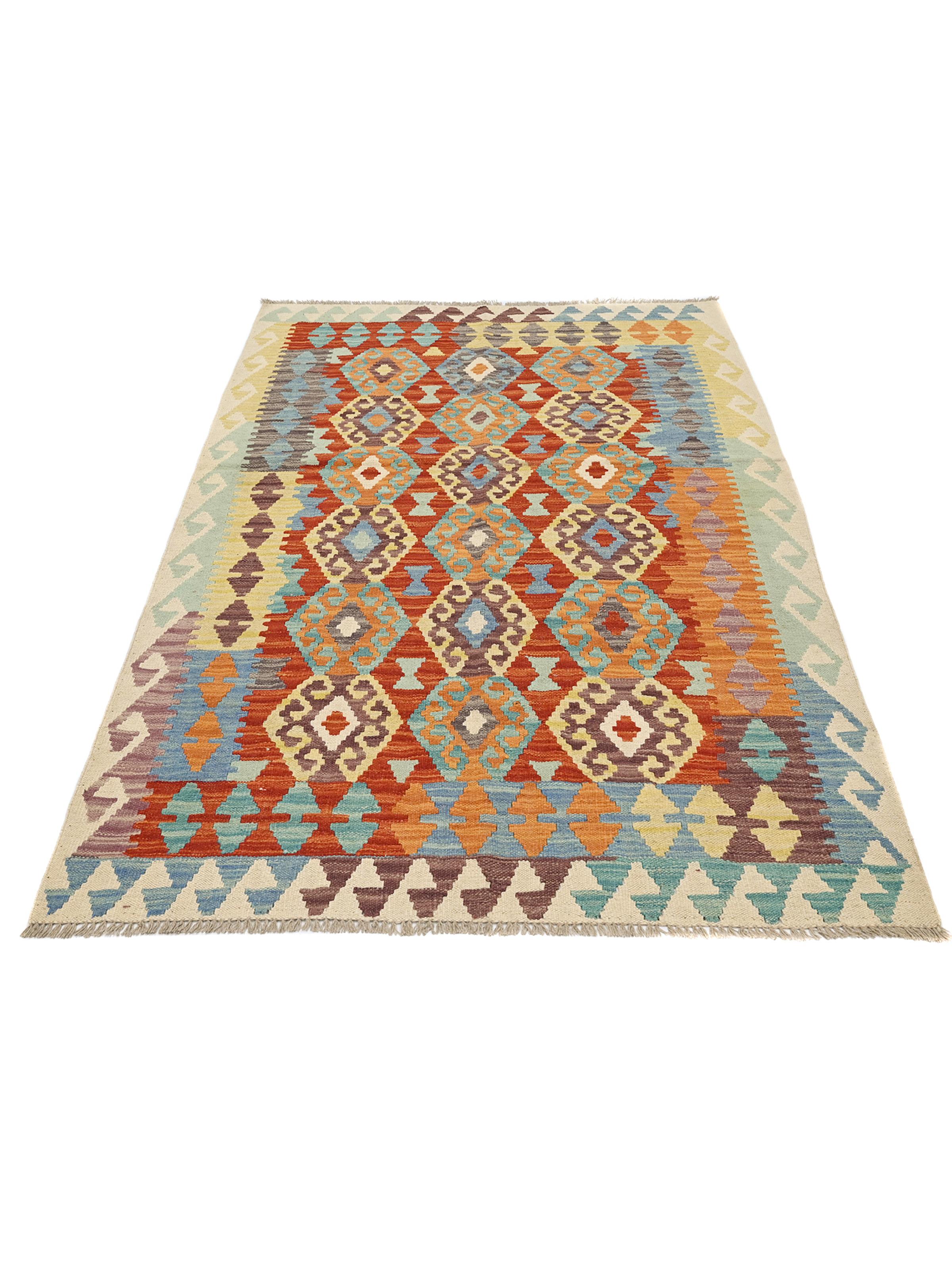
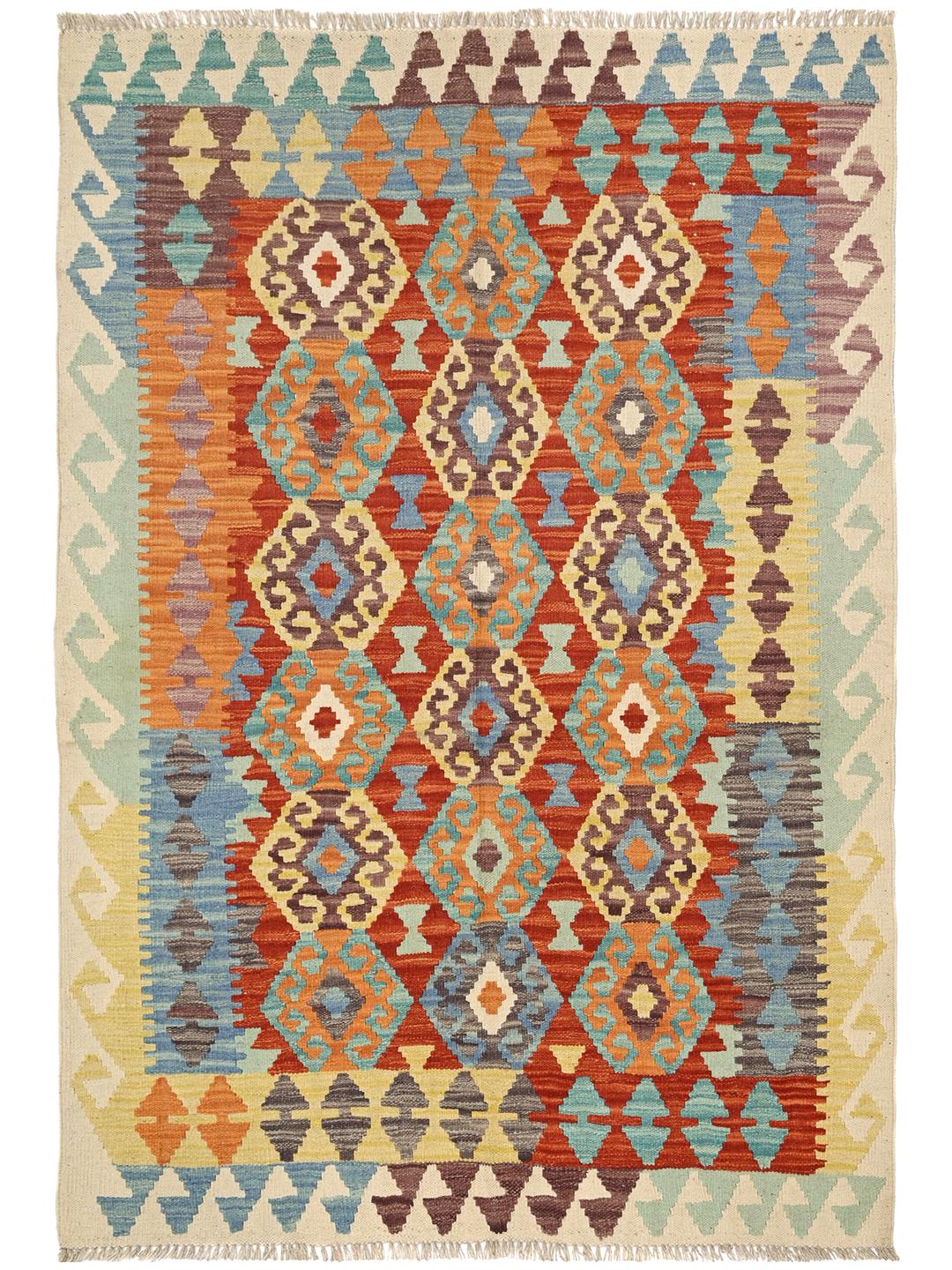
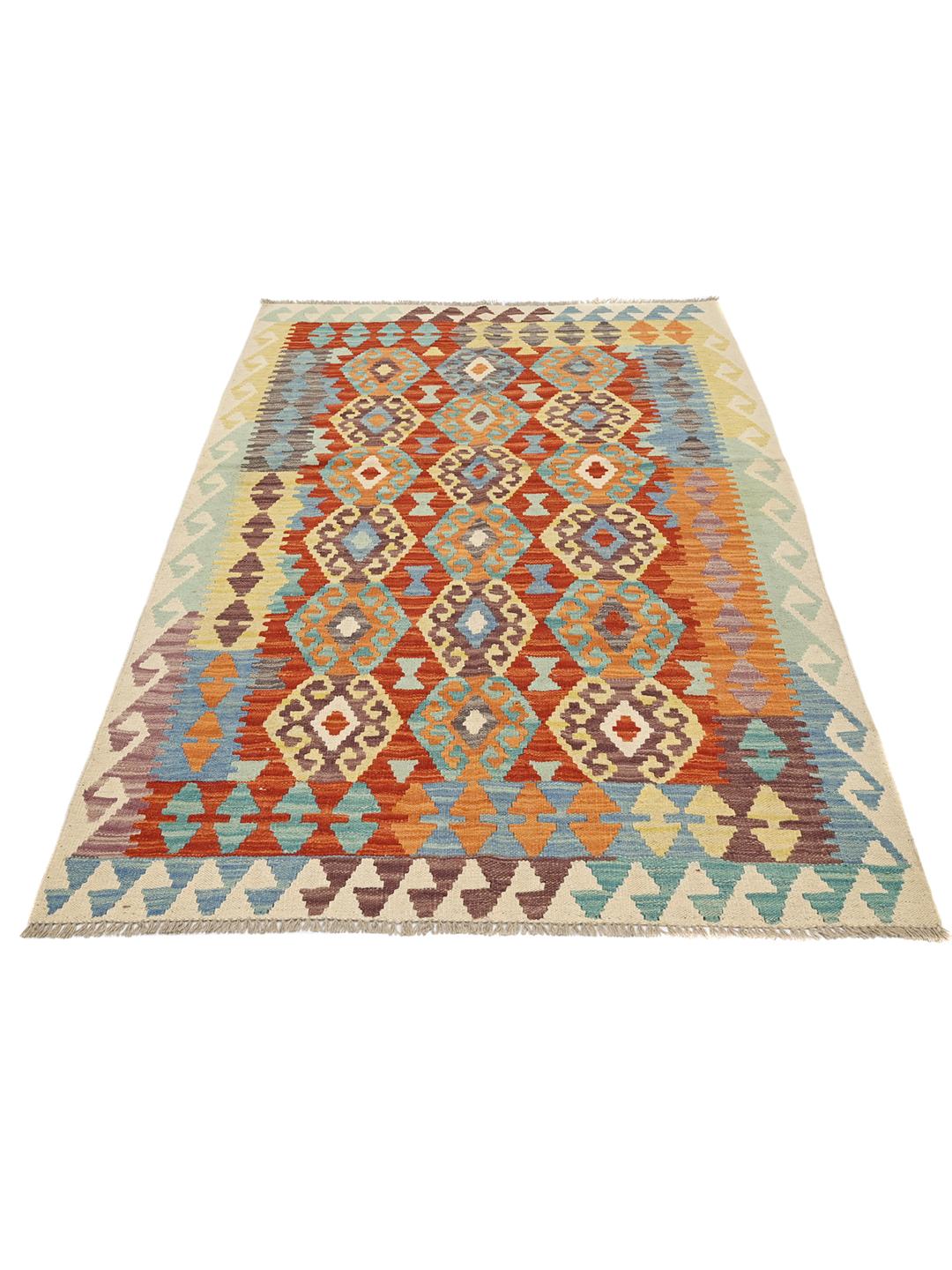
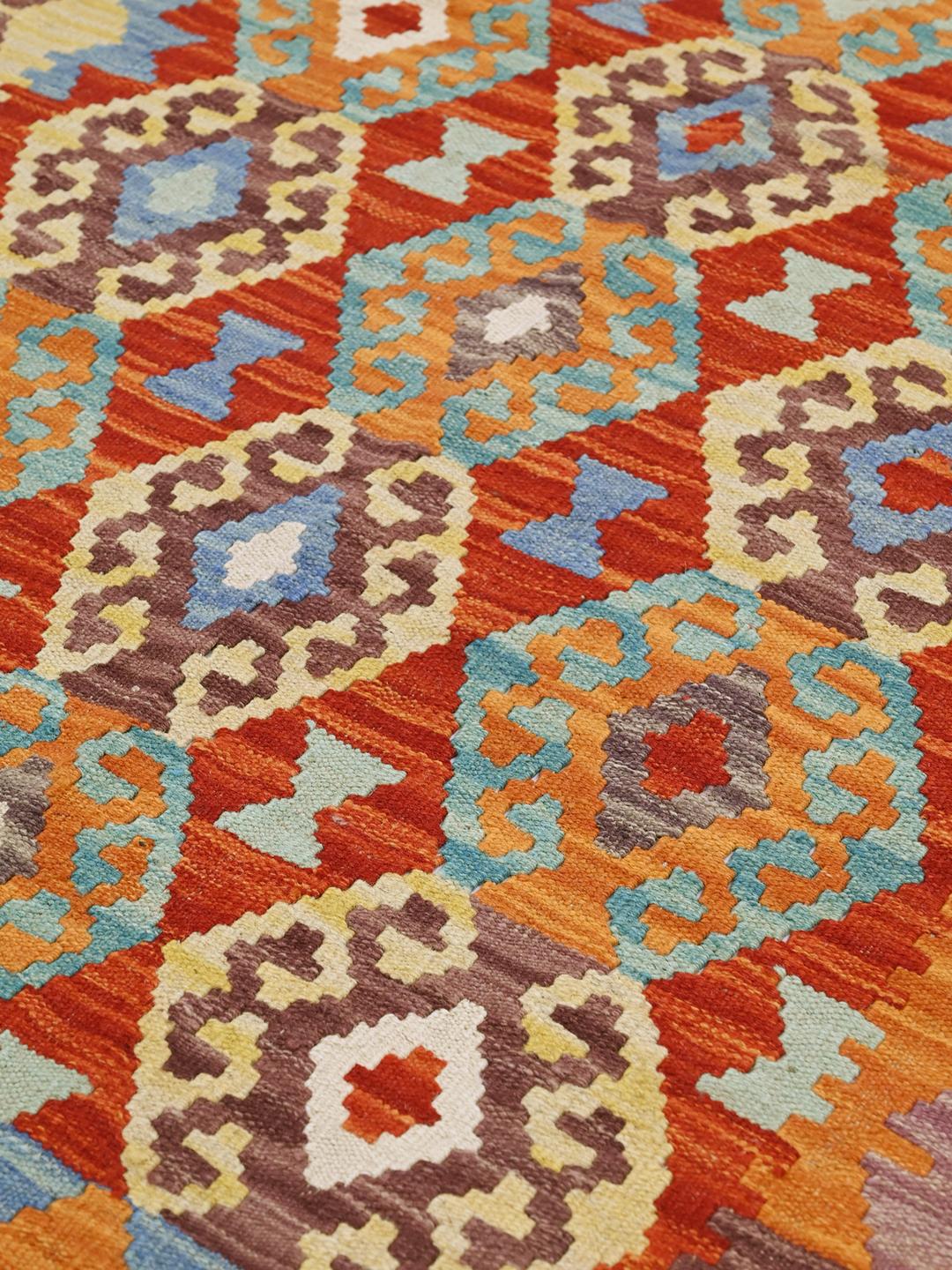
The Kelim tradition is deeply rooted in the nomadic and semi-nomadic cultures of the Middle East and Central Asia. These flat-woven rugs were historically essential to daily life, serving as floor coverings, blankets, and storage bags for families moving across vast landscapes. The Afghan Kelim, in particular, has evolved into a celebrated art form that blends ancient tribal aesthetics with a sophisticated colour sense.
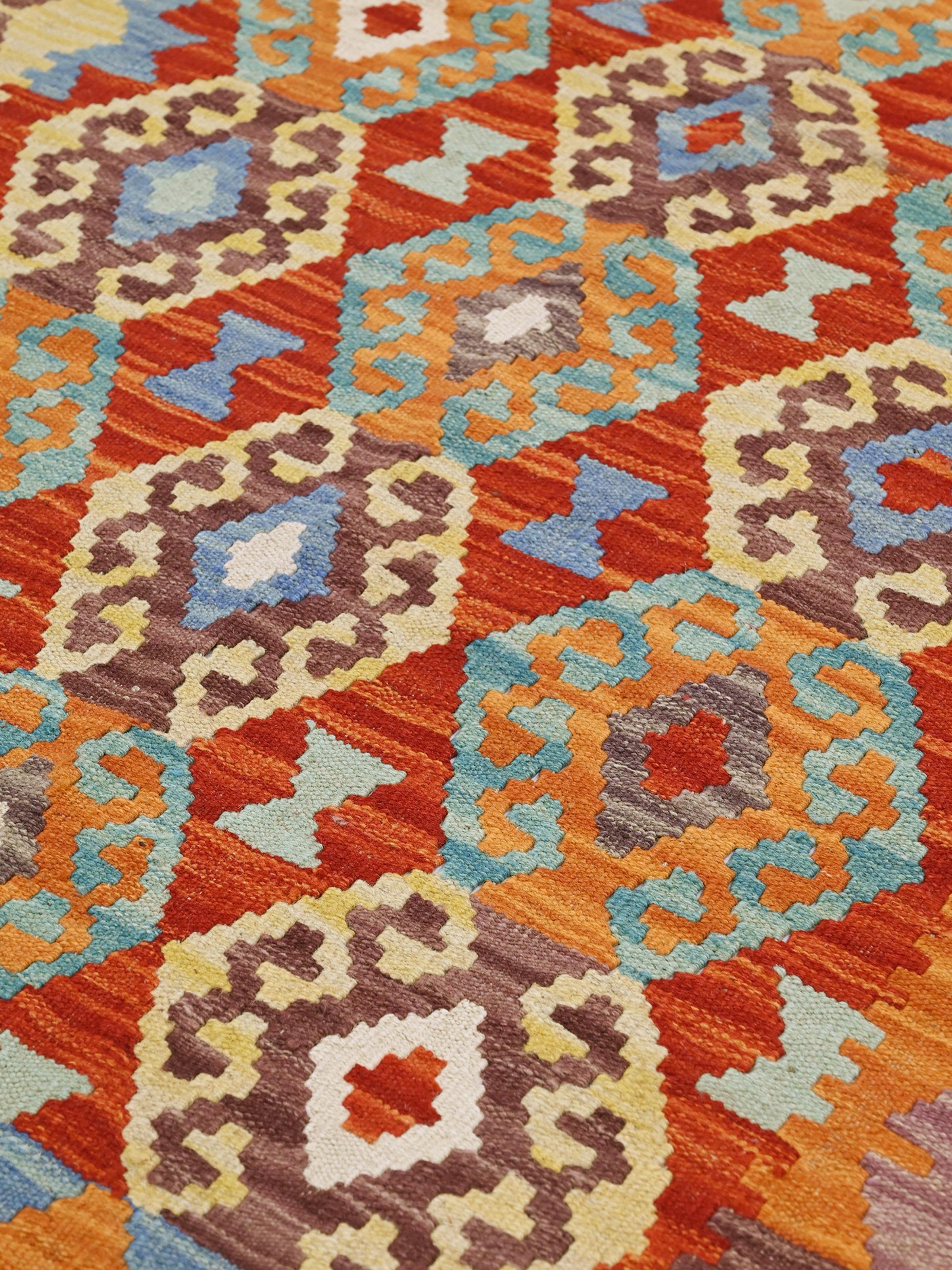
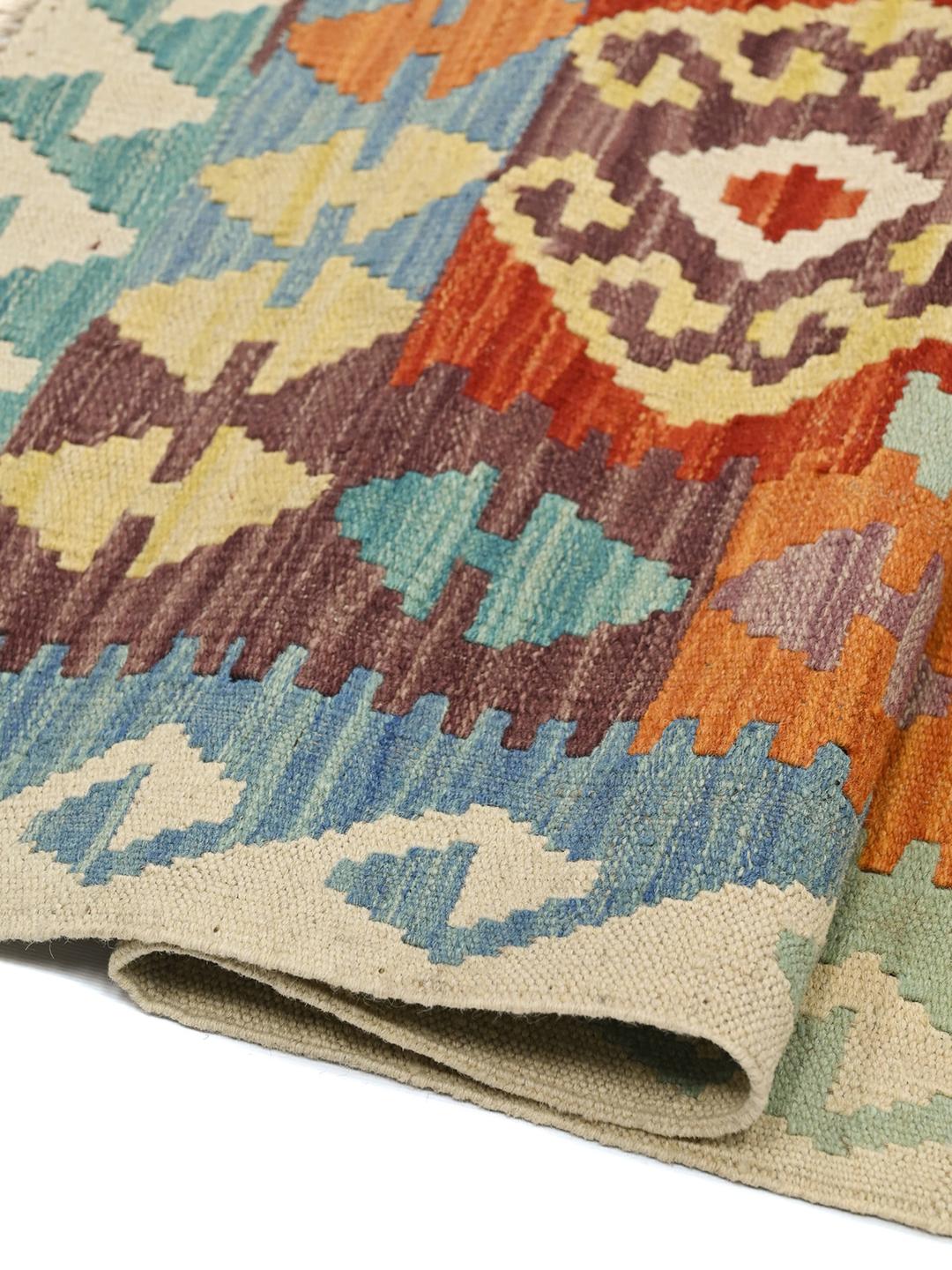
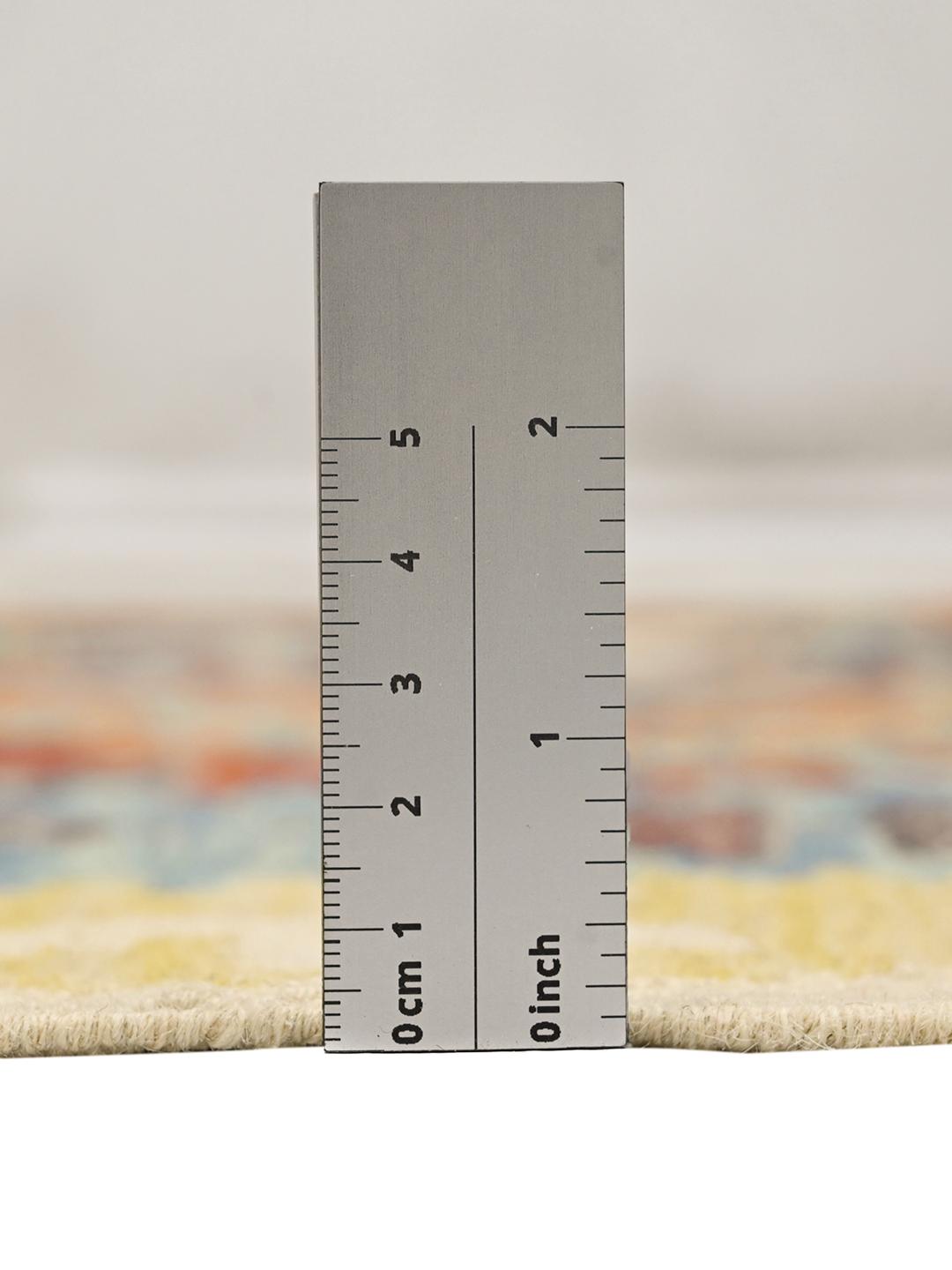
The term 'Kelim' refers to the specific slit-weave technique employed during production. This method involves the weaver interlocking the weft threads around the warp to create the design, which results in a rug that is identical on both sides. This technique is what gives the Kelim its signature thin, durable profile and clean, sharp geometric edges.
Visually, these rugs are defined by their bold geometric language. You will often see diamond motifs, serrated borders, and repeating patterns that have symbolic meanings related to protection, fertility, or the natural environment. The use of vibrant, contrasting colours is a hallmark of the old style, often achieved through natural dyes that give the Wool a rich, organic appearance that ages gracefully over time.
Collecting an authentic Afghan Kelim is an investment in human skill and cultural narrative. These rugs are highly valued for their authenticity and the labour-intensive heritage they represent. By bringing one into your home, you are preserving a craft tradition that prioritises utility and beauty in equal measure, ensuring that the history of these regions continues to live on in contemporary spaces.