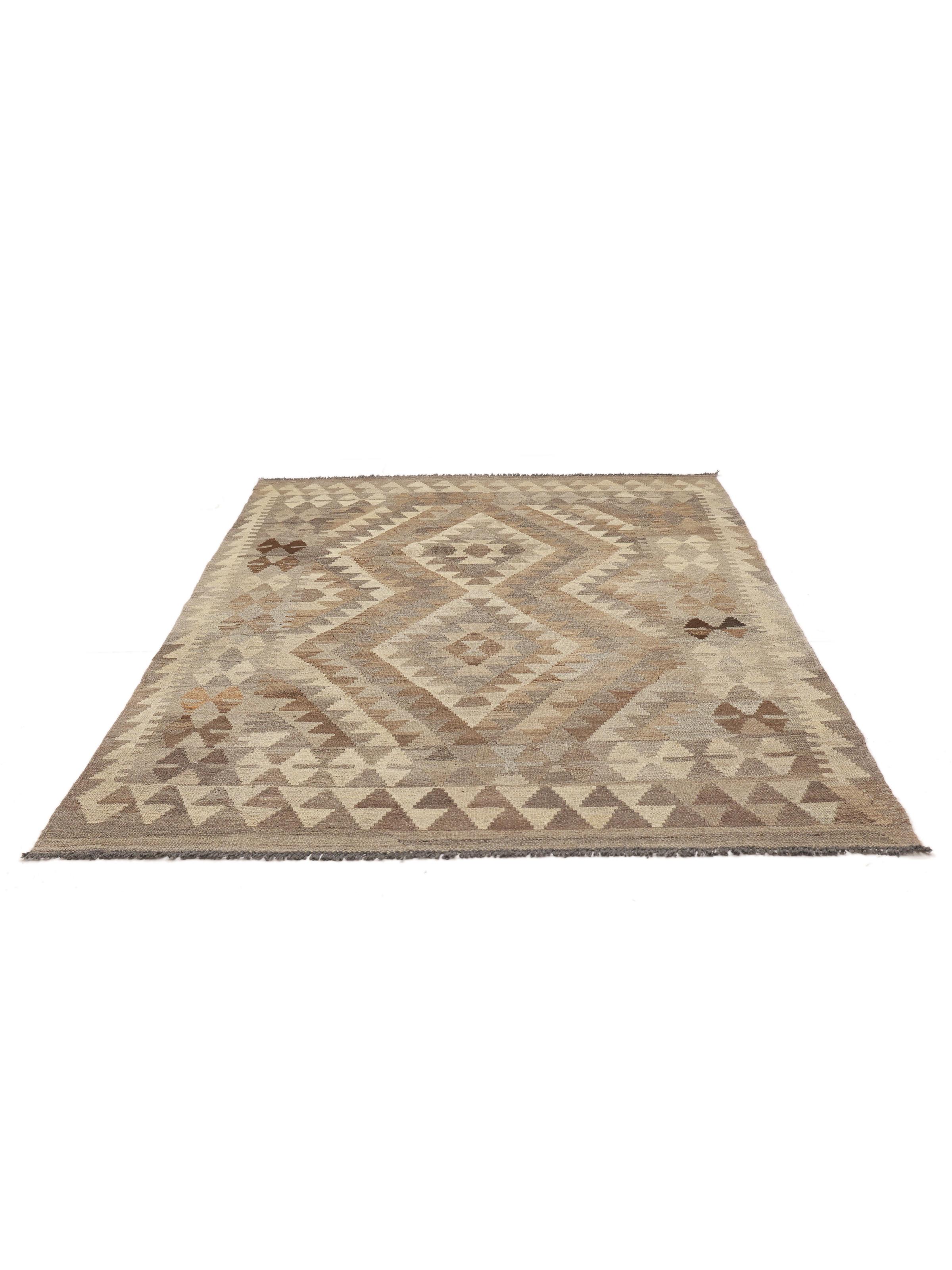
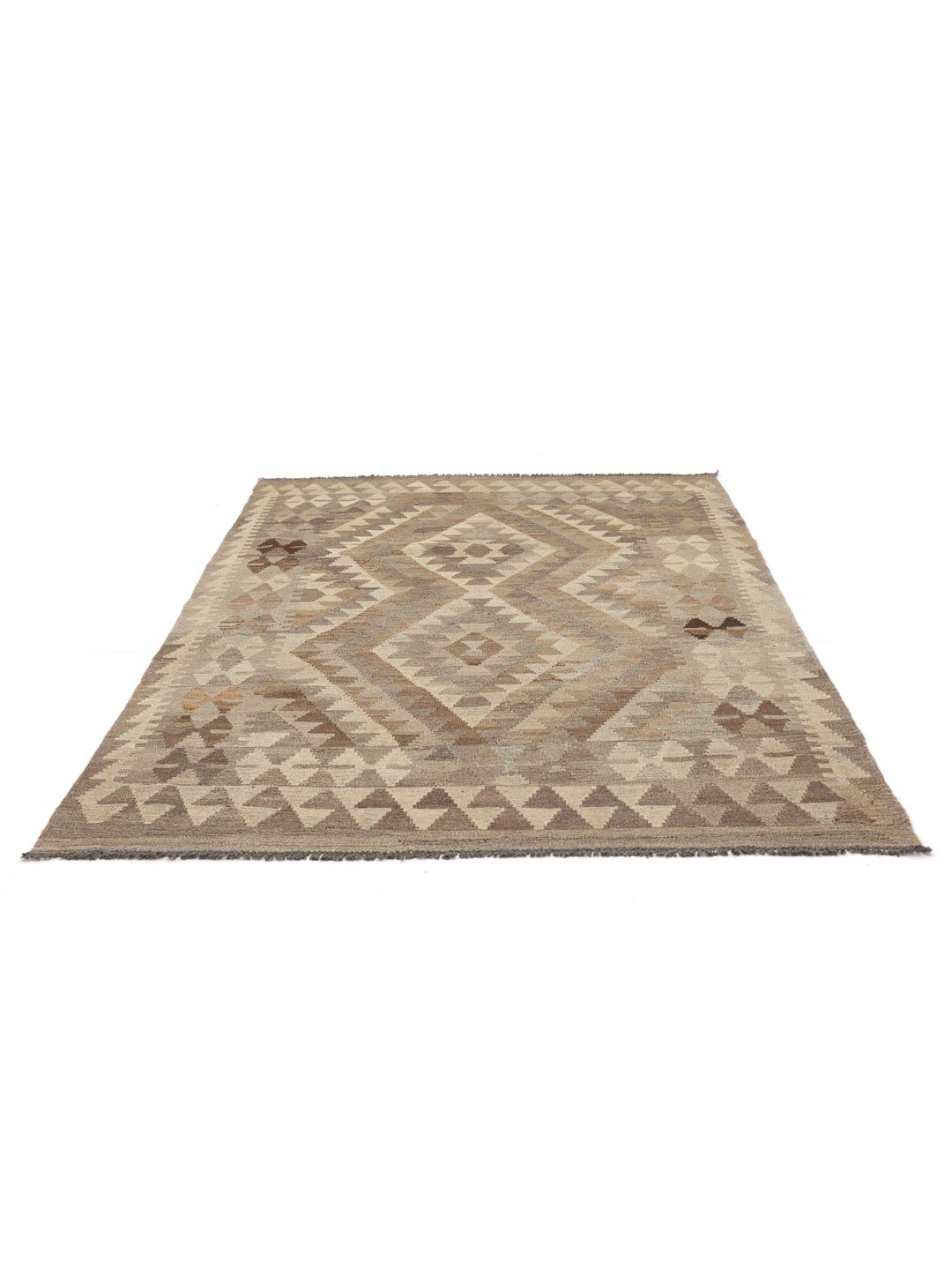
Kelim rugs have a long history deeply embedded in the nomadic and village traditions of Central Asia and Persia. Originally crafted by tribal weavers for practical use as floor coverings, blankets, or saddlebags, these flatwoven textiles served as essential items for daily life while reflecting the unique artistic identity of the makers.
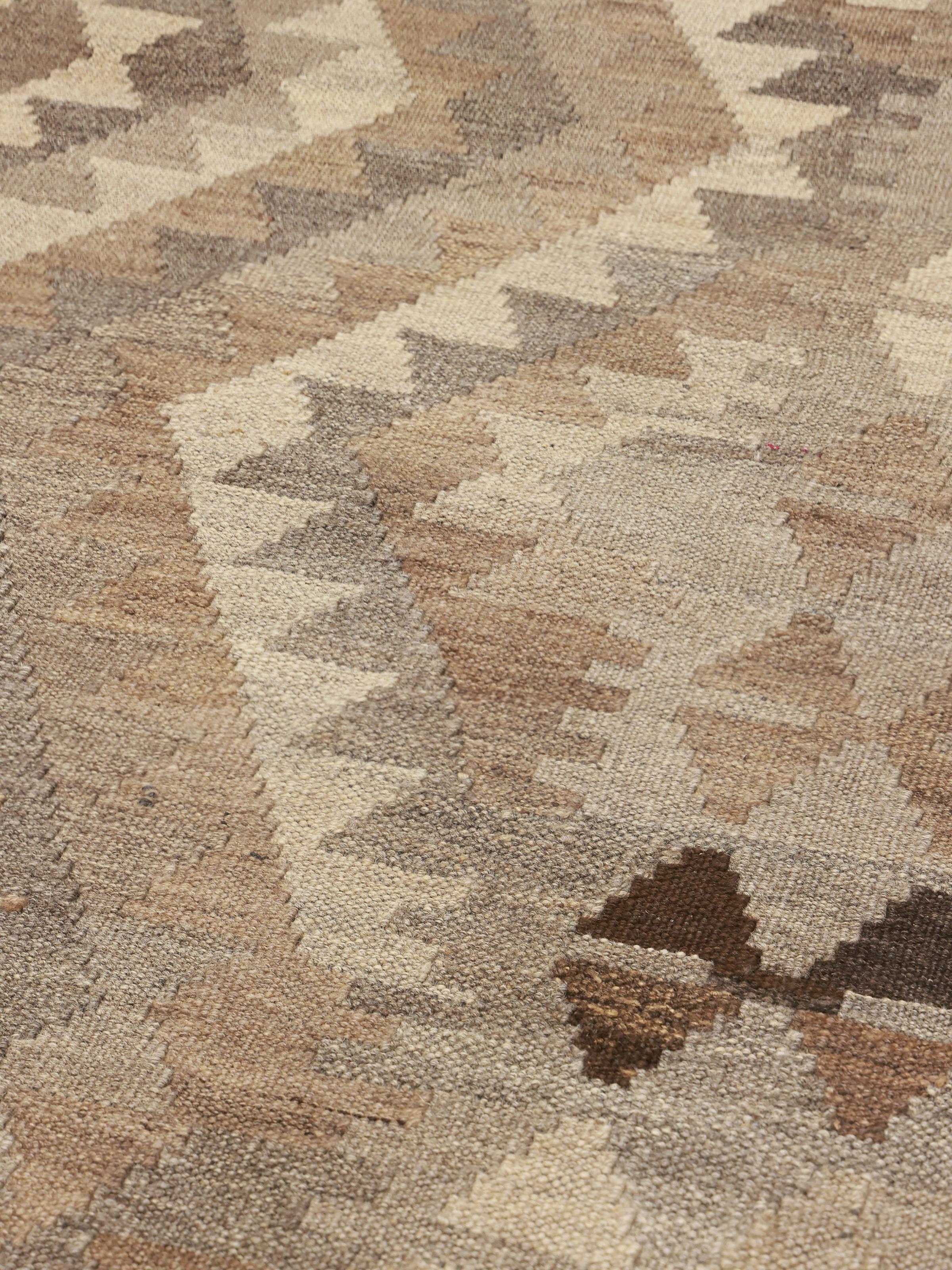
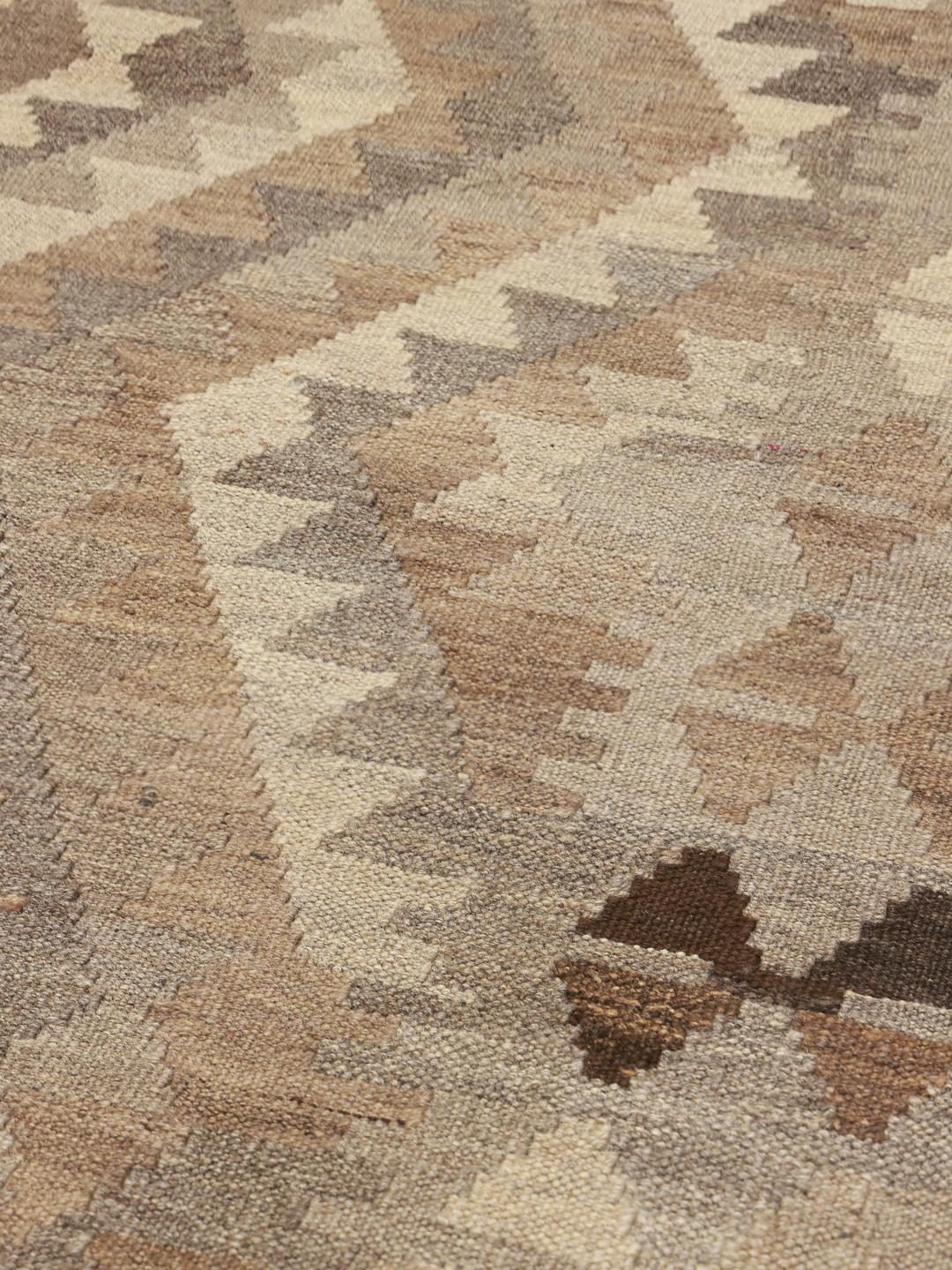
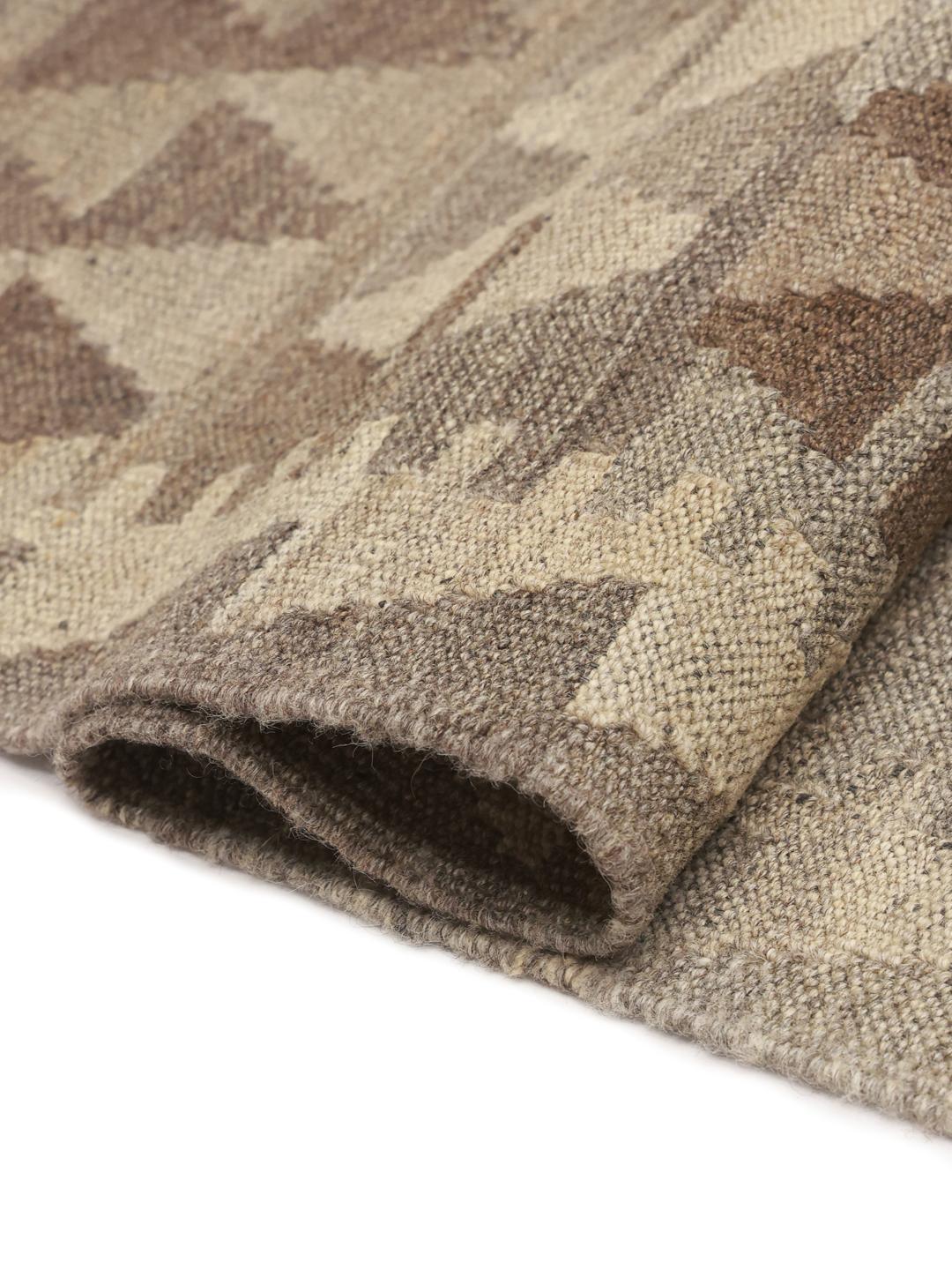
Unlike pile rugs, kelims are constructed without knots, using a flatweaving technique where the horizontal weft threads are tightly pulled across the vertical warp threads to form crisp, geometric patterns. This traditional method demands exceptional skill, as the weaver must create both the structure and the design simultaneously on the loom.
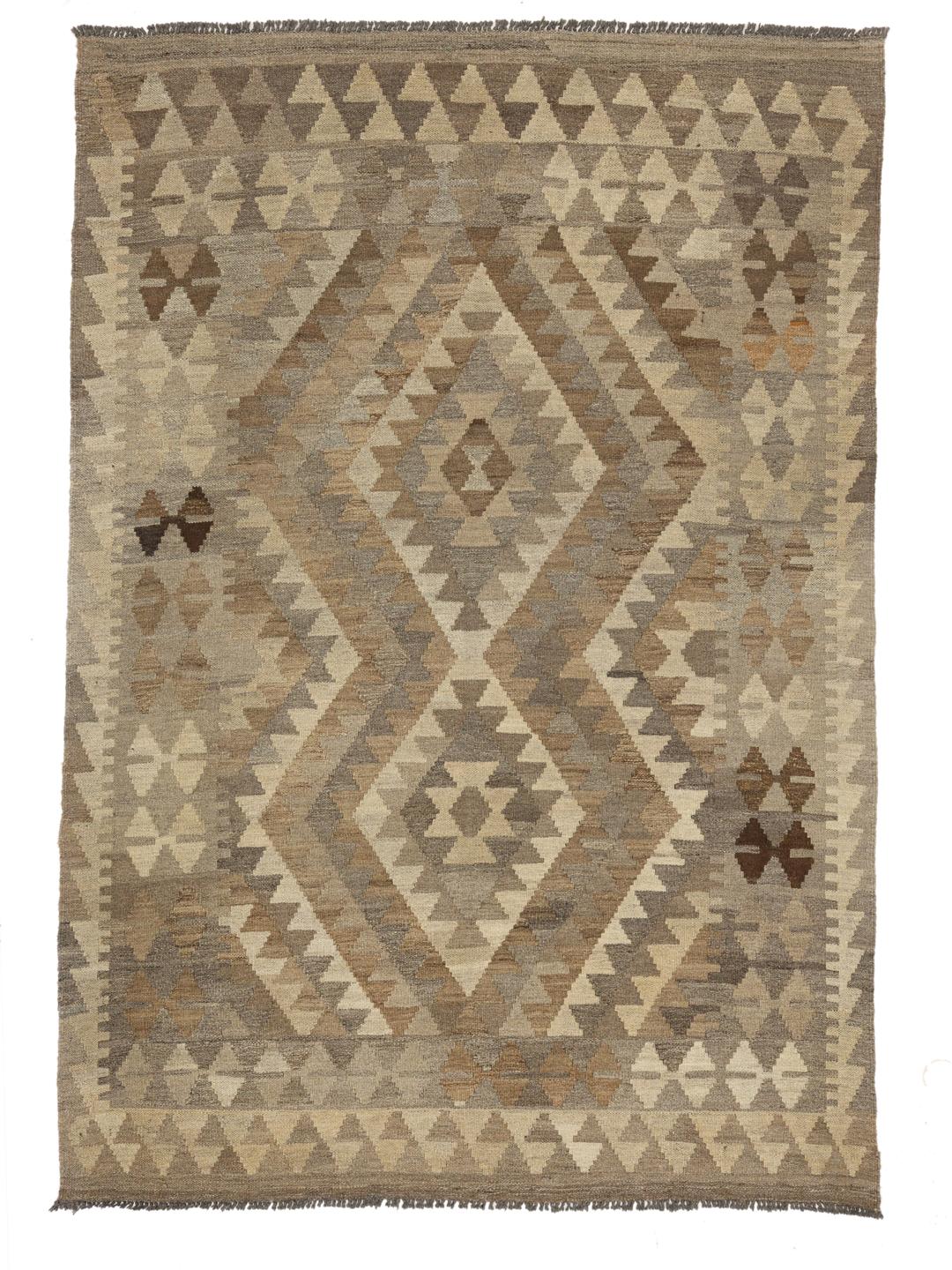
The visual language of Afghan kelims is defined by bold geometric motifs, particularly diamonds, triangles, and repeating borders that draw on generations of tribal symbolism. Earthy tones and natural dye traditions give these pieces their characteristic warmth, making each rug a harmonious balance of rustic charm and precise graphic arrangement.
Today, collecting vintage and old-style kelims is valued for the deep connection they offer to traditional handcraft. Owning one means preserving ancient techniques passed down through families, celebrating a level of human skill and cultural heritage that modern manufacturing simply cannot replicate.