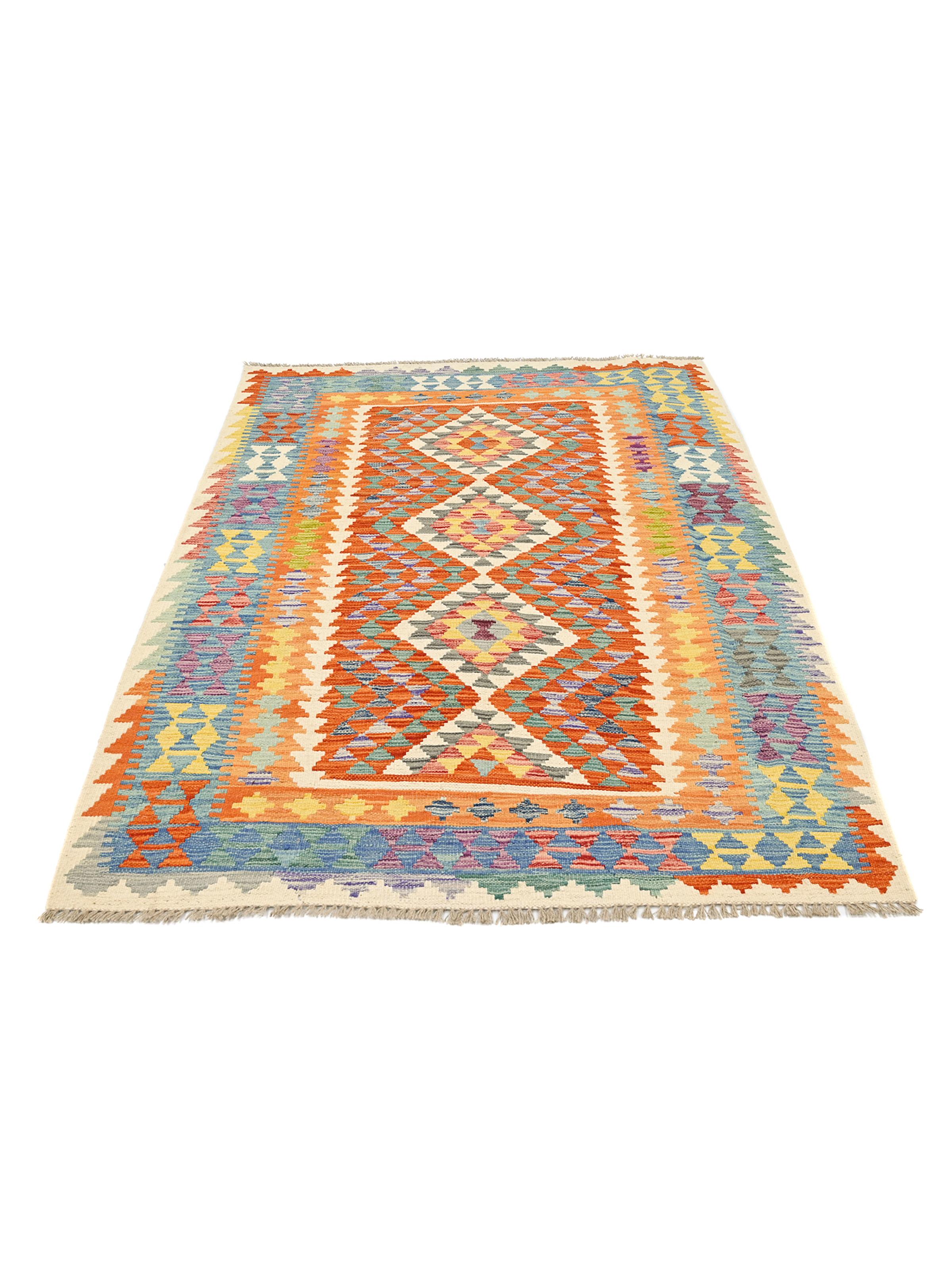
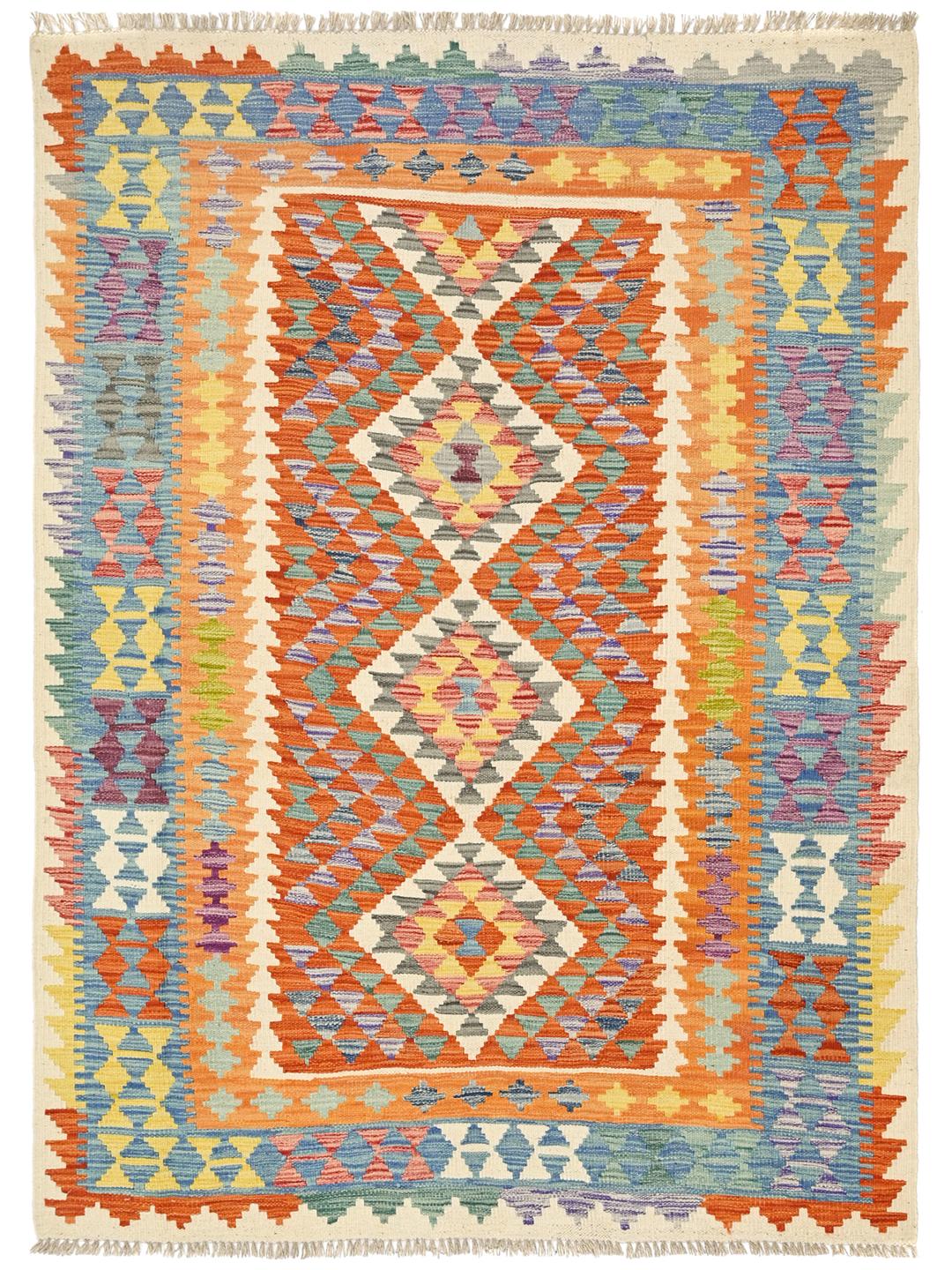
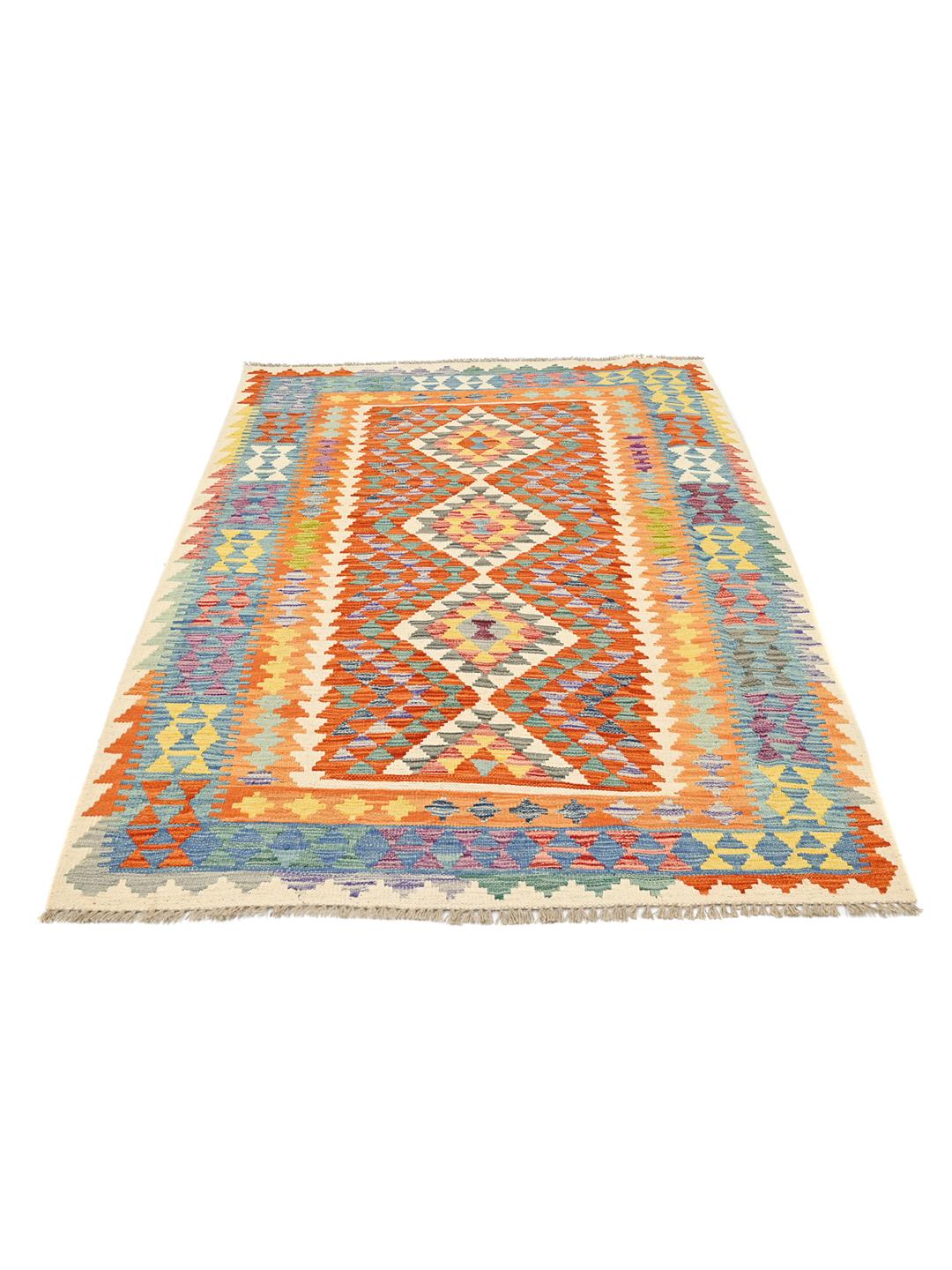
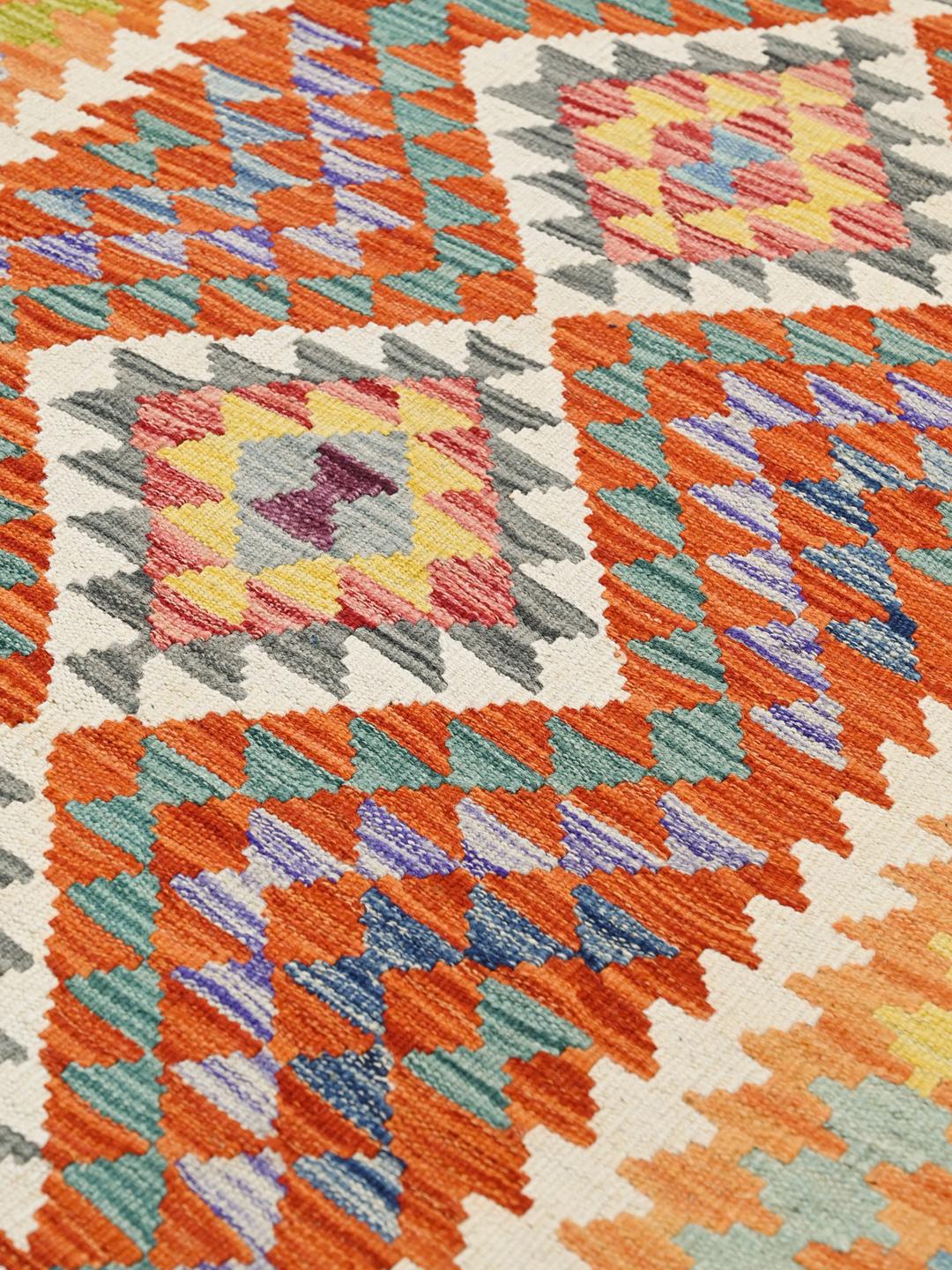
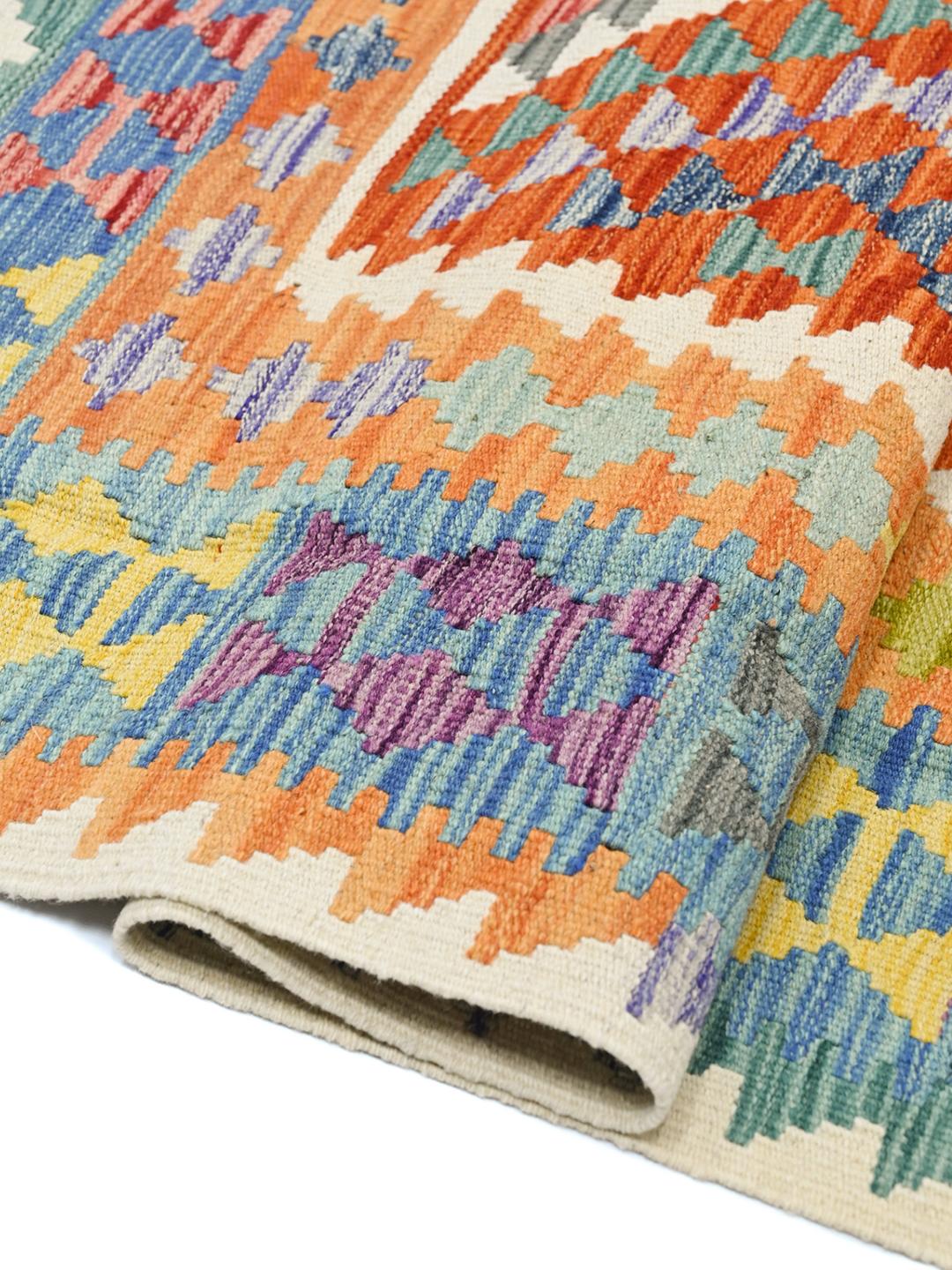
The tradition of weaving kelims in Afghanistan is deeply rooted in the nomadic and semi-nomadic cultures of the region. These flat-woven rugs have served as essential household items for generations, used as floor coverings, wall hangings, and storage bags, reflecting a heritage that values portability and utility as much as aesthetic beauty.
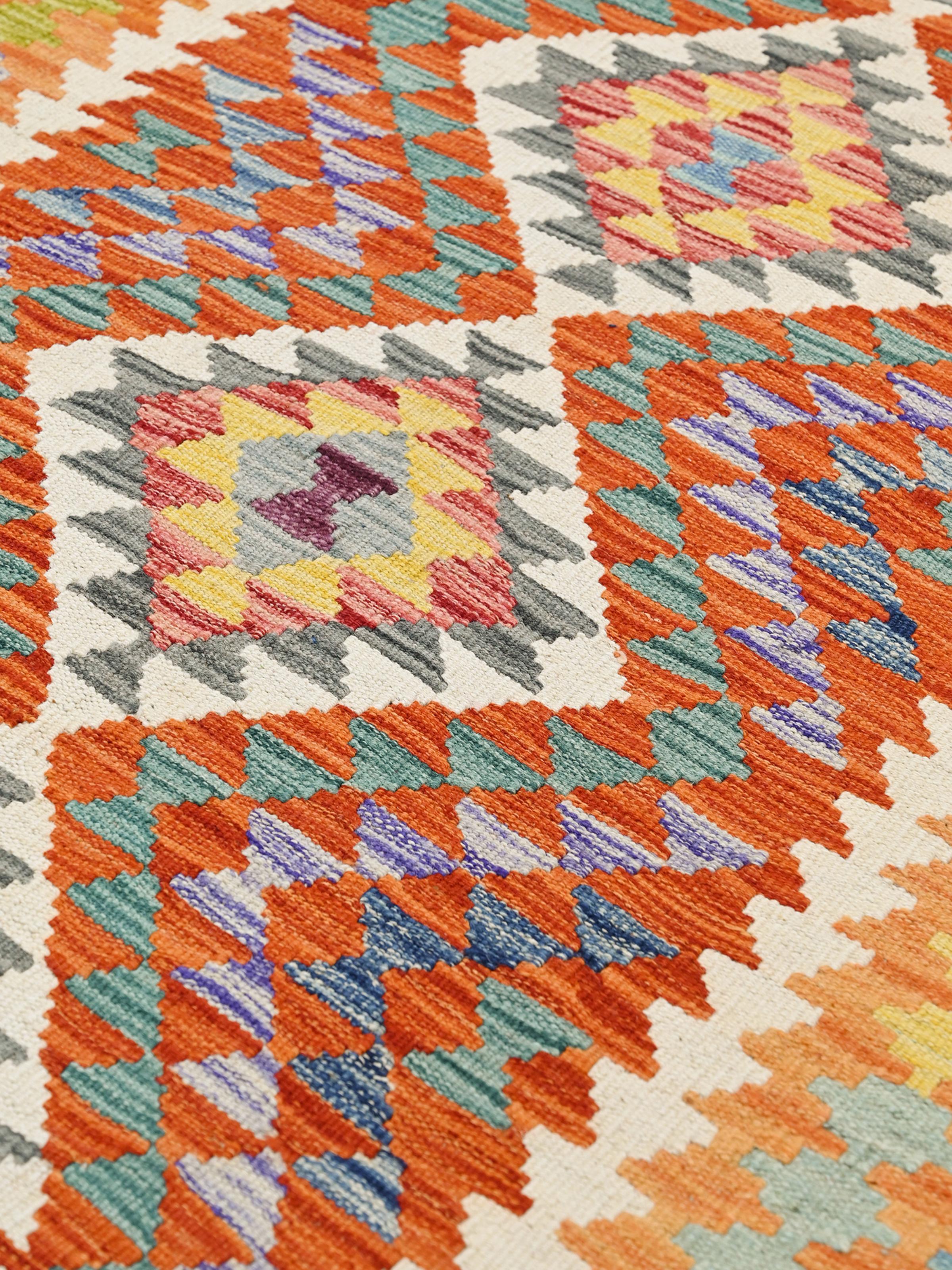
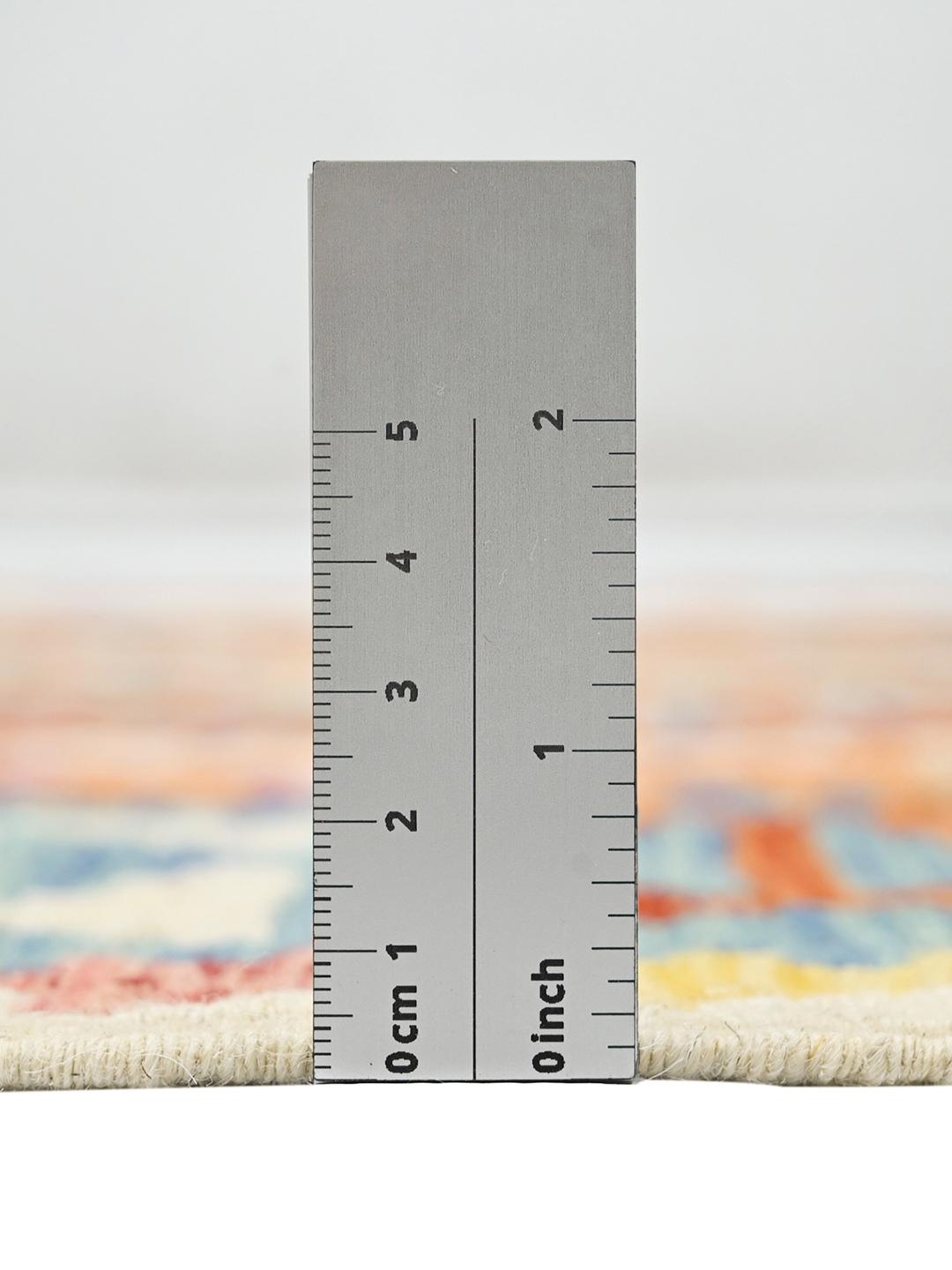
Technically, a kelim is defined by its slit-weave construction, where the weft threads are woven back and forth through the warp to create the pattern. This technique does not use a pile, resulting in a lightweight and reversible rug. The skill required to manage these colour changes without creating gaps in the fabric is a hallmark of an experienced weaver, showcasing the technical mastery inherent in this craft.
The design language of Afghan kelims is primarily geometric, often featuring diamonds, triangles, and stylized floral or tribal motifs. These patterns are not merely decorative but often carry cultural meanings or represent the weaver’s surroundings. The vibrant colours are traditionally sourced from natural dyes, which develop a softer, more nuanced patina as the rug ages, adding to its historical and visual value.
Today, these rugs are highly sought after by collectors who appreciate the blend of historical narrative and artisanal skill. Owning an Afghan kelim is an invitation to connect with a centuries-old craft that continues to thrive in the modern home, offering a sense of depth and cultural weight that mass-manufactured decor simply cannot provide.