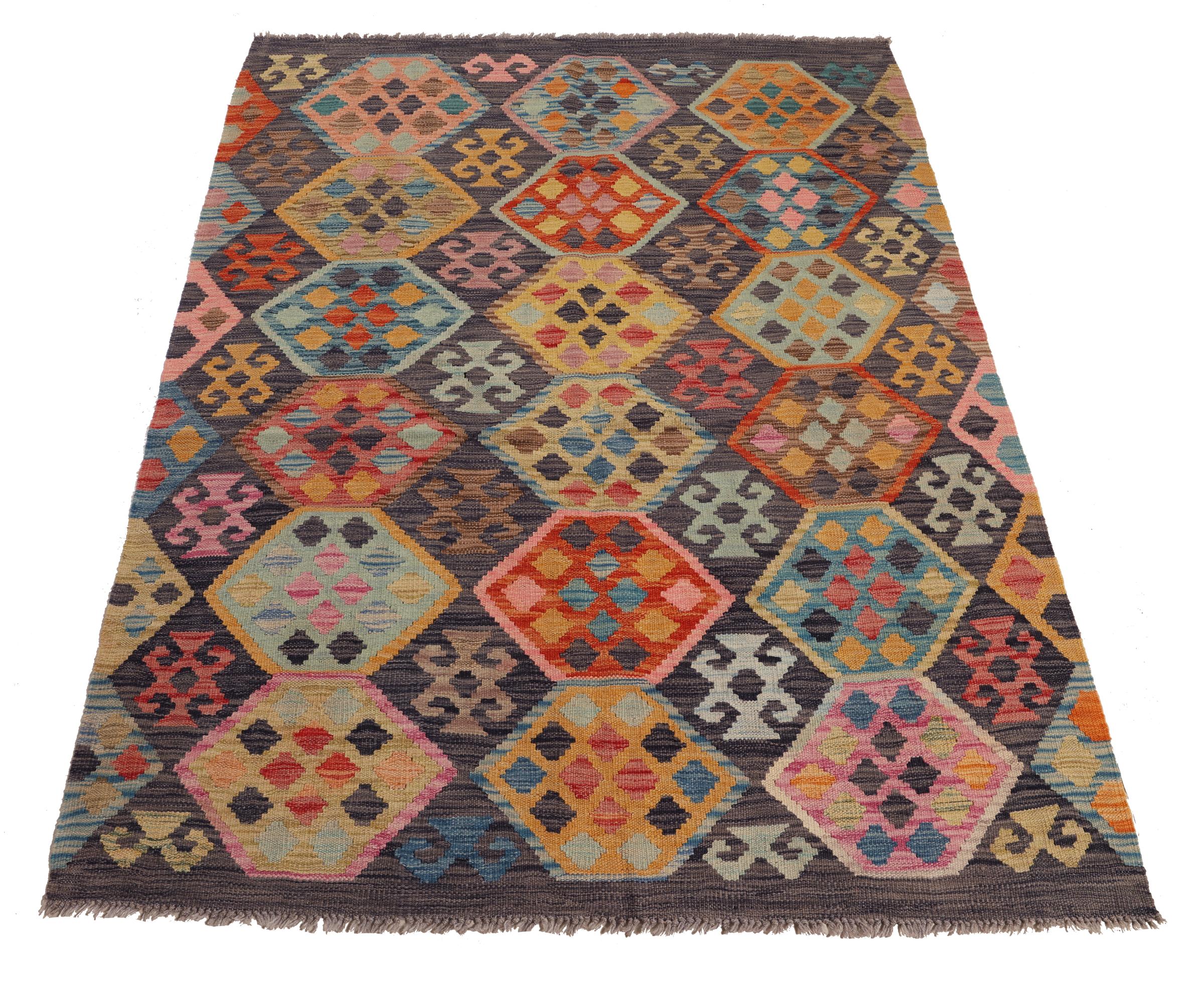
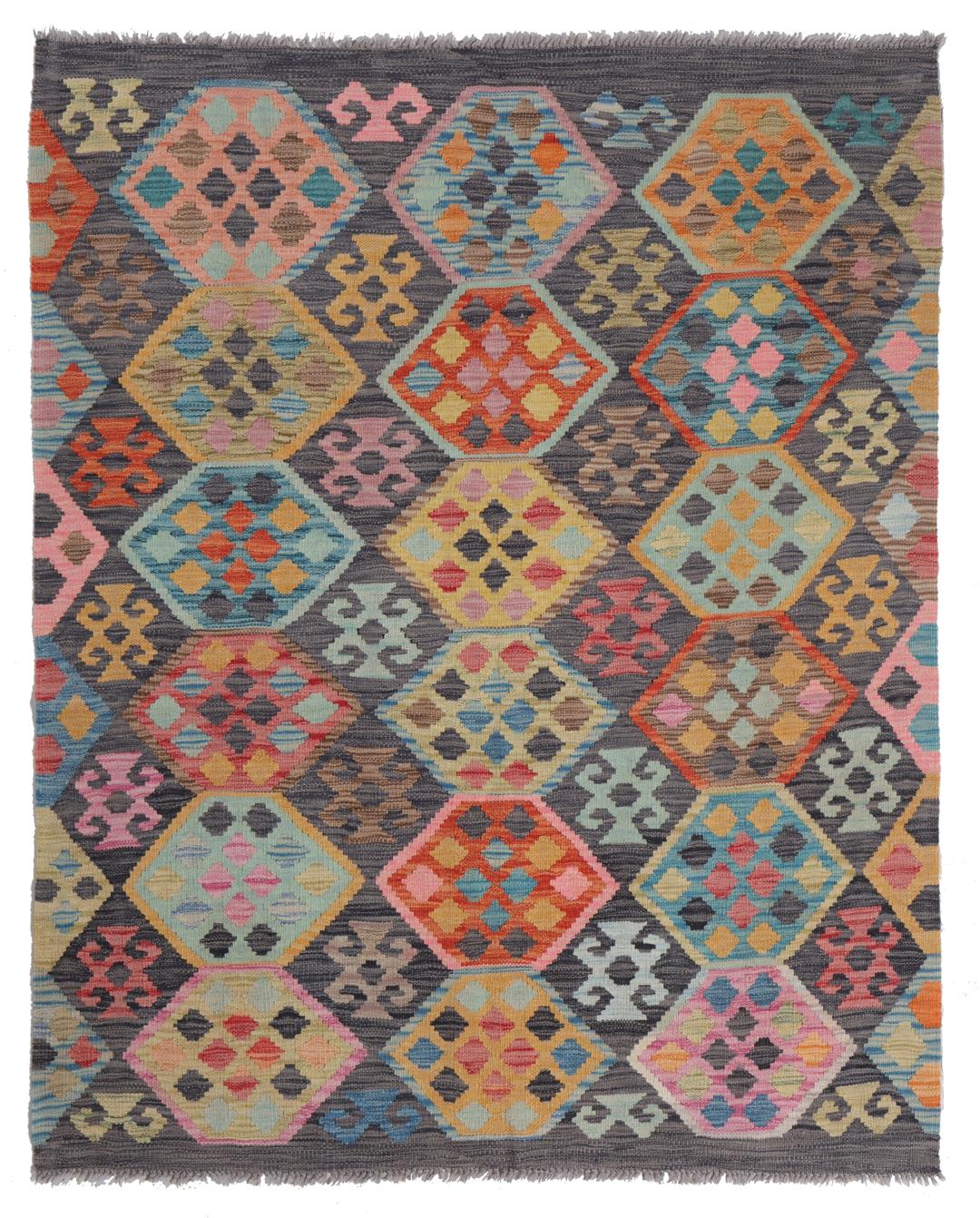
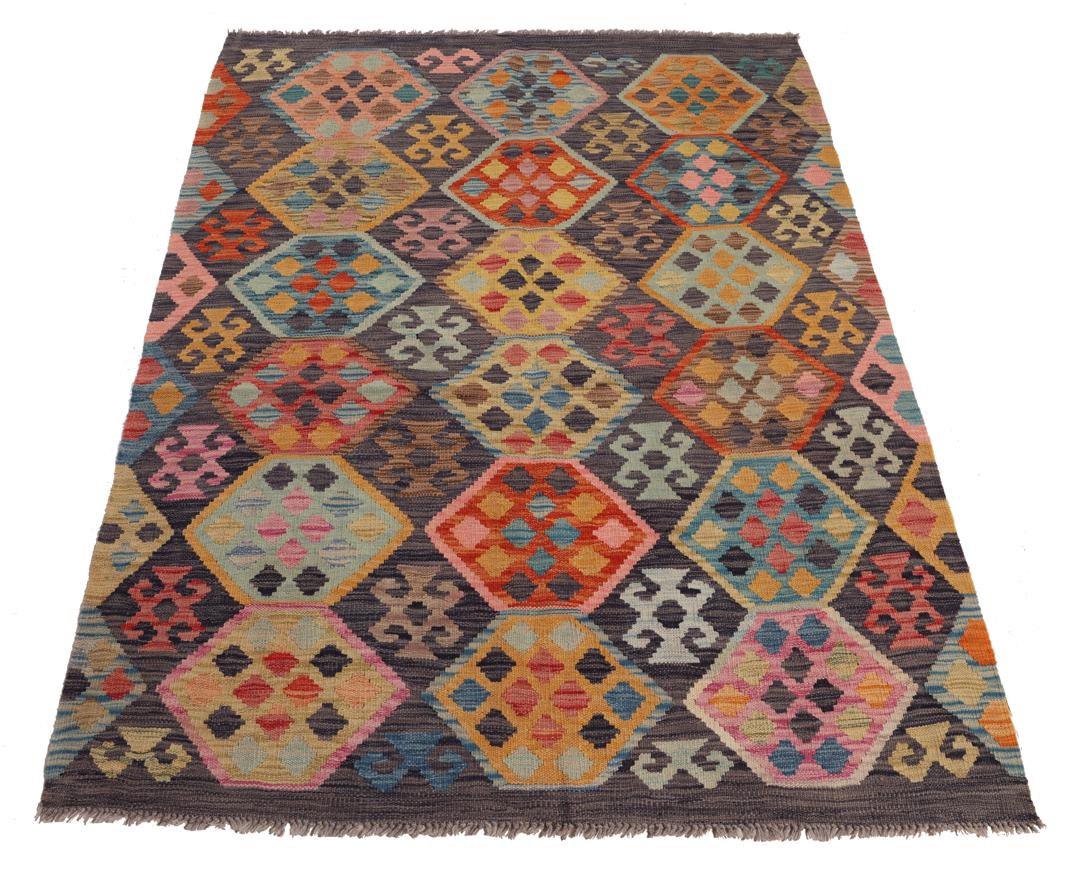
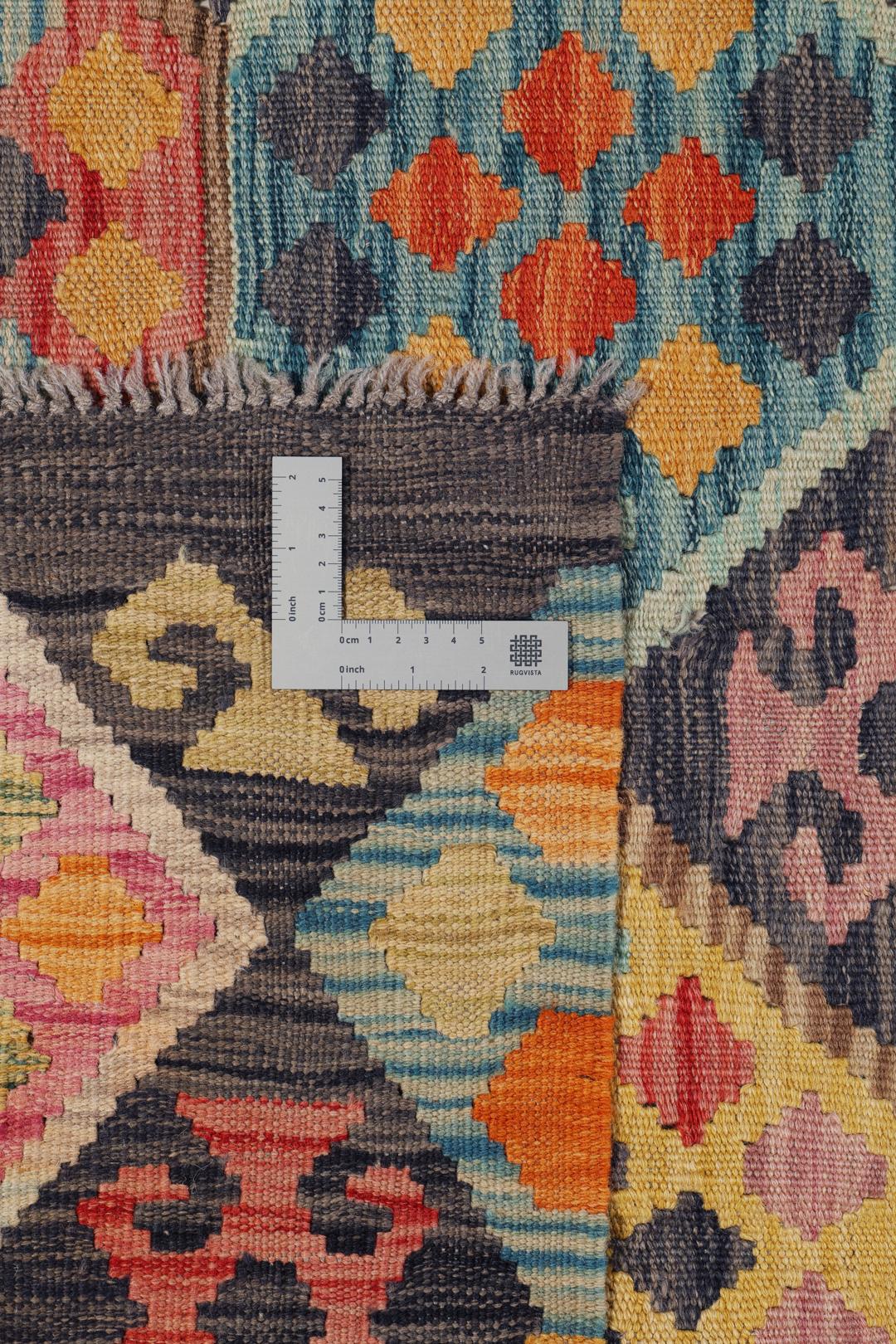
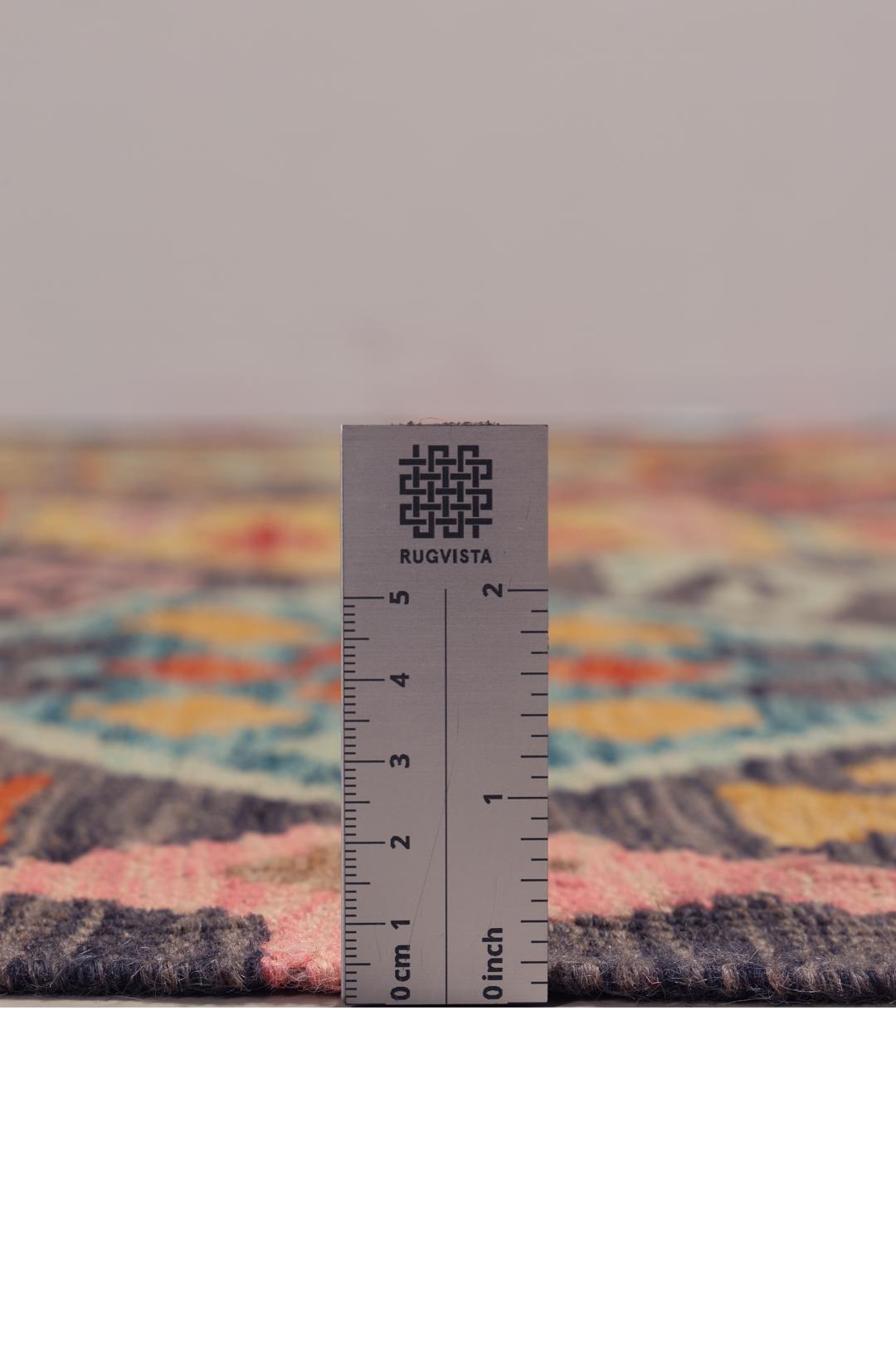
Kelim rugs are a cornerstone of Middle Eastern textile history, originating from nomadic cultures that required durable yet portable floor coverings. These rugs are traditionally flat-woven, meaning they lack a raised pile, which made them essential for life on the move across the rugged terrains of the region.
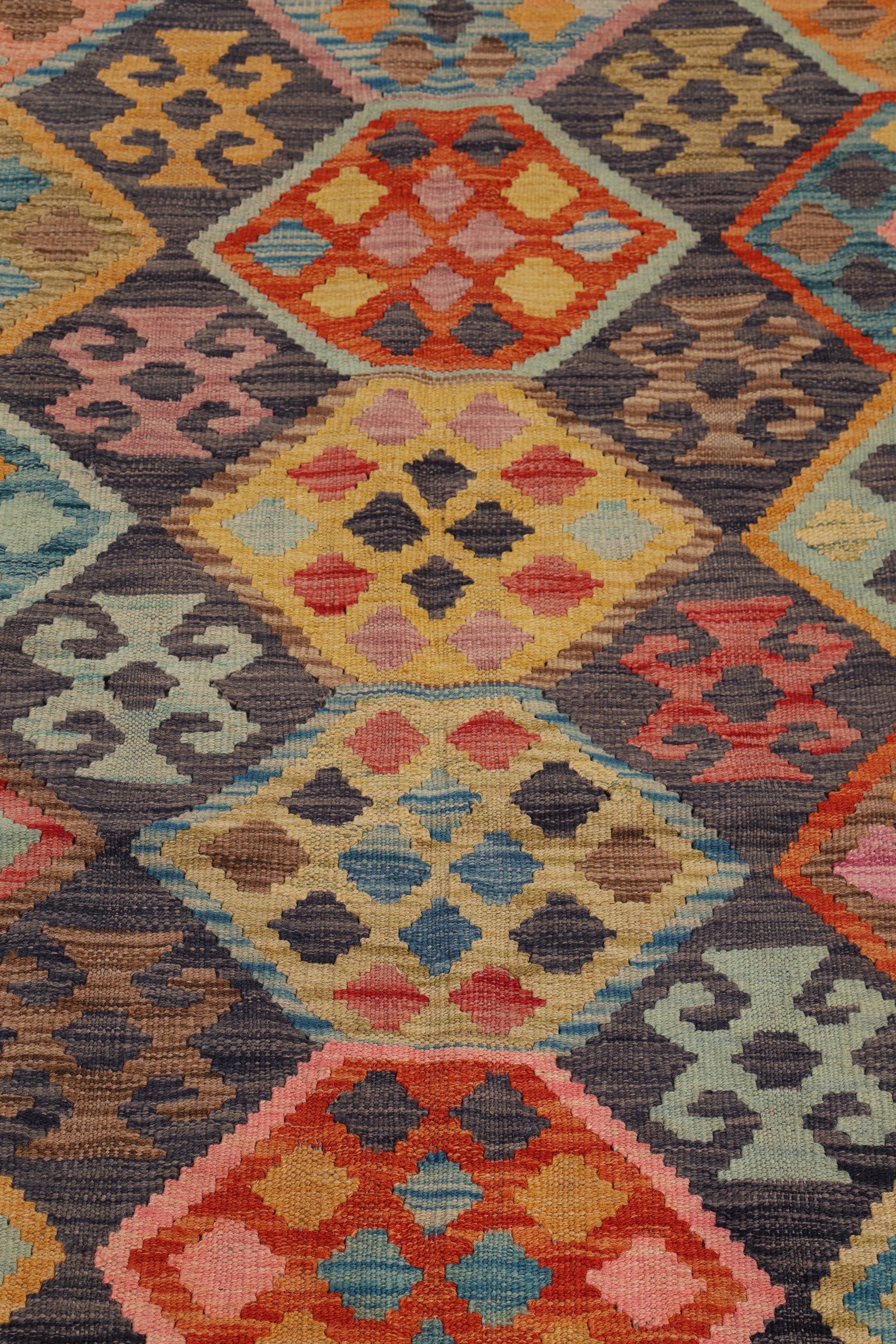
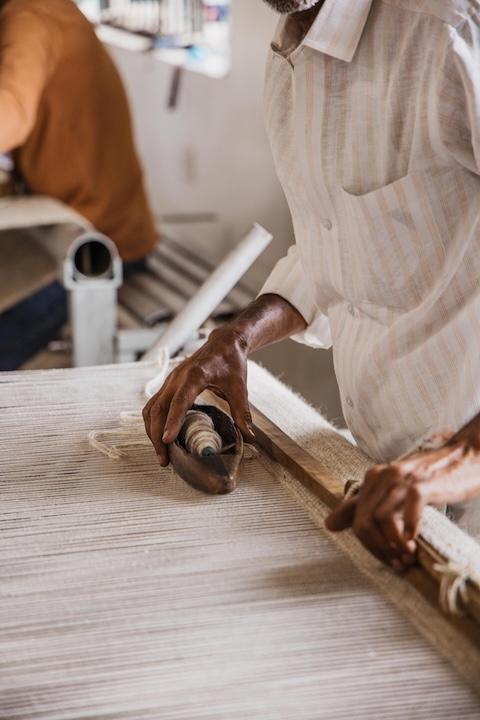
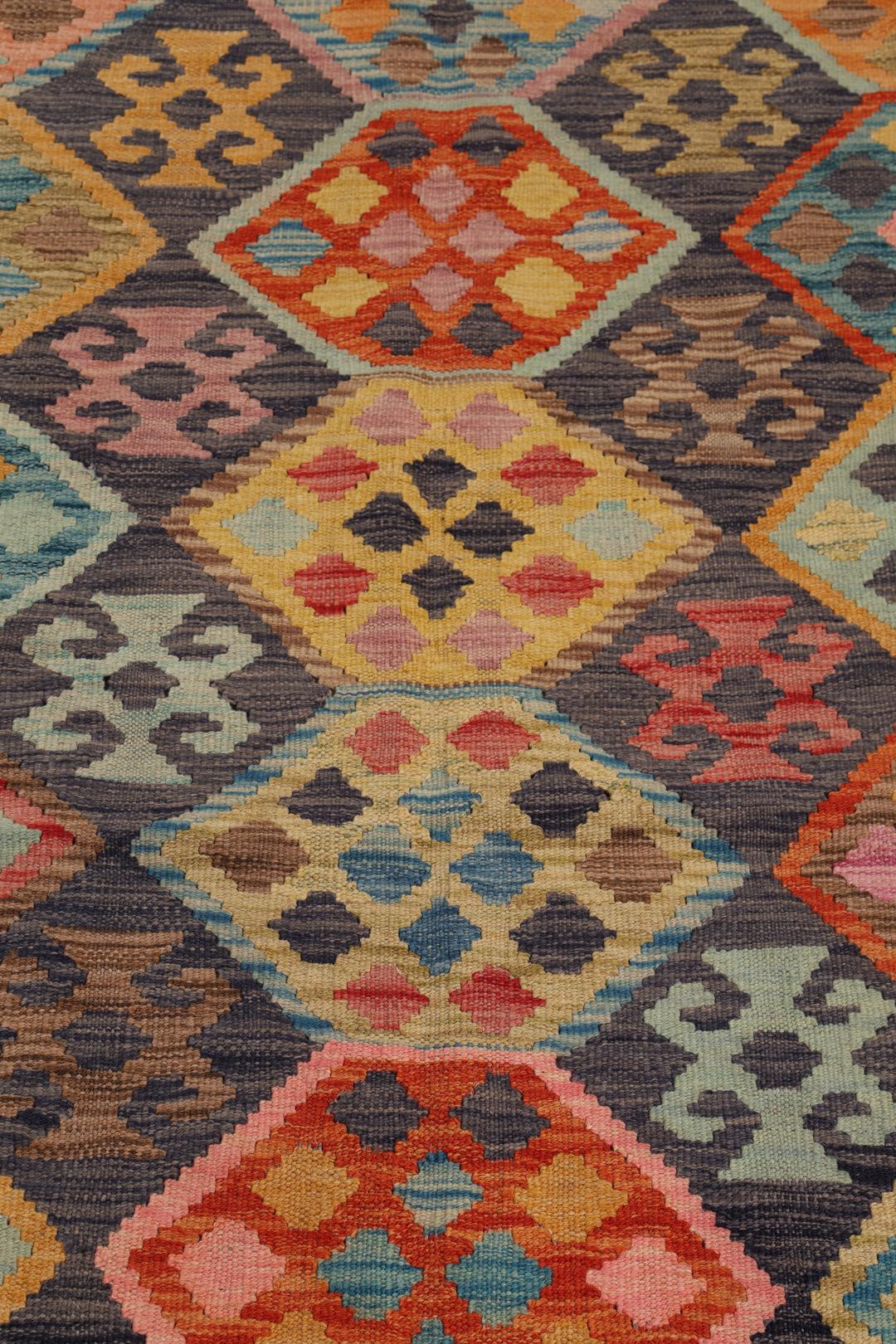
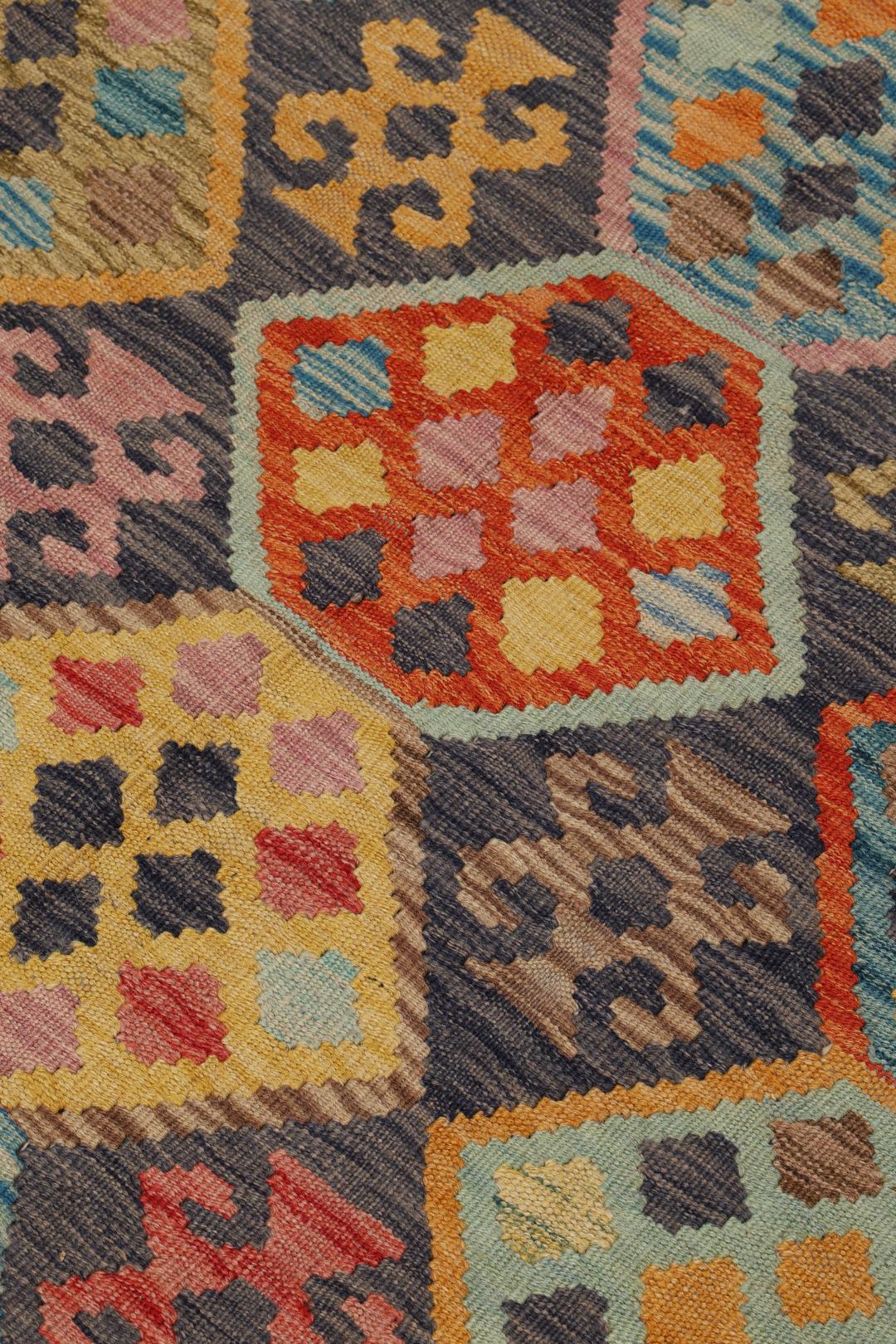
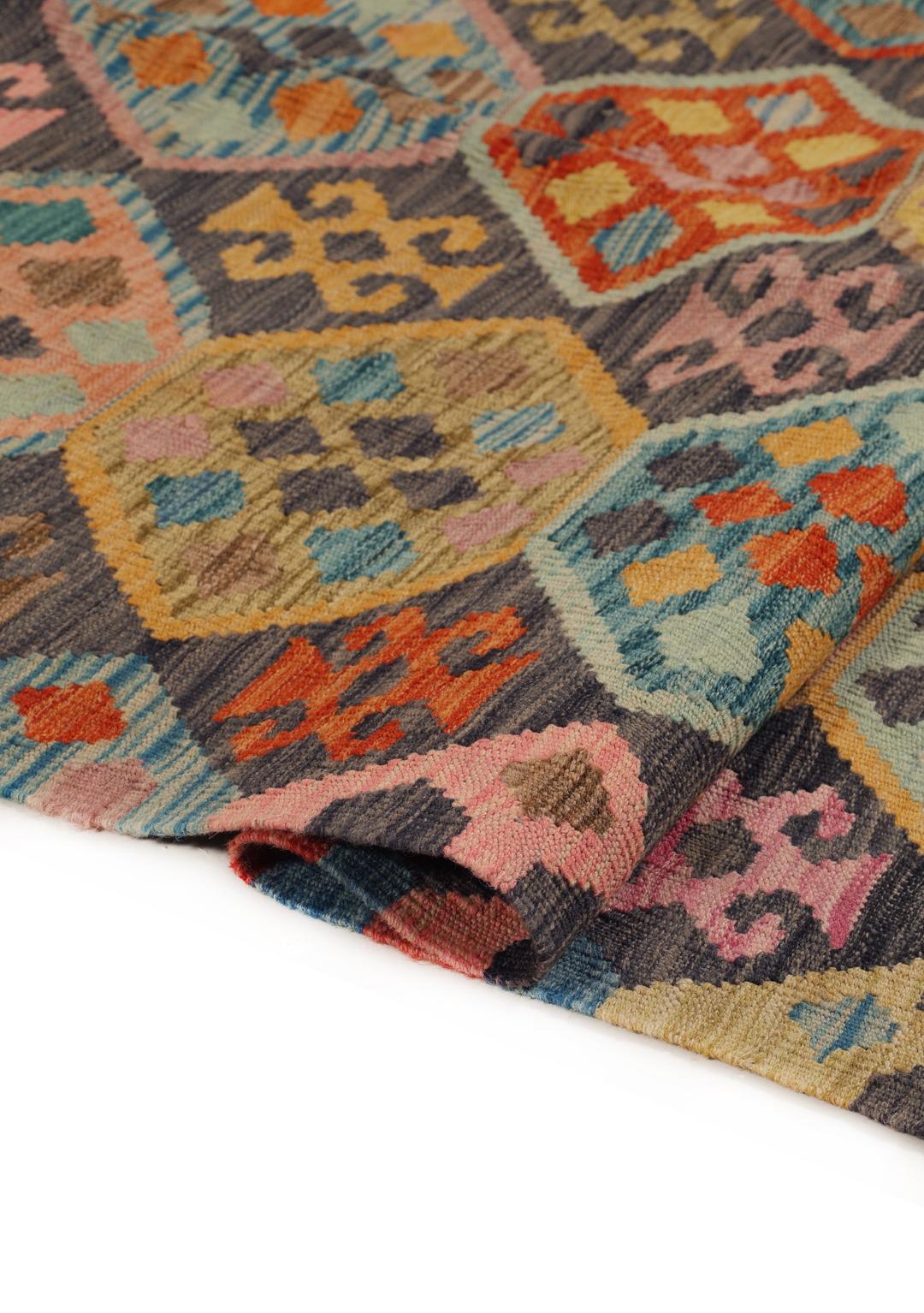
The term Kelim refers to the specific slit-weave technique used to create these pieces. By passing the weft threads back and forth through the warp, the weaver creates clean, sharp edges between different colour blocks. This method results in a reversible rug that is incredibly resilient, as the lack of pile prevents the surface from wearing down over time.
Visually, these rugs are defined by their bold, geometric language. The use of repeating diamond or medallion motifs is a hallmark of the tradition, often symbolising protection or tribal identity. The colours are traditionally derived from natural dyes, which develop a beautiful, softened patina as the rug ages, enhancing its character.
Collecting Afghan Kelims is an investment in human skill and historical narrative. Each piece serves as a physical record of the weaver's creative choices and the cultural values of their community. Owning such a rug is a way to preserve these ancient craft techniques while adding a piece of living history to your modern home.