Kelim rugs have long been a cornerstone of nomadic life across the Middle East and Central Asia. Originally designed as functional, portable floor coverings and wall hangings, these rugs were essential for insulating tents and creating comfortable living spaces while travelling across harsh, rugged terrains.
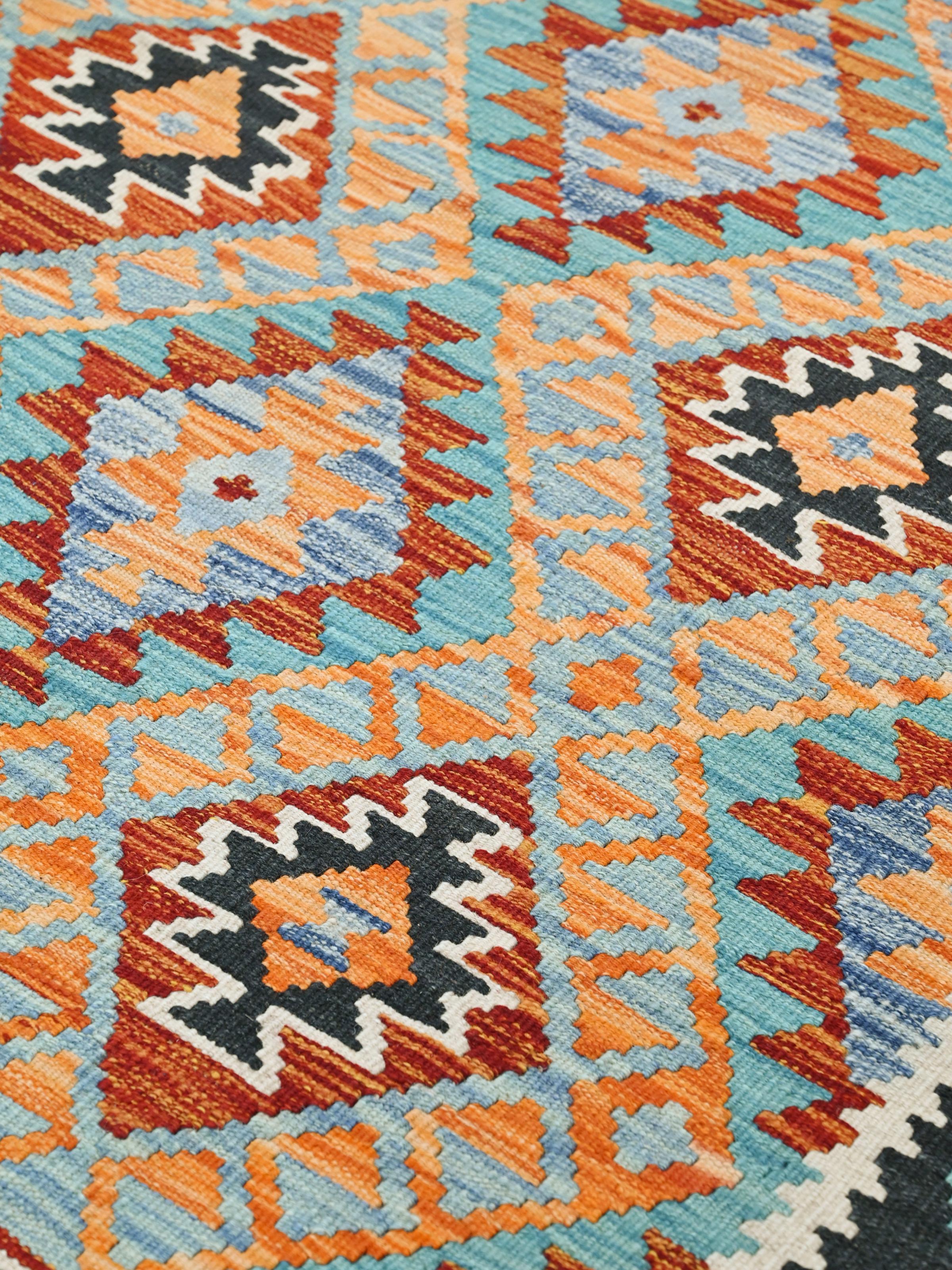
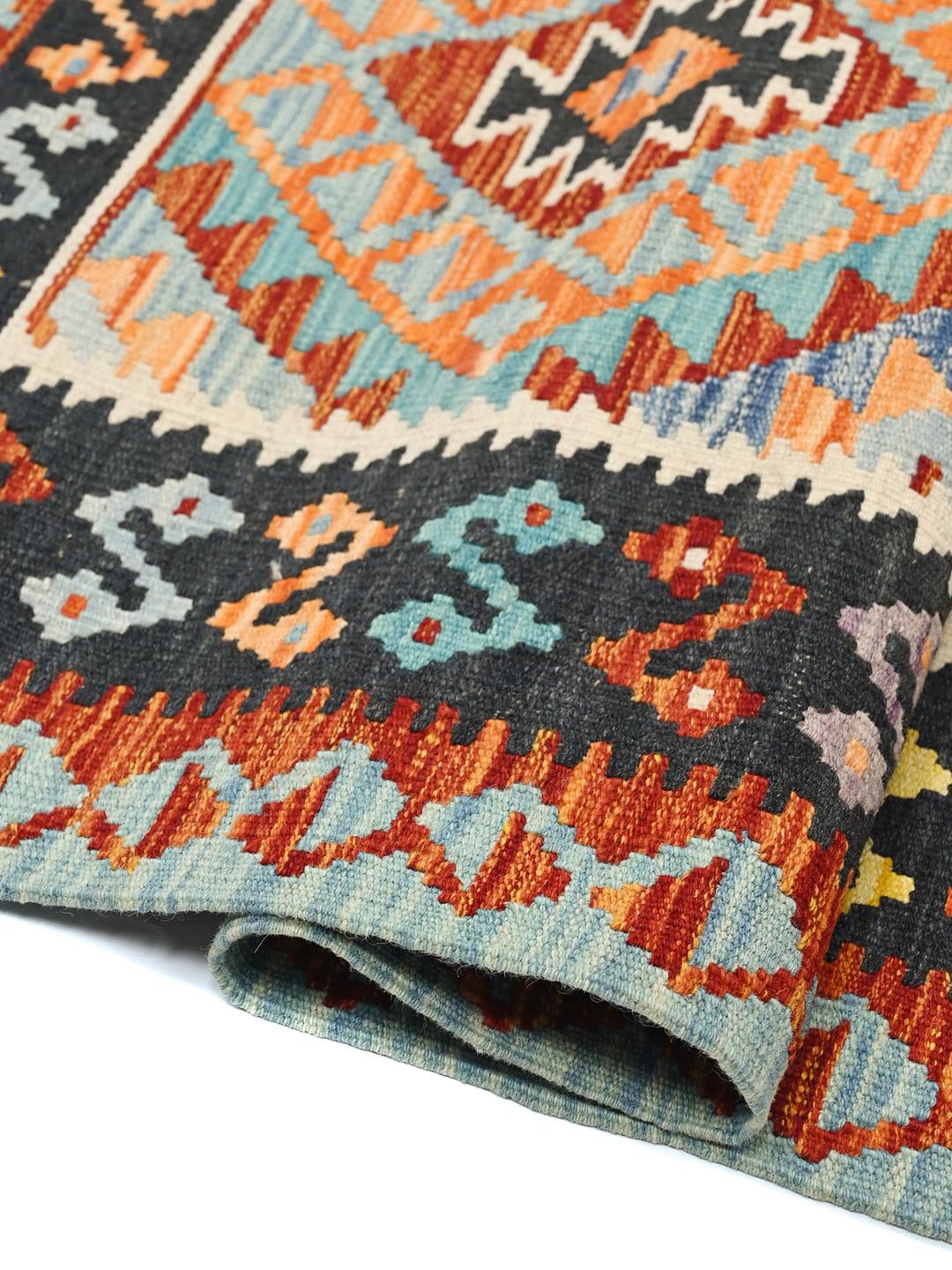
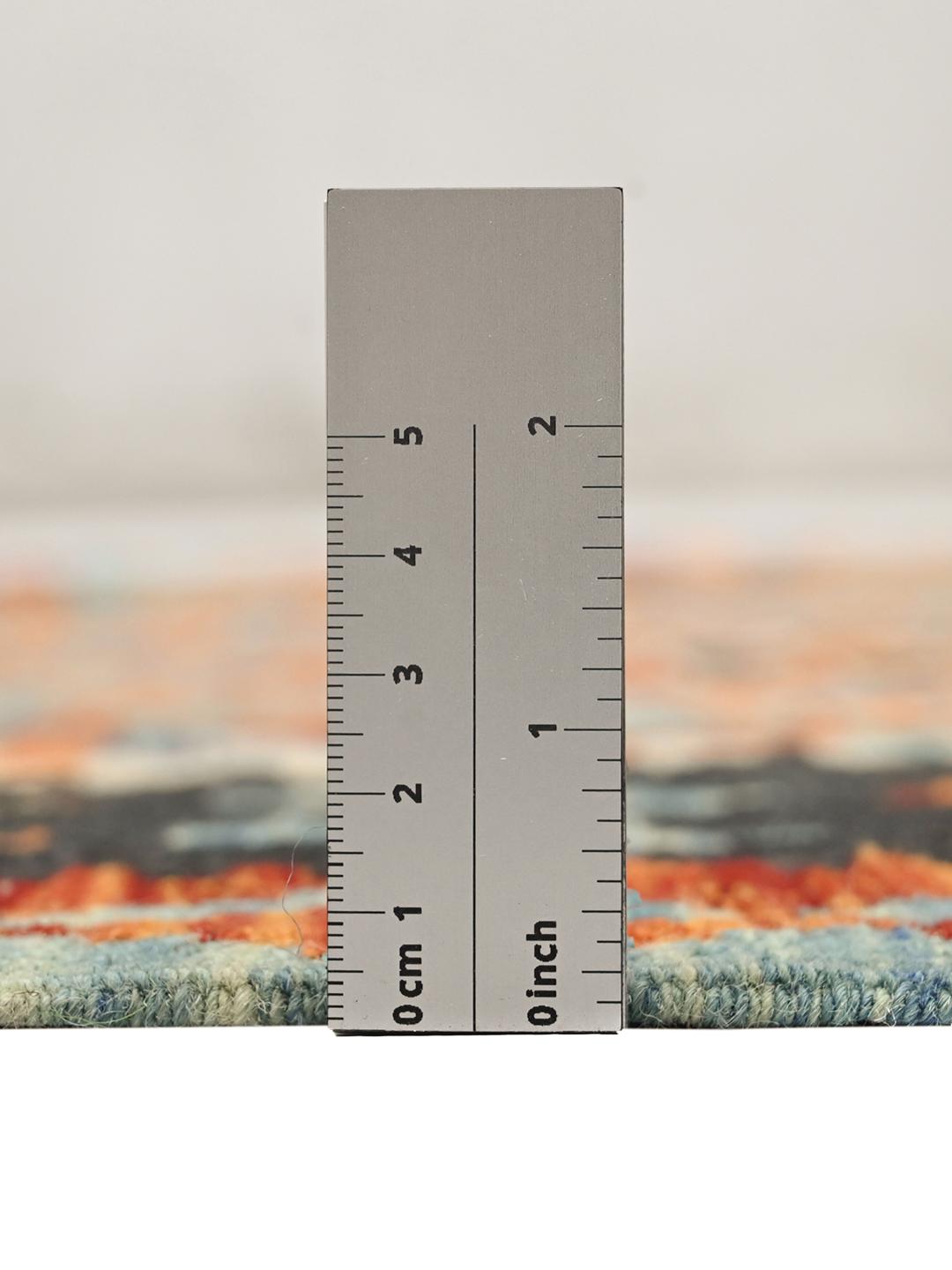
The term 'Kelim' refers to the flat-weaving technique used to produce these rugs. Unlike knotted rugs that have a pile, Kelims are created by interweaving the coloured weft threads through the warp threads. This technique produces a thin, lightweight, and reversible rug that is both sturdy and easy to fold, which was vital for the mobile lifestyle of the original weavers.
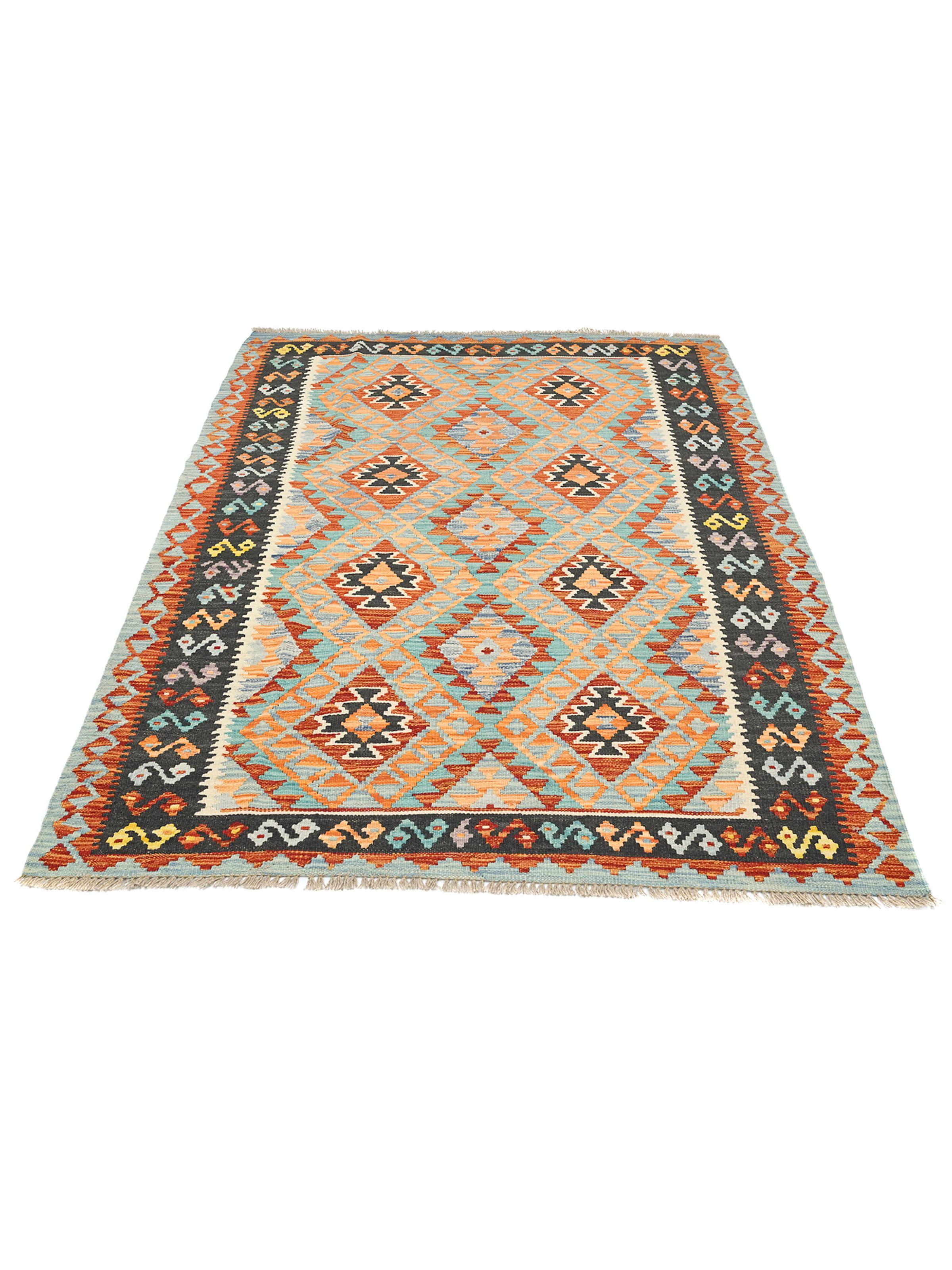
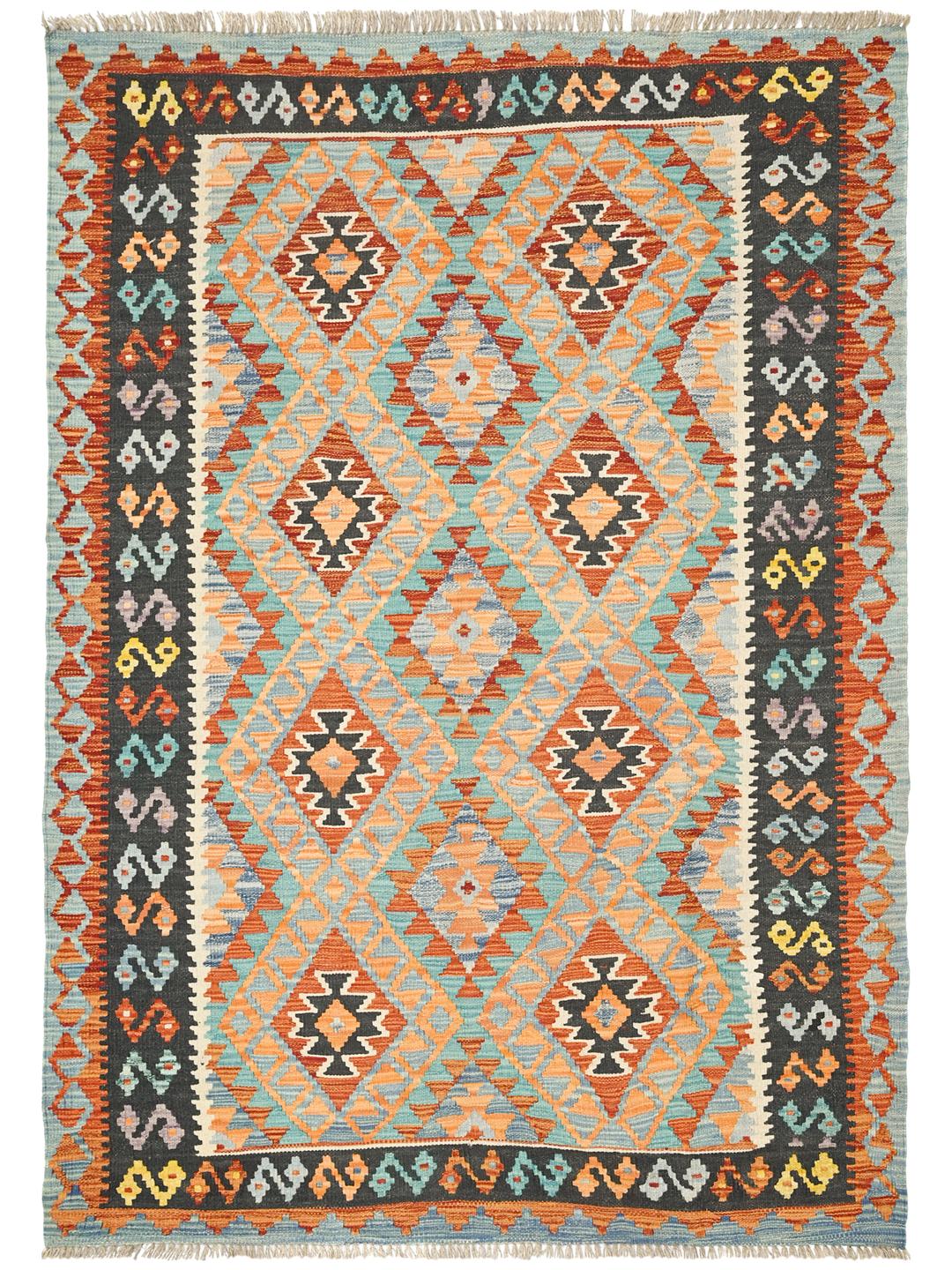
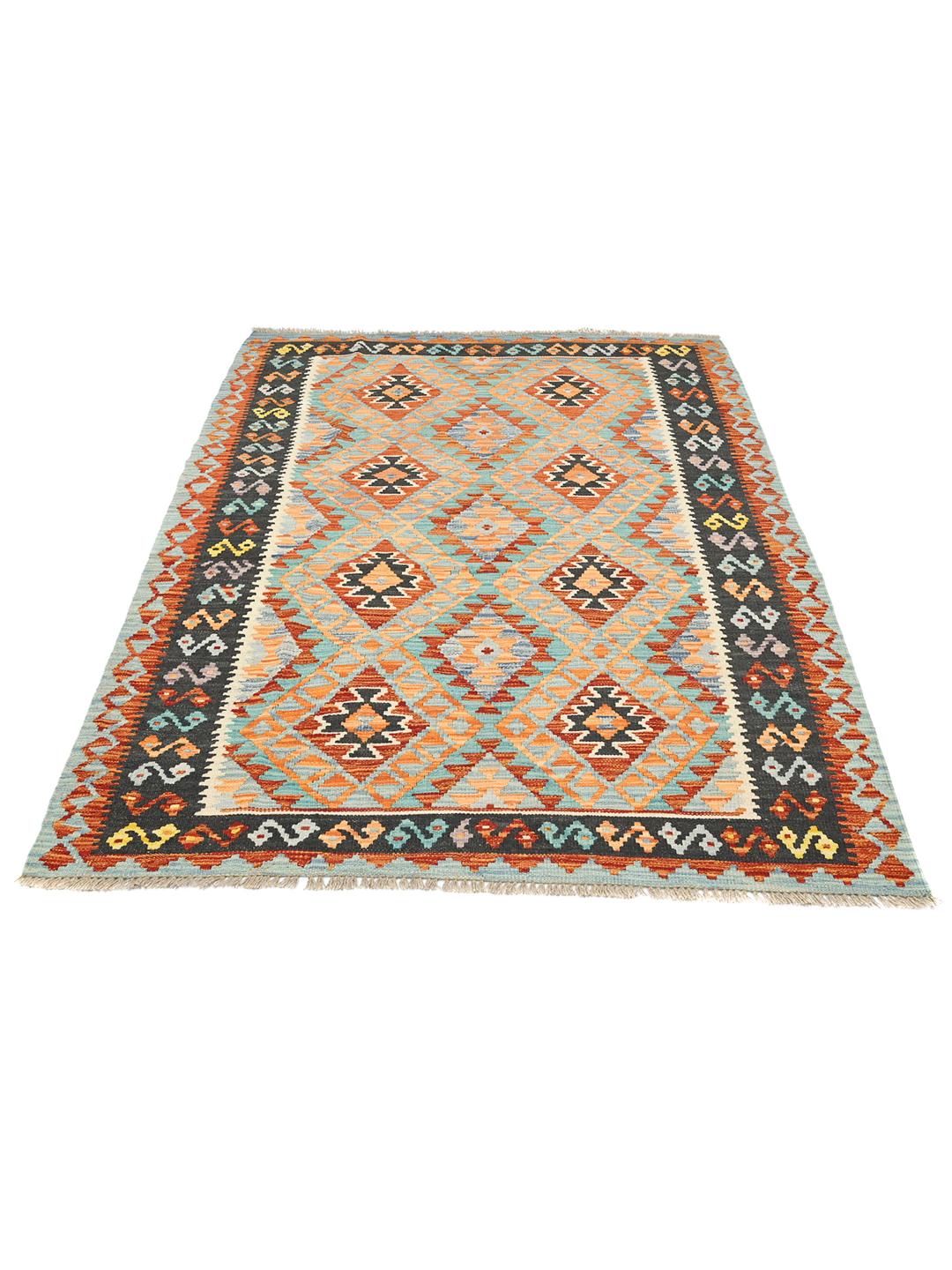
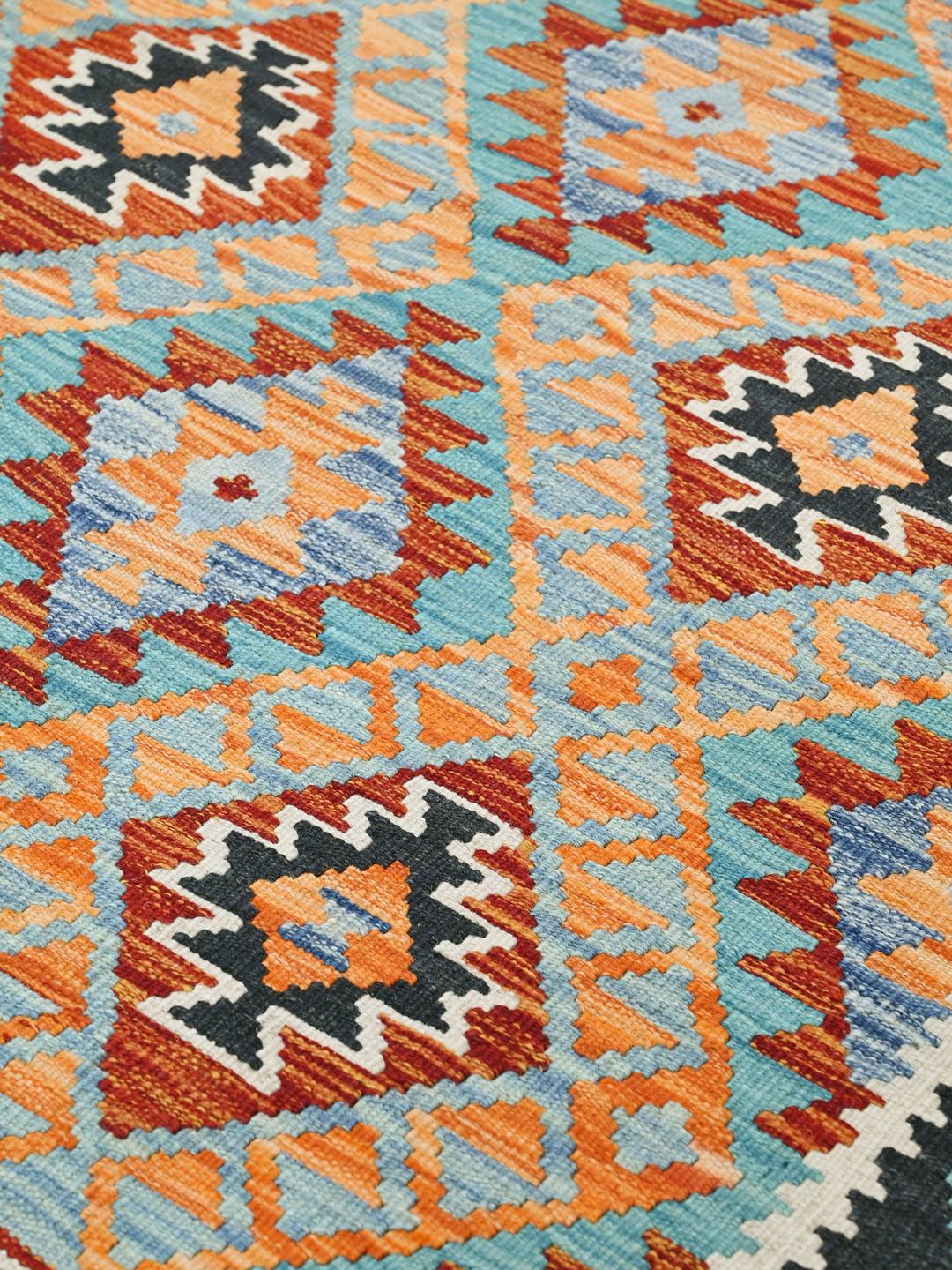
Visually, these rugs are defined by their sharp, geometric language. The diamond motifs and serrated borders seen here are characteristic of tribal designs, often passed down through generations. The use of vibrant, contrasting colours is a hallmark of Afghan weaving, where natural dyes were historically used to create deep, lasting hues that remain bold even after years of use.
Collecting these rugs is an investment in human skill and regional heritage. Each piece acts as a narrative, with the weaver often incorporating symbols that reflect their environment and cultural identity. By bringing one into your home, you are not just acquiring a floor covering but a piece of cultural history that continues to hold its value and beauty.