Kelim rugs have been a cornerstone of Middle Eastern textile traditions for centuries, serving as both functional floor coverings and essential cultural expressions. These rugs originate from nomadic and village communities, where the art of flat-weaving was passed down through generations, allowing families to create versatile textiles for tents and homes.
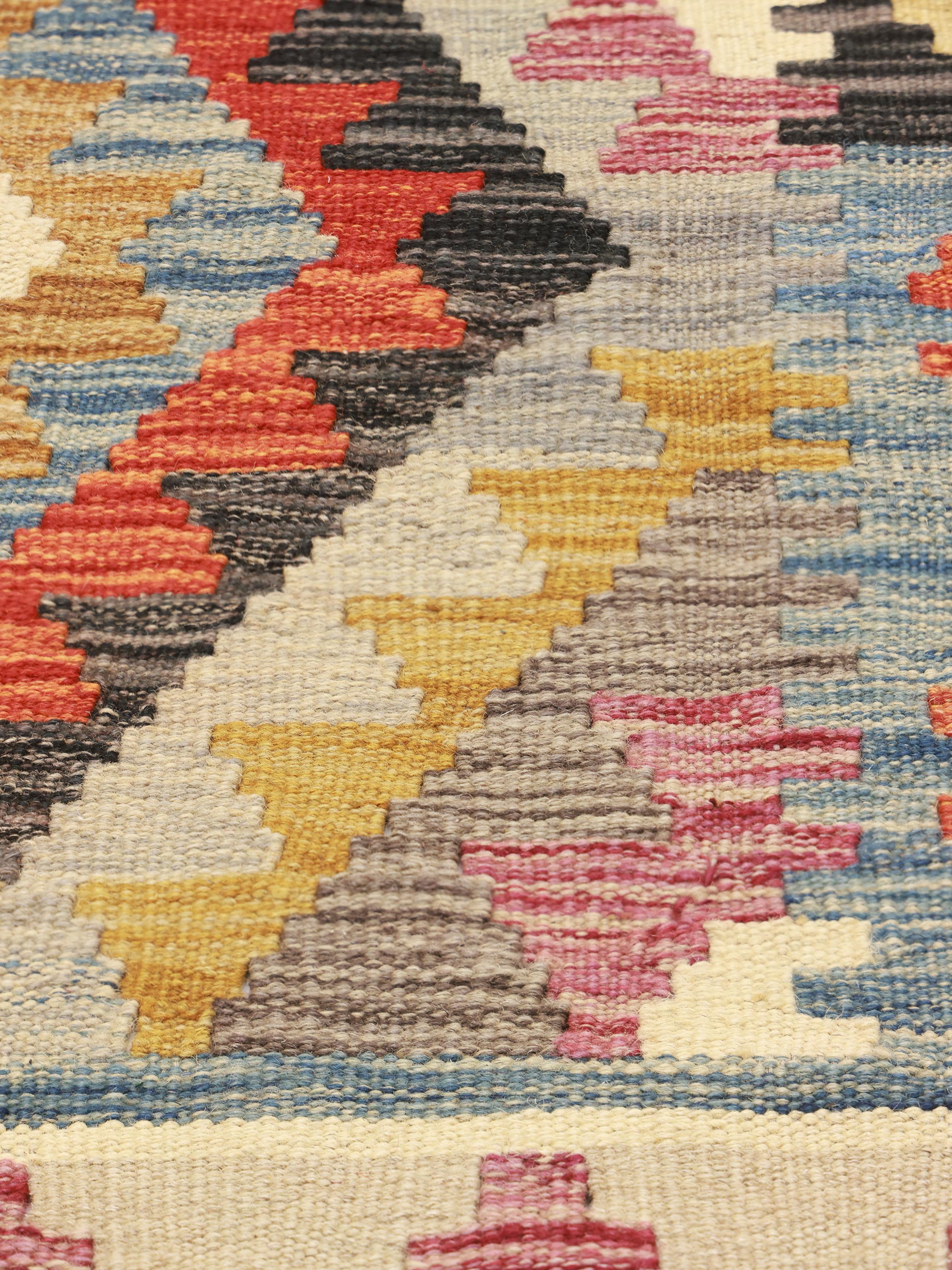
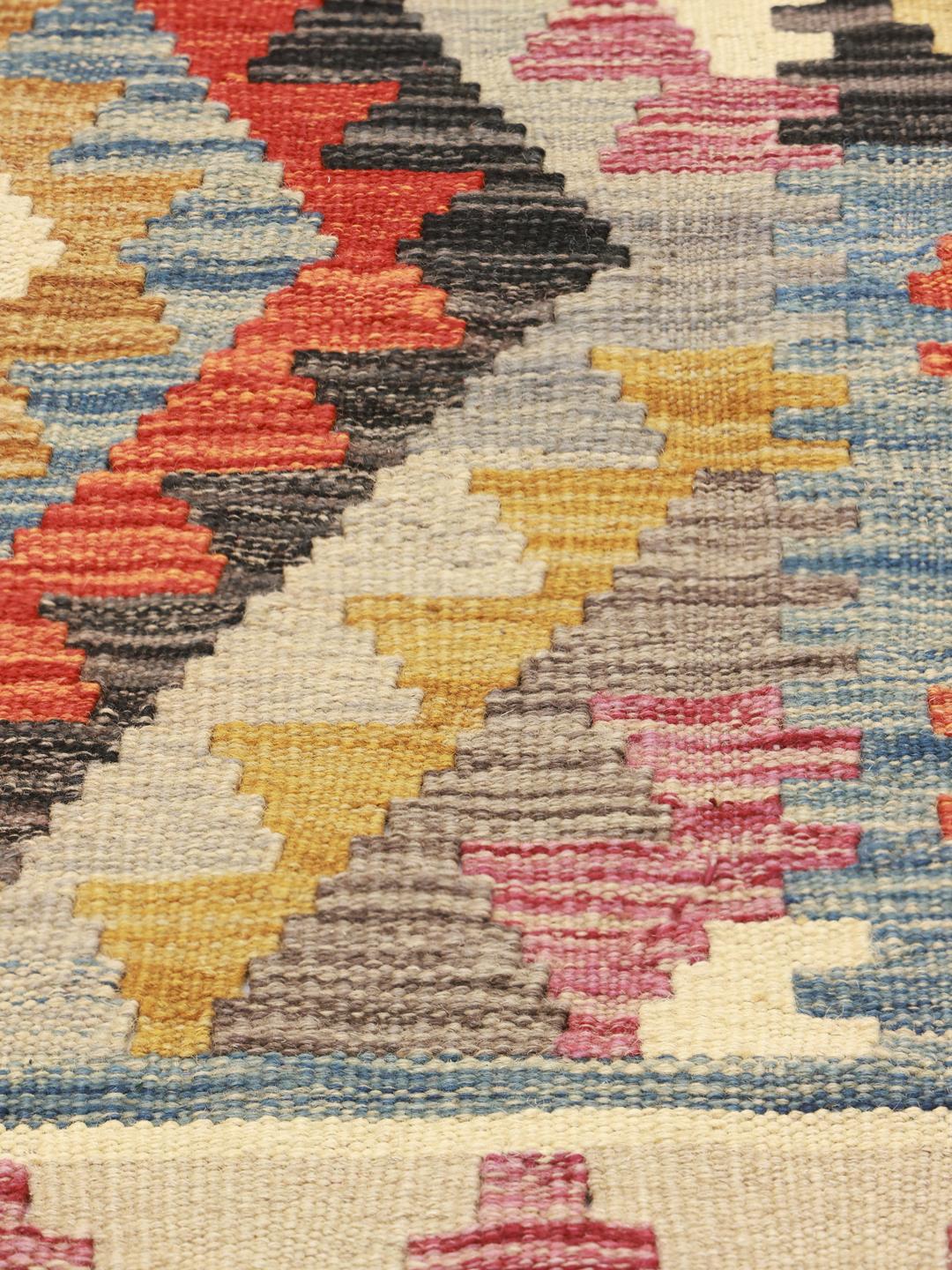
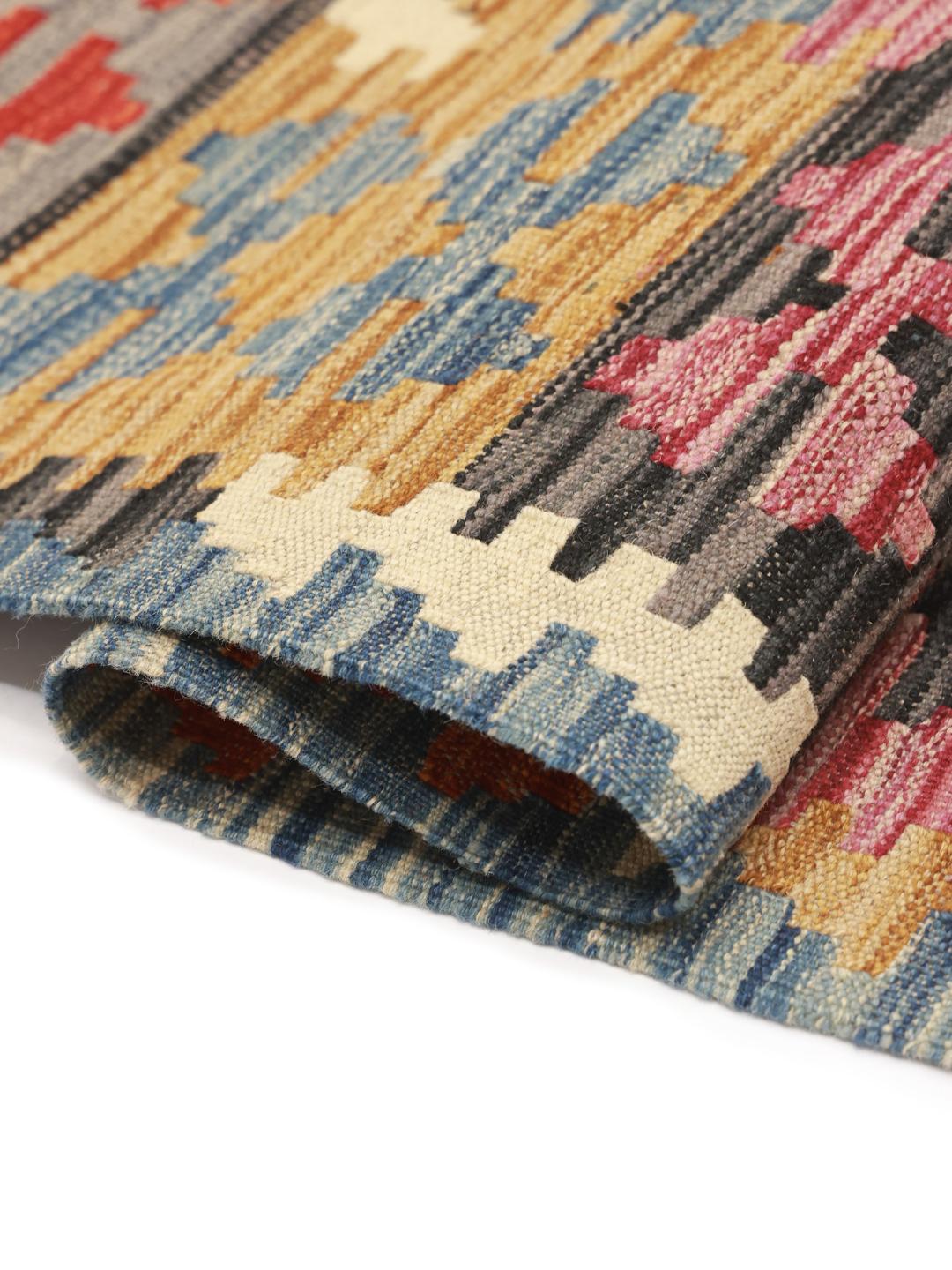
The term Kelim refers specifically to the tapestry-weave technique, where the weft threads are woven tightly over the warp to create a smooth, pileless surface. This method is highly valued for its ability to produce sharp, intricate geometric designs that remain clear and visible on both sides of the rug, showcasing the weaver's technical proficiency.
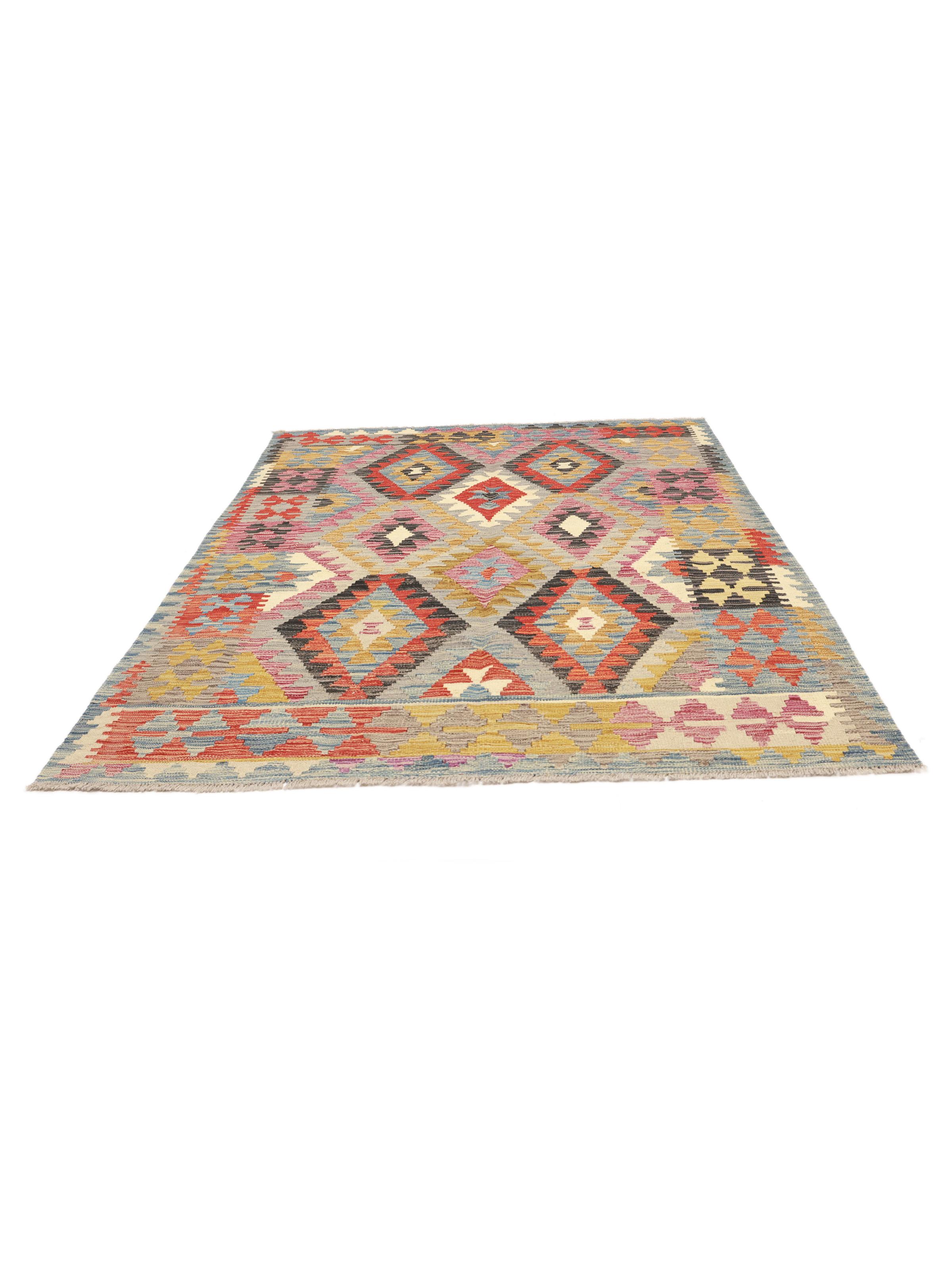
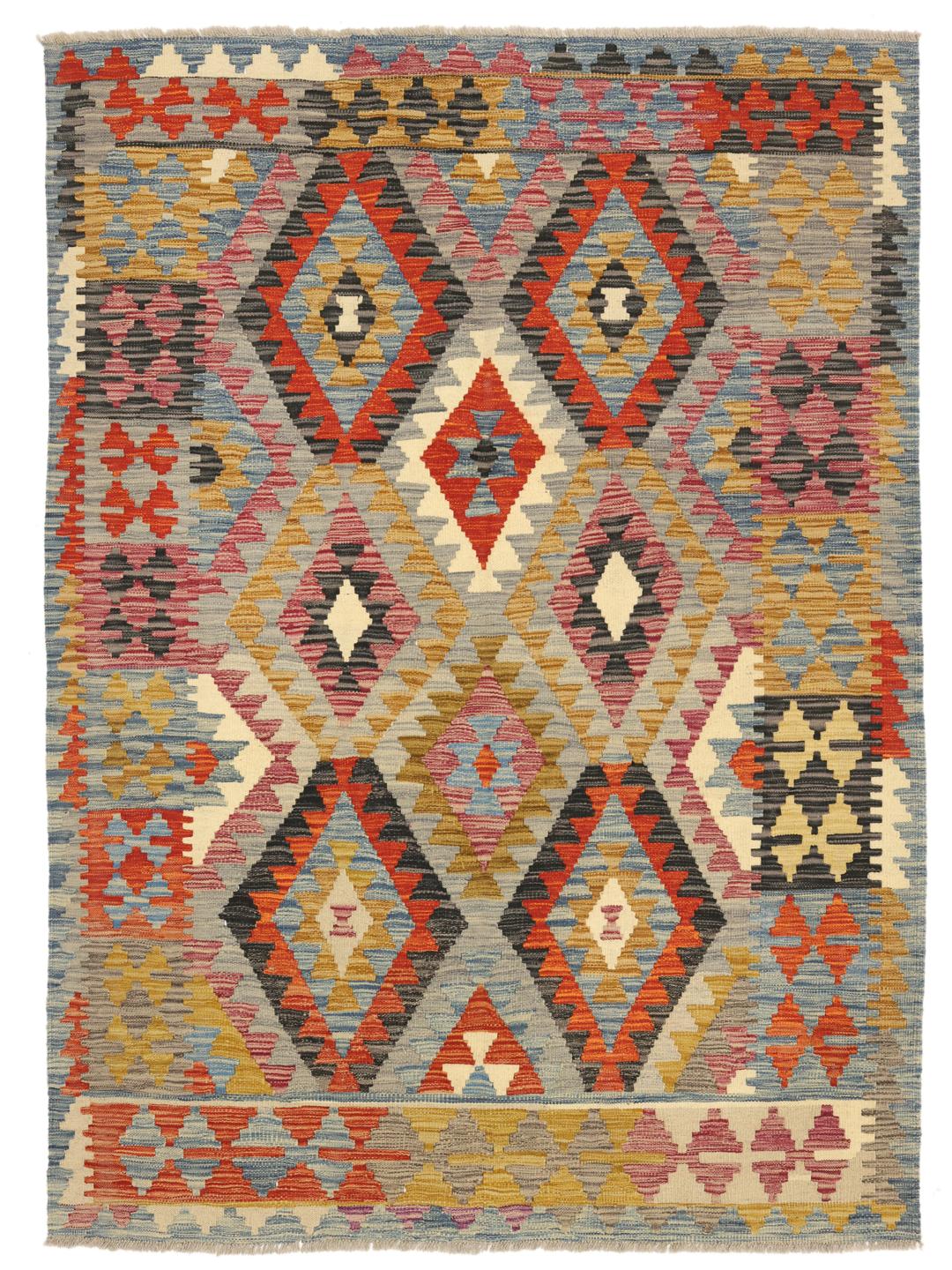
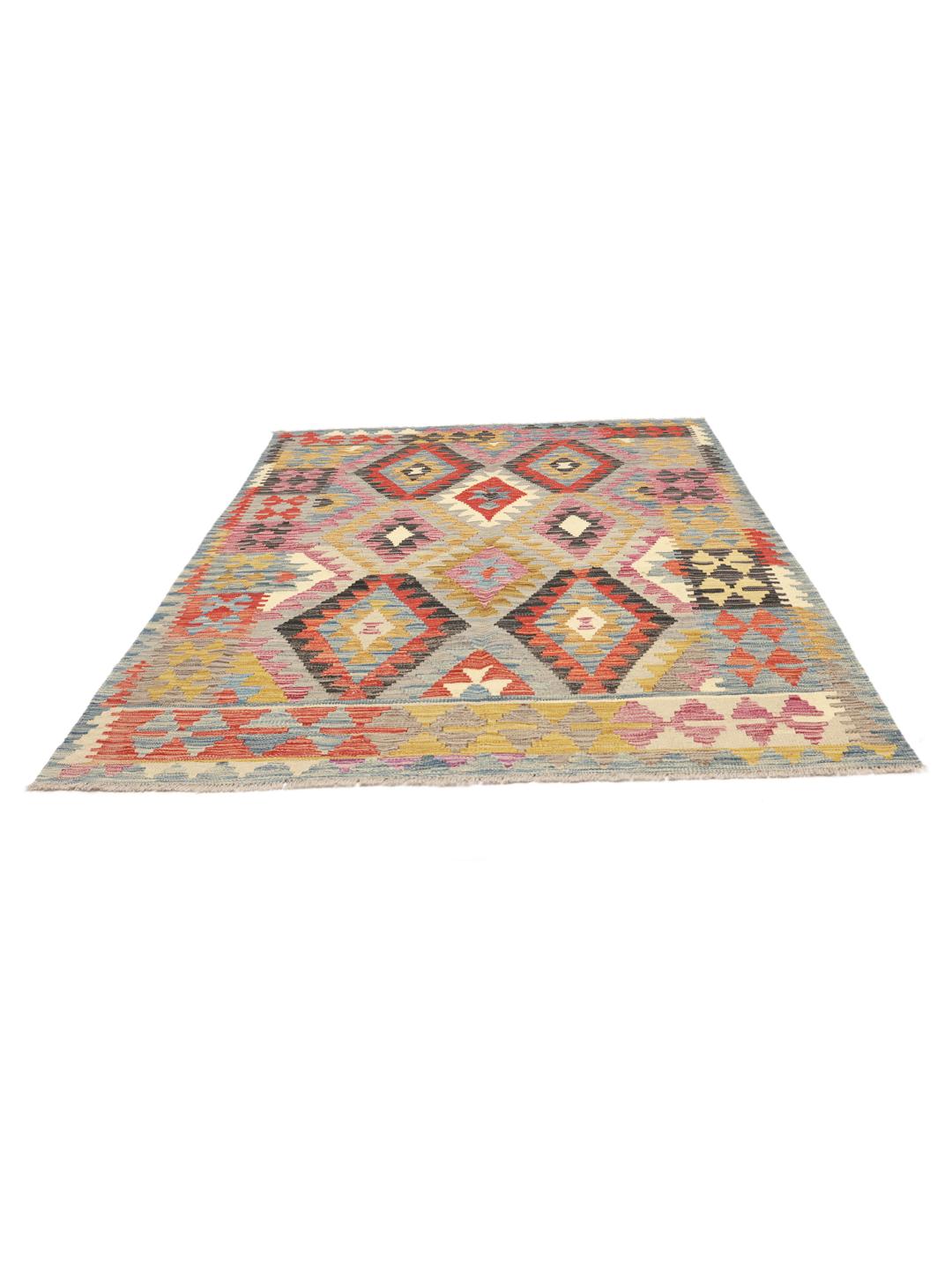
Signature design elements in Afghan Kelims often include bold, repeating diamond motifs and stylized tribal symbols, all rendered in a rich, earthy, and vibrant colour palette. These patterns are not merely decorative but often hold traditional meanings, with each shape and colour choice reflecting the specific heritage and regional identity of the weaving community.
Owning an Afghan Kelim is an opportunity to connect with a long-standing legacy of craftsmanship. These pieces are highly sought after by collectors who appreciate the skill required to maintain such precise patterns through hand-weaving alone, ensuring that each rug stands as a testament to the enduring cultural heritage of its region.