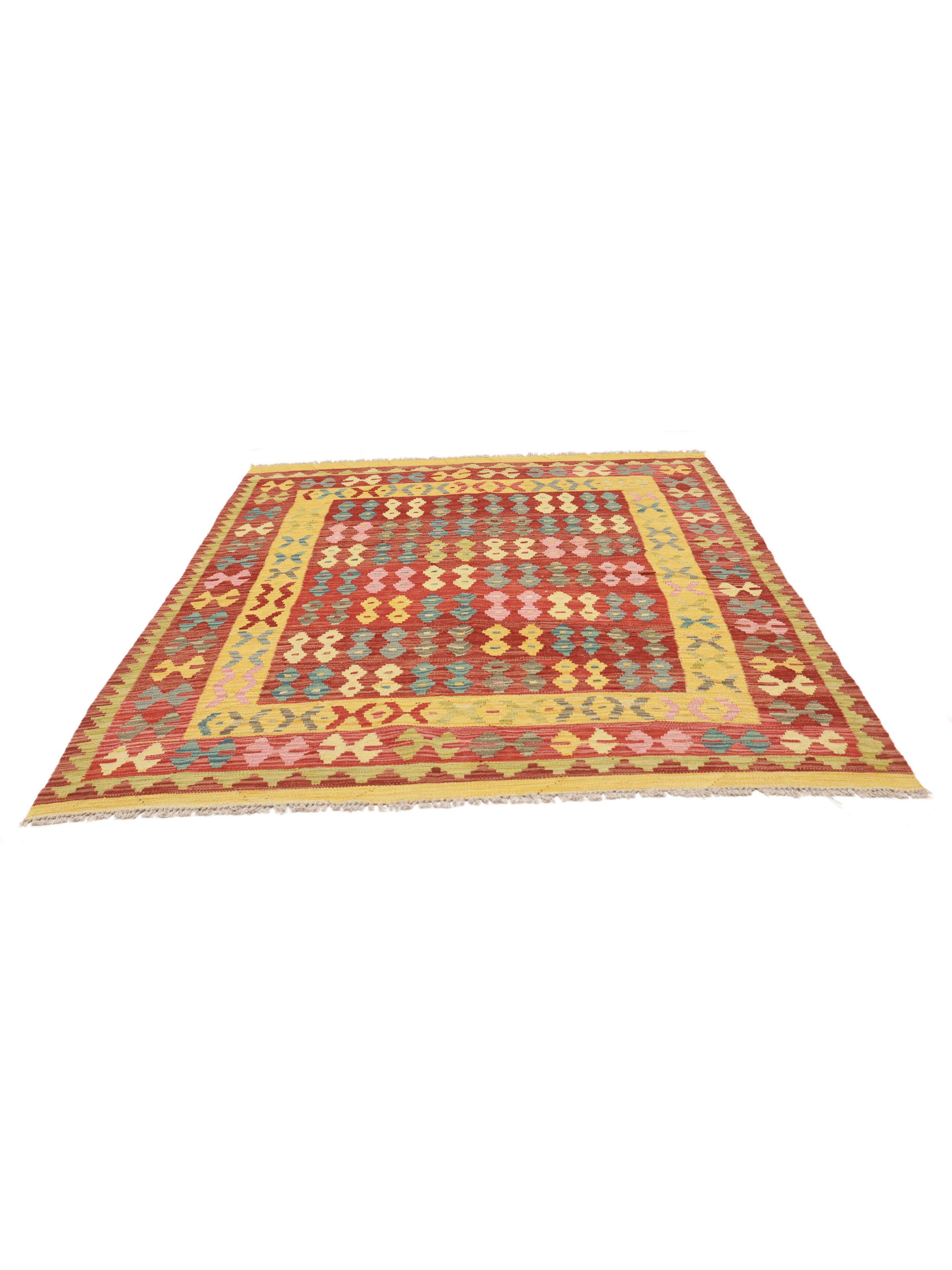
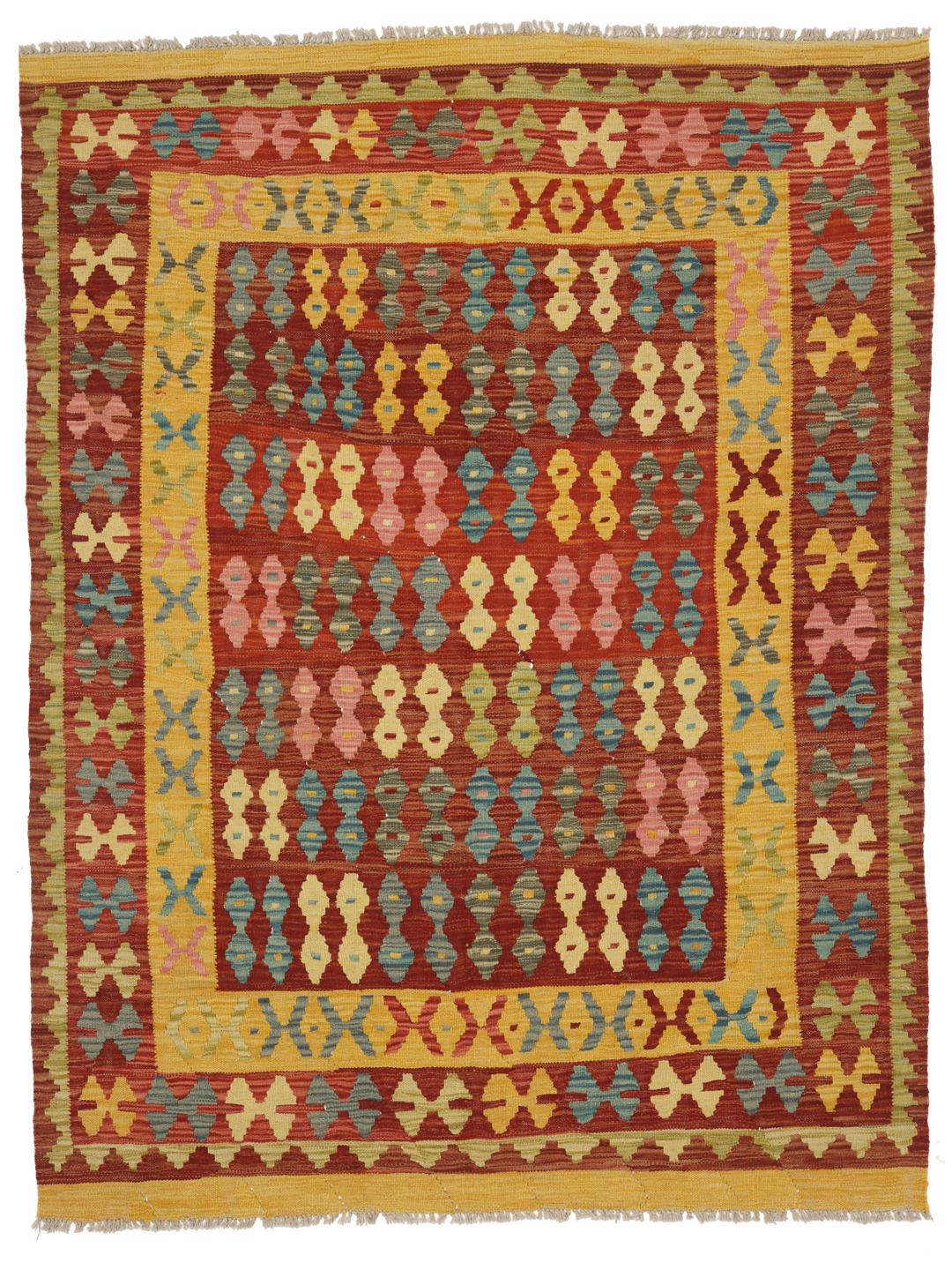
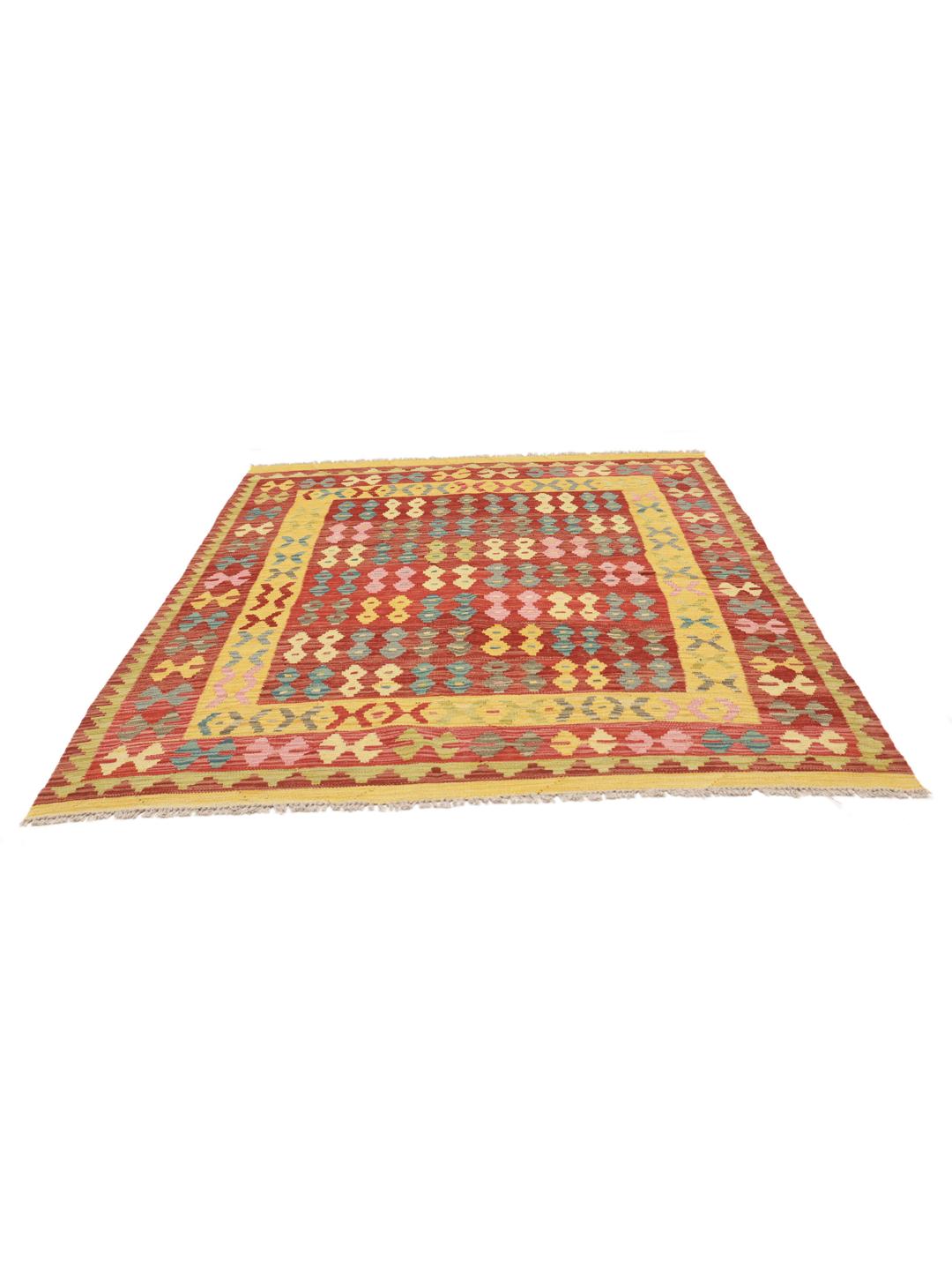
The Kelim tradition in Afghanistan is deeply rooted in the nomadic and semi-nomadic lifestyles of the region's diverse tribal groups. These flat-woven rugs were historically created as functional items for tents, serving as floor coverings, blankets, or saddlebags. Over centuries, these utilitarian objects evolved into highly prized artistic expressions, with each tribe developing its own distinct visual language and weaving techniques.
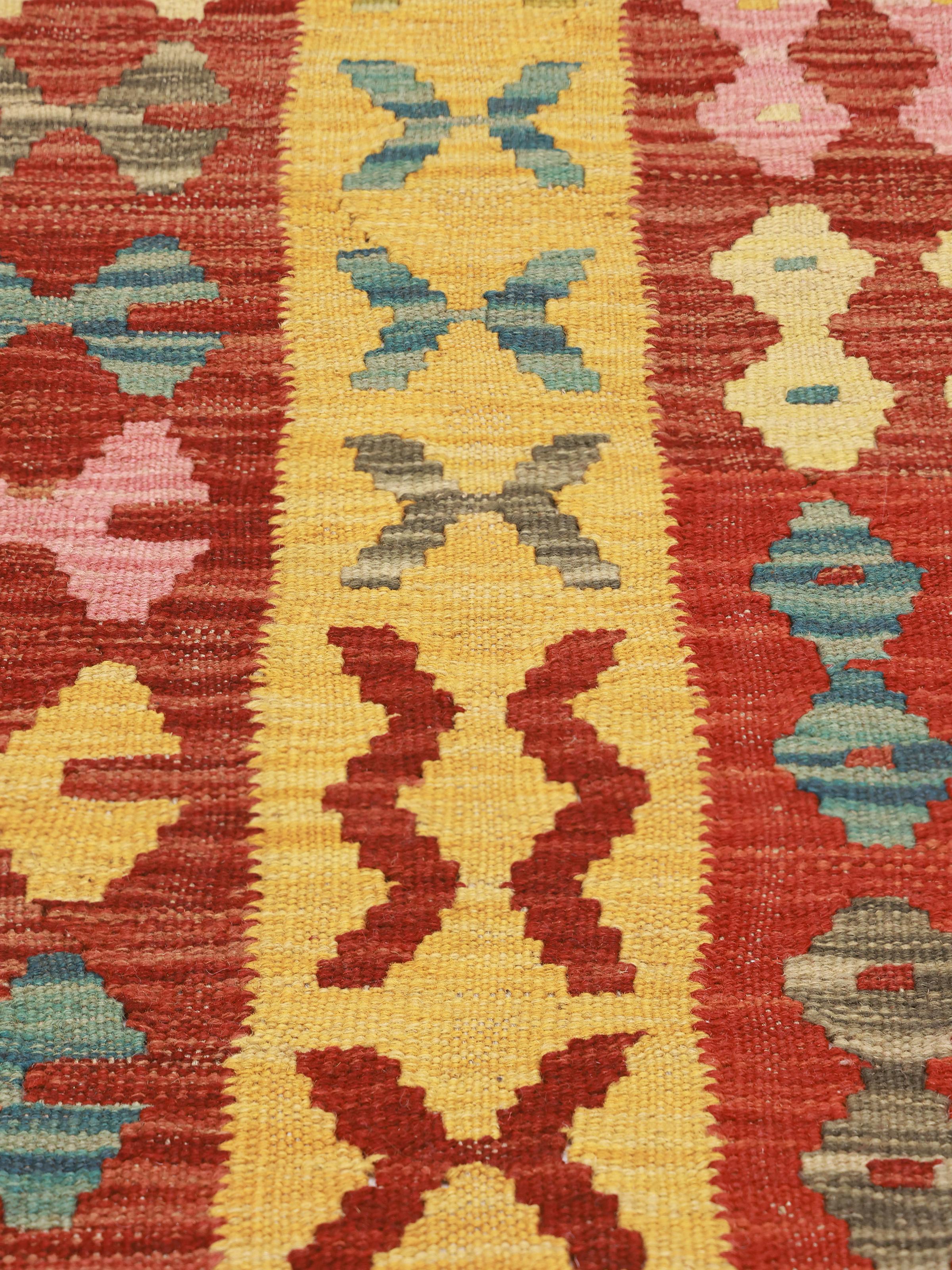
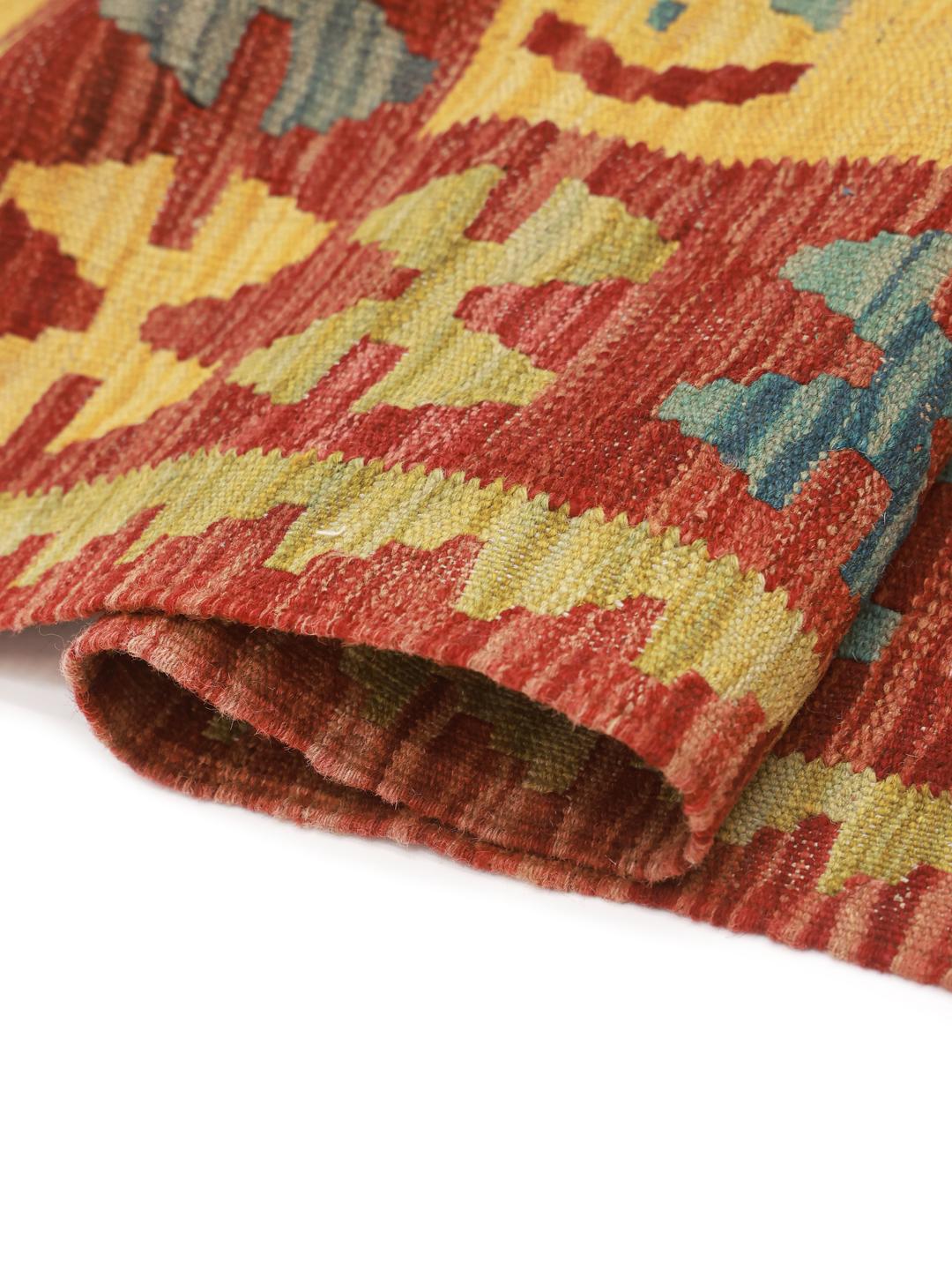
The term 'Kelim' refers specifically to the tapestry-weave technique where the weft threads are pulled tightly over the warp threads to create a smooth, pileless surface. This method is technically demanding, as it requires the weaver to maintain perfect tension throughout the process to ensure the design remains crisp and the edges stay straight. This precision is essential for the durability and longevity that these rugs are famous for.
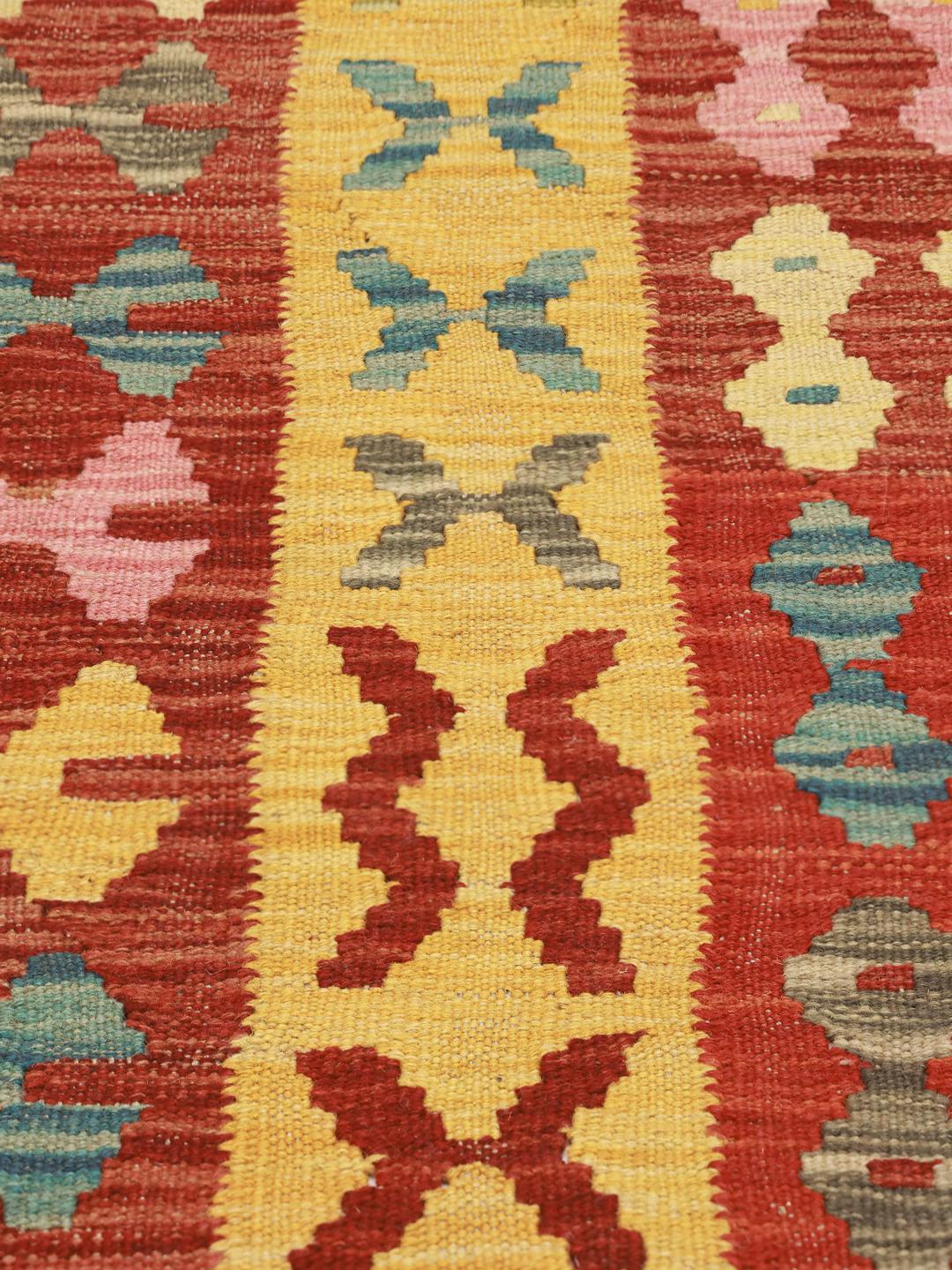
Visually, these rugs are defined by their bold geometric motifs, which often carry symbolic meanings related to protection, fertility, or the natural world. The use of vibrant, natural dyes creates a signature aesthetic that is both striking and harmonious. While many Kelims feature repeating medallions or 'gul' motifs, the creative freedom of the individual weaver often introduces subtle variations, making every piece a testament to the artisan's personal vision.
Owning an Afghan Kelim is an invitation to engage with a living heritage. These rugs are not just floor coverings; they are historical narratives woven in wool, representing a bridge between the ancient Silk Road traditions and contemporary home design. Collectors value them for their authenticity, the skill required to produce them, and the way they bring a sense of grounded, cultural weight to any interior.