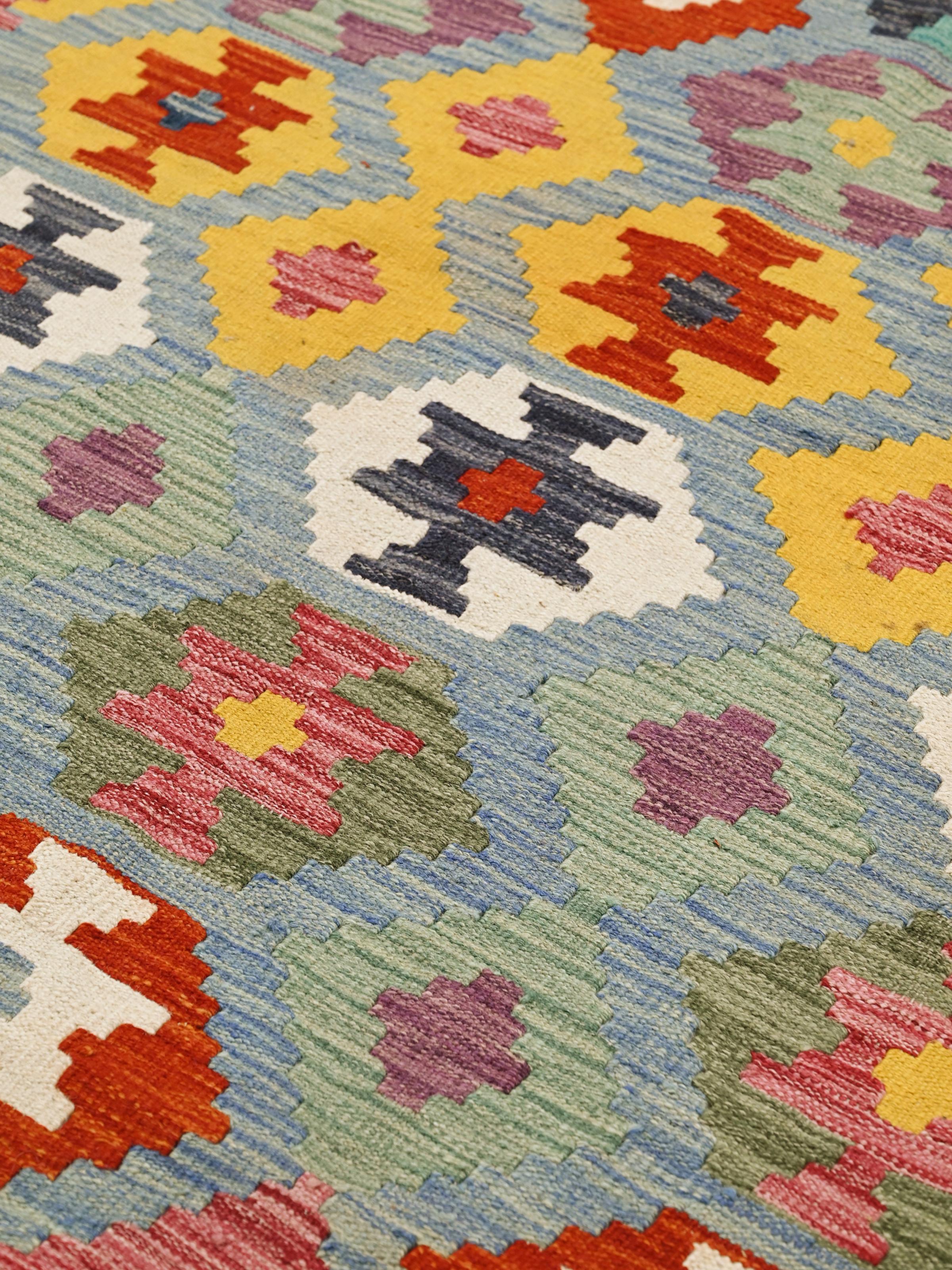
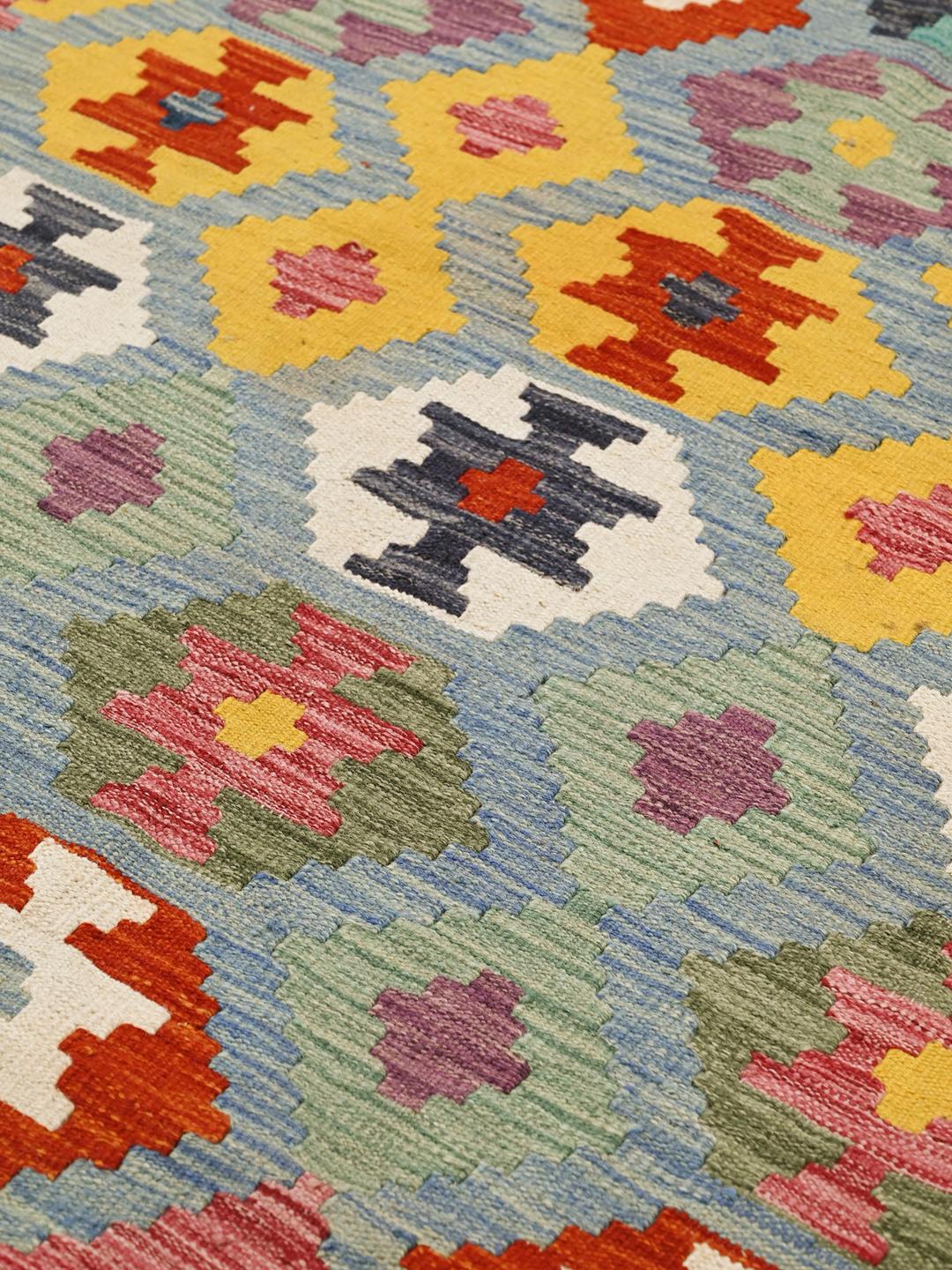
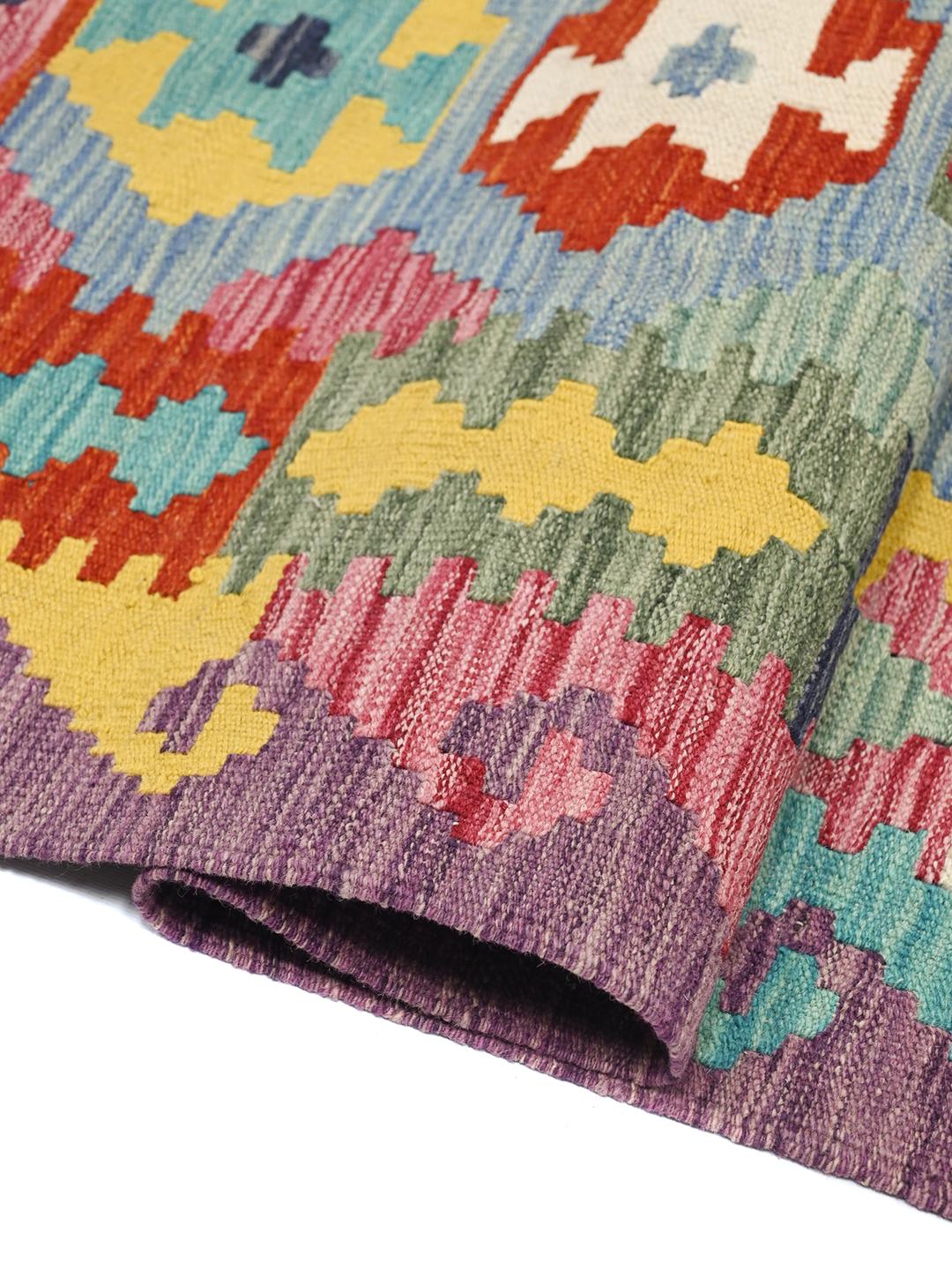
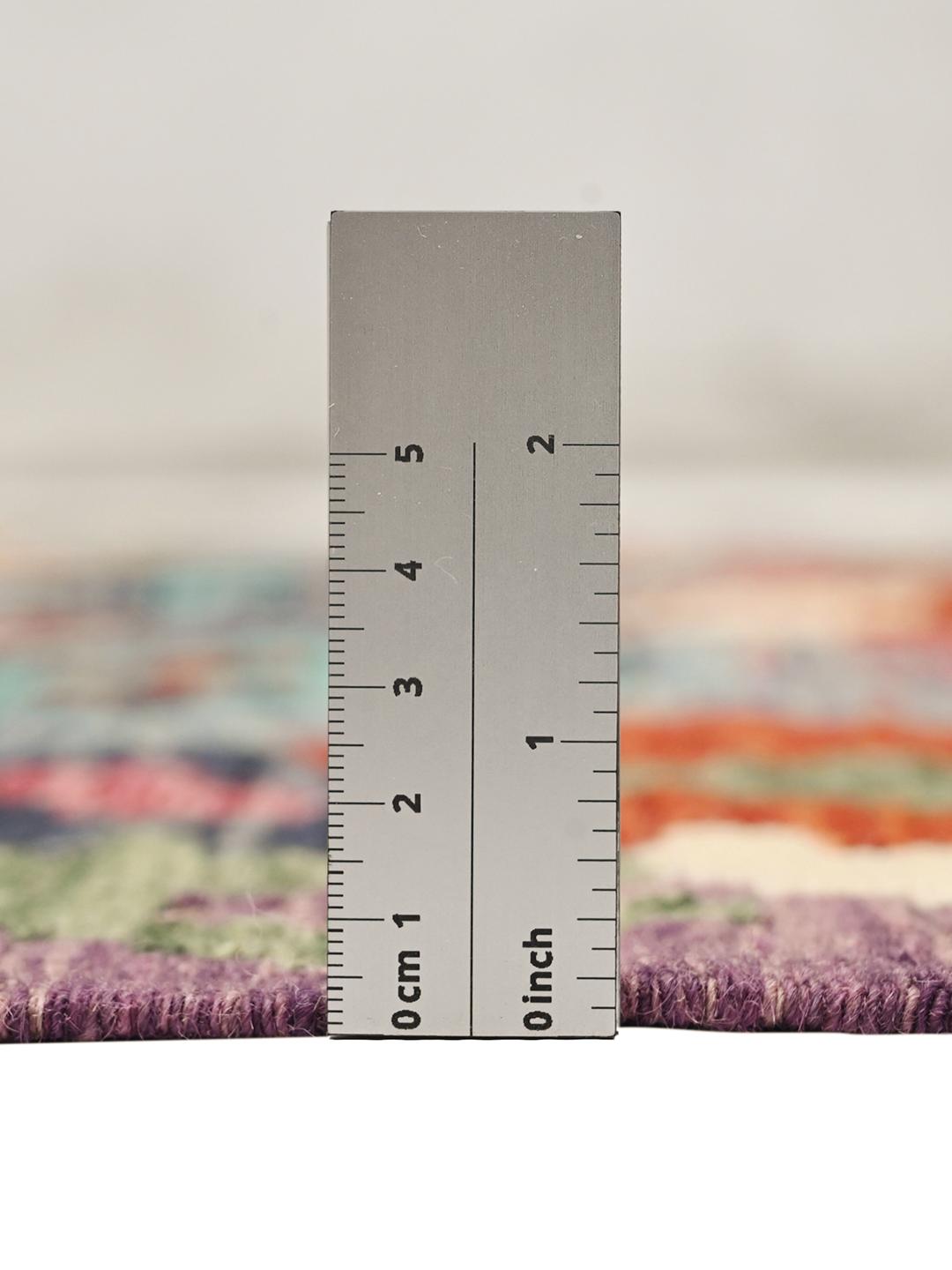
Kelim rugs have a long and storied history within the nomadic and village cultures of the Middle East and Central Asia. The term Kelim refers to a specific flat-weaving technique where the warp and weft are interlaced without creating a pile, resulting in a lightweight, double-sided rug that has been an essential part of domestic life for centuries.
The craft of weaving these rugs in Afghanistan is deeply rooted in regional tradition, where the patterns are often passed down through families. These designs are not merely decorative but often act as a visual language, with geometric shapes and motifs that carry specific cultural meanings, reflecting the environment and the heritage of the weavers.
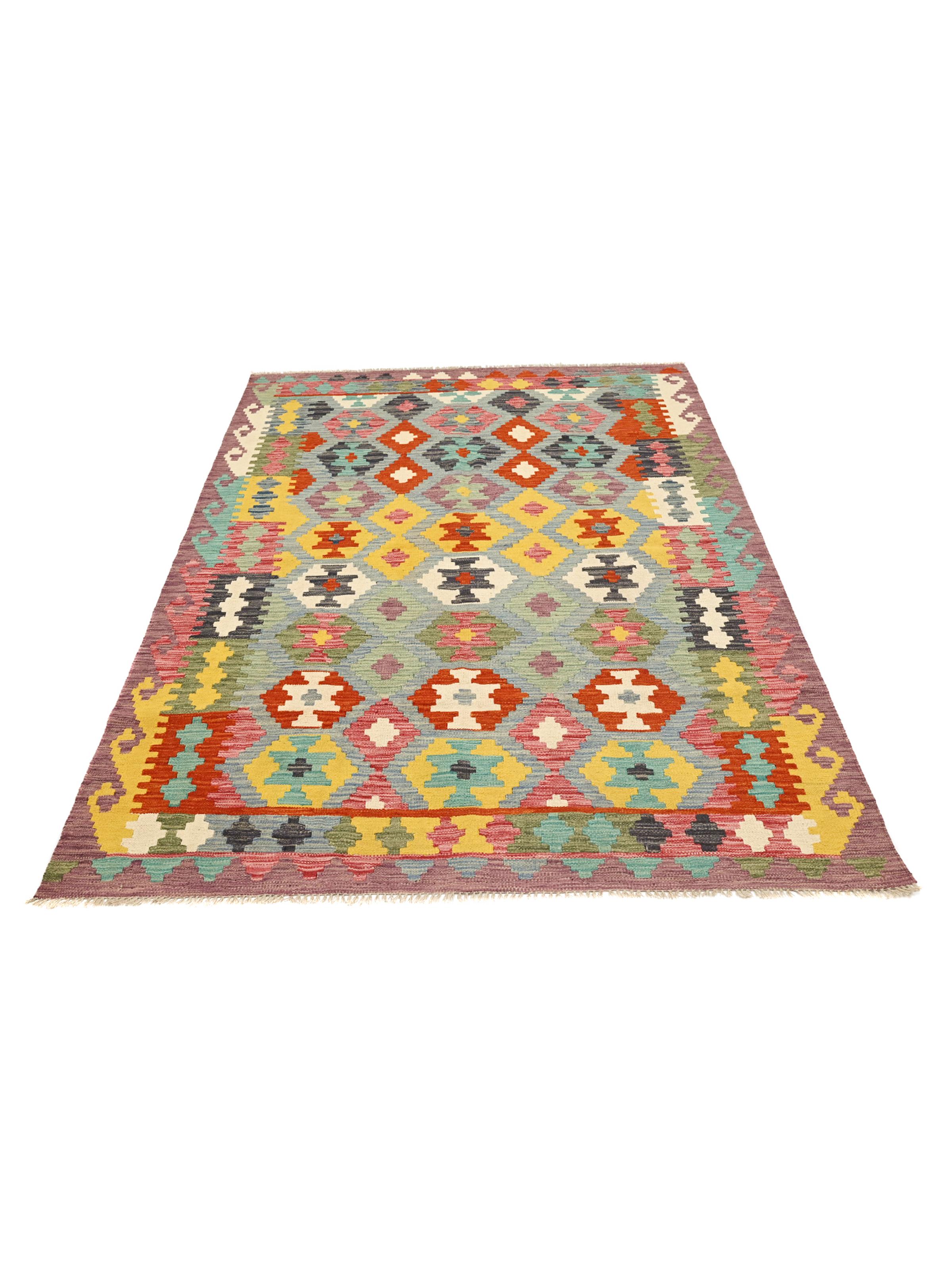
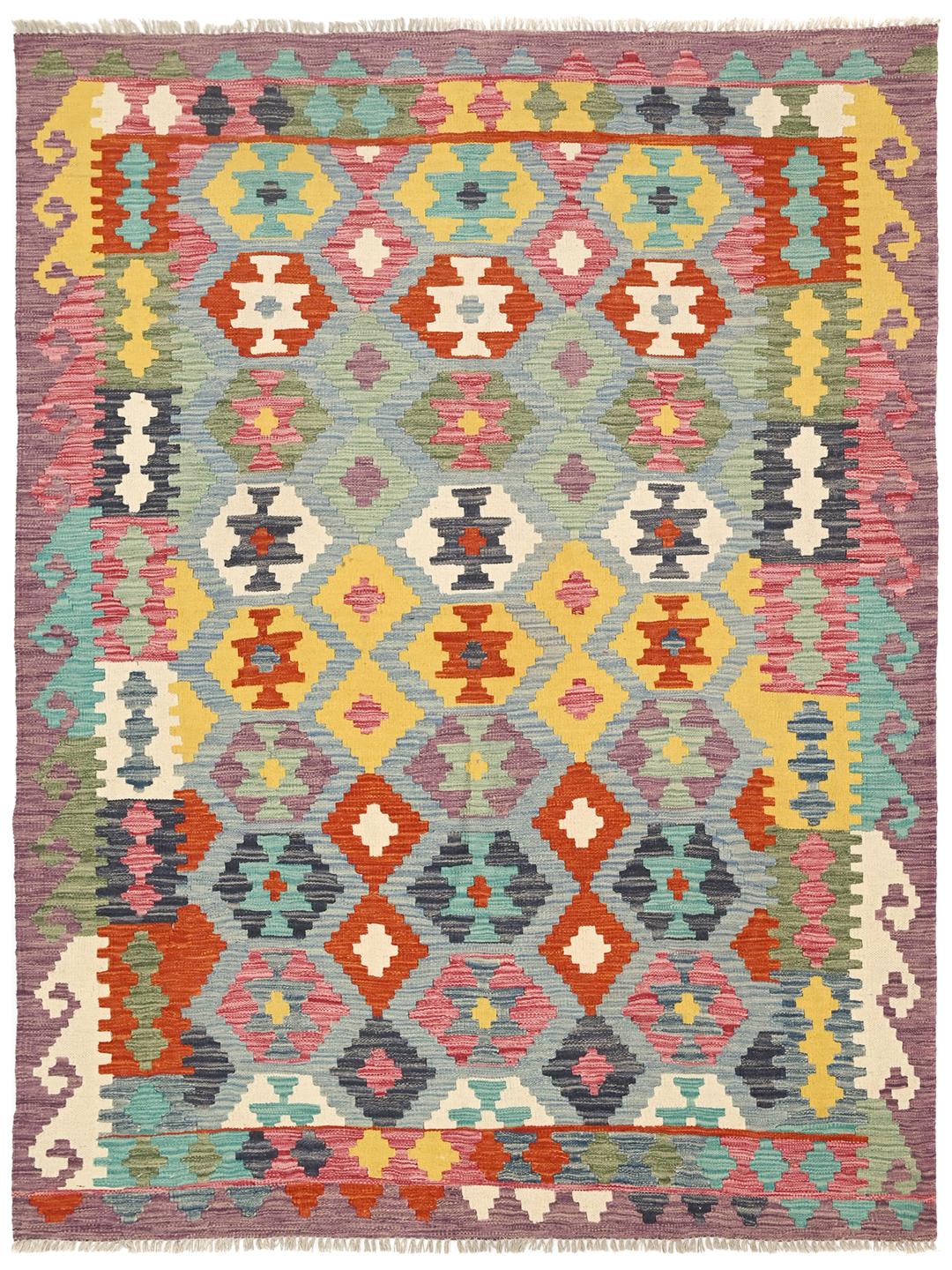
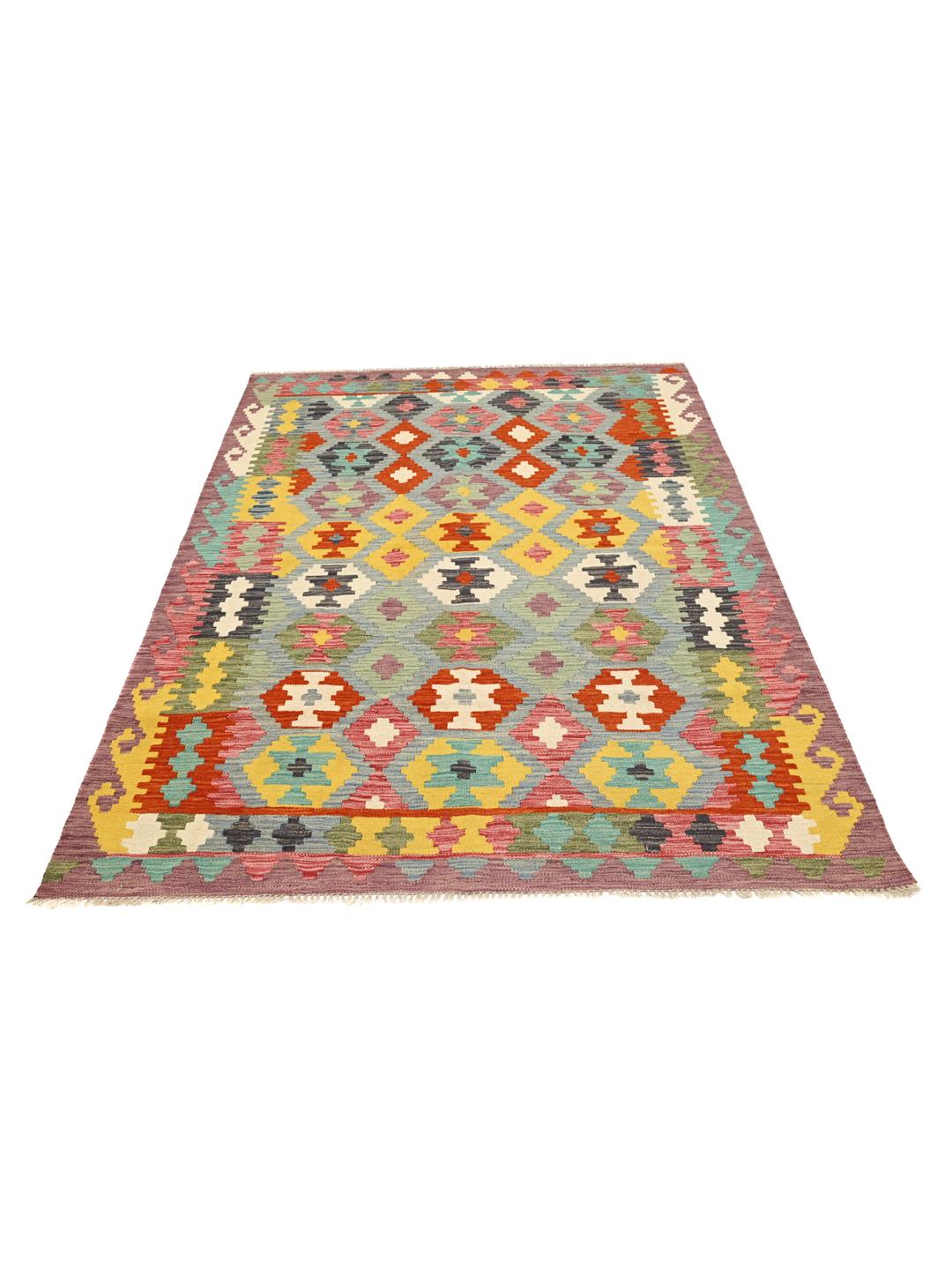
Visually, this tradition is defined by its bold use of colour and striking geometric arrangements. While early examples were often made for practical use in tents and homes, the evolution of the style has led to more intricate designs that balance traditional motifs with a wider palette, as seen in this unique example with its vivid, contrasting hues.
Collecting a Kelim is an investment in human skill and cultural continuity. Because these rugs are handmade, they possess a character and soul that define the atmosphere of a home. Owning one is an opportunity to preserve a piece of living history, valuing the time and tradition invested in every thread by a skilled artisan.