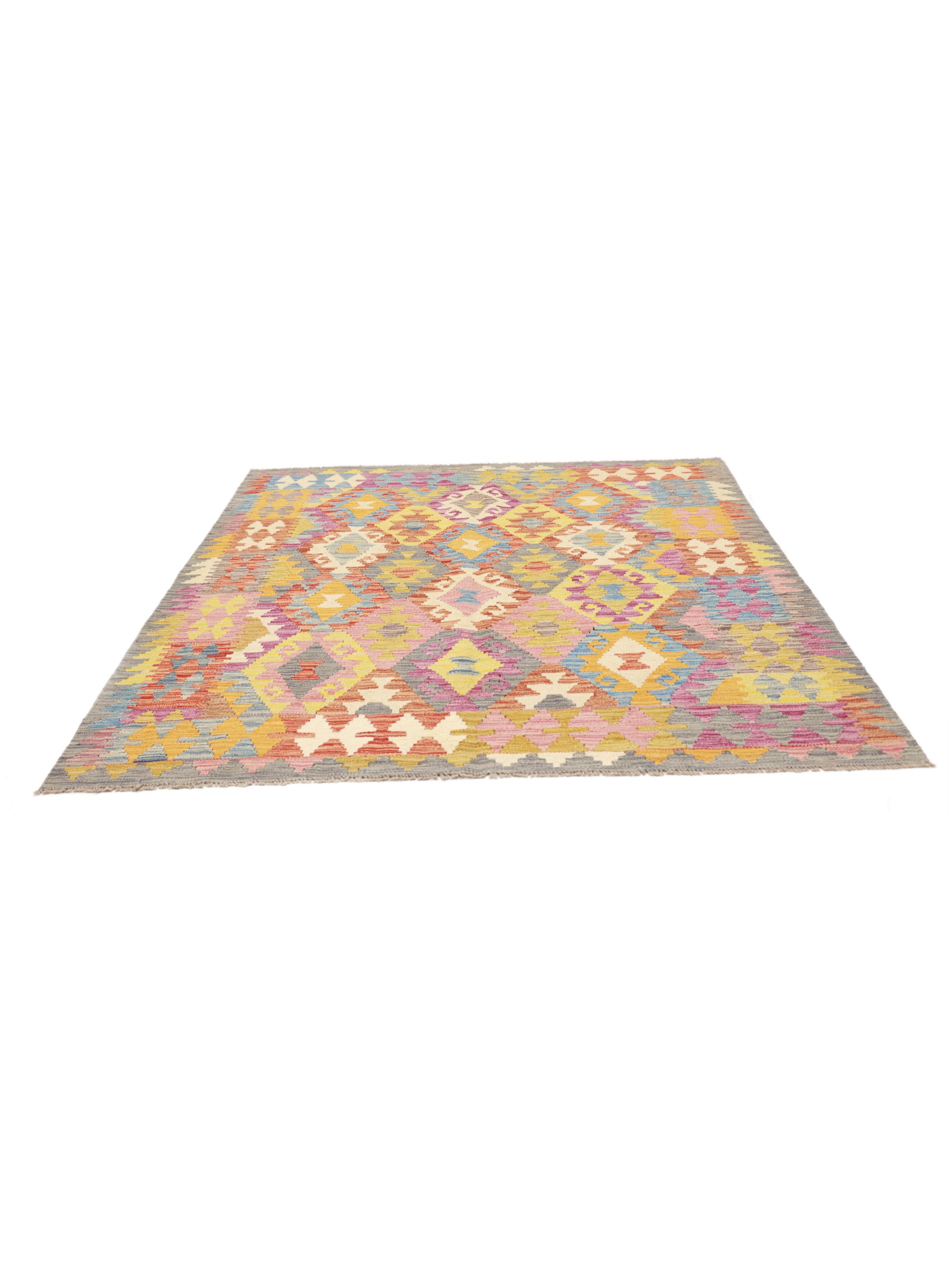
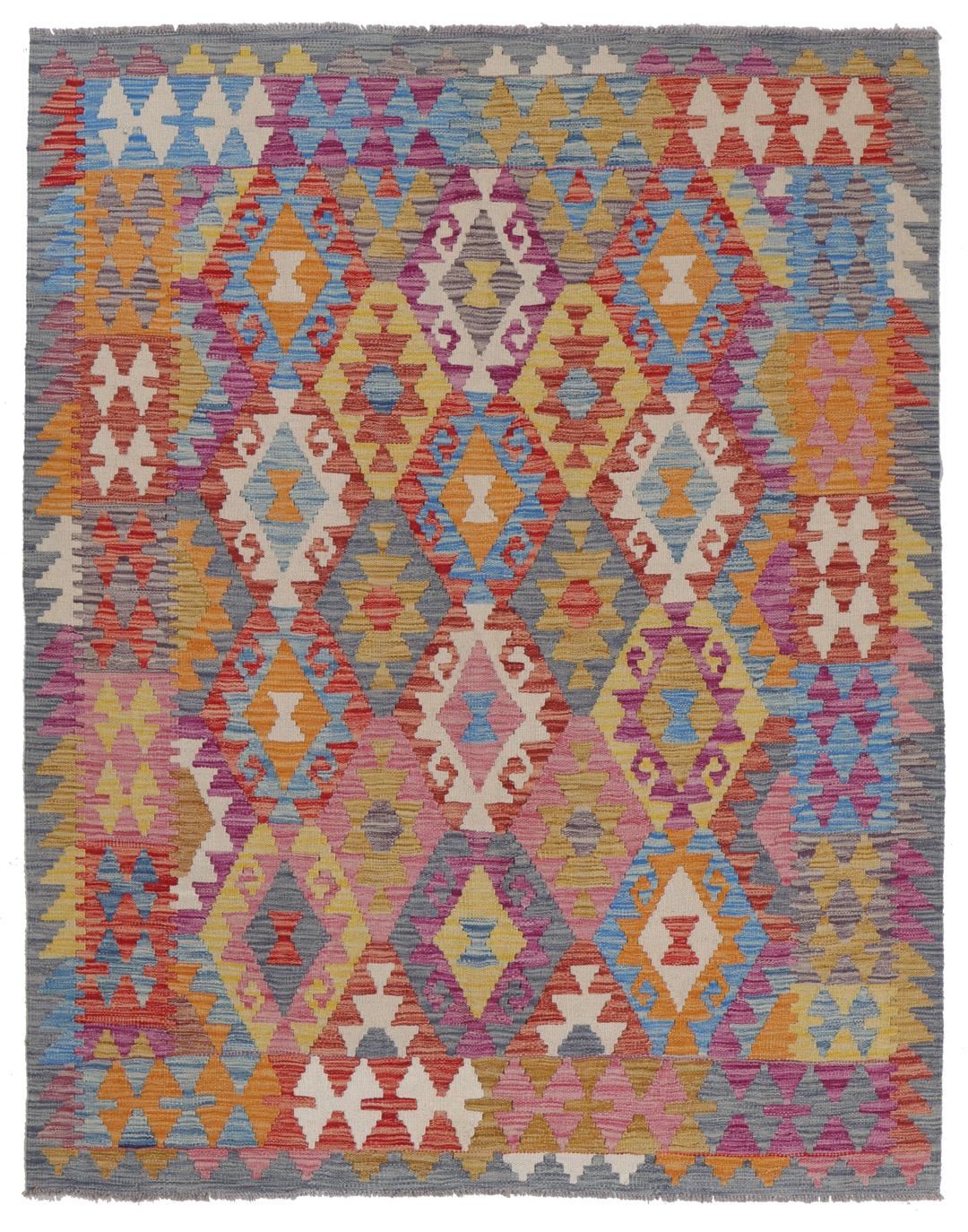
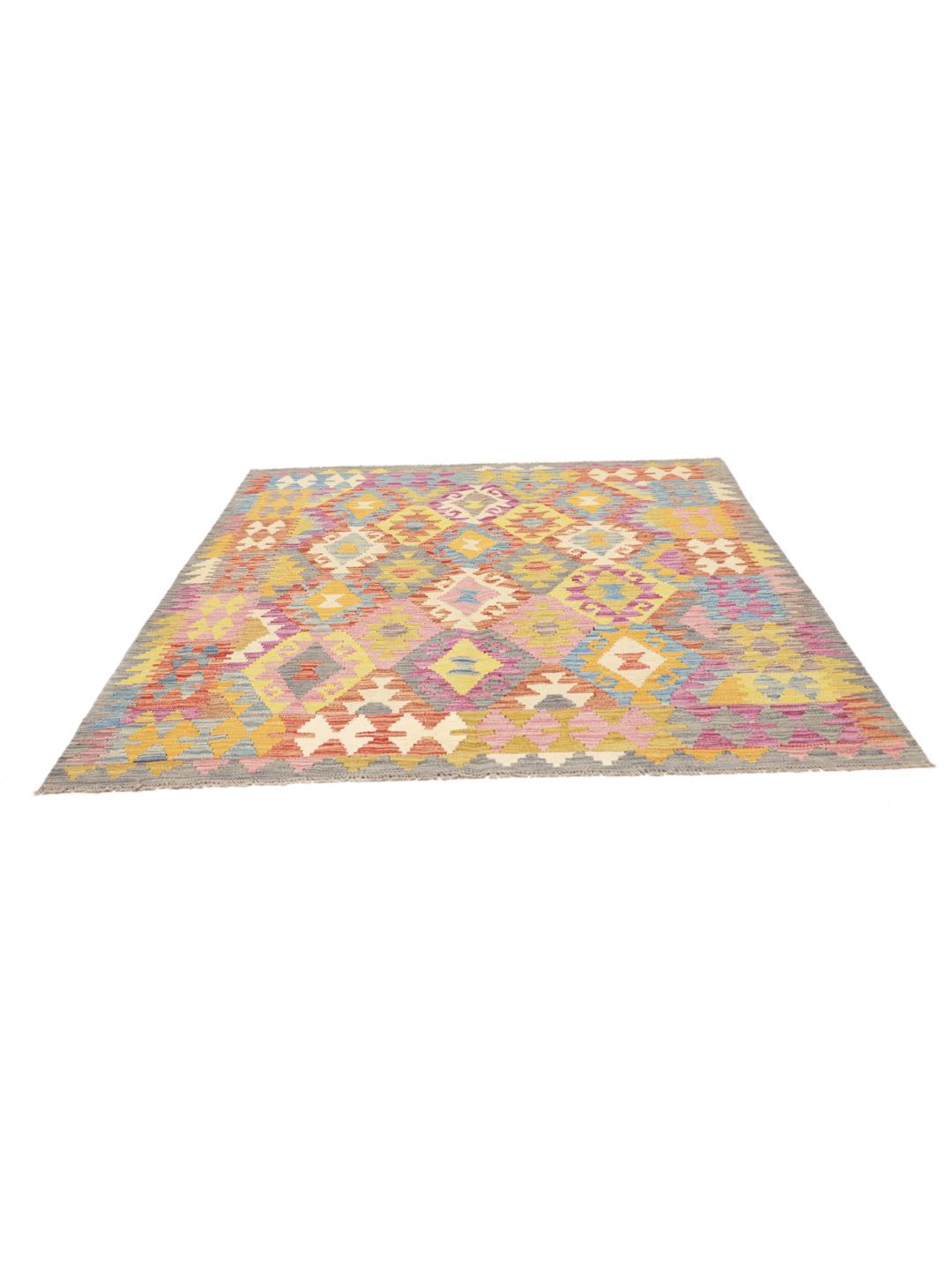
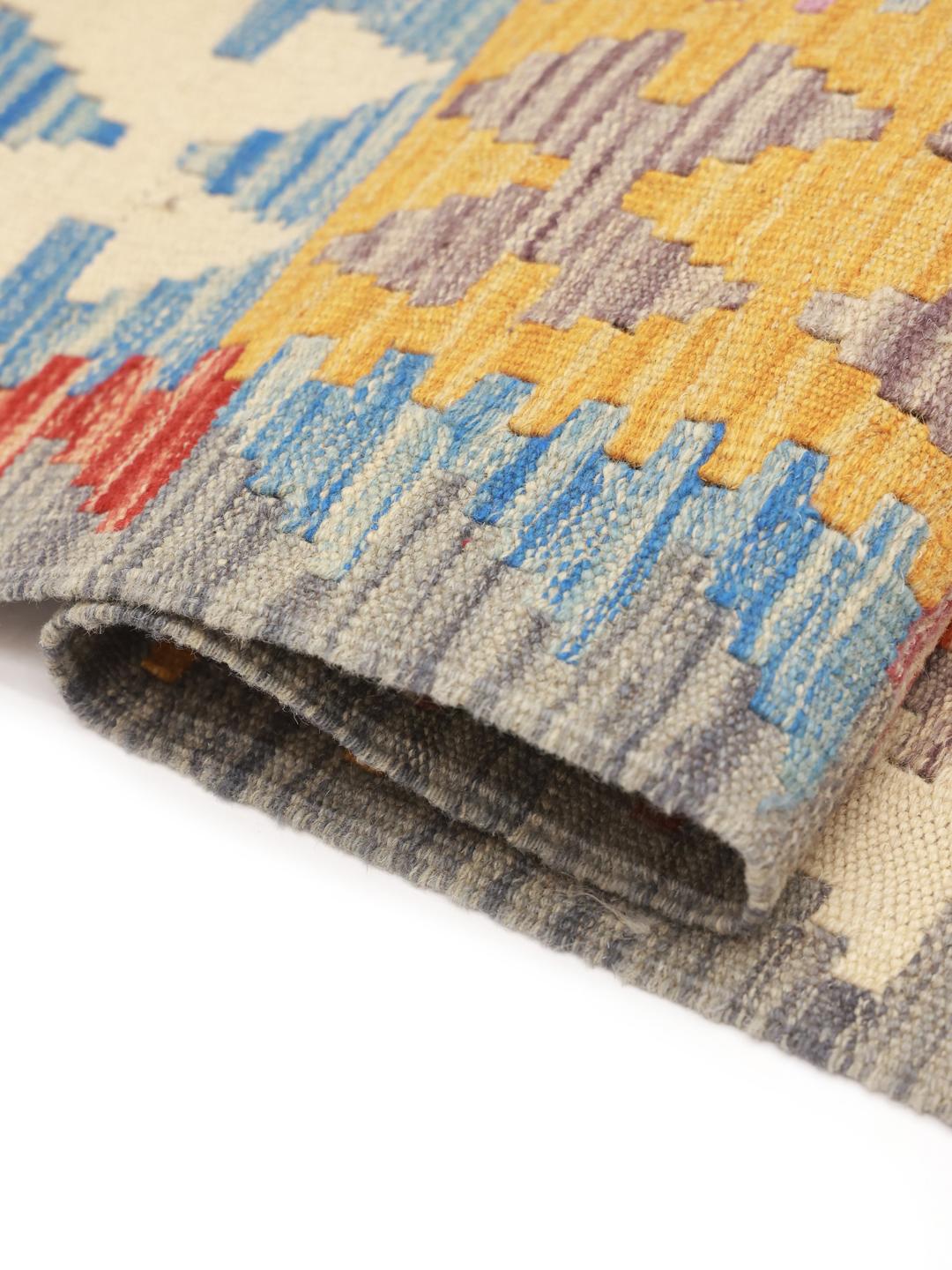
Kelim rugs have long been a cornerstone of nomadic life across the Middle East and Central Asia. Originally created by tribal groups for their practical utility as floor coverings, tent dividers, and storage bags, these rugs have evolved into celebrated artistic expressions that reflect the regional identity of their makers.
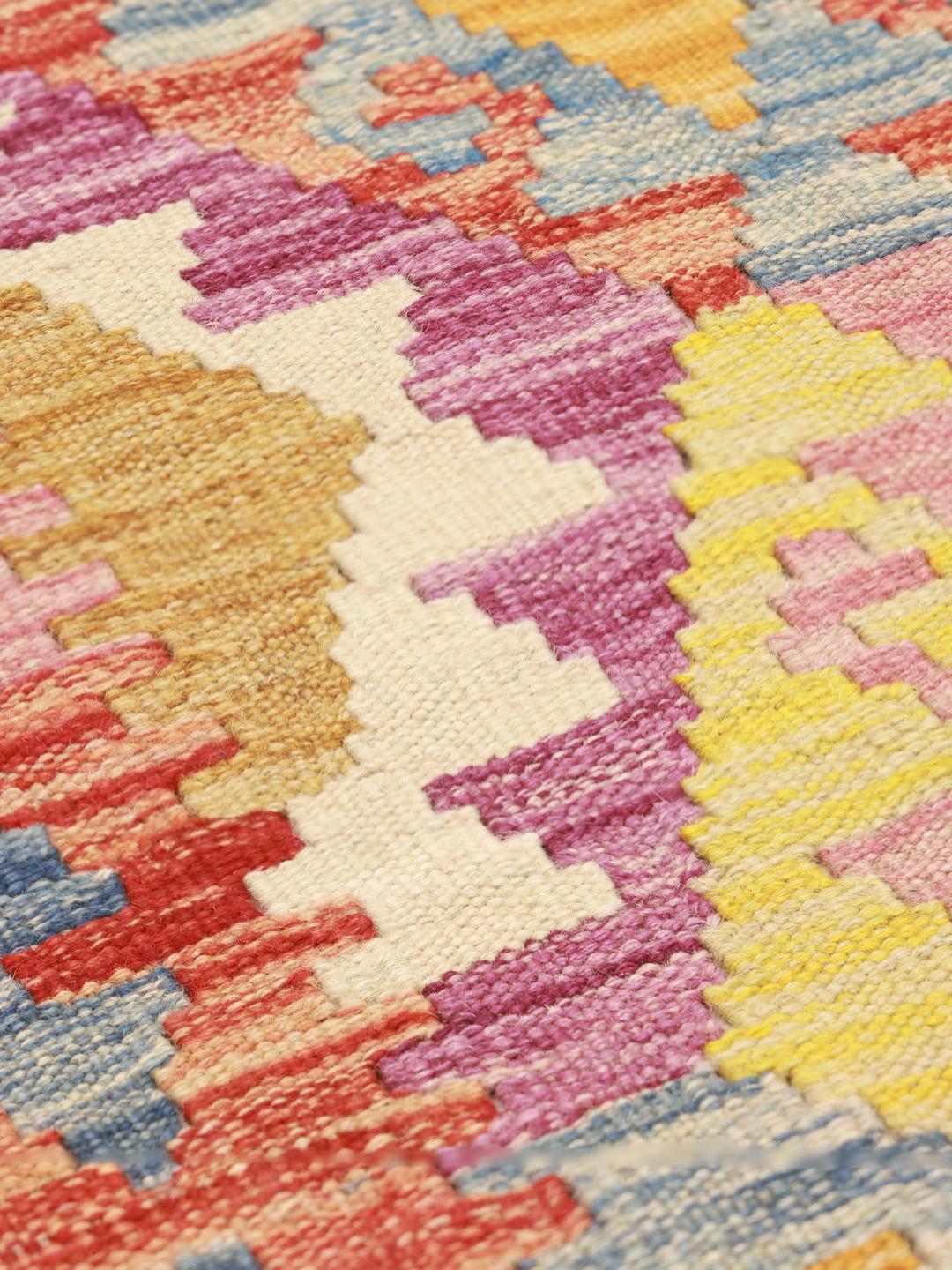
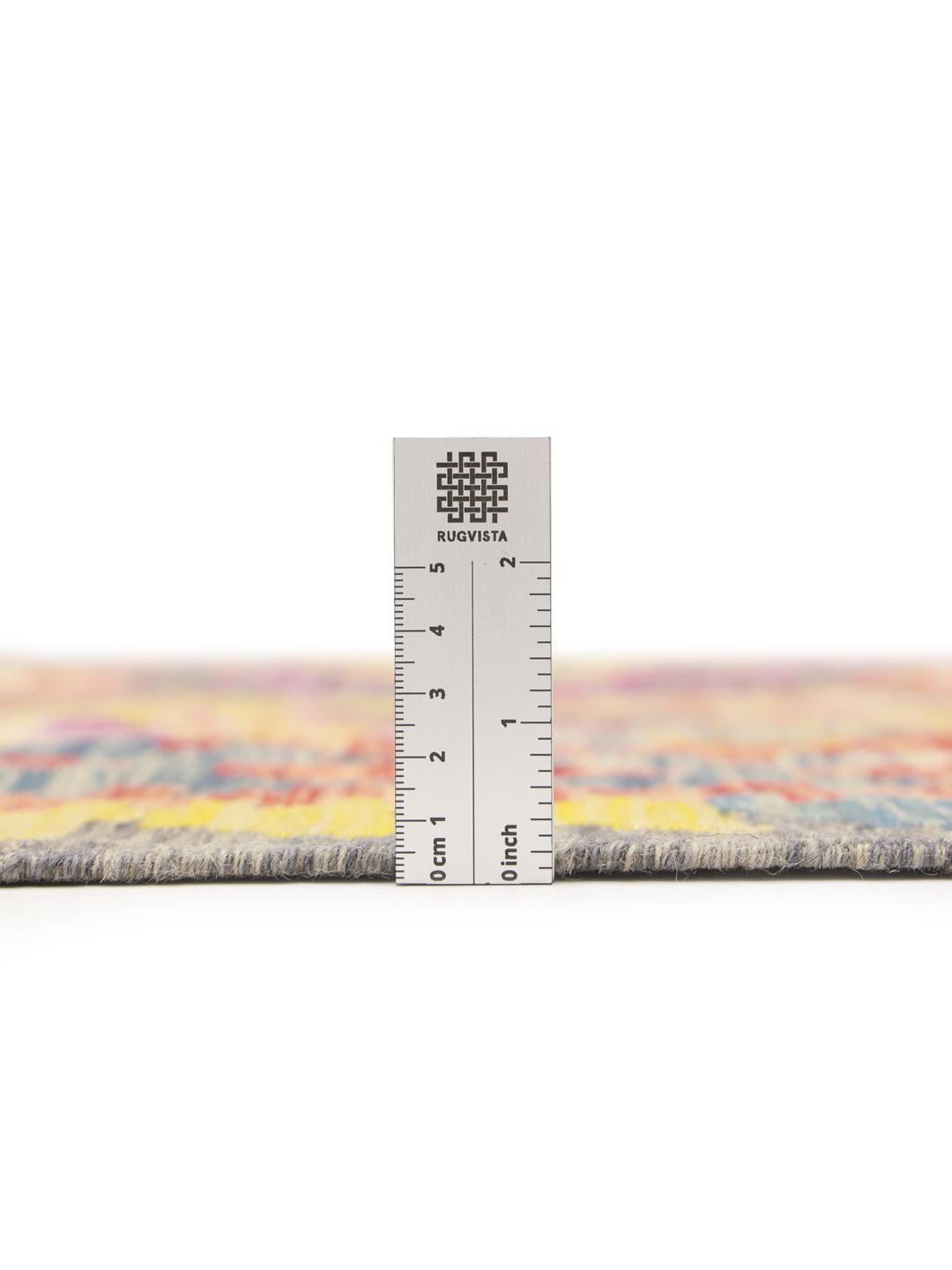
The term 'kelim' refers to a specific flat-weave technique where the weft strands are passed back and forth through the warp threads. This lack of pile creates a lightweight, reversible rug that is incredibly resilient. The absence of pile is not just a stylistic choice but a functional one, making these rugs easy to transport and store, a necessity for the historical nomadic lifestyles from which they originated.
Signature design elements of these rugs include bold geometric motifs, diamonds, and stepped polygons that often carry symbolic meanings. The use of vibrant, contrasting colours is a hallmark of the tradition, designed to bring warmth and visual interest to the interior of a home. Each piece serves as a canvas for the weaver to interpret ancestral patterns, often resulting in small variations that make every rug a unique reflection of its creator.
Collecting these rugs is an investment in cultural history. They are valued not only for their aesthetic appeal but for the preservation of weaving techniques that have been passed down through generations. By bringing one into your home, you are participating in a global tradition that honours the intersection of daily utility and creative mastery.