Kelim rugs have long been a cornerstone of nomadic life across the Middle East and Central Asia. Originally designed for practical purposes, such as floor coverings, tent partitions, and storage bags, these flat-woven textiles were highly prized for their portability and durability. Their history is deeply intertwined with the migration patterns of tribal groups who carried their weaving looms with them.
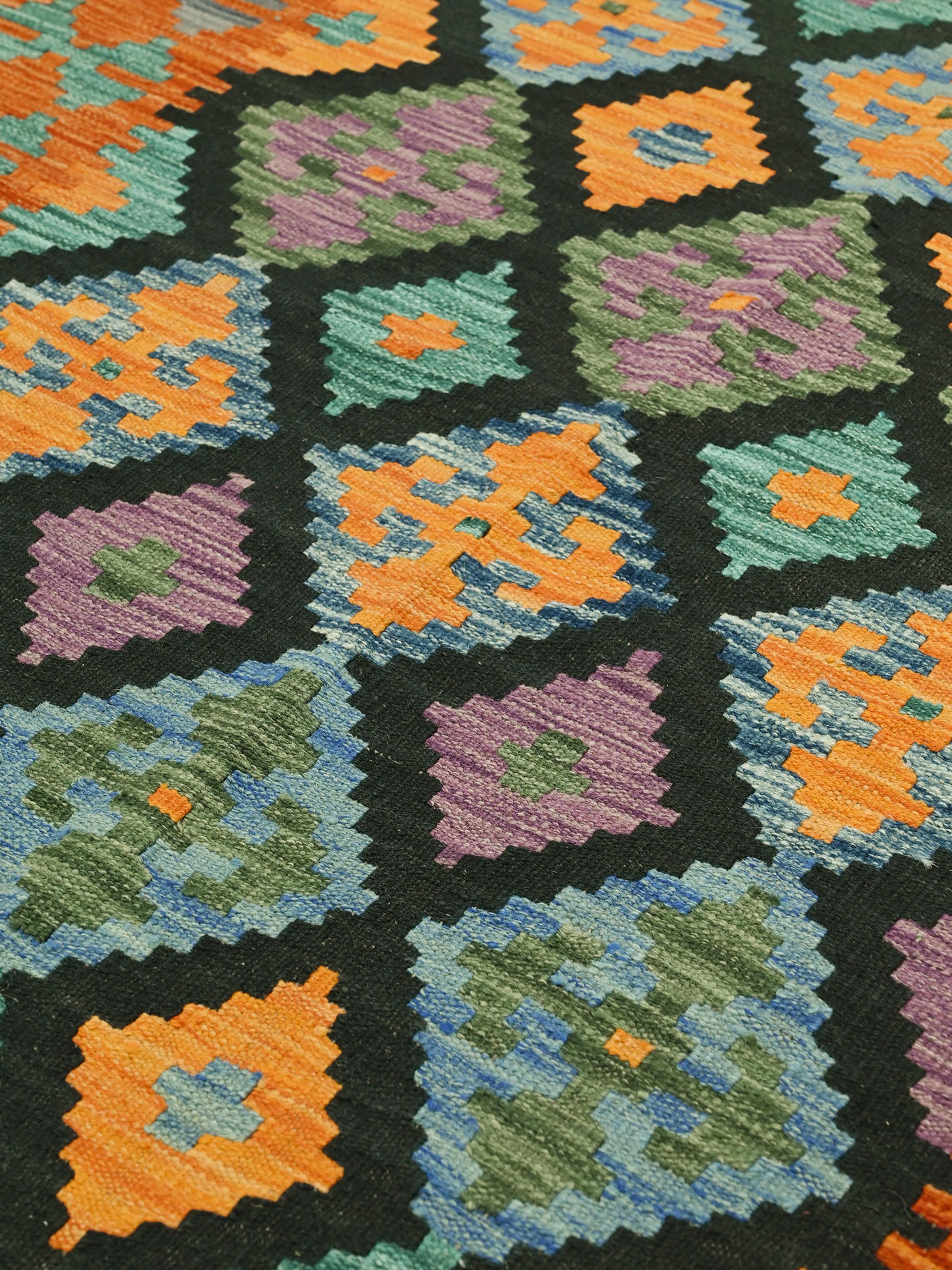
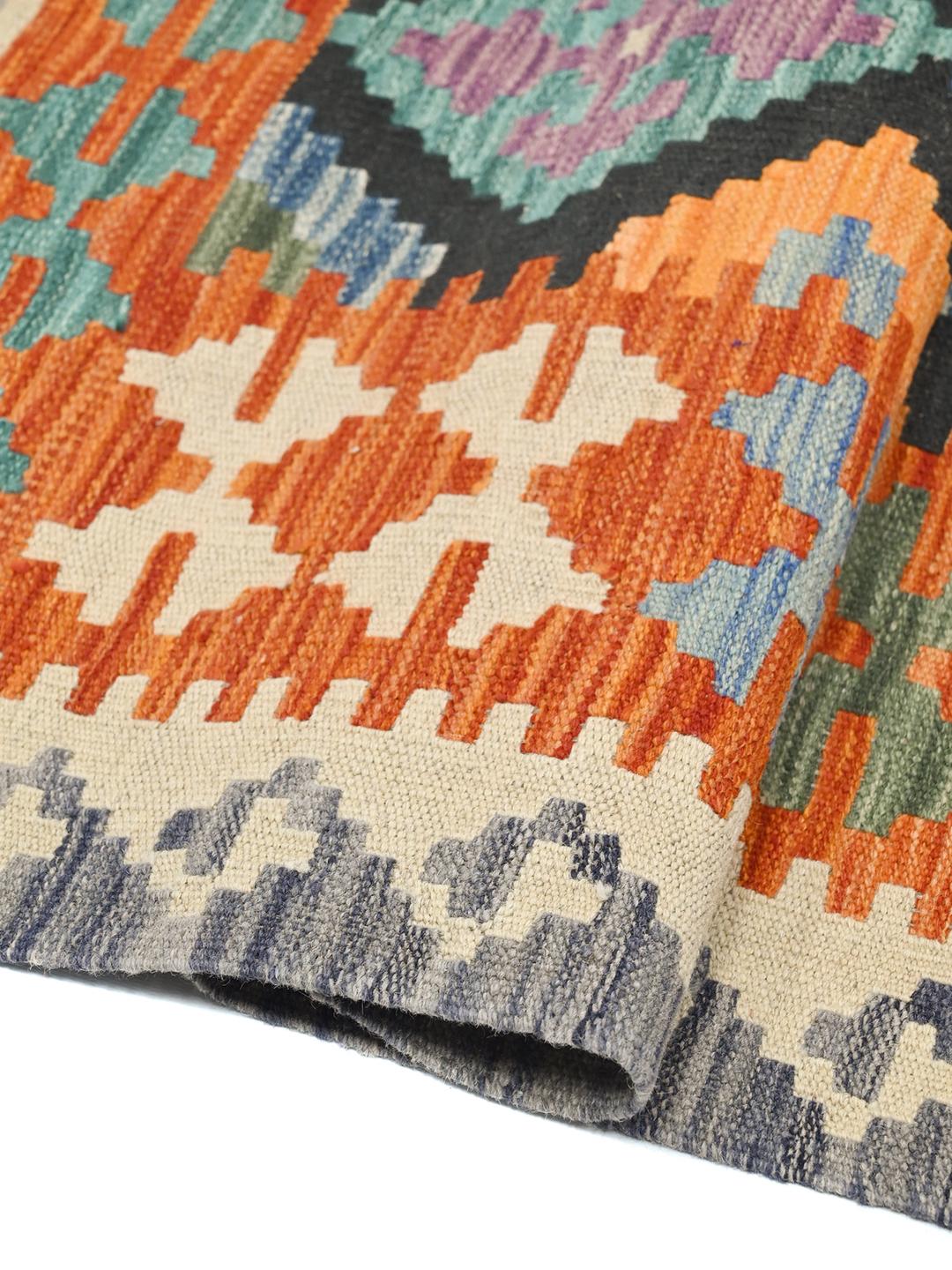
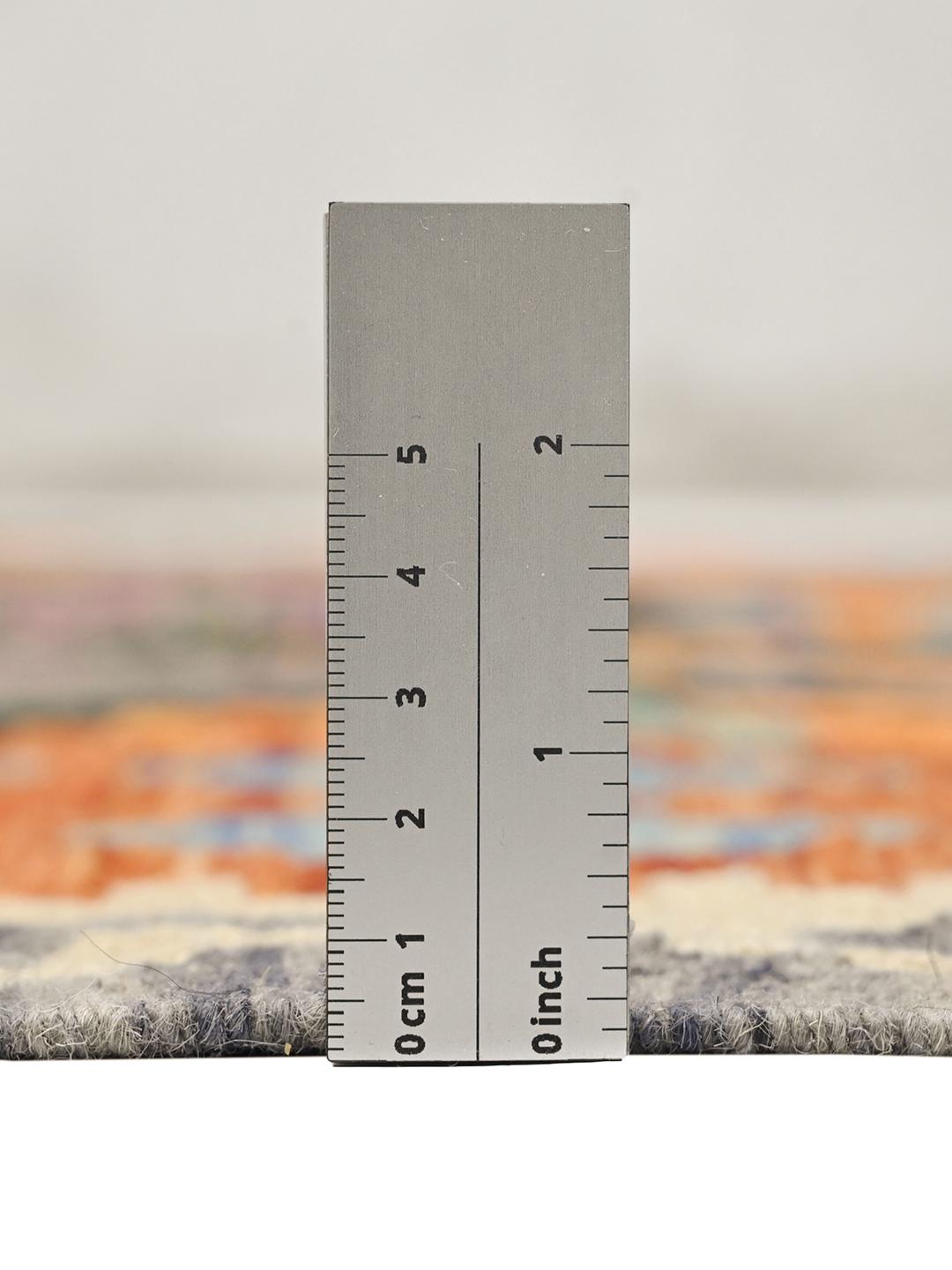
The term 'Kelim' refers to the specific flat-weaving technique where the weft threads are pulled tightly to cover the warp threads, resulting in a smooth, pileless surface. This method requires immense focus, as every colour change must be managed carefully to ensure the structural stability of the rug. This technique is what gives Kelims their distinct, clean-lined appearance that remains popular today.
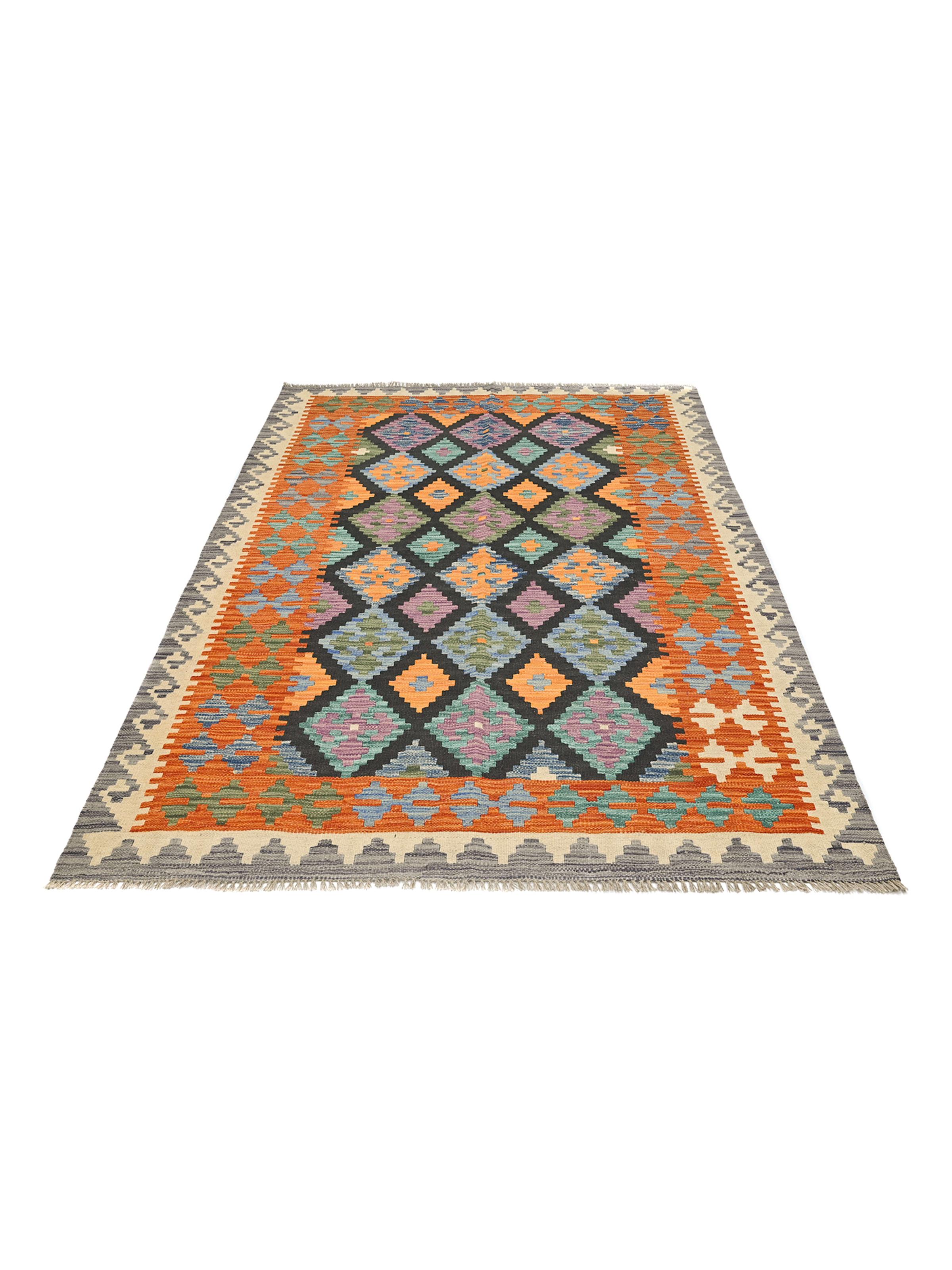
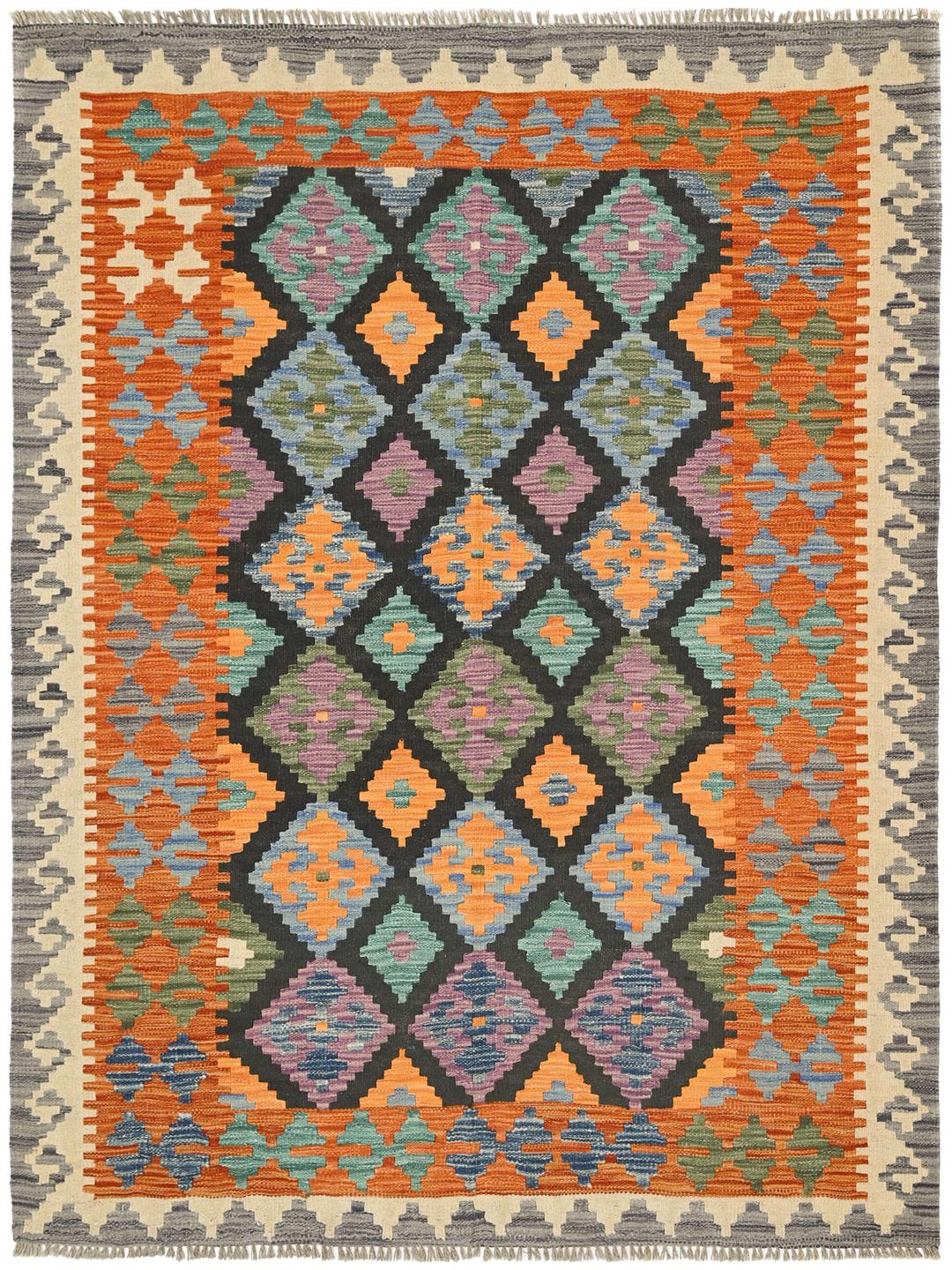
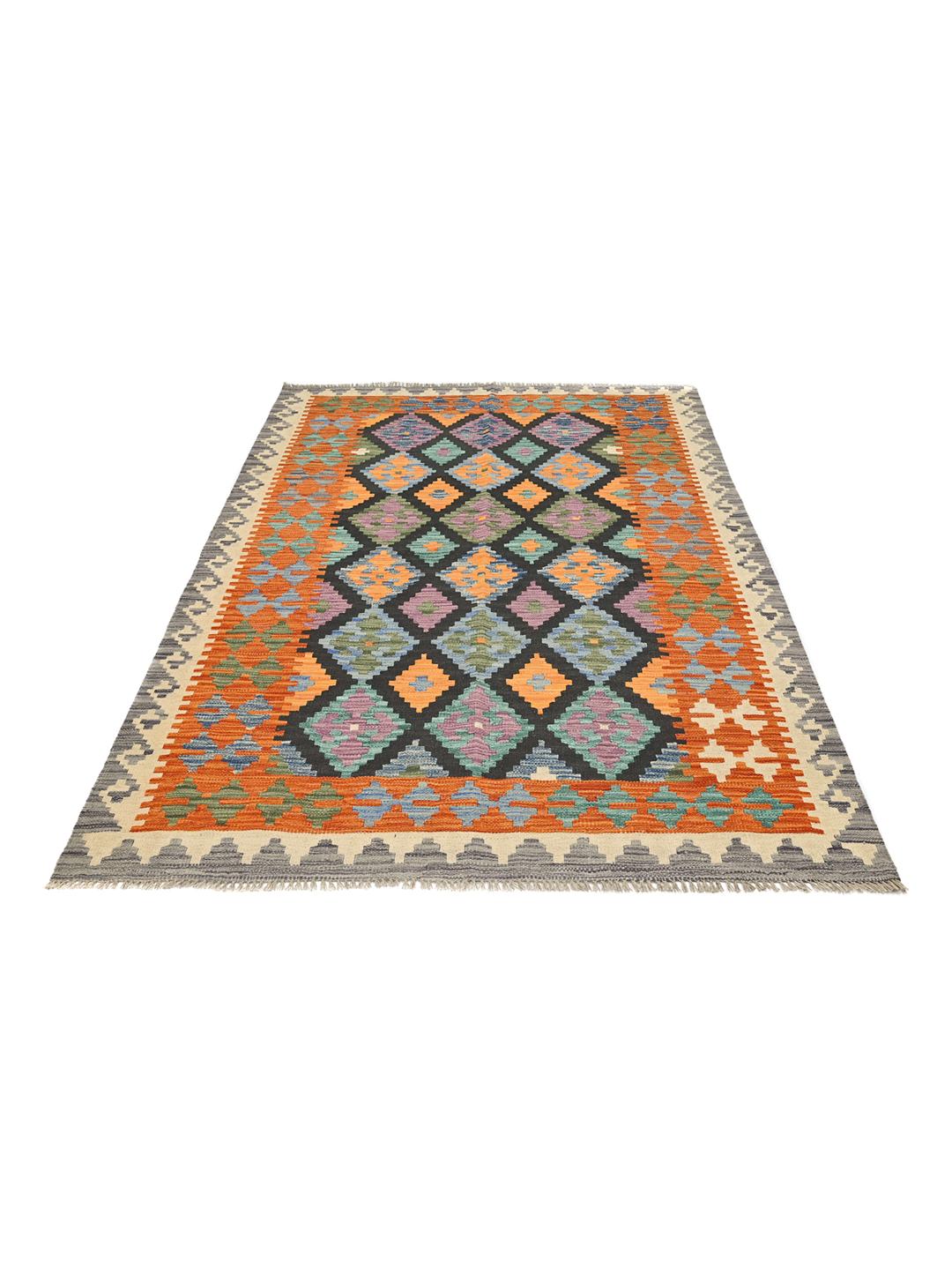
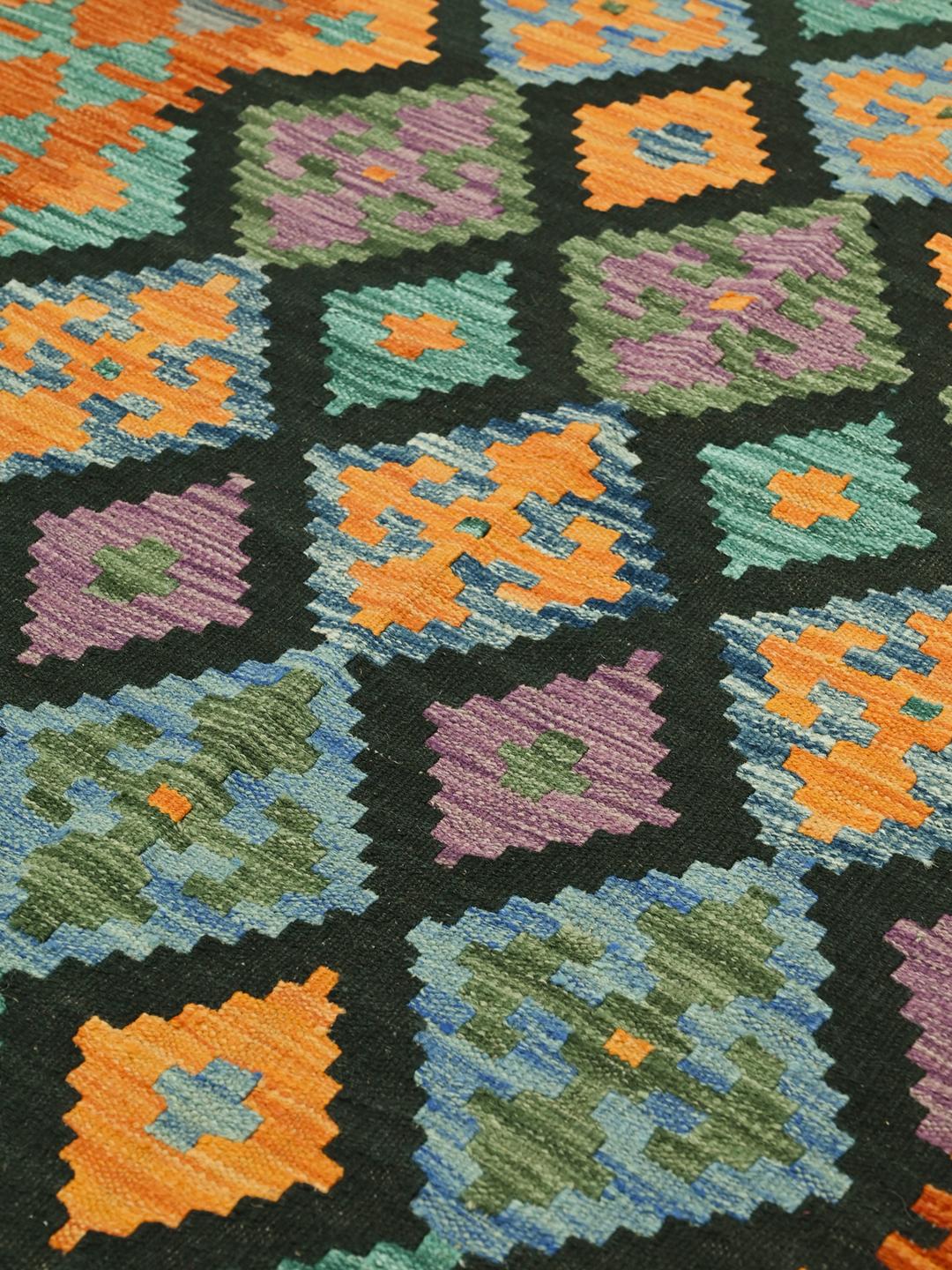
Visually, these rugs are defined by their geometric vocabulary. The diamond motif seen here is a classic element in tribal weaving, often representing protection, fertility, or the natural world. The use of bold, contrasting colours is a hallmark of the Afghan tradition, often derived from natural dyes that age beautifully over time.
Collectors value these pieces not only for their visual impact but for their cultural authenticity. Owning a Kelim is a way to connect with a lineage of skill that has been passed down through generations. Each rug serves as a document of the weaver's personal expression and regional identity, offering a depth of character that mass-produced items cannot provide.