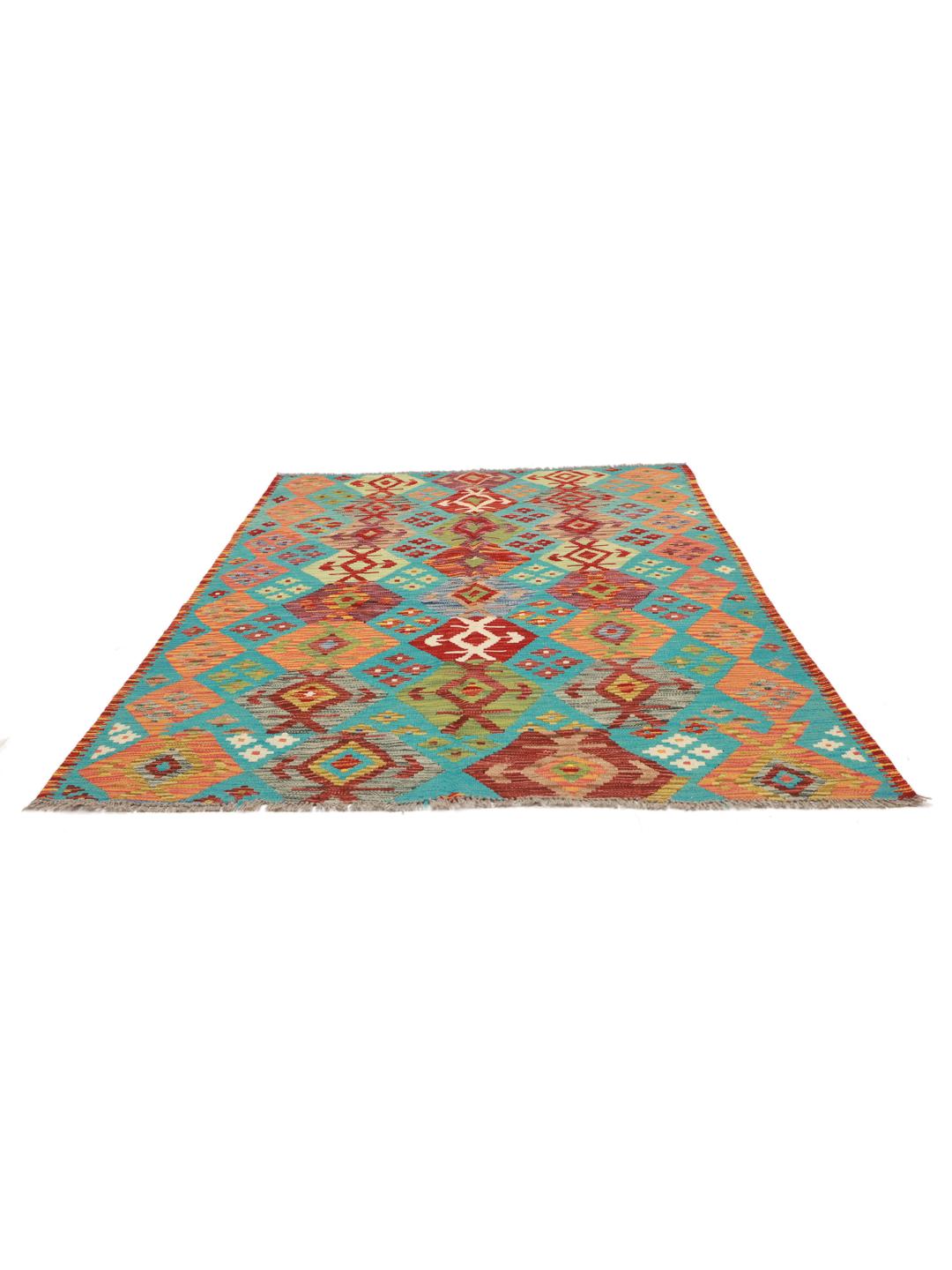
Kelim rugs from the Middle East are deeply rooted in the nomadic traditions of the region, serving as essential items for both practical use and cultural expression. These flat-woven textiles were historically created by tribal groups to serve as floor coverings, tent dividers, and storage bags, reflecting a way of life that moved with the seasons. The art of weaving has been passed down through generations, with each family or tribe maintaining unique design vocabularies.
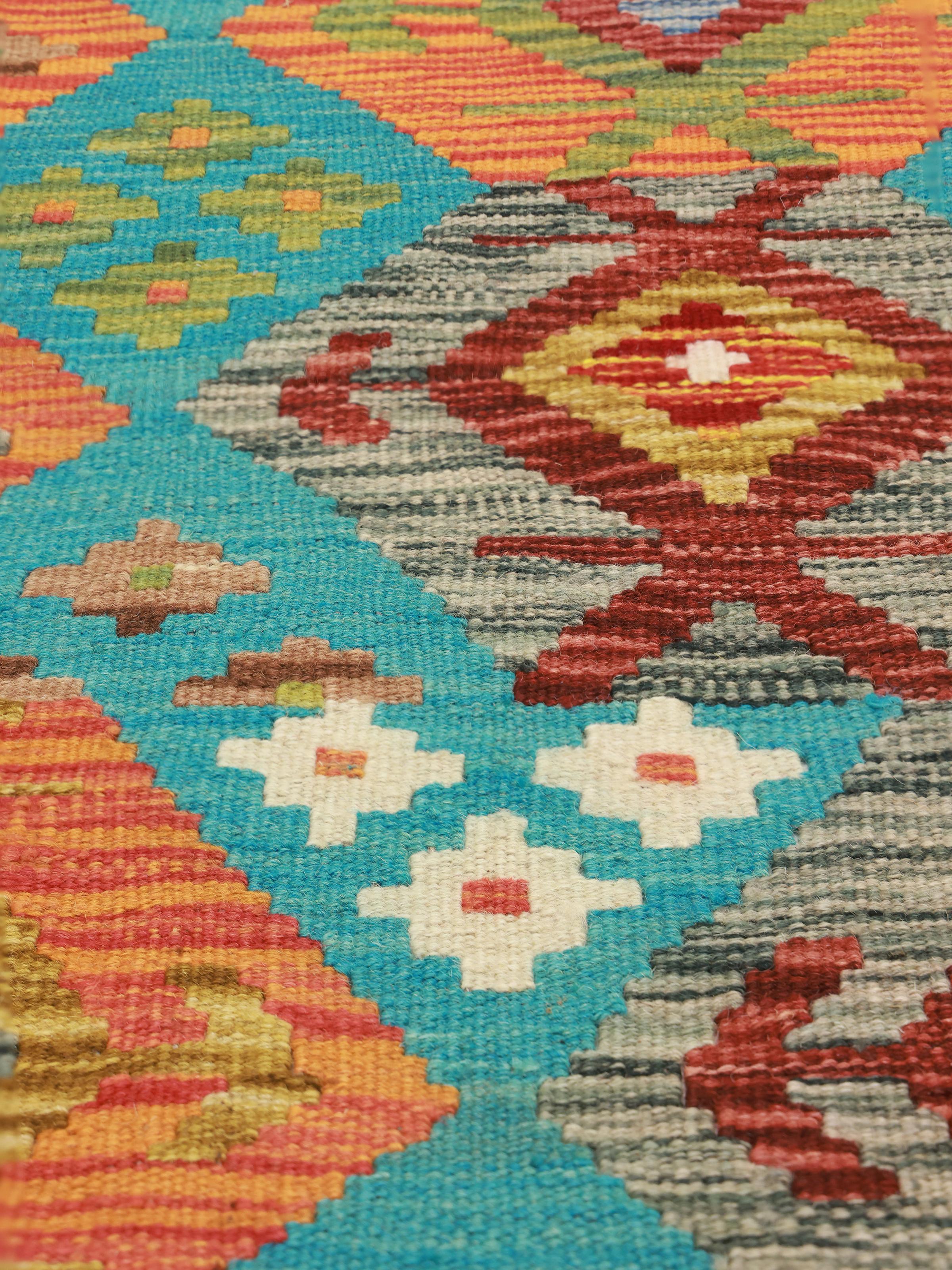
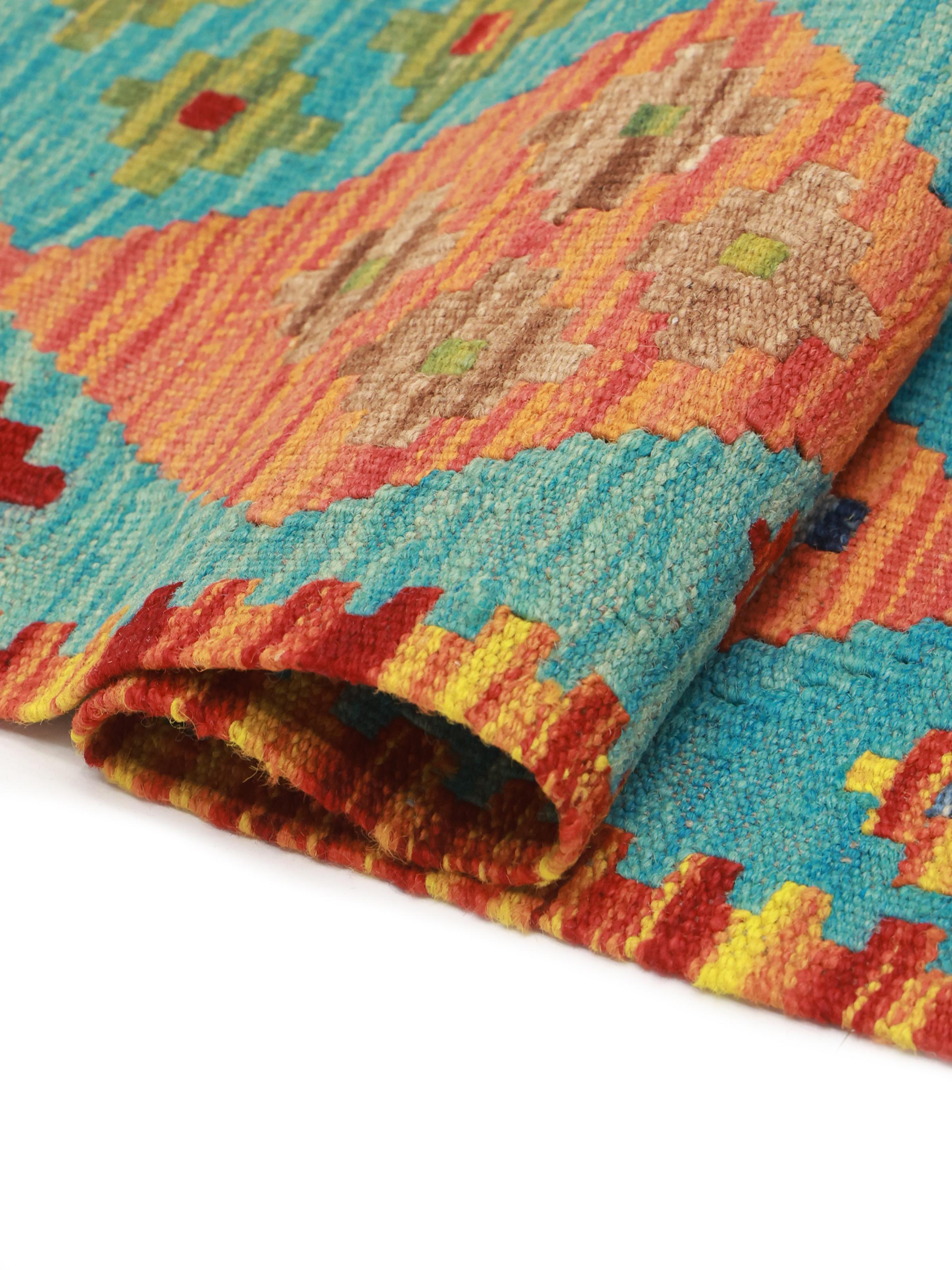
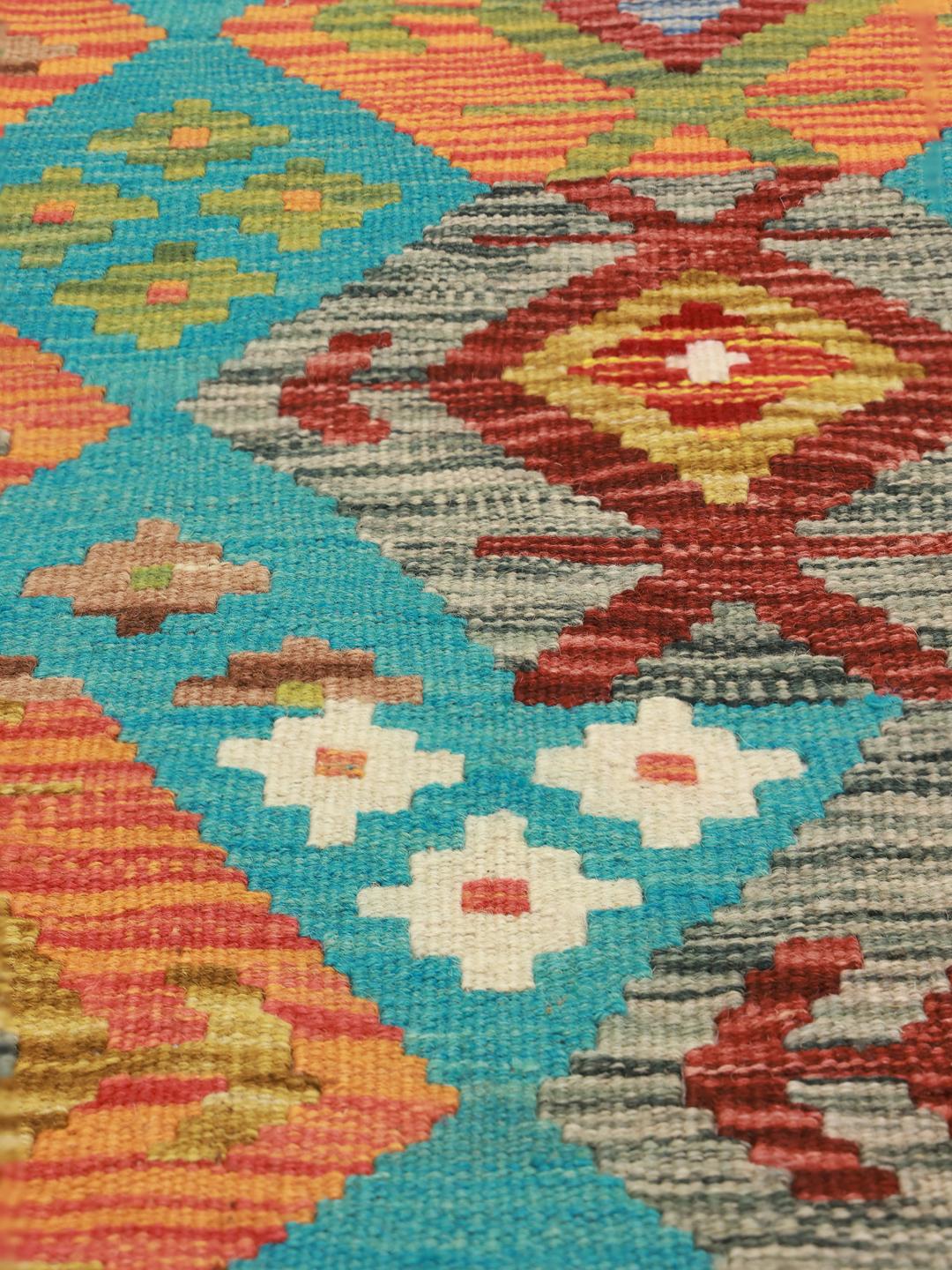
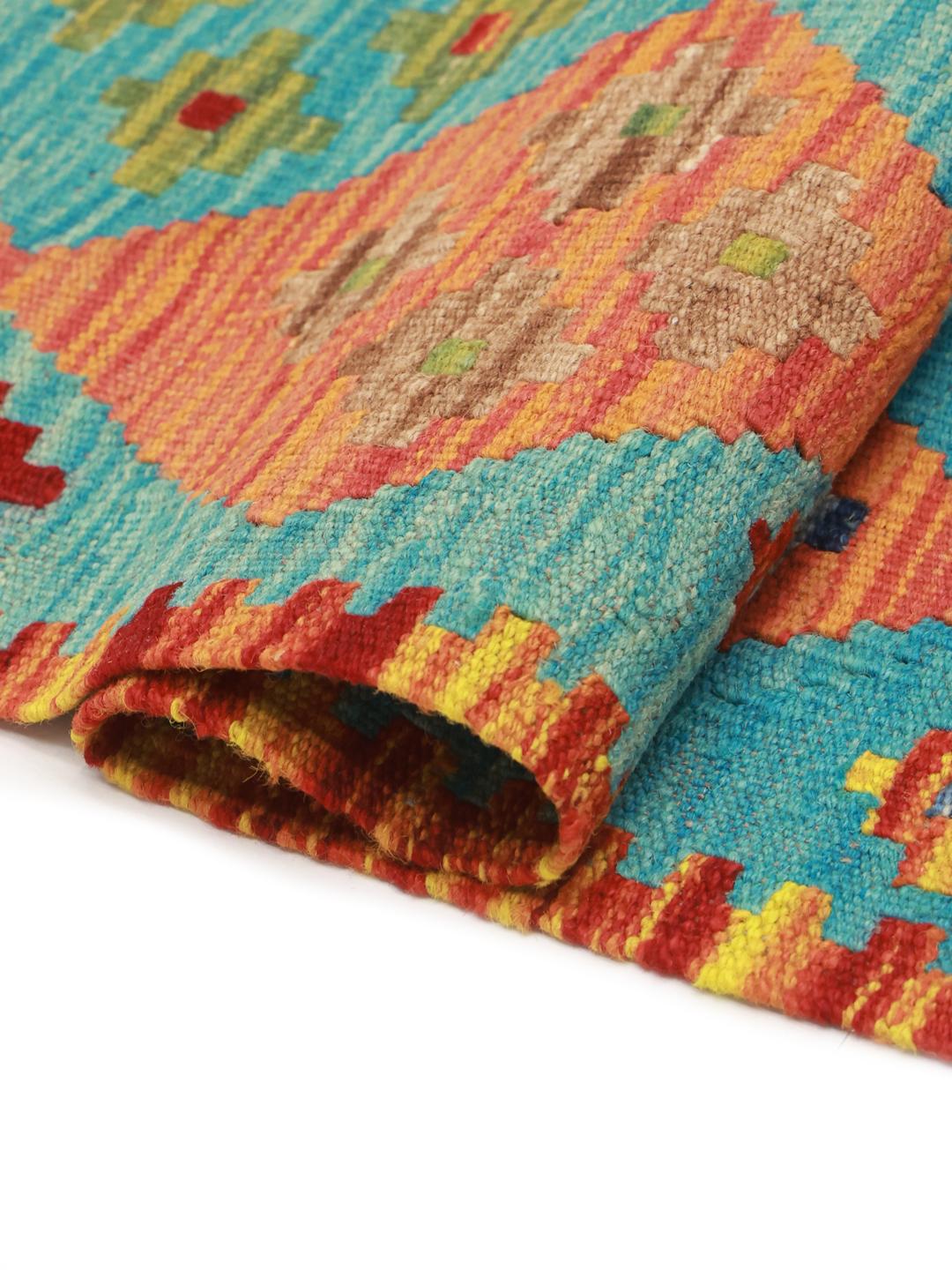
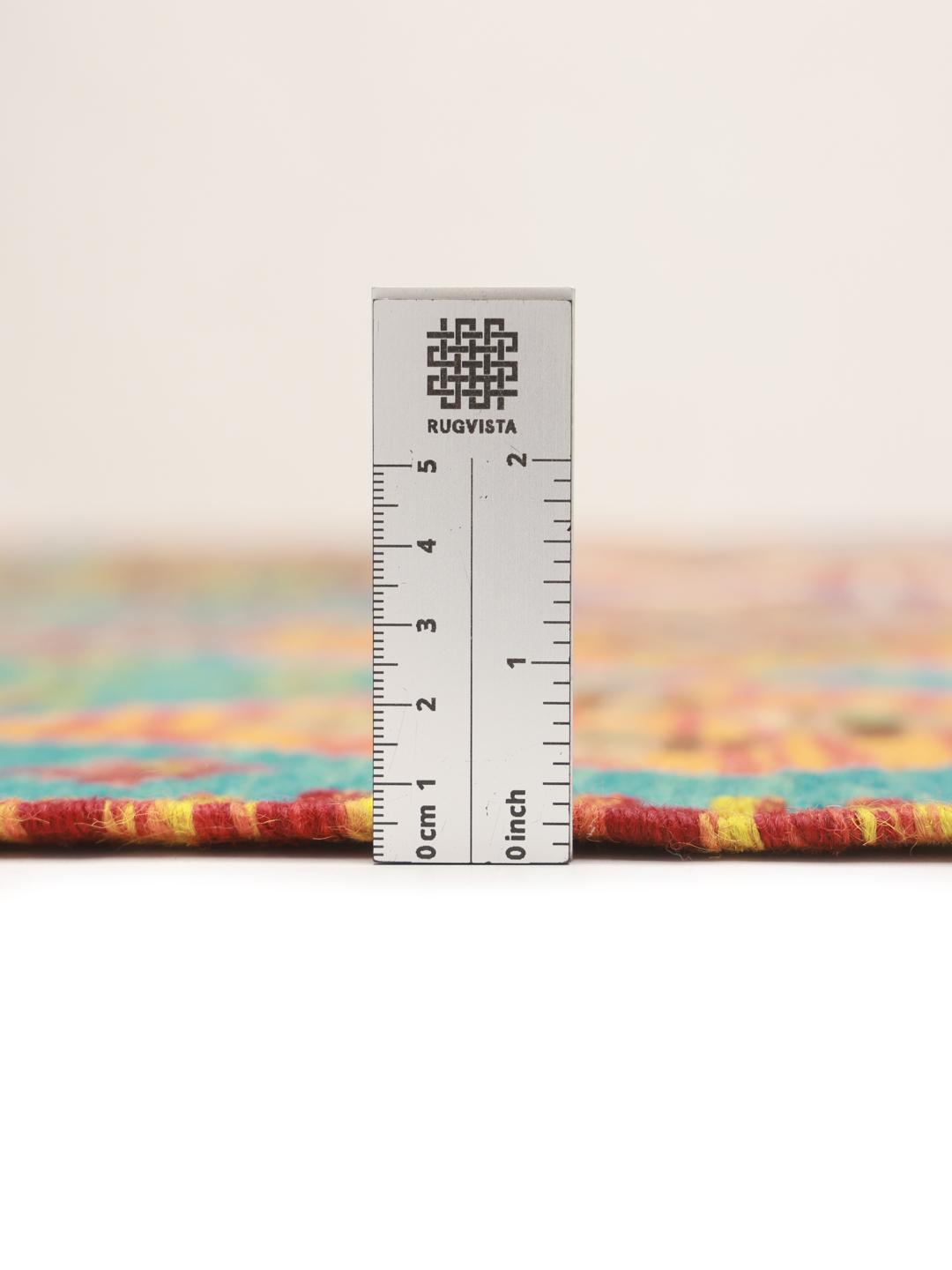
The term 'Kelim' refers to the specific slit-weave technique employed, which results in a rug without a pile. This style is highly valued for its portability and strength, as the lack of pile makes it less prone to trapping dust and easier to maintain. The use of hand-spun wool is central to this tradition, providing a natural lustre and resilience that synthetic fibres simply cannot replicate, ensuring that the rug matures beautifully over time.
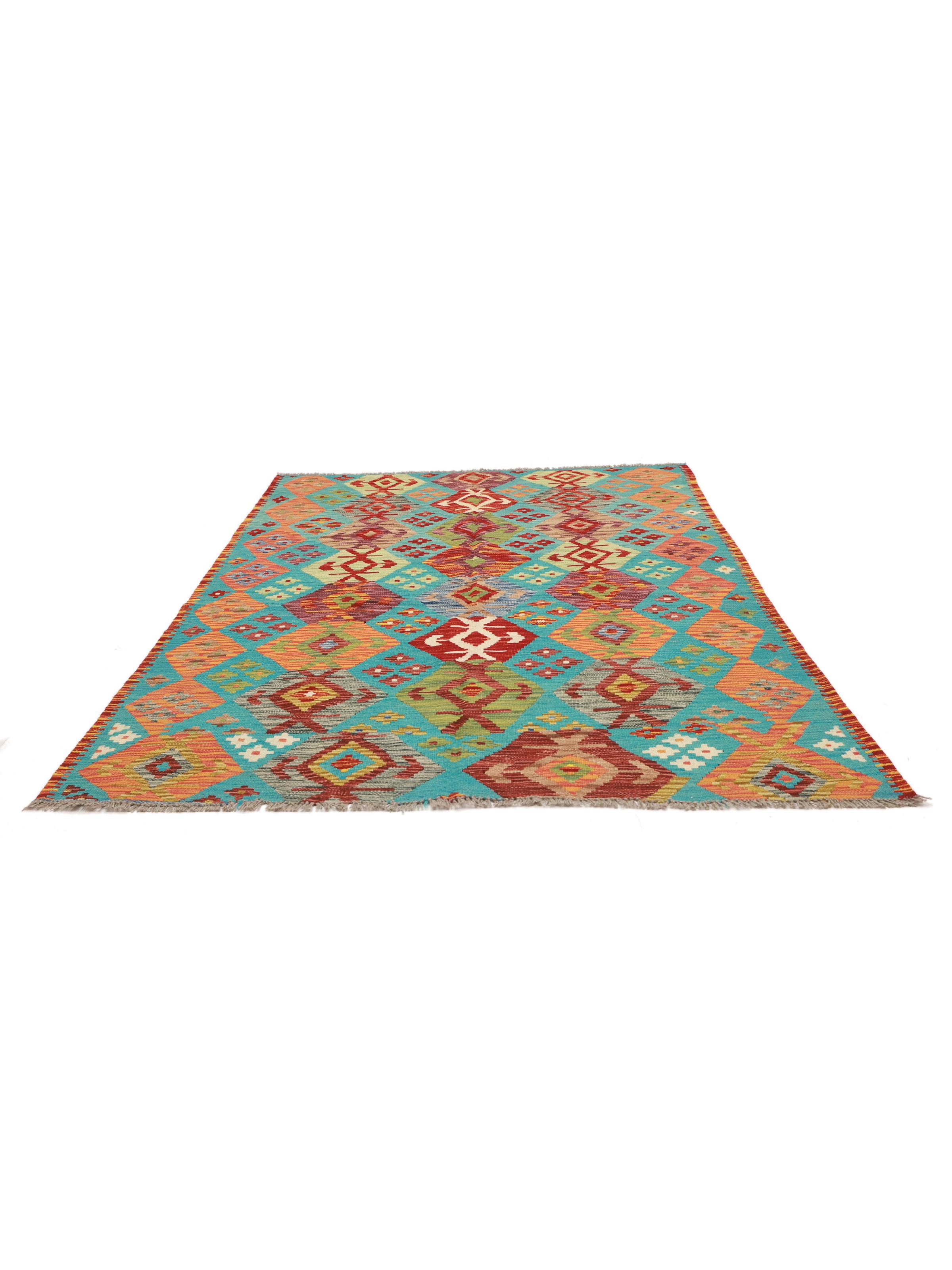
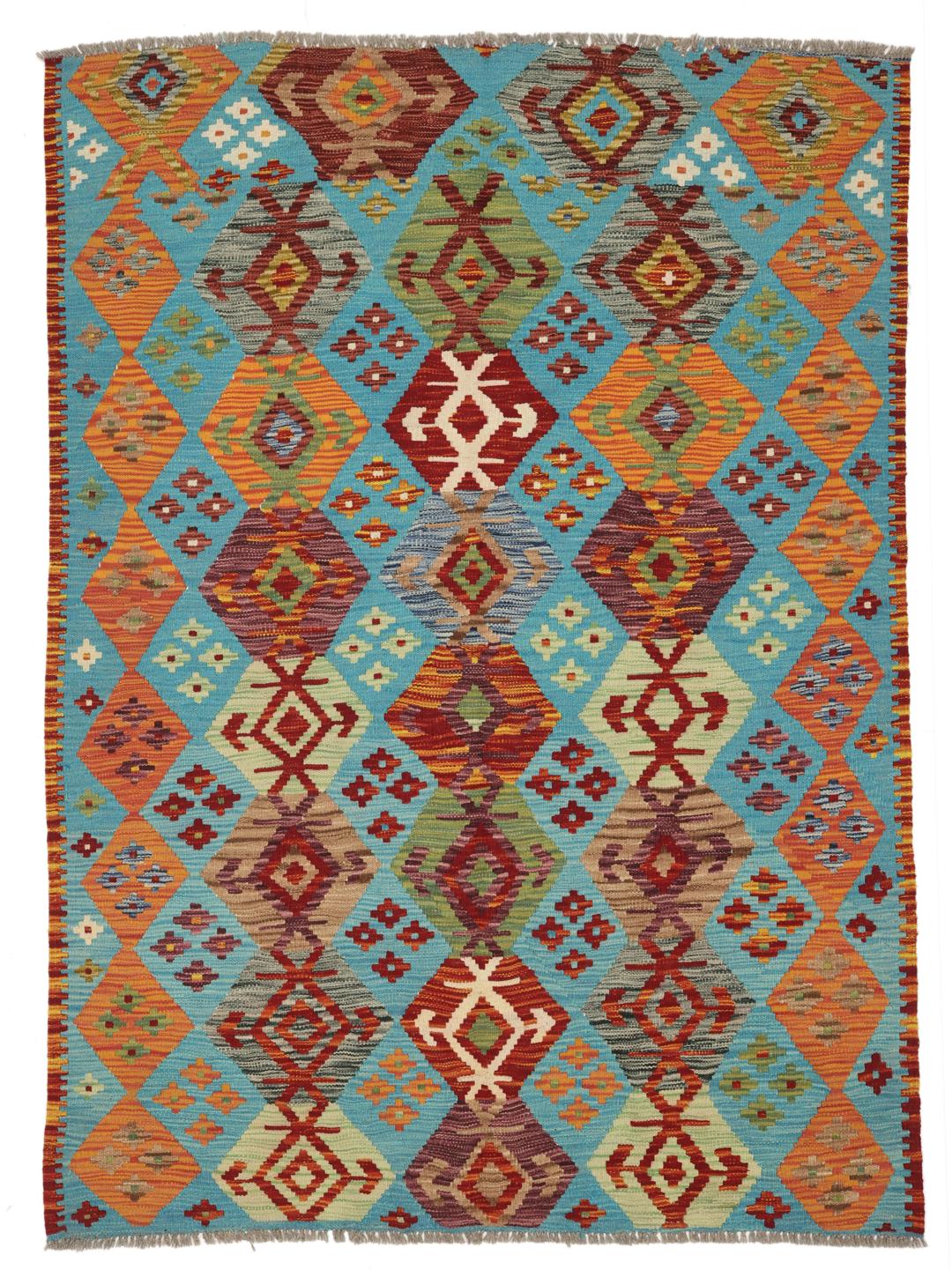
Visually, these rugs are defined by their bold geometric motifs, often featuring diamonds, triangles, and stylized floral elements that symbolise aspects of tribal life and the natural world. The use of vibrant, contrasting colours is a hallmark of the Middle Eastern tradition, often achieved through natural dyes that give the wool a rich, variegated appearance. This particular piece showcases a masterful balance of these traditional motifs, arranged in a way that feels both classic and contemporary.
Collecting these rugs is an investment in human skill and regional heritage. Because they are woven without the aid of modern machinery, each rug carries the subtle imperfections and variations that prove its authenticity. Owning an Afghan Kelim is a way to honour the artistry of the past while adding a distinct, culturally significant piece to your home that will be appreciated for its character and lasting quality.