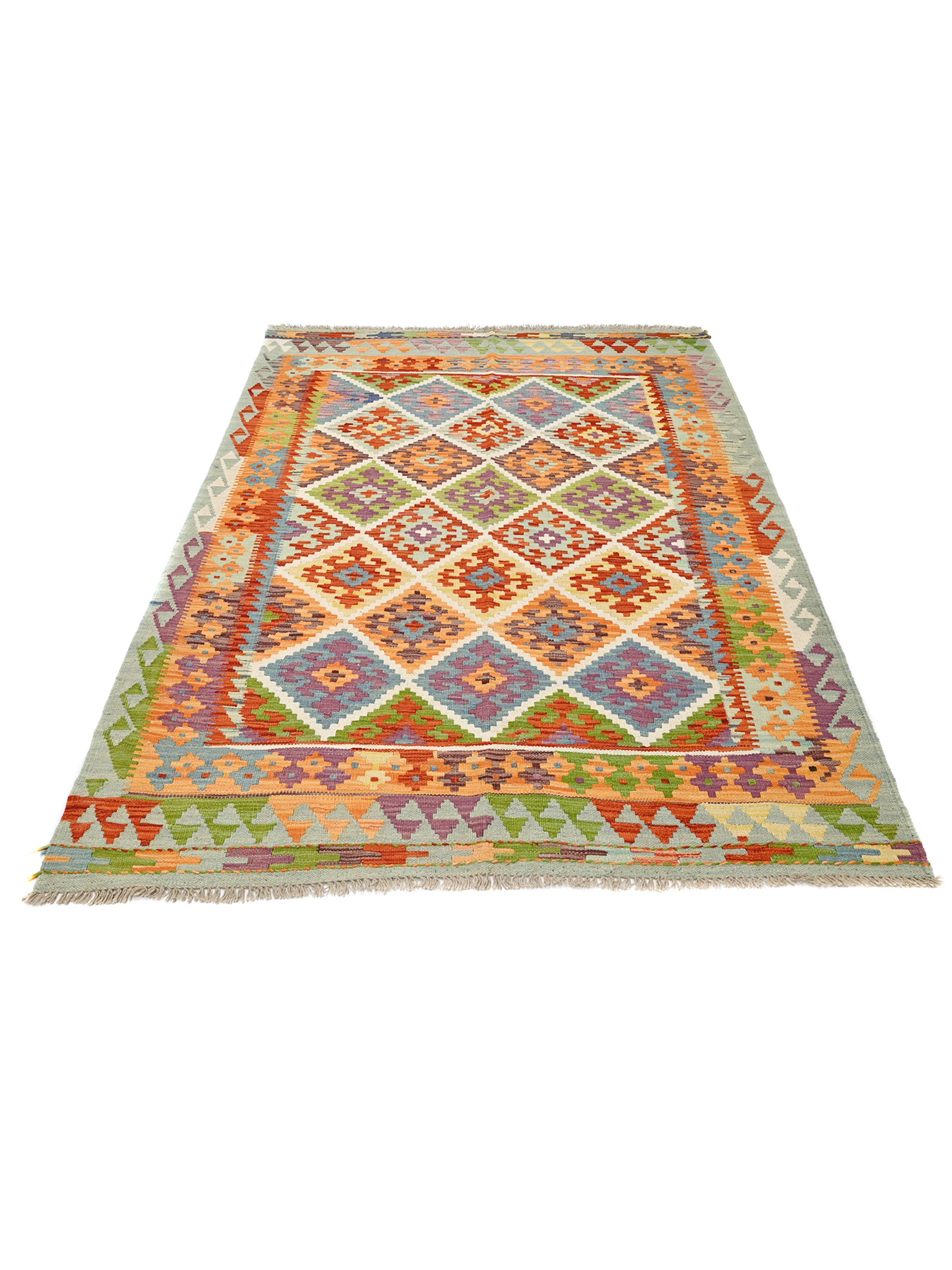
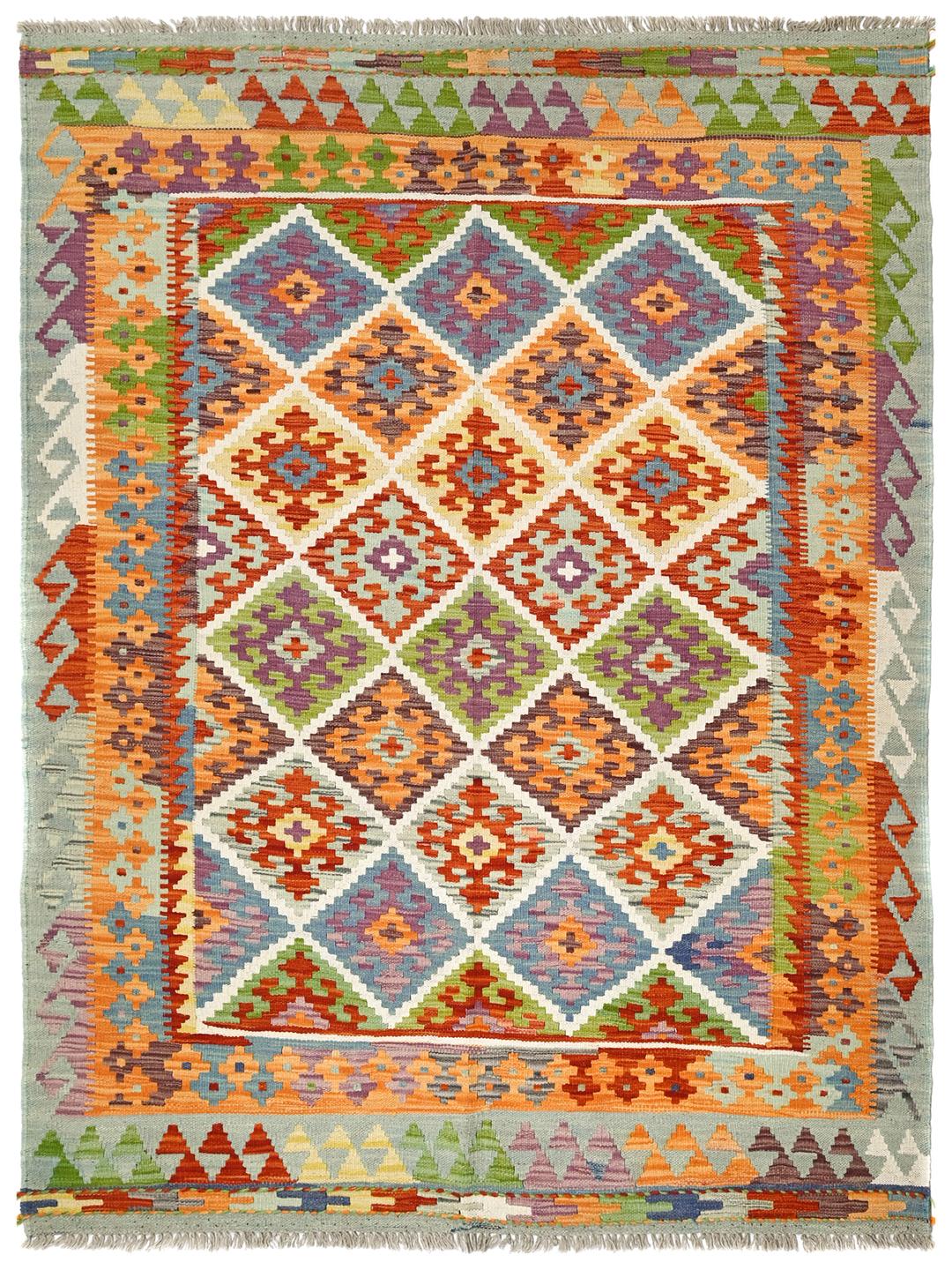
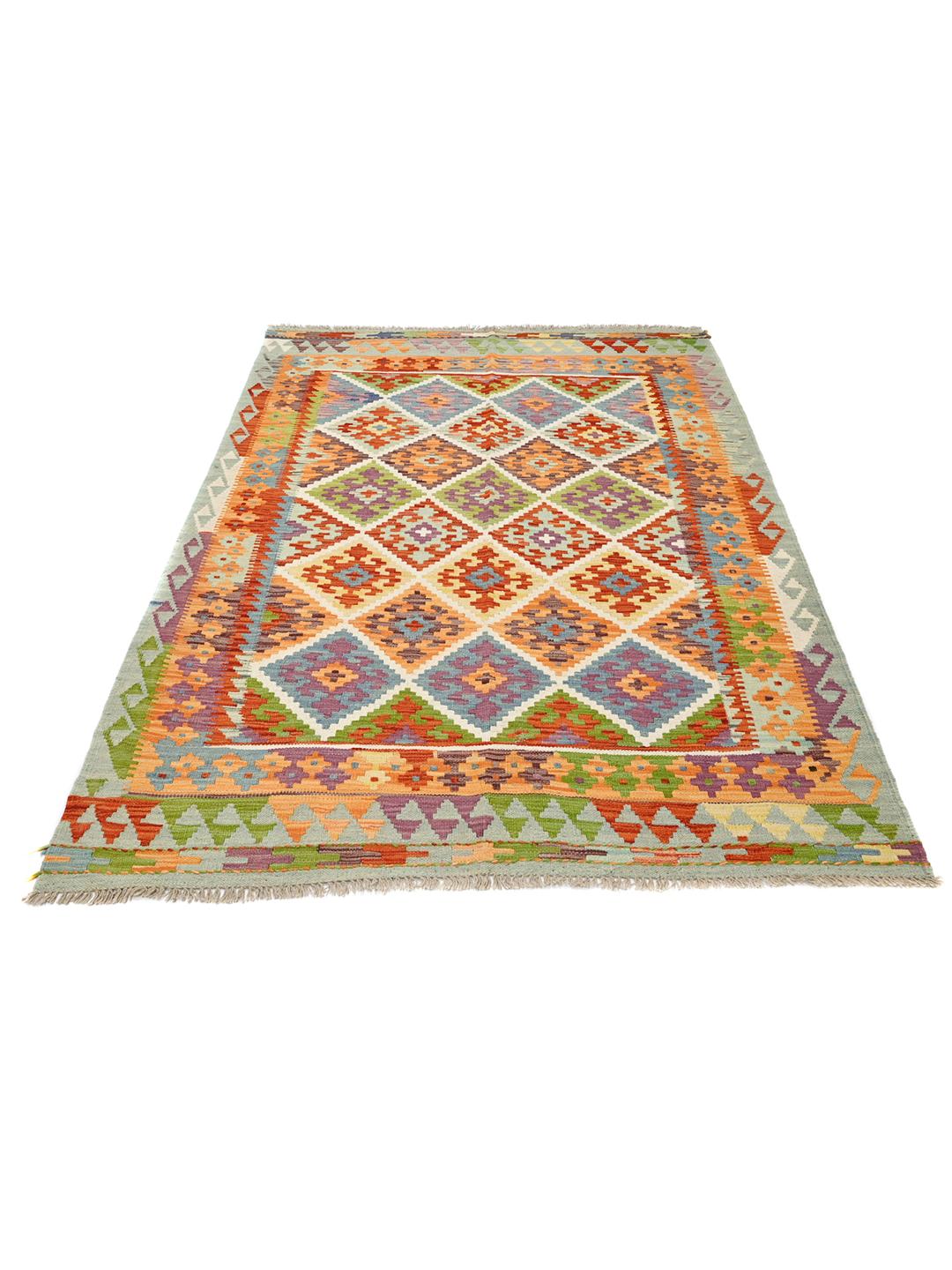
The Kelim tradition in Afghanistan is deeply rooted in the nomadic lifestyle of the region, where flat-woven textiles were essential for both utility and artistic expression. These rugs have evolved over centuries, serving as functional floor coverings, wall hangings, and even storage bags for families moving across the rugged landscapes of the Middle East.
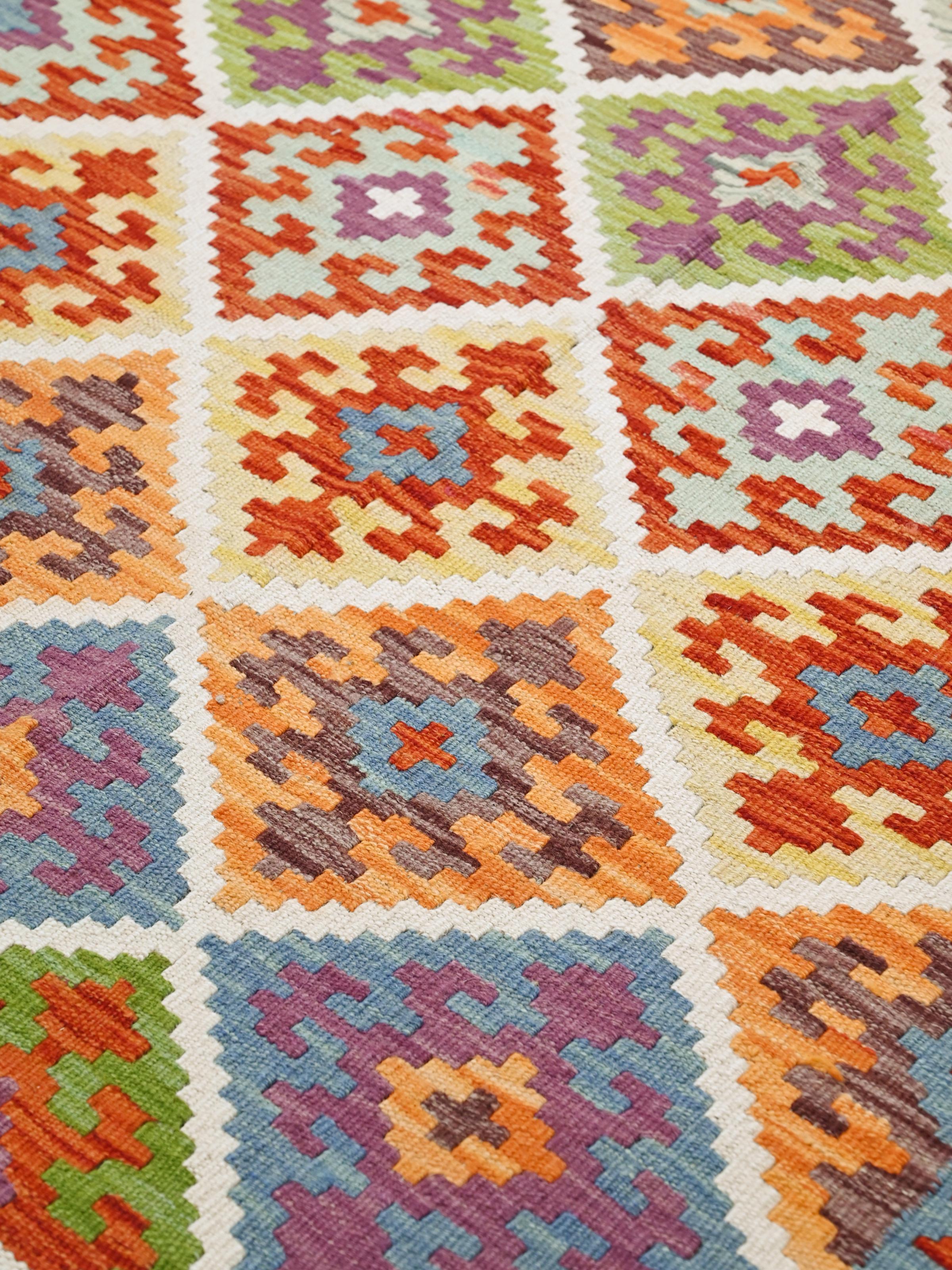
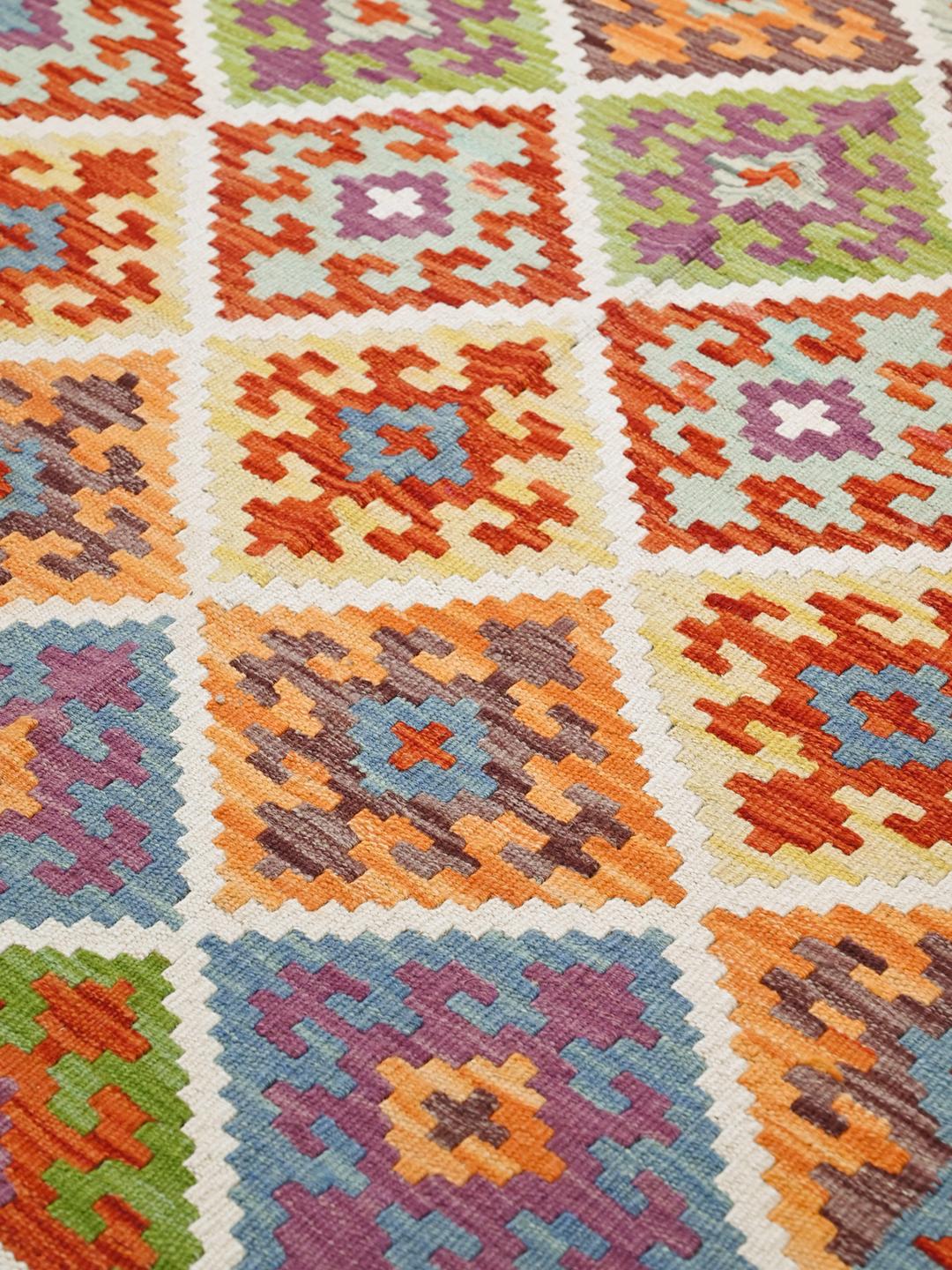
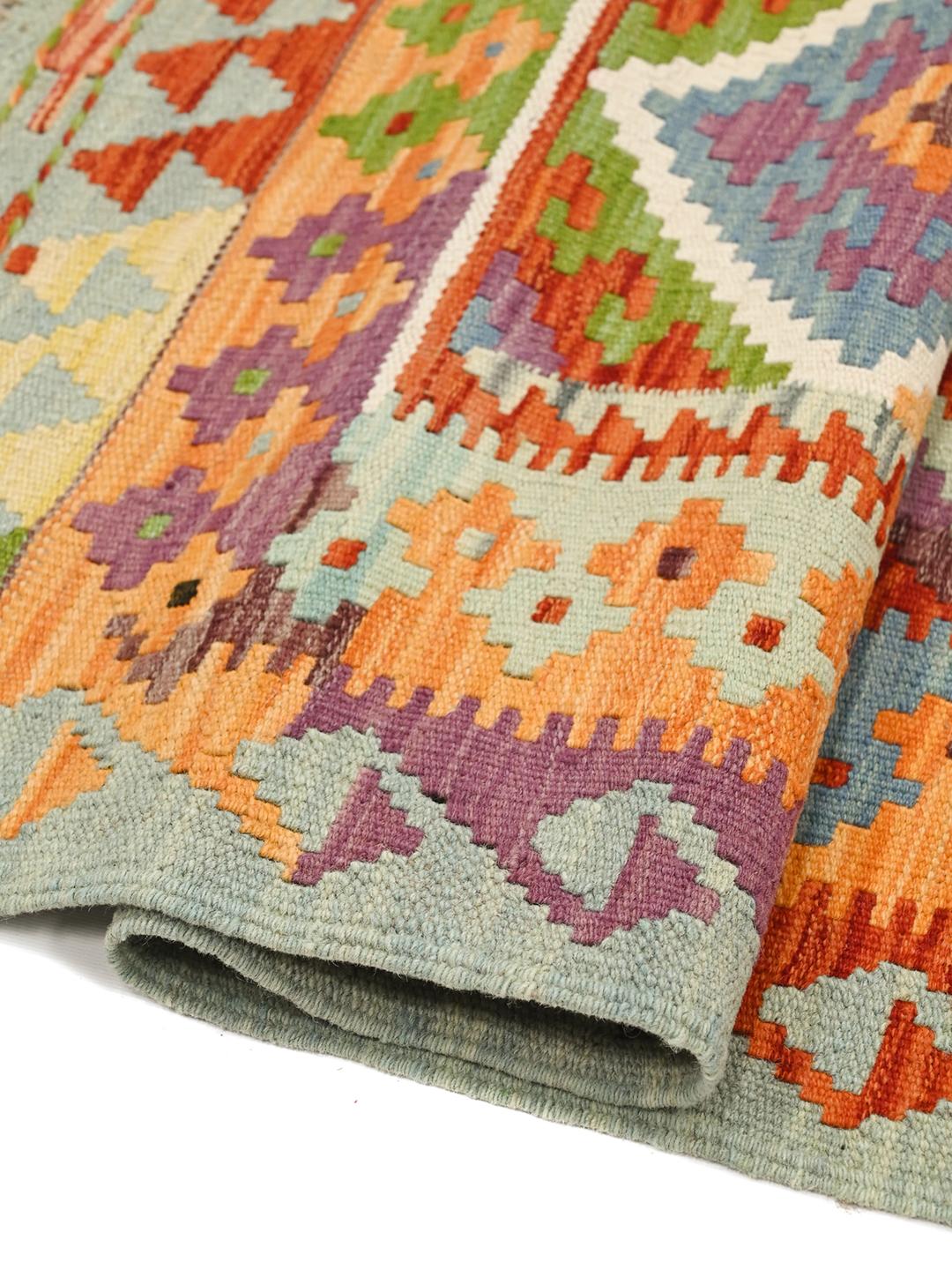
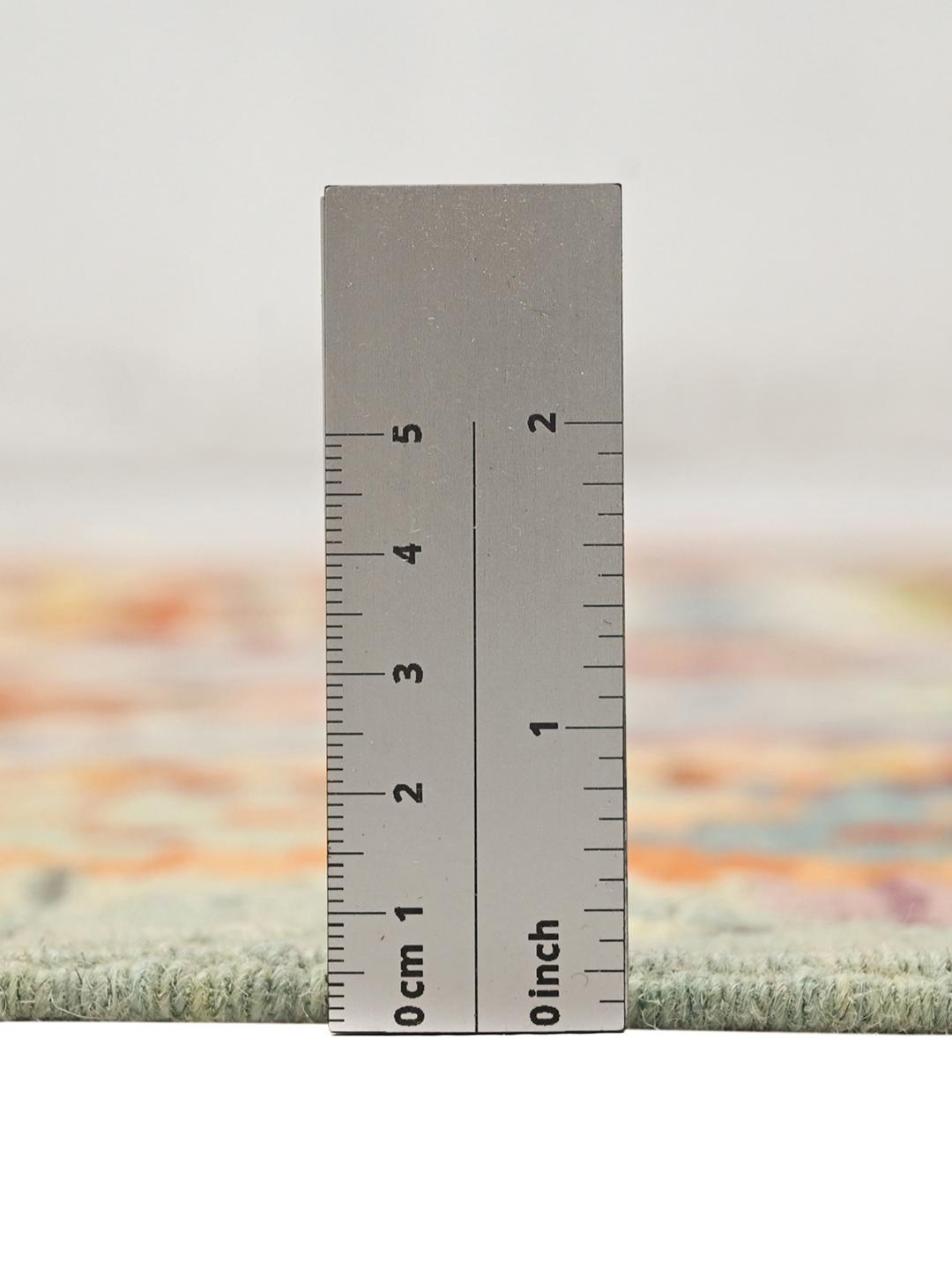
Technically, a Kelim is a flat-woven rug, meaning it lacks a pile. This specific construction technique involves interweaving the coloured weft threads through the warp threads, resulting in a thin, lightweight, and durable textile that is reversible and easy to maintain. The absence of pile allows for intricate, sharp-edged patterns that are characteristic of this ancient craft.
The design language of these rugs is famously geometric, often centred around medallions, diamonds, and tribal symbols that carry cultural significance. The use of bold, contrasting colours is a hallmark of the Afghan style, often achieved through natural dyes that give the Wool a rich, organic appearance that matures beautifully over time.
Collecting a Kelim from this tradition is a way to preserve a piece of human history. These rugs are highly valued for their authenticity and the skill required to produce them, representing a commitment to slow, intentional craftsmanship that remains largely unchanged by modern industrial methods.