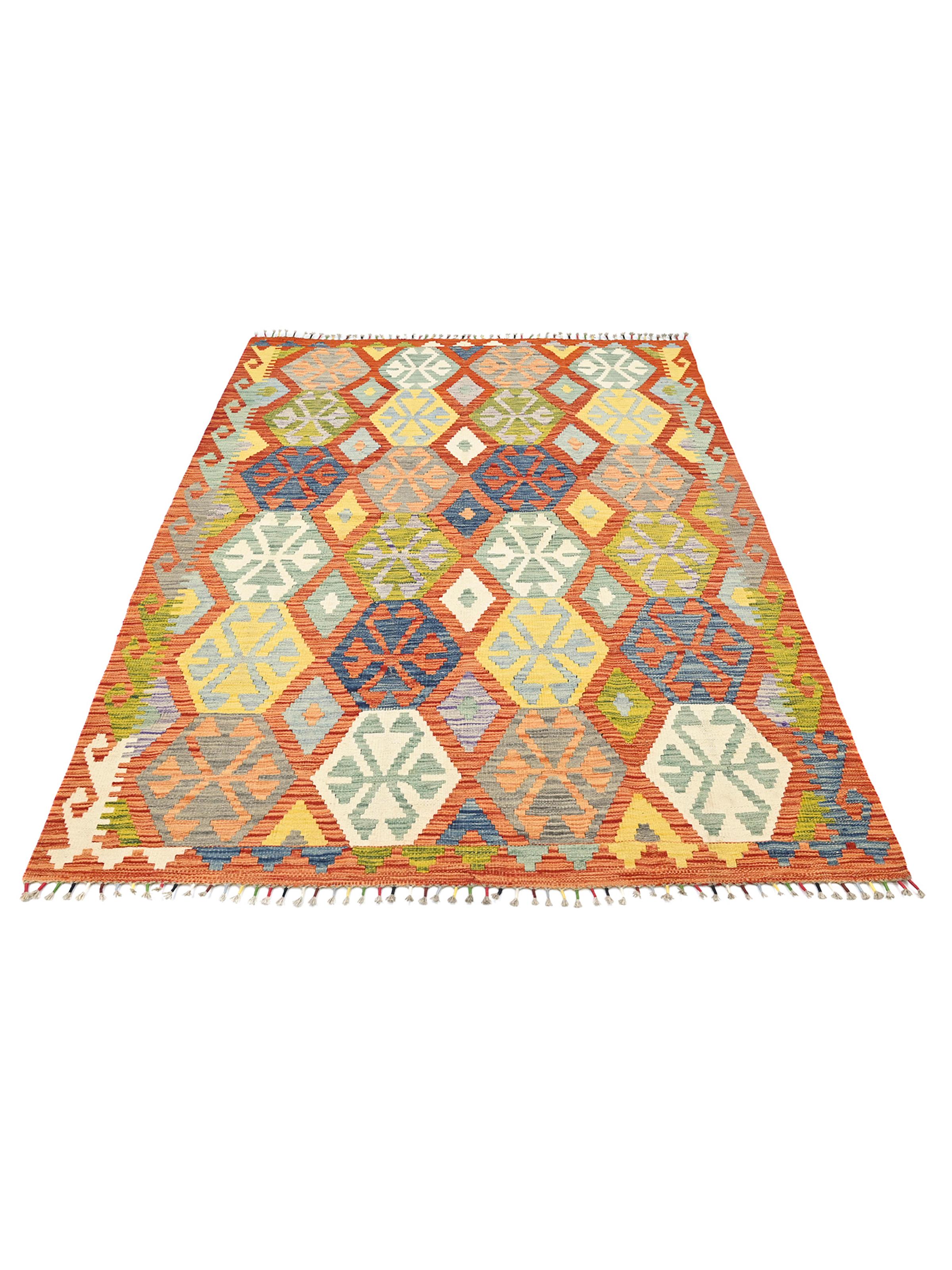
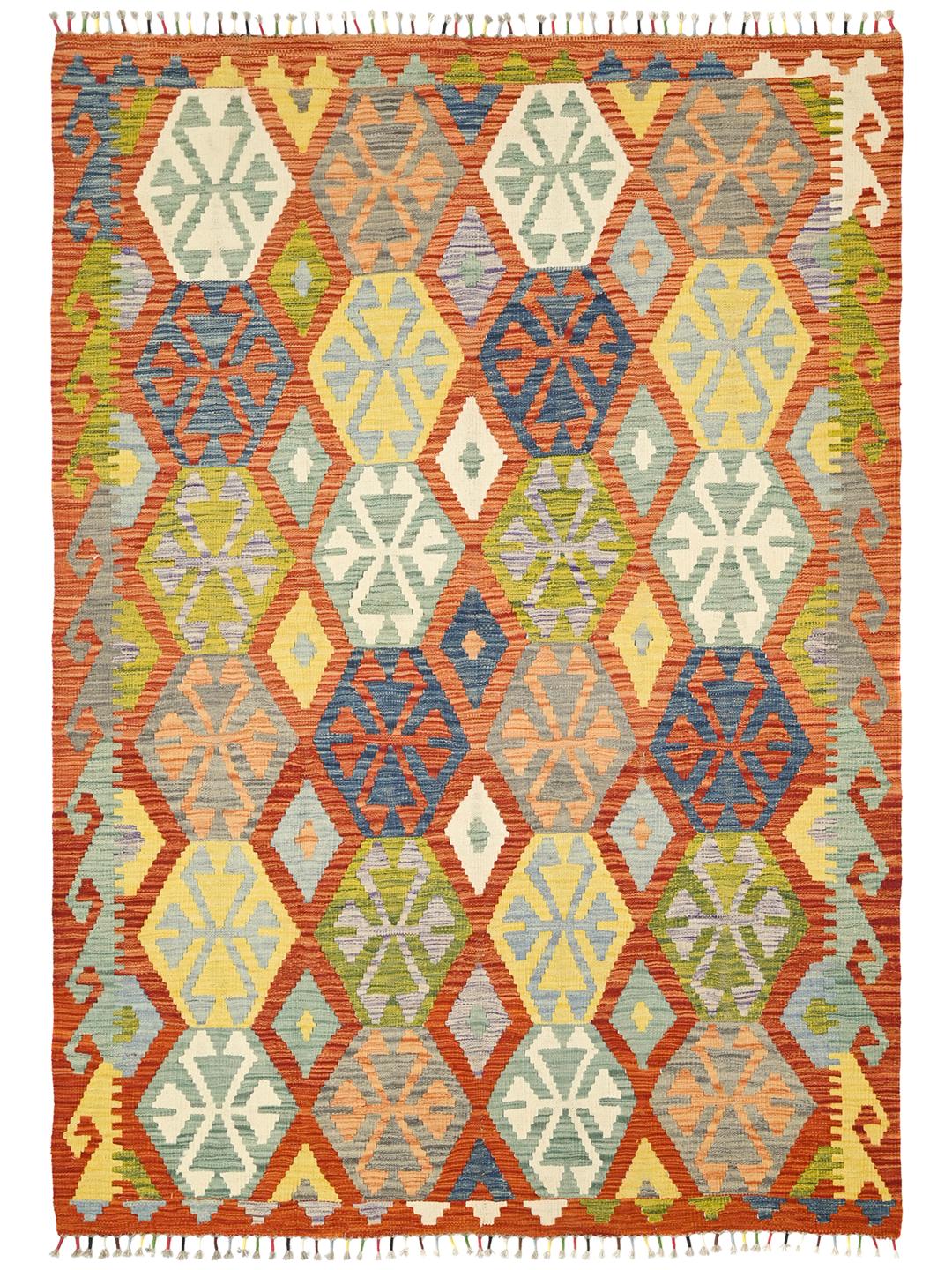
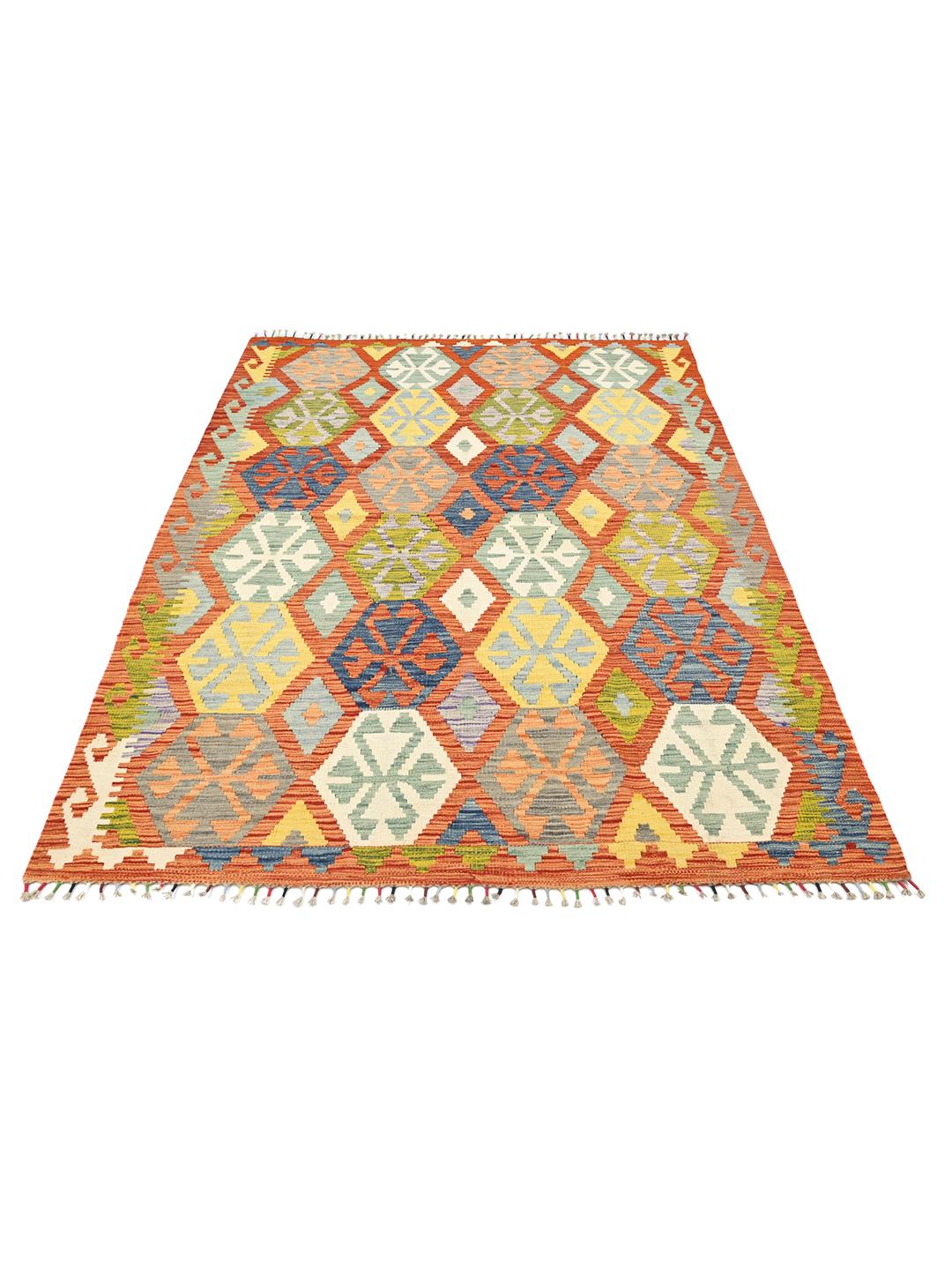
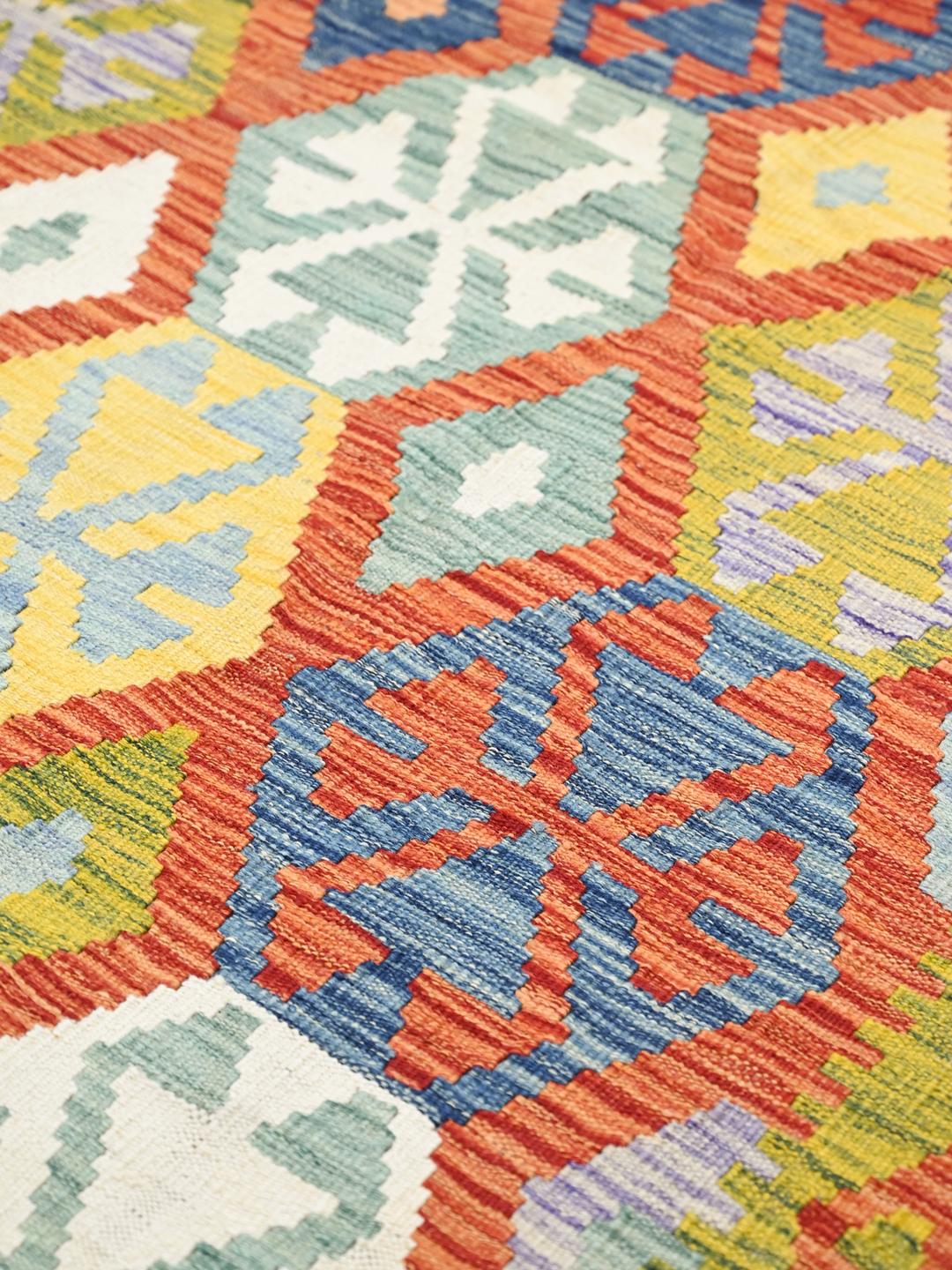
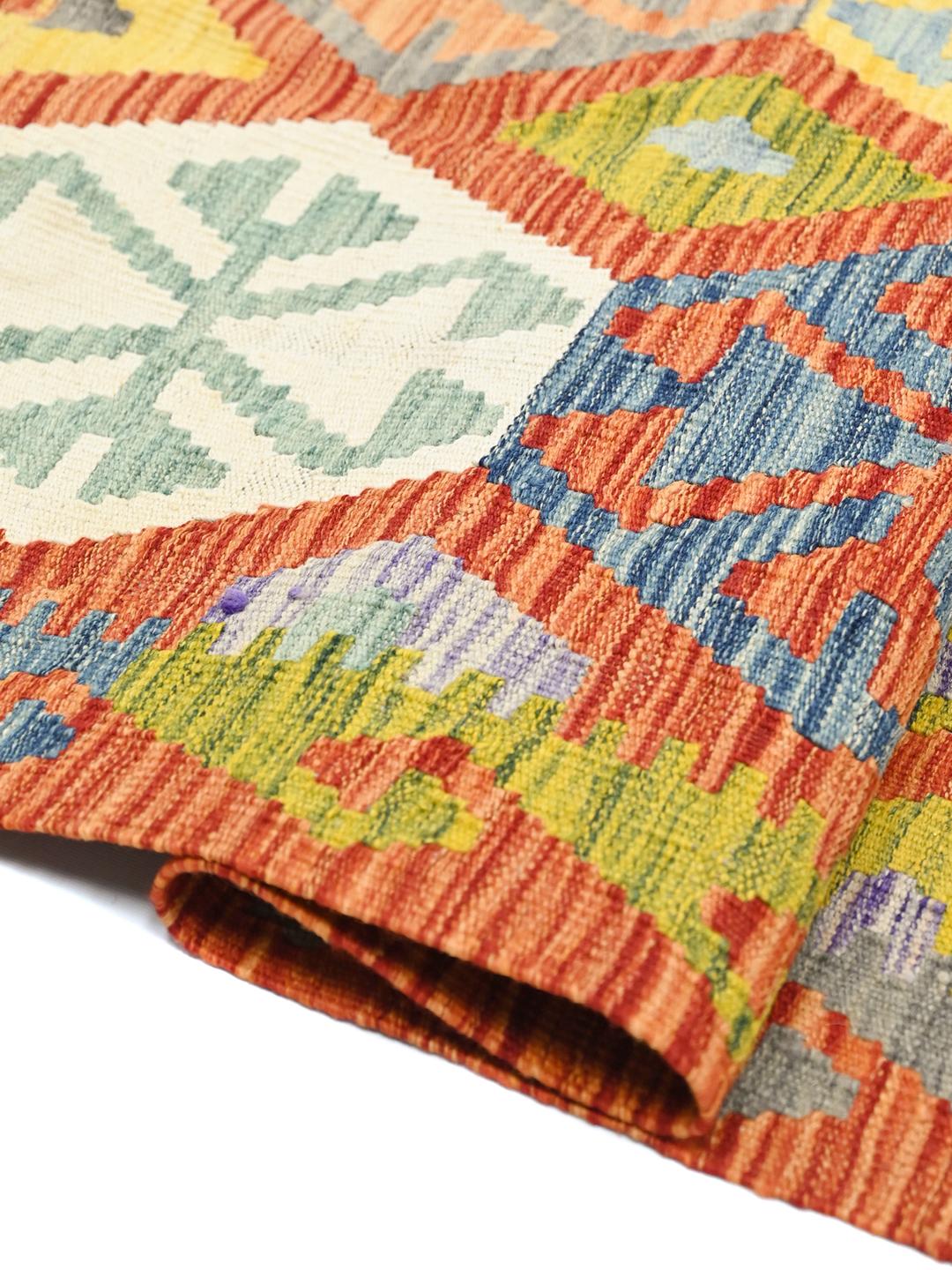
Kelim rugs from Afghanistan are deeply rooted in the nomadic and village traditions of Central Asia. These textiles have historically served as both functional floor coverings and decorative elements within homes, reflecting the rich cultural tapestry of the region and the diverse artistic influences that have passed along the ancient trade routes.
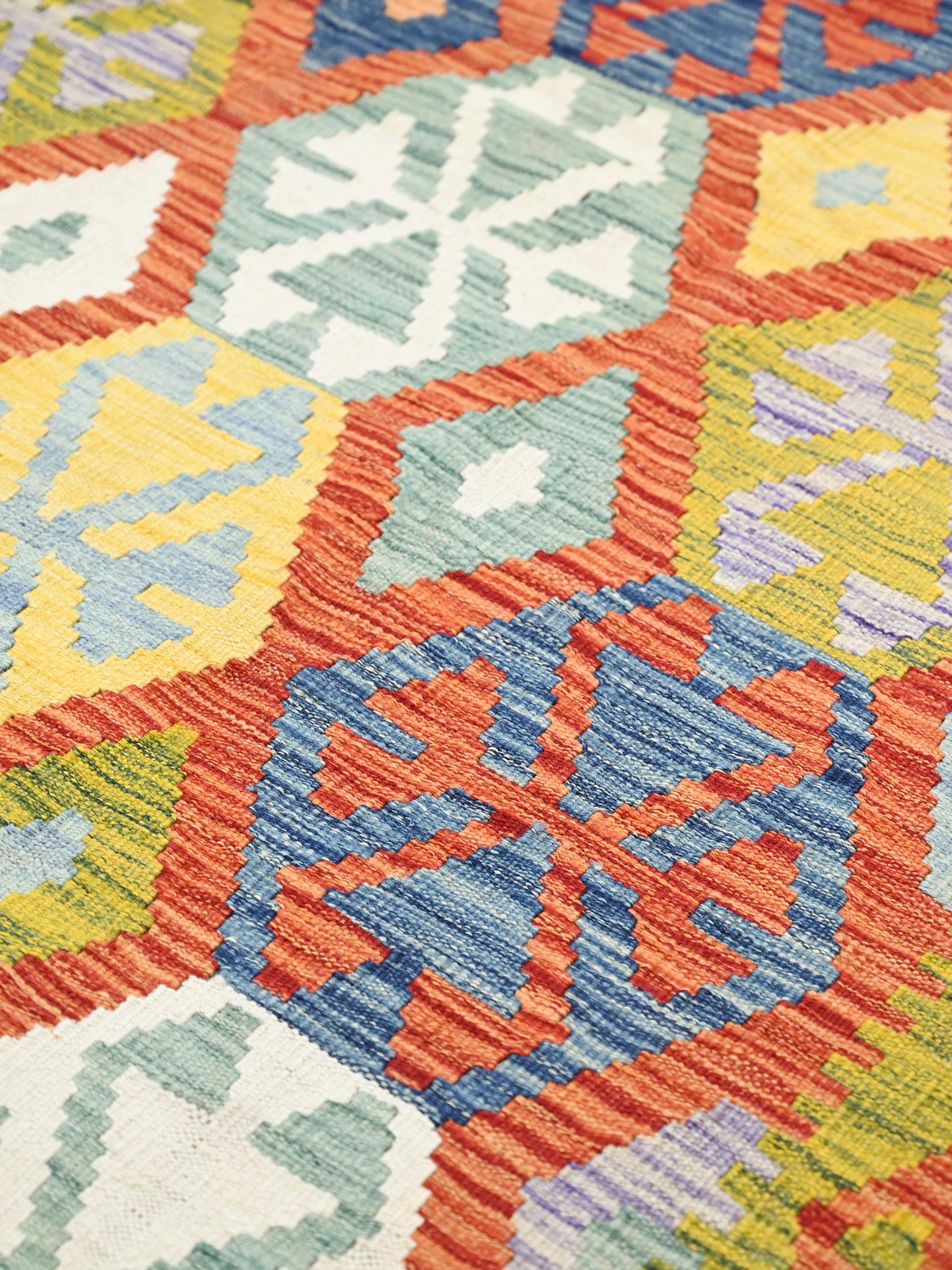
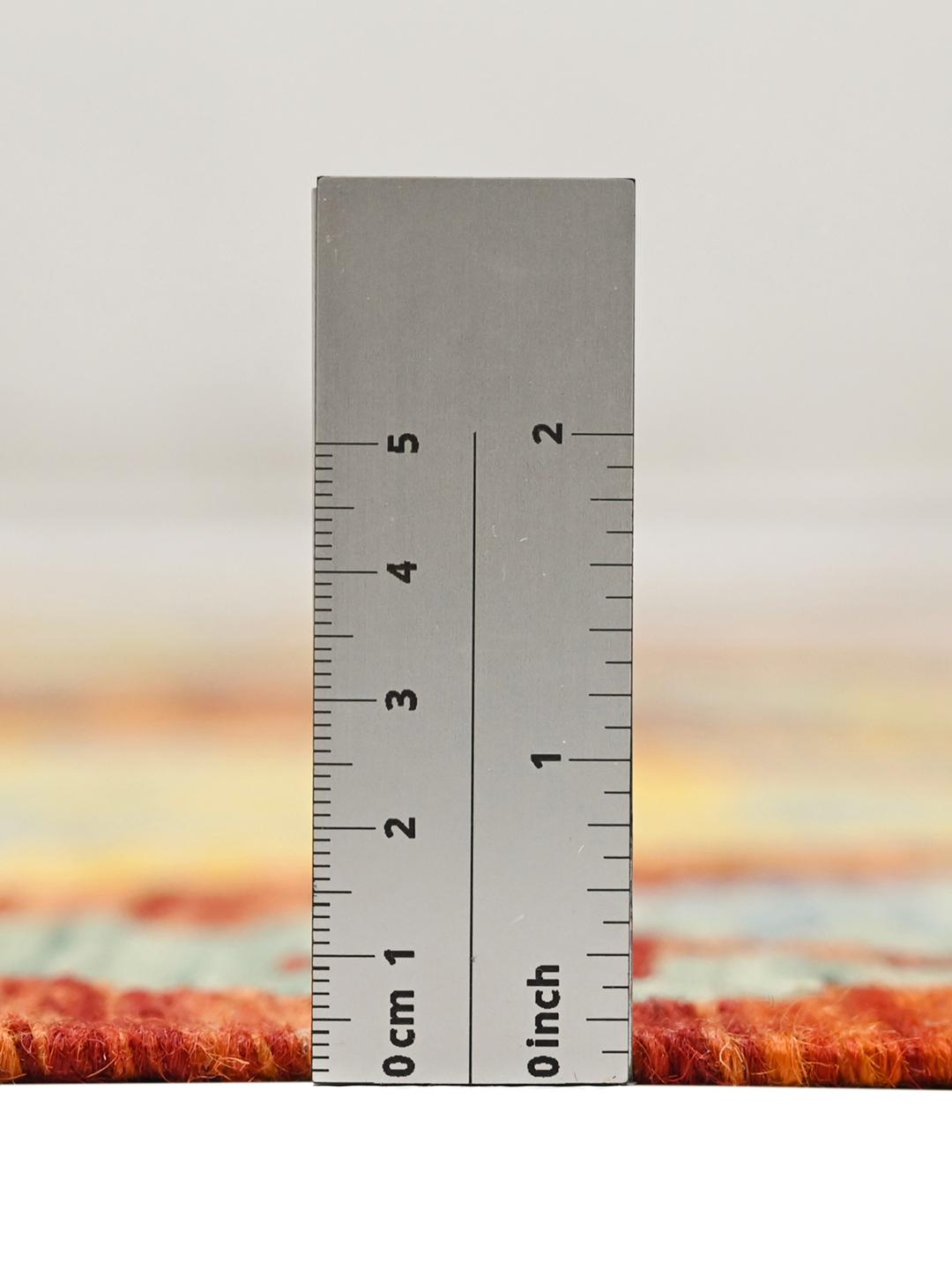
The term 'Kelim' refers to a flat-weave technique where the weft and warp threads are interlaced to create the pattern, resulting in a rug without a pile. This method is highly valued for its strength and versatility, allowing for crisp, graphic designs that are as durable as they are beautiful. Because there is no pile to wear down, these rugs are known for their longevity and ability to maintain their form over decades of use.
The design language of these rugs is defined by bold geometric shapes, with the diamond and medallion motifs being particularly prominent. These patterns are often symbolic, representing protection, fertility, or the natural world, and are arranged with a rhythmic precision that feels both balanced and dynamic. The vibrant colour palette is traditionally achieved using natural dyes, which develop a soft, characterful patina over time.
Collectors value these rugs not only for their striking aesthetic but also for the cultural history they embody. Each rug serves as a document of the weaver's personal expression and the regional traditions of Afghanistan. Owning such a piece is an investment in heritage, offering a depth of character and an authenticity that is rare in contemporary home furnishings.