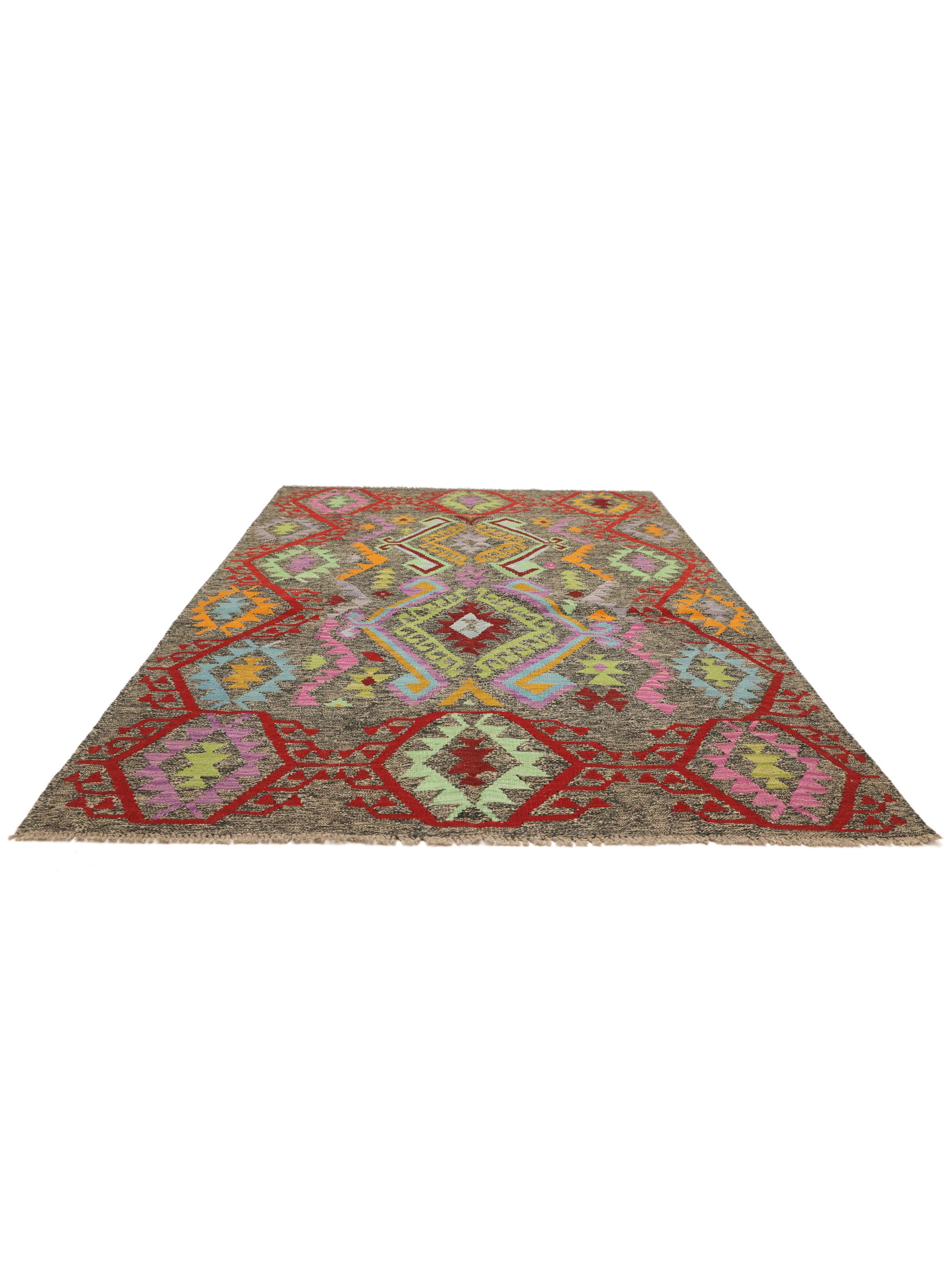
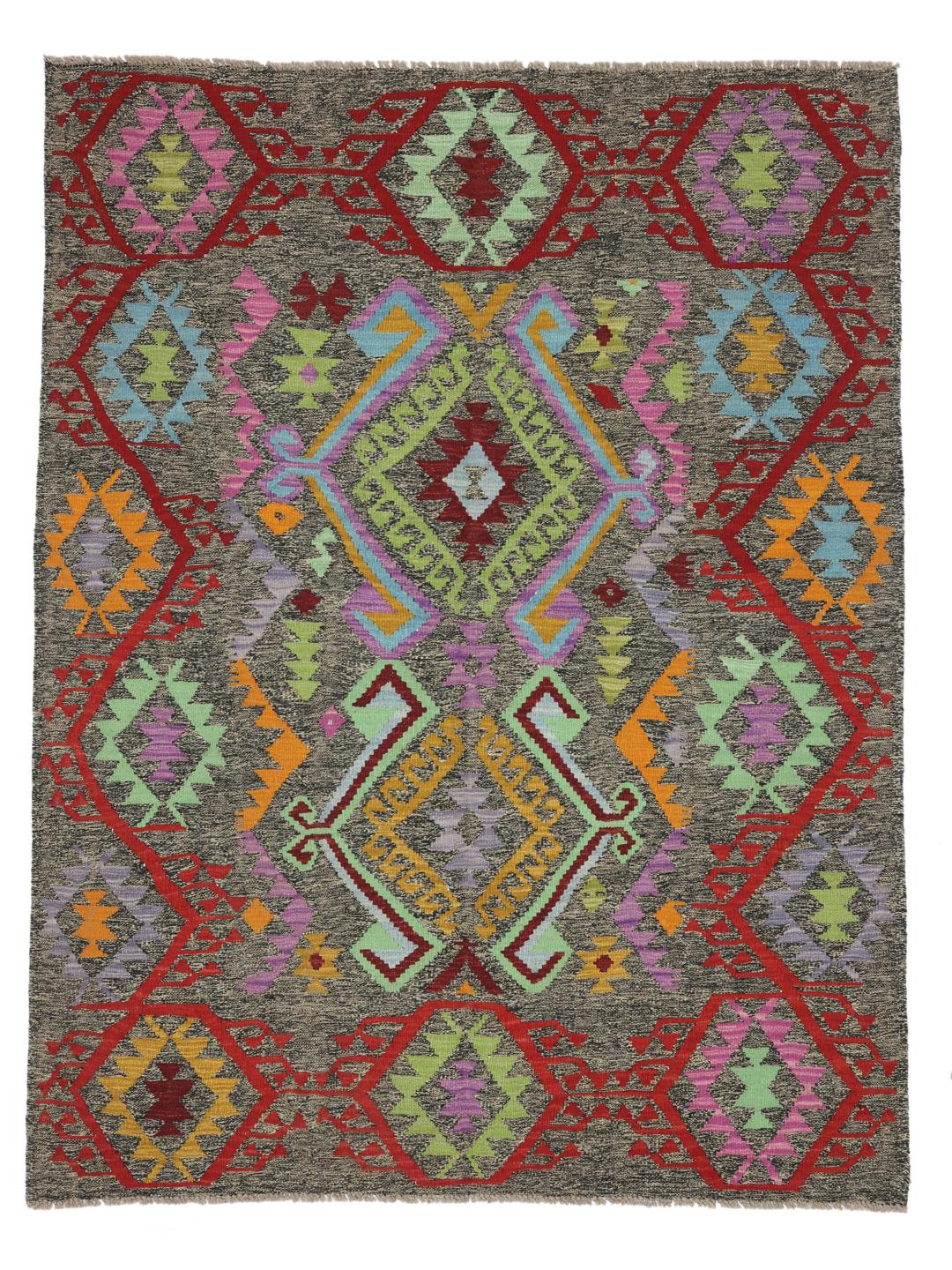
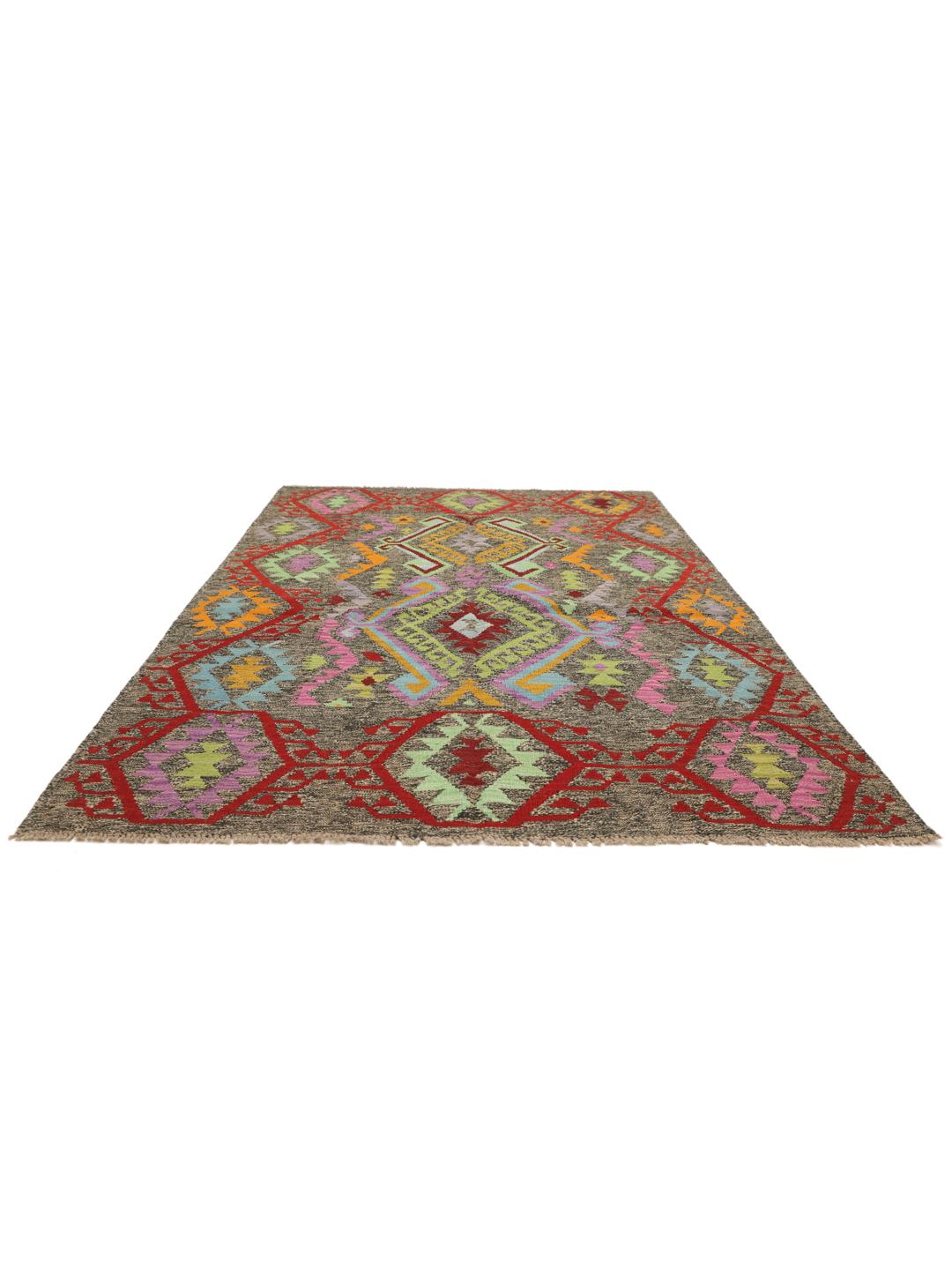
The Kelim tradition in Afghanistan is deeply rooted in the nomadic history of the region. For centuries, these flatweave rugs have been essential to daily life, serving as floor coverings, wall hangings, and functional textiles for transport within tents. The evolution of these rugs reflects the cultural exchange along ancient trade routes, blending indigenous motifs with regional influences.
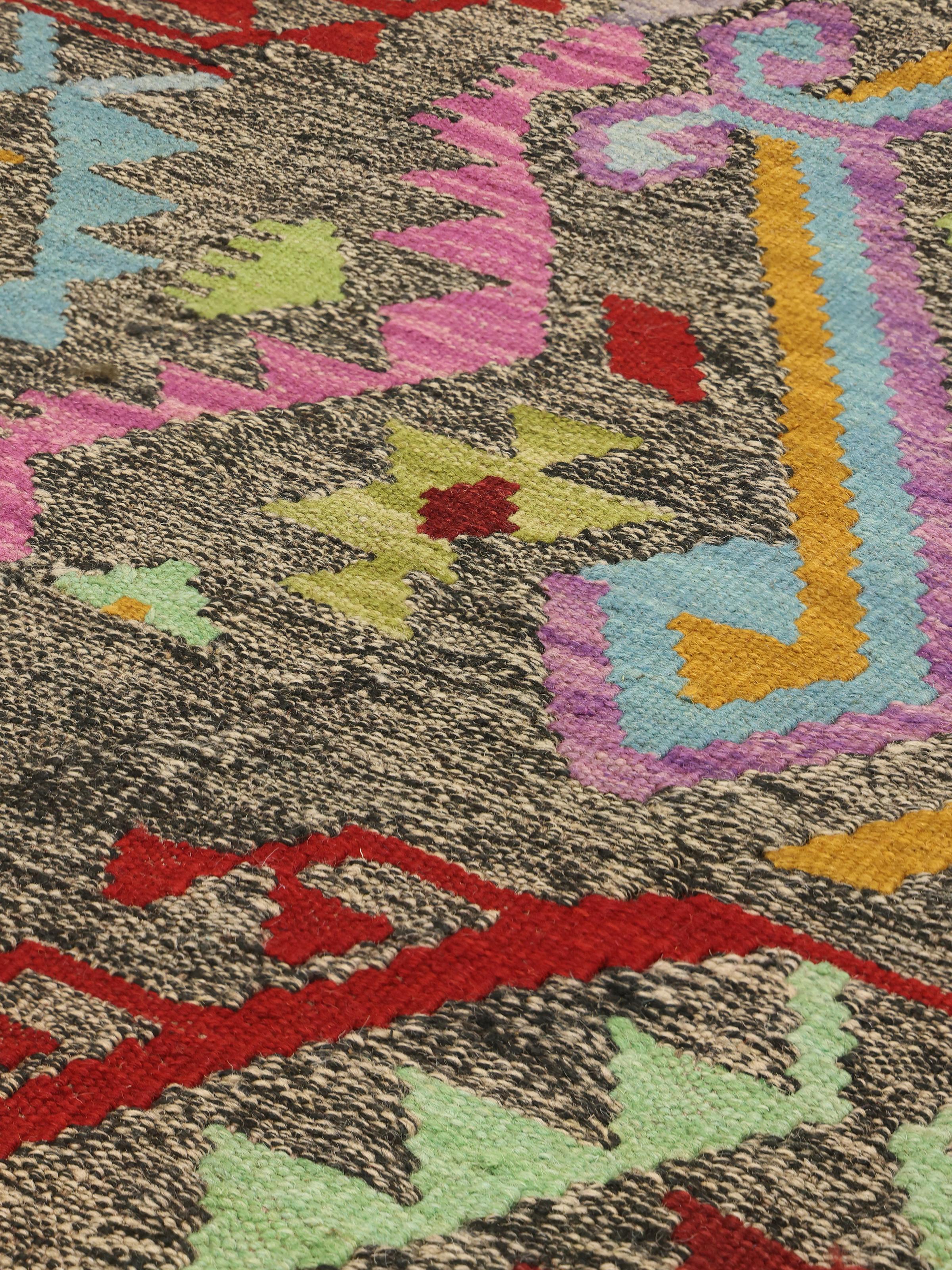
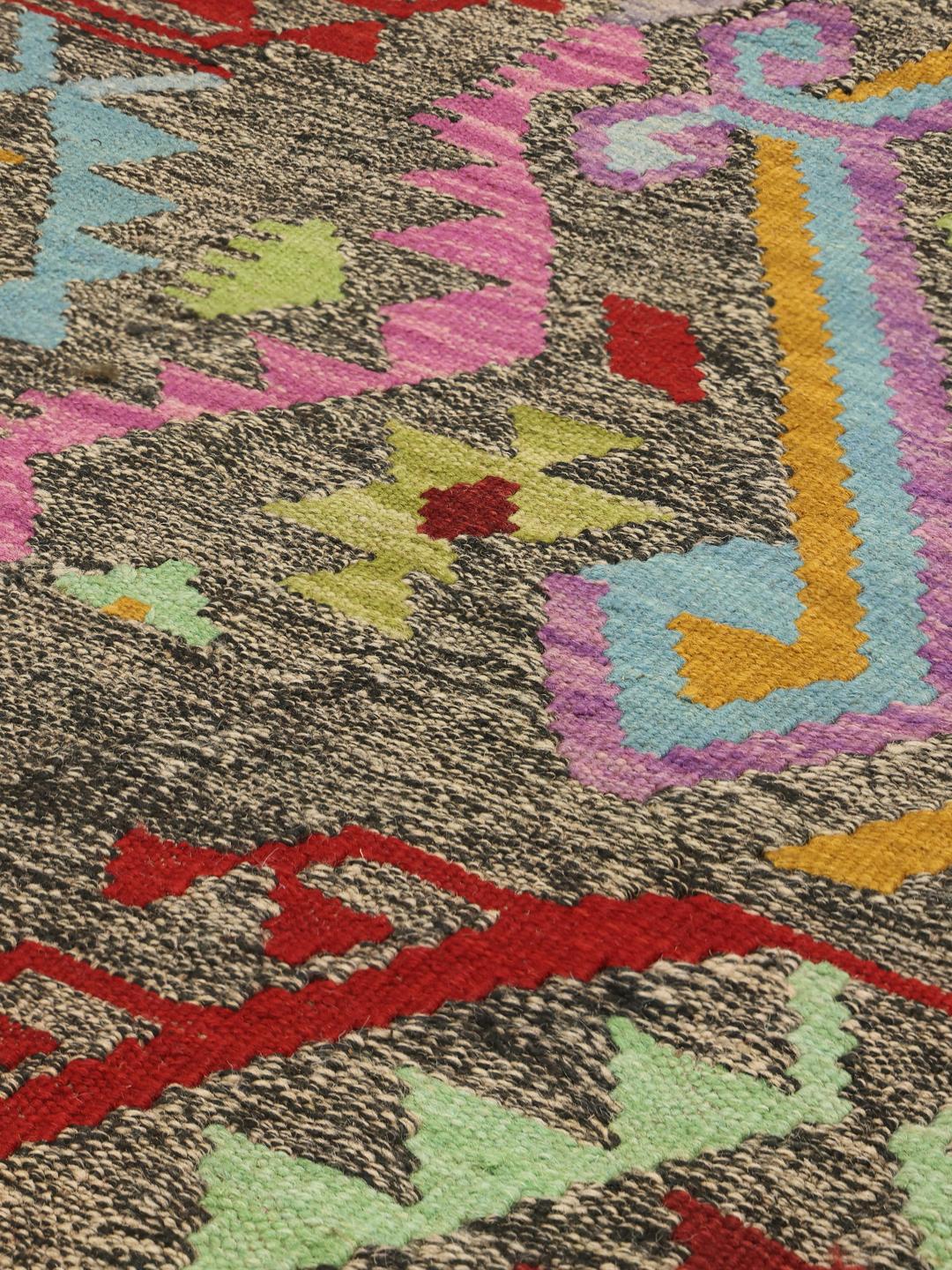
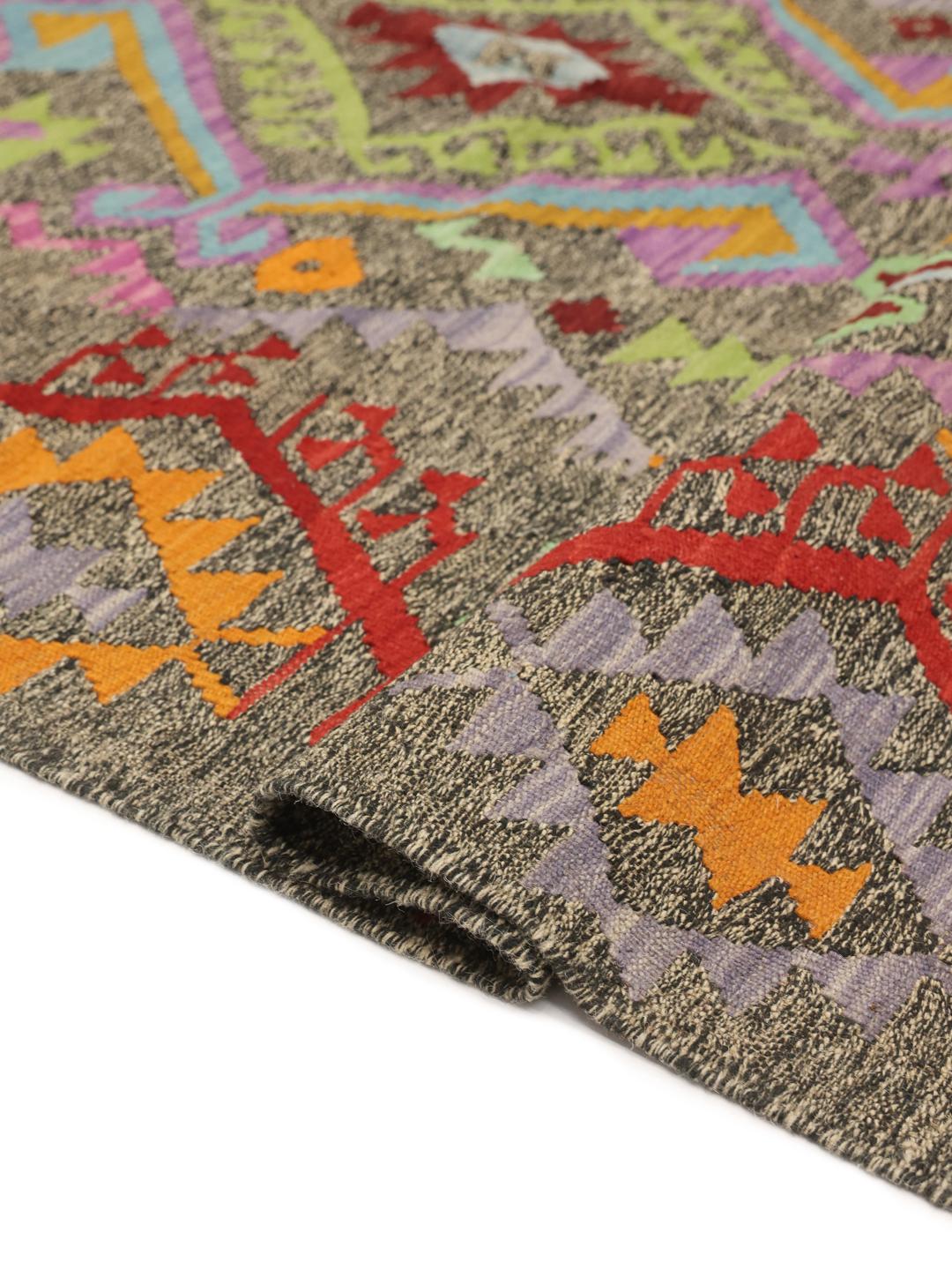
The term 'Kelim' refers specifically to the flatweave technique, which is distinct from pile-woven rugs. By avoiding the use of knots, weavers create a lightweight yet incredibly strong fabric that is highly valued for its versatility. The quality of a Kelim is often judged by the tightness of the weave and the precision of the pattern transitions, which require a high level of skill to execute without the structural support of a pile.
Design-wise, these rugs are characterised by bold, geometric motifs such as diamonds, triangles, and stylized floral elements. These patterns are not merely decorative but often carry symbolic meanings related to protection, fertility, or tribal identity. The use of vibrant, contrasting colours is a hallmark of the Afghan style, often achieved through traditional natural dyes that gain depth and character as the rug ages.
Collecting Afghan Kelims is an investment in cultural heritage and human skill. Each rug serves as a narrative of the weaver's environment and tradition, making them highly sought after by those who appreciate authentic craftsmanship. Owning a piece like this is an opportunity to preserve a living art form, bringing the warmth of ancient nomadic traditions into a modern domestic setting.