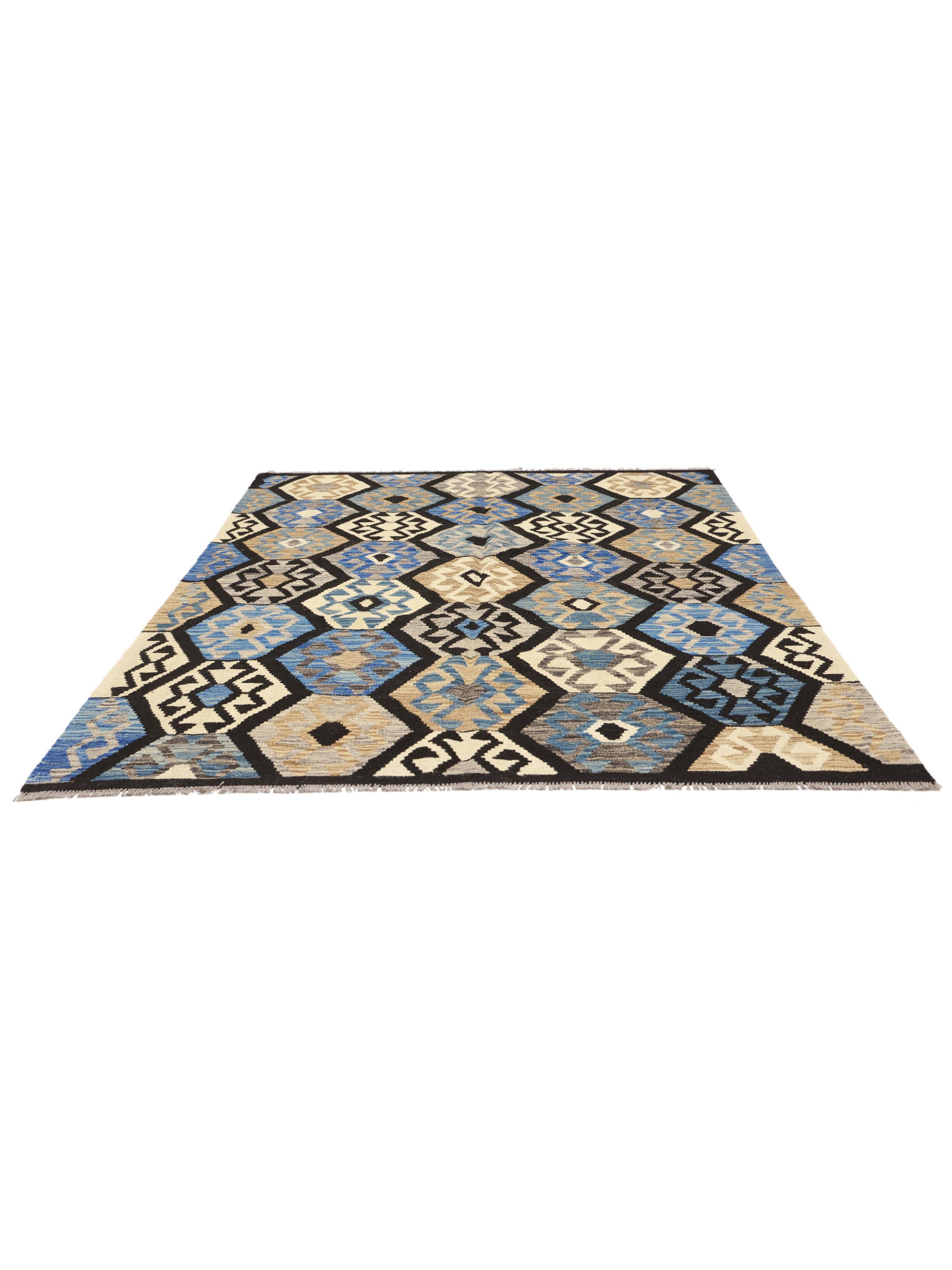
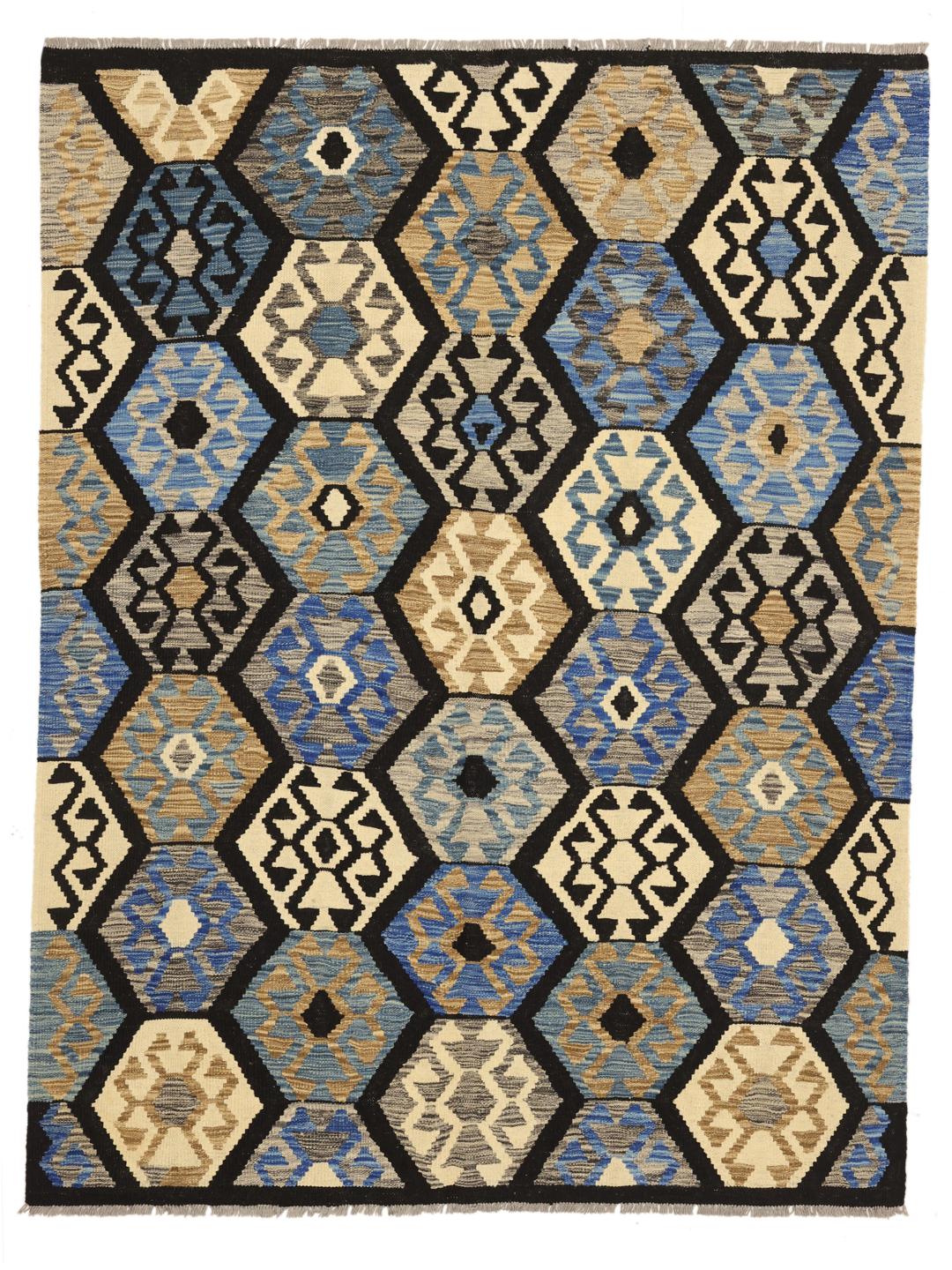
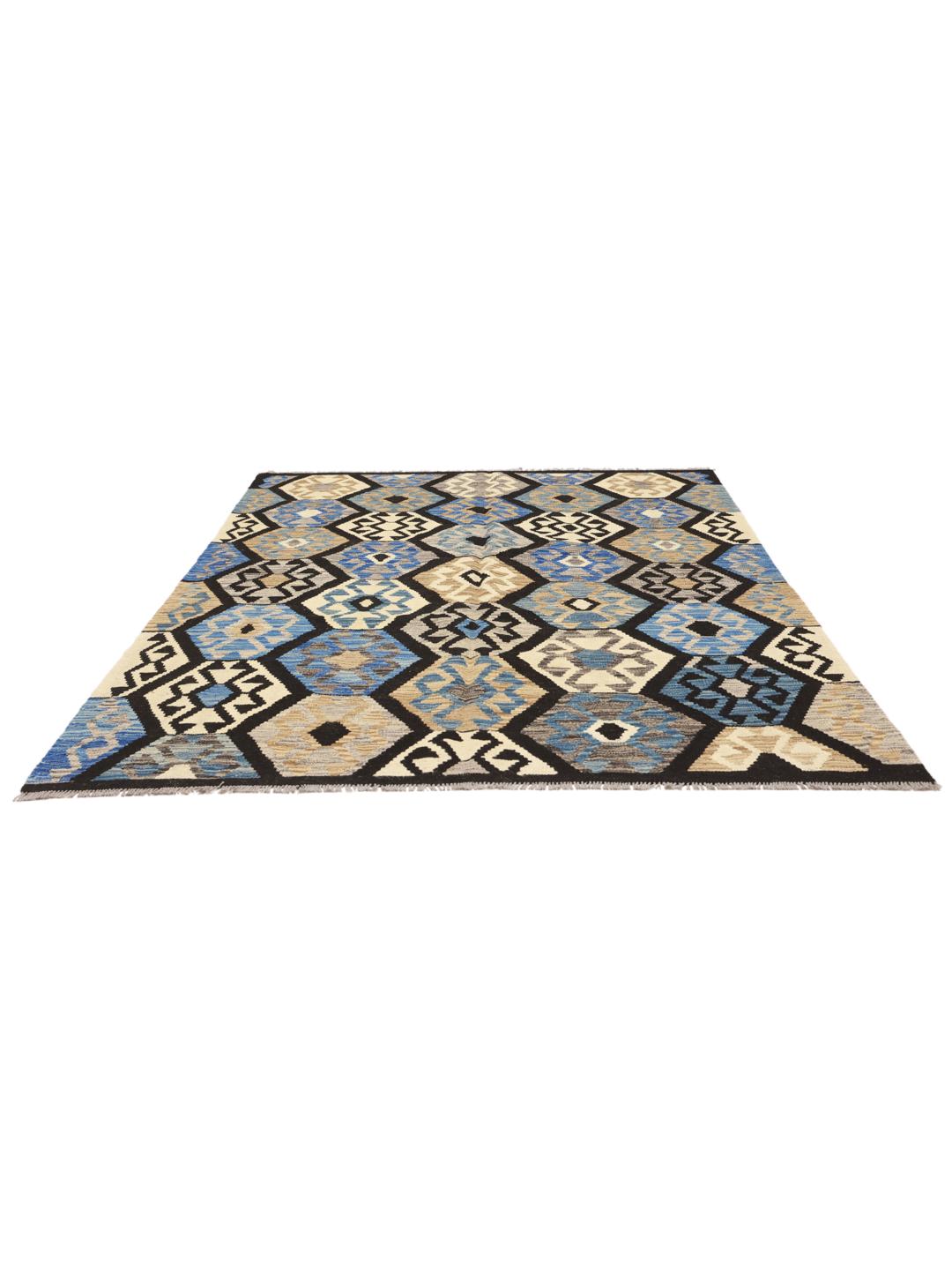
Kelim weaving has ancient roots across the Middle East and Central Asia, where nomadic and village communities created flatwoven textiles for everyday use as floor coverings, blankets, and storage bags. Over generations, these utilitarian items evolved into sophisticated expressions of local identity, with specific weaving families and tribes developing their own distinct visual vocabularies.
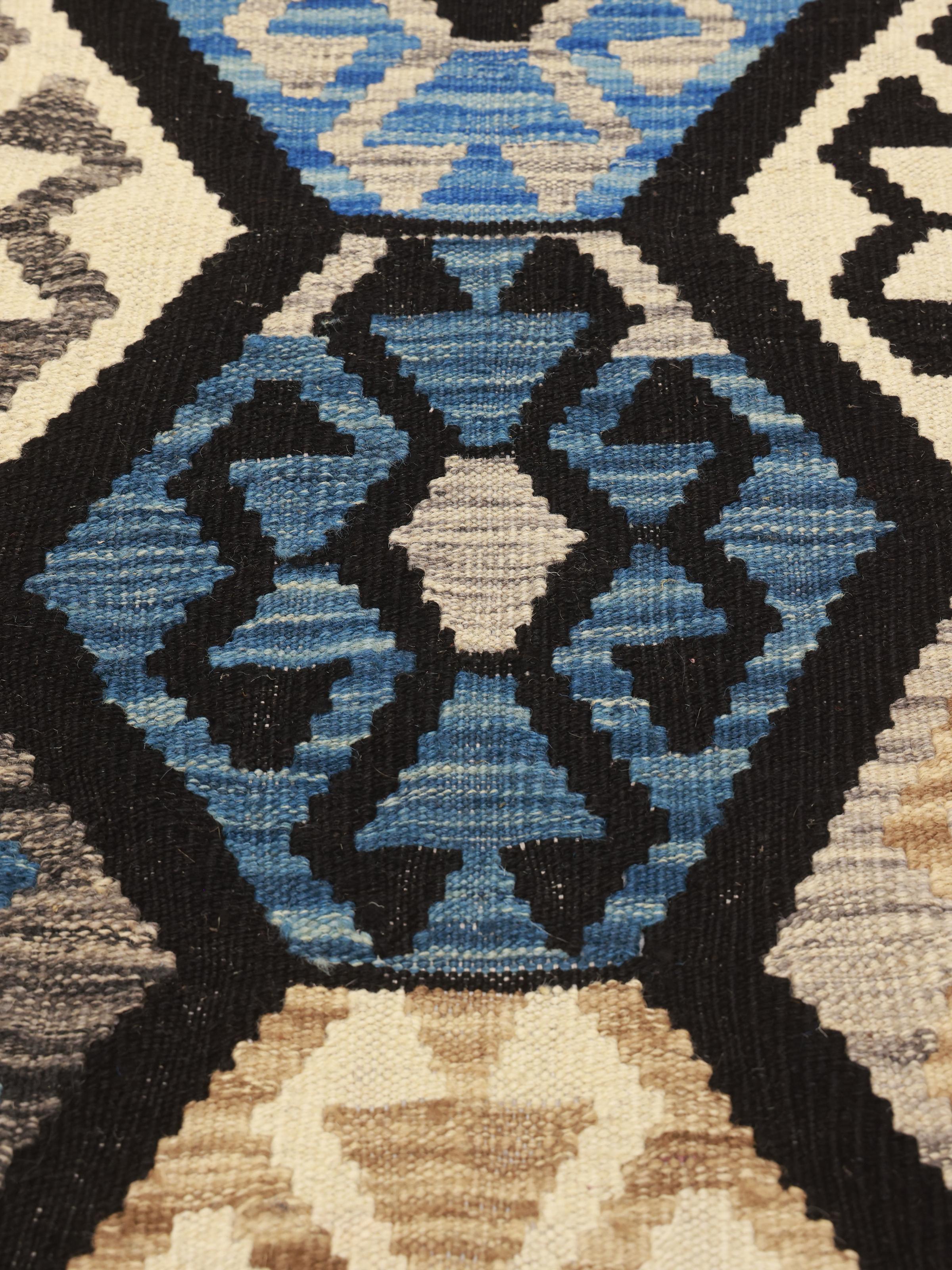
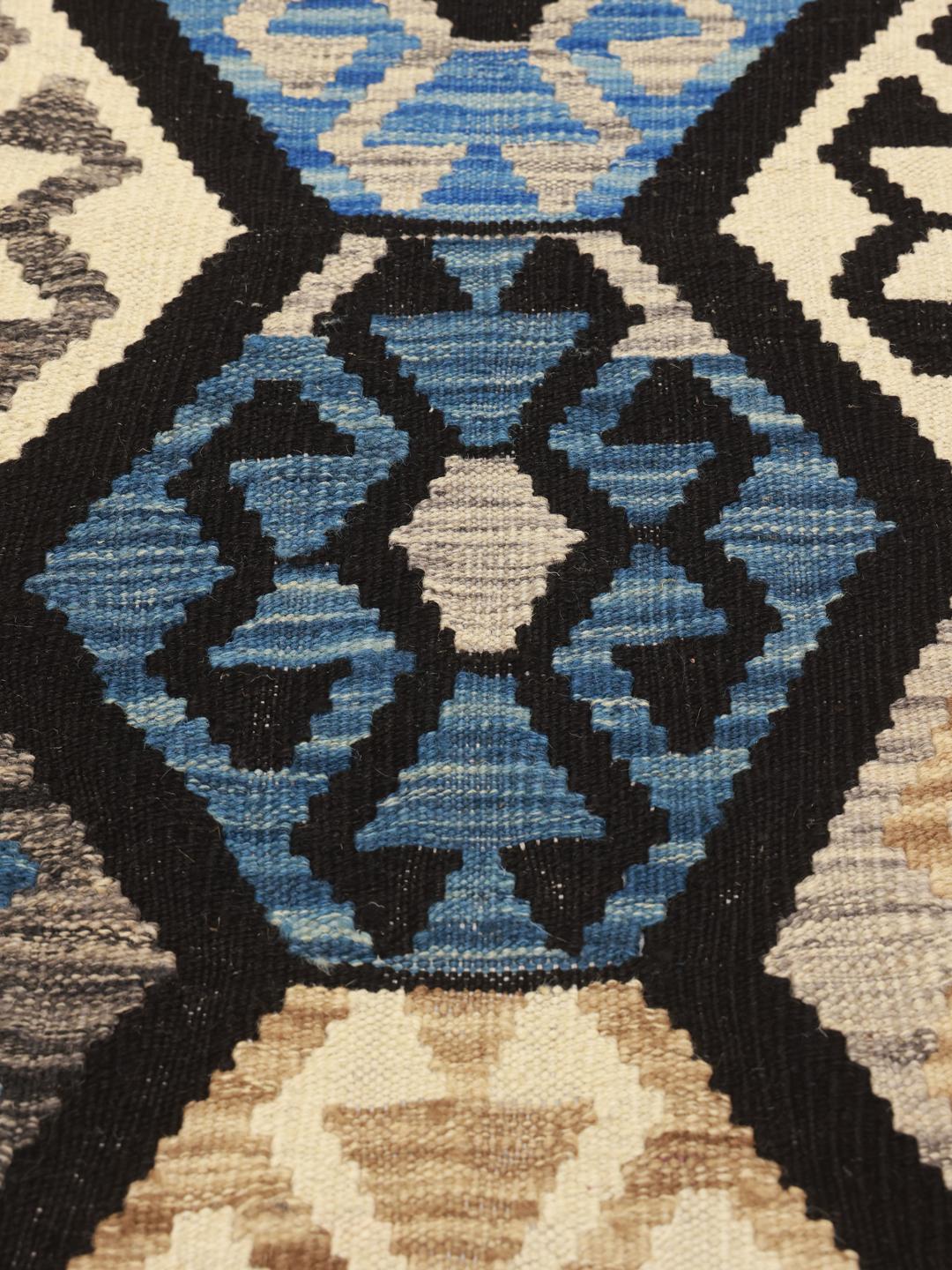
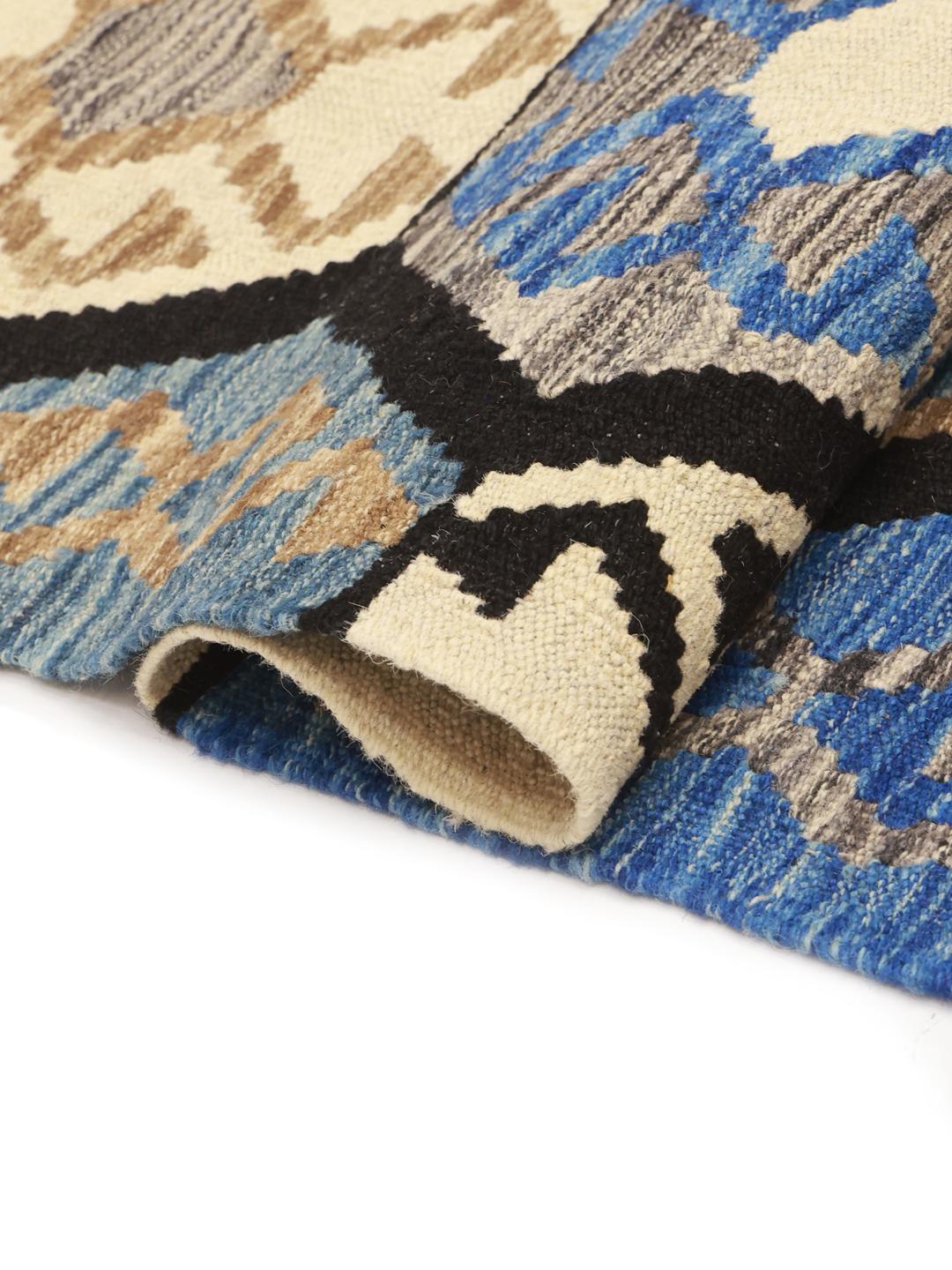
The term kelim refers to a flatweave construction where no pile is used. Instead, the weavers interlock the coloured weft threads tightly over the warp threads, producing a lightweight yet durable textile that is completely reversible. This technique allows for clean, sharp geometric lines and a smooth surface that has made kelims enduringly popular across the globe.
Traditional Afghan kelims are celebrated for their bold geometric motifs, often featuring diamonds, triangles, and stylised floral or tribal elements arranged in repetitive sequences. The natural dyes and rich colour palettes found in pieces like this Afghan Old Style rug draw on centuries-old regional traditions, combining earthy tones with striking contrasts to create a balanced, harmonious composition.
Collecting vintage and old-style kelims is a way to preserve living history and support traditional craft communities. Owning a piece from this tradition means bringing home a tangible artefact of cultural heritage, valued by collectors and interior stylists alike for its authenticity, durability, and timeless appeal.