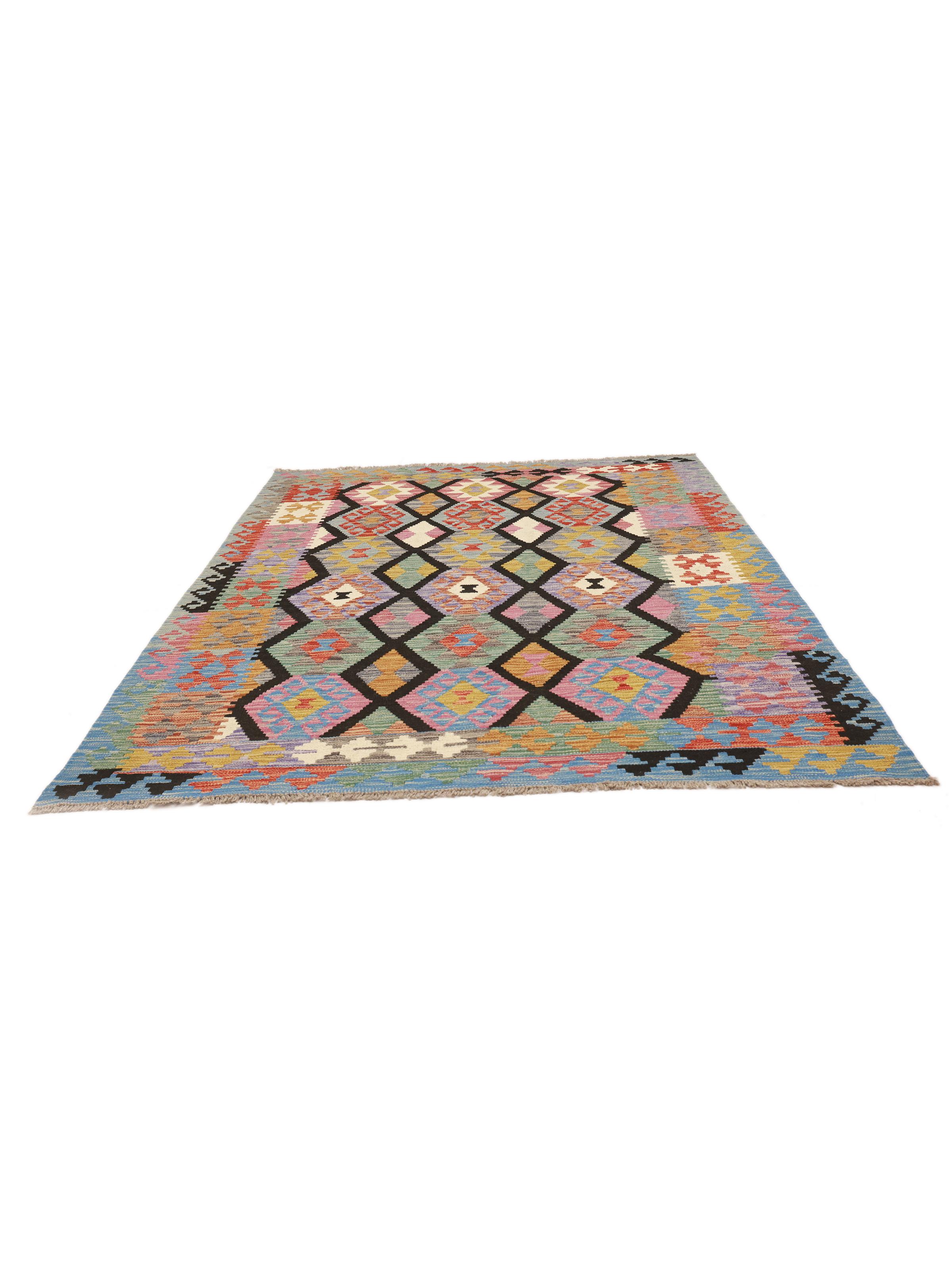
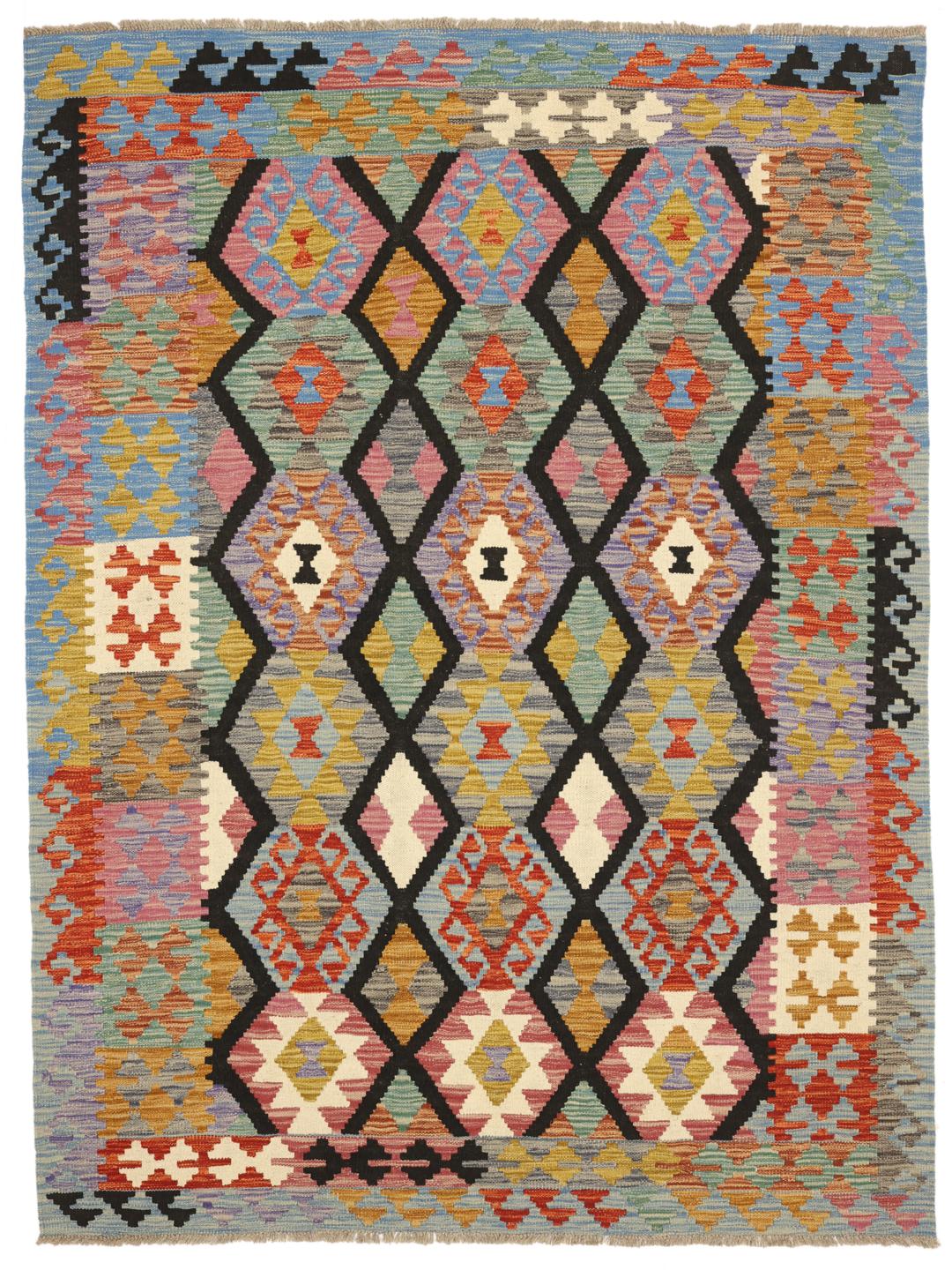
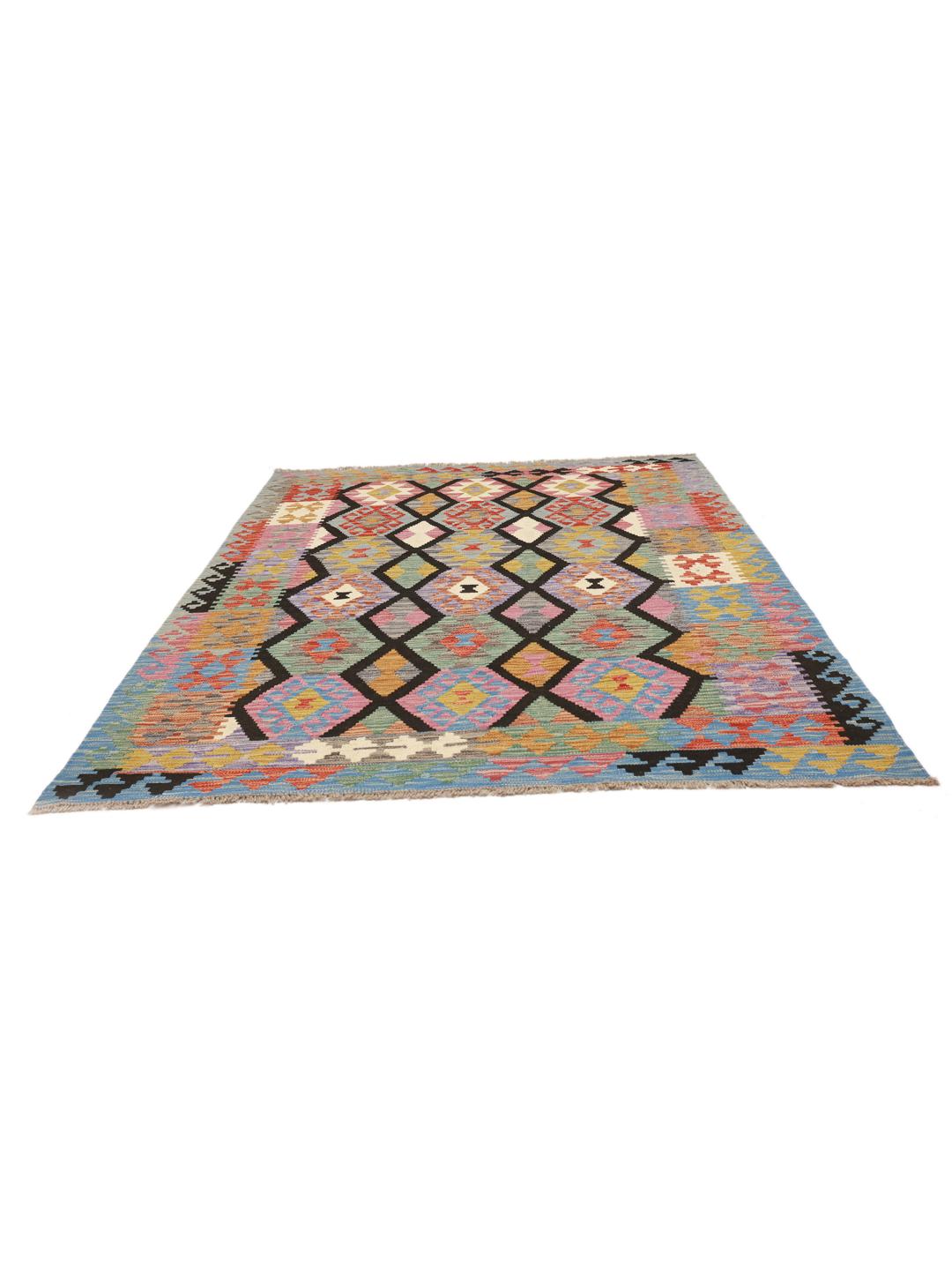
Kelim rugs have long been a cornerstone of nomadic life across the Middle East and Central Asia. Originally created by tribal weavers for practical purposes such as floor coverings, tent partitions, and storage bags, these rugs were designed to be durable, portable, and reflective of the weaver's personal and cultural identity.
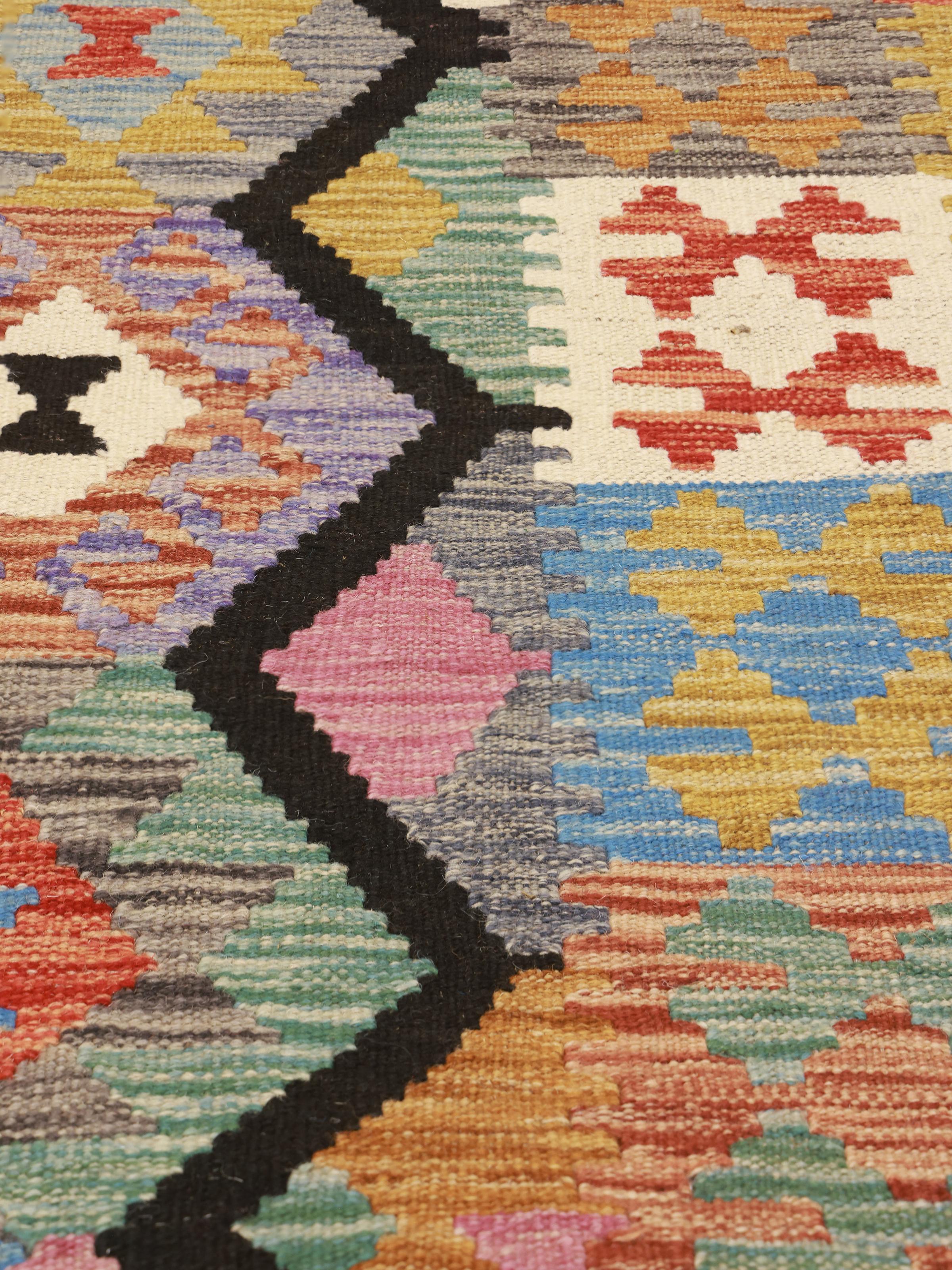
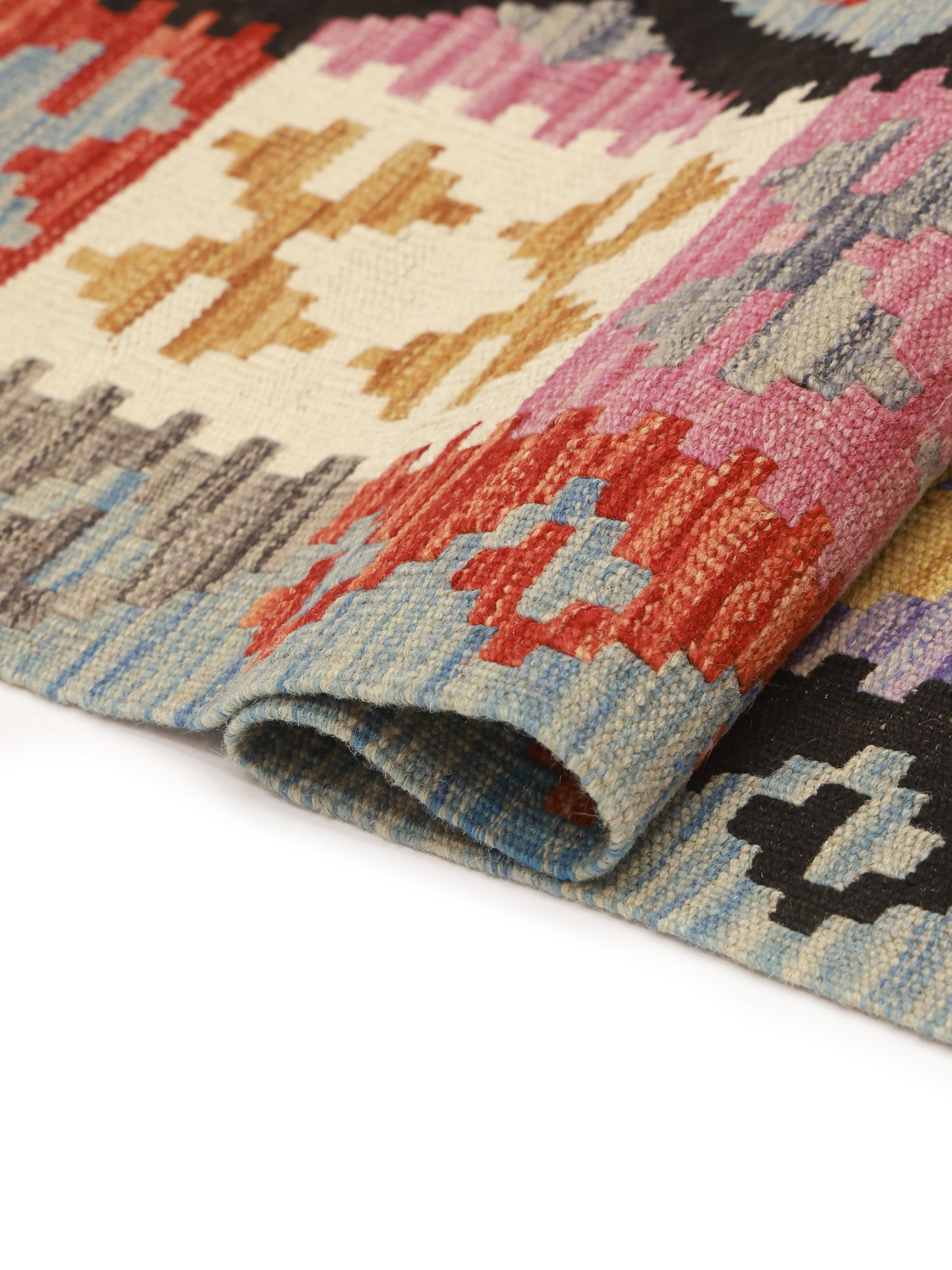
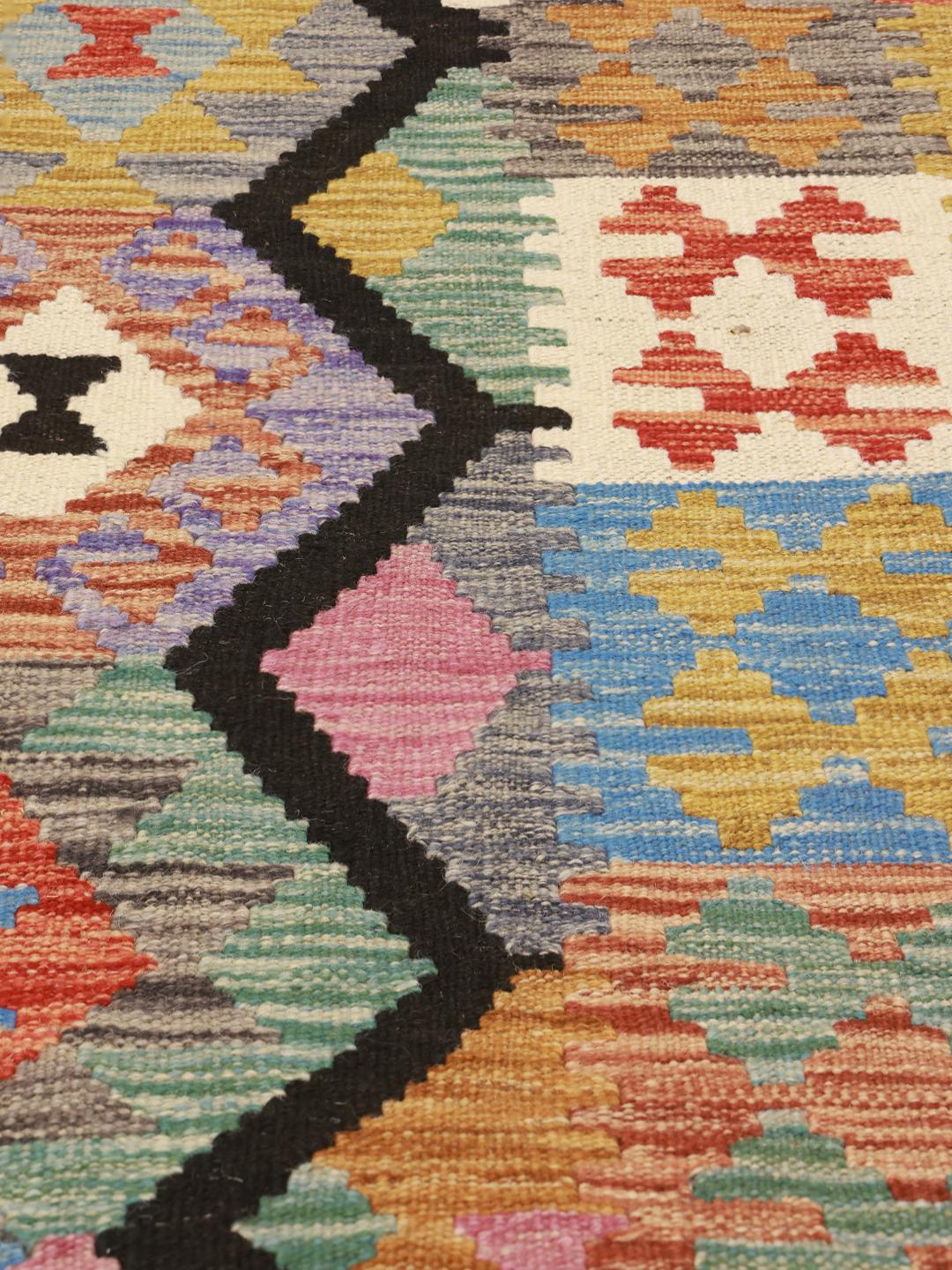
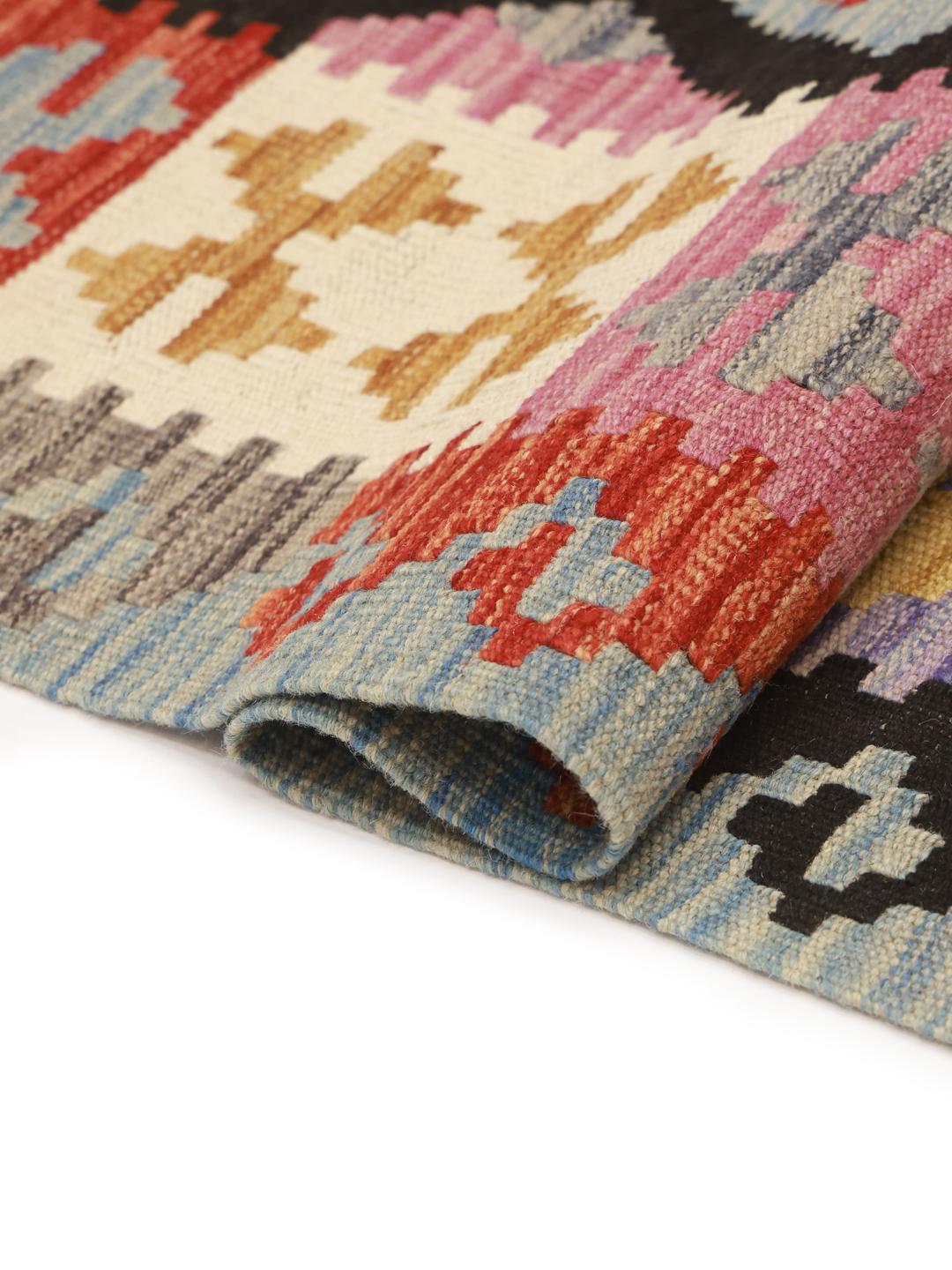
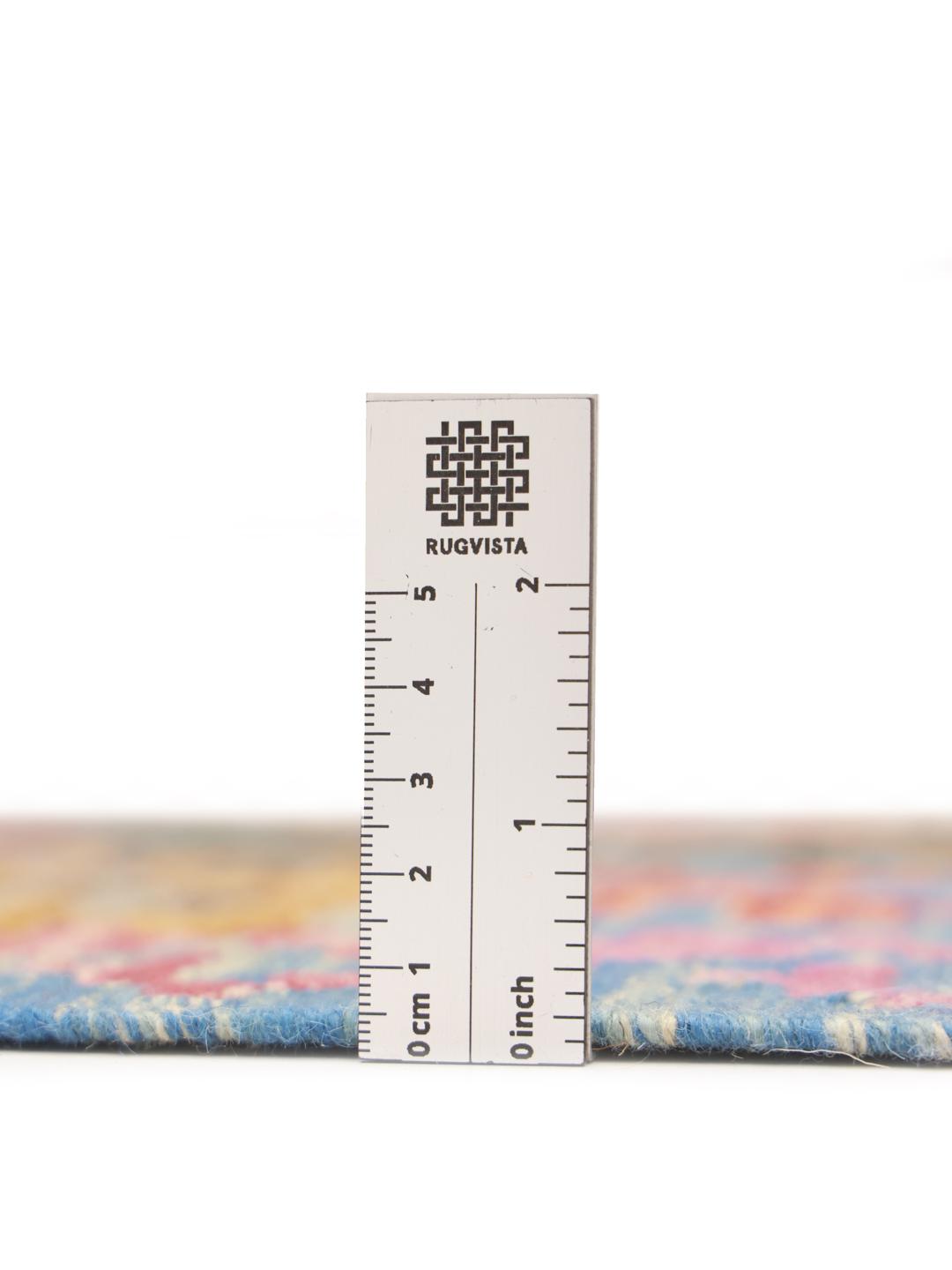
The term Kelim refers to a specific flat-weaving technique where the weft threads are passed back and forth through the warp to create the pattern, leaving no pile. This method is highly prized for its ability to produce sharp, graphic designs and a lightweight, reversible fabric that is remarkably resilient despite its thin profile.
Design traditions in this region are often characterised by geometric motifs, with diamonds, triangles, and stylized floral elements appearing frequently. These patterns often serve as a visual language, with specific shapes and colour palettes acting as markers for the tribe or family that produced them, creating a rich tapestry of regional storytelling.
Today, these rugs are highly sought after by collectors who value the preservation of ancestral skills. Owning a Kelim is an investment in a living tradition, representing a bridge between the ancient, nomadic roots of Central Asian craft and the modern home, where its enduring quality and bold aesthetic continue to resonate.