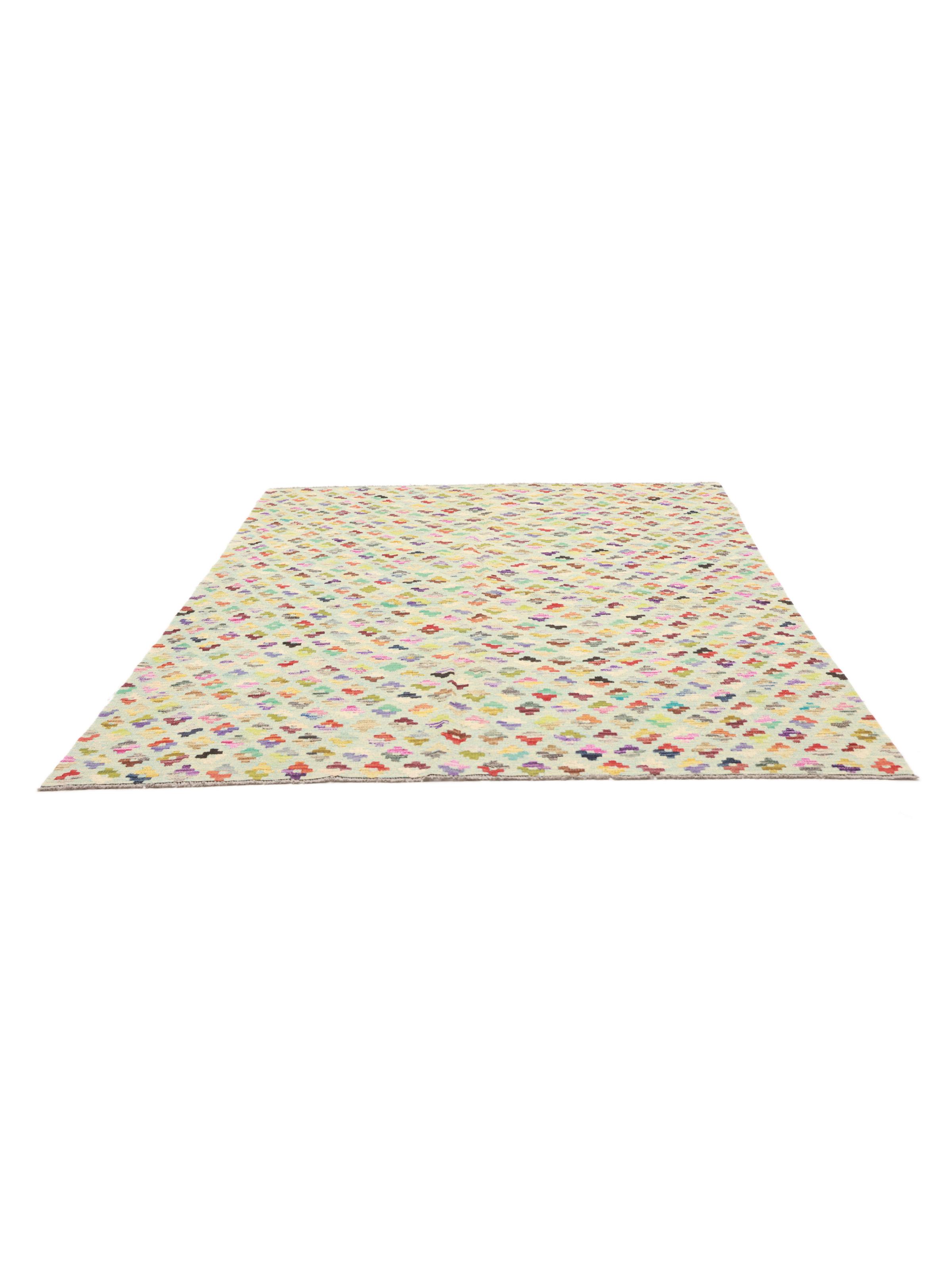
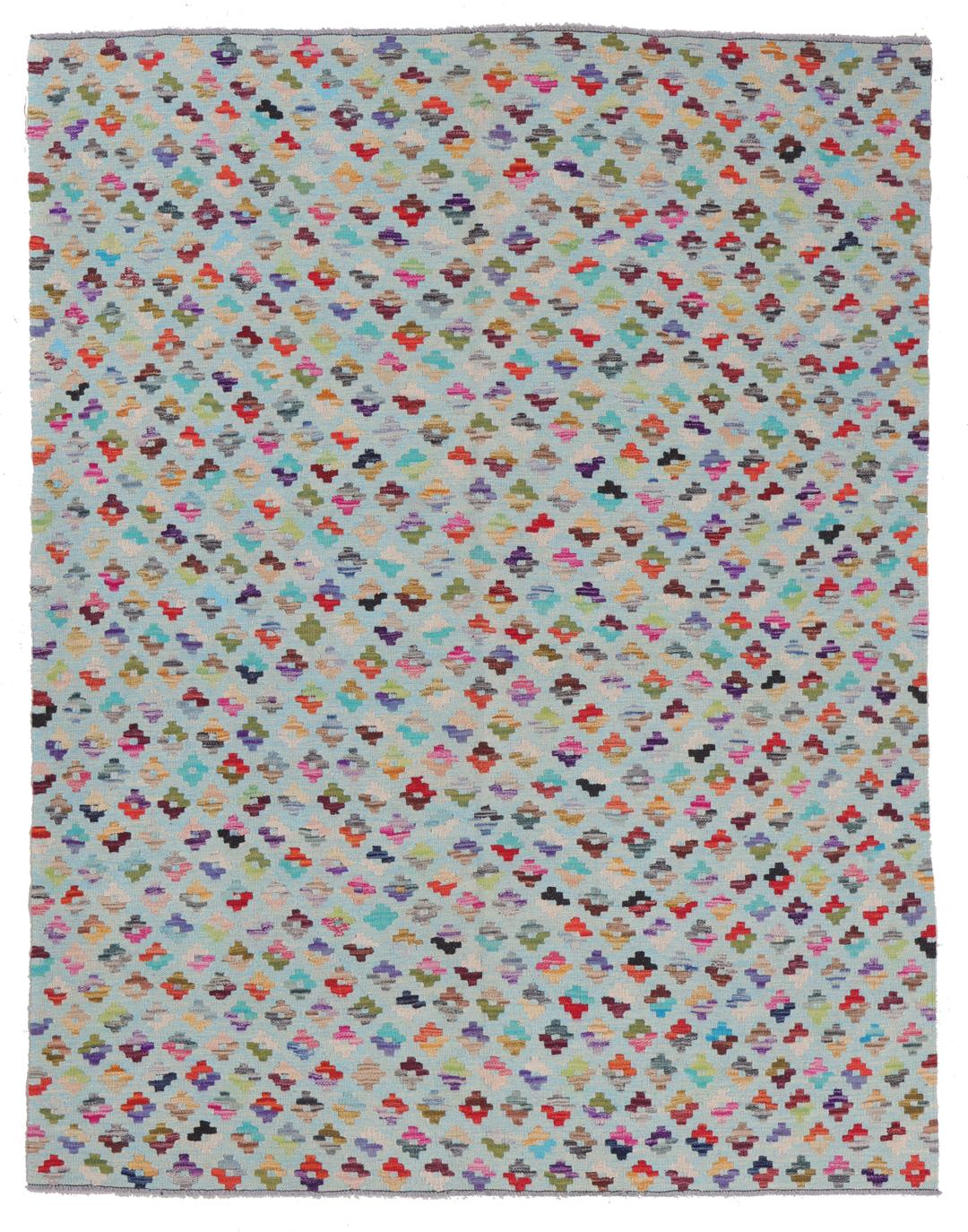
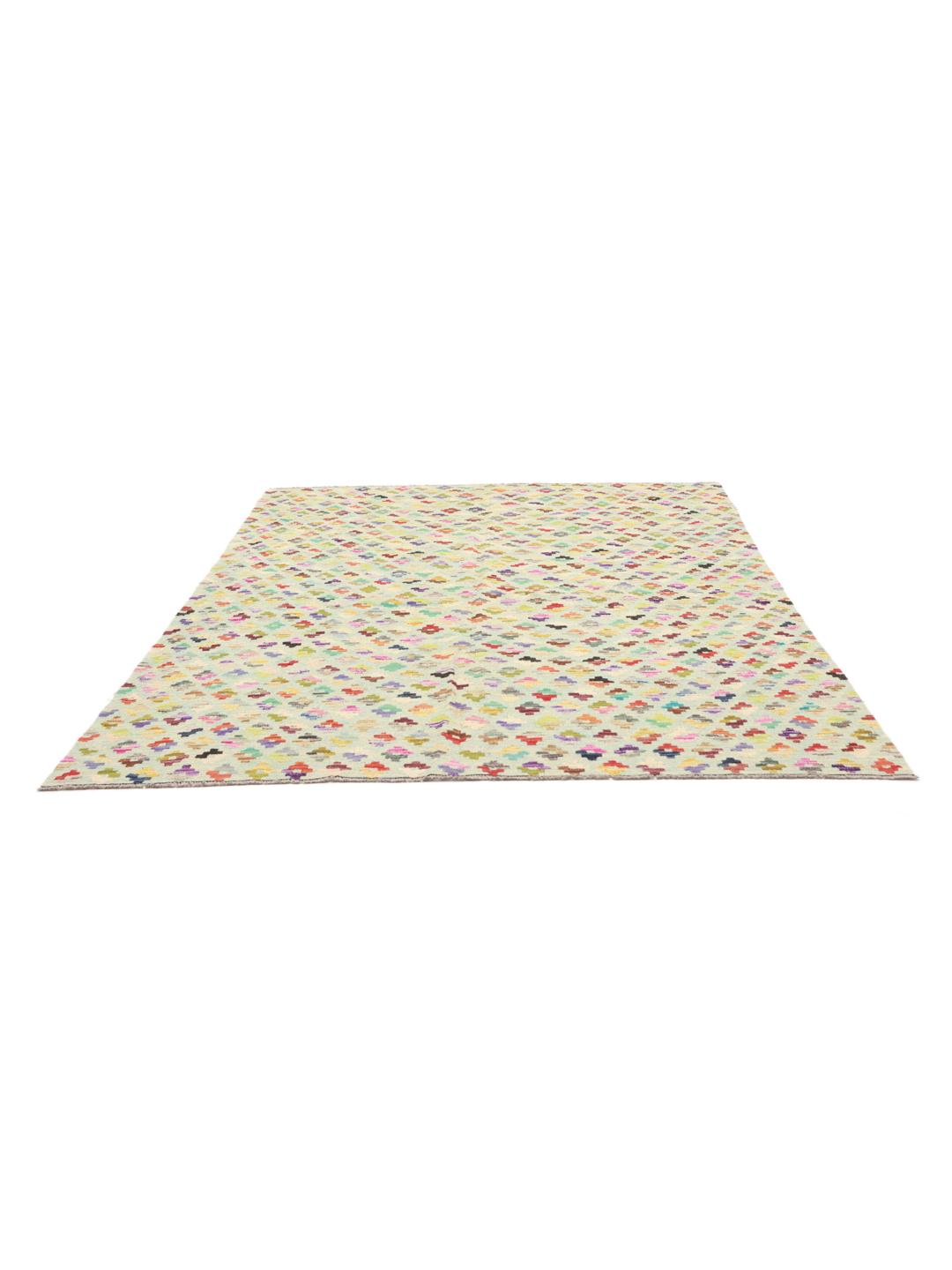
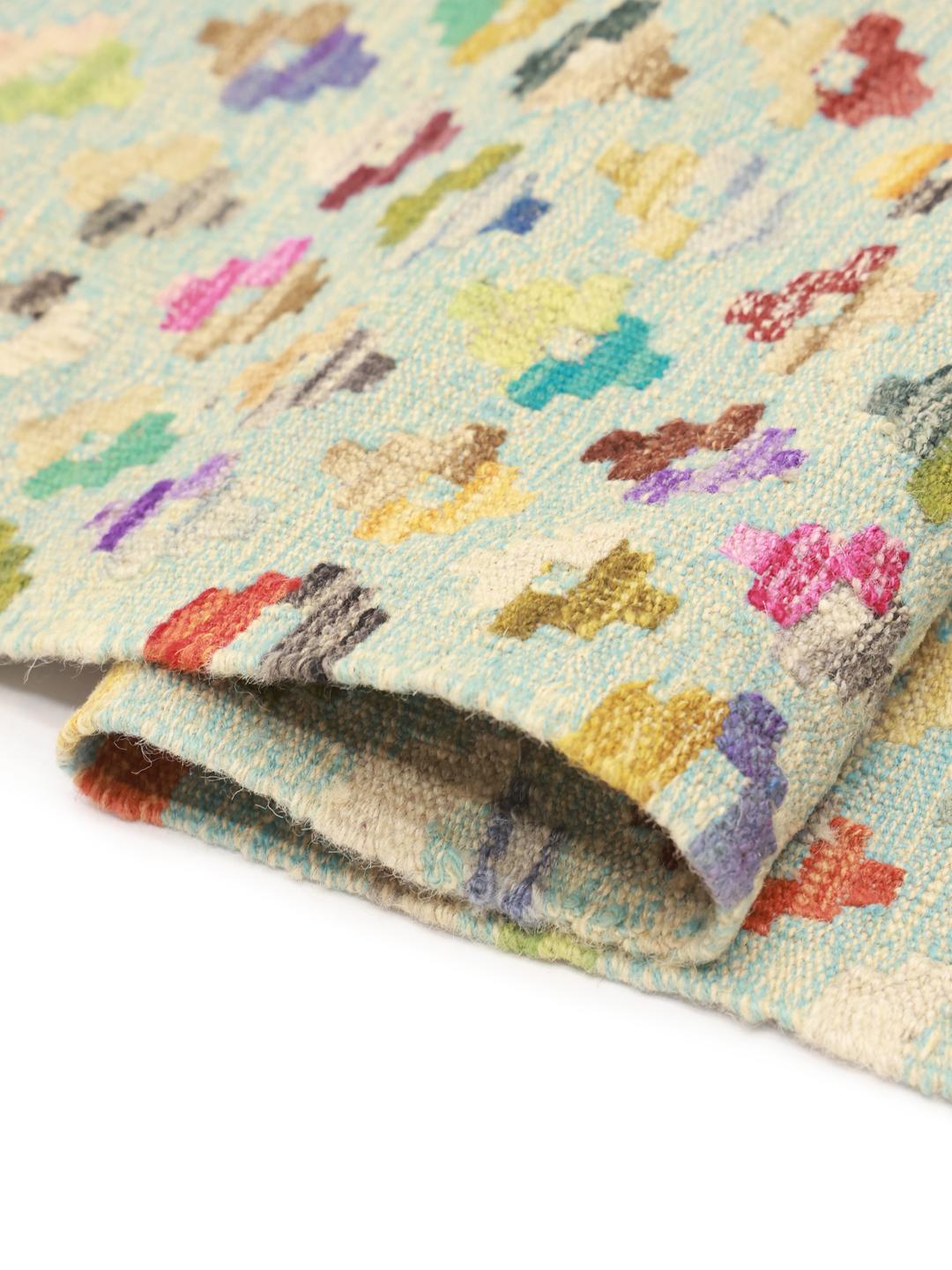
Kelim rugs have long been a cornerstone of nomadic life across the Middle East and Central Asia, serving as both utilitarian floor coverings and decorative expressions of tribal identity. Traditionally woven by nomadic tribes, these rugs were designed to be portable and durable, often serving multiple functions in a tent setting, from floor protection to saddlebags and wall hangings.
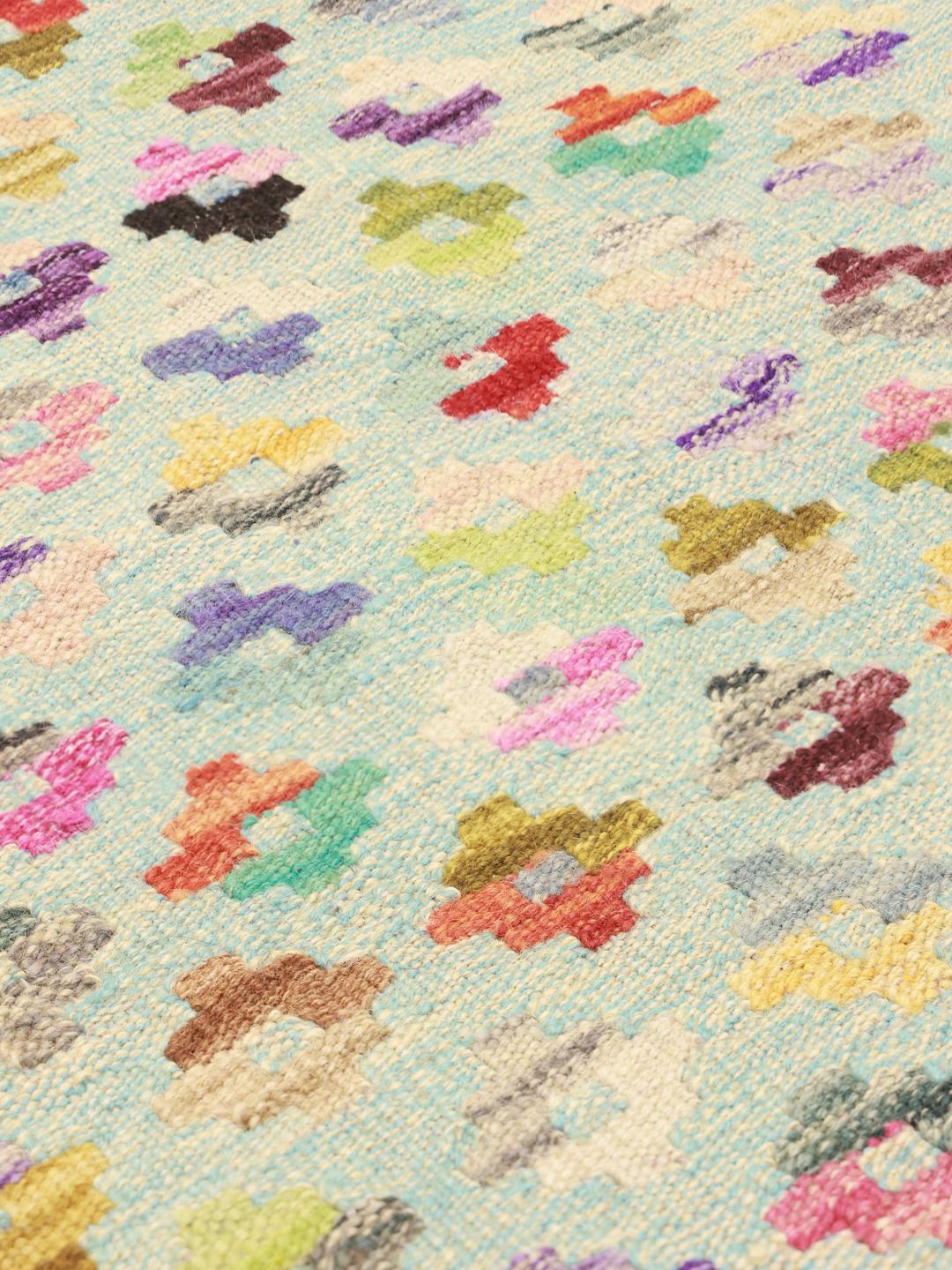
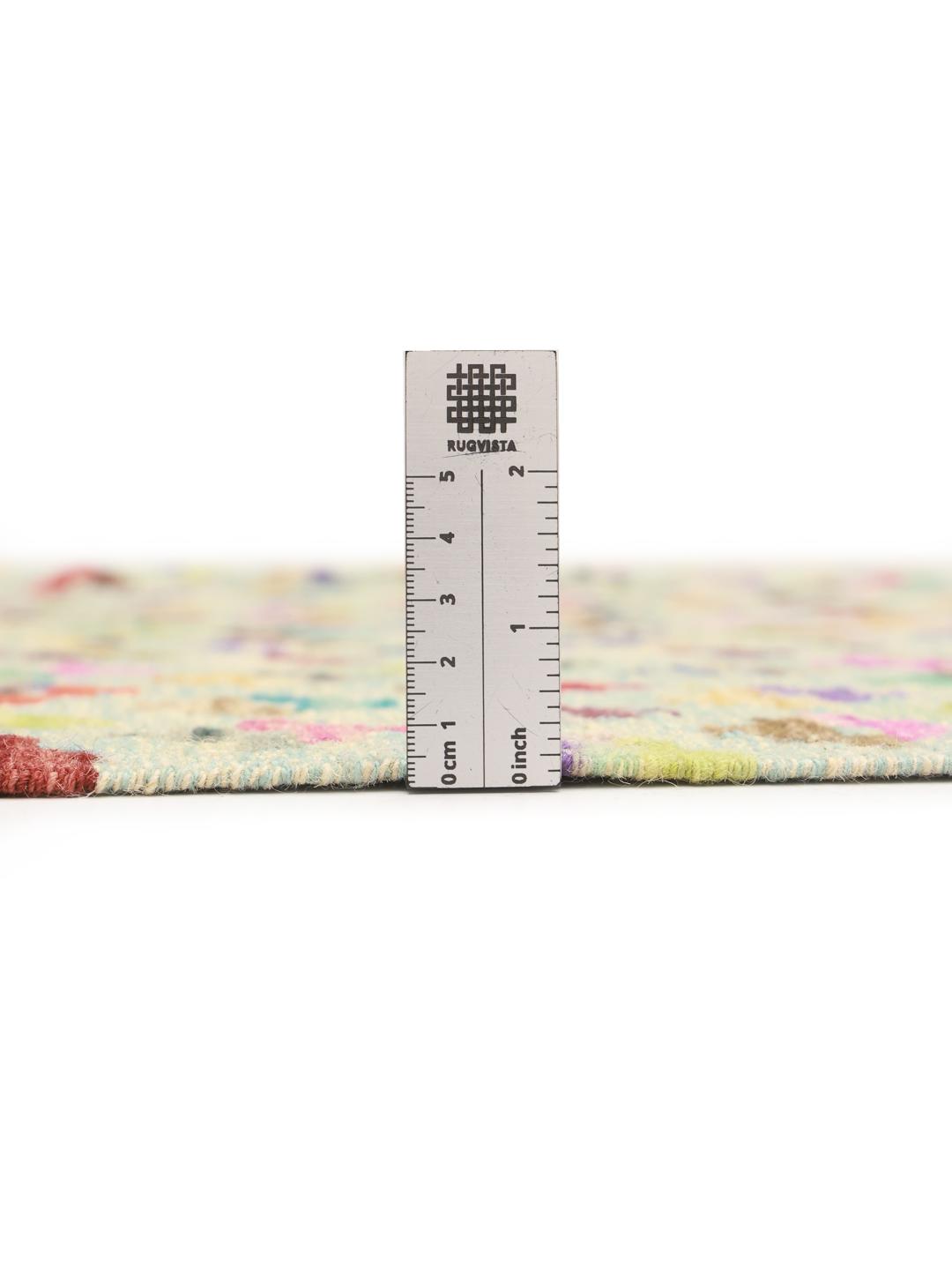
The term 'Kelim' refers specifically to the flat-weaving technique where the warp and weft threads are interlocked to create the pattern. This method does not involve a knotted pile, which results in a thinner, more lightweight rug that is reversible and highly versatile. The absence of pile allows the geometric patterns to appear sharp and crisp, highlighting the precision required by the weaver to manage the tension across the entire frame.
Design-wise, these rugs are defined by their bold geometric shapes and symbolic motifs. While traditional patterns often hold deep cultural significance, representing everything from protection to prosperity, the modern Afghan Kelim often incorporates a playful, vibrant use of colour that contrasts with the more earthy tones of the past. This specific piece showcases how the tradition has evolved to embrace light, airy palettes without losing the structural integrity that defines the category.
Collecting these rugs means preserving a living tradition. They are valued not just for their aesthetic appeal but for the immense skill required to produce them without the aid of modern machinery. Each rug acts as a historical record, reflecting the environment, materials, and artistic sensibilities of the region where it was made.