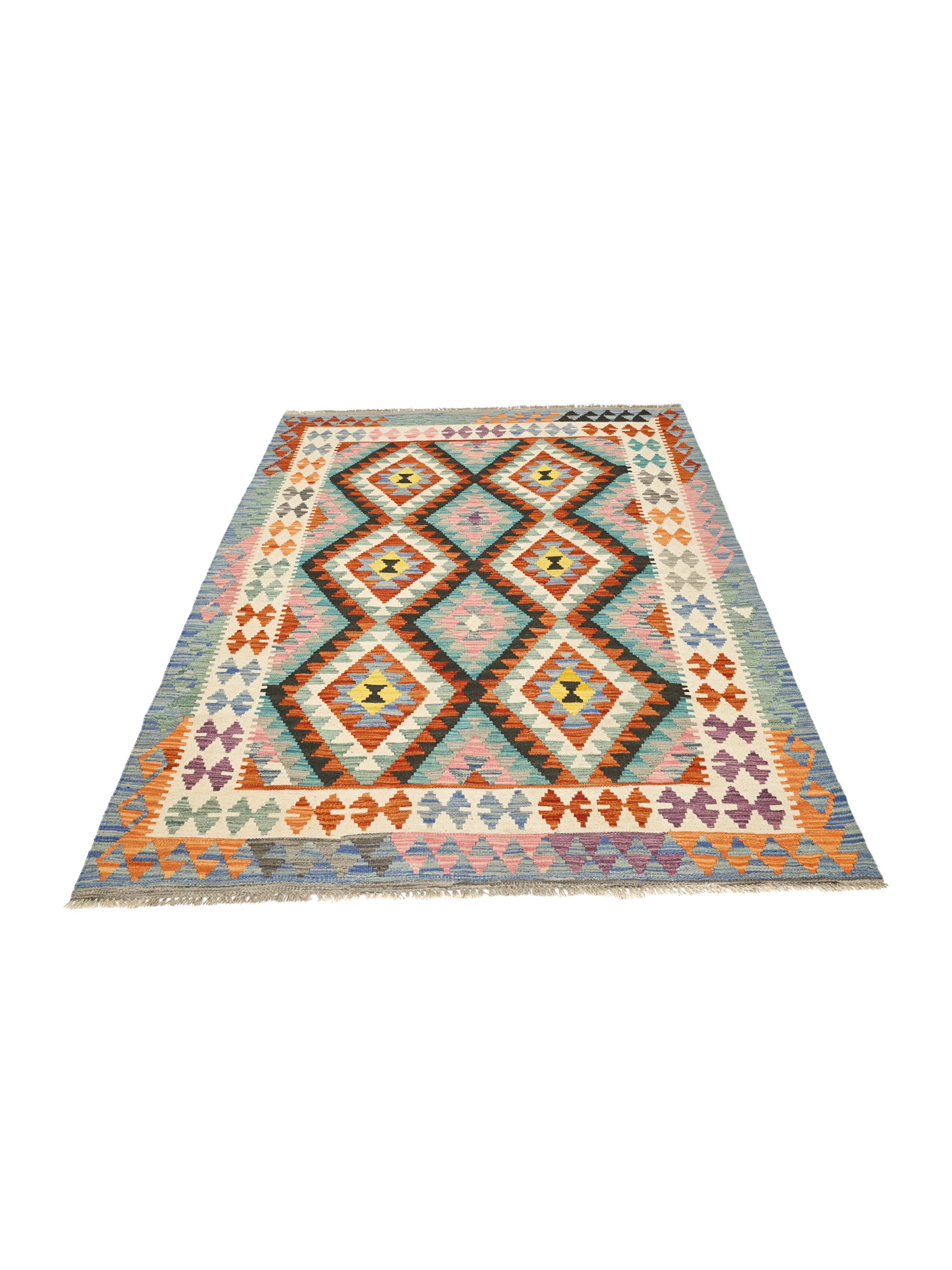
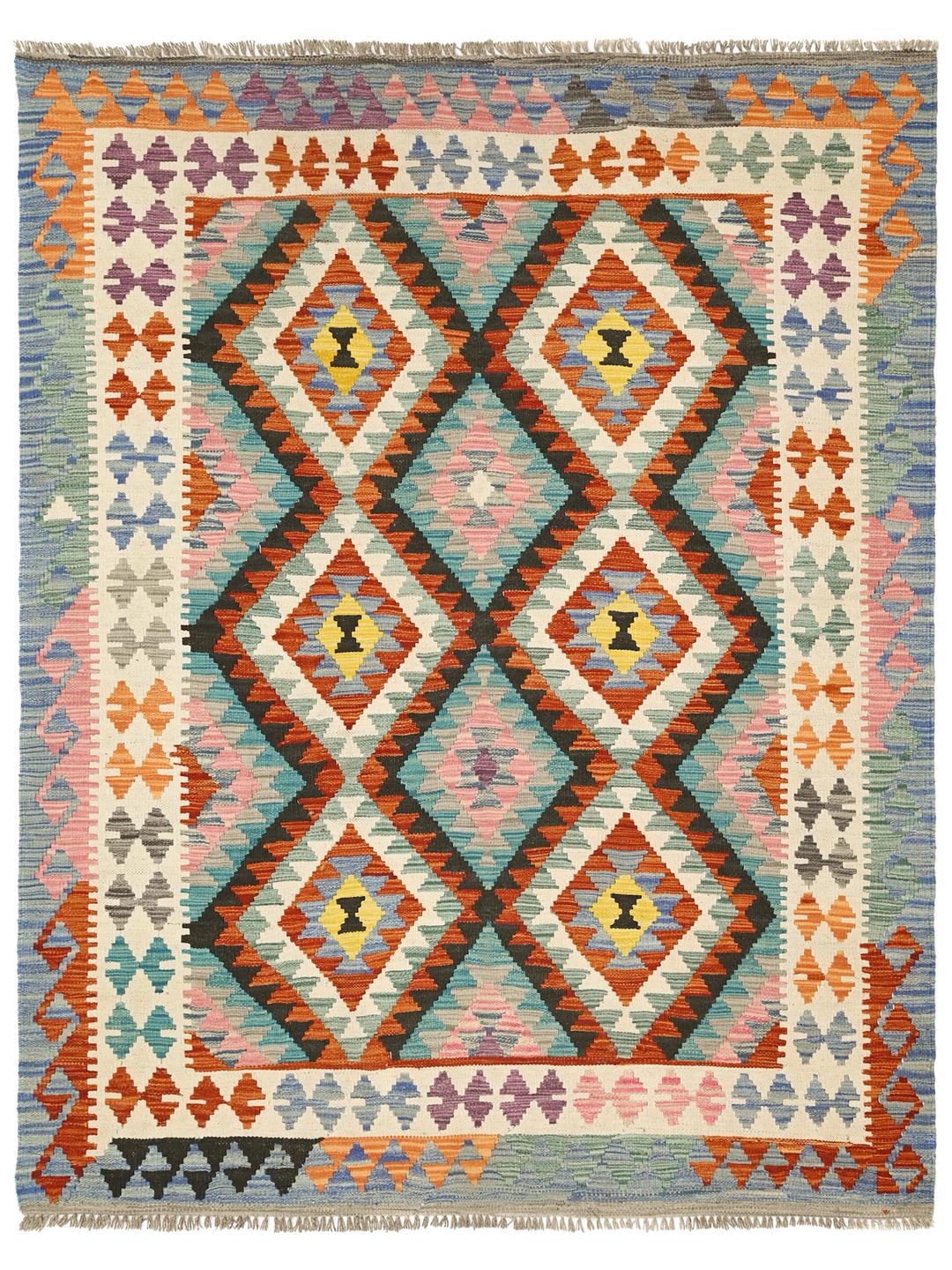
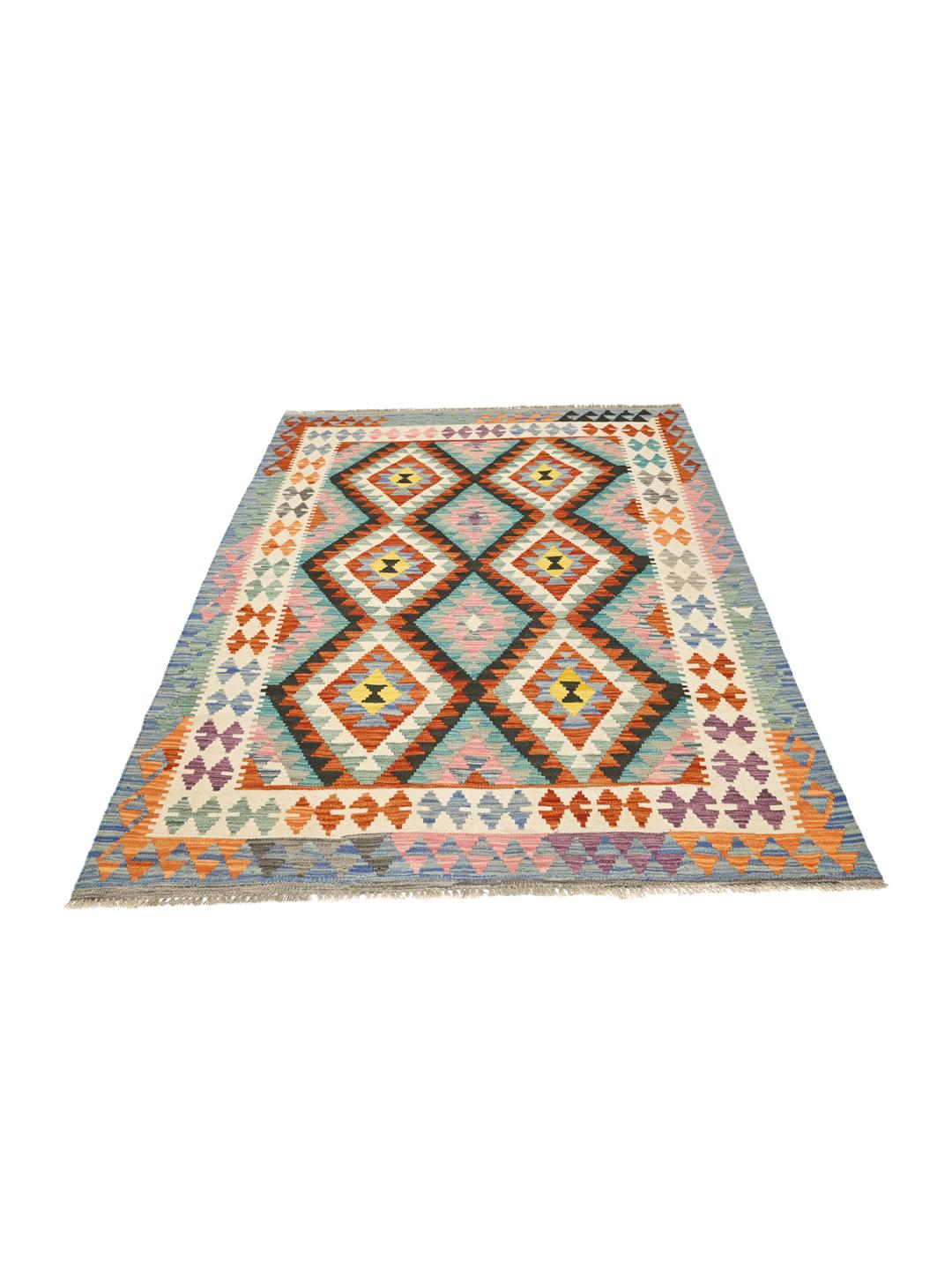
The kelim tradition is deeply rooted in the history of the Middle East, serving as a functional and artistic staple for nomadic and village communities for centuries. These flat-woven rugs were historically designed to be portable, durable, and decorative, often featuring patterns that reflected the weaver's environment and tribal identity.
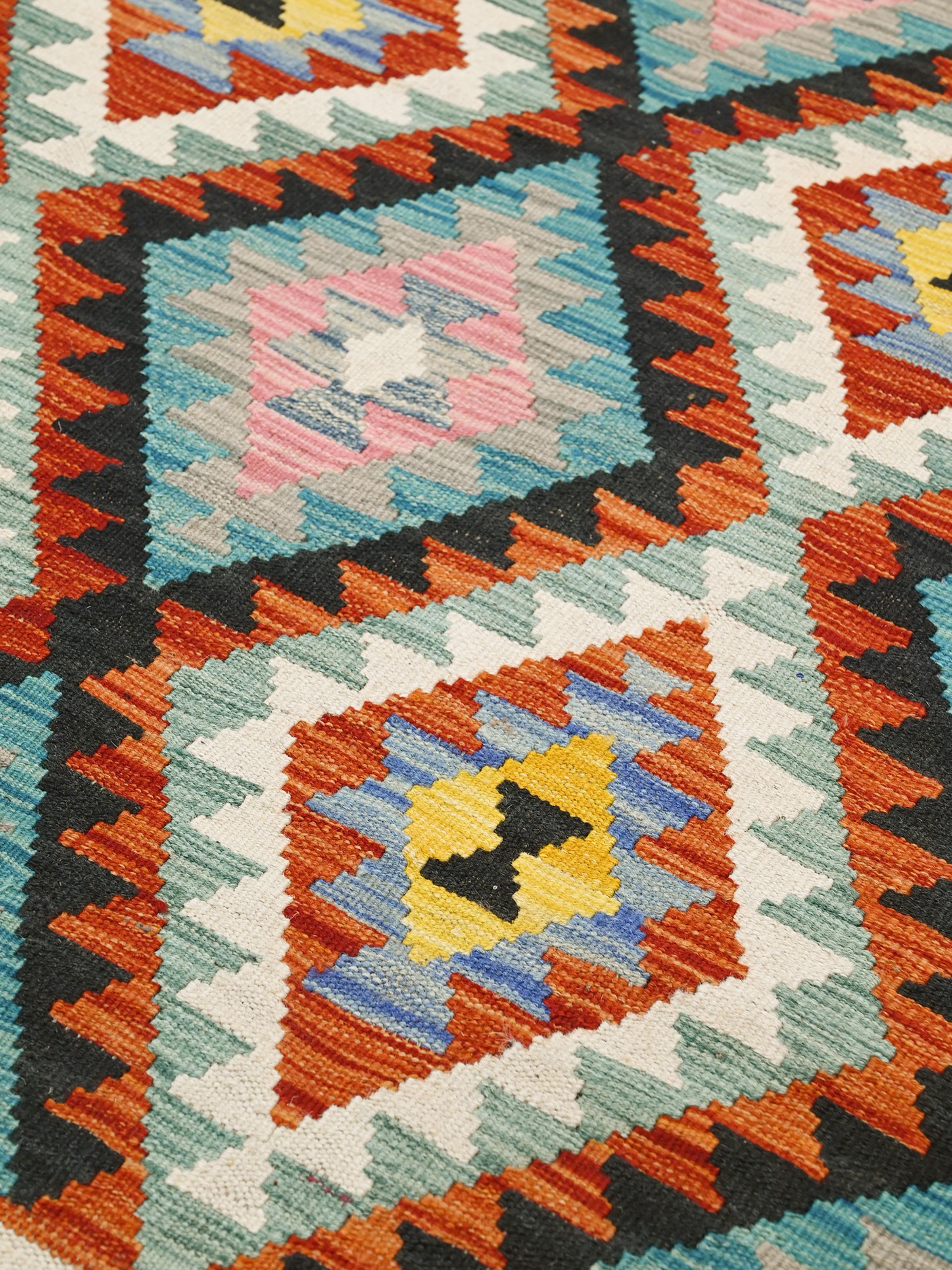
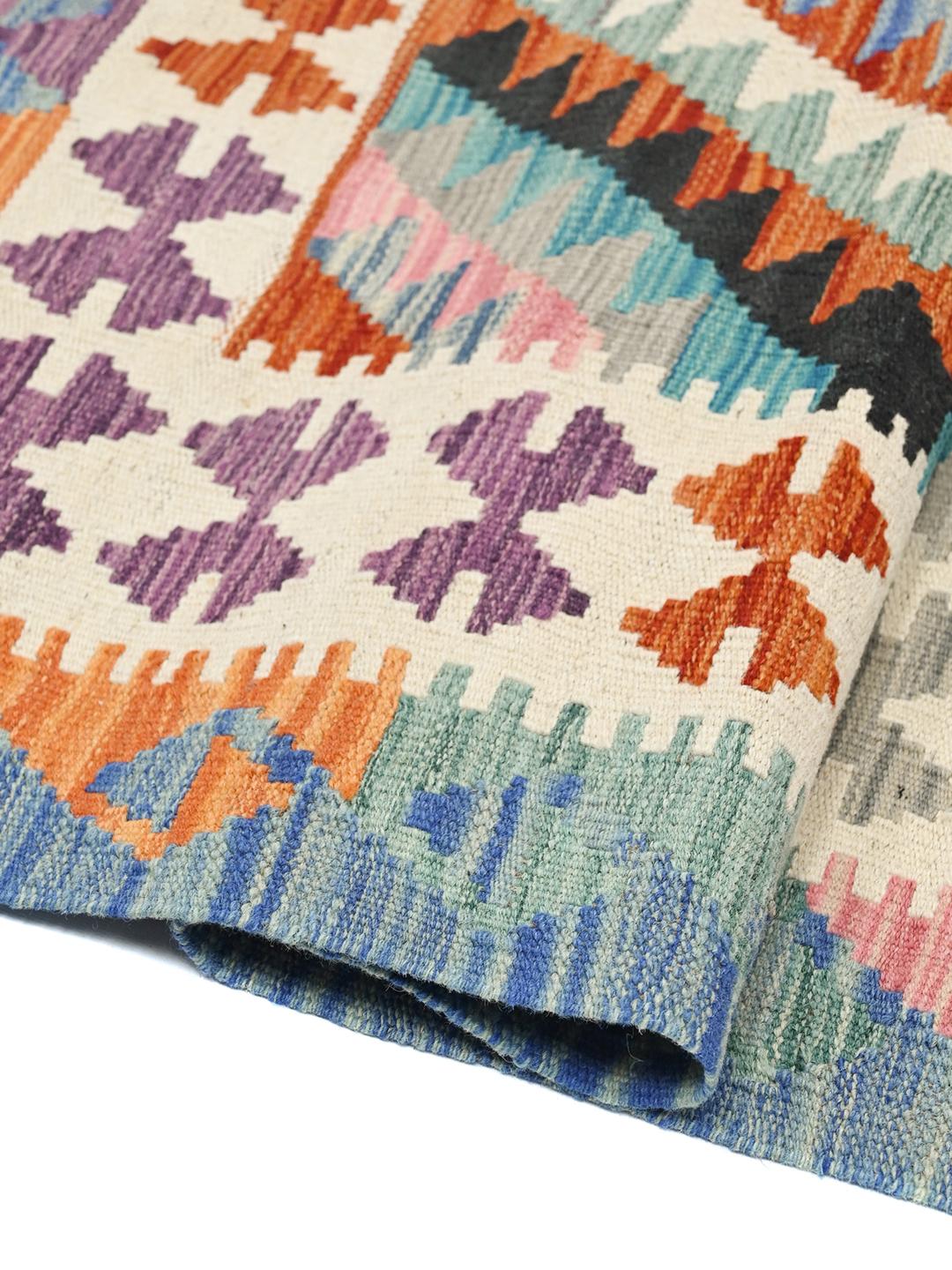
The term 'kelim' refers to the specific technique of tapestry weaving, where the weft threads are passed back and forth through the warp to create a flat, pileless surface. This method allows for the creation of crisp, sharp geometric shapes that are signature to the tradition, requiring a high degree of technical skill to manage the colour changes without creating gaps in the fabric.
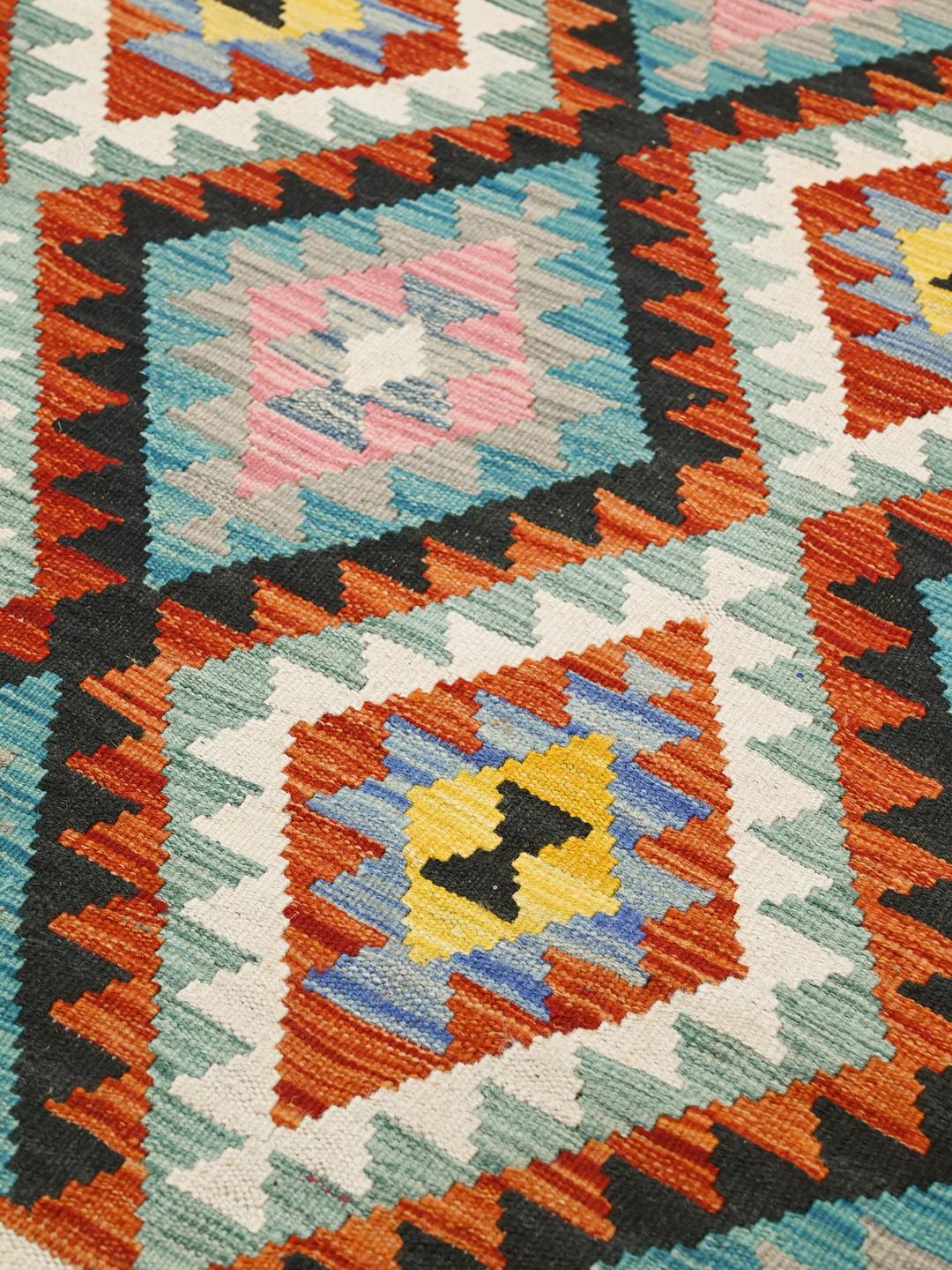
Signature design elements in Afghan kelims often include bold, repeating diamond or medallion motifs, framed by intricate, multi-layered borders. The colour traditions are typically derived from natural dyes, which result in a rich, harmonious aesthetic that feels grounded in the landscape of the region.
These rugs are highly valued by collectors for their cultural significance and the tangible connection they provide to ancient weaving practices. Owning a piece from this tradition is an investment in heritage, representing a level of human dedication and artistry that is increasingly rare in the modern world.