Kelim rugs from the Middle East are rooted in a deep-seated tradition of nomadic and village weaving that has thrived for centuries. These flat-woven textiles were historically created by tribal groups for practical use as floor coverings, wall hangings, and storage bags. The migration of these weaving traditions across the rugged landscapes of the region has allowed for a unique fusion of styles, leading to the sophisticated and bold designs we see today.
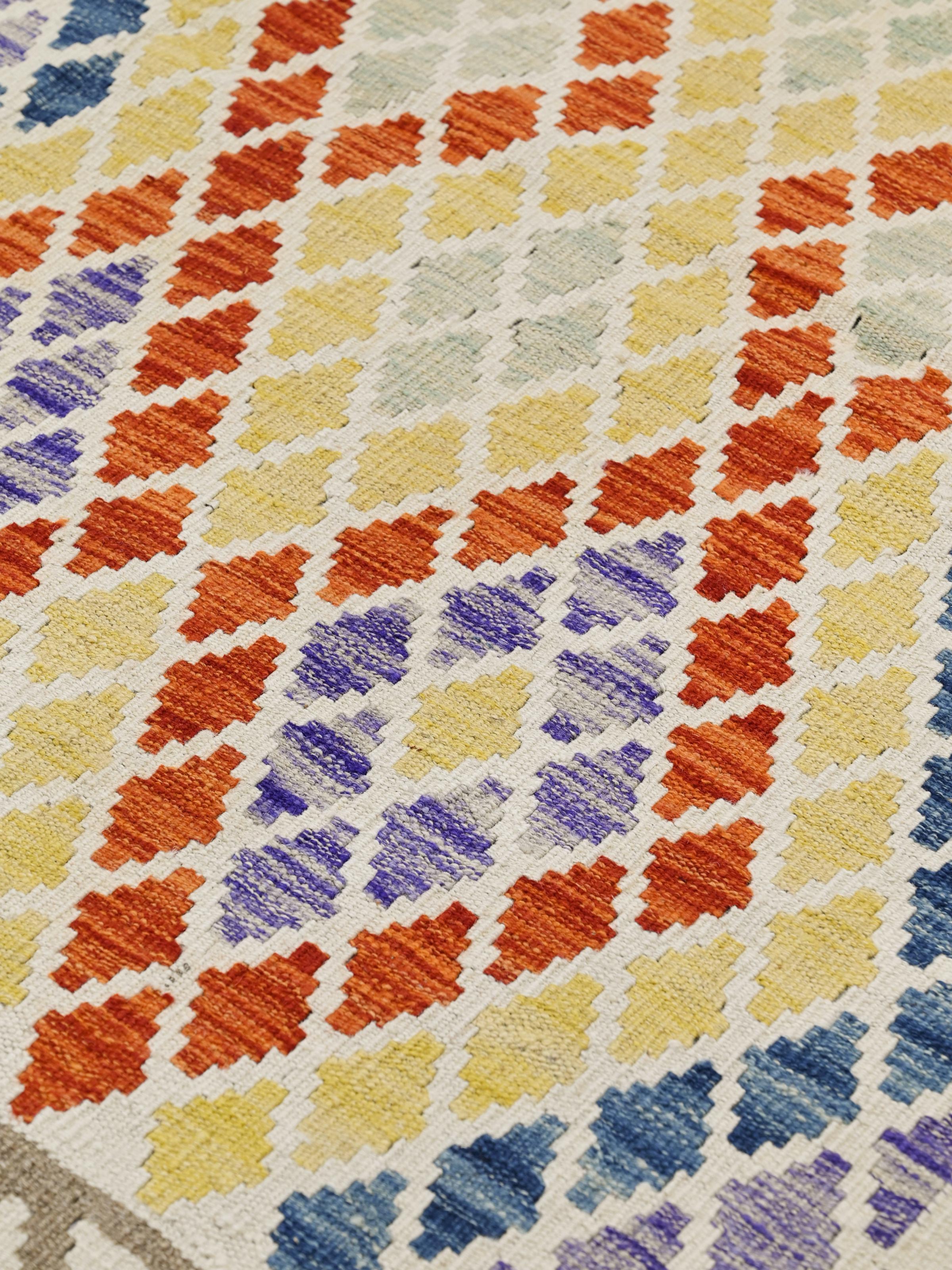
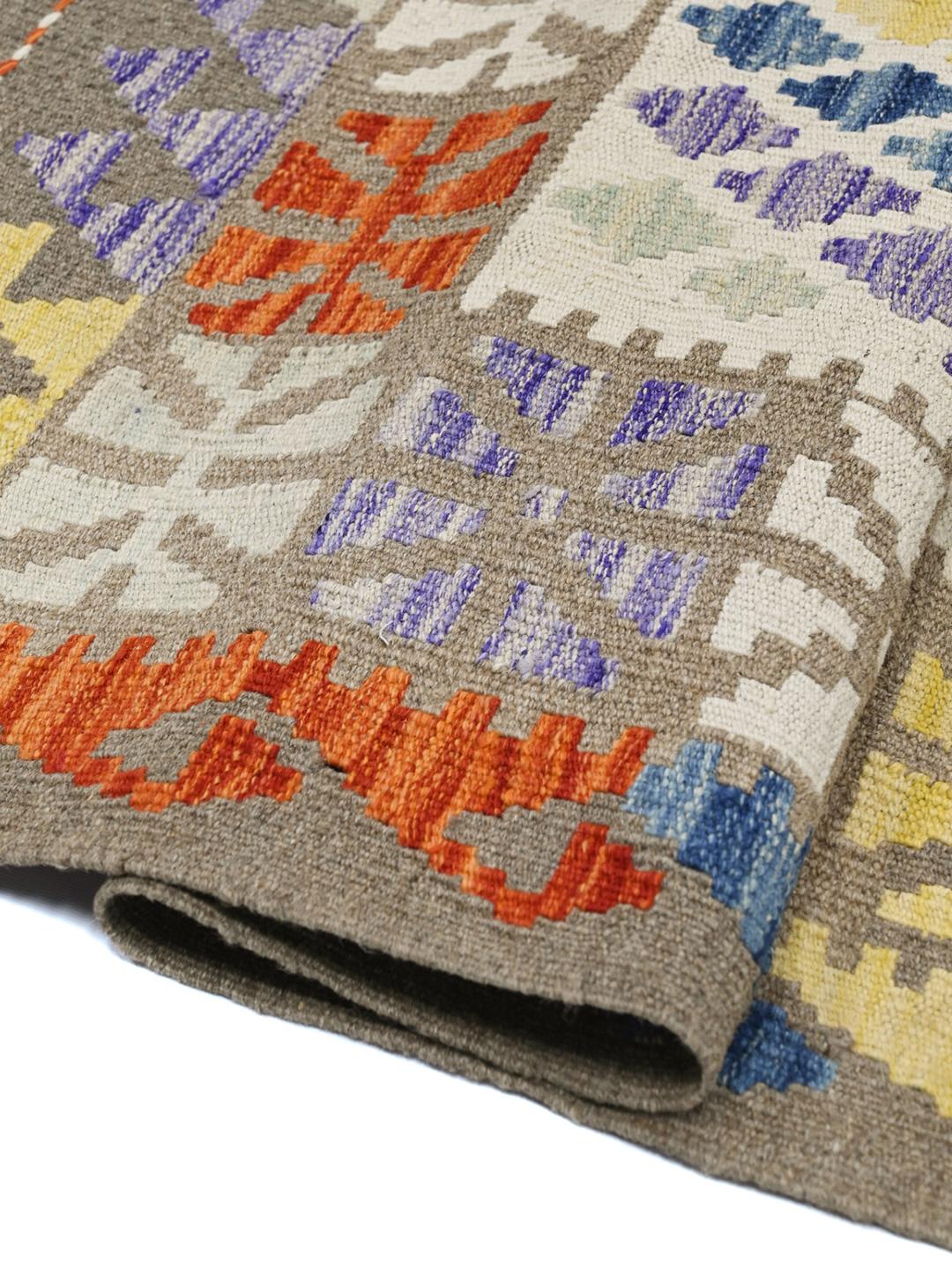
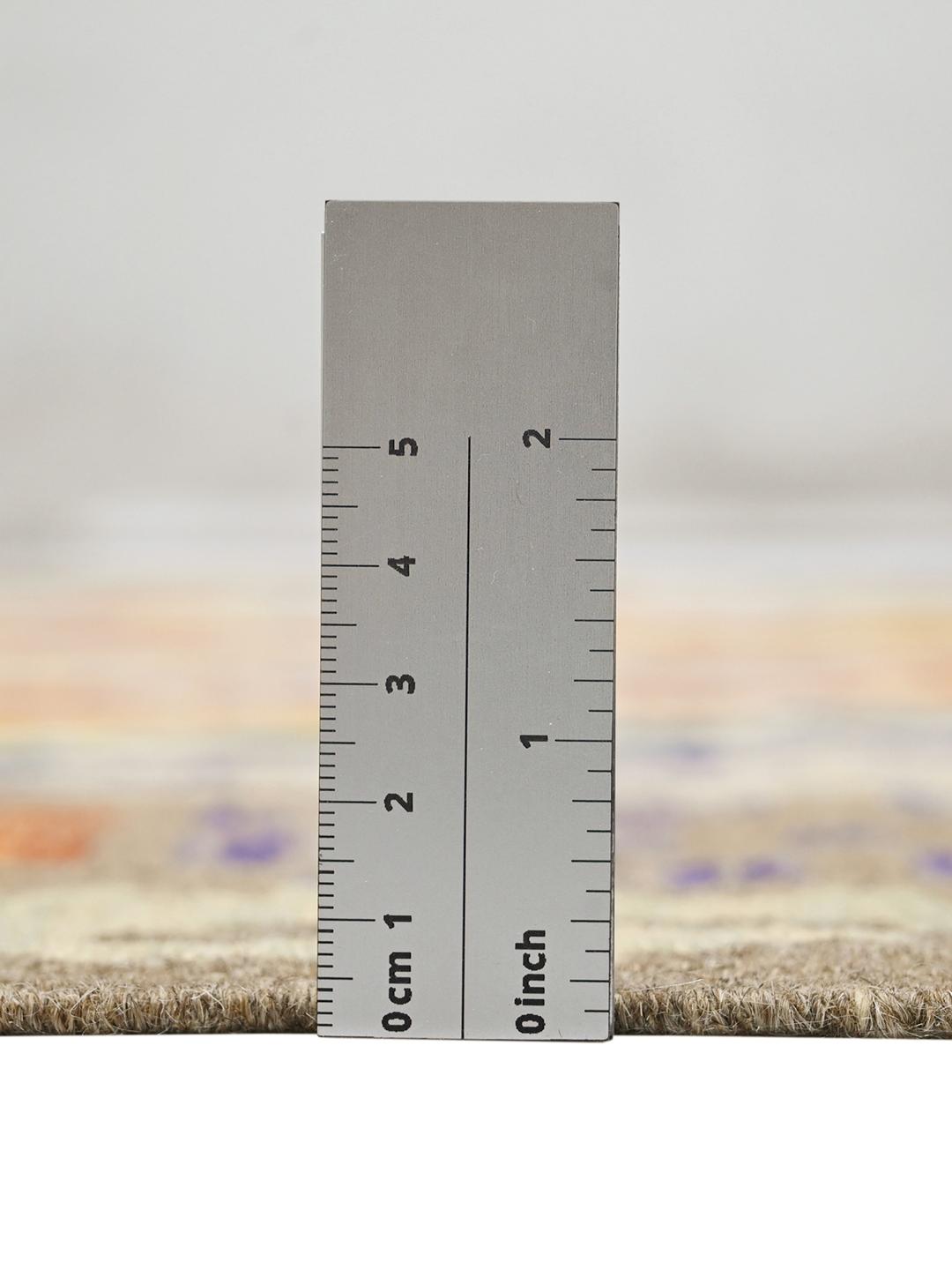
The term 'kilim' refers to the specific flat-weaving technique where the weft strands are pulled tightly to conceal the warp, creating a thin, durable, and reversible fabric without a pile. This method requires immense precision, as the weaver must manage the colour changes and structural integrity simultaneously. The result is a lighter, more versatile rug that is known for its crisp pattern definition and remarkable longevity.
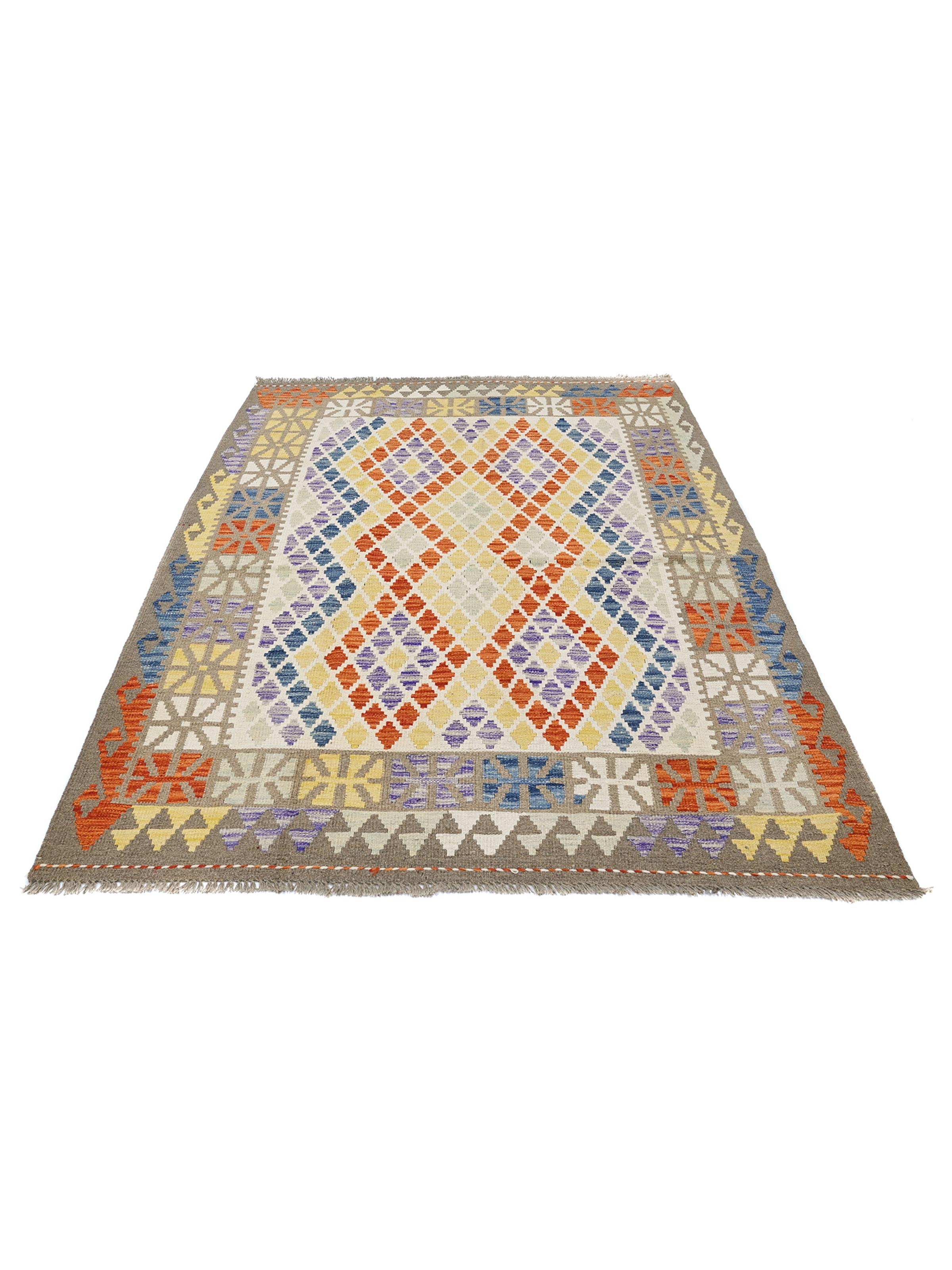
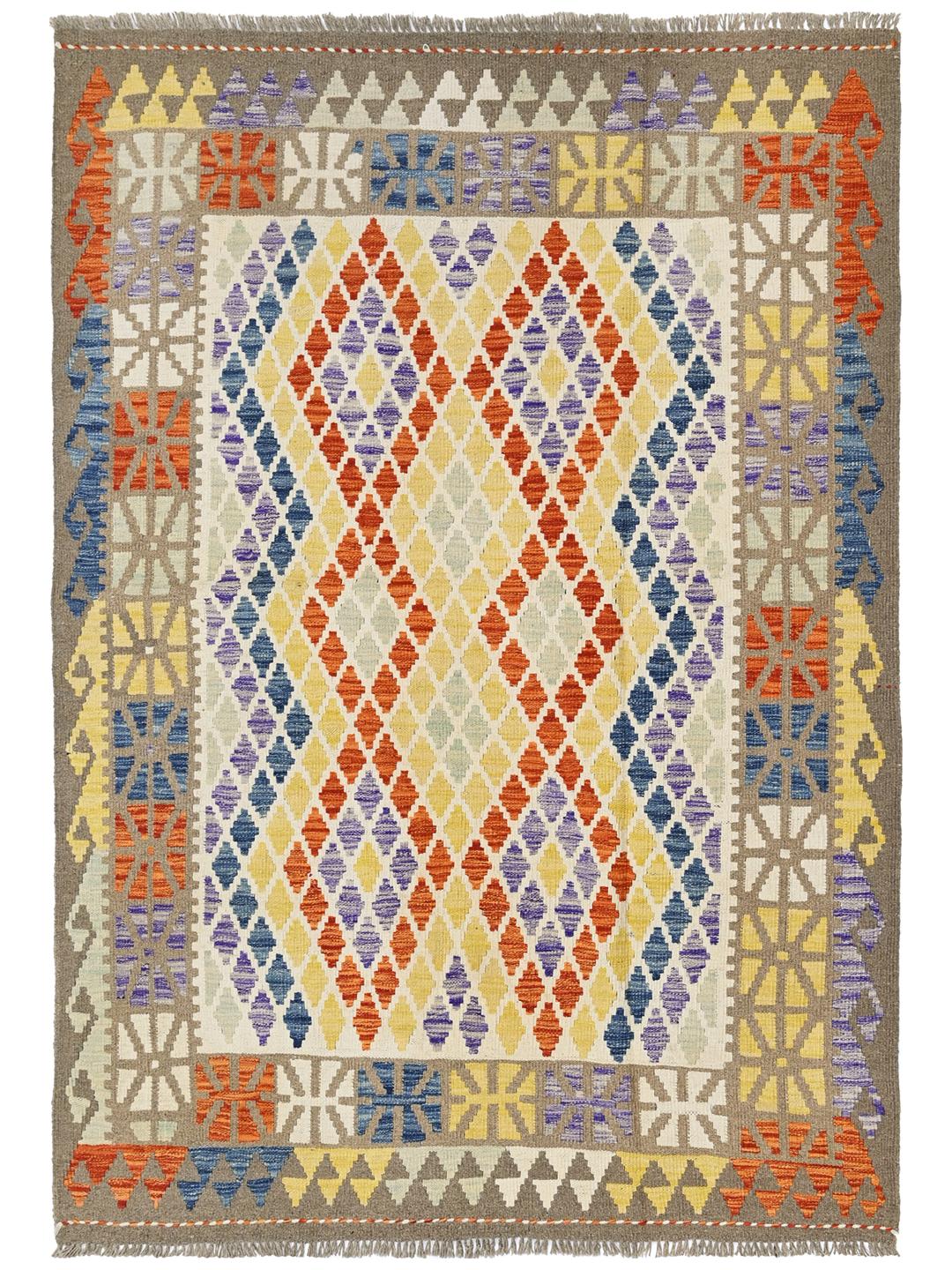
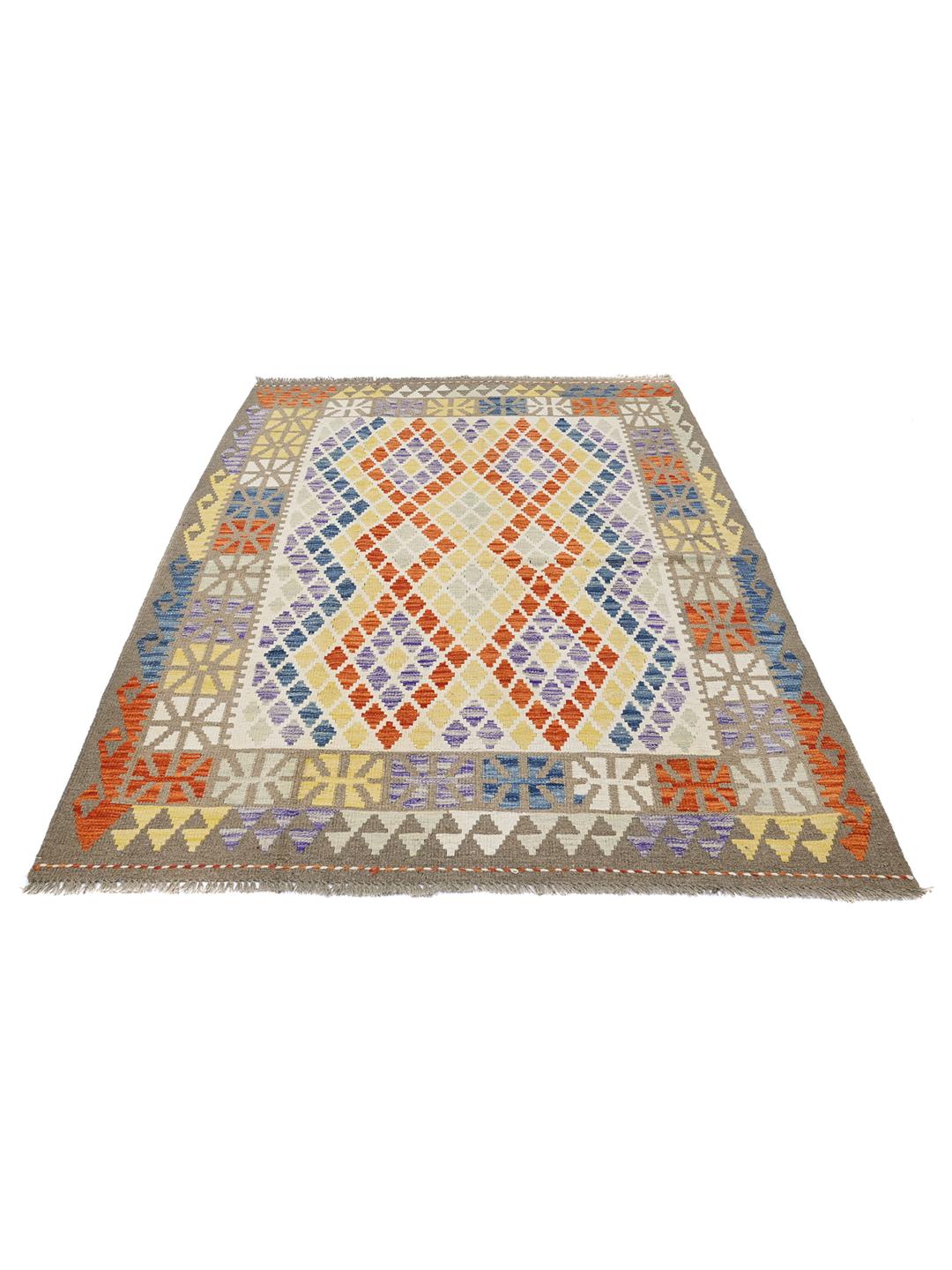
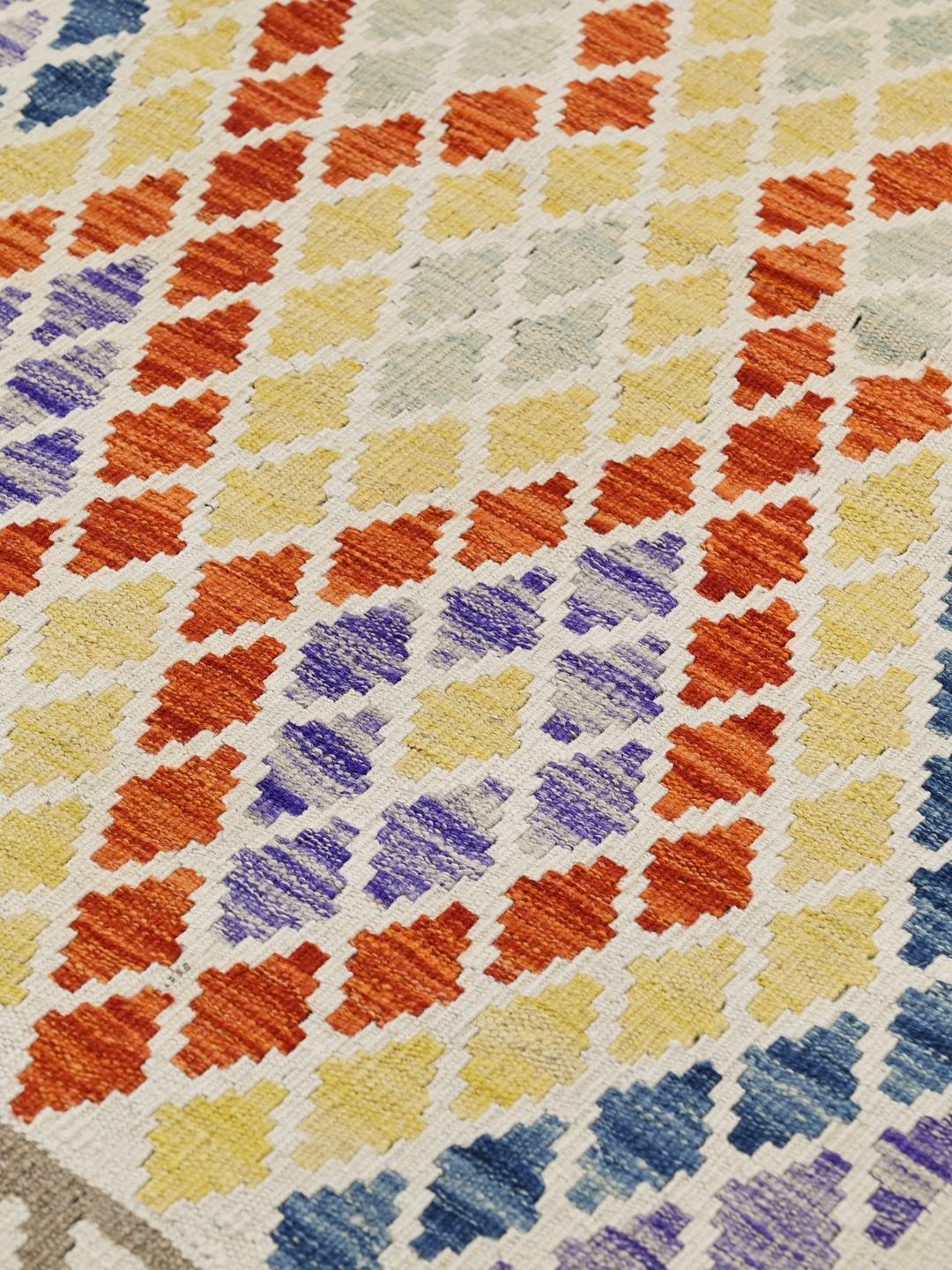
The signature design elements of Middle Eastern kilims often feature geometric motifs, such as the repeating diamonds and angular borders seen here. These symbols often carry cultural significance, representing protection, fertility, or the natural environment of the weaver. The use of vibrant, contrasting colours against a grounded, earthy field is a hallmark of the style, creating a lively yet balanced aesthetic that feels both ancient and contemporary.
Collecting a Middle Eastern kilim is an investment in human heritage and artistic expression. Each piece serves as a record of the weaver's personal interpretation of their cultural lexicon, making them highly valued by those who appreciate authentic craft. By bringing a piece like this into your home, you are not just acquiring a floor covering, but a durable, culturally significant object that celebrates the enduring skill of generations of weavers.