Kelim rugs have long been a cornerstone of nomadic life across the Middle East and Central Asia. Historically, these flat-woven textiles were crafted by tribal groups to serve as practical, portable floor coverings, room dividers, and storage bags. The transition of these rugs from functional utilitarian objects to celebrated interior decor highlights their enduring appeal and artistic depth.
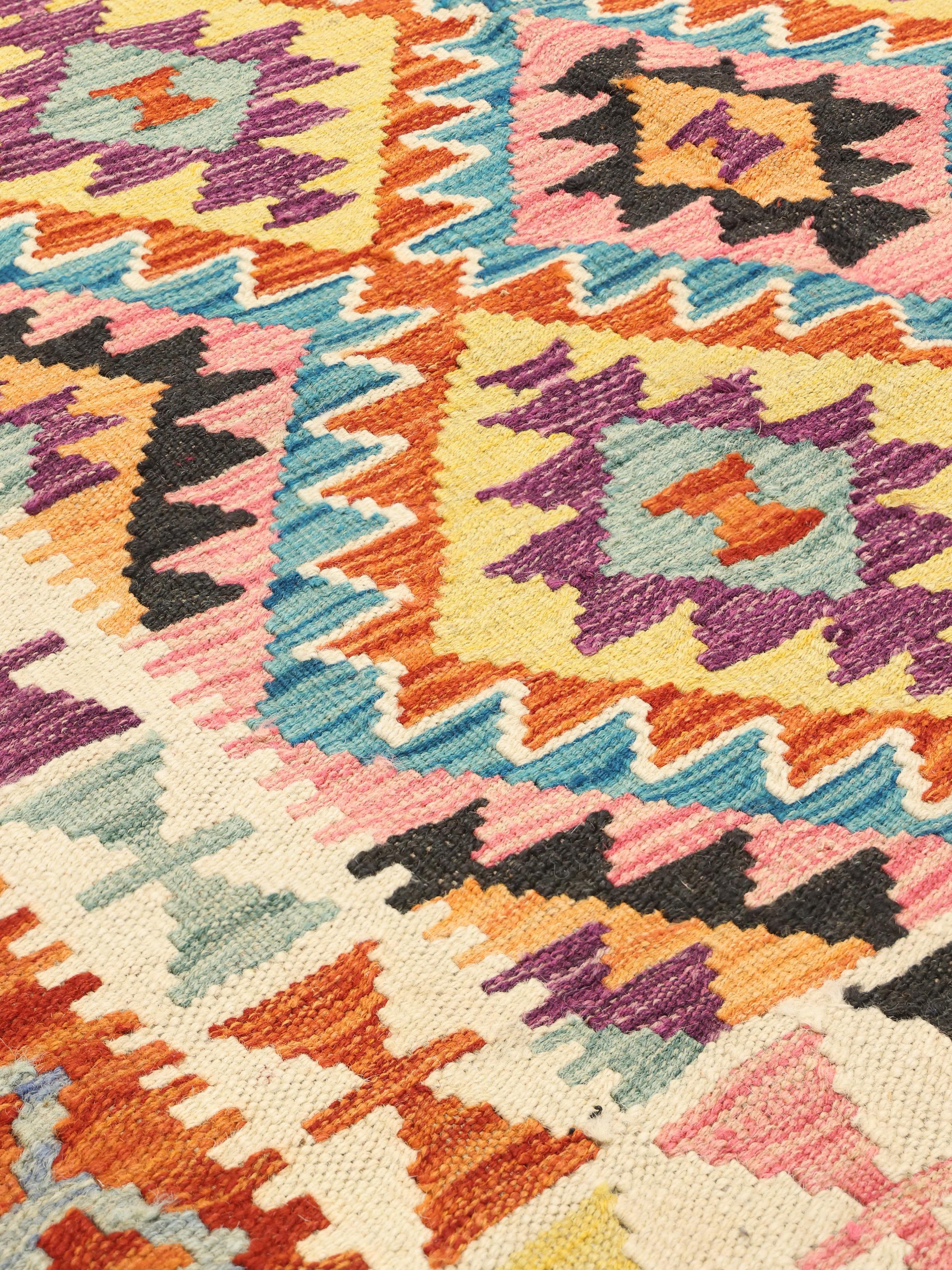
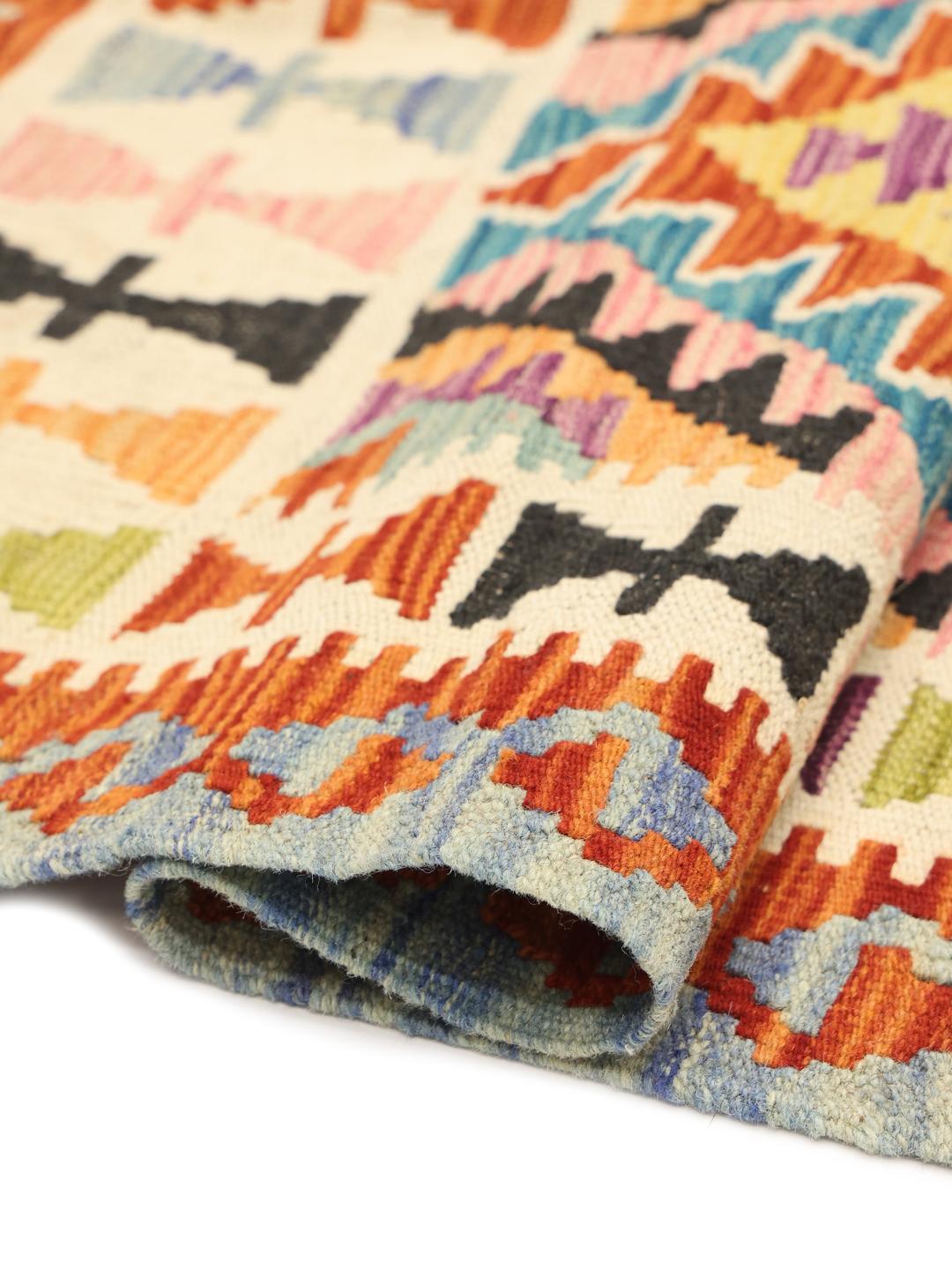
The term Kelim refers to the specific slit-weave technique used in their creation. By interlocking the weft threads around the warp, weavers create a flat, pile-less surface that is highly durable and lightweight. This technique allows for the sharp, geometric lines and crisp colour transitions that define the style, as the absence of pile prevents the blurring of intricate details.
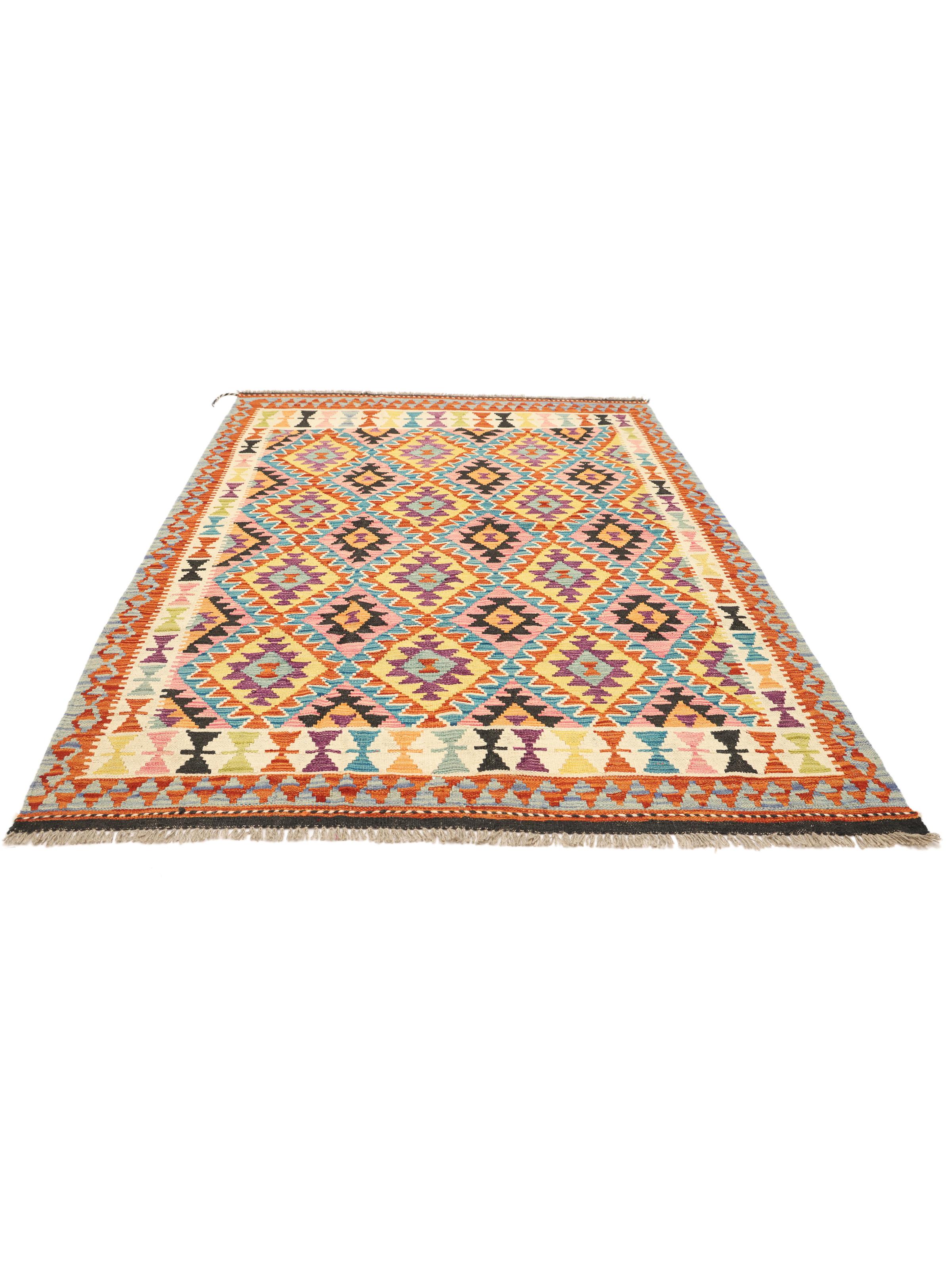
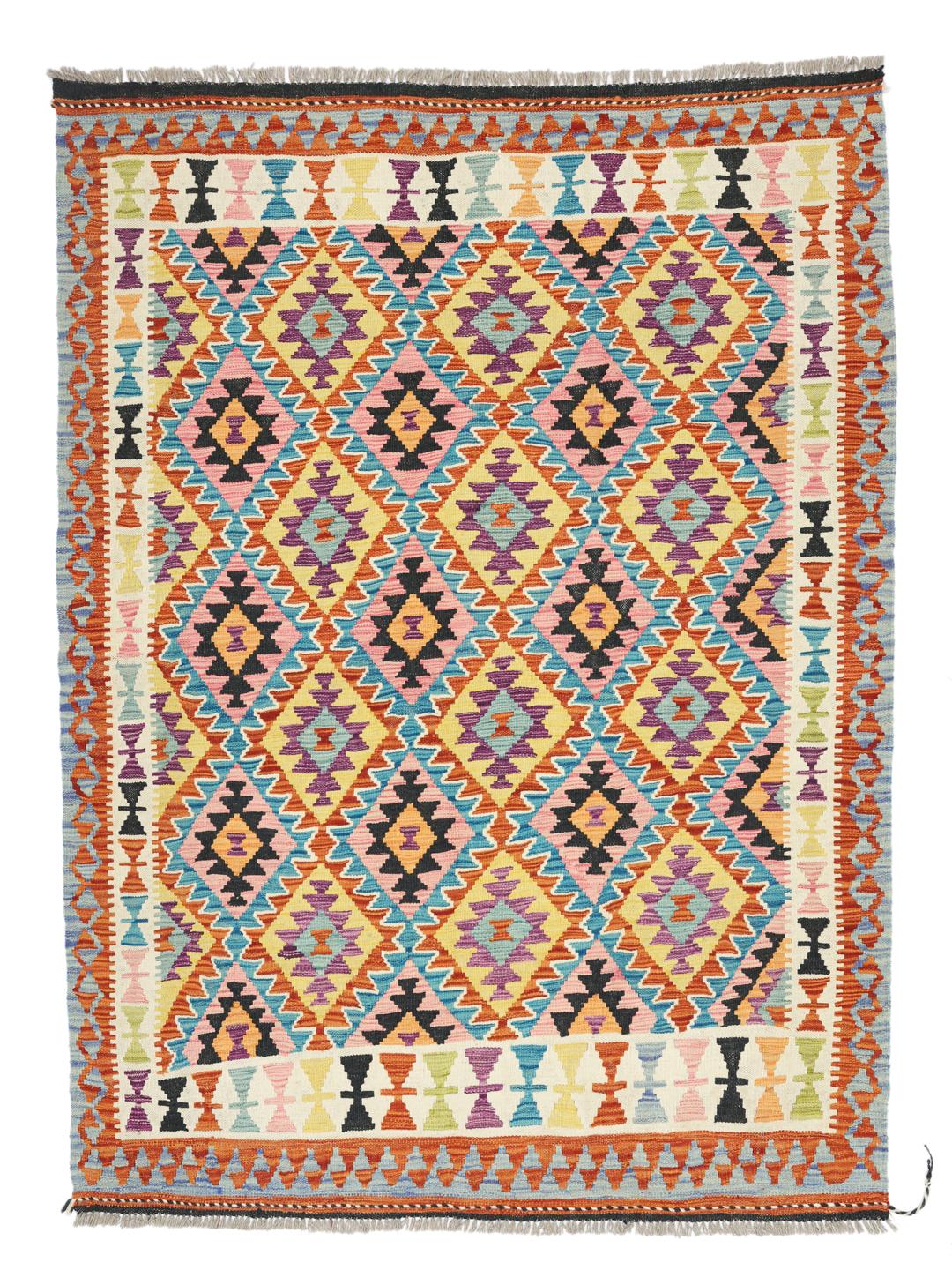
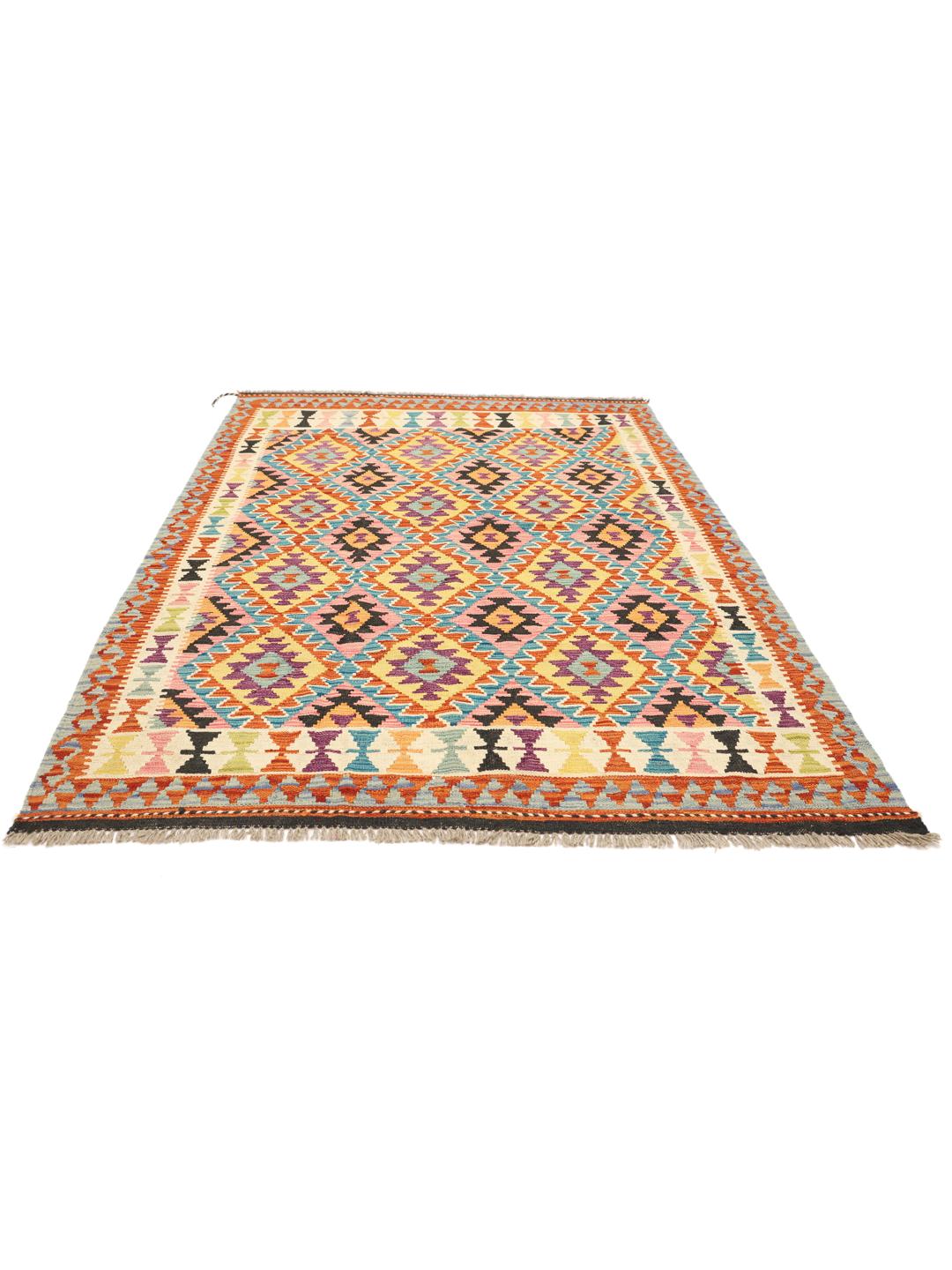
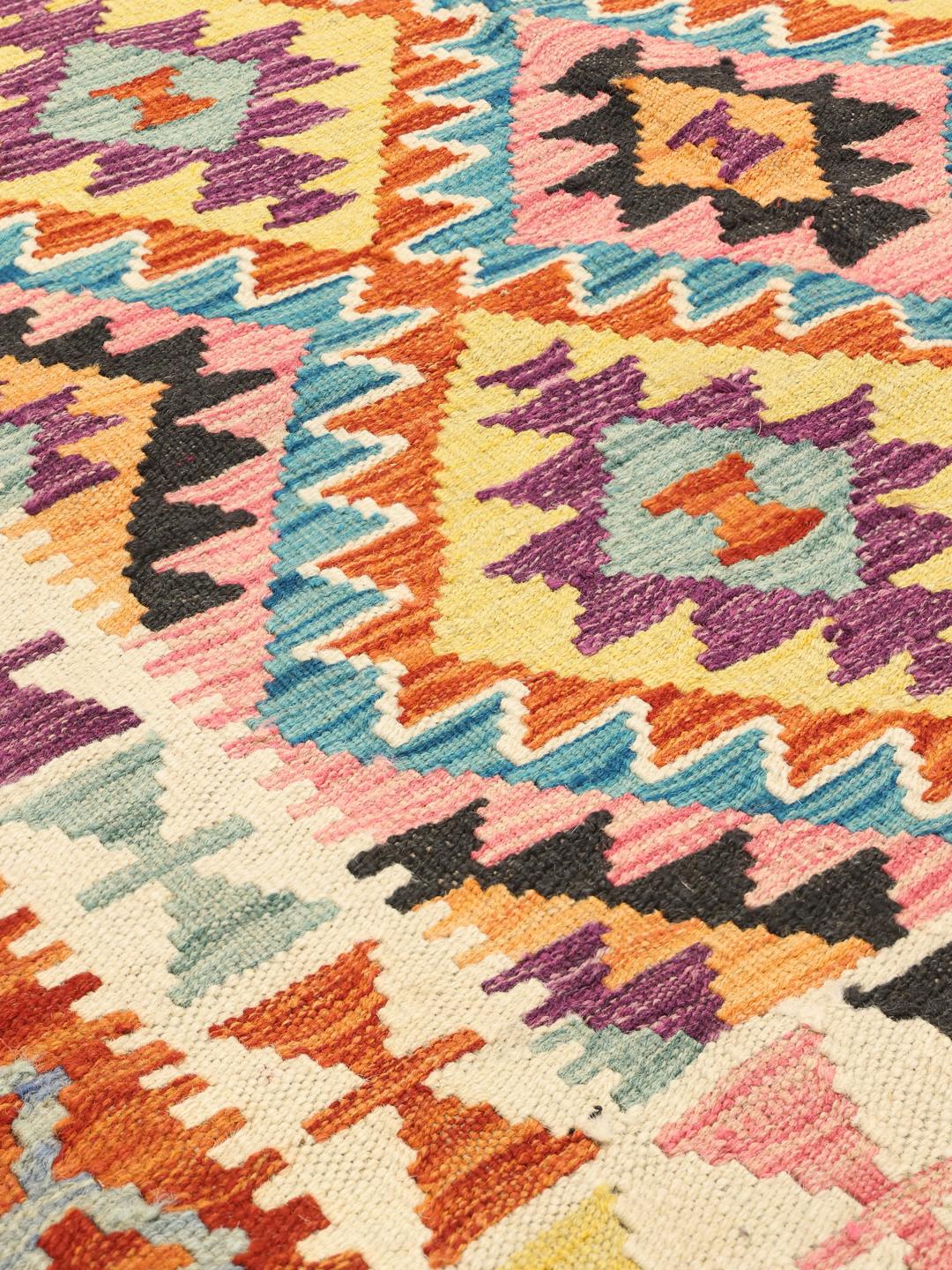
Visually, this rug is anchored by a repeating diamond motif, a classic element in Afghan weaving traditions. These geometric shapes are often symbolic, representing protection or prosperity within the culture. The bold palette and the careful arrangement of these diamonds showcase the weaver's ability to balance complex patterns with a sense of visual harmony.
Collecting a Kelim is more than just purchasing a floor covering; it is an investment in cultural heritage. Each piece acts as a narrative, with colours and patterns often reflecting the specific region or family history of the maker. Owning this rug connects you to a lineage of makers who have refined these techniques for centuries, ensuring that this tradition remains vibrant in modern homes.