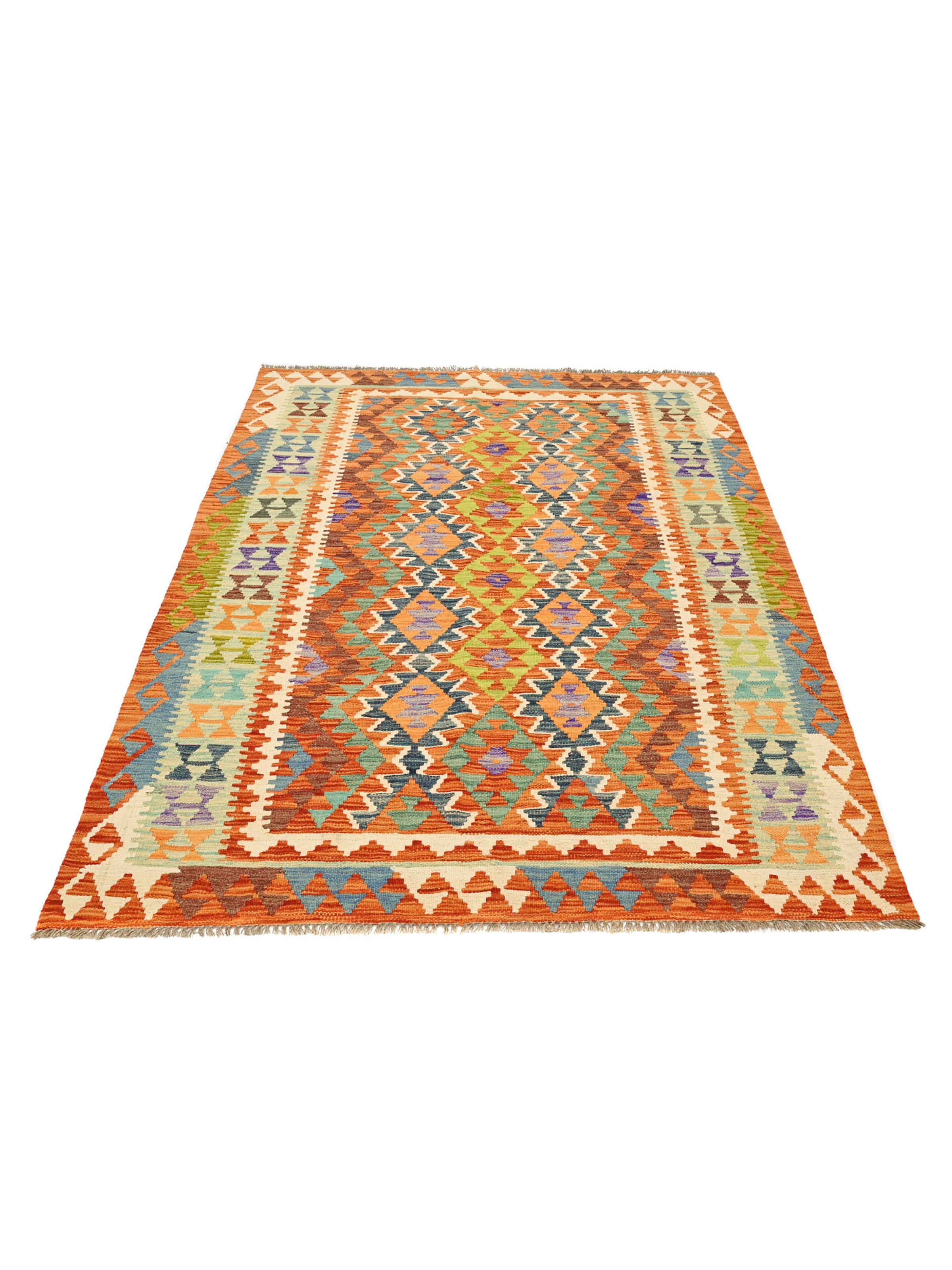
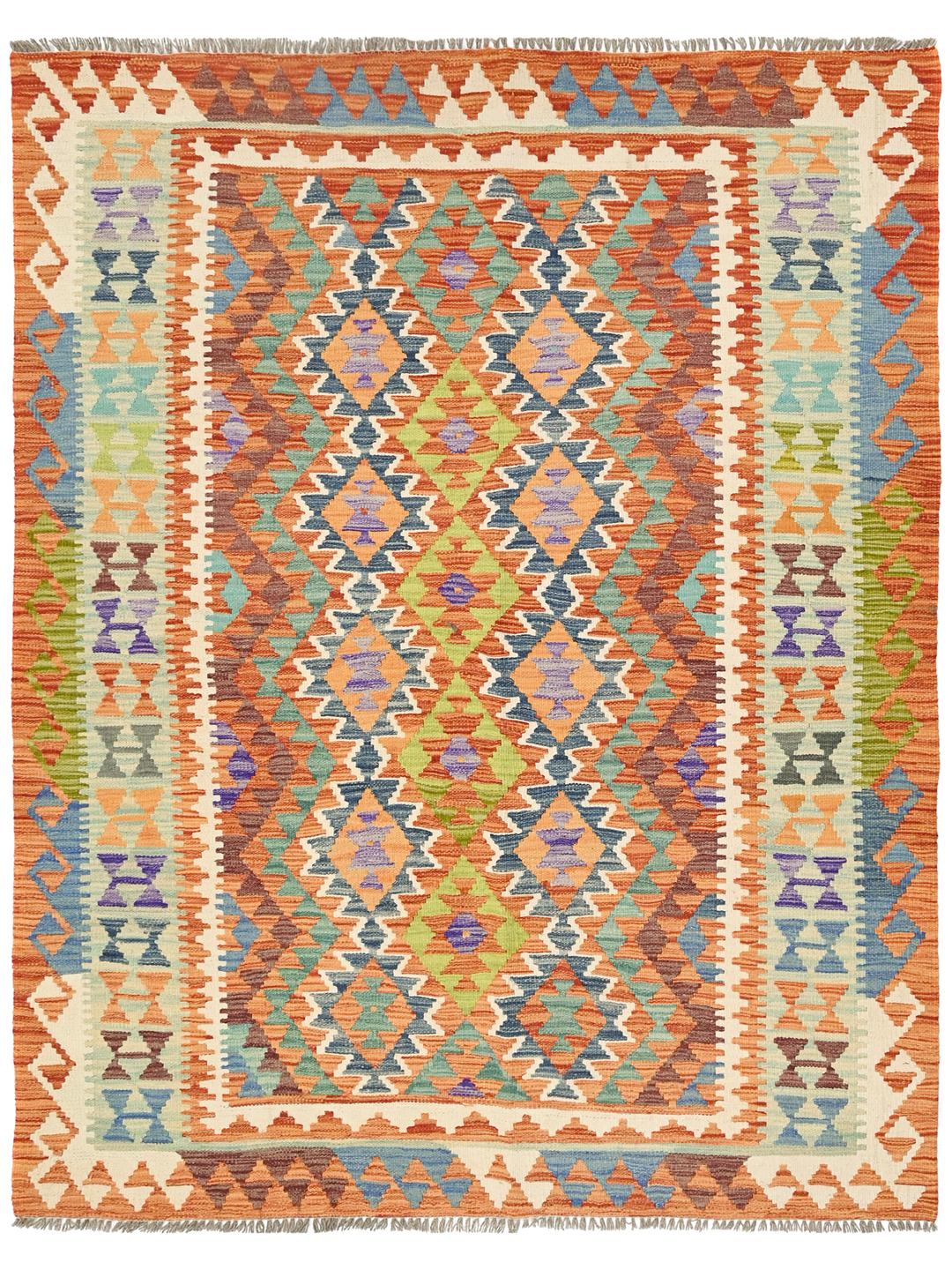
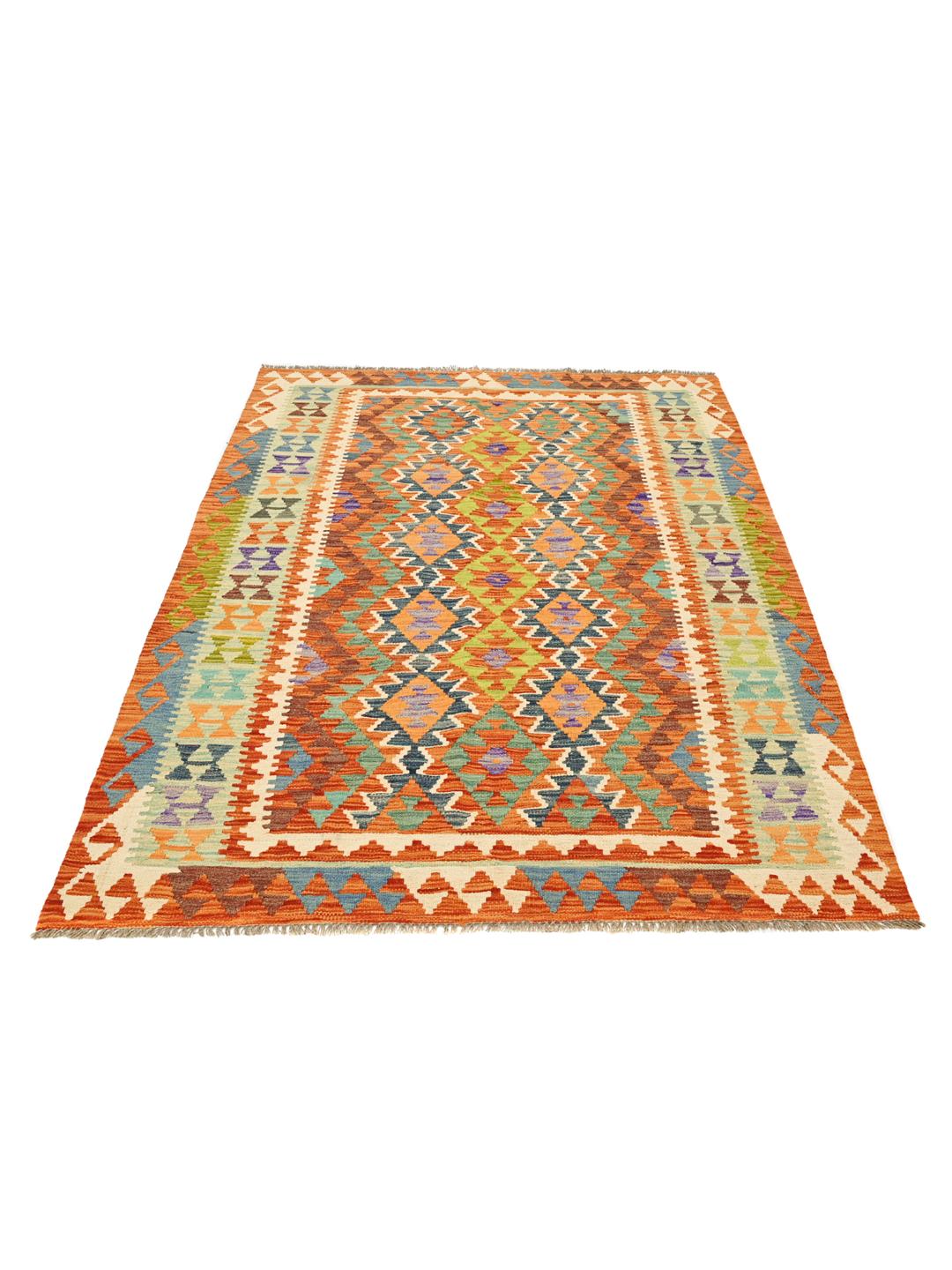
The tradition of weaving Kelims in Afghanistan is deeply rooted in the nomadic history of the region. For centuries, these flat-woven rugs have served as essential, portable items for life on the move, functioning as floor coverings, wall hangings, and storage bags. The knowledge required to create these textiles has been passed down through generations, with each region developing its own distinct visual dialect and preference for specific colour palettes.
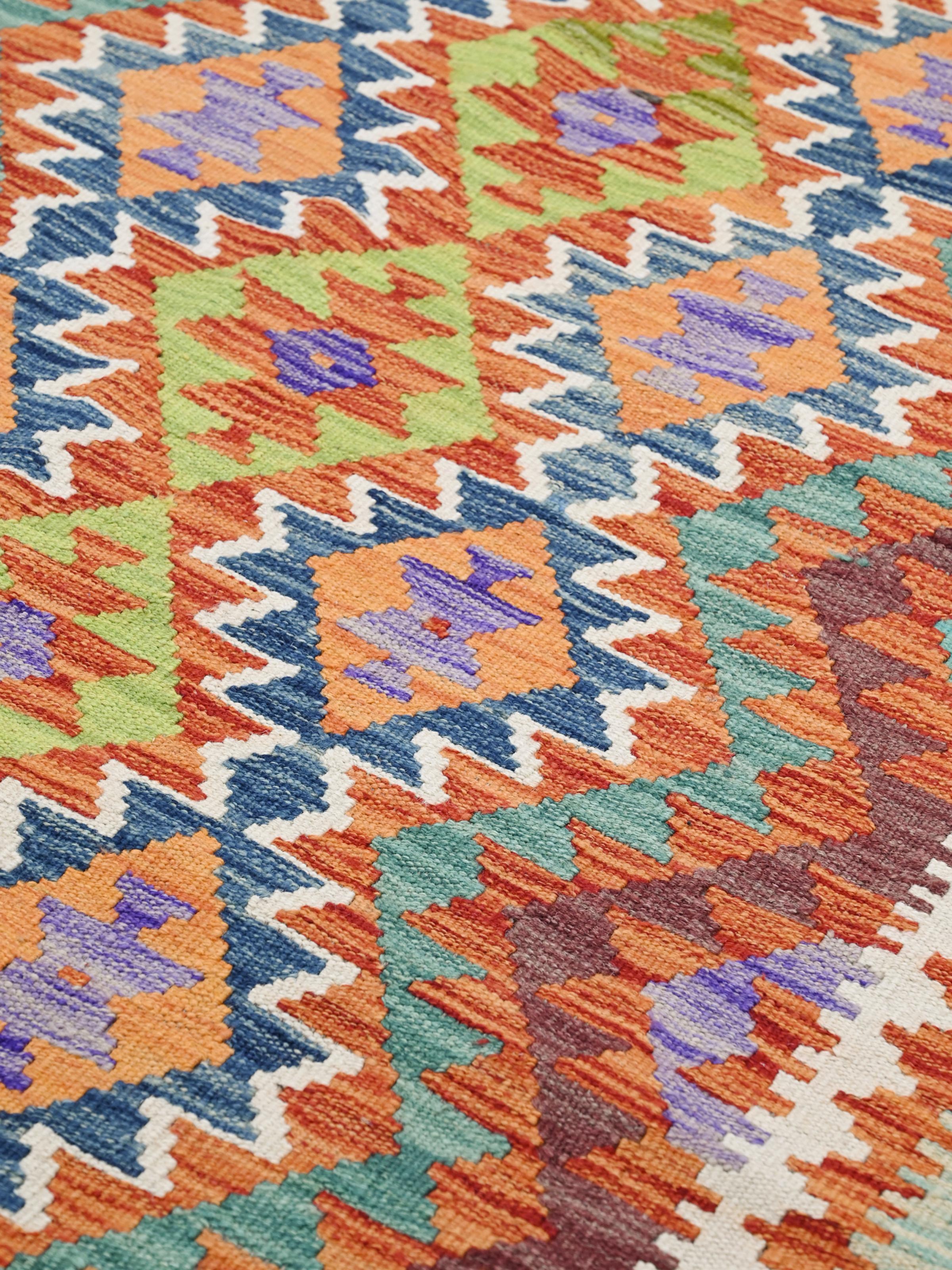
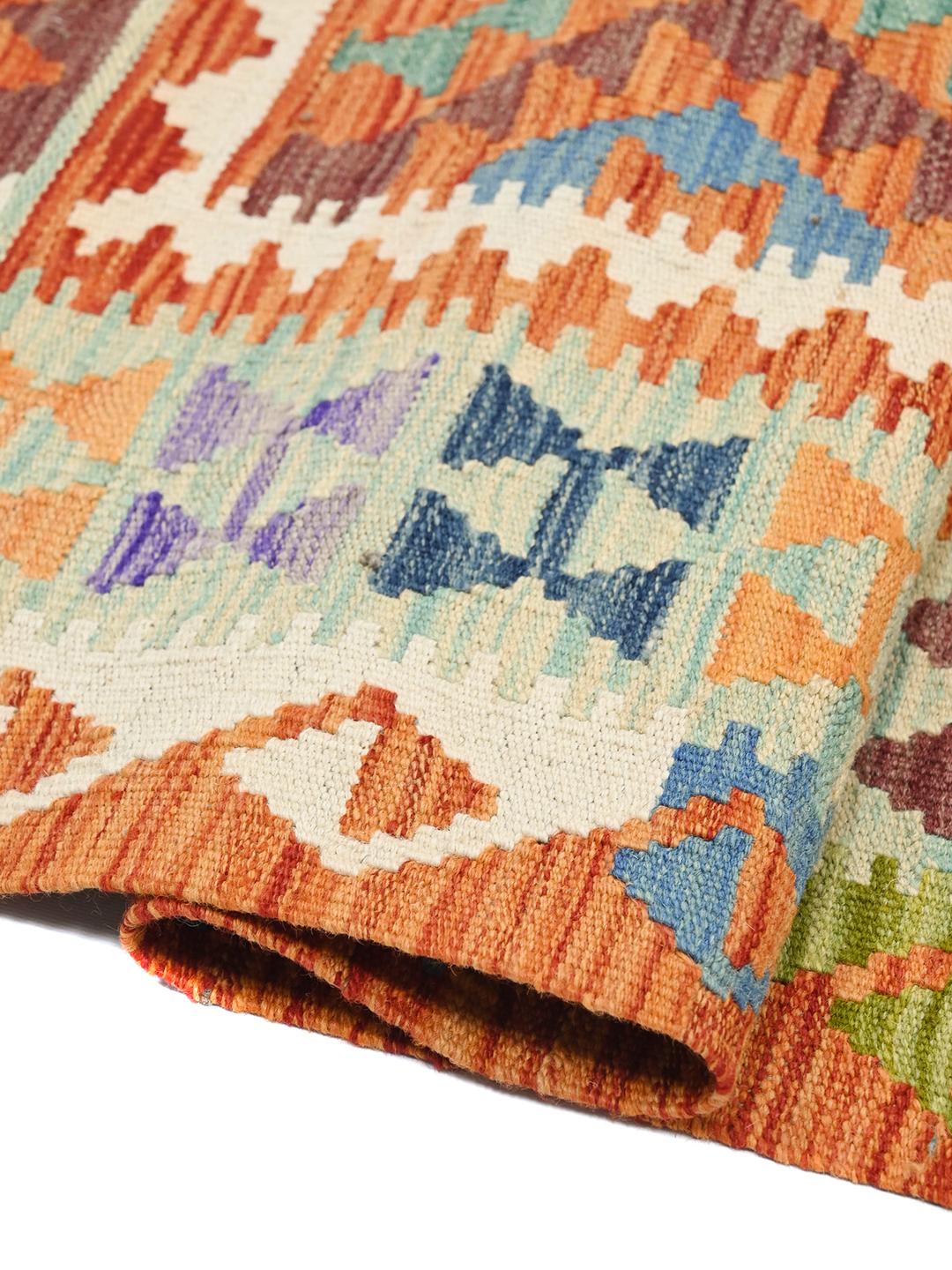
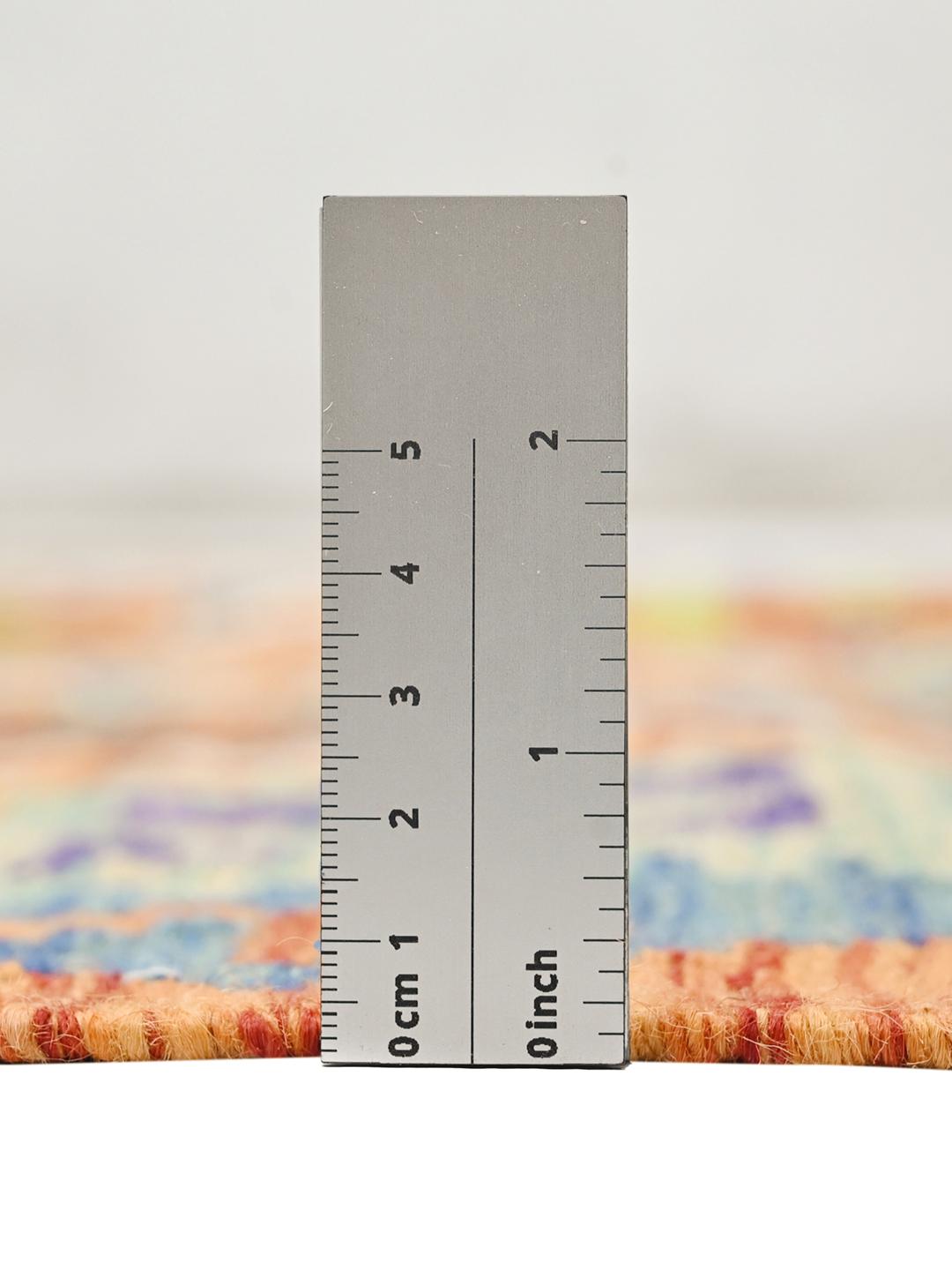
The term 'Kelim' refers specifically to the tapestry-weaving technique where the weft strands are tightly packed to create a smooth surface without a raised pile. This construction method allows for very sharp, intricate geometric designs, as the weaver can easily shift between colours to form diamonds, triangles, and complex borders. The durability of these rugs is a direct result of this tight, consistent weaving, which creates a robust fabric that resists wear while remaining light enough to be practical in a nomadic or modern home setting.
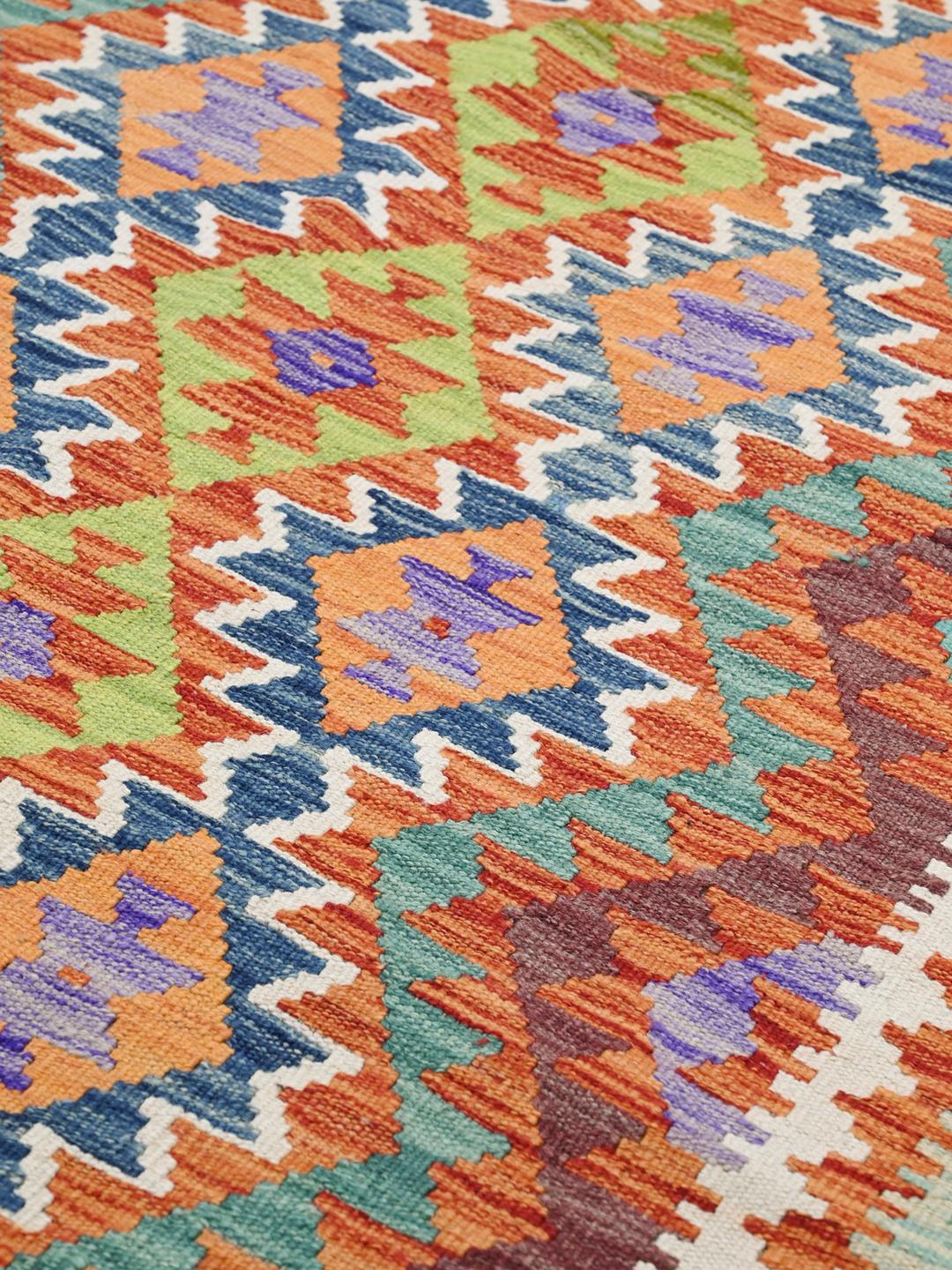
Signature design elements of this tradition include the use of repeating geometric medallions and symbolic motifs that often represent protection, fertility, or the natural landscape. In this particular piece, the diamond motif takes centre stage, framed by decorative borders that anchor the composition. The use of vibrant, contrasting colours is a hallmark of the Afghan style, often utilising natural dyes that develop a beautiful, muted patina over time, adding to the rug's character and historical depth.
Owning an authentic Afghan Kelim is an investment in cultural heritage and human skill. These pieces are highly valued by collectors for their individuality and the undeniable evidence of the maker's hand in every line and colour shift. By bringing such a rug into your home, you are connecting to a long-standing artistic lineage, acquiring a piece that carries the weight of history and the unique spirit of the artisans who wove it into existence.