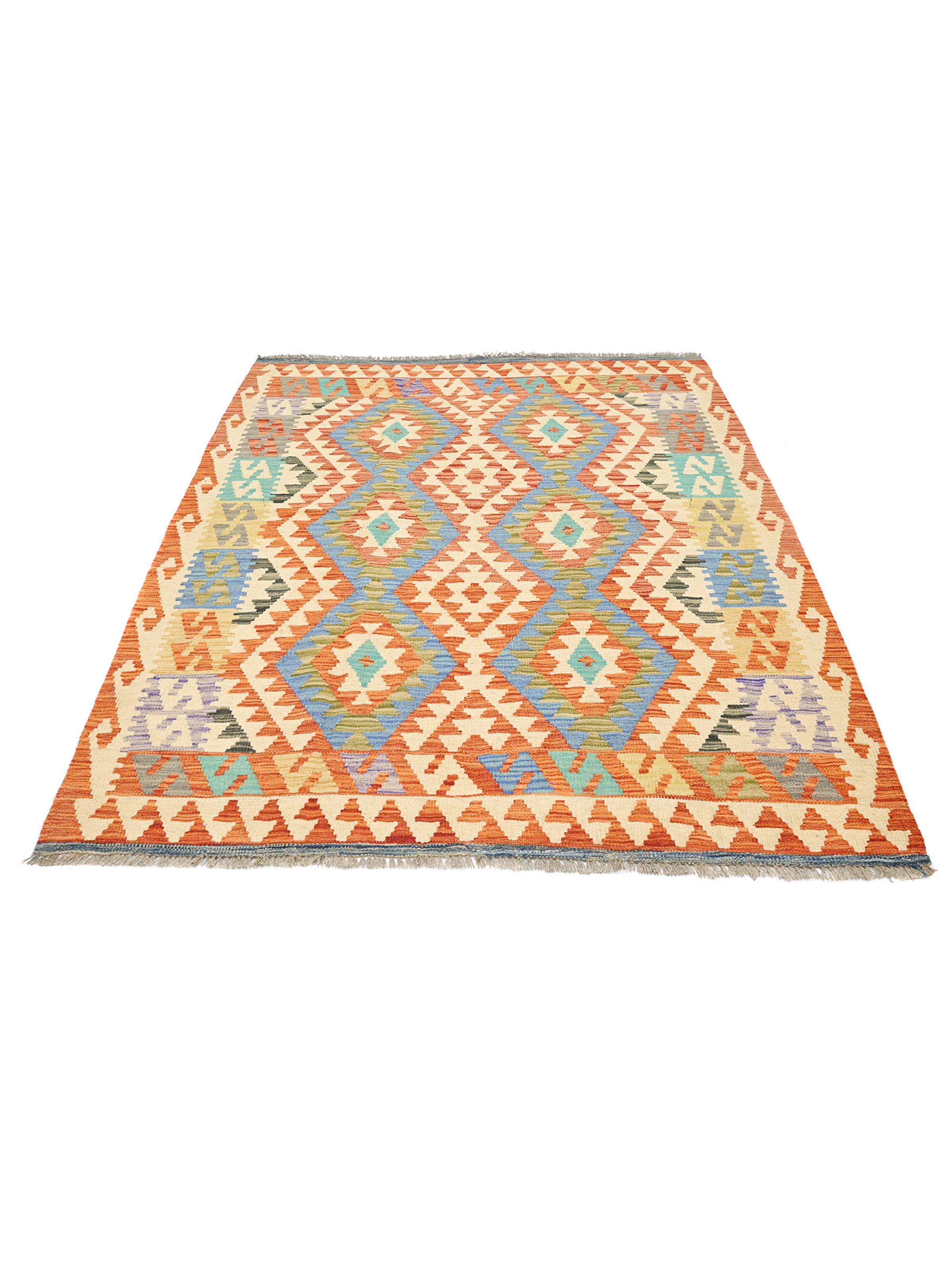
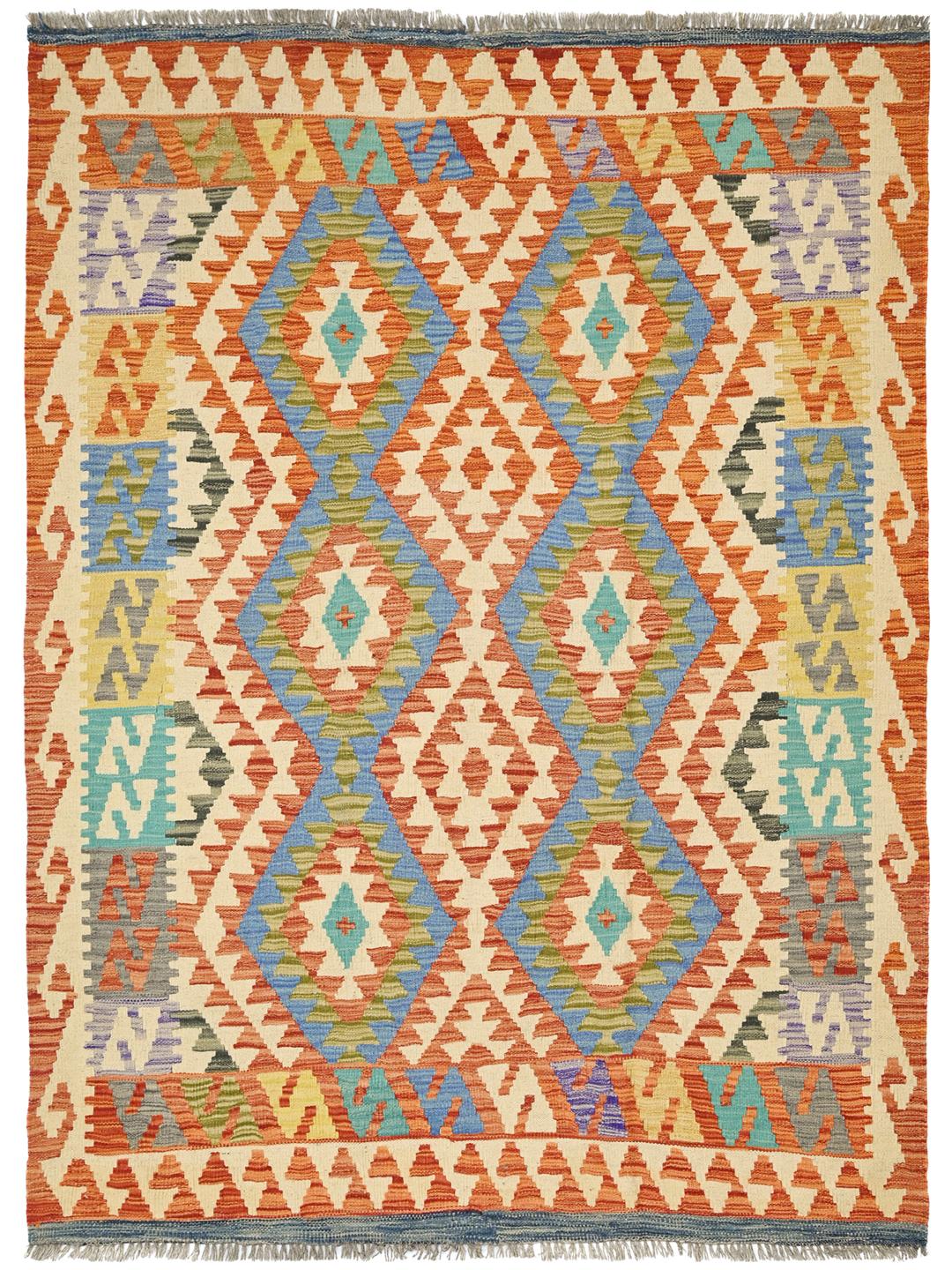
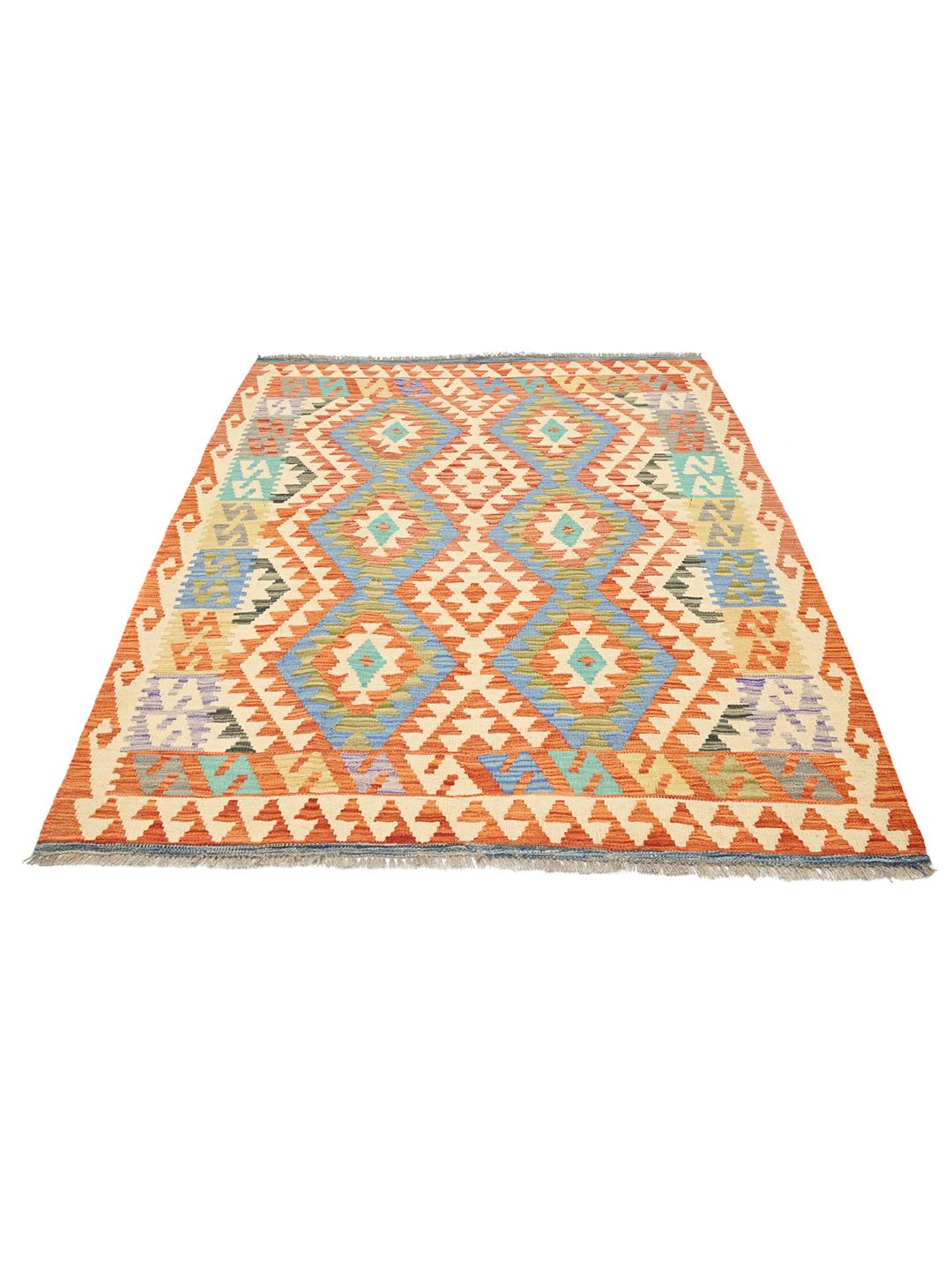
The Kelim, or Kilim, is a hallmark of the nomadic weaving traditions that have flourished across the Middle East and Central Asia for centuries. These rugs are traditionally created by nomadic tribes who required durable, lightweight, and portable floor coverings that could serve multiple purposes, from ground covers to blankets and wall hangings.
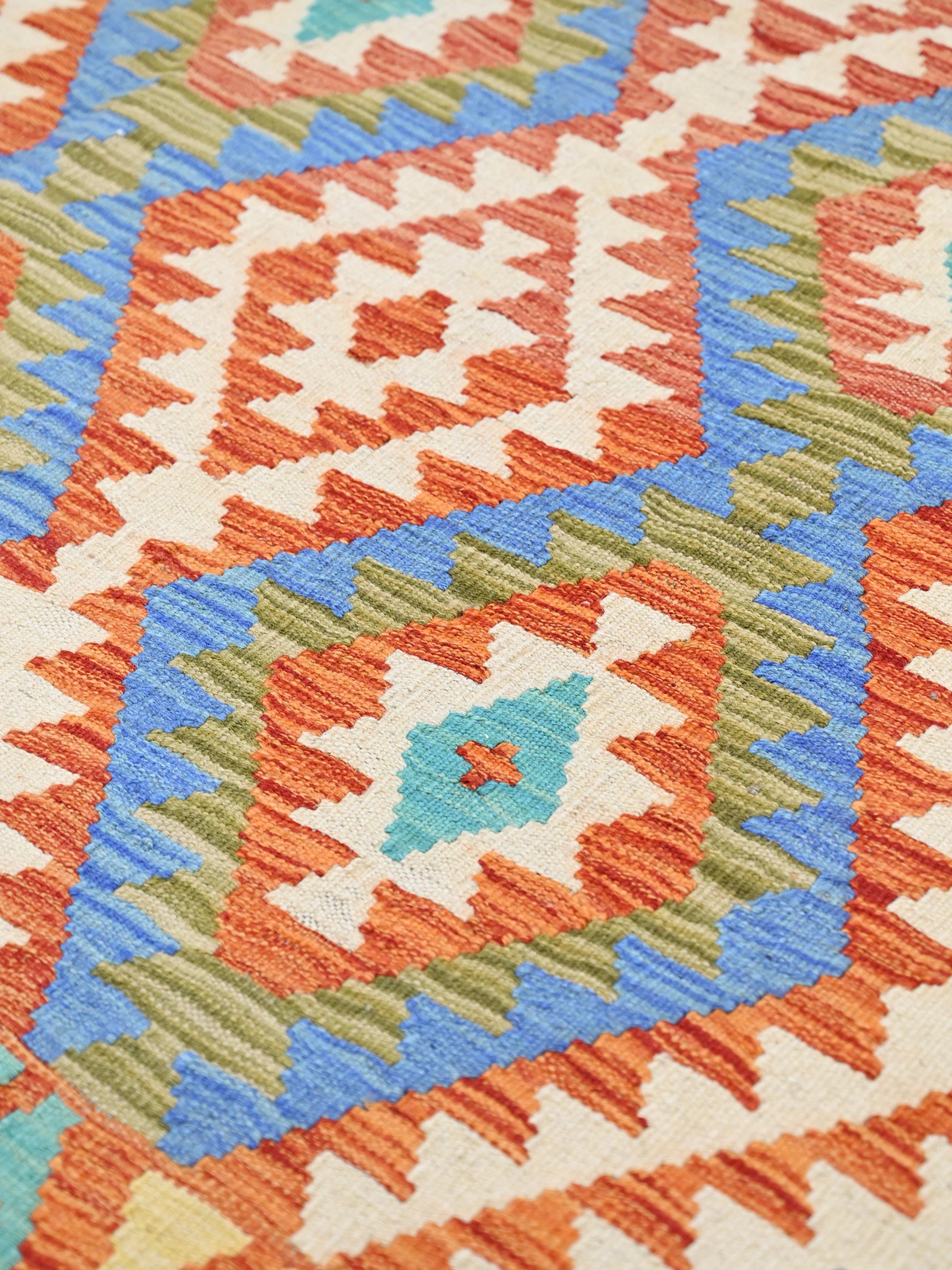
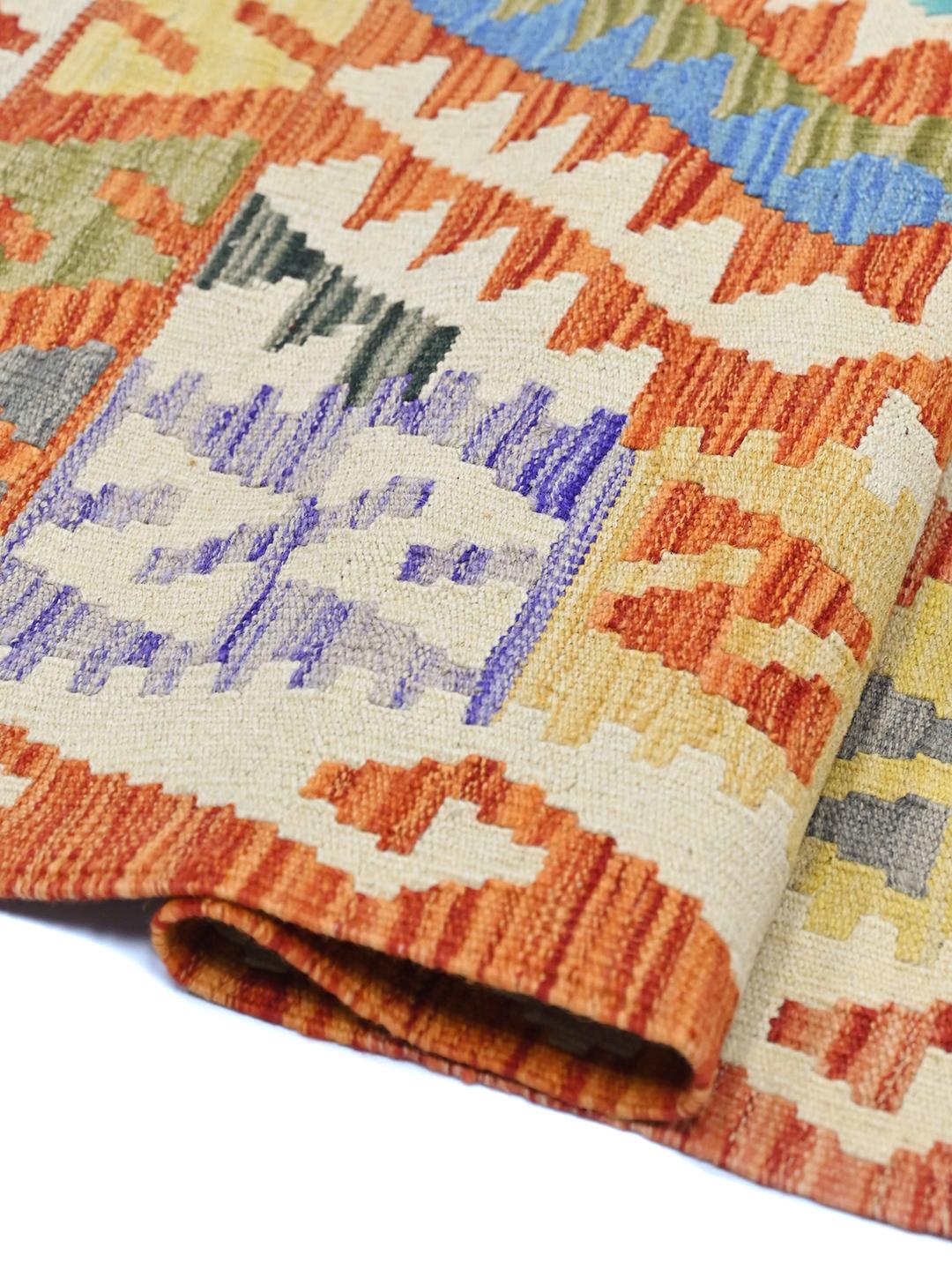
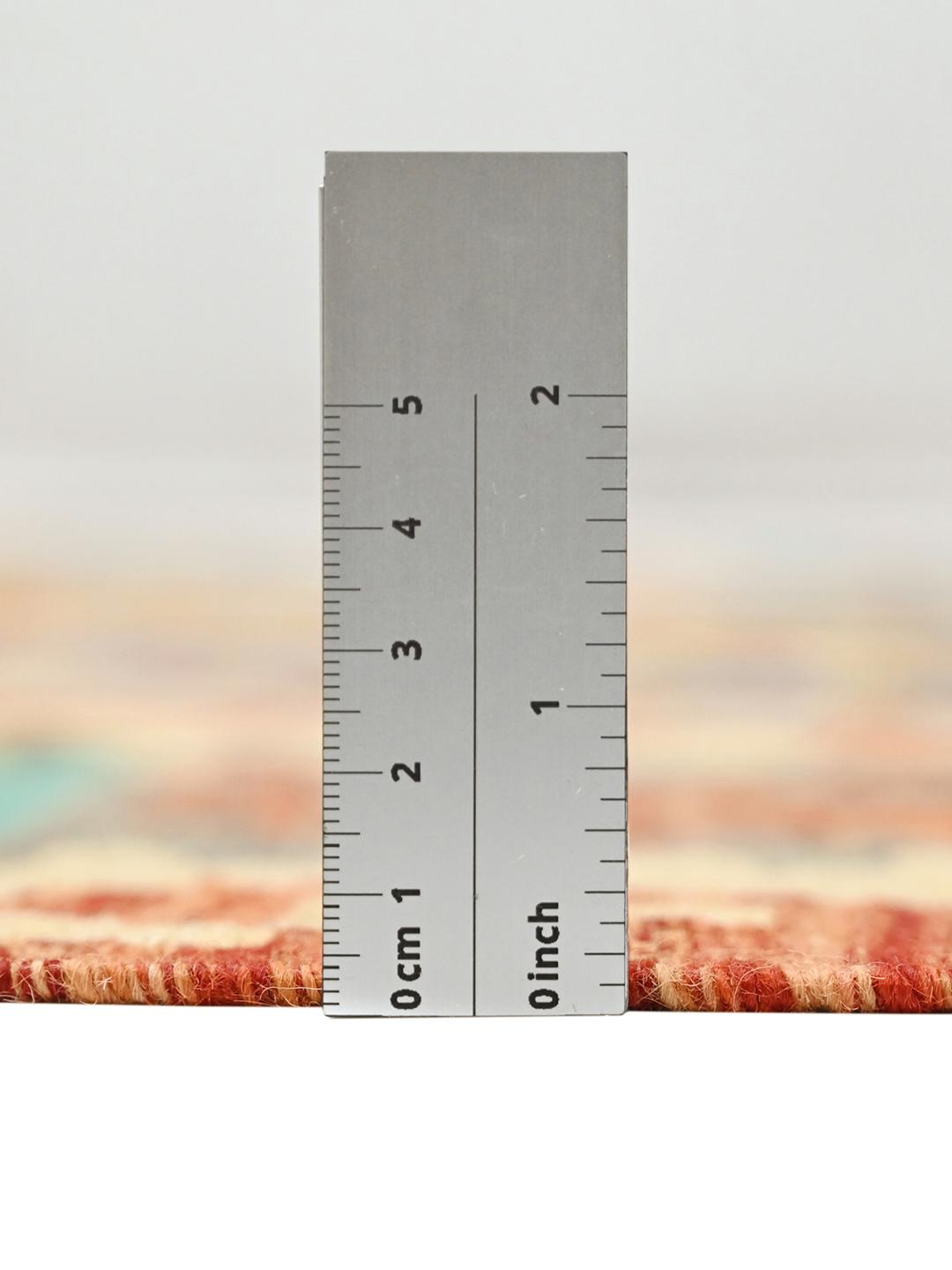
The term 'Kelim' refers specifically to the flat-weaving technique where the weft threads are pulled tightly over the warp to create a smooth, pileless surface. This technique produces a rug that is reversible and remarkably resilient. Because there is no pile to wear down, these pieces are prized for their ability to maintain their structural integrity even after decades of use in a busy home.
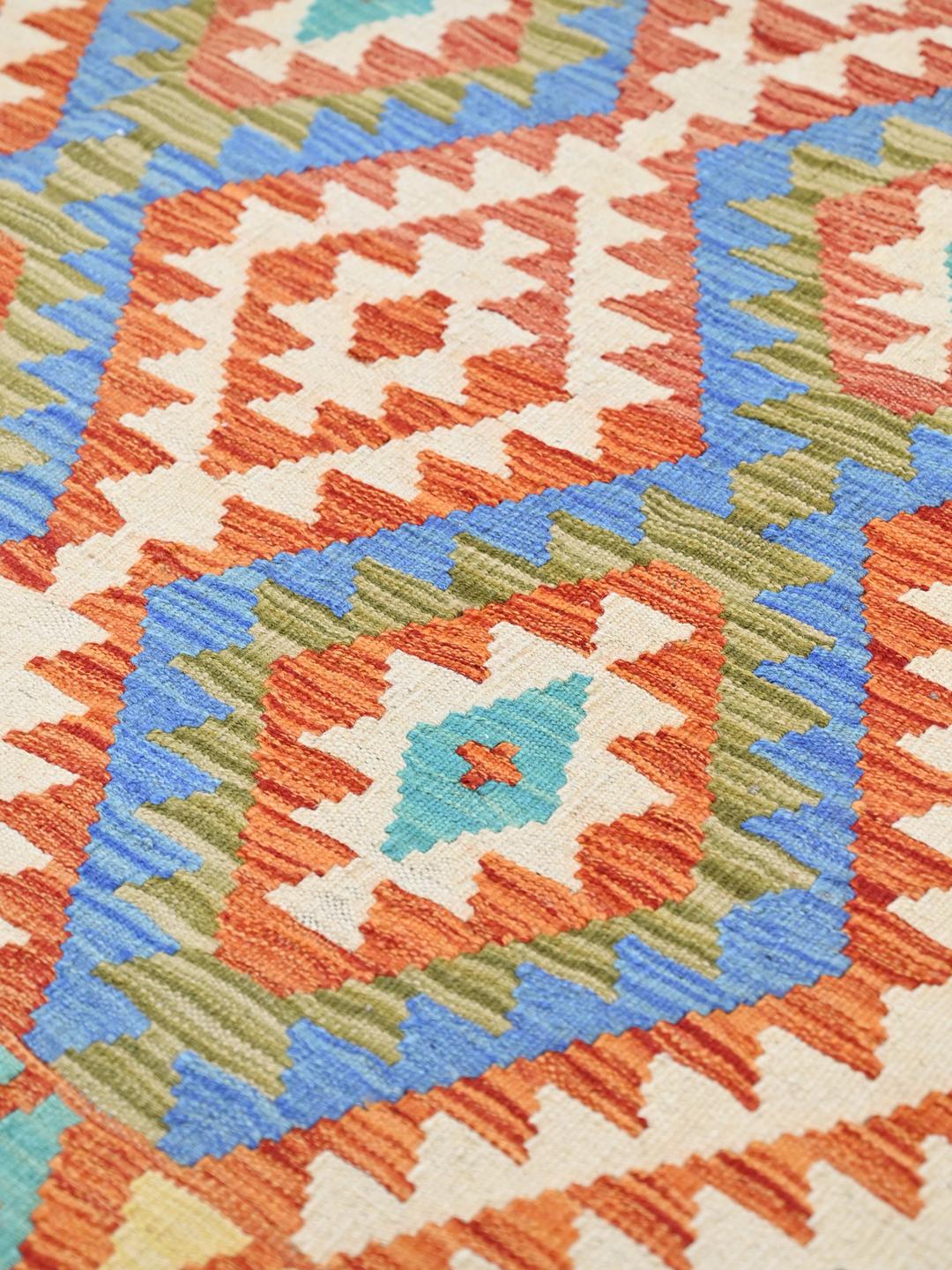
The signature design elements of an Afghan Kelim often include sharp, geometric motifs such as diamonds, triangles, and zig-zags. These patterns are not merely decorative but often carry symbolic meanings related to protection, fertility, or tribal identity. The use of bold, earthy colours is characteristic of the region, where natural dyes were historically sourced from local plants, roots, and minerals to create iconic, saturated hues.
Owning an Afghan Kelim is more than just a decor choice; it is an investment in cultural heritage. These rugs are collected for their authenticity and the incredible skill required to maintain pattern symmetry without the aid of a loom-based guide. Each piece serves as a physical record of the weaver's narrative, making it a highly valued addition for those who appreciate the intersection of functionality and history.