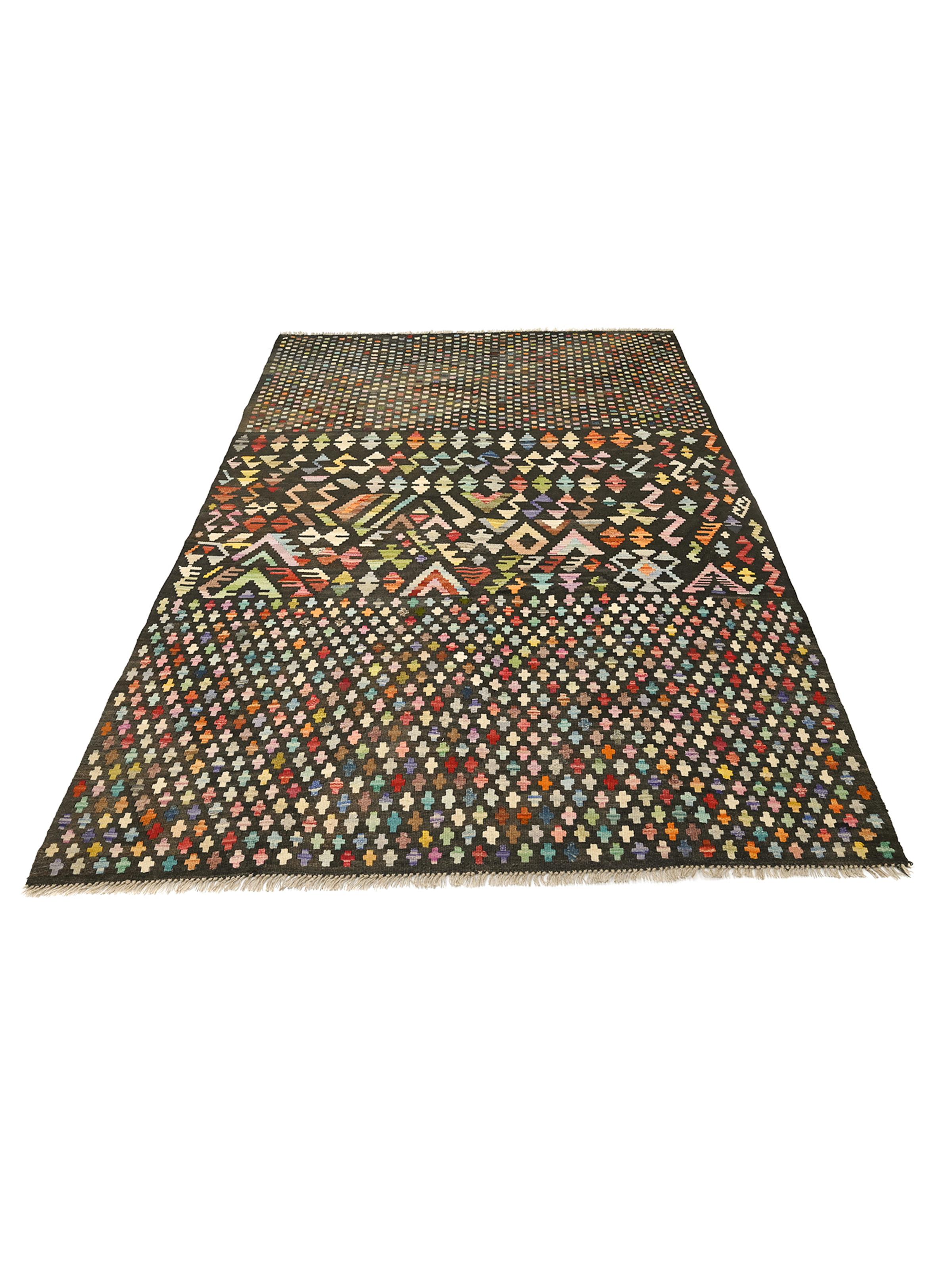
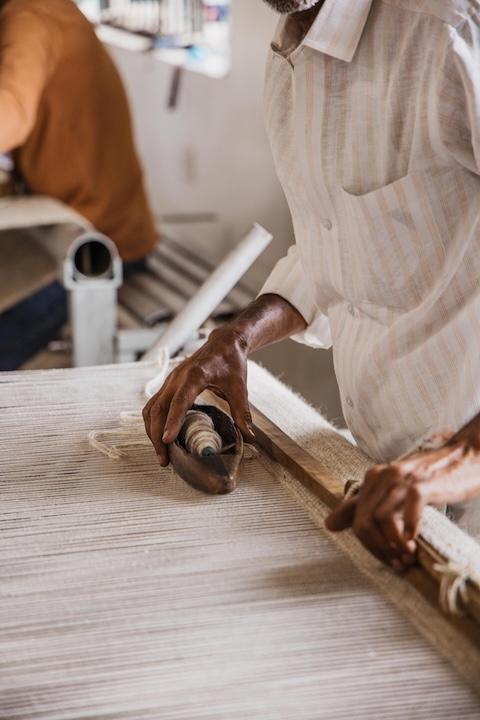
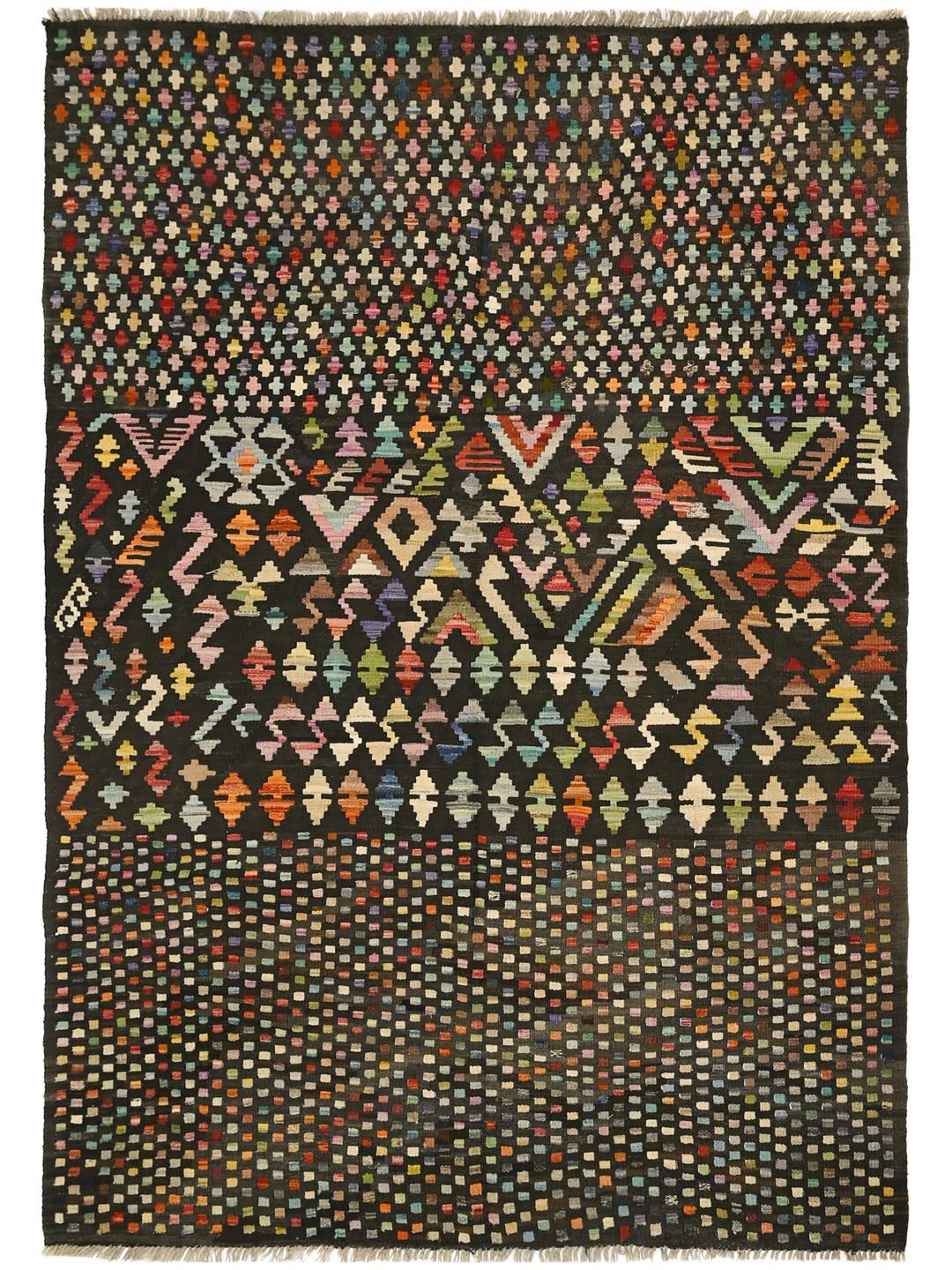
Kelim weaving in Afghanistan is an ancient textile art deeply rooted in nomadic and village cultures. Traditionally created for domestic use as floor coverings, blankets, and storage bags, these flatwoven textiles reflect the daily rhythm and heritage of the communities that craft them.
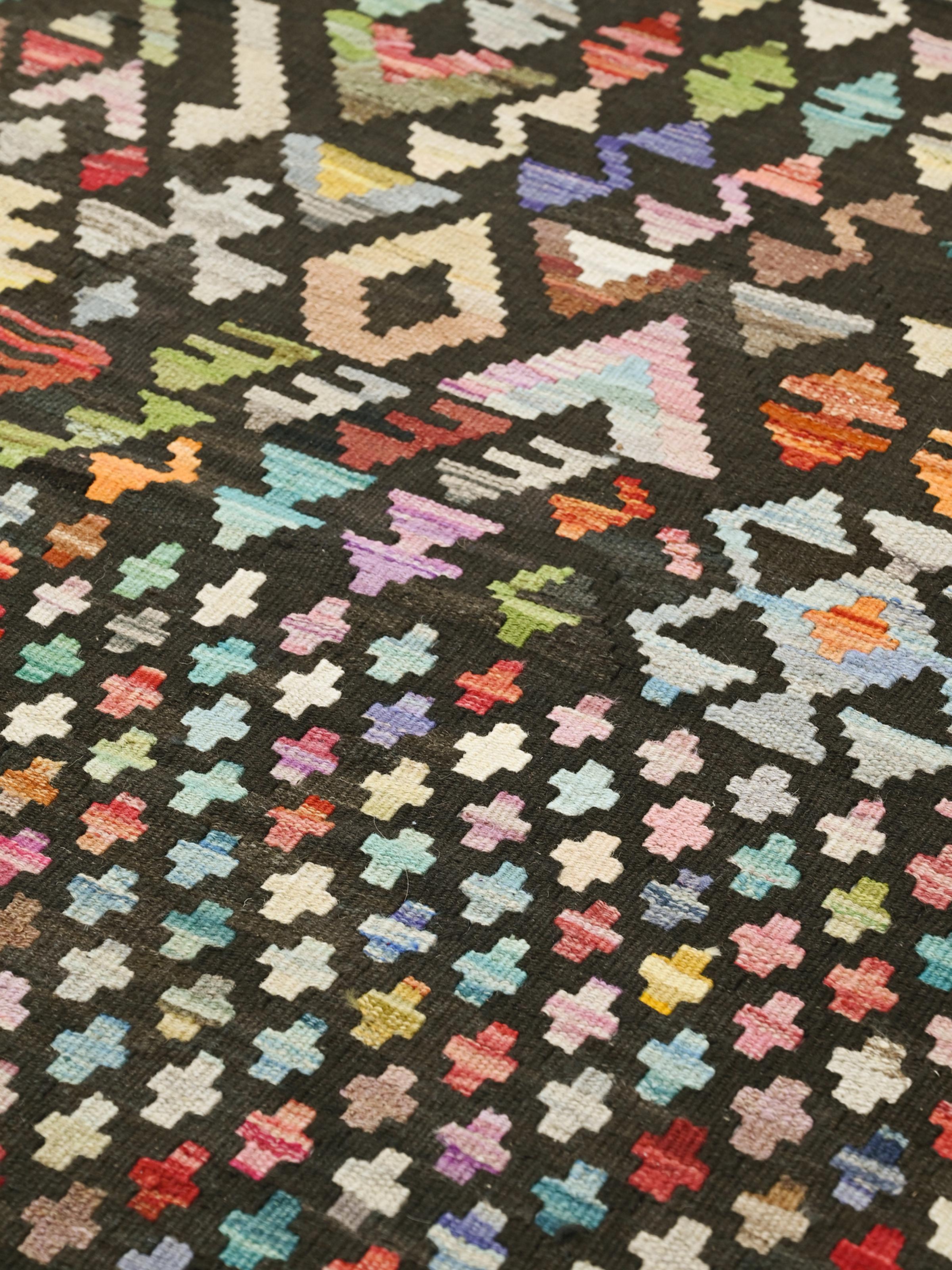
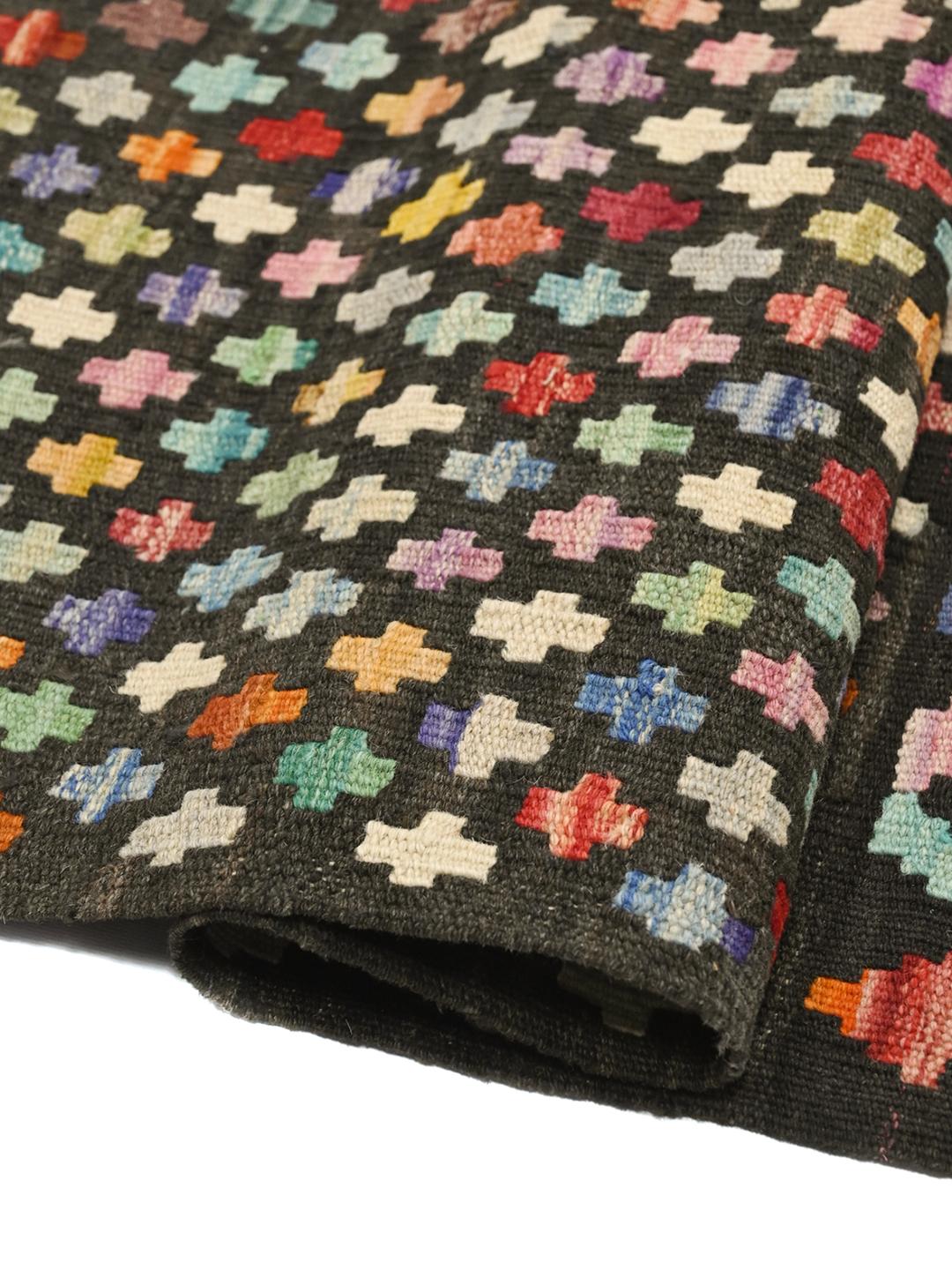
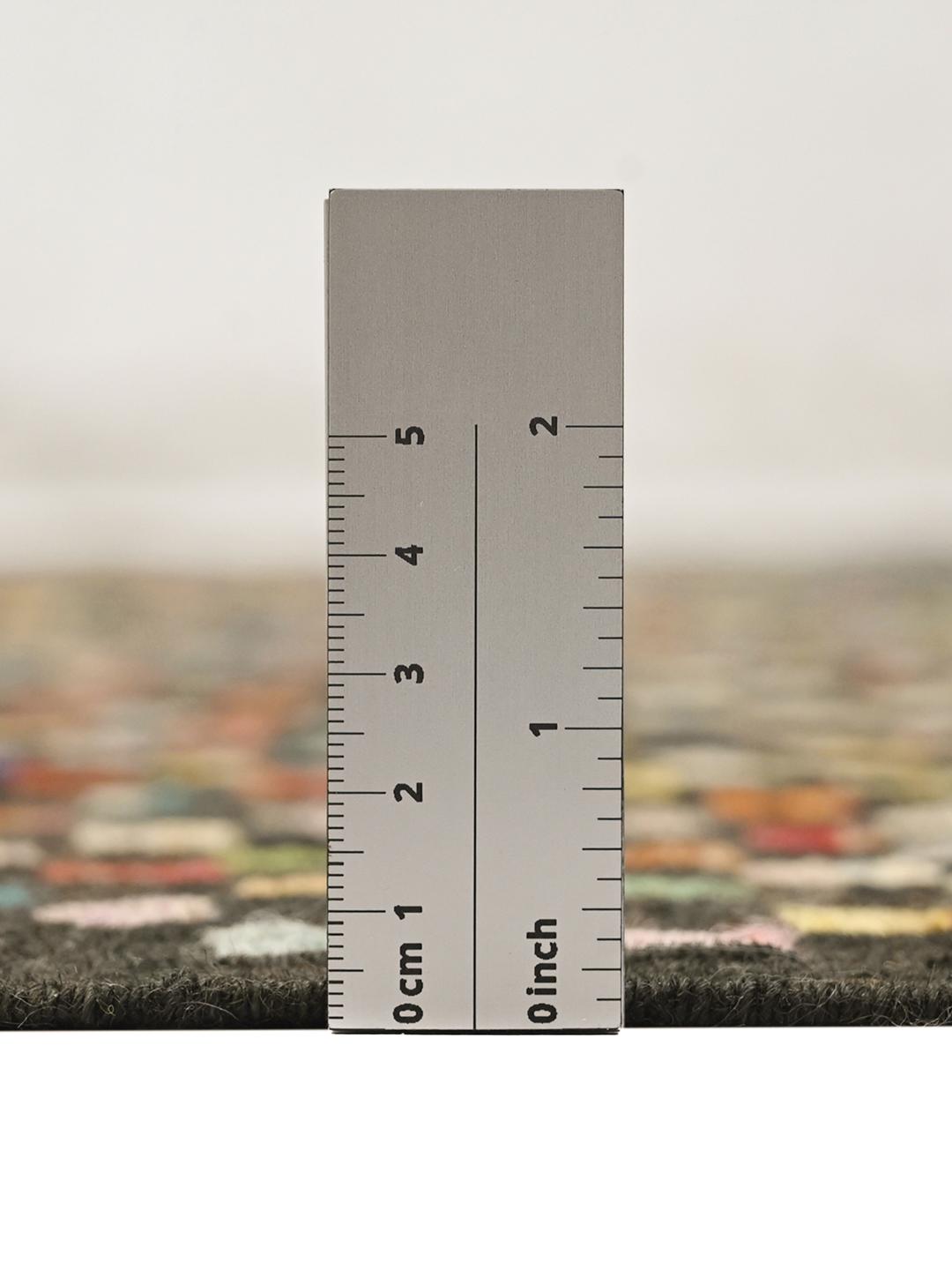
The term kelim refers specifically to a tapestry-woven flat rug where the warp and weft threads are tightly woven together without a raised pile. Woven entirely from wool, these rugs are lightweight, exceptionally strong, and reversible, making them both practical and resilient over long periods.
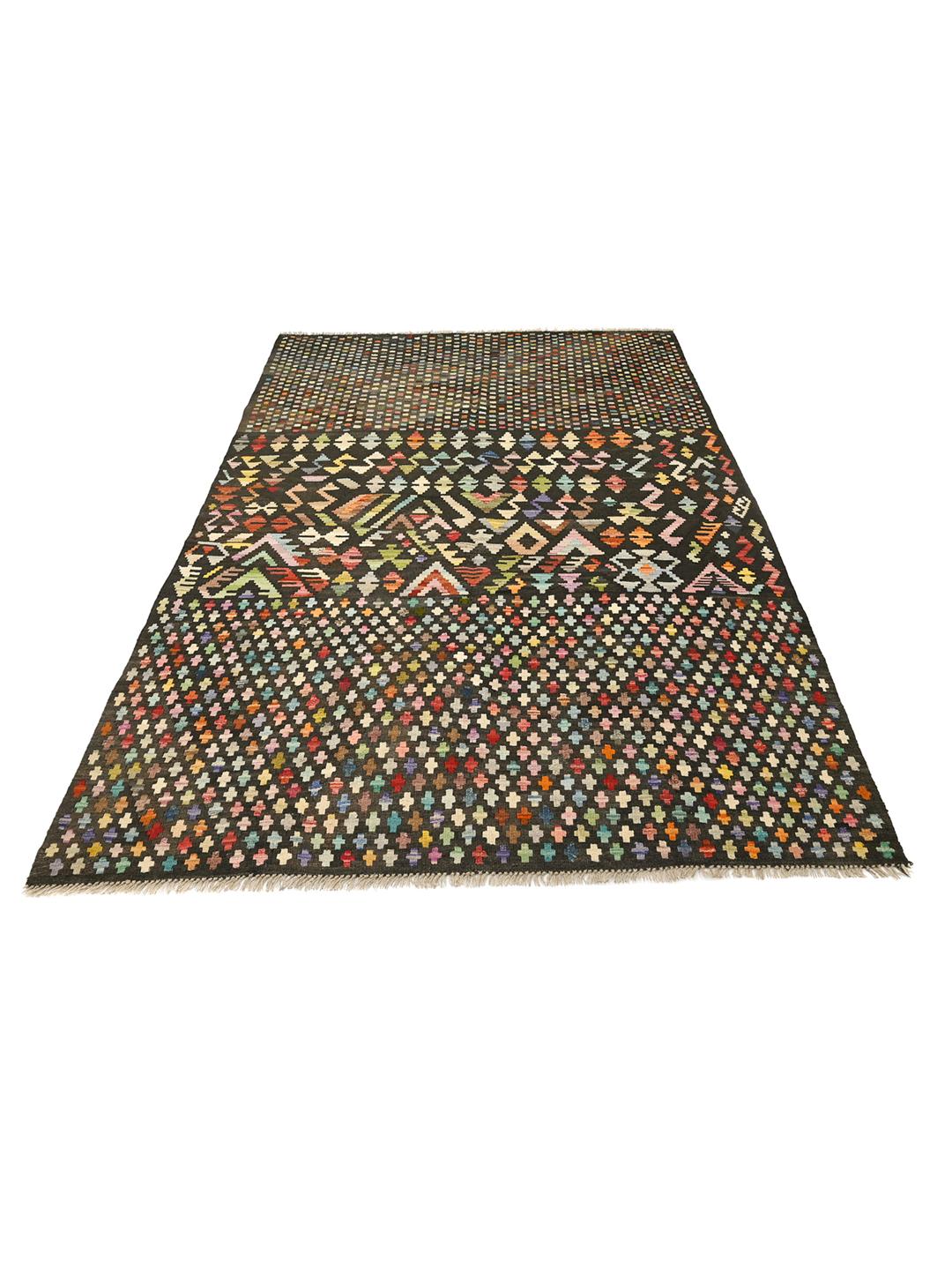
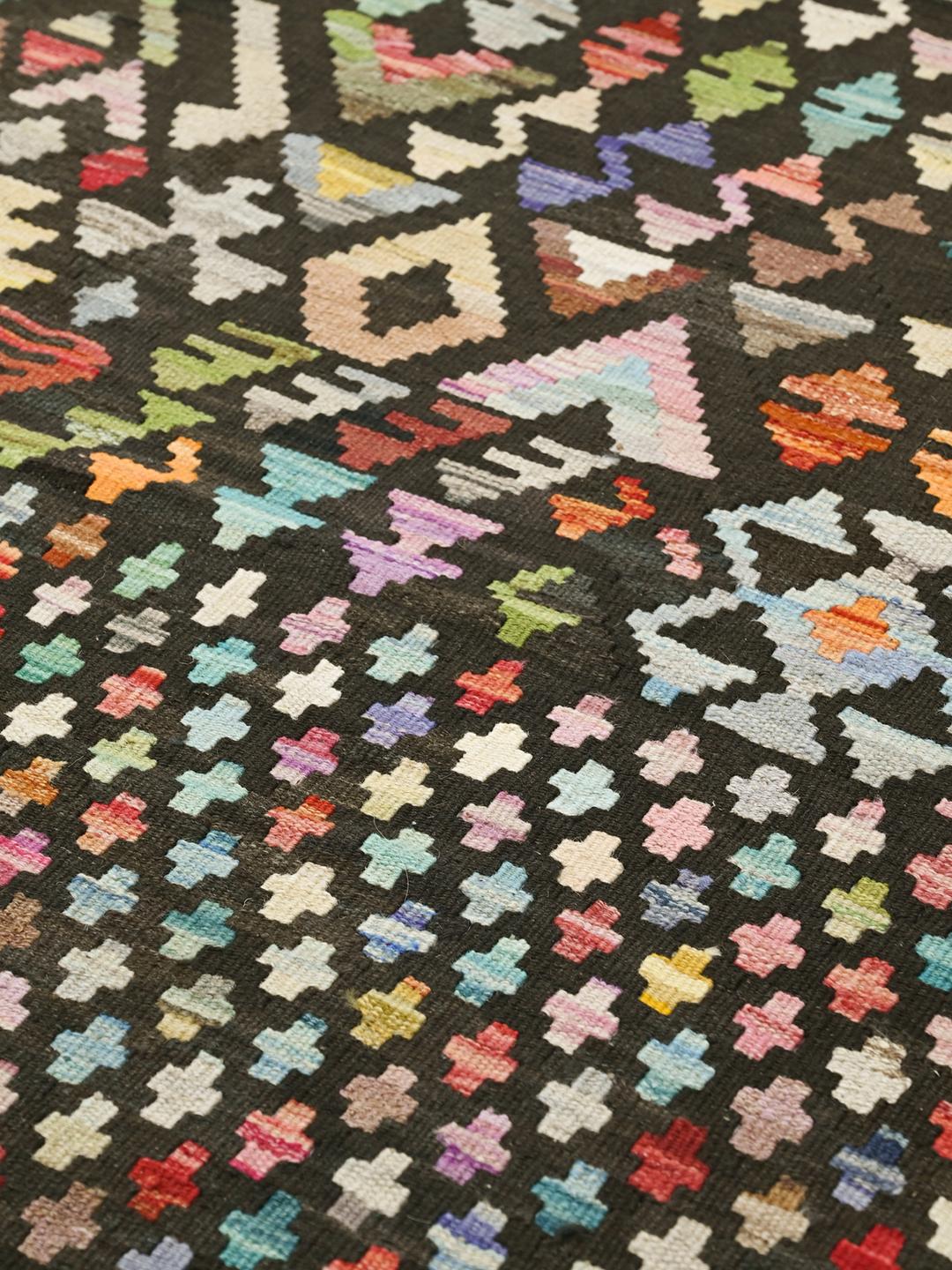
Visual storytelling defines the design language of Afghan kelims. The repeating bands of diamonds, triangles, and zig-zags are filled with symbolic meaning, often representing protection, abundance, or local landscapes. While dark backgrounds with bright geometric accents are classic, every weaver adapts these motifs to create a unique visual rhythm.
Collector value in Afghan kelims comes from their authenticity, material quality, and individual craft details. A vintage piece made with pure wool holds cultural weight, serving as a functional piece of art that gains character and beauty with time.